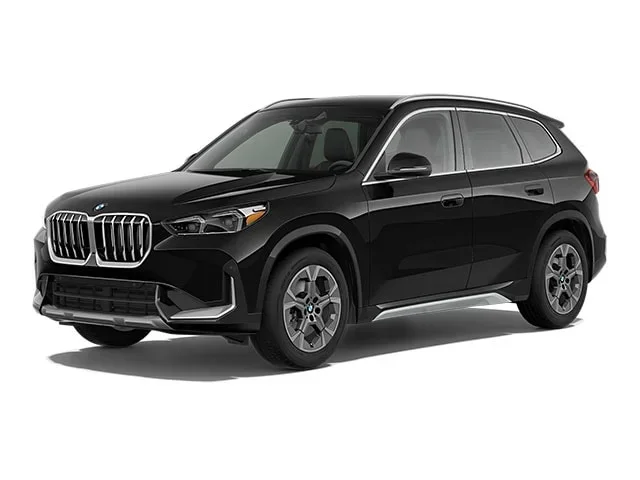
Featured image for BMW X1 xDrive SUV
Image source: images.autodaily.com.au
is bmw x1 permanent 4 wheel drive is an essential topic that provides valuable insights.
Key Takeaways
- Not all X1 models are AWD: Only xDrive badged models feature permanent all-wheel drive; sDrive models are front-wheel drive.
- xDrive is fully variable: The system can send 100% of torque to either axle instantly based on grip levels.
- Generations matter: The system evolved from the first generation (E84) to the current U11 chassis with improved response times.
- Fuel economy differs: sDrive models typically return better MPG figures due to lower weight and mechanical drag.
- Winter performance varies: xDrive with winter tires outperforms sDrive with all-seasons in snow and ice significantly.
- Maintenance costs are higher for xDrive: Extra components like the transfer case and rear differential require fluid changes.
- Choose based on climate: Buy xDrive for snowy regions; sDrive saves money in mild climates.
📑 Table of Contents
- Understanding the BMW X1 Drivetrain Layout
- xDrive vs sDrive: The Core Differences
- Is BMW X1 Permanent 4 Wheel Drive in the Real World?
- Which BMW X1 Models Come with xDrive?
- Driving Dynamics: Snow, Rain, and Dry Pavement
- Ownership Costs: Purchase, Fuel, and Maintenance
- Making the Right Choice for Your Life
- Frequently Asked Questions
- Conclusion
Understanding the BMW X1 Drivetrain Layout
The BMW X1 has used a front-wheel-drive architecture since its second generation launched in 2015. This platform shift moved the engine from longitudinal to transverse mounting. It changed how power reaches the wheels forever.
Because of this layout, the BMW X1 drivetrain relies on a power take-off unit bolted to the transmission. This unit sends torque to a driveshaft running under the cabin to a rear differential. It is a compact, lightweight solution designed for transverse engines.
This design means the X1 is primarily a front-wheel-drive vehicle. The rear axle only engages when the electronics detect slip or predict a need for traction. It is not a traditional longitudinal setup like you find in a 3 Series or 5 Series.
Front-Wheel Drive Bias Explained
In normal driving, the xDrive system sends nearly 100% of torque to the front wheels. This saves fuel and reduces wear on the rear driveline components. The rear axle is mechanically disconnected until the clutch pack in the transfer case engages.
This on-demand engagement happens in milliseconds. Sensors monitor wheel speed, steering angle, throttle position, and yaw rate. The control unit calculates the optimal torque split hundreds of times per second. It is seamless to the driver.
However, because the rear axle is not permanently driven by a solid mechanical link through a center differential, purists argue it is not permanent 4 wheel drive in the traditional sense. It is an electronically controlled, clutch-based all-wheel-drive system.
sDrive: The Front-Wheel Drive Baseline
Every BMW X1 sDrive model sends power exclusively to the front wheels. There is no transfer case, no driveshaft, and no rear differential. This saves roughly 100 to 150 pounds of weight depending on the generation.
The sDrive models use an electronic differential lock (EDLC) integrated into the stability control system. It brakes a spinning front wheel to send torque across the axle. It works well for rain and light gravel but cannot move torque to the rear.
If you live where it rarely snows, sDrive is the rational choice. You get better fuel economy, lower purchase price, and fewer components to maintain over the life of the car.
xDrive vs sDrive: The Core Differences
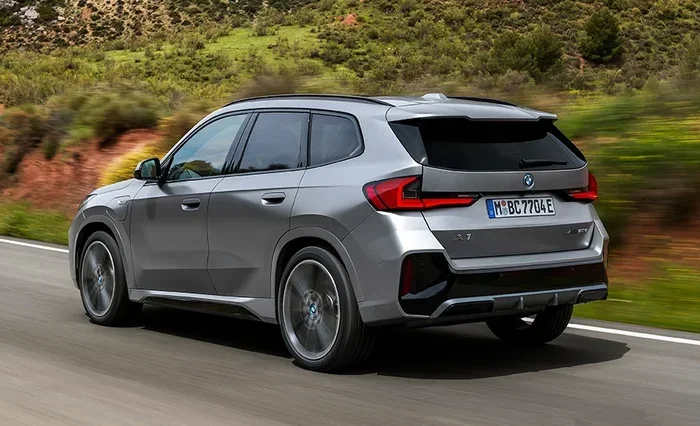
The badge on the trunk lid tells the whole story. xDrive means all-wheel drive. sDrive means two-wheel drive. But the engineering differences go deeper than a badge.
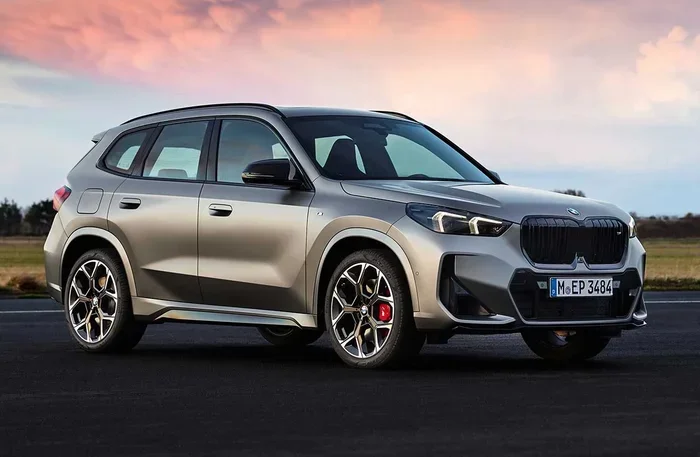
Visual guide about BMW X1 xDrive SUV
Image source: headlightmag.com
Let us break down the hardware, software, and real-world implications of each system so you can decide with confidence.
Hardware Comparison Table
| Component | sDrive (FWD) | xDrive (AWD) |
|---|---|---|
| Transfer Case | Absent | Electro-hydraulic multi-plate clutch |
| Driveshaft | Absent | Two-piece hollow shaft |
| Rear Differential | Absent | Open diff with EDLC braking |
| Weight Penalty | Baseline | +100 to 150 lbs |
| Fluid Services | Transmission only | Transfer case + rear diff + trans |
| Typical MPG Loss | Baseline | 1-3 MPG combined |
Torque Vectoring and Dynamics
The xDrive system does not use a traditional mechanical limited-slip differential at the rear. Instead, it relies on brake-based torque vectoring. If the inside rear wheel unloads in a corner, the stability control applies that brake gently. This pushes torque to the outside rear wheel.
This mimics a limited-slip diff without the cost or packaging constraints. It sharpens turn-in and reduces understeer. The system can also overdrive the rear axle slightly in certain sport modes to rotate the car.
sDrive models use the same brake-based vectoring but only across the front axle. It helps mitigate torque steer under hard acceleration but cannot replicate the neutral handling balance of a true AWD chassis.
Generational Evolution: E84 to U11
The first generation BMW X1 (E84, 2009-2015) used a longitudinal engine layout. Its xDrive system was a traditional planetary center differential with a 40:60 front-to-rear torque split. It was permanent all-wheel drive in the truest sense.
The second generation (F48, 2015-2022) switched to transverse engines. The xDrive became clutch-based and front-biased. The third generation (U11, 2023-present) retains the transverse layout but features a faster-acting clutch pack and updated software for quicker engagement.
If you are shopping used, the E84 is the only X1 with a mechanical center diff. Every F48 and U11 xDrive uses the clutch-based on-demand architecture. This distinction matters for towing and serious off-road use.
Is BMW X1 Permanent 4 Wheel Drive in the Real World?
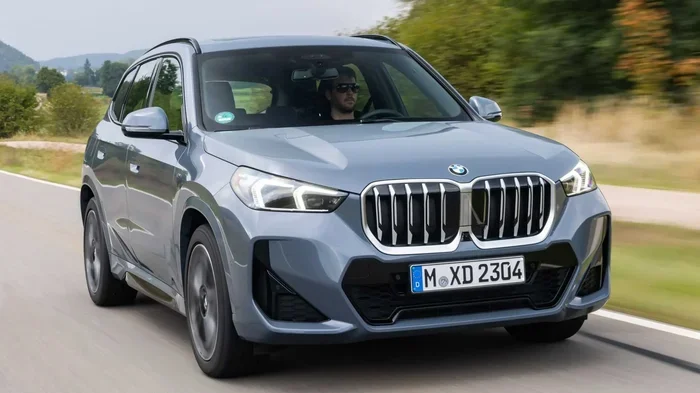
Technically, the current xDrive system engages the rear axle proactively, not just reactively. It pre-loads the clutch pack based on driver inputs before slip occurs. This makes it feel permanent in daily driving.
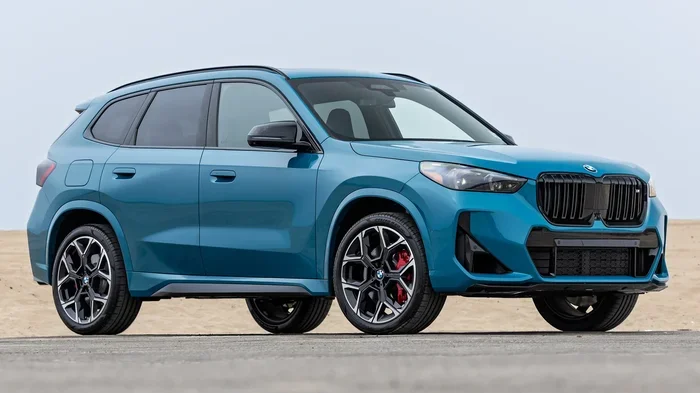
Visual guide about BMW X1 xDrive SUV
Image source: cdn.motor1.com
But if you lift the car on a rack and spin one front wheel, the rear wheels will not turn unless the clutch engages. A traditional permanent 4WD system like a Subaru Symmetrical AWD or an older Audi Quattro Torsen would turn the rears immediately via mechanical gearing.
So the answer depends on your definition. For 99% of drivers on public roads, xDrive functions as permanent all-wheel drive. For the 1% doing rock crawling or extreme towing, the lack of a low-range gear and mechanical center lock is a limitation.
Proactive vs Reactive Engagement
Modern BMW xDrive technology uses predictive logic. When you floor the throttle from a stop, the system locks the clutch pack before the front wheels spin. It knows torque is coming. This eliminates the “delay” found in older Haldex-style systems.
In cornering, it shifts torque rearward to help rotate the car. In stability control interventions, it can send up to 100% of available torque to the axle with the most grip. This flexibility is the strength of the clutch-based design.
However, under sustained high-load scenarios like climbing a steep, loose gravel hill, the clutch packs generate heat. The system may reduce rear torque to protect the fluid. A mechanical center diff does not have this thermal limit.
The “Permanent” Marketing vs Engineering Reality
BMW marketing often calls xDrive “permanent all-wheel drive.” Engineers call it “on-demand all-wheel drive with proactive engagement.” Both are correct depending on context.
For a buyer, the distinction is simple: does the car drive all four wheels without driver input? Yes. Does it do so 100% of the time via mechanical gears? No, only the E84 generation did that.
If you need a mechanical center differential lock for serious off-roading, the X1 is not the tool. If you need confident traction in rain, snow, and dirt roads, the current xDrive is excellent.
Which BMW X1 Models Come with xDrive?
Availability changes by model year and market. In the US, the lineup has simplified recently. Here is the current breakdown for the U11 generation (2023+).

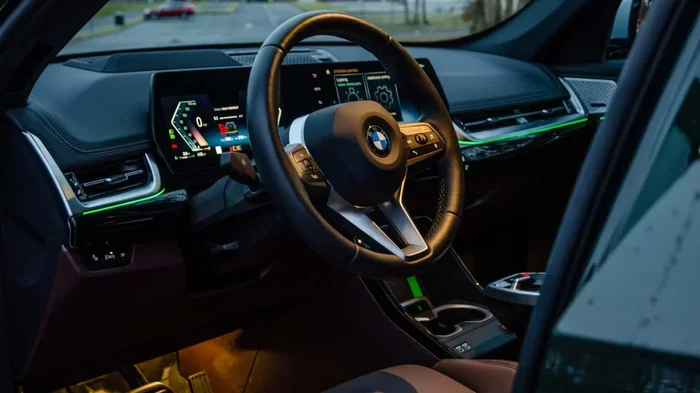
Visual guide about BMW X1 xDrive SUV
Image source: autoguru.at
Current US Lineup (2023-Present)
- X1 sDrive28i: 2.0L Turbo 4-cylinder, 241 hp, FWD only.
- X1 xDrive28i: Same engine, xDrive AWD standard.
- X1 xDrive30e: Plug-in hybrid, xDrive AWD standard (electric rear axle).
- X1 M35i xDrive: 2.0L Turbo 4-cylinder, 312 hp, xDrive AWD standard with mechanical Torsen front diff.
Note that the entry-level sDrive28i is the only FWD model now. All higher trims and the hybrid are xDrive only. This simplifies the choice but raises the entry price for AWD.
Previous Generation (F48, 2016-2022) Lineup
- sDrive28i: FWD, 2.0L Turbo.
- xDrive28i: AWD, 2.0L Turbo.
- xDrive25e: PHEV (Europe/Canada), electric rear axle.
- M35i xDrive: 2.0L Turbo, 302 hp, AWD, Torsen front diff.
Used buyers have more FWD options in the F48 generation. Certified Pre-Owned xDrive models are plentiful and often well-equipped. Checking the most reliable BMW models for longevity often highlights the F48 X1 as a strong contender when maintained correctly.
The Unique xDrive30e Hybrid System
The plug-in hybrid X1 xDrive30e uses a fundamentally different rear axle. There is no driveshaft from the engine. Instead, a 70 kW electric motor is integrated into the rear axle assembly.
This provides “through-the-road” all-wheel drive. The engine drives the front wheels; the motor drives the rears. They can operate independently or together. It offers instant rear torque with zero clutch delay.
It also allows pure EV driving on the rear axle alone at low speeds. This is the most advanced xDrive implementation in the X1 lineup yet. It blends efficiency with genuine all-weather traction.
Driving Dynamics: Snow, Rain, and Dry Pavement
How does the choice actually feel behind the wheel? The difference is subtle in the dry, massive in the snow, and measurable at the pump.
Dry Pavement Performance
On dry roads, the sDrive X1 feels lighter and more agile. The steering is less corrupted by torque steer than you might expect, thanks to the equal-length driveshafts and EDLC. Turn-in is crisp.
The xDrive X1 feels more planted exiting corners. You can apply power earlier. The rear axle pushes the car straight, neutralizing the front-heavy weight balance. The M35i with its front Torsen diff is the sharpest of all.
For daily commuting, most drivers cannot tell the difference. The gap appears only at 8/10ths driving or in emergency maneuvers.
Wet Weather and Hydroplaning Resistance
Rain reveals the first advantage of xDrive. When front tires hit standing water and lose grip, the rear axle is already engaged or engages instantly. The car tracks straight.
An sDrive car relies entirely on the front contact patches. If they hydroplane, you have no drive at the rear to stabilize the chassis. Stability control brakes individual wheels, but it cannot create grip that isn’t there.
If you drive frequently in heavy rain or through flooded roads, xDrive provides a genuine safety margin. It is not marketing; it is physics.
Snow and Ice: The Deciding Factor
This is where xDrive earns its keep. With four contact patches driving the car, acceleration from stops on ice is dramatically better. Hill starts on unplowed streets become non-events.
But tires matter more than drivetrain. An sDrive X1 on four dedicated winter tires will out-accelerate, out-brake, and out-corner an xDrive X1 on all-season tires. The drivetrain only helps you go. Tires help you go, stop, and turn.
Ideal setup: xDrive + winter tires. Budget setup: sDrive + winter tires. Avoid: xDrive + all-seasons in heavy snow (false confidence). Dangerous: sDrive + all-seasons in heavy snow.
Off-Road and Gravel Roads
The X1 has decent ground clearance (around 7.2 inches) but short overhangs. On gravel, dirt, or muddy campgrounds, xDrive shines. The proactive clutch engagement prevents the “dig-then-lurch” cycle of reactive systems.
However, the lack of low-range gearing, skid plates, and articulation limits real off-roading. Think fire roads and snowy driveways, not Moab. The drivetrain malfunction warning can appear if you overheat the clutch pack in deep mud or sand.
sDrive models will spin the front wheels helplessly in loose terrain. Traction control helps but cannot create traction from zero grip. For a cabin access road that gets muddy, xDrive is cheap insurance.
Ownership Costs: Purchase, Fuel, and Maintenance
The sticker price difference is just the beginning. Let us look at the total cost of ownership over five years.
Purchase Price Premium
Typically, xDrive adds $2,000 to $2,500 to the MSRP over an equivalent sDrive model. On a lease, this spreads to roughly $30-$40 per month. On a purchase, it is a one-time hit.
Resale value retains some of this premium. AWD vehicles command higher prices in northern markets. In Florida or Texas, the premium evaporates. Buyers there prefer the better MPG of sDrive.
Fuel Economy Impact
EPA estimates show a 1-3 MPG combined penalty for xDrive. The weight and mechanical drag of the rear driveline are the culprits. Over 15,000 miles a year at $3.50/gallon, a 2 MPG difference costs about $130 annually.
Over five years, that is ~$650 in extra fuel. Not huge, but real. The hybrid xDrive30e flips this script if you can charge regularly, offering 40+ miles of EV range.
Maintenance and Repair Reality
This is where the bill comes due. xDrive requires:
- Transfer case fluid: Every 40k-60k miles (BMW says lifetime, experts say change it).
- Rear differential fluid: Same interval.
- Front axle fluid: Shared with transmission on transverse models.
- Driveshaft center support bearing: Wear item around 80k-100k miles.
sDrive needs none of this. Just transmission fluid. If a transfer case actuator fails on xDrive (common around 80k-100k), the repair runs $800-$1,500. The run-flat tires standard on most X1 models also cost 20-30% more to replace than conventional tires, regardless of drivetrain.
Insurance Costs
Insurers often rate AWD vehicles slightly higher due to higher repair costs after accidents. The difference is usually $50-$150 per year. It varies wildly by zip code and carrier. Get a quote for both VINs before deciding.
Making the Right Choice for Your Life
Decision time. Here is a simple framework to match the drivetrain to your reality.
Choose sDrive If:
- You live in the Sun Belt, West Coast, or anywhere snow is rare.
- You prioritize maximum fuel efficiency and lowest operating cost.
- You plan to fit winter tires anyway (best bang-for-buck safety upgrade).
- You want the sharpest steering feel and lightest curb weight.
- You keep cars 10+ years and want fewer long-term failure points.
Choose xDrive If:
- You see snow, ice, or freezing rain multiple times per winter.
- You have a steep driveway or unplowed side streets.
- You travel to mountains, ski resorts, or rural areas regularly.
- You value the “just works” peace of mind in all conditions.
- You lease and the payment difference is negligible.
- You want the M35i performance model (xDrive only).
The Winter Tire Rule
Repeat after me: Tires beat drivetrain. A $600 set of winter tires on an sDrive X1 transforms it in snow. An xDrive X1 on worn all-seasons is a liability.
If budget forces a choice, buy the sDrive and spend the $2,000 savings on a dedicated winter wheel/tire set. You will be safer than the xDrive neighbor on all-seasons. This is the single most important takeaway of this article.
Test Drive Both
Drive an sDrive first. Feel the lightness. Then drive an xDrive. Feel the stability. Do it on the same road, same day. The difference in steering weight and turn-in response is the tangible dynamic gap. The traction gap requires snow to feel.
Also check the BMW vehicle designations guide to understand the naming logic behind sDrive28i vs xDrive28i vs M35i. It helps decode the badge.
Frequently Asked Questions
Can you turn off xDrive on a BMW X1?
No, you cannot fully disable xDrive on the X1. There is no “2WD mode” button. In Sport mode, the system sends more torque rearward and allows more slip, but the front wheels always drive. The only way to get pure FWD is to buy an sDrive model or pull the fuse for the transfer case actuator (not recommended).
Does the BMW X1 have a center differential lock?
No. The current F48 and U11 generations use an electronically controlled multi-plate clutch pack, not a mechanical center differential. There is no button to lock the center diff. The E84 first generation had a planetary center diff with a fixed 40:60 split, but it was not driver-selectable either.
Is xDrive worth it for rain only?
For rain only, the advantage is marginal. Good all-season tires on sDrive handle heavy rain well. xDrive adds stability during sudden hydroplaning events, but the risk does not justify the cost if you never see snow. Spend the money on premium tires instead.
How does the X1 xDrive compare to Audi Quattro Ultra?
Both are front-biased, clutch-based systems on transverse platforms. Audi’s “Ultra” system disconnects the driveshaft entirely until needed for slightly better efficiency. BMW’s xDrive keeps the driveshaft spinning but the clutch open. Real-world performance is nearly identical. Both are excellent on-road AWD systems.
Will xDrive void my warranty if I go off-road?
No. Driving on gravel, dirt, or snow-covered roads is normal use. BMW warranties cover defects in materials and workmanship. They do not cover damage from abuse (rock crawling, deep mud, jumping). The X1 is not marketed as an off-roader. Use common sense.
What is the difference between xDrive and sDrive badging?
The badge on the rear hatch is the easiest identifier. “xDrive” = all-wheel drive. “sDrive” = two-wheel drive (FWD on X1, RWD on Z4). The “i” or “e” suffix denotes gas or plug-in hybrid. The “M” prefix denotes M Performance models. The CI designation and other badges follow similar logic across the lineup.
Conclusion
So, is BMW X1 permanent 4 wheel drive? Only if you tick the xDrive box. And even then, it is a modern, clutch-based interpretation of permanent drive, not a mechanical center-differential layout. For virtually every driver on public roads, this distinction is academic. The system works brilliantly.
Your choice boils down to geography and budget. If you face winter, get xDrive and winter tires. If you don’t, pocket the savings, buy sDrive, and maybe still get winter tires for that one freak storm. The best drivetrain is the one that matches your reality.
The X1 remains one of the most engaging subcompact luxury crossovers regardless of which axle drives it. Choose the configuration that lets you sleep at night when the forecast turns ugly. That is the only wrong answer.