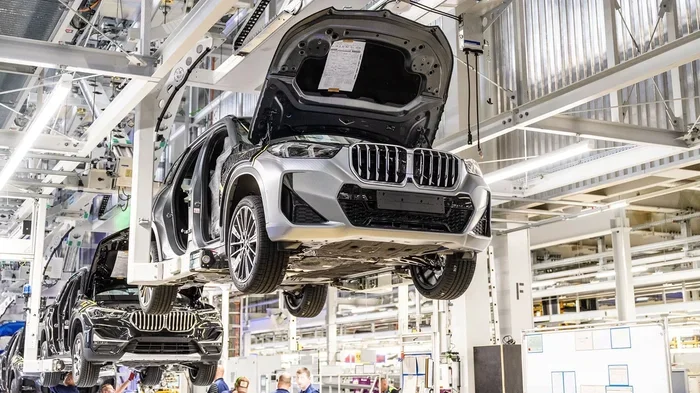
Featured image for BMW X1 factory production line
Image source: cdn.bmwblog.com
Is BMW X1 made in Germany? The answer depends on the model year and target market. While early generations were built exclusively in Regensburg, Germany, current production spans multiple global plants including Regensburg, Leipzig, and Brilliance BMW in China. This guide breaks down every production location, explains how to decode your VIN, and reveals if build location impacts quality.
If you are shopping for a compact luxury SUV, you have probably asked yourself: Is BMW X1 made in Germany? It is a fair question. BMW is famous for its German engineering heritage. Many buyers associate “Made in Germany” with a specific level of build quality, precision, and prestige. The answer, however, is not a simple yes or no. It depends heavily on the model year, the specific generation, and even the market the car was destined for.
Over the years, BMW has transformed the X1 from a niche compact crossover into a global volume seller. To meet worldwide demand, the company expanded its manufacturing footprint significantly. Today, the X1 rolls off assembly lines in two different countries across three distinct plants. Understanding this history helps you know exactly what you are buying. In this deep dive, we will explore every production facility, teach you how to identify your car’s birthplace using the VIN, and discuss whether the factory location actually matters for reliability and resale value.
Key Takeaways
- First Generation (E84): Built exclusively in Regensburg, Germany from 2009 to 2015.
- Second Generation (F48): Production expanded to Leipzig, Germany and Shenyang, China (Brilliance BMW joint venture).
- Third Generation (U11): Current models are built in Regensburg, Germany and Shenyang, China for global markets.
- VIN Decoding: The 11th character of your VIN reveals the exact plant (W = Regensburg, L = Leipzig, D = Shenyang).
- Quality Consistency: BMW maintains identical quality standards across all global facilities regardless of location.
- Market Specifics: US models typically come from Regensburg; Chinese market models come from Shenyang.
- Platform Sharing: The X1 shares the UKL front-wheel-drive platform with the 2 Series Active Tourer and X2.
📑 Table of Contents
- The Short Answer: Where Is The BMW X1 Built Today?
- A Deep Dive Into The Three Production Plants
- BMW X1 Generations And Their Production History
- How To Check Exactly Where Your BMW X1 Was Made
- Does Manufacturing Location Affect Quality Or Reliability?
- Why Does BMW Build The X1 In Multiple Countries?
- BMW X1 vs. X3 vs. X5: Manufacturing Comparison
- Quick Tips For Buyers
- Common Misconceptions
- Expert Insight: The Future Of X1 Production
- Conclusion
The Short Answer: Where Is The BMW X1 Built Today?
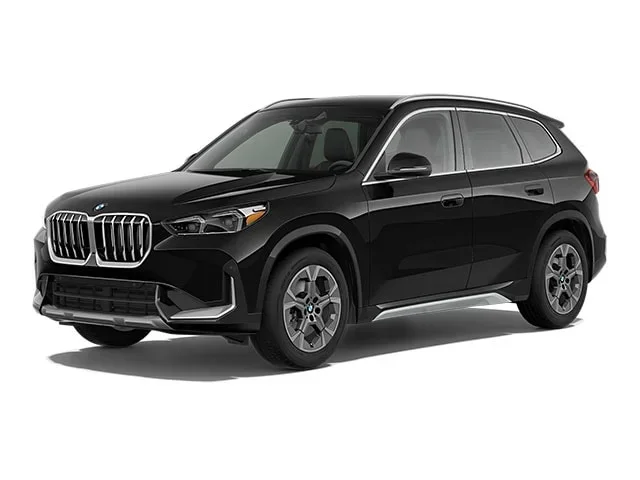
Right now, the third-generation BMW X1 (chassis code U11), launched for the 2023 model year, is produced at two primary locations. The main plant for global supply, including the critical US market, is Plant Regensburg in Bavaria, Germany. The second major hub is Plant Shenyang (Dadong) in China, operated by the BMW Brilliance Automotive joint venture. This plant primarily serves the massive Chinese domestic market but also exports to certain other regions.
Previously, the second generation (F48) added a third location into the mix: Plant Leipzig in Germany. Leipzig helped handle volume during the peak years of the F48 lifecycle. However, for the current U11 generation, Leipzig production has shifted focus to other models like the 1 Series and 2 Series Active Tourer. So, if you buy a brand-new 2024 or 2025 X1 in the United States, it almost certainly comes from Regensburg.
A Deep Dive Into The Three Production Plants
Plant Regensburg: The Historic Heart
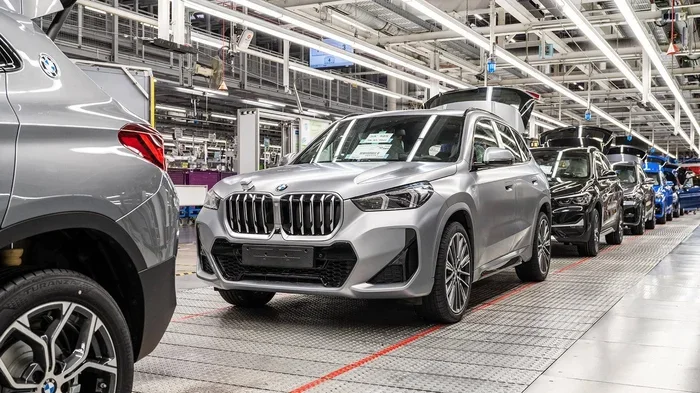
Regensburg is the spiritual home of the X1. Located in Bavaria, this plant has been building the X1 since day one in 2009. It is a massive facility employing thousands of workers. Regensburg is famous for high flexibility; it builds the X1 alongside the 1 Series, 2 Series Gran Coupe, and the X2 on the same line. This “flexible manufacturing” allows BMW to adjust output based on real-time demand. If you want a car built in the traditional Bavarian heartland, Regensburg is the plant you hope for. It has a long track record of exceptional build quality.
Visual guide about BMW X1 factory production line
Image source: cdn.bmwblog.com
Plant Leipzig: The Sustainable Specialist
Leipzig joined the X1 party for the second generation (F48). This plant is unique. It was designed from the ground up with sustainability in mind, featuring its own wind turbines on site. Leipzig built the F48 X1 alongside the i3, i8, and 1 Series/2 Series models. For the current U11 generation, Leipzig no longer produces the X1. It focuses on the newer front-wheel-drive cluster. If you own a 2016–2022 X1, there is a decent chance it came from Leipzig. You can verify this instantly using the VIN method we cover below.
Plant Shenyang (Dadong): The China Powerhouse
The Shenyang plant is a joint venture between BMW and Brilliance Auto. It is BMW’s largest production site globally by volume. The Dadong facility builds the X1 specifically for the Chinese market. China is the single biggest market for the X1. Because of local content laws and tariffs, building locally is a strategic necessity. These cars are built to the exact same specifications as German cars. BMW sends German engineers and tooling to ensure parity. However, VINs starting with specific codes or the 11th character ‘D’ indicate a Shenyang build. These models are rarely officially imported into the US or Canada by BMW NA.
BMW X1 Generations And Their Production History
First Generation (E84): 2009–2015 — Pure German Blood
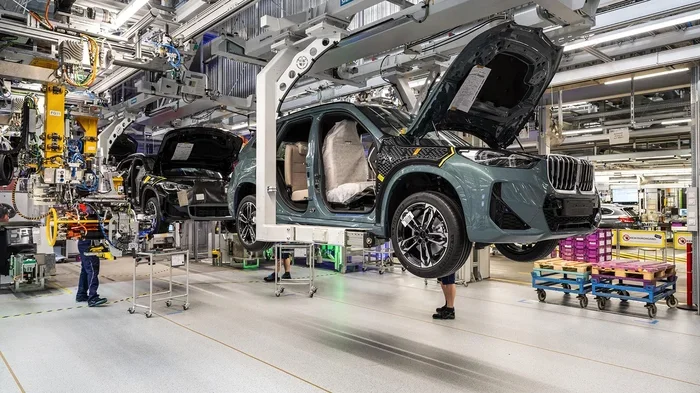
The original X1 (E84) was a game changer. It was BMW’s first compact SUV. It rode on a modified rear-wheel-drive platform (shared with the E90 3 Series). This gave it a unique driving feel—very sporty for an SUV. Every single E84 X1 sold worldwide was built at Plant Regensburg. There were no other factories. If you buy a used 2010–2015 X1, it is 100% German-made. This generation is often praised for its driving dynamics, though the rear-seat space was tight.
Visual guide about BMW X1 factory production line
Image source: cdn.bimmertoday.de
Second Generation (F48): 2015–2022 — The Global Expansion
The F48 marked a massive technical shift. BMW moved the X1 to the UKL front-wheel-drive platform. This freed up immense interior space. It also allowed BMW to build the car alongside the 2 Series Active Tourer and later the X2. To handle the huge global volume, BMW tri-plant production strategy:
- Regensburg (Germany): Primary global source.
- Leipzig (Germany): Secondary European/Global source.
- Shenyang (China): Dedicated to Chinese market.
This generation saw the introduction of the plug-in hybrid X1 xDrive25e. The platform change was controversial among purists but commercially brilliant. Sales skyrocketed.
Third Generation (U11): 2023–Present — Modern Dual-Sourcing
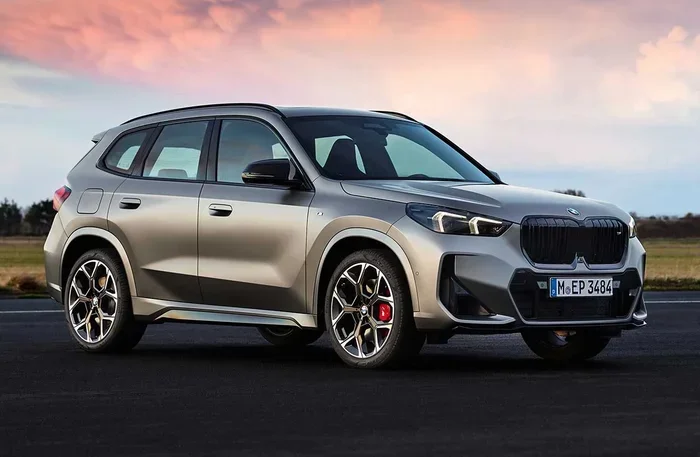
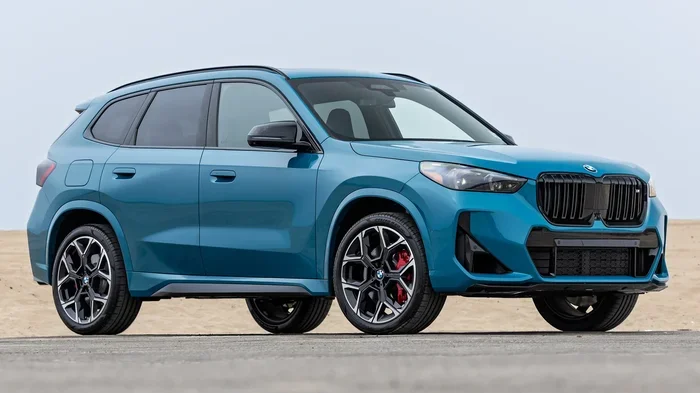
The current U11 generation (including the electric iX1) continues the dual-plant strategy. Regensburg handles the bulk of Western markets (US, Europe, Canada, Australia). Shenyang handles China. The platform is an evolution of UKL (called FAAR), supporting mild hybrids, plug-in hybrids, and full EVs on one line. Regensburg has been heavily upgraded for this electric future. Notably, the high-performance M35i xDrive is also built in Regensburg.
How To Check Exactly Where Your BMW X1 Was Made
You do not have to guess. Every BMW has a unique 17-character Vehicle Identification Number (VIN). The 11th character of the VIN is the “Plant Code.” It tells you the exact factory. You can find the VIN on the driver’s side dashboard (visible through the windshield), on the driver’s door jamb sticker, or on your registration/insurance documents.
Visual guide about BMW X1 factory production line
Image source: mediapool.bmwgroup.com
BMW X1 Plant Codes Cheat Sheet
| 11th VIN Character | Plant Name | Location | Generations Produced |
|---|---|---|---|
| W | Plant Regensburg | Regensburg, Bavaria, Germany | E84, F48, U11 (All gens) |
| L | Plant Leipzig | Leipzig, Saxony, Germany | F48 (2nd Gen only) |
| D | Plant Shenyang (Dadong) | Shenyang, Liaoning, China | F48, U11 (China market) |
Quick Example: If your VIN looks like WBAXXXXXXXXXWXXXXX, the ‘W’ in the 11th spot means Regensburg. If it is L, it is Leipzig. If it is D, it is Shenyang. It is that simple. This is the only foolproof way to know for sure.
Does Manufacturing Location Affect Quality Or Reliability?
This is the million-dollar question. Many buyers worry that a car built outside Germany might be inferior. The short answer: No, it does not. BMW operates a “One BMW” production standard. This means the tooling, robots, quality gates, training programs, and parts logistics are identical across Regensburg, Leipzig, and Shenyang.
The “German Engineering” Myth vs. Reality
It is easy to romanticize German factories. But modern car manufacturing is highly automated. The robots welding the body-in-white in Shenyang are the same models (often KUKA or ABB) used in Regensburg. The paint shops use the same eco-friendly processes. The final assembly torque wrenches are calibrated to the same specs. BMW flies German “Production Masters” to China regularly to audit lines. They also rotate Chinese engineers to Germany for training. The goal is zero variance.
Real World Data: Reliability By Plant
If you look at consumer reliability surveys (like Consumer Reports, J.D. Power, or TÜV reports in Germany), there is no statistically significant difference in defect rates between Regensburg-built and Leipzig-built F48 models. Shenyang-built cars score identically in Chinese quality studies (like C-QIS). The biggest factors for reliability are actually model year (early F48 had some teething issues with the 8-speed transmission software) and maintenance history, not the factory zip code.
If you are looking for long-term peace of mind, checking the specific model year track record is far more useful than checking the plant code. For a broader look at which models stand the test of time, see our guide on identifying the most reliable BMW models for longevity.
Why Does BMW Build The X1 In Multiple Countries?
It comes down to three things: Capacity, Tariffs, and Logistics.
1. Sheer Volume
The X1 is BMW’s best-selling model globally in many years. In 2023, BMW sold over 300,000 X1/iX1 units. No single plant can handle that volume alongside other models. Regensburg is maxed out. They need Shenyang’s massive capacity.
2. The “Chicken Tax” And Tariffs
If BMW imported Chinese-built X1s to the US, they would face a 27.5% tariff (25% truck tariff + 2.5% car tariff). That makes zero economic sense. So, US cars come from Germany (2.5% tariff). Conversely, importing German cars to China incurs high tariffs (15%+ plus VAT). Building in Shenyang avoids this, making the X1 price-competitive in China. It is pure business logic.
3. Supply Chain Resilience
COVID-19 and the semiconductor shortage taught automakers a hard lesson: never rely on one source. Dual-sourcing (Regensburg + Shenyang) protects supply. If a flood hits Bavaria (like 2021) or a lockdown hits Shanghai, the other plant keeps shipping cars. It is risk management.
BMW X1 vs. X3 vs. X5: Manufacturing Comparison
It helps to see where the X1 fits in the broader SUV lineup. The X1 is the entry point. Its manufacturing strategy differs from its bigger siblings.
| Model | Primary Plant(s) | Key Markets Served | Platform Type |
|---|---|---|---|
| X1 (U11) | Regensburg (DE), Shenyang (CN) | Global (DE plant), China (CN plant) | FWD-based (FAAR/UKL) |
| X3 (G45) | Spartanburg (USA), Shenyang (CN), Rosslyn (ZA) | US (US plant), China (CN plant), Global | RWD-based (CLAR) |
| X5 (G05) | Spartanburg (USA), Shenyang (CN) | US (US plant), China (CN plant) | RWD-based (CLAR) |
Notice the pattern? The X3 and X5 are built in Spartanburg, South Carolina for the US market. The X1 is not built in the USA. It remains a German/Chinese import for Americans. This is because Spartanburg is optimized for the larger CLAR platform (RWD-based). The X1’s front-drive architecture fits the Regensburg/Leipzig/Shenyang tooling better. If having an “American-built BMW” matters to you, the X3 or X5 is the answer. If you want the compact Bavarian original, the X1 from Regensburg is it.
Quick Tips For Buyers
- Check the VIN: Always verify the 11th character (W, L, or D) before buying used if origin matters to you.
- US Buyers: Relax. 99% of US-spec X1s are Regensburg-built. You are getting a German car.
- Used F48 Buyers: Don’t avoid Leipzig (Code L) cars. They are excellent. Leipzig is a world-class facility.
- Grey Imports: If importing a used X1 from Canada or Europe to the US, check compliance. Shenyang cars (Code D) may lack US safety/emissions certification.
- Electric iX1: Also built in Regensburg and Shenyang. Same rules apply.
Common Misconceptions
- Myth: “Chinese BMWs use cheaper steel.” False. BMW mandates global material specs. The steel coils come from approved global suppliers (often ArcelorMittal or ThyssenKrupp) to all plants.
- Myth: “Leipzig cars have more rattles.” False. Anecdotal forum chatter != data. Leipzig built the i3 carbon fiber tub; their precision is top-tier.
- Myth: “The VIN starts with W for Germany.” Partially true. The 1st character ‘W’ means Germany. But the 11th character tells you which German plant. ‘W’ (1st) + ‘W’ (11th) = Regensburg. ‘W’ (1st) + ‘L’ (11th) = Leipzig.
- Myth: “X1 is made in Mexico.” False. BMW Mexico (San Luis Potosí) builds the 3 Series, 2 Series Coupe, and M2. Not the X1.
Expert Insight: The Future Of X1 Production
Looking ahead, BMW is investing heavily in Plant Debrecen, Hungary (opening 2025 for “Neue Klasse” EVs). While the X1 U11 will finish its lifecycle at Regensburg/Shenyang, the next generation (likely 2028+) could shift. The “Neue Klasse” platform is highly scalable. It is plausible the next X1/iX1 moves to Debrecen or stays at a heavily modernized Regensburg. BMW rarely closes efficient plants. Regensburg just got a massive battery assembly investment. So, “Made in Germany” for the X1 looks secure for the foreseeable future, at least for Western markets.
Understanding the model designation helps too. The “X1” name follows a specific logic. You can learn more about the naming convention in our article on decoding BMW vehicle designations and what BMW numbers mean.
Conclusion
So, is BMW X1 made in Germany? For the vast majority of drivers in the US, Canada, Europe, and Australia, the answer is a resounding yes. Your X1 almost certainly rolled out of Plant Regensburg in Bavaria. That plant has built the X1 since 2009 without interruption. It is a facility steeped in BMW history and precision.
However, BMW is a global company. The Leipzig plant played a vital supporting role for the second generation. And the Shenyang plant is the volume leader for the world’s largest car market—China. The beauty of the modern BMW production system is that the badge on the hood represents a global standard, not a single postal code. Whether your VIN shows a ‘W’, an ‘L’, or a ‘D’, you are driving a vehicle engineered in Munich, validated on the Nürburgring, and assembled to the exact same rigorous standard.
Focus less on the factory code and more on the service records, the model year updates, and the specification sheet. That is where the true value of your BMW X1 lies. Happy driving!
Frequently Asked Questions
Is the BMW X1 made in the USA?
No, the BMW X1 is not manufactured in the United States. For the North American market, the X1 is produced exclusively at Plant Regensburg in Germany. BMW’s US plant in Spartanburg, South Carolina, builds the larger X3, X4, X5, X6, X7, and XM models.
How can I tell if my BMW X1 was made in Germany or China?
Check the 11th character of your 17-digit VIN. A ‘W’ indicates Plant Regensburg, Germany. An ‘L’ indicates Plant Leipzig, Germany. A ‘D’ indicates Plant Shenyang (Dadong), China. This code is the only definitive way to know the origin.
Are Chinese-built BMW X1 models lower quality?
No. BMW maintains a “One BMW” global production standard. The Shenyang plant uses the same tooling, robots, quality control processes, and supplier parts as the German plants. Independent quality surveys show no significant difference in defect rates between plants.
Which BMW X1 generation was only made in Germany?
The first generation (E84), produced from 2009 to 2015, was built exclusively at Plant Regensburg in Germany. It was not produced in China or Leipzig during its lifecycle.
Does the BMW X1 M35i come from a different factory?
No. The high-performance X1 M35i xDrive (U11 generation) is built on the same mixed-model production line as the standard X1 and iX1 at Plant Regensburg in Germany for global markets.
Will the next generation BMW X1 still be made in Germany?
While BMW has not officially confirmed the production plan for the fourth generation (expected late 2020s), Plant Regensburg has received massive recent investments for battery assembly and “Neue Klasse” readiness. It is highly likely Regensburg will continue building the X1 for Western markets.