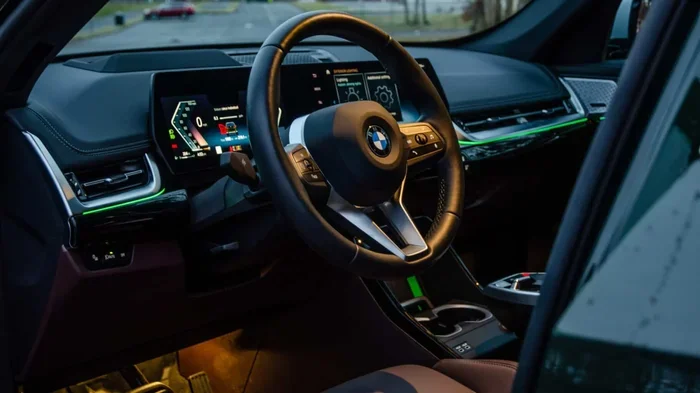
Featured image for 2025 BMW X1 shifter
Image source: cdn.bmwblog.com
Mastering how to put 2025 BMW X1 in park is simple once you understand the electronic gear selector. This guide covers the exact steps to engage park using the P button, when to use the parking brake, and how features like Auto Hold help. You will also learn troubleshooting tips for common issues like a stuck shifter or dead key fob.
Getting used to a new car takes a little time. The 2025 BMW X1 uses modern shift-by-wire technology. This means there is no mechanical link between the shifter and the transmission. Instead, you press buttons and toggle switches. It feels different from older cars with a traditional stick shift. But do not worry. The system is designed to be intuitive and safe once you know the basics.
This guide walks you through every step. We cover the standard parking procedure. We explain the electronic parking brake. We also look at helper features like Auto Hold. By the end, you will feel confident parking your new SUV in any situation. Whether you are on a steep hill or in a flat garage, the process remains consistent and secure.
Key Takeaways
- Use the P Button: The primary way to park is pressing the dedicated P button on the gear selector, not moving a lever.
- Confirm the Indicator: Always check the instrument cluster for the “P” symbol to ensure the transmission is locked.
- Engage the Parking Brake: Press the parking brake switch (marked with a circle and parentheses) for added safety, especially on hills.
- Auto Hold Helps: The Auto Hold feature keeps the car stationary at stops but does not replace putting the car in Park.
- Key Fob Presence: The vehicle must detect the key fob inside to shift out of Park later; a dead fob battery can cause issues.
- Emergency Release Exists: There is a manual release procedure if the electronic shifter fails completely.
- Regular Service Matters: Keeping software updated and checking brake fluid ensures the electronic parking systems work reliably.
📑 Table of Contents
- Understanding the 2025 BMW X1 Gear Selector
- Step-by-Step Guide: How to Put 2025 BMW X1 in Park
- Using the Parking Brake and Auto Hold Features
- Common Scenarios and Troubleshooting
- Safety Features and Smart Parking Technology
- Maintenance Tips for the Shifter and Brake System
- Quick Tips for Daily Parking
- Expert Insight: The “Double Lock” Philosophy
- Conclusion
Understanding the 2025 BMW X1 Gear Selector
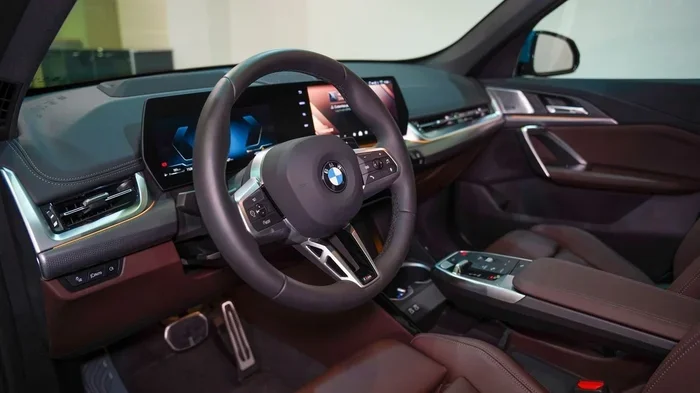
The center console of the 2025 X1 looks clean and minimal. You will see a small toggle switch or a rotary dial depending on the specific trim and production month. Most 2025 models feature a toggle switch style selector on the center console near the cupholders. It operates on a “shift-by-wire” system. This sends an electronic signal to the transmission control unit.
Identifying the Controls
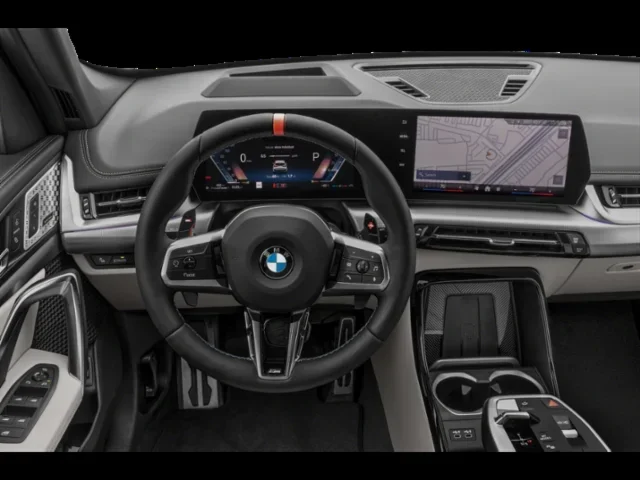
Look at the selector area. You will see letters: R (Reverse), N (Neutral), D (Drive), and a distinct P button. The P button is usually separate from the toggle. It is often a square or rectangular button labeled “P” located on the side or top of the selector unit. This is your main parking control. You do not move the toggle to “P”. You press the button.
- Toggle Switch: Push forward for Reverse (R). Pull back for Drive (D). Tap to the side for Neutral (N).
- P Button: Press this anytime you want to park. It works regardless of the toggle position (as long as the car is stopped or moving very slowly).
- Instrument Cluster: Always watch the driver display. It shows the current gear status (P, R, N, D) in large letters.
Why Shift-by-Wire?
BMW moved to this system for packaging and safety. It frees up space in the center console. It allows for features like automatic parking engagement if you open the door while driving slowly. It also integrates with the parking assistant systems. The electronic link is faster than a mechanical cable. It reduces weight and complexity in the long run.
Step-by-Step Guide: How to Put 2025 BMW X1 in Park
Follow these steps every time you stop the vehicle. Consistency builds muscle memory. It prevents the car from rolling away.
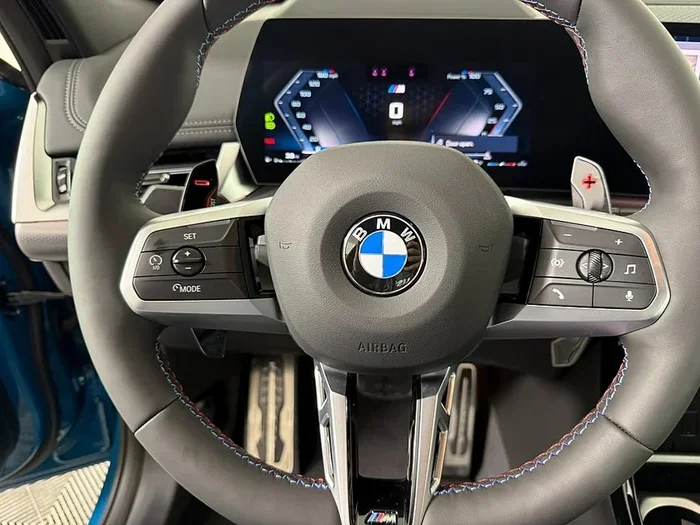
Visual guide about 2025 BMW X1 shifter
Image source: s3.amazonaws.com
1. Bring the Vehicle to a Complete Stop
Press the brake pedal firmly. Hold it down. The car must be stationary. The system usually prevents engaging Park at speeds above 1-2 mph (approx 2-3 km/h) to protect the transmission parking pawl. If you press P while moving faster, the car may just beep and stay in Drive or Neutral, or engage the parking brake abruptly as an emergency stop. Always stop first.
2. Press the P Button
With your foot on the brake, locate the P button on the gear selector. Press it once firmly. You do not need to hold it. You will hear a soft mechanical clunk from the transmission. That is the parking pawl engaging inside the gearbox. It locks the output shaft.
3. Verify the “P” Indicator
Glance at the instrument cluster behind the steering wheel. You must see a large “P” illuminated. It is usually red or orange. If you see “N” or “D”, the car is not in Park. Press the button again. Never assume it worked without visual confirmation.
4. Engage the Electric Parking Brake (EPB)
This is a critical second step. The transmission pawl is strong, but the parking brake acts on the rear wheels independently. It provides redundancy. Find the switch labeled with a circle inside parentheses ( Ⓟ ) or the word “PARK”. It is usually near the gear selector or on the lower dashboard. Pull the switch up. The red brake warning light on the dash (circle with parentheses) will illuminate. You may hear a whirring sound from the rear brakes. That is the motors tightening the cables.
5. Turn Off the Engine
Press the Start/Stop button (usually on the right side of the steering column or dashboard). The engine shuts off. The “Drive Ready” state ends. Accessories (radio, climate) may stay on until you open the driver’s door. If you have Comfort Access, you can just walk away with the key fob. The car locks automatically after a few seconds (Walk Away Lock).
6. Steering Wheel Lock
Once the engine is off and the door opens, the steering column locks electronically. You will hear a click. This is an anti-theft feature. Do not force the wheel if it is locked. It unlocks automatically when you press Start/Stop with the key fob detected inside.
Using the Parking Brake and Auto Hold Features
The 2025 X1 has two distinct braking aids. It is easy to confuse them. Knowing the difference saves wear and prevents confusion.
Visual guide about 2025 BMW X1 shifter
Image source: dubicars.com
Electric Parking Brake (EPB)
This is the parking brake. You engage it manually (pull switch up) when parking. You release it manually (push switch down) or automatically by driving off (if “Auto Release” is on in iDrive settings). It clamps the rear brake pads via electric motors. Use it every time you park. It is your backup if the transmission pawl fails or if you are on a steep grade.
Auto Hold
This is a convenience feature for driving. The button is labeled “AUTO H” or “HOLD”. When active (green light on button), the car holds the brakes for you at stoplights or in traffic. You can take your foot off the brake. The car stays still. When you press the gas, it releases automatically. Auto Hold does not put the car in Park. If you turn off the engine with Auto Hold active, the car may switch to EPB automatically, but you should not rely on this. Always press P and pull the EPB switch manually.
| Feature | Primary Use | Activation | Releases By |
|---|---|---|---|
| Park (P) Button | Locks Transmission | Press Button | Shift to R, N, D (Brake Pressed) |
| Electric Parking Brake (EPB) | Locks Rear Wheels | Pull Switch Up | Push Switch Down / Drive Off (Auto) |
| Auto Hold | Holds at Stoplights | Press Button (Green Light) | Press Gas Pedal / Press Button Again |
Parking on Hills
Hills require extra care. Gravity puts stress on the parking pawl.
- Stop the car. Keep foot on brake.
- Engage EPB FIRST. Pull the parking brake switch up. Wait for the dash light. This takes the load off the transmission.
- Then press P Button. Now the transmission pawl engages with zero load.
- Turn wheels toward the curb (downhill) or away (uphill) as a final backup.
- Turn off engine.
This sequence (Brake -> EPB -> P) is the professional way. It extends the life of your transmission parking mechanism.
Common Scenarios and Troubleshooting
Sometimes things don’t go exactly to plan. Here is how to handle the most common parking quirks.
Visual guide about 2025 BMW X1 shifter
Image source: cdn.jdpower.com
Car Won’t Shift Into Park
If you press P and the dash stays on “N” or “D”:
- Check Speed: Are you completely stopped? Even 1 mph rolling prevents Park.
- Brake Pedal: Are you pressing the brake pedal firmly? The system requires brake pressure.
- Door Open: On some models, opening the driver’s door while in Drive/Reverse at low speed triggers Auto P. But if you are stopped, close the door, press brake, press P.
- System Glitch: Turn car off (Start/Stop). Wait 30 seconds. Restart. Try again.
“Vehicle Not in Park” Warning
You try to turn off the engine or exit, and the screen screams “Vehicle not in Park” or “Shift to P”.
- You likely shifted to Neutral (N) by accident instead of Park. The toggle switch goes to N if you push it sideways.
- Press the P Button explicitly. Do not use the toggle for Park.
- If the battery is dead, the electronic shifter won’t work. See the Emergency Release section below.
Key Fob Not Detected
You press Start/Stop to turn off, but the car stays in “Drive Ready” or beeps “Key not detected”.
- The key fob battery might be dead. Hold the key fob against the steering column (near the Start/Stop button) or the center console wireless charging pad. This uses NFC/RFID backup power.
- If the fob is truly lost or broken, you cannot lock the car or arm the alarm easily. You need a replacement. Finding the right battery for your BMW key fob is a quick fix if it’s just a dead coin cell.
Emergency Park Release (Manual Override)
If the 12V battery dies completely, the electronic shifter locks in its current state. If it’s in Drive or Neutral, you cannot push the car safely. There is a manual release cable.
- Locate the fuse box in the front trunk (frunk) or under the hood (check owner’s manual for exact 2025 location, usually front left).
- Jump start the 12V battery using the terminals in the engine bay/frunk. This powers the electronics so you can press P normally. This is the preferred method.
- If you must move the car without power (e.g., towing), there is a mechanical release lever under a trim panel near the gear selector or inside the center console storage. It requires a tool (screwdriver) to access. Consult the owner’s manual “Towing” chapter. Do not force the toggle switch.
Safety Features and Smart Parking Technology
The 2025 X1 is packed with sensors. They help you park safely and prevent accidents.
Automatic Park Engagement (Safety Feature)
If you unbuckle your seatbelt AND open the driver’s door AND the car is moving slower than ~1.5 mph (or stopped) in Drive/Reverse, the car automatically shifts to P and applies EPB. This prevents the “door open roll-away” scenario. It is a federal safety mandate (FMVSS 114/301). You will feel the car settle. It is a great backup, but do not rely on it as your primary method. Always press P yourself.
Parking Assistant / Parking Assistant Plus
If equipped, the car can park itself. You press the Parking Assistant button (P with arrow icon) on the center console or via iDrive. The car scans for spots. You control the gas/brake (or it does fully automated on Plus). At the end of the maneuver, the car shifts to P and applies EPB automatically. You just turn off the engine. It is remarkably smooth.
Surround View Cameras
The 360-degree camera helps you see curbs and lines. Activate it via the button or iDrive. It turns on automatically in Reverse. You can keep it on in Drive at low speeds (under ~10 mph) by pressing the camera icon on the screen. This helps you center the car perfectly before hitting P.
Remote Control Parking (Key Fob / App)
On higher trims with Parking Assistant Professional, you can park the car from outside. Hold the BMW logo on the key fob (or use the MyBMW app). The car moves forward/backward into a tight garage spot. It finishes in P with EPB on. Ensure you have clear line of sight and stand safely to the side.
Maintenance Tips for the Shifter and Brake System
Electronic systems need less mechanical maintenance but require software and fluid attention.
Software Updates
BMW releases Remote Software Upgrades (RSU) via the MyBMW app or at the dealer. These updates refine shift logic, fix bugs, and improve Park engagement smoothness. Check the app monthly. Accept updates when parked on Wi-Fi.
Brake Fluid Health
The EPB uses the hydraulic brake system. Old fluid absorbs water. This causes corrosion in the EPB caliper motors. Follow the brake fluid change interval (usually every 2 years). Use the correct DOT 4 LV fluid. Selecting the ideal brake fluid for your BMW model ensures the EPB actuators last the life of the car.
12V Battery Condition
The electronic shifter, EPB, and sensors all run on the 12V battery (even though it’s a mild hybrid 48V system). A weak 12V battery causes “ghost” errors: “P not available”, “EPB malfunction”, “Key not detected”. Test the battery annually after year 3. Replace proactively at 5-6 years.
Keep the Selector Area Clean
Spilled coffee or crumbs in the center console can seep into the P button or toggle switch contacts. This causes sticky buttons or false signals. Wipe spills immediately. Use a dry cloth. Avoid heavy liquid cleaners directly on the switches.
Understanding Dashboard Symbols
If a warning light appears (red brake light, yellow transmission gear with exclamation), don’t panic. Red usually means EPB issue or brake fluid low. Yellow means transmission control issue. Stop safely. Check the owner’s manual or iDrive “Vehicle Status”. For a deep dive on what the icons mean, see our guide on what do BMW symbols mean.
Quick Tips for Daily Parking
- Routine: Brake -> P Button -> EPB -> Engine Off. Every single time.
- Garage: Fold mirrors in (button on driver door) before exiting if tight.
- Steep Driveway: EPB first, then P. Turn wheels to curb.
- Car Wash: Put in Neutral (N). Engine ON. Do not use P. Disable Auto Hold. Disable Auto Start/Stop. Follow car wash instructions.
- Towing: Must be on a flatbed. Never tow with wheels on ground. Use the tow eye in the front bumper cover to winch onto the bed. Put in N for winching (engine on, brake off).
- Valet Mode: Use the iDrive menu (Vehicle -> Doors/Access -> Valet Mode) to lock glovebox/trunk and limit data. Give them the key fob, not the digital key.
Expert Insight: The “Double Lock” Philosophy
As a long-time BMW technician, I see many drivers skip the parking brake. They trust the “P” button. Modern parking pawls are robust. But they are a small metal pin inside a spinning gearbox. A steep hill, a bump from another car, or a transmission fault can shear that pin. The EPB clamps the rear rotors with thousands of pounds of force. It is a completely independent system. Using both is not redundant; it is layered safety. It costs you one second. It saves you a potential total loss if the car rolls away. Make the “P then EPB” hand motion automatic.
Conclusion
Parking the 2025 BMW X1 is a straightforward process once you build the habit. The electronic controls are precise and safe. Remember the golden sequence: Stop, Press P, Verify Dash, Pull EPB, Engine Off. Use the technology like Auto Hold and Parking Assistant to make life easier, but never let them replace your own verification. Keep your software updated and your brake fluid fresh. If you treat the systems with respect, they will provide years of trouble-free operation. Now you have the knowledge to park like a pro every single time.
Frequently Asked Questions
Does the 2025 BMW X1 automatically put itself in Park?
Yes, the 2025 BMW X1 features an Automatic Park Engagement safety function. If you unbuckle your seatbelt and open the driver’s door while the vehicle is stationary or moving very slowly in Drive or Reverse, the system will automatically shift to Park and apply the Electric Parking Brake. However, you should always manually press the P button and engage the parking brake yourself as the primary method.
What is the difference between the P button and the Parking Brake switch?
The P button locks the transmission internally using a parking pawl (a metal pin inside the gearbox). The Parking Brake switch (EPB) mechanically clamps the rear brake pads via electric motors. They are two independent systems. For maximum safety, especially on hills, you should always use both: Press P, then pull the EPB switch.
How do I put the 2025 BMW X1 in Neutral for a car wash?
With the engine running and your foot on the brake, push the gear selector toggle sideways (left or right depending on orientation) to the N position. The instrument cluster will display “N”. The car will stay in Neutral even if you open the door (unlike Drive/Reverse which auto-shifts to P). Remember to switch off Auto Hold and Auto Start/Stop before entering the wash tunnel.
What should I do if the P button doesn’t work or the screen says “P not available”?
First, ensure the vehicle is completely stopped and you are pressing the brake pedal firmly. If it still fails, try turning the vehicle off and on again using the Start/Stop button. If the 12V battery is weak, the electronics may not function. Jump-starting the 12V terminals under the hood usually restores function so you can shift to Park normally.
Can I use the BMW Digital Key or Apple Wallet to lock the car if I forget to press Park?
No. The vehicle must be in Park (P) with the engine off before you can lock the doors using the Digital Key, key fob, or door handle sensors. If the car is in Drive, Neutral, or Reverse, the locking system is disabled for safety. You must return to the driver’s seat, press the brake, and press the P button before locking.
Is it bad to park the 2025 X1 on a steep hill without the parking brake?
Yes. Relying solely on the transmission parking pawl (the P button) on a steep incline puts immense stress on a small metal component. It can lead to difficulty shifting out of Park later (the car feels “stuck”) or even mechanical failure. Always engage the Electric Parking Brake (EPB) first, then press P. This transfers the vehicle’s weight to the brakes, not the transmission.