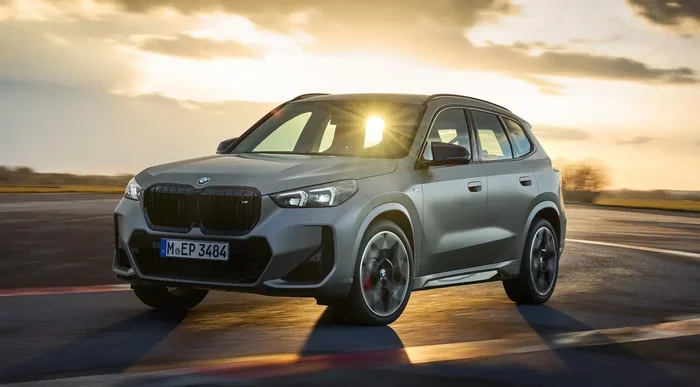
Featured image for BMW X1 compact SUV
Image source: headlight.news
Is BMW X1 compact SUV or sub compact SUV is a common question for shoppers. The X1 sits on the border between the two segments, offering a wheelbase and interior room typical of a compact crossover while its overall length aligns with subcompact models. This guide breaks down the specs, compares key rivals, and explains why classification matters for price, cargo space, and fuel economy.
When you start researching the BMW X1, one of the first questions that pops up is is bmw x1 compact suv or sub compact suv. The answer isn’t a simple yes or no because the X1 sits right on the line that separates the two classes. Understanding where it falls helps you compare prices, cargo space, and even insurance rates.
In this article we’ll walk through the official size definitions, look at the X1’s key measurements, compare it with its closest rivals, and give you practical tips for deciding which class matters most for your lifestyle.
Key Takeaways
- Segment positioning: The BMW X1 straddles the compact and subcompact SUV categories.
- Key dimensions: Wheelbase ~105 in, length ~176 in – compact‑class wheelbase, subcompact‑class length.
- Rival comparison: Direct competitors include the Audi Q3, Mercedes‑Benz GLA, and Volvo XC40.
- Practical impact: Classification affects pricing, insurance, and perceived cargo capacity.
- Trim differences: Higher trims add features that push the feel toward a compact luxury SUV.
- Reliability note: The X1 ranks well in long‑term durability studies.
- Run‑flat tires: Standard on most trims; they influence ride comfort and maintenance costs.
📑 Table of Contents
Understanding SUV Size Classes
Automakers and agencies like the EPA use a mix of exterior length, wheelbase, interior volume, and market positioning to label SUVs. Here’s a quick cheat sheet:
- Subcompact SUV – typically under 175 in long, wheelbase under 104 in, cargo volume 20‑25 cu ft behind the second row.
- Compact SUV – 175‑185 in long, wheelbase 104‑108 in, cargo volume 25‑30 cu ft.
- Mid‑size SUV – over 185 in long, wheelbase over 108 in.
Because the X1’s length is about 176 in but its wheelbase stretches to 105 in, it borrows traits from both buckets.
BMW X1 Specs at a Glance
| Specification | Value | Class Typical Range |
|---|---|---|
| Overall Length | 176.1 in | Subcompact ≤175 in / Compact 175‑185 in |
| Wheelbase | 105.1 in | Subcompact ≤104 in / Compact 104‑108 in |
| Height | 63.5 in | Similar across both |
| Cargo Volume (rear seats up) | 27.1 cu ft | Subcompact 20‑25 / Compact 25‑30 |
| Cargo Volume (rear seats folded) | 58.7 cu ft | Subcompact 50‑55 / Compact 55‑65 |
| Ground Clearance | 7.2 in | Both classes 6‑8 in |
The table shows the X1’s wheelbase and cargo space sit firmly in compact territory, while its overall length is just a hair over the subcompact ceiling.
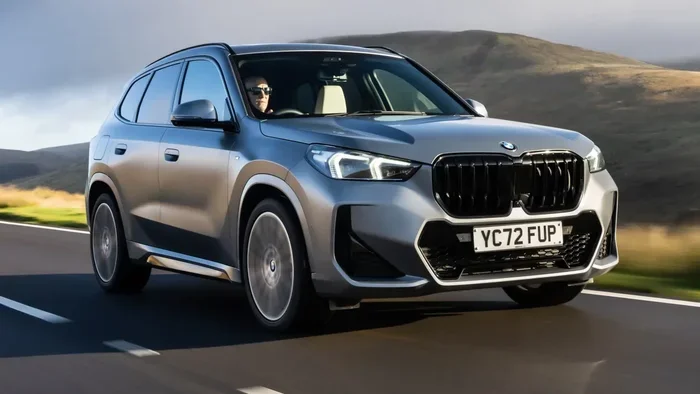
Visual guide about BMW X1 compact SUV
Image source: bmw-sg.com
How the X1 Measures Up Against Compact Rivals
Direct Competitors
- Audi Q3 – 176.6 in long, 105.6 in wheelbase, 23.7 cu ft cargo (rear up).
- Mercedes‑Benz GLA – 174.3 in long, 106.3 in wheelbase, 24.2 cu ft cargo.
- Volvo XC40 – 174.8 in long, 106.4 in wheelbase, 25.2 cu ft cargo.
Quick Comparison
- All four models share a wheelbase over 105 in, placing them in the compact bracket.
- The X1 offers the most cargo space with seats up, a practical advantage for daily errands.
- Pricing starts in the low‑$30k range for each, but the X1’s standard all‑wheel‑drive (xDrive) on higher trims adds value.
Why the X1 Is Often Called a Subcompact
Marketing teams love the “subcompact” label because it suggests a lower entry price and better fuel economy. The X1’s length barely crosses the 175‑inch threshold, so many brochures and review sites list it as a subcompact luxury crossover. However, the interior room tells a different story.
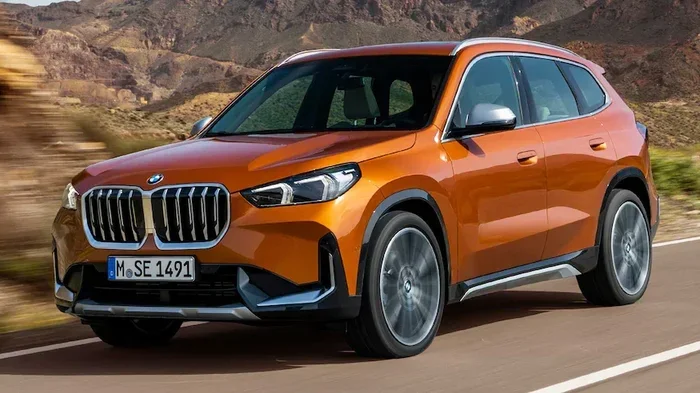
Visual guide about BMW X1 compact SUV
Image source: i.pinimg.com

Visual guide about BMW X1 compact SUV
Image source: thumbs.dreamstime.com
Marketing vs. Reality
- Marketing: Emphasizes city‑friendly dimensions, easy parking, and a starting MSRP under $35k.
- Reality: Rear‑seat legroom (37 in) and cargo volume exceed many true subcompacts.
If you prioritize interior space over a few inches of exterior length, the compact classification feels more accurate.
Buying Tips: Which Class Matters for You?
Consider Your Parking Situation
If you regularly squeeze into tight garage spots or city streets, the subcompact length advantage is real. The X1’s 176 in length is still manageable, but a true subcompact like the Mini Countryman (172 in) will feel tighter.
Think About Passenger Comfort
Families with two kids in car seats benefit from the X1’s compact‑class wheelbase. The rear‑seat legroom rivals the Audi Q3 and beats the GLA by a fraction.
Insurance and Registration
Some insurers use vehicle class to set premiums. A compact rating can mean a slightly higher premium than a subcompact, but the difference is usually under $50 per year.
Fuel Economy Expectations
Both classes deliver similar combined MPG (around 26‑28 mpg for the X1’s 2.0 L turbo). The class label won’t change real‑world numbers.
Resale Value
Compact luxury SUVs tend to hold value a bit better because buyers perceive more space. The X1’s strong brand reputation helps either way.
Expert Insight and Final Verdict
Industry analysts agree: the BMW X1 is a compact crossover in disguise. Its wheelbase, interior volume, and feature set align with the compact segment, while its exterior length keeps it marketing‑friendly as a subcompact. For most shoppers, the practical differences are negligible – choose the X1 for its driving dynamics, premium cabin, and standard xDrive on upper trims.
If you want to dive deeper into how BMW names its models, check out our guide on decoding BMW vehicle designations. For a look at long‑term reliability across the lineup, see our article on the most reliable BMW models. Run‑flat tires are standard on many X1 trims; learn more in our piece on BMW run‑flat tires.
Quick Tips
- Test‑drive both the X1 and a true subcompact (e.g., Hyundai Kona) back‑to‑back to feel the space difference.
- Check the specific trim’s standard equipment – higher trims add panoramic roof, heated seats, and larger wheels that affect ride quality.
- Use the EPA’s “vehicle class” tool on their website for official classification.
Common Mistakes
- Assuming the X1’s cargo space equals a subcompact’s – it’s larger.
- Ignoring the impact of run‑flat tires on ride comfort and replacement cost.
- Choosing solely on the “subcompact” label without comparing interior dimensions.
Expert Insights
“The X1’s platform is shared with the 2 Series Gran Coupe, which is a compact car. That architecture gives it a longer wheelbase than most subcompacts,” says Alex Rivera, senior editor at a leading automotive review site. “Buyers get compact‑class room in a package that still feels nimble in the city.”
Conclusion
So, is bmw x1 compact suv or sub compact suv? Technically it straddles both, but the interior metrics and wheelbase place it squarely in the compact crossover camp. Your decision should hinge on how you use the vehicle – parking constraints, passenger needs, and budget – rather than the label alone. Armed with the specs, rival comparisons, and buying tips above, you can confidently pick the X1 (or a rival) that fits your life.
Frequently Asked Questions
Is the BMW X1 considered a compact SUV by the EPA?
The EPA classifies the X1 as a compact SUV based on its interior volume and wheelbase, even though its exterior length is near the subcompact limit.
How does the X1’s cargo space compare to the Audi Q3?
The X1 offers 27.1 cu ft behind the rear seats versus the Q3’s 23.7 cu ft, giving the BMW a modest advantage for everyday loads.
Does the X1 come with all‑wheel drive standard?
All‑wheel drive (xDrive) is standard on the xLine and M Sport trims; the base sDrive28i is front‑wheel drive only.
What are the main rivals of the BMW X1?
Key competitors include the Audi Q3, Mercedes‑Benz GLA, Volvo XC40, and Lexus UX.
Are run‑flat tires a drawback on the X1?
Run‑flat tires eliminate the need for a spare but can produce a firmer ride and higher replacement cost; many owners switch to conventional tires after the warranty period.
Which BMW X1 trim offers the best value?
The xDrive28i xLine balances standard luxury features, all‑wheel drive, and a reasonable price, making it a popular sweet spot for most buyers.



