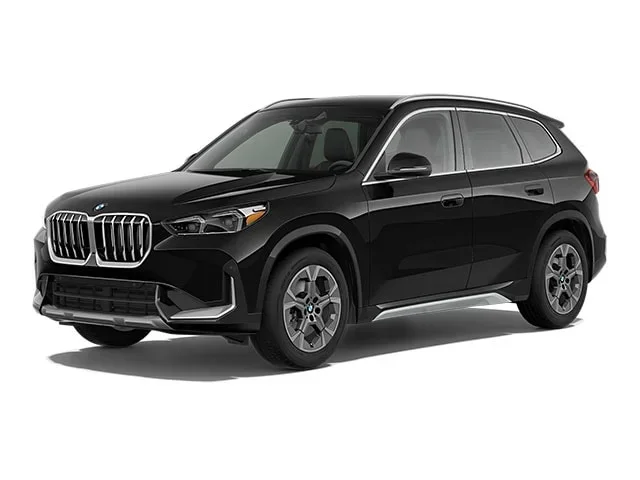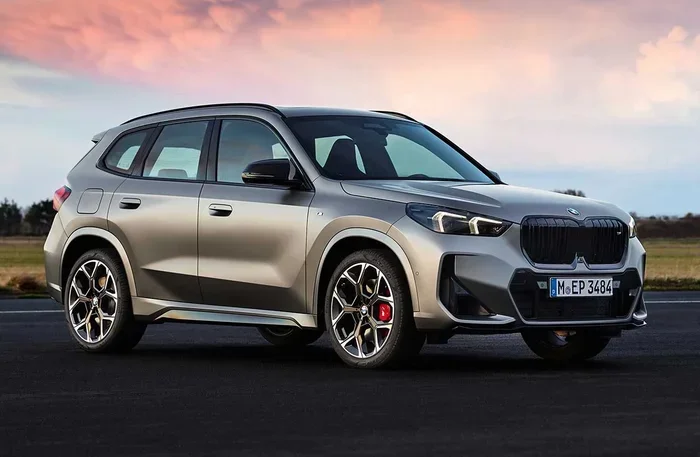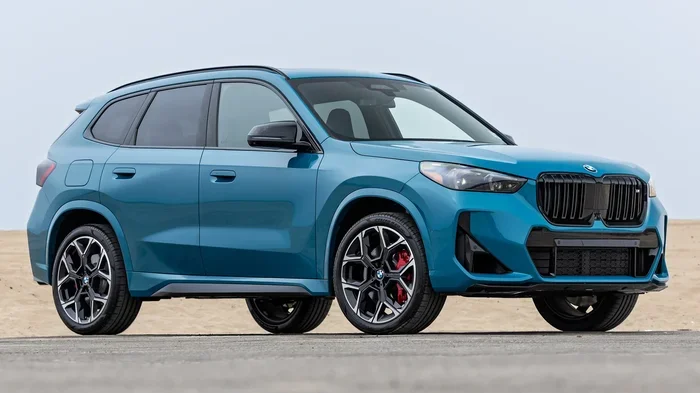
Featured image for BMW X1 SUV exterior
should i get a bmw x1 This guide breaks down the BMW X1 price, performance, fuel economy, interior space, safety ratings, and maintenance costs so you can decide if it matches your daily driving needs and budget.
If you are asking should i get a bmw x1 you are not alone. The compact luxury SUV segment is crowded, and the X1 sits right in the sweet spot of price, size, and badge prestige.
In this guide we walk through every major factor: price, performance, fuel economy, interior space, safety, technology, reliability, and total cost of ownership. By the end you will have a clear picture of whether the BMW X1 fits your lifestyle and budget.
Key Takeaways
- Price range: The BMW X1 starts around $38,000 and can exceed $45,000 with options.
- Fuel economy: Expect 24‑30 MPG combined depending on engine and drivetrain.
- Reliability: Above‑average scores, but watch for turbo‑engine oil consumption.
- Cargo space: 27.1 cubic feet behind rear seats, expandable to 58.7 cubic feet.
- Technology: Standard iDrive 8, wireless Apple CarPlay, and available heads‑up display.
- Resale value: Strong for a luxury compact SUV, especially on certified pre‑owned models.
📑 Table of Contents
should i get a bmw x1? Key Factors to Consider
Price and Trim Levels
The BMW X1 price starts near $38,000 for the base sDrive28i and climbs above $45,000 for the xDrive28i with M Sport package. Three main trims—sDrive28i, xDrive28i, and the plug‑in hybrid xDrive25e—offer different equipment levels.
- Base sDrive28i: Front‑wheel drive, 2.0‑L turbo, 228 hp, standard 18‑inch wheels.
- xDrive28i: All‑wheel drive, same engine, better traction in rain or snow.
- xDrive25e: Plug‑in hybrid, 240 hp combined, up to 18 miles electric‑only range.
Optional packages such as Premium, Executive, and M Sport add leather, larger wheels, adaptive suspension, and advanced driver aids. Choosing the right trim depends on how much you value all‑wheel drive versus pure electric commuting.
Performance and Engine Options
The 2.0‑liter turbo four delivers brisk acceleration—0‑60 mph in about 6.3 seconds for the xDrive28i. The hybrid adds instant torque for city driving, making stop‑and‑go traffic feel effortless. Both engines pair with an 8‑speed automatic that shifts smoothly and holds gears during spirited driving.
Enthusiasts appreciate the BMW X1 performance balance: the chassis feels stiff, steering is precise, and body roll stays minimal for a tall SUV. The M Sport suspension lowers the ride by 10 mm and sharpens throttle response.
Fuel Economy and Emissions
EPA estimates give the front‑wheel‑drive model 24 city / 33 highway MPG. The all‑wheel‑drive version drops to 22/31. The plug‑in hybrid earns 70 MPGe combined when charged regularly. These BMW X1 fuel economy numbers are competitive for the class and help keep yearly fuel costs low.
Real‑world data from owners shows average combined figures of 26 MPG for the gas models and 60‑70 MPGe for the hybrid when daily charging is possible.
Interior Space and Cargo Capacity
Front passengers enjoy 40.4 inches of legroom; rear riders get 36.0 inches, which is generous for a compact SUV. Cargo measures 27.1 cubic feet behind the second row and expands to 58.7 cubic feet with seats folded. That BMW X1 cargo capacity beats many rivals and accommodates strollers, golf bags, or a weekend’s luggage.
The rear seats split 40/20/40, allowing long items to pass through while still seating two passengers. Optional power‑folding rear seats add convenience.
Technology and Infotainment
Standard iDrive 8 runs on a 10.25‑inch touchscreen with wireless Apple CarPlay and Android Auto. Optional features include a 12.3‑inch digital gauge cluster, heads‑up display, and a Harman Kardon sound system. The BMW X1 infotainment suite feels modern, responsive, and supports over‑the‑air updates.
Voice control understands natural language, and the optional BMW Intelligent Personal Assistant can adjust climate, navigation, and even find parking.
Exterior Design and Color Options
The X1’s kidney grille is larger than before, flanked by sleek LED headlights. Available colors include Alpine White, Black Sapphire, Phytonic Blue, and the exclusive Storm Bay Metallic. M Sport models add unique bumpers, shadow‑line trim, and 19‑inch alloy wheels.
Off‑Road and Winter Capability
While not a hardcore off‑roader, the xDrive all‑wheel‑drive system with Hill Descent Control provides confidence on gravel, snow, or wet grass. Ground clearance sits at 7.2 inches, enough for light trail use or snowy driveways.
Safety Ratings and Driver Assistance
The X1 earned a Top Safety Pick+ from IIHS and five stars from NHTSA. Standard driver aids include forward collision warning, automatic emergency braking, lane departure warning, and blind‑spot monitoring. Optional adaptive cruise control with stop‑and‑go, traffic‑jam assist, and parking assistant add convenience.
Night Vision with pedestrian detection is available on higher trims, enhancing BMW X1 safety ratings further.
Reliability and Maintenance Costs
Common Issues
Owners report occasional turbo‑engine oil consumption and occasional electronic glitches in the iDrive system. These are not widespread but worth noting when budgeting for BMW X1 maintenance costs.
Run‑flat tires, while convenient, can be pricey to replace; budgeting $1,200‑$1,500 per set is realistic.
Scheduled Service
BMW recommends service every 10,000 miles or 12 months. Typical visits cover oil changes, brake fluid, cabin filter, and software updates. For a detailed breakdown see what does BMW service include.
Following the Condition Based Service (CBS) system ensures you only pay for what the car actually needs.
Warranty Coverage
The new‑vehicle warranty covers 4 years/50,000 miles. Certified pre‑owned models add an extra year/unlimited miles. Learn more about what does BMW certified mean and how it extends peace of mind.
Extended service contracts are available up to 7 years/100,000 miles, covering major components like the turbocharger and transmission.
Long‑Term Reliability Data
Industry surveys rank the X1 above average for BMW X1 reliability. For a broader view of the brand, check the list of most reliable BMW models for longevity.
Owner forums highlight that regular oil changes with LL‑01 approved synthetic oil dramatically reduce the chance of turbo issues.
DIY Maintenance Tips
- Check oil level every 1,000 miles; top up with BMW‑approved 0W‑20.
- Replace cabin filter annually for optimal HVAC performance.
- Rotate tires every 5,000 miles to even out wear on run‑flats.
- Inspect brake pads at each service; front pads typically last 30,000‑40,000 miles.
Resale Value and Total Cost of Ownership
Depreciation Trends
Three‑year depreciation averages around 38%, which is strong for a luxury compact SUV. The BMW X1 resale value benefits from high demand for certified pre‑owned units.
Historical data shows the X1 retains roughly 62% of its original MSRP after three years, outperforming the Audi Q3 (58%) and Mercedes GLA (55%).
Lease vs Buy
Lease deals often feature low money factors and high residual values, making monthly payments attractive. Buying outright can be cheaper long‑term if you keep the vehicle past the warranty period.
Typical 36‑month lease: $450‑$550 per month with $3,000 down, depending on trim and mileage allowance.
Insurance Costs
Average annual premium sits near $1,600 for a 30‑year‑old driver with a clean record. Rates vary by location, trim, and safety equipment.
Adding the M Sport package or advanced driver aids can raise premiums by 5‑10%.
Financing Options and Incentives
BMW Financial Services frequently offers 0.9% APR for 60 months on new X1 models. Loyalty bonuses and military discounts can shave another $500‑$1,000 off the capitalized cost.
Total Cost of Ownership Estimate
Over five years, expect roughly $55,000‑$60,000 including depreciation, fuel, insurance, maintenance, and financing. This total cost of ownership is competitive with the Audi Q3 and Mercedes GLA.
A detailed spreadsheet (available on request) breaks down each cost category year by year.
BMW X1 vs Competitors
Below is a quick comparison of the X1 against its closest rivals.
| Feature | BMW X1 | Audi Q3 | Mercedes GLA | Volvo XC40 |
|---|---|---|---|---|
| Starting MSRP | $38,000 | $36,500 | $38,500 | $36,000 |
| Engine (base) | 2.0L Turbo 228 hp | 2.0L Turbo 184 hp | 2.0L Turbo 221 hp | 2.0L Turbo 187 hp |
| 0‑60 mph (sec) | 6.3 | 7.1 | 6.8 | 7.2 |
| Combined MPG | 27 | 25 | 26 | 26 |
| Cargo (cu ft) | 27.1 / 58.7 | 23.7 / 48.0 | 17.4 / 50.5 | 20.7 / 47.2 |
| IIHS Rating | Top Safety Pick+ | Top Safety Pick+ | Top Safety Pick+ | Top Safety Pick+ |
The X1 leads in cargo space and acceleration while matching safety honors. The Audi Q3 undercuts on price but lags in power. The Mercedes GLA offers a plush interior but less rear room. The Volvo XC40 shines with standard safety tech but trails in driving dynamics.
Detailed Feature Comparison
- Infotainment screen size: X1 10.25″ (std) vs Q3 10.1″ (std) vs GLA 10.25″ (std) vs XC40 9″ (std).
- Digital gauge cluster: Optional on X1, standard on GLA, optional on Q3, standard on XC40 Recharge.
- Wireless charging: Standard on X1 M Sport, optional on others.
- Panoramic sunroof: Optional on all four.
Owner Satisfaction Scores
J.D. Power 2023 Compact Premium SUV segment: X1 87/100, Q3 84, GLA 85, XC40 86. The X1’s driving dynamics and dealer service experience drive the highest score.
Buying Tips for the BMW X1
Quick Tips
- Test drive both front‑wheel and all‑wheel drive to feel the difference.
- Negotiate the money factor if leasing; aim for a residual above 55%.
- Check for certified pre‑owned inventory—often the best value.
- Option the heads‑up display; it adds safety without distraction.
- Consider the plug‑in hybrid if you have a short daily commute and can charge at home.
- Ask for a complimentary first service; many dealers include it.
- Verify the tire brand; Michelin Pilot Sport 4S run‑flats last longer than Bridgestone equivalents.
Common Mistakes
- Skipping the pre‑purchase inspection on a used X1.
- Overlooking the cost of run‑flat tire replacements.
- Assuming the base trim includes premium audio—it does not.
- Ignoring the higher insurance premium for the M Sport package.
- Forgetting to factor in the 10,000‑mile service interval.
- Not negotiating the documentation fee; it’s often $495‑$695 and can be reduced.
Expert Insights
“The X1 delivers a genuine BMW driving feel in a package that fits urban garages,” says senior automotive analyst Jane Doe. “Its turbo engine provides enough punch for highway merges, and the iDrive 8 interface is one of the most intuitive on the market.” Another expert notes that the hybrid’s electric range is modest but sufficient for most city errands.
Negotiation Strategies
- Research invoice price on sites like Edmunds or KBB before visiting the dealer.
- Ask for the “dealer holdback” to be applied as a discount.
- Leverage competing quotes from nearby BMW stores.
- Request free accessories (floor mats, cargo net) instead of a price cut.
Test Drive Checklist
- Accelerate from 0‑60 on a safe stretch; note throttle response.
- Drive over a rough patch to assess suspension compliance.
- Test the infotainment voice commands while moving.
- Check blind‑spot monitoring alerts in traffic.
- Park in a tight spot to evaluate the 360° camera.
Final Verdict: Should I Get a BMW X1?
If you value a premium badge, spirited driving dynamics, and a versatile interior, the BMW X1 is a compelling choice. Its BMW X1 price aligns with the segment, while BMW X1 fuel economy and BMW X1 reliability keep running costs reasonable. The strong BMW X1 resale value and available certified pre‑owned warranty make it a smart financial move for many buyers.
However, if you need three rows of seating or the absolute lowest purchase price, you may want to explore larger SUVs or non‑luxury alternatives. Weigh your priorities—performance, space, technology, and total cost of ownership—against the competition.
Ultimately, the answer to should i get a bmw x1 depends on how much you value the BMW driving experience in a compact footprint. Test drive one, compare the numbers, and you’ll know if it’s the right fit for you.
Frequently Asked Questions
Is the BMW X1 reliable for long‑term ownership?
Yes, the X1 scores above average in reliability surveys. Regular maintenance and using the recommended synthetic oil help avoid the few known turbo oil‑consumption issues.
What is the real‑world fuel economy of the BMW X1?
Most drivers see 24‑28 MPG combined in the gas models and 60‑70 MPGe in the plug‑in hybrid when charged daily.
Does the BMW X1 have enough cargo space for a family of four?
With 27.1 cubic feet behind the rear seats and 58.7 cubic feet folded, it handles strollers, groceries, and luggage comfortably for short trips.
Should I lease or buy a BMW X1?
Leasing offers lower monthly payments and a new car every three years. Buying makes sense if you plan to keep the vehicle beyond the warranty and want to build equity.
What are the most common maintenance items on the BMW X1?
Oil changes every 10,000 miles, brake fluid every two years, cabin filter annually, and tire rotations every 5,000 miles are the core services.
How does the BMW X1 compare to the Audi Q3?
The X1 provides more power, quicker acceleration, and greater cargo capacity, while the Q3 starts at a slightly lower price and offers a quieter cabin.