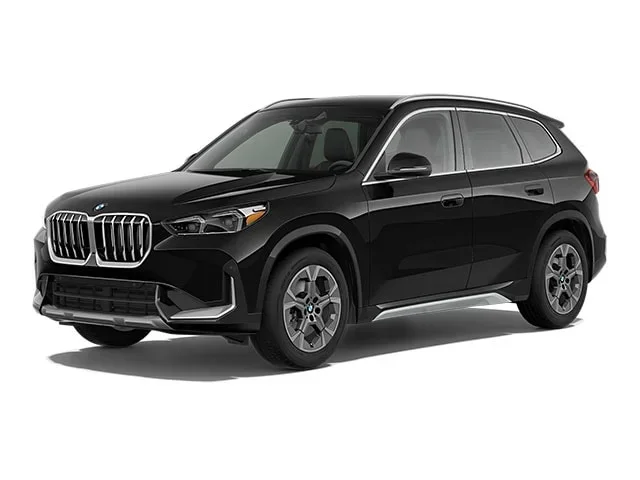
Featured image for 2024 BMW X1 exterior
Image source: cdn.jdpower.com
The May residual BMW X1 value sets the predicted worth of the vehicle at lease end, directly determining your monthly payment. A higher residual means lower payments because you pay for less depreciation. This guide breaks down current percentages, money factors, and expert tips to help you negotiate a smarter lease deal this month.
Leasing a luxury SUV involves many moving parts, but few numbers matter as much as the residual value. If you are shopping right now, understanding the May residual BMW X1 figure is critical to getting a fair monthly payment. This number, set by the bank, predicts what the car will be worth in three years. It is the anchor for your entire lease structure.
Many shoppers focus only on the sale price or the interest rate (money factor). While those matter, the residual does the heavy lifting. A difference of just a few percentage points can shift your payment by $50 or more per month. Over a 36-month term, that adds up to thousands of dollars. Let’s break down exactly how this works for the current model year.
Key Takeaways
- Residual Value Definition: It is the estimated wholesale value of the BMW X1 at the end of the lease term, set by BMW Financial Services.
- Payment Impact: Higher residual percentages result in lower monthly payments since you finance less depreciation.
- Monthly Changes: Residual values adjust monthly; May figures often reflect spring market updates and inventory goals.
- Trim Differences: The xDrive28i, M35i, and other trims carry different residual percentages based on expected demand.
- Mileage Matters: Standard residuals assume 10,000–12,000 miles per year; higher mileage leases lower the residual percentage.
- Negotiation Leverage: You cannot negotiate the residual, but you can negotiate the capitalized cost (selling price) to lower payments.
- End-of-Lease Options: A strong residual gives you equity potential if the market value exceeds the buyout price.
📑 Table of Contents
- What Is a Residual Value and Why Does It Matter?
- Breaking Down the May Residual BMW X1 Numbers
- Factors That Influence the BMW X1 Residual
- May Residual BMW X1: Lease vs. Buy Analysis
- Negotiating the Best Deal Around the Residual
- Common Mistakes Shoppers Make with Residuals
- Expert Insights: Reading the Fine Print
- Quick Tips for Your May Lease Deal
- Comparison: BMW X1 vs. Key Rivals (Residual Perspective)
- Protecting Your Investment During the Lease
- What Happens at Lease End? The Residual Reality
- Frequently Asked Questions
- Conclusion
What Is a Residual Value and Why Does It Matter?
Think of the residual value as the guaranteed future price of the car. When you lease, you essentially pay for the depreciation—the gap between the price today and the value tomorrow. The bank (usually BMW Financial Services) sets this number based on massive amounts of historical data, auction results, and market forecasting.
The Simple Math Behind Your Payment
Your monthly lease payment has three main components:
- Depreciation: (Adjusted Cap Cost minus Residual Value) divided by Lease Term.
- Finance Charge: (Adjusted Cap Cost plus Residual Value) multiplied by Money Factor.
- Taxes/Fees: Varies by state and local laws.
Because the May residual BMW X1 number sits in both the depreciation and finance charge formulas, it has a double impact. A higher residual lowers the depreciation amount and slightly lowers the finance charge base. This is why manufacturers sometimes artificially inflate residuals (subvented leases) to move metal—it makes the payment look incredibly attractive.
Residual vs. Market Value
It is vital to understand that the residual is a prediction, not a promise of what the car will actually sell for at auction in three years. If the market crashes, the bank takes the loss. If the market booms, you have equity. For the BMW X1, which holds value well compared to many rivals, the residual is usually set conservatively but competitively.
Breaking Down the May Residual BMW X1 Numbers
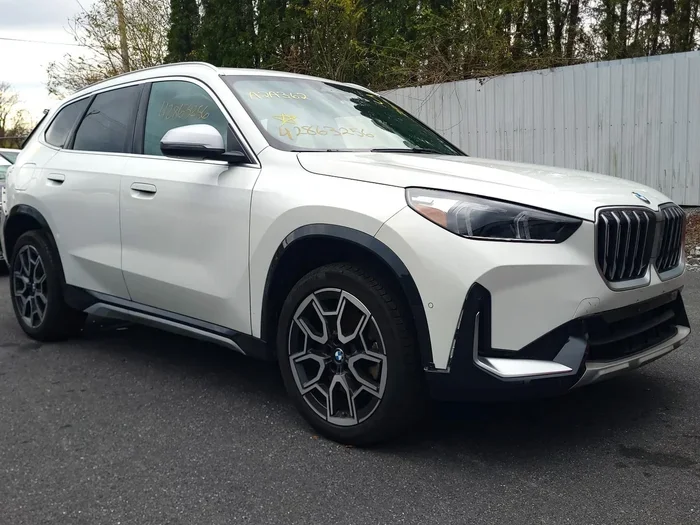
Residual values are expressed as a percentage of the MSRP (Manufacturer’s Suggested Retail Price). For example, a 60% residual on a $45,000 MSRP means the bank guarantees the car is worth $27,000 at lease end. You pay for the $18,000 difference (plus fees and interest).
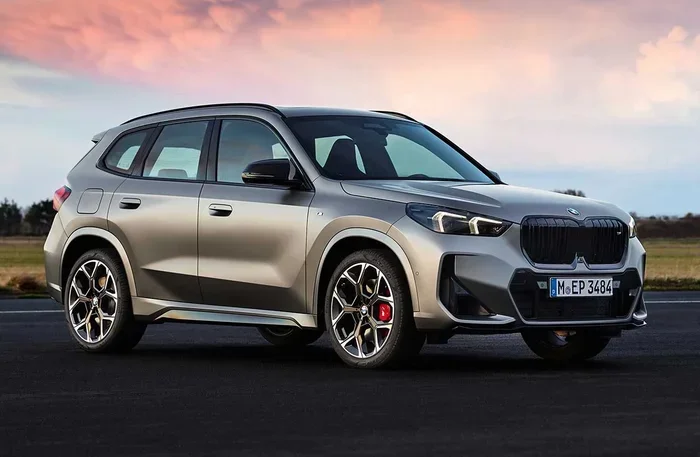
Visual guide about 2024 BMW X1 exterior
Image source: weberbrothersauto.s3.amazonaws.com
Typical Ranges for the Current Model Year
While exact numbers change daily and vary by region (zip code), the BMW X1 typically sees residuals in these bands for a 36-month/10k-mile lease:
- X1 xDrive28i (Base/Sport): Often 58% – 61%.
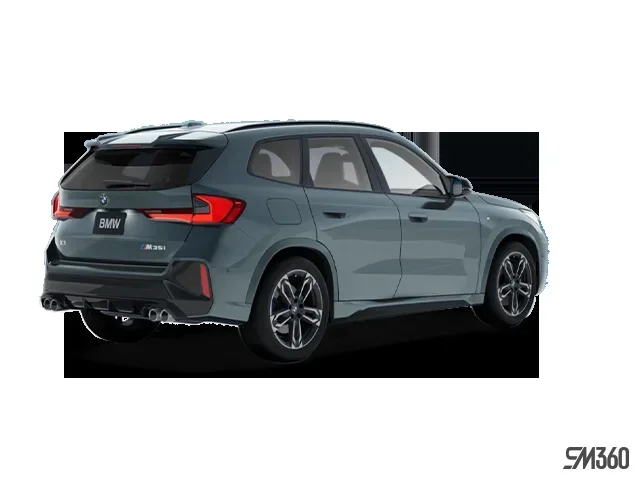
- X1 M35i xDrive: Often 56% – 59% (higher MSRP, slightly lower percentage).
- 24-Month Terms: Usually 2–4 percentage points higher.
- 39-Month Terms: Usually 1–2 percentage points lower.
Quick Tip: Always ask the dealer for the “RV” for your specific zip code, term, and mileage. Do not rely on national averages. The May residual BMW X1 sheet the finance manager looks at is the only one that counts.
How Mileage Adjusts the Percentage
Standard leases are usually calculated at 10,000 or 12,000 miles per year. If you drive more, the residual drops.
- 10k/yr: Base residual (highest %).
- 12k/yr: Subtract ~1–2%.
- 15k/yr: Subtract ~3–4%.
If you need 15,000 miles a year, the lower residual increases your payment significantly. Sometimes buying extra miles upfront (at ~$0.15–$0.20/mile) is cheaper than the payment jump caused by the residual drop. Run both scenarios.
Factors That Influence the BMW X1 Residual
Why does the X1 get the numbers it gets? It isn’t arbitrary. ALG (Automotive Lease Guide) and BMW FS analysts look at specific variables.
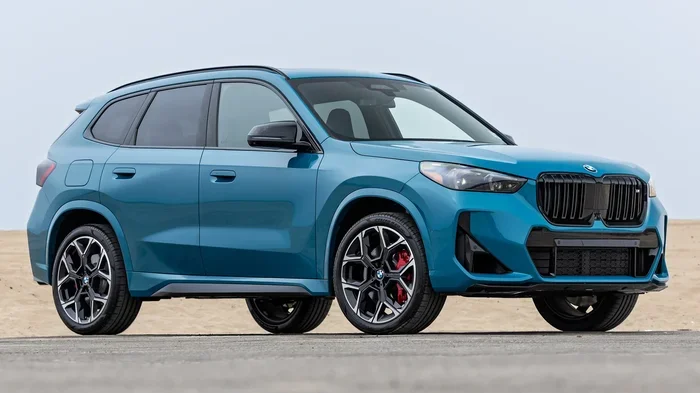
Visual guide about 2024 BMW X1 exterior
Image source: i.ytimg.com
Brand Reputation and Reliability
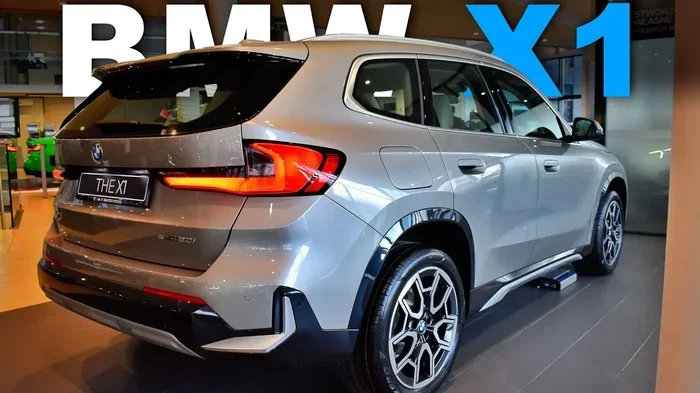
BMW has a strong reputation for driving dynamics, but maintenance costs can be higher than Japanese rivals. This tends to suppress residuals slightly compared to a Lexus NX or Acura RDX. However, the X1 is the entry point to the brand, creating high demand on the used market. People want a used BMW SUV for under $30k. That demand supports the residual. If you are curious about long-term durability, our guide on identifying the most reliable BMW models for longevity provides great context on which engines and chassis hold up best.
Model Lifecycle and Refresh Cycles
The current U11 generation X1 debuted for the 2023 model year. Residuals are usually strongest in years 1 and 2 of a generation. As a model ages, banks lower residuals to protect against a redesign making the current shape “old.” Since we are in the early lifecycle, the May residual BMW X1 numbers should be relatively strong.
Supply and Inventory Levels
If dealer lots are overflowing with X1s, BMW FS might lower the residual (or keep it flat) and offer bigger rebates/incentives instead. If inventory is tight—as it has been for many BMWs recently—they keep residuals high to support lease payments without discounting the car heavily. Check local inventory before you negotiate.
Competitor Landscape
The X1 fights the Mercedes GLA, Audi Q3, Volvo XC40, and Lexus UX. If competitors are offering massive subvented residuals (e.g., 65% on a Q3), BMW may adjust the X1 residual up to stay competitive on payment. Cross-shopping is your best leverage.
May Residual BMW X1: Lease vs. Buy Analysis
Should you lease or finance? The residual value answers this question mathematically.
Visual guide about 2024 BMW X1 exterior
Image source: img.sm360.ca
The Lease “Walk Away” Advantage
If the May residual BMW X1 is set at 60%, and the car is actually worth 55% at auction in three years, you win. You walked away after paying for 40% depreciation, but the car lost 45%. The bank eats the 5% gap. This is the primary hedge of leasing.
The Equity Opportunity
Conversely, if the used market stays hot (as it has post-pandemic) and the car is worth 65% at lease end, you have equity. You can buy it out for the 60% residual price and sell it privately for 65%, pocketing the difference. Or trade it in at a dealer. This “hidden equity” has been a massive windfall for many recent BMW lessees.
Financing Comparison
If you finance for 60 or 72 months, you pay down the whole $45,000 (plus interest). You own an asset worth whatever the market dictates. You bear 100% of the depreciation risk. Leasing transfers the tail-end risk to the bank. For a rapidly evolving tech platform like the new X1 (iDrive 9, EV architecture sharing), leasing protects you against obsolescence risk.
Negotiating the Best Deal Around the Residual
Here is the golden rule: You cannot negotiate the residual value. It is set by the bank. The dealer cannot change it. Anyone telling you they “got you a better residual” is mistaken or misleading you. They likely lowered the selling price (Cap Cost).
Focus on the Capitalized Cost
Since the residual is fixed, your negotiation target is the Adjusted Capitalized Cost. This is the selling price minus any down payment (cap reduction) plus fees.
- Negotiate the selling price just like a cash deal.
- Apply all eligible incentives (loyalty, conquest, fleet, EV credits if applicable).
- Minimize upfront cash (drive-offs). Put $0 down if possible. If the car is totaled tomorrow, you lose that down payment. Roll fees into the payment.
Watch the Money Factor (Interest Rate)
The money factor is the interest rate. Convert it to APR: Money Factor x 2400 = APR. Example: 0.00150 MF = 3.6% APR. BMW FS sets a “Buy Rate.” Dealers can mark this up (usually max 0.00040) for extra profit. Ask for the Buy Rate. If you have top-tier credit (720+), you qualify for the base rate. Do not let them markup the MF to “lower the payment” while hiding the cost.
Understanding Fees
- Acquisition Fee: ~$925 (BMW FS standard). Non-negotiable but can be rolled in.
- Disposition Fee: ~$350–$500 due at return (waived if you lease/buy another BMW).
- Doc Fees: Varies by state/dealer. Negotiable or capped by law in some states.
Common Mistakes Shoppers Make with Residuals
Avoid these pitfalls to keep your deal clean.
Mistake 1: Obsessing Over the Residual Percentage
Shoppers compare Brand A (62%) vs Brand B (58%) and assume Brand A is cheaper. Not always. Brand A might have a higher MSRP, higher money factor, or fewer incentives. Compare total lease cost (Monthly x Term + Drive-off), not just the residual.
Mistake 2: Putting Large Down Payments (Cap Reduction)
Putting $5,000 down lowers the payment, but it does not change the residual. If the car is stolen or totaled in month 3, insurance pays the bank (who owns the car). You lose your $5,000. Gap insurance covers the loan balance, not your equity. Keep your cash.
Mistake 3: Ignoring the “Real” Residual at Lease End
The residual on your contract is the buyout price. If you want to keep the car, you pay that price (plus tax/fees). If the market value is lower, do not buy it. Turn it in. If the market is higher, buy it. The May residual BMW X1 you sign today locks in your option price for 2027.
Mistake 4: Excess Wear and Tear Neglect
The residual assumes the car returns in “average” condition. BMW is strict on curb rash, tire tread (run-flats are expensive!), and interior damage. Budget $1,000–$1,500 for potential end-of-lease charges or buy a wear-and-tear waiver upfront if offered. Knowing what are BMW run flat tires design benefits and care helps you maintain them properly to avoid fees.
Expert Insights: Reading the Fine Print
Lease contracts are dense. Here is what the fine print means for your wallet.
Gap Insurance Inclusion
BMW Financial Services includes Gap Insurance standard on almost all leases. If the car is totaled, Gap covers the difference between the insurance payout and the lease balance. Verify “Gap Waiver” is on your contract. Do not pay extra for it from the dealer.
Early Termination vs. Lease Transfer
Life happens. If you need out early, BMW FS allows lease assumptions (transfers) via third parties like Swapalease or LeaseTrader. The new lessee must qualify. This is vastly cheaper than early termination (paying all remaining payments minus a small discount). The strong residual makes your lease attractive to buyers on the swap market.
Certified Pre-Owned (CPO) Path
If you buy out your lease, the car becomes a used BMW. If it meets age/mileage criteria, you can certify it (CPO) for extended warranty. This adds resale value later. Understanding what does BMW certified mean proven value helps you see the long-term benefit of buying out a clean lease return.
Quick Tips for Your May Lease Deal
- Check the RV on the 1st: Residuals update monthly. May 1st numbers are valid all month. Verify the date on the dealer’s quote sheet.
- Use the “One Pay” Lease: If you have cash, paying the full lease upfront (One Pay) often drops the money factor significantly (sometimes to near 0%). You save on interest. The residual stays the same.
- Loyalty/Conquest: BMW often offers $1,000–$2,000 for current owners (Loyalty) or competitive owners (Conquest). These reduce Cap Cost, not Residual.
- Test Drive the M35i: The performance gap between the 28i and M35i is massive. The M35i residual % is slightly lower, but the driving experience justifies it for enthusiasts.
- Insurance Quote First: Get an insurance quote before signing. The X1 M35i can be pricey to insure for some demographics.
Comparison: BMW X1 vs. Key Rivals (Residual Perspective)
How does the May residual BMW X1 stack up against the competition? This table illustrates typical 36-month/10k residuals for the segment (estimates for current model year).
| Model | Typical Residual % (36/10k) | Key Lease Advantage |
|---|---|---|
| BMW X1 xDrive28i | 59% – 61% | Strong driving dynamics, high used demand, latest iDrive 9 tech. |
| Mercedes GLA 250 | 57% – 59% | Often higher incentives/rebates lower effective payment. |
| Audi Q3 45 TFSI | 56% – 58% | Great interior, but older platform (MQB) vs BMW’s new FAAR. |
| Volvo XC40 B5 AWD | 54% – 56% | Safety focus, but historically softer residuals. |
| Lexus UX 250h | 60% – 62% | Hybrid efficiency, legendary reliability, highest residual usually. |
Note: Percentages are estimates based on recent ALG/BMW FS trends. Actual figures vary by region, trim, and exact build date.
The X1 sits in a sweet spot: sportier than the Lexus, newer tech than the Audi/Q3, and often better residual support than the Volvo. The Mercedes GLA is its closest direct rival on paper.
Protecting Your Investment During the Lease
Since the residual is the target you must hit at return, maintenance isn’t optional—it’s financial protection.
Required Maintenance Schedule
BMW includes 3 years/36k miles of maintenance (Ultimate Care) on new vehicles. This covers oil, brakes, wipers, filters. Do every service on time at the dealer. The digital service record proves to the lease inspector (and next buyer) that the car was cared for. Missing services can void warranty claims and hurt your standing if you dispute end-of-lease charges.
Tire Strategy
The X1 comes with run-flat tires. They are expensive ($300–$400+ each). The lease return requires matching tires with legal tread depth (usually >4/32″ or >5/32″).
- Rotate every 5k–7k miles.
- If you damage one, replace it with the exact same model (OEM spec).
- Budget for a full set at return if you drive 12k+/yr. It’s often cheaper to buy a set of take-offs or budget tires before inspection than pay the dealer’s “replacement” charge.
Cosmetic Protection
Paint protection film (PPF) on the front end and ceramic coating make the return inspection painless. Door ding protection? Park far away. The $500–$1,000 you spend on PPF saves you $2,000+ in “excess wear” charges on a black or dark blue car.
What Happens at Lease End? The Residual Reality
Three years fly by. When the letter arrives from BMW FS (usually 90 days out), you have three paths.
Option 1: Turn It In (Walk Away)
You pay the disposition fee (~$350–$500) plus any excess wear/mile charges. You owe nothing else. This is the “Residual Bet” payoff. If the car is worth less than the residual, you won. The bank lost.
Option 2: Buy It Out
You pay the residual value (from your contract) + sales tax + DMV fees. You can finance this through BMW FS, your credit union, or cash. Critical Step: Get a buyout quote from a dealer (CarMax, Carvana, local dealer) before you pay BMW FS. If Carvana offers $2,000 over the residual, sell it to them, pay off BMW FS, keep the profit. Do not leave money on the table.
Option 3: Lease Another BMW (Pull-Ahead)
BMW often runs “Pull-Ahead” programs 3–6 months before lease end. They waive your last 3 payments if you lease a new BMW. This effectively subsidizes your next car. The May residual BMW X1 you signed today makes you eligible for pull-ahead offers in 2027.
Frequently Asked Questions
What is a good residual value for a BMW X1?
A good residual for a 36-month BMW X1 lease is typically 59% or higher. The M35i trim usually sits 2-3% lower than the xDrive28i. Anything above 60% is considered excellent and indicates a subvented (manufacturer-supported) lease program.
Can I negotiate the residual value on a BMW lease?
No, you cannot negotiate the residual value. It is set by BMW Financial Services based on the model, trim, term, mileage, and your region. The dealer has zero authority to change it. Focus your negotiation on the selling price (capitalized cost) and the money factor (interest rate).
Does the May residual BMW X1 change during the month?
Generally, no. Residual values and money factors are updated on the 1st of each month and remain valid through the end of that month. However, incentives and rebates can change mid-month. Always verify the program date on the dealer’s quote sheet.
How does mileage affect the BMW X1 residual?
Higher annual mileage lowers the residual percentage. Moving from 10,000 to 12,000 miles per year typically drops the residual by 1-2%. Moving to 15,000 miles drops it 3-4%. This increases your monthly payment because you are paying for more predicted depreciation.
Should I buy my BMW X1 at lease end if the residual is high?
Only if the current market value is higher than the residual buyout price. Get an appraisal from CarMax, Carvana, or a local dealer. If the market value exceeds the residual, you have instant equity—buy it and sell it, or keep it. If the market value is lower, walk away.
What credit score do I need for the best BMW X1 lease rate?
You typically need a credit score of 720 or higher to qualify for the “Tier 1” buy rate money factor from BMW Financial Services. Scores between 680-719 may see a slight markup. Below 680, approval becomes difficult or requires a significant markup/large security deposit.
Conclusion
The May residual BMW X1 number is the single biggest lever on your monthly lease payment. It represents the bank’s bet on the future, and it locks in your option to buy the car for a fixed price three years from now. While you cannot change the residual, you hold all the cards on the selling price, the money factor, and your mileage selection.
Walk into the dealership knowing the current residual percentage for your zip code and trim. Negotiate the cap cost aggressively. Verify the money factor is the buy rate. Keep your drive-off cash low. And maintain the car meticulously so that in three years—whether you walk away, buy it out, or swap into a new one—you land on your feet. The X1 is a fantastic driver’s SUV; a smart lease structure just makes the ownership experience that much sweeter.