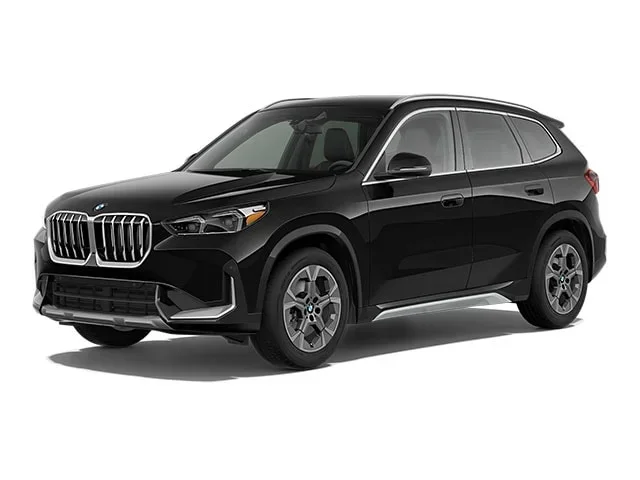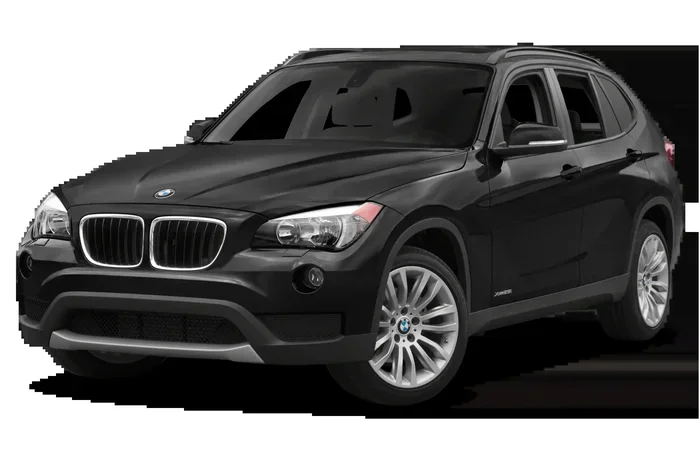
Featured image for 2015 BMW X1 SUV
Image source: platform.cstatic-images.com
Should I buy a 2015 BMW X1? This compact luxury crossover offers sporty handling and a premium interior, but the N20 turbo engine has known timing chain and oil leak risks. A thorough pre-purchase inspection and maintenance history review are essential before buying.
You are scrolling through listings, and a 2015 BMW X1 catches your eye. The price looks right. The leather looks clean. The badge promises the “Ultimate Driving Machine” experience in a practical SUV package. But a nagging voice in your head asks: should I buy a 2015 BMW X1 without regretting it six months later?
That is a very smart question to ask. The 2015 model year sits at a critical crossroads. It is the final year of the first generation (E84 chassis). It bridges the gap between the older, hydraulic-steering BMW feel and the newer, more efficient—but sometimes more fragile—turbocharged four-cylinder era. It is a used car sweet spot for depreciation, but a potential minefield for maintenance if you aren’t prepared.
In this guide, we will break down everything you need to know. We will look at the notorious N20 engine issues, the difference between sDrive and xDrive, real-world ownership costs, and how to negotiate the best deal. By the end, you will know exactly if this car fits your life and your budget.
Key Takeaways
- Engine Risk: The N20 4-cylinder engine is prone to timing chain guide failure and oil filter housing gasket leaks, especially on higher-mileage examples.
- Drivetrain Choice: The xDrive all-wheel-drive system adds traction but increases complexity and repair costs compared to the lighter, more efficient sDrive rear-wheel-drive model.
- Maintenance Costs: Budget for higher-than-average upkeep; run-flat tires, synthetic oil changes, and potential cooling system repairs add up quickly.
- CPO Value: A Certified Pre-Owned (CPO) unit with the extended warranty provides significant peace of mind against major engine or transmission repairs.
- Interior Space: Despite the compact footprint, the rear seats slide and recline, offering surprising legroom, though cargo space trails boxier rivals like the Honda CR-V.
- Pre-Purchase Inspection: Never skip a PPI by a BMW specialist; it is the single best way to avoid buying a money pit.
- Depreciation: The steepest depreciation has already happened, making the 2015 model a potential value play if bought right and maintained well.
📑 Table of Contents
- The 2015 BMW X1 at a Glance: What You Are Actually Buying
- The Elephant in the Room: N20 Engine Reliability
- Driving Dynamics: sDrive (RWD) vs. xDrive (AWD)
- Interior, Tech, and Daily Livability
- Ownership Costs: The “BMW Tax” is Real
- Buying Strategy: CPO, Private Party, or Dealer?
- 2015 BMW X1 vs. The Competition
- Expert Insights: What Mechanics Wish You Knew
- Quick Tips Checklist for Your Test Drive
- Common Mistakes Buyers Make
- Final Verdict: Should You Buy It?
The 2015 BMW X1 at a Glance: What You Are Actually Buying
First, let’s set the stage. The 2015 X1 (chassis code E84) is technically a subcompact luxury crossover, but it drives more like a lifted 3 Series wagon. That is a compliment. It uses a rear-wheel-drive platform (with optional all-wheel drive), giving it a near 50/50 weight distribution that most rivals—like the Audi Q3 or Mercedes GLA—cannot match because they are front-wheel-drive based.
For 2015, the lineup was simple. You had the sDrive28i (RWD) and the xDrive28i (AWD). Both used the same 2.0-liter TwinPower Turbo four-cylinder engine (N20B20) paired with an 8-speed automatic transmission. There was no six-cylinder option this year, which upsets some purists but helps fuel economy.
Key Specs Snapshot
- Engine: 2.0L Turbocharged Inline-4 (N20)
- Horsepower: 240 hp @ 5,000 rpm
- Torque: 260 lb-ft @ 1,250–4,800 rpm
- Transmission: 8-Speed Automatic (ZF 8HP45)
- 0-60 mph: ~6.1 seconds (xDrive), ~6.3 seconds (sDrive)
- EPA Fuel Economy: 22 City / 32 Highway (sDrive) | 21 City / 30 Highway (xDrive)
The interior is classic BMW: driver-focused, high-quality materials (mostly), and the iconic iDrive controller (CCC/CIC system depending on build date). It lacks the massive screens of modern cars, which many enthusiasts actually prefer. Standard features include a panoramic moonroof, power tailgate, and leatherette upholstery (leather was an option).
The Elephant in the Room: N20 Engine Reliability
If you read one section of this article, make it this one. The N20 engine is the single biggest factor in your buying decision. On paper, it is a marvel—lightweight, powerful, and efficient. In the real world, early versions (2011–2015) developed a reputation for two specific, expensive failure points.

Visual guide about 2015 BMW X1 SUV
Image source: d2ivfcfbdvj3sm.cloudfront.net
1. The Timing Chain Guide Failure
This is the headline grabber. The N20 uses a timing chain to sync the camshafts and crankshaft. On early engines, the plastic guide rails that tension the chain become brittle from heat cycles. They shatter. When this happens, the chain slackens, jumps teeth, or snaps. The result? Catastrophic engine damage. Valves hit pistons. The engine is usually toast.
Did BMW fix it? They issued a Technical Service Bulletin (TSB) and updated the parts (metal-backed guides) around mid-2015 production. A 2015 model might have the updated parts if built late in the model year (check the build date on the door jamb sticker), but many early 2015 builds got the old parts.
What to listen for: A rattling noise on cold startup (like marbles in a can) that goes away after a few seconds. That is the chain slapping against the broken guide.
2. Oil Leaks: Filter Housing and Valve Cover
BMW inline engines have leaked oil since the dawn of time, and the N20 is no exception. The two main culprits are the oil filter housing gasket (OFHG) and the valve cover gasket (which integrates the PCV valve).
- OFHG Leak: Oil drips down the front of the engine, often onto the drive belt. If the belt gets soaked, it can shred and get sucked past the front crank seal, destroying the engine. This is a $400–$800 DIY job or $1,000+ at a shop.
- Valve Cover/PCV: The valve cover is plastic and warps over time. The integrated PCV diaphragm fails, causing rough idle, check engine lights, and oil consumption. Replacement is roughly $600–$1,200.
3. Cooling System Fragility
Like most modern BMWs, the cooling system is plastic-heavy. The water pump is electric (good for flow control, bad for longevity), the thermostat fails electronically, and the expansion tank cracks. Plan on a cooling system overhaul around 80k–100k miles if it hasn’t been done. For more details on the specific fluids required, check out our guide on choosing the right coolant for your BMW vehicle.
Driving Dynamics: sDrive (RWD) vs. xDrive (AWD)
This choice defines the car’s character. It is not just about snow traction.

Visual guide about 2015 BMW X1 SUV
Image source: static.regit.cars
sDrive28i (Rear-Wheel Drive)
- Pros: Lighter (~150 lbs less), better fuel economy, tighter turning circle, cheaper to maintain (no front driveshaft, transfer case, or front diff), more “classic BMW” steering feel.
- Cons: Useless in deep snow without dedicated winter tires. Can spin rear tires easily on wet leaves or gravel with 260 lb-ft of instant torque.
xDrive28i (All-Wheel Drive)
- Pros: Incredible launch traction (0-60 is quicker), confidence in rain/snow, higher resale value in northern states.
- Cons: Heavier nose (understeer), transfer case fluid changes required, front CV axles wear out, slightly worse MPG. The transfer case actuator motor is a known failure point ($800+ repair).
My advice: If you live where it snows more than three times a year, get xDrive and winter tires. If you live in the Sun Belt, sDrive is the more engaging, cheaper-to-own choice. Do not buy xDrive thinking it replaces winter tires; physics still applies.
Interior, Tech, and Daily Livability
The E84 X1 is small on the outside (about the size of a current Mazda CX-5) but clever on the inside.

Visual guide about 2015 BMW X1 SUV
Image source: suvdrive.com
The Good
- Seating Position: You sit in the car, not on it. The hip point is high, visibility is excellent, and the dash is low.
- Rear Seat Flexibility: The rear bench slides forward/back 4 inches and reclines. Push it back, and a 6-footer fits behind a 6-foot driver. Push it forward, and you get 35 cubic feet of cargo space.
- Build Quality: Switchgear feels solid. Doors close with a satisfying “thunk.” The materials age better than many rivals.
The Bad
- iDrive System: The 2015 uses the older CIC system (or CCC on very early builds). It looks dated. No Apple CarPlay or Android Auto (unless retrofitted). Navigation graphics look like a 2005 GPS unit.
- Run-Flat Tires: Most came with run-flats. They ride stiff, are loud on coarse pavement, and are expensive to replace. Many owners switch to non-run-flats immediately. Read more about the pros and cons in our article on what are BMW run-flat tires.
- Rear Cargo Floor: It is not flat when seats are folded. There is a step-up from the trunk floor to the seat backs.
Ownership Costs: The “BMW Tax” is Real
Let’s talk money. The purchase price is low (typically $12k–$18k depending on mileage/condition), but the cost of ownership is where surprises hide.
Scheduled Maintenance
BMW recommends “Condition Based Servicing” (CBS), but smart owners ignore the 15k-mile oil change intervals. Do it every 5k–7.5k miles with LL-01 approved synthetic oil (0W-30 or 5W-30). The N20 drinks oil; check it every other gas fill-up.
Brake fluid every 2 years. Coolant every 4 years. Transfer case and rear diff fluid (xDrive) every 30k–50k miles. The ZF 8-speed transmission is “lifetime fill” per BMW, but ZF the manufacturer says change it every 60k–80k miles. Listen to ZF. A fluid/filter change is $400–$600 and saves a $5,000 transmission.
Common Repair Budget (80k–120k Miles)
| Repair Item | Estimated Cost (Indy Shop) | DIY Difficulty |
|---|---|---|
| Oil Filter Housing Gasket | $500 – $900 | Moderate |
| Valve Cover / PCV | $700 – $1,200 | Moderate |
| Water Pump & Thermostat | $600 – $1,000 | Moderate/Hard |
| Front Control Arm Bushings | $600 – $1,000 (pair) | Hard (Press required) |
| Transfer Case Actuator (xDrive) | $800 – $1,300 | Hard |
| Set of 4 Run-Flat Tires | $1,000 – $1,600 | N/A |
Quick Tip: Budget $2,000–$3,000 per year for maintenance and repairs on a 100k+ mile example. If that scares you, buy a Toyota RAV4. If you accept it as the price of admission for a luxury sport SUV, read on. For a breakdown of what standard service covers, see what does BMW service include.
Buying Strategy: CPO, Private Party, or Dealer?
Certified Pre-Owned (CPO) – The Gold Standard
BMW’s CPO program is one of the best in the business. It adds a 1-year/unlimited-mile warranty after the original 4yr/50k warranty expires. For a 2015, the original warranty is long gone. CPO covers the engine, transmission, turbo, high-pressure fuel pump, and electronics. It usually adds $1,500–$2,500 to the price.
Is it worth it? Yes. One timing chain job or transfer case replacement pays for the CPO premium instantly. If you can find a CPO 2015 X1 with under 60k miles, it is the safest buy. Learn more about the coverage details in our piece on what does BMW certified mean.
Private Party – The Value Play
You save the dealer markup ($2k–$4k), but you inherit all risk. You must get a Pre-Purchase Inspection (PPI) at an independent BMW shop ($150–$250). Ask for records. Look for:
- Timing chain updated? (Receipts or dealer VIN check)
- Cooling system done?
- Brakes and tires > 50% life?
- Oil change receipts every 5k–7k miles?
No records? Walk away or deduct $2,000 from the asking price for “deferred maintenance.”
Red Flags to Avoid
- Modified/ECU tuned cars (unless you know the tuner and history intimately).
- Salvage/Rebuilt titles (common on older BMWs due to high parts costs).
- Overdue maintenance lights on the dash during test drive.
- Smoke from exhaust on startup (turbo seals or valve stem seals).
2015 BMW X1 vs. The Competition
How does it stack up against 2015 rivals?
| Model | Drivetrain Layout | Reliability Reputation | Driving Fun | Cargo Space |
|---|---|---|---|---|
| BMW X1 (E84) | RWD / AWD | Below Average (Engine risks) | Best in Class | 27.6 / 35.7 cu ft |
| Audi Q3 (8U) | FWD / AWD | Average | Good (Nose heavy) | 16.7 / 36.1 cu ft |
| Mercedes GLA (X156) | FWD / AWD | Average | Stiff ride, vague steering | 17.2 / 43.6 cu ft |
| Lexus NX 200t | FWD / AWD | Excellent | Numb / Soft | 17.7 / 54.6 cu ft |
| Volvo XC60 (Gen 1) | FWD / AWD | Good | Comfort oriented | 29.9 / 67.4 cu ft |
The X1 wins on driving dynamics. It loses on cargo space and reliability peace of mind. The Lexus NX is the sensible choice. The Volvo XC60 is the family hauler. The X1 is the driver’s choice.
Expert Insights: What Mechanics Wish You Knew
I spoke with a BMW master tech who sees these daily. His top three tips for a 2015 X1 buyer:
- “Check the oil cap.” Look for yellow mayo residue (coolant mixing) or excessive vacuum when pulling the cap off (PCV failure).
- “Scan for shadow codes.” A generic OBD2 scanner misses BMW-specific codes. You need ISTA/D or a good bidirectional scanner (like Carly or Foxwell) to see misfire counters, timing adaptations, and transfer case health.
- “Drive it cold.” Start it after it has sat overnight. Listen for the timing chain rattle. Feel for rough idle. Test the xDrive engagement on a gravel patch (should lock instantly).
Quick Tips Checklist for Your Test Drive
- Bring a flashlight. Check under the engine for fresh oil drips.
- Turn the wheel lock-to-lock. Listen for clunks (control arms/steering rack).
- Floor it on an on-ramp (safely). Feel for hesitation, smoke, or limp mode.
- Test all electronics: iDrive knob, heated seats, sunroof, power tailgate, parking sensors.
- Check tire dates (DOT code). Tires older than 6 years are hard/dangerous regardless of tread.
- Verify the spare tire kit (or mobility kit) is present in the trunk well.
Common Mistakes Buyers Make
- Buying on Price Alone: The cheapest X1 is the most expensive X1 to own. Pay for maintenance records.
- Ignoring the Transfer Case (xDrive): Fluid is “lifetime” per BMW. It is not. Change it.
- Assuming “Turbo 4 = Cheap Gas”: It requires Premium 91+ Octane. Running 87 kills power, hurts mileage, and risks carbon buildup/knock.
- Skipping the PPI: Spending $200 to save $3,000 is the best ROI in car buying.
Final Verdict: Should You Buy It?
So, should I buy a 2015 BMW X1? Here is the honest answer.
YES, buy it if: You are an enthusiast who prioritizes driving dynamics over appliance-like reliability. You have a maintenance budget ($150–$250/month average). You can DIY basic work or have a trusted independent BMW specialist (not the dealer) nearby. You find a clean example with 60k–90k miles, full records, and ideally CPO warranty or a recently done timing chain/cooling system.
NO, walk away if: You want a “set it and forget it” appliance. You cannot absorb a $3,000 repair bill without stress. You need maximum cargo space for kids/dogs/gear. You plan to put 20k+ miles a year on it without a warranty. You refuse to run premium fuel or check your oil.
The 2015 X1 is a fantastic car when it’s right. It handles better than anything in its class, looks timeless, and feels special every time you turn the key. But it demands respect—and a healthy repair fund. Go in with eyes wide open, get that PPI, and you’ll likely love the drive.
Frequently Asked Questions
Is the 2015 BMW X1 reliable?
The 2015 BMW X1 has below-average reliability ratings primarily due to the N20 engine’s timing chain guides and oil leaks. However, examples with updated timing chain components and meticulous maintenance records can be reliable. A pre-purchase inspection is critical.
What are the most common problems with the 2015 BMW X1?
The top issues are timing chain guide failure (early build dates), oil filter housing gasket leaks, valve cover/PCV failure, electric water pump/thermostat failure, and front control arm bushing wear. xDrive models may also suffer transfer case actuator failure.
Does the 2015 BMW X1 require premium gas?
Yes, BMW requires 91 octane (Premium) minimum for the N20 turbo engine. Using regular 87 octane will reduce power, lower fuel economy, increase carbon buildup, and risk engine knock/detonation over time.
Is xDrive or sDrive better for the 2015 X1?
sDrive (RWD) is lighter, more fuel-efficient, cheaper to maintain, and offers better steering feel. xDrive (AWD) provides superior traction in snow/rain and faster 0-60 times but adds weight, complexity, and maintenance items (transfer case fluid, front axles). Choose based on your climate.
How long will a 2015 BMW X1 last?
With rigorous maintenance (oil changes every 5k-7k miles, cooling system refresh at 90k, proactive gasket replacement), the N20 engine and ZF 8-speed transmission can exceed 200,000 miles. Neglect cuts that lifespan in half.
What is a fair price for a used 2015 BMW X1?
As of 2024/2025, expect to pay $12,000–$16,000 for a clean 80k–100k mile sDrive model from a private seller, and $14,000–$18,000 for a CPO xDrive with lower mileage (50k–70k). Prices vary heavily by region and condition.