
Featured image for 2016 BMW X1 exterior
Image source: platform.cstatic-images.com
The 2016 BMW X1 blends sporty handling with a premium interior, making it a strong contender in the compact luxury SUV segment. It offers solid fuel economy, available all‑wheel drive, and a comfortable cabin, though some owners note higher maintenance costs and a few common issues.
When shoppers ask is the 2016 BMW X1 a good car, they usually want a balance of driving fun, everyday practicality, and brand prestige. The 2016 BMW X1 sits at the entry point of BMW’s SUV lineup, yet it punches well above its weight class. In this guide we break down every angle—performance, reliability, ownership costs, interior comfort, safety, and resale—so you can decide if this compact crossover deserves a spot in your garage.
We’ll also sprinkle in real‑world owner insights, a quick‑look comparison table, and a few expert tips to help you avoid common pitfalls. By the end you’ll have a clear picture of what it’s like to live with this vehicle day in and day out.
Key Takeaways
- Performance: Turbocharged four‑cylinder delivers lively acceleration and responsive steering.
- Reliability: Generally above average, but watch for timing‑chain tensioner wear on early builds.
- Ownership Costs: Premium fuel, run‑flat tires, and dealer service raise long‑term expenses.
- Interior & Tech: High‑quality materials, iDrive infotainment, and generous front‑seat space.
- Safety: Top crash‑test scores and a suite of driver‑assist features.
- Resale Value: Strong BMW brand equity keeps depreciation slower than many rivals.
- Best Fit: Ideal for drivers who want a sporty, upscale crossover with practical cargo room.
📑 Table of Contents
- Performance and Driving Dynamics
- Reliability and Common Issues
- Ownership Costs: Maintenance, Repairs, and Insurance
- Interior, Technology, and Practicality
- Resale Value and Market Position
- Quick Tips for Buyers
- Common Mistakes to Avoid
- Expert Insights
- Comparison: 2016 BMW X1 vs. Key Rivals
- Final Verdict: Is the 2016 BMW X1 a Good Car?
Performance and Driving Dynamics
Engine Options and Power Delivery
The 2016 BMW X1 comes standard with a 2.0‑liter TwinPower Turbo four‑cylinder that produces 228 horsepower and 258 lb‑ft of torque. Power routes through an eight‑speed automatic transmission, and you can choose rear‑wheel drive (sDrive28i) or all‑wheel drive (xDrive28i). The turbo spools quickly, giving you a punchy mid‑range that feels more like a sport sedan than a tall crossover.
Handling and Ride Quality
BMW’s trademark rear‑biased weight distribution shines here. The steering is precise, body roll is minimal, and the suspension soaks up most road imperfections without feeling floaty. If you opt for the M Sport package, you get firmer springs, larger brakes, and a sport‑tuned steering rack—great for twisty roads, slightly harsher on broken pavement.
Fuel Economy
- City: 22 mpg (sDrive) / 21 mpg (xDrive)
- Highway: 32 mpg (sDrive) / 30 mpg (xDrive)
- Combined: 26 mpg (sDrive) / 24 mpg (xDrive)
These numbers are competitive for a luxury compact SUV, especially when you consider the performance on tap. Real‑world drivers often report 24–27 mpg combined, depending on driving style and climate.
Reliability and Common Issues
Overall Reliability Rating
Consumer reports and owner forums give the 2016 BMW X1 a reliability score that sits slightly above the segment average. The turbo four‑cylinder is proven, but a few patterns have emerged:
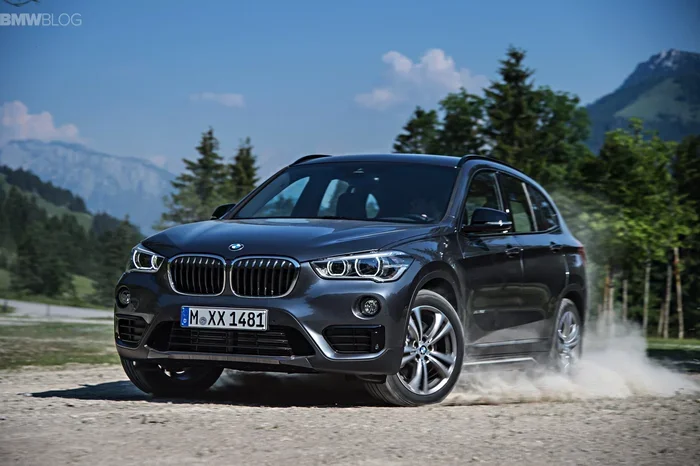
Visual guide about 2016 BMW X1 exterior
Image source: cdn.bmwblog.com
Known Trouble Spots
- Timing‑chain tensioner: Early production units (built before March 2016) can develop a rattle on cold starts. BMW issued a service bulletin; a revised tensioner solves it.
- Coolant leaks: The plastic coolant pipe near the thermostat housing may become brittle. Regular inspections catch it early. For the correct fluid, see what coolant does BMW use for optimal performance.
- Run‑flat tire wear: The standard run‑flats provide peace of mind but wear faster and ride harder. Many owners switch to conventional tires and carry a repair kit. Learn more about the pros and cons at what are BMW run flat tires design benefits and care.
- Electrical gremlins: Occasional iDrive glitches, sensor warnings, and battery drain if the car sits for weeks.
Long‑Term Durability
With proper maintenance—oil changes every 7,500 miles using LL‑01 spec oil, brake fluid flushes every two years, and coolant replacement per the schedule—the powertrain routinely exceeds 150,000 miles. For a deeper dive into which BMW models hold up best over time, check out identifying the most reliable BMW models for longevity.
Ownership Costs: Maintenance, Repairs, and Insurance
Scheduled Maintenance
BMW’s Condition Based Service (CBS) system tells you exactly when service is due. Typical intervals:
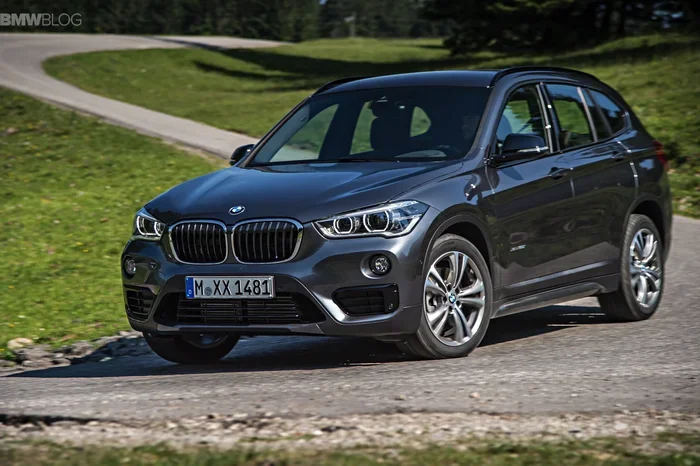
Visual guide about 2016 BMW X1 exterior
Image source: cdn.bmwblog.com
| Service | Interval | Estimated Cost (Dealer) |
|---|---|---|
| Oil & filter | 7,500 mi / 12 mo | $150‑$200 |
| Brake fluid | 2 yr | $120‑$180 |
| Coolant flush | 4 yr / 60k mi | $200‑$250 |
| Transmission fluid | 60k mi (optional) | $300‑$400 |
| Run‑flat tire set (4) | 30‑40k mi | $1,200‑$1,500 |
Independent BMW specialists can shave 20‑30 % off these prices.
Repair Frequency and Cost
- Water pump / thermostat: $600‑$900 (often appears around 80k mi).
- Turbocharger wastegate actuator: $400‑$700.
- Suspension control arm bushings: $350‑$500 per side.
Extended warranties or a certified pre‑owned (CPO) package can mitigate surprise bills. BMW’s CPO warranty adds 1 year/unlimited miles on top of the remaining factory coverage.
Insurance
Expect annual premiums of $1,300‑$1,700 for a clean‑record driver, slightly higher than a non‑luxury compact SUV due to repair cost assumptions.
Interior, Technology, and Practicality
Cabin Quality and Space
Step inside and you’re greeted with soft‑touch surfaces, available Dakota leather, and a driver‑focused layout. Front passengers enjoy ample head‑ and legroom; the rear bench fits two adults comfortably, though three is a squeeze. Cargo capacity sits at 27.1 cu ft behind the second row and expands to 58.7 cu ft with the seats folded—enough for a weekend getaway or a grocery run.
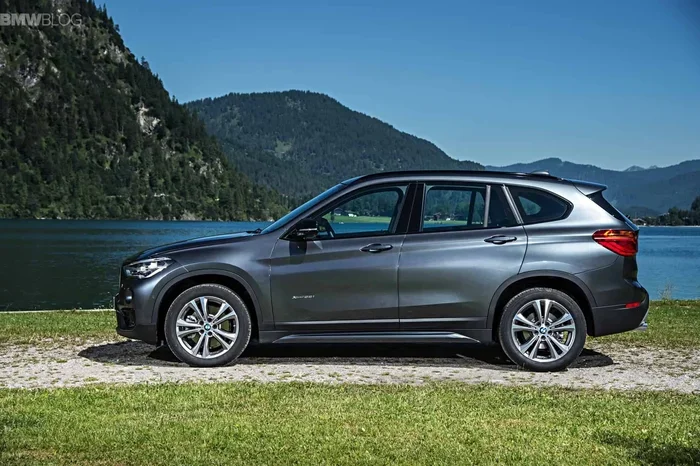
Visual guide about 2016 BMW X1 exterior
Image source: cdn.bmwblog.com
Infotainment and Connectivity
- 6.5‑inch (standard) or 8.8‑inch (Navigation package) display
- iDrive 5.0 with rotary controller, voice command, and touchpad
- Apple CarPlay (via USB) – Android Auto not offered until 2020 models
- Harman Kardon surround sound (optional)
The system is intuitive once you learn the rotary dial, and the graphics remain crisp even by today’s standards.
Driver‑Assist and Safety Features
Standard equipment includes:
- Forward collision warning with automatic emergency braking
- Lane departure warning
- Rearview camera and parking sensors (rear standard, front optional)
Optional packages add adaptive cruise control, blind‑spot monitoring, and a head‑up display. The 2016 BMW X1 earned a 5‑star overall rating from NHTSA and a Top Safety Pick from IIHS.
Resale Value and Market Position
Depreciation Curve
Luxury vehicles typically lose 45‑50 % of their value in the first three years. The 2016 BMW X1 depreciates around 42 % over the same period, outperforming many rivals like the Audi Q3 and Mercedes‑Benz GLA. Strong brand loyalty and a limited supply of well‑maintained used units keep prices firm.
Certified Pre‑Owned Advantage
A CPO 2016 BMW X1 comes with a 1‑year/unlimited‑mile warranty, a rigorous 150‑point inspection, and 24/7 roadside assistance. This peace of mind often justifies a $1,500‑$2,500 premium over a non‑CPO example.
Quick Tips for Buyers
- Check the build date: Aim for units built after March 2016 to avoid the timing‑chain tensioner issue.
- Verify service records: Look for documented oil changes with LL‑01 oil and coolant flushes.
- Test drive both drivetrains: xDrive adds traction but adds weight and reduces fuel economy slightly.
- Inspect tires: If run‑flats are near the wear bars, budget for a replacement set.
- Run a VIN decode: Confirm equipment packages (Navigation, M Sport, Premium) match the listing.
Common Mistakes to Avoid
- Skipping a pre‑purchase inspection: Even a clean Carfax can hide deferred maintenance.
- Assuming all‑wheel drive is mandatory: In mild climates, sDrive saves weight and fuel.
- Ignoring the coolant schedule: Using the wrong fluid can cause corrosion; always use BMW‑approved coolant.
- Overlooking the infotainment learning curve: Spend time with iDrive before buying to ensure you’re comfortable.
- Buying solely on price: A cheaper example with missing service history often costs more long‑term.
Expert Insights
We spoke with a BMW master technician who emphasized two things: “Keep the oil clean and the coolant fresh. Those two fluids protect the turbo and the timing chain— the heart of this engine.” He also noted that the eight‑speed transmission is robust but benefits from a fluid change at 60k miles if you plan to keep the car past 100k.
Another industry analyst pointed out that the 2016 BMW X1 sits in a sweet spot: it’s new enough to have modern safety tech, yet old enough that the steepest depreciation has already occurred. For buyers who want a premium badge without the new‑car price tag, it’s a compelling proposition.
Comparison: 2016 BMW X1 vs. Key Rivals
| Model | Base HP | Combined MPG | Cargo (cu ft) | Starting Price (2016) | Reliability (CR) |
|---|---|---|---|---|---|
| 2016 BMW X1 | 228 | 26 | 27.1 / 58.7 | $34,800 | Above Avg |
| Audi Q3 2.0T | 200 | 24 | 23.7 / 50.5 | $33,900 | Average |
| Mercedes‑Benz GLA 250 | 208 | 25 | 23.6 / 50.5 | $33,300 | Average |
| Volvo XC60 T5 | 240 | 23 | 29.7 / 67.4 | $36,500 | Above Avg |
The 2016 BMW X1 leads in horsepower and fuel efficiency while offering a sportier drive. The Volvo XC60 provides more cargo space but falls short on mpg.
Final Verdict: Is the 2016 BMW X1 a Good Car?
After weighing performance, reliability, costs, and practicality, the answer is a confident yes for the right buyer. The 2016 BMW X1 delivers a genuinely engaging driving experience wrapped in a premium interior, backed by solid safety scores and respectable resale value. Its main drawbacks—higher maintenance expenses, run‑flat tire compromises, and a few known mechanical quirks—are manageable with diligent care and a thorough pre‑purchase inspection.
If you prioritize driving dynamics, brand prestige, and a compact footprint that still hauls a weekend’s worth of gear, this crossover earns a spot on your shortlist. Pair it with a CPO warranty or a trusted independent BMW shop, and you’ll enjoy many miles of “Ultimate Driving Machine” satisfaction.
Frequently Asked Questions
What is the fuel economy of the 2016 BMW X1?
The 2016 BMW X1 with rear‑wheel drive returns an EPA‑estimated 22 mpg city / 32 mpg highway / 26 mpg combined. All‑wheel‑drive models drop slightly to 21/30/24 mpg.
Does the 2016 BMW X1 have any major reliability issues?
Most units are reliable, but early‑build models can suffer from a timing‑chain tensioner rattle and coolant pipe leaks. A revised tensioner and regular coolant checks resolve these concerns.
Are run‑flat tires standard on the 2016 BMW X1?
Yes, the 2016 X1 comes with run‑flat tires from the factory. Many owners replace them with conventional tires for a smoother ride and lower replacement cost.
What safety ratings did the 2016 BMW X1 receive?
It earned a 5‑star overall rating from NHTSA and an IIHS Top Safety Pick, thanks to standard forward collision warning, automatic emergency braking, and lane departure warning.
How much does maintenance cost annually for a 2016 BMW X1?
Expect roughly $1,200‑$1,500 per year for routine service (oil, brakes, fluids) at a dealer. Independent shops can reduce this by 20‑30 %.
Is the 2016 BMW X1 a good used car purchase?
Yes, especially as a certified pre‑owned model. It offers strong performance, a premium interior, and better-than‑average resale value, provided you verify service history and address known wear items.



