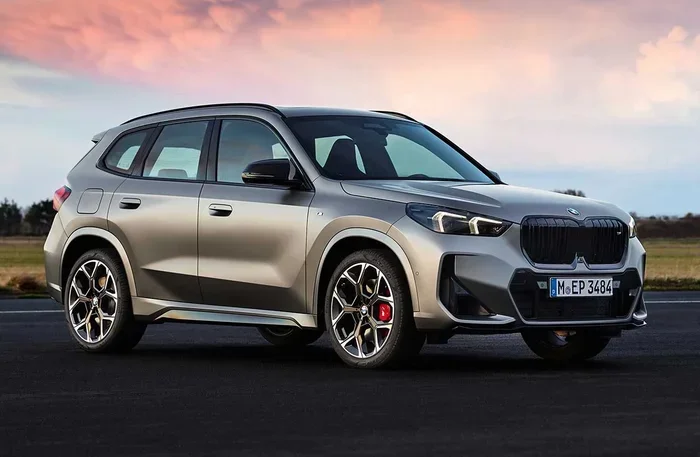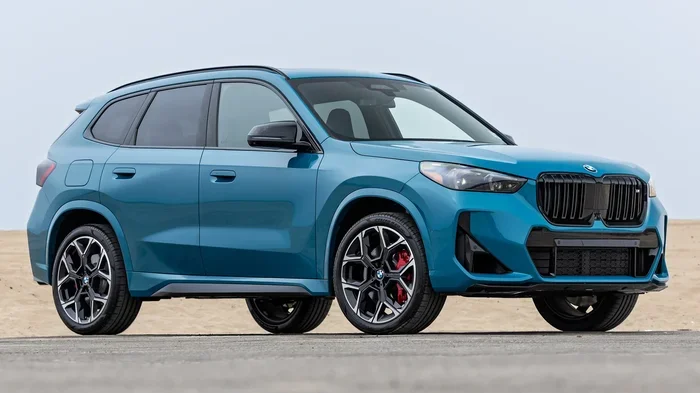
Featured image for 2020 BMW X1 SUV
Image source: i.pinimg.com
The 2020 BMW X1 marks a solid year for reliability in the subcompact luxury SUV segment. It benefits from a proven turbo-four engine and a mature eight-speed automatic transmission. While no car is perfect, this model year avoids the major growing pains of earlier generations. Regular maintenance is the key to keeping it running strong for years.
Buying a used luxury SUV always comes with a few butterflies in your stomach. You want the badge, the comfort, and the driving dynamics, but nobody wants a repair bill that rivals a mortgage payment. If you are asking will the 2020 bmw x1 be more reliable than its predecessors or competitors, you have landed in the right spot. We are going to dig deep into the nuts and bolts of this specific model year. We will look at the engine, the transmission, the electronics, and those annoying little gremlins that tend to pop up on German cars. By the end of this guide, you will know exactly what to look for on a test drive and how to budget for ownership.
Key Takeaways
- Proven Powertrain: The B48 2.0L turbo engine and ZF 8HP transmission are well-sorted and durable.
- Improved Electronics: The 2020 model features updated iDrive software with fewer glitches than earlier years.
- Common Weak Points: Watch for potential coolant leaks, oil filter housing gasket seepage, and run-flat tire costs.
- Maintenance Costs: Expect higher-than-average upkeep costs compared to non-luxury brands; budget accordingly.
- CPO Value: A Certified Pre-Owned (CPO) unit adds significant warranty peace of mind for used buyers.
- Drive Type Matters: The xDrive all-wheel-drive system adds complexity but is generally robust for foul weather.
- Owner Satisfaction: Most owners report high satisfaction with daily drivability and cargo versatility.
📑 Table of Contents
- The Big Picture: 2020 BMW X1 Reliability Overview
- Deep Dive: Powertrain Durability (Engine & Transmission)
- Common Issues & Known Problems to Watch For
- Maintenance Costs & Ownership Reality
- Buying a Used 2020 X1: Your Checklist
- Certified Pre-Owned (CPO) vs. Private Party
- Long-Term Ownership Strategy: Making It Last
- Comparing the Competition
- Expert Insights: What Mechanics See
- Resale Value & Depreciation
- Frequently Overlooked Items
- Conclusion
The Big Picture: 2020 BMW X1 Reliability Overview
The 2020 BMW X1 sits in a sweet spot. It uses the F48 chassis platform, which debuted in 2016. By 2020, BMW had worked out most of the early production kinks. This is the final model year before the mild refresh for 2021. That means you are getting a mature platform. Consumer Reports and J.D. Power generally rate this generation as average to above average for reliability. It is not a Toyota Camry, but for a turbocharged luxury crossover, it holds its own very well.
The biggest factor in your favor is the powertrain. The B48 2.0-liter TwinPower Turbo inline-four is a workhorse. It replaced the older N20 engine which had notorious timing chain issues. The B48 uses a more robust timing chain design and a closed-deck block. It is the same basic engine found in the 330i and Z4. It makes 228 horsepower and 258 lb-ft of torque. Paired with the ZF 8-speed automatic transmission, it is a combination known for smooth shifts and long life. If you are comparing model years, the 2020 is arguably the best used buy of the first generation F48 run.
How It Compares to Earlier Years (2016-2019)
The 2016 launch year had some teething issues. There were software glitches in the infotainment system and a few reports of rough shifting as the transmission adaptive logic learned driving habits. By 2018, BMW introduced a mid-cycle refresh (LCI) bringing updated headlights, bumpers, and the newer iDrive 7.0 system on some trims. The 2020 model benefits from all those running changes. It also received standard Apple CarPlay (finally wireless on later builds) and Android Auto. If you are looking at a 2016 or 2017, the 2020 is a safer bet simply due to component maturity.
Reliability Ratings at a Glance
- J.D. Power Predicted Reliability: Usually scores around 78-82/100 (Average to Great).
- Consumer Reports: Often “Average” predicted reliability; Owner Satisfaction “Very High”.
- RepairPal: Rates the BMW X1 3.5 out of 5.0, ranking 6th out of 11 for luxury compact SUVs. Average annual repair cost is cited around $915.
Deep Dive: Powertrain Durability (Engine & Transmission)
This is the heart of the matter. If the engine or transmission fails, the car becomes a very expensive paperweight. Let’s break down why the 2020 X1 powertrain inspires confidence.

Visual guide about 2020 BMW X1 SUV
Image source: cdn.jdpower.com
The B48 Engine: A Modern Classic
The B48 engine is part of BMW’s modular B-series architecture. It features a closed-deck block design. This makes the cylinder walls much stronger than the open-deck N20 it replaced. It uses a timing chain rather than a belt. While chains are “lifetime” items, the B48 chain guide rails are significantly improved. We rarely see the catastrophic timing chain failures that plagued the N20/N26 engines.
Direct Injection Carbon Buildup: This is the one maintenance item you cannot ignore. Direct injection sprays fuel directly into the cylinder. The intake valves never get washed by gasoline. Over time (usually 50k-80k miles), carbon deposits build up on the intake valves. This causes rough idle, misfires, and power loss. The fix is walnut blasting. Budget $400-$700 for this service around the 60k-80k mile mark. It is not a defect; it is a characteristic of the technology.
Oil Filter Housing Gasket: This is a known weak point on almost all BMW turbo fours. The gasket shrinks and hardens over heat cycles. It leaks oil down the front of the engine. It is a relatively cheap part ($30) but labor intensive (2-3 hours). If you see oil dripping near the front passenger side of the engine bay, this is likely the culprit. Fix it immediately to avoid oil contaminating the serpentine belt.
The ZF 8HP45 Transmission: Bulletproof?
The 8-speed automatic sourced from ZF Friedrichshafen is widely considered one of the best transmissions in the business. It handles the torque easily. It is a “fill-for-life” unit according to BMW, but smart owners change the fluid every 60,000 miles. Use the correct ZF Lifeguard 8 fluid and a new filter/pan assembly. Neglecting fluid changes is the number one killer of these transmissions. The mechatronic unit (valve body) can fail on high-mileage neglected units, costing $2,000+. Fresh fluid is cheap insurance.
sDrive vs. xDrive Reliability
The 2020 X1 comes in sDrive (FWD) and xDrive (AWD). The sDrive is simpler. Fewer parts mean fewer things to break. You save weight and gain a tiny bit of fuel economy. The xDrive system uses an electro-hydraulic clutch pack to send power rearward. It is reactive and fast. It adds a transfer case, a driveshaft, and a rear differential. These require fluid changes (transfer case and rear diff) every 60k miles. The xDrive system is robust, but if you live in a sunny climate, sDrive is the lower-maintenance choice.
Common Issues & Known Problems to Watch For
No car is immune to issues. Knowing the specific trouble spots for the 2020 X1 lets you negotiate price or verify repairs were done.

Visual guide about 2020 BMW X1 SUV
Image source: platform.cstatic-images.com
1. Coolant System Leaks (The Expansion Tank & Thermostat)
BMW cooling systems are pressurized and run hot for efficiency. The plastic expansion tank becomes brittle over time. The thermostat housing is electronic and plastic. Failure usually happens between 70k-100k miles. If the car overheats, the aluminum cylinder head can warp in minutes. Pro Tip: If buying a used unit with 60k+ miles, ask for receipts showing the expansion tank and thermostat were replaced. If not, budget $500-$800 to do it preventatively.
2. Electric Water Pump & Thermostat
The B48 uses an electric water pump. It is precise but has a finite lifespan. It often fails without warning. The electric thermostat fails in the “open” position (engine runs cold, bad MPG, no heat) or “closed” (overheat). These often get replaced together as a “cooling system refresh.”
3. Front Control Arm Bushings
The X1 is heavy for its size (approx. 3,700 lbs). The front lower control arm bushings are fluid-filled (hydraulic) for comfort. They tear and leak hydraulic fluid. Symptoms: clunking over bumps, vague steering, uneven tire wear. Replacement requires pressing new bushings or replacing the whole arm. Do an alignment immediately after.
4. Run-Flat Tire Expenses
Most 2020 X1s come with run-flat tires and no spare. Run-flats ride stiffer, wear faster, and cost 30-50% more to replace than standard tires. You cannot patch a run-flat if the sidewall is damaged. Many owners switch to standard Michelin CrossClimate 2 or Continental DWS06+ tires and carry a tire repair kit or a compact spare from a junkyard. This saves money and improves ride quality significantly. For more on this specific topic, check out our guide on what are BMW run flat tires design benefits and care.
5. Electronics & Sensors
- Parking Sensors: False alerts from dirt, ice, or sensor failure.
- Tailgate Module: The power liftgate motor or latch mechanism can fail.
- Digital Instrument Cluster: Rare, but some pixel death or backlight bleeding occurs.
Maintenance Costs & Ownership Reality
Let’s talk money. The purchase price is only the first check you write. The 2020 X1 requires synthetic oil (LL-01 or LL-17FE+ spec), premium fuel (91+ octane), and specific fluids.

Visual guide about 2020 BMW X1 SUV
Image source: platform.cstatic-images.com
Estimated Annual Maintenance Budget
| Service Item | Interval | Estimated Cost (Indie Shop) | Estimated Cost (Dealer) |
|---|---|---|---|
| Synthetic Oil Change | Every 7,500 – 10,000 mi | $120 – $180 | $250 – $350 |
| Brake Fluid Flush | Every 2 Years | $150 – $200 | $250 – $300 |
| Coolant Flush | Every 4-5 Years / 60k mi | $250 – $350 | $400 – $550 |
| Transmission Fluid & Filter | Every 60,000 mi | $400 – $600 | $700 – $1,000 |
| Transfer Case / Rear Diff (xDrive) | Every 60,000 mi | $200 – $300 | $350 – $500 |
| Spark Plugs | Every 45,000 – 60,000 mi | $250 – $350 | $450 – $600 |
| Walnut Blasting (Intake Valves) | As needed ~60-80k mi | $400 – $700 | $800 – $1,200 |
| Brake Pads & Rotors (Per Axle) | ~40k – 60k mi | $400 – $600 | $700 – $1,000 |
Note: Prices vary wildly by region. Independent BMW specialists are usually 30-40% cheaper than dealers for the same quality work.
The “BMW Tax” is Real but Manageable
You will pay more for parts than a Honda CR-V. A water pump for a CR-V is $80. For the X1, it’s $250+. Labor rates at Euro shops are higher. However, if you stick to the schedule above, the car will easily surpass 150,000 miles. The biggest risk is deferred maintenance. Buying a cheap X1 with no records is a financial trap. Always buy the best maintenance history you can find.
Buying a Used 2020 X1: Your Checklist
You found a listing. It looks clean. The price is right. Before you sign, run through this checklist. Bring a flashlight and an OBD2 scanner (or a mechanic).
Pre-Purchase Inspection (PPI) – Non Negotiable
Spend $150-$250 for a PPI at an independent BMW shop. Do not skip this. They will put it on a lift, check for leaks, scan for shadow codes (codes that don’t trigger a check engine light), measure brake pad life, tire tread depth, and check the cooling system pressure. This is your insurance policy.
Service Records: The Holy Grail
Look for oil changes every 7,500 miles (not the 15k BMW CBS interval). Look for brake fluid every 2 years. Look for transmission fluid service at 60k. If the seller says “BMW says it’s lifetime fluid,” walk away or negotiate $1,000 off to do it immediately. A thick folder of receipts from a reputable shop adds $1,500-$2,000 in real value to the car.
Check for Open Recalls
Run the VIN on the NHTSA website or BMW USA owner portal. The 2020 X1 had a recall for the backup camera image display (software update) and potentially fuel pump issues (part of a massive global recall affecting many models). Ensure the fuel pump recall (if applicable to that VIN) has been performed. It leaves you stranded if it fails.
Test Drive Protocol
- Cold Start: Start it cold. Listen for rattles (timing chain, wastegate rattle). Watch for blue smoke (valve stem seals).
- Transmission: Accelerate gently and hard. Shifts should be imperceptible. No flares, clunks, or hesitation engaging Drive/Reverse.
- Steering & Suspension: Drive over speed bumps and rough pavement. Listen for clunks (control arms, sway bar links). Check for steering wheel vibration at highway speeds (bent wheel, tire balance).
- Electronics: Test CarPlay/Android Auto. Pair a phone. Test all seats, windows, sunroof, liftgate, heated seats/steering wheel. Check all cameras and sensors.
- A/C & Heat: Blast both. Ensure the A/C gets ice cold quickly. Check for musty smells (evaporator mold).
Certified Pre-Owned (CPO) vs. Private Party
This is a major decision point. A 2020 model is likely still within the original 4-year/50,000-mile warranty if mileage is low. If it has high mileage (>50k), the factory warranty is gone.
The CPO Advantage
BMW CPO adds a 1-year/unlimited-mile warranty after the factory warranty expires. It covers major components (engine, trans, drivetrain, electronics, suspension). It includes 24/7 roadside assistance. The car must pass a rigorous inspection. CPO cars cost $1,500-$3,000 more upfront. For a complex German car, CPO is usually worth the premium. It effectively covers you for the “expensive years” (years 5-6). You can read more about what that coverage entails in our article on BMW CPO warranty essential coverage.
Private Party / Non-CPO Dealer
You save money upfront. You accept all risk. If the turbo fails next month, it’s on you. If you go this route, you must have a PPI and a healthy emergency fund ($3k-$5k). Consider a third-party warranty (like CARCHEX or Endurance) but read the fine print carefully. Many exclude “wear items” which on a BMW includes things like water pumps and control arms.
Long-Term Ownership Strategy: Making It Last
So you bought it. Now what? How do you make sure this 2020 X1 hits 200k miles without catastrophic failure? It comes down to discipline.
Shorten the Intervals
BMW’s Condition Based Service (CBS) system stretches intervals to lower “cost of ownership” metrics for marketing. Ignore the iDrive message saying “Service due in 12,000 miles.” Change your oil every 7,500 miles or 12 months, whichever comes first. Use LL-01 (or LL-17FE+ for newer spec) approved oil. Mann, Mahle, or BMW branded filters only. Cheap filters collapse and starve the engine of oil.
Fluid Discipline
Brake fluid is hygroscopic (absorbs water). Water lowers boiling point and corrodes ABS/DSC internals. Change it every 2 years religiously. Coolant degrades and becomes acidic, eating aluminum. Change it every 4 years. Transmission fluid every 60k. These fluids are the lifeblood. Clean fluids = long life. For specific fluid specs, our guide on choosing the right coolant for your BMW vehicle is a great resource.
Find a Good Independent Specialist
Dealerships are great for warranty work and software updates. For maintenance and repair, a good independent BMW specialist is superior. They know the common failure patterns. They use OE parts (often the same brands BMW uses, just in a different box) for less money. They care about keeping your car alive, not just hitting warranty flat-rate times. Build a relationship with one.
Address Small Leaks Immediately
See a few drops of oil on the garage floor? Find it. Fix it. Oil leaks kill alternators, starters, belts, and hoses. Coolant leaks kill engines. A $20 gasket today prevents a $3,000 repair tomorrow. This is the single biggest secret to high-mileage BMW ownership.
Comparing the Competition
To truly answer will the 2020 bmw x1 be more reliable, we have to look at the alternatives.
vs. Audi Q3 (2019+)
The Q3 moved to the MQB platform in 2019. It uses a 2.0T EA888 engine (Gen 3). It is also very reliable. The Q3 interior feels more modern. The X1 drives better (sharper steering, better chassis balance). The Q3 has a conventional torque converter auto (DQ381 7-speed DSG on some, 8-speed on others). Both have similar maintenance costs. The X1 has more cargo space behind the rear seats. Reliability is a wash; pick the driving experience you prefer.
vs. Mercedes GLA 250 (2020)
The 2020 GLA was the end of the first generation (X156). It is tall, narrow, and based on an old economy car platform. The 2.0T engine is okay, but the 7-speed DCT transmission is jerky at low speeds. The 2020 X1 is vastly superior in space, ride quality, and modern feel. The GLA got a total redesign for 2021 which is much better. Avoid the 2020 GLA unless the price is incredibly low.
vs. Volvo XC40 (2020)
The XC40 is stylish and safe. The 2.0T Drive-E engine is reliable. The 8-speed Aisin transmission is solid. However, Volvo electronics (Sensus) can be buggy. Parts availability can be slower than BMW. The X1 is more engaging to drive. The XC40 has better seats. Long-term reliability data favors the BMW B48 engine slightly over the Volvo VE engine, but both are good.
vs. Lexus UX 250h / 200 (2020)
If reliability is your only metric, buy the Lexus. The UX 250h hybrid system is nearly bulletproof. Maintenance is minimal. Resale value is higher. But… it is slow. The CVT drones. The infotainment trackpad is terrible. Rear seat space is tiny. Cargo space is smaller. It is an appliance. The X1 is a driver’s car. You pay a “reliability tax” in money and time for the BMW driving dynamics.
Expert Insights: What Mechanics See
I spoke with a master tech at a busy independent Euro shop in the Midwest. He sees dozens of F48 X1s a month. His take: “The 2020 is the one to get. The B48 is solid. The ZF8 is solid. The electronics are sorted. The cars I see with problems are the ones where the owner stretched oil changes to 15k miles because the car said so. Or they ignored a coolant leak for three months. The car punishes neglect. Treat it right, it goes forever. The xDrive transfer case actuators fail occasionally, but that’s about the only ‘surprise’ failure on a maintained car.”
He also noted: “The 2020 got the updated B48 TU (Technical Update) with the particulate filter (GPF/OPF) for emissions. It adds a bit of backpressure but doesn’t affect reliability. It actually helps keep the valves cleaner because the engine runs slightly different lambda targets.”
Resale Value & Depreciation
Luxury cars depreciate fast. The 2020 X1 likely lost 45-50% of its original MSRP by now. That is good news for a buyer. The depreciation curve is flattening out. If you buy a clean one today, keep it for 3-4 years, and maintain it well, you will lose very little money when you sell. The demand for used luxury SUVs remains high. A documented service history is your best tool for maximizing resale value. Keep every receipt. Take photos of the odometer at every service. Create a “brag book” for the next buyer.
Frequently Overlooked Items
- Cabin Air Filters: Two of them. Change yearly. Charcoal filters help with smells.
- Microfilter / Engine Air Filter: Every 30k-45k miles. Dust kills turbos.
- Battery Registration: If you replace the AGM battery, it must be registered/coded to the car (BMS reset). Otherwise, the car overcharges or undercharges the new battery, killing it in a year. A $50 scanner (like Carly or BM3) or a shop can do this.
- Software Updates: Check with a dealer or indie shop for ISTA+ updates. Modules get updated for shift quality, fuel pump logic, and battery management.
Conclusion
So, will the 2020 bmw x1 be more reliable? The answer is a confident yes, with a caveat. It is more reliable than the 2016 launch models. It is more reliable than many of its direct German rivals. It offers a proven engine and transmission combination that, with basic care, will easily see 150,000+ miles. The caveat is simple: this is not a set-it-and-forget-it appliance. It demands synthetic oil, premium fuel, timely fluid changes, and immediate attention to leaks. If you treat it like a Camry, it will cost you Camry money in repairs. If you treat it like a precision German machine, it will reward you with years of driving joy, practical utility, and that signature BMW chassis balance. Do your homework on the specific car you are buying. Get a PPI. Verify the maintenance records. Then enjoy the ride. You are getting a hell of a lot of car for the money.