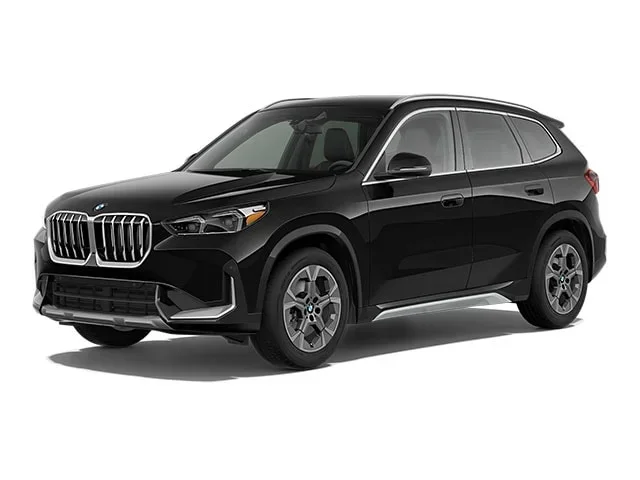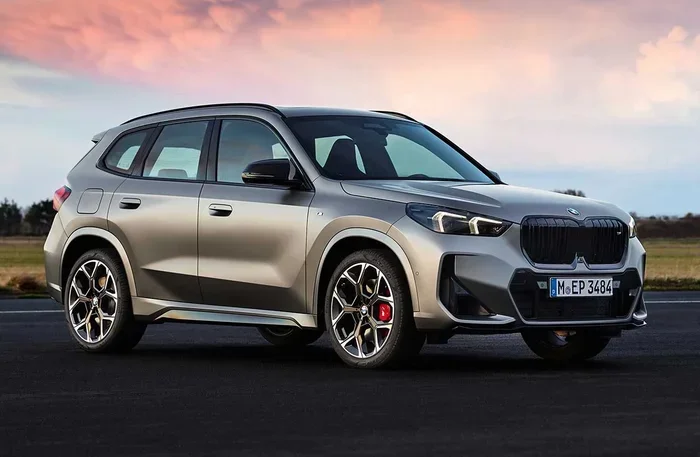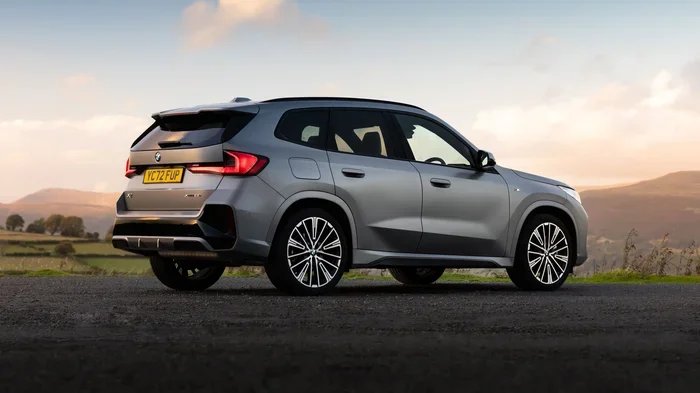
Featured image for BMW X1 SUV review
Image source: topgear.com
Why not to buy BMW X1 models often comes down to three main factors: expensive maintenance, limited rear space, and known reliability issues with certain model years. This guide breaks down the real-world drawbacks so you can make a confident, informed decision before signing the paperwork.
Shopping for a premium compact SUV is exciting. The badge, the styling, and the driving dynamics pull you in. But before you fall for the roundel on the hood, you need to look past the marketing. There are legitimate reasons why not to buy BMW X1 models that dealers won’t highlight in the brochure. This isn’t about bashing a brand; it’s about protecting your wallet and your peace of mind. We will walk through the hidden costs, the design compromises, and the specific mechanical gremlins that plague this popular crossover.
Key Takeaways
- High ownership costs: Maintenance and repairs run significantly higher than non-luxury competitors.
- Tight rear quarters: Adult passengers often find the back seat cramped on longer trips.
- Run-flat tire expense: The standard run-flat tires are pricey to replace and offer a stiffer ride.
- Specific model year risks: Early generations (E84) and certain F48 years have documented mechanical faults.
- Depreciation hit: Luxury SUVs lose value faster, costing you more in the long run.
- Infotainment complexity: The iDrive system has a learning curve that frustrates some drivers.
- Better alternatives exist: Rivals like the Volvo XC40 or Audi Q3 often offer better value and comfort.
📑 Table of Contents
- The Real Cost of Ownership Goes Beyond the Sticker Price
- Space and Practicality Compromises in a “Compact” Package
- Known Mechanical Issues by Generation
- The Driving Experience: Sporty But Stiff
- Technology and Interior Ergonomics Frustrations
- Better Alternatives to Consider
- When Buying an X1 Actually Makes Sense
- Quick Tips for Potential X1 Buyers
- Common Mistakes Buyers Make
- Expert Insight: The Mechanic’s Perspective
- Frequently Asked Questions
- Conclusion
The Real Cost of Ownership Goes Beyond the Sticker Price
The purchase price is just the entry fee. Keeping a German luxury vehicle on the road requires a budget that surprises many first-time BMW owners. If you are stretching to afford the monthly payment, the maintenance bills will break you.
Maintenance and Repair Bills Add Up Fast
BMWs are engineered for performance, not economy. Parts are expensive. Labor rates at dealerships—or even qualified independent shops—are premium. A simple brake job on an X1 can cost double what you pay on a Toyota RAV4 or Honda CR-V. Because the X1 uses run-flat tires, you cannot just patch a sidewall puncture; you often have to replace the whole tire. A set of four quality run-flats easily tops $1,200 mounted and balanced.
Fluid changes are another hidden cost. BMW requires specific synthetic oils, proprietary coolant, and specialized transmission fluids. Skipping these intervals invites catastrophic engine or gearbox failure. If you plan to DIY, you need specialized tools and software just to reset service lights or register a new battery.
Depreciation Is a Silent Wealth Killer
Luxury cars depreciate faster than mainstream brands. The X1 typically loses 40% to 50% of its value in the first three years. If you finance with a low down payment, you risk being “underwater” on the loan for years. Gap insurance helps, but it’s an extra cost. Buying a certified pre-owned (CPO) unit mitigates this, but CPO premiums are high. For a deeper look at which models hold value better, check our guide on identifying the most reliable BMW models for longevity.
Fuel Economy Requires Premium Gas
Every X1 engine requires 91-octane premium fuel. The turbocharged four-cylinders are efficient for their power, but they drink expensive juice. Over 15,000 miles a year, the premium fuel surcharge adds $300–$500 annually compared to a regular-gas competitor. It’s not a dealbreaker alone, but it compounds the total cost picture.
Space and Practicality Compromises in a “Compact” Package
The X1 wears the SUV badge, but it rides on a front-wheel-drive platform (UKL architecture) shared with the Mini Countryman. This packaging dictates hard limits on interior volume.
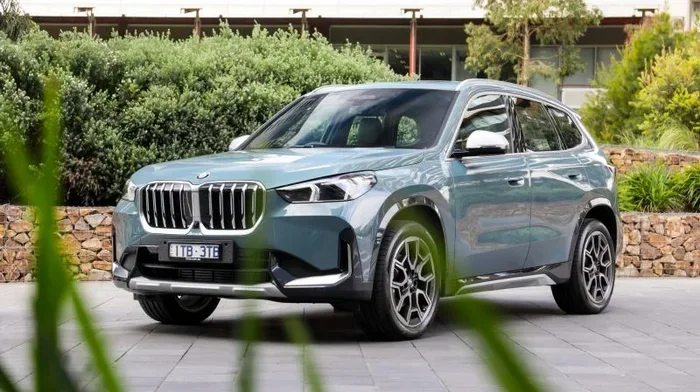
Visual guide about BMW X1 SUV review
Image source: images.carexpert.com.au
Rear Seat Room Is Tight for Adults
Legroom in the second row measures roughly 37 inches. That is tight for six-footers. Headroom is decent, but the seat bottom sits low, forcing knees up. The center tunnel is wide, making the middle position unusable for anyone over the age of ten. If you regularly shuttle three adults, this is a dealbreaker. Families needing genuine three-row utility should look elsewhere; you can discover which BMW SUV has three rows for your family needs if the badge is non-negotiable.
Cargo Space Is Competitive Only on Paper
BMW quotes 27.1 cubic feet behind the rear seats. That number is measured to the roof with the cargo cover removed. In real life, the sloping roofline and high load floor eat usable volume. A large stroller or a couple of rolling suitcases fill it fast. The rear seats fold 40/20/40, but they don’t fold flat; a pronounced step remains. Rivals like the Volvo XC40 and Mercedes GLA offer more practical, boxier cargo areas.
Front-Wheel-Drive Architecture Limits Capability
Since 2015 (F48 generation), the X1 is front-wheel-drive based. xDrive all-wheel drive is reactive, sending power rearward only when slip is detected. It handles snow fine with winter tires, but it lacks the low-range gearing or locking diffs of a true off-roader. Ground clearance is modest at 7.2 inches. If you need to tackle unmaintained roads or deep snow, a Subaru Forester or Jeep Cherokee Trailhawk runs circles around the X1.
Known Mechanical Issues by Generation
Not all model years are created equal. Knowing the weak spots saves you from buying a headache.
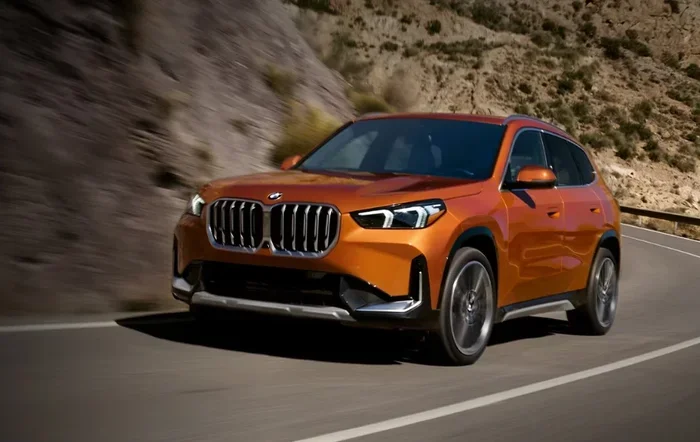
Visual guide about BMW X1 SUV review
Image source: aresstorageaccount.blob.core.windows.net
First Generation (E84, 2010–2015): The Timing Chain Nightmare
The E84 is the rear-wheel-drive generation. It drives better, but the N20 four-cylinder engine (xDrive28i) suffers from timing chain guide failure. The plastic guides brittle and shatter as early as 60,000 miles. A rattling noise on cold start is the warning sign. Repair involves removing the oil pan and often the engine—$2,500 to $4,000. The six-cylinder xDrive35i avoids this but guzzles fuel and has its own oil filter housing gasket leaks.
Other E84 gremlins:
- Electric water pump and thermostat failure (common at 80k+ miles).
- Valve cover gasket leaks onto the exhaust manifold (smoke smell).
- Transfer case actuator motor failure (xDrive models only).
- iDrive CCC system screen delamination and pixel death.
Second Generation (F48, 2016–2022): Growing Pains
The switch to front-wheel drive brought new issues. The B48 2.0L engine is stout, but early F48s had:
- Coolant leaks from the plastic thermostat housing and water pump.
- Turbocharger wastegate rattle (often covered by extended warranty).
- 8-speed Aisin transmission harsh shifts and mechatronic sleeve leaks.
- Front control arm bushing wear causing steering wander.
- Infotainment screen delamination (NBT Evo ID5/ID6 units).
The xDrive25d diesel (Europe) had EGR cooler cracking—a recall item, but verify it was done.
Current Generation (U11, 2023+): Too New for Long-Term Data
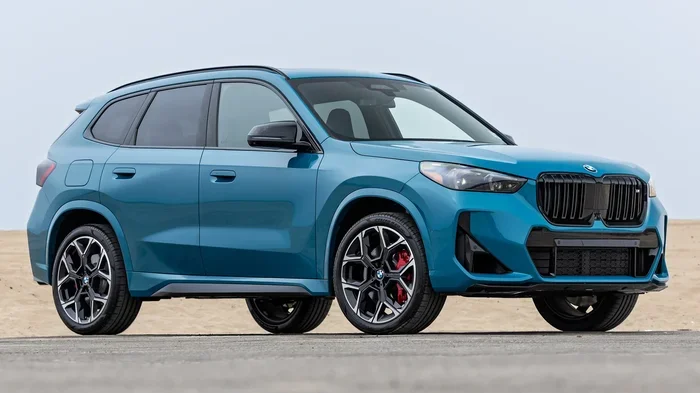
The new U11 looks sharp and rides on the FAAR platform. It adds a 48-volt mild-hybrid system. Early reports mention software glitches in the new OS9 infotainment and occasional 48-volt starter-generator errors. No major mechanical patterns yet, but first-model-year risk is real. Waiting for the 2025 or 2026 refresh is wise if you hate being a beta tester.
The Driving Experience: Sporty But Stiff
BMW markets the X1 as the “Ultimate Driving Machine” in compact SUV form. The steering is quick, the chassis balanced, and the turbo engine punchy. But that sportiness comes with trade-offs you feel daily.
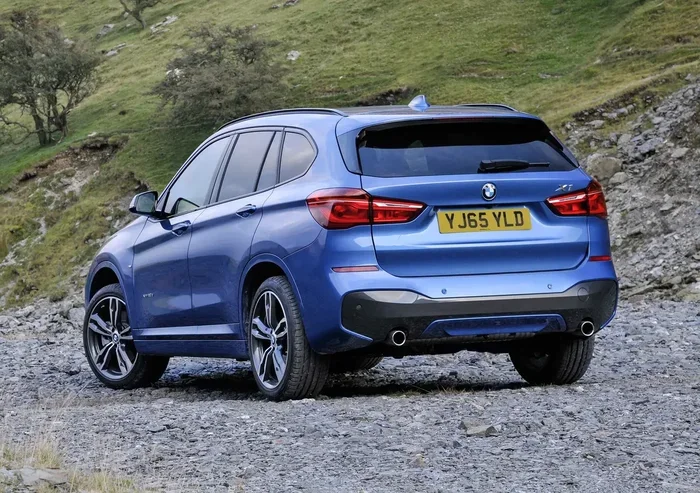
Visual guide about BMW X1 SUV review
Image source: parkers-images.bauersecure.com
Run-Flat Tires Transmit Every Imperfection
Run-flats have reinforced sidewalls to support the car after a puncture. They don’t absorb bumps; they transmit them. On broken pavement, the ride feels busy and jittery. Many owners swap to conventional tires immediately, but then you lose mobility kit and need a spare tire kit (which eats cargo space) or roadside assistance. The BMW model designation “xDrive28i” doesn’t tell you about the ride quality—you have to experience it.
Road Noise at Highway Speeds
Sound deadening is adequate but not class-leading. Tire roar on coarse asphalt seeps in above 65 mph. The frameless door windows look cool but can whistle if seals age. If you do long highway commutes, test drive at 75 mph with the radio off. You might be surprised.
Transmission Tuning Can Be Annoying in Town
The 8-speed automatic (Aisin in F48, ZF in U11) is smooth at speed but can hunt gears in stop-and-go traffic. The start-stop system shudders on restart. Sport mode holds gears too long; Eco mode upshifts too early. There’s no perfect middle ground without custom coding.
Technology and Interior Ergonomics Frustrations
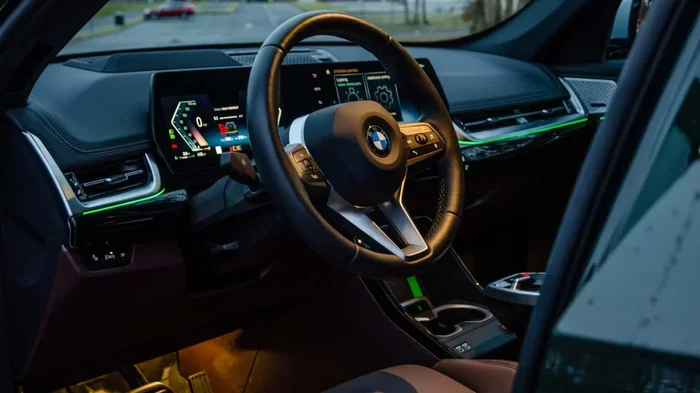
The cabin looks premium in photos. Materials are generally good—soft-touch dash, available Vernasca leather. But daily usability reveals flaws.
iDrive Learning Curve
The rotary controller (pre-2023) or touchscreen/voice (2023+) controls everything. Climate, nav, media, vehicle settings—all buried in menus. Physical buttons are few. Adjusting fan speed or heated seats while driving demands eyes off the road. Apple CarPlay and Android Auto are wireless now, but the BMW interface still sits underneath, ready to confuse.
Gesture Control and Voice Assistant Gimmicks
Gesture control (waving at the screen to change volume) works about 60% of the time. The “Hey BMW” voice assistant often misunderstands accents or background noise. Most owners disable both within a week. They add cost to the option list but little value.
Rear Visibility and Parking Sensors
The thick C-pillar and high rear deck create a blind spot. The standard rear-view camera is low-resolution on base trims. Front and rear parking sensors are optional on lower trims—unforgivable at this price point. The 360-degree camera system (optional) helps but adds $700+.
Better Alternatives to Consider
If the drawbacks above give you pause, the segment is packed with compelling rivals. Here’s a quick comparison.
| Model | Starting MSRP (Approx.) | Rear Legroom | Cargo Behind 2nd Row | Key Advantage |
|---|---|---|---|---|
| BMW X1 | $39,000 | 37.0 in | 27.1 cu ft | Sharp handling, brand cachet |
| Volvo XC40 | $38,000 | 36.1 in | 25.7 cu ft | Superior safety, comfy seats, Google OS |
| Audi Q3 | $38,500 | 36.1 in | 23.7 cu ft | Tech-heavy cabin, smooth ride, standard AWD |
| Mercedes GLA 250 | $38,000 | 36.1 in | 15.4 cu ft | Luxury feel, MBUX voice control, 4MATIC standard |
| Acura RDX | $42,000 | 38.0 in | 29.5 cu ft | More space, VTEC turbo, True Touchpad, reliability |
| Genesis GV70 | $45,000 | 37.8 in | 28.9 cu ft | Standard AWD, 5-year care plan, striking design |
The Volvo XC40 and Acura RDX stand out for real-world usability and lower long-term costs. The Genesis GV70 adds a stunning warranty package (5 years/60k miles complimentary maintenance). Test drive at least two competitors before committing to the X1.
When Buying an X1 Actually Makes Sense
Fair is fair. The X1 isn’t a bad car; it’s a niche car. You should buy one if:
- You prioritize driving dynamics over rear passenger comfort.
- You lease (36 months, 10k miles/year) to dodge depreciation and warranty expiration.
- You get a steep discount on a loaner or demo unit with full factory warranty remaining.
- You are a DIYer with BMW-specific tools (ISTA/D, Carly, bootmod3) and enjoy wrenching.
- You want the badge and the resale value of a CPO with 2 years/unlimited miles warranty.
If you fit that profile, go in eyes open. Negotiate hard. Get a pre-purchase inspection (PPI) from an independent BMW specialist—costs $200 but saves thousands. Verify all recalls and technical service bulletins (TSBs) are addressed. Check the most reliable BMW models list to see if another chassis fits your needs better.
Quick Tips for Potential X1 Buyers
- Always get a PPI: Never skip a pre-purchase inspection on a used German car.
- Check service records: Look for oil changes every 7,500–10,000 miles, not the 15k BMW suggests.
- Budget $2,000/year for maintenance: Tires, brakes, fluids, and unexpected leaks.
- Test drive on your roads: Bring the family. Sit in the back. Drive a potholed street.
- Consider a CPO: The 2-year/unlimited-mile warranty extension is the only way to tame repair risk.
- Swap run-flats if you keep it: Michelin CrossClimate2 or Continental DWS06 Plus transform the ride.
- Buy an extended warranty only from BMW: Third-party warranties deny claims on “wear items” that fail prematurely.
Common Mistakes Buyers Make
- Buying the cheapest example: Deferred maintenance costs 3x more than the price difference.
- Ignoring the timing chain (E84 N20): Assume it needs doing unless receipts prove otherwise.
- Skipping the tire budget: Run-flats wear fast on negative camber alignments.
- Assuming AWD = snow mastery: Winter tires on FWD beat all-seasons on xDrive every time.
- Overlooking the infotainment: If you hate the UI on the test drive, you will hate it forever.
Expert Insight: The Mechanic’s Perspective
I spoke with a master tech at a large independent BMW shop. His take: “The F48 X1 is solid if maintained. The B48 engine is bulletproof. But owners treat them like Camrys. They skip brake fluid, coolant, and diff fluid. Then the mechatronic sleeve leaks, the water pump cracks, and they blame the car. Follow the real schedule—oil every 7.5k, fluids every 30k—and it lasts. The E84 N20? I won’t touch one without a timing chain receipt.”
That sums it up. The car rewards diligence and punishes neglect. If you aren’t ready for that relationship, walk away.
Frequently Asked Questions
Is the BMW X1 reliable?
The current U11 generation is too new for long-term data. The F48 (2016–2022) is generally reliable if maintained strictly. The E84 (2010–2015) with the N20 engine has a high failure rate on timing chain components. Reliability drops sharply with deferred maintenance.
What are the most common BMW X1 problems?
Top issues include timing chain guide failure (E84 N20), coolant leaks from thermostat housing (F48), run-flat tire damage, front control arm bushing wear, infotainment screen delamination, and mechatronic sleeve leaks on the 8-speed transmission.
Does the BMW X1 require premium gas?
Yes. All X1 models require 91-octane premium unleaded. Using regular gas risks engine knock, reduced power, and potential long-term damage to the turbocharged engine.
Is the BMW X1 good in snow?
With xDrive and a set of dedicated winter tires, the X1 performs well in snow. On all-season tires, it struggles like any other vehicle. Ground clearance is only 7.2 inches, so deep unplowed roads are a problem.
How expensive is BMW X1 maintenance?
Expect $1,500–$2,500 per year on average for a used X1 out of warranty. Major services (brakes, tires, fluids) can spike a single year to $4,000+. CPO warranty coverage is highly recommended.
Which BMW X1 years should I avoid?
Avoid 2011–2014 E84 models with the N20 engine unless the timing chain has been upgraded to the revised metal guides. Early 2016 F48 models had more software and coolant system teething issues. The 2018+ F48 LCI (Life Cycle Impulse) models are the sweet spot.
Conclusion
The BMW X1 delivers a genuine BMW driving experience in a compact package. It steers sharply, accelerates eagerly, and wears the badge proudly. But the reasons why not to buy BMW X1 models are real: high running costs, tight rear space, run-flat compromise, and specific mechanical risks on older generations. If your priority is a practical, low-stress family hauler, the Volvo XC40, Acura RDX, or Genesis GV70 will serve you better for less money. If you lease, DIY, or simply must have the driving dynamics, go in with a PPI, a maintenance budget, and realistic expectations. The smartest purchase is the one that fits your life—not just your ego.