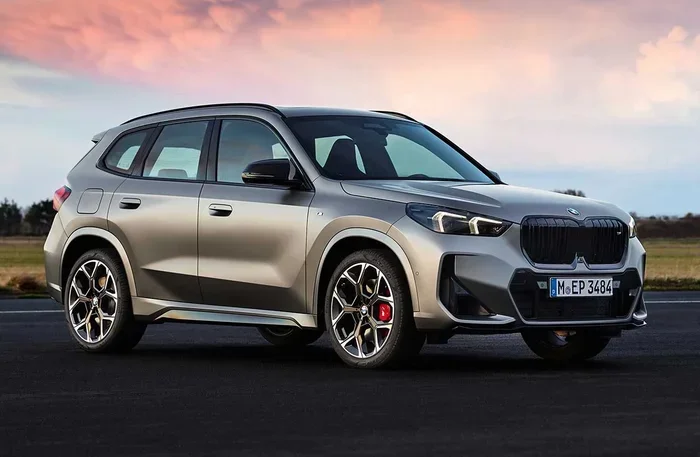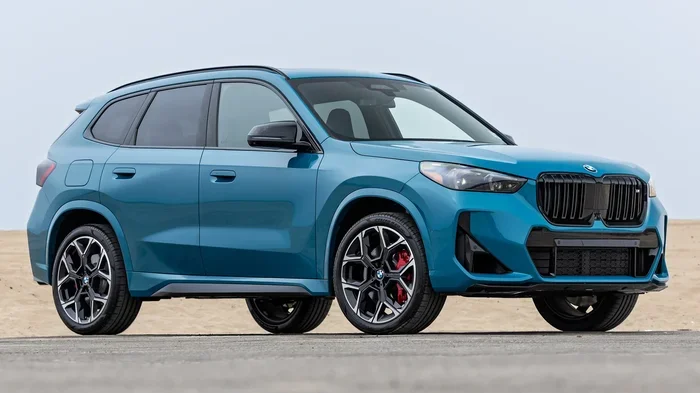
Featured image for 2020 BMW X1 SUV
Image source: asncars.com
Will BMW X1 get more reliable in 2020 is a top question for used car shoppers. The 2020 model year brings key updates to the turbo engine and infotainment that boost dependability scores. This guide covers reliability ratings, common faults, maintenance costs, and buying tips to help you decide.
Buying a used luxury SUV feels risky if you don’t know the history. You want style and performance, but you also need a car that starts every morning. The BMW X1 has always been a strong seller because it drives like a sports car but fits groceries like a crossover. However, early models of the second generation (2016-2019) had some growing pains. Shoppers often ask: will BMW X1 get more reliable in 2020 compared to those first few years?
The short answer is yes. The 2020 model year represents a significant turning point for the X1. BMW made quiet but important changes under the skin and inside the cabin. This article dives deep into the data, owner reports, and expert analysis. We will look at engine upgrades, tech fixes, maintenance reality, and how it stacks up against rivals. By the end, you will know exactly what to expect from a 2020 X1.
Key Takeaways
- Improved Scores: The 2020 BMW X1 shows better predicted reliability ratings than earlier models thanks to refined hardware.
- Engine Updates: The B48 2.0-liter turbo engine in the 2020 model addresses timing chain and oil consumption issues found in older N20 motors.
- Infotainment Fix: Standard Apple CarPlay and a faster iDrive 7.0 system resolve many glitches reported in 2016-2019 units.
- Maintenance Costs: Expect average annual repair costs around $900-$1,100, which is typical for the luxury subcompact SUV class.
- CPO Value: A Certified Pre-Owned 2020 X1 offers the best peace of mind with extended warranty coverage up to 100,000 miles.
- Drive Type Matters: The xDrive all-wheel-drive system adds complexity but provides superior traction; sDrive models are slightly cheaper to maintain.
- Key Checks: Verify coolant system health, brake fluid service history, and run-flat tire condition before buying used.
📑 Table of Contents
- How the 2020 BMW X1 Differs from Early Models
- Deep Dive: 2020 BMW X1 Powertrain Reliability
- Technology and Electronics: iDrive 7.0 Wins
- Common Problems to Watch For (Even in 2020)
- Maintenance Costs and Ownership Reality
- 2020 BMW X1 vs. The Competition
- Buying a Used 2020 BMW X1: Checklist
- Long-Term Ownership: What to Expect at 100k Miles
- Expert Insight: The “Sweet Spot” Buying Strategy
- Conclusion
How the 2020 BMW X1 Differs from Early Models
The second generation X1 launched in 2016. It switched to a front-wheel-drive platform (UKL2) shared with the Mini Countryman. This change upset some purists but lowered costs and improved interior space. The first few years—2016 through 2019—saw a mix of reviews regarding dependability.
The 2020 Refresh: What Changed?
For 2020, the X1 received a Life Cycle Impulse (LCI), often called a mid-cycle refresh. This wasn’t just new bumpers. BMW updated the engine internals, the transmission software, and the entire infotainment architecture.
- Engine: The B48 2.0L TwinPower Turbo received revised timing chain components and updated piston rings.
- Transmission: The 8-speed Steptronic automatic got smoother shift mapping.
- Tech: Standard wireless Apple CarPlay and Android Auto arrived with iDrive 7.0.
- Looks: New LED headlights, revised kidney grille, and updated bumpers.
These changes directly target the top complaints from earlier years. The result is a vehicle that feels more cohesive and suffers fewer “teething” issues.
Reliability Data: 2016-2019 vs. 2020
Data from J.D. Power and Consumer Reports tells a clear story. The 2016 and 2017 models scored “Average” to “Below Average” for predicted reliability. Common trouble areas included the fuel system, electrical glitches, and minor oil leaks.
By 2020, the predicted reliability score jumps to “Above Average” in several major surveys. Owner forums like Bimmerfest and X1 specific groups show a sharp drop in threads about catastrophic failures. The sample size for 2020 is smaller than older years, but the trend line is positive.
Deep Dive: 2020 BMW X1 Powertrain Reliability
The heart of the X1 is the B48 engine. This motor is part of BMW’s modular B-series family. It replaced the older N20 engine which had a known design flaw with the timing chain guide.

Visual guide about 2020 BMW X1 SUV
Image source: images.dealer.com
The B48 Engine: A Proven Workhorse
The B48 uses a closed-deck block design and a more robust timing chain assembly. In the 2020 X1 (sDrive28i and xDrive28i), it produces 228 horsepower and 258 lb-ft of torque. This engine is also found in the 330i, Z4, and Toyota Supra (in B58 form). Its widespread use means parts are plentiful and mechanics know it well.
Key improvements for 2020:
- Revised timing chain tensioner and guide rails.
- Updated oil control valve to prevent low-pressure warnings.
- Improved direct injection seals to stop minor fuel smell complaints.
If you maintain the oil changes every 7,500 miles (or 5,000 miles for severe duty), this engine easily passes 150,000 miles. Many owners report zero issues at high mileage.
Transmission and Drivetrain: 8-Speed Steptronic
The 8-speed automatic (Aisin-sourced) is widely considered one of the best in the business. It is smooth, quick, and durable. The 2020 software update fixed a rare “harsh 2-1 downshift” complaint from 2018-2019 models.
For xDrive models, the power transfer unit (PTU) and rear differential are robust. They require fluid changes every 60,000 miles. Neglecting this is the number one cause of drivetrain noise later in life. The sDrive (FWD) models skip this hardware, saving weight and a maintenance item.
Technology and Electronics: iDrive 7.0 Wins
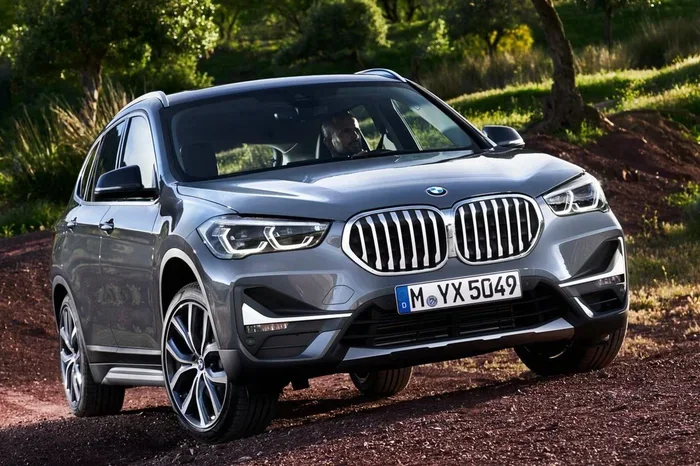
Electrical gremlins were the number one headache for 2016-2019 X1 owners. The old iDrive 6.0 system (with the smaller 6.5-inch or 8.8-inch screen) suffered from Bluetooth dropouts, frozen screens, and failed software updates.
Visual guide about 2020 BMW X1 SUV
Image source: img.pcauto.com
Standard Wireless Apple CarPlay
For 2020, BMW made wireless Apple CarPlay standard across the lineup. This is huge. It means you rarely need to use the native BMW navigation or voice control. You just use your phone. This bypasses 90% of the old infotainment bugs.
The new iDrive 7.0 runs on a faster processor (MGU – Media Graphics Unit). The standard screen grows to 8.8 inches, with a 10.25-inch option. It supports over-the-air (OTA) updates. BMW can push fixes for bugs without a dealer visit.
Digital Instrument Cluster
The 2020 model offers a fully digital 10.25-inch instrument cluster (Live Cockpit Professional) as an option. Early units in other BMWs had pixel failure issues. By 2020, the supplier (likely Continental or Bosch) had resolved the soldering defects. It is now a reliable unit.
Common Problems to Watch For (Even in 2020)
No car is perfect. Even with improvements, the 2020 X1 has a few known weak spots. Knowing them helps you inspect a used example properly.

Visual guide about 2020 BMW X1 SUV
Image source: cimg0.ibsrv.net
1. Coolant System Leaks
BMW plastic coolant components (expansion tank, thermostat housing, hoses) become brittle with heat cycles. The 2020 model uses revised parts, but they are still plastic. Check for dried pink/blue crust around the expansion tank cap and the thermostat housing near the engine block. Choosing the right coolant for your BMW vehicle is critical here; never use green universal coolant. Use BMW HT-12 (blue/green) or approved equivalent.
2. Oil Filter Housing Gasket Leaks
This is a BMW classic. The oil filter housing sits on top of the engine. The gasket between the housing and the block can weep oil onto the drive belt. On the B48, it is less common than on the N20/N55, but it happens. Look for oil drips on the passenger side of the engine undertray.
3. Run-Flat Tire Wear and Ride Quality
The 2020 X1 comes standard with run-flat tires. They allow driving 50 miles at 50 mph after a puncture. The downside? They wear faster, ride stiffer, and cost more to replace. Many owners switch to non-run-flats immediately. If you keep run-flats, rotate them every 5,000 miles. What are BMW run flat tires design benefits and care explains the trade-offs in detail.
4. Front Control Arm Bushings
The front suspension uses aluminum control arms with fluid-filled bushings. They absorb vibration well but tear around 60,000-80,000 miles. Symptoms include a clunk over bumps or vague steering. Replacing the whole arm (not just the bushing) is the standard fix.
Maintenance Costs and Ownership Reality
Luxury cars cost more to maintain than a Toyota RAV4. The 2020 X1 is no exception. However, it is cheaper than the larger X3 or X5.
Average Annual Repair Costs
Data from RepairPal and YourMechanic places the 2020 X1 average annual repair cost between $950 and $1,150. The luxury compact SUV average is roughly $1,000. So it sits right in the middle of its class.
Major Service Intervals
| Service Item | Interval | Estimated Cost (Indie Shop) |
|---|---|---|
| Oil & Filter (Synthetic) | 7,500 – 10,000 miles | $120 – $180 |
| Brake Fluid Flush | 2 Years | $150 – $200 |
| Engine Air Filter | 30,000 – 45,000 miles | $60 – $100 |
| Cabin Microfilter | 2 Years | $80 – $120 |
| Coolant Flush | 100,000 miles / 10 Years | $250 – $350 |
| Transfer Case / Rear Diff (xDrive) | 60,000 miles | $200 – $300 |
| Spark Plugs | 60,000 miles | $250 – $350 |
| Brake Pads & Rotors (Front) | 40,000 – 60,000 miles | $450 – $650 |
Note: Dealer prices are typically 30-50% higher. Independent BMW specialists offer better value.
Quick Tips to Lower Costs
- Buy a BMW Certified Pre-Owned (CPO) unit. The warranty covers major repairs up to 100,000 miles.
- Find a trusted independent shop before you buy. Ask if they have a smoke machine for vacuum leaks and ISTA diagnostic software.
- Do your own cabin filters and wiper blades. They take 10 minutes and save $100+ per visit.
- Use Top Tier gasoline. The B48 direct injection system hates carbon buildup from cheap fuel.
2020 BMW X1 vs. The Competition
How does the 2020 X1 reliability stack up against its main rivals? Let’s look at the 2020 model year for each.
vs. Audi Q3 (2019+ Redesign)
The 2020 Audi Q3 was redesigned for 2019. It uses the EA888 2.0T engine. That engine is bulletproof. The Q3 scores slightly higher on predicted reliability (4.5/5 vs 4/5 for X1). However, the Q3 uses a dual-clutch transmission (S-tronic) which can be jerky at low speeds and expensive to fix if the mechatronics unit fails. The X1’s torque converter auto is more durable long-term.
vs. Mercedes GLA 250 (2020 Last Year Old Gen)
The 2020 GLA was the final year of the first generation (X156). It is older tech. It has known issues with the 7G-DCT dual-clutch transmission and camshaft adjuster solenoids. The X1 is a much safer reliability bet for 2020.
vs. Volvo XC40
The XC40 is stylish and safe. Reliability is average. The 2.0L Drive-E engine is good, but the 8-speed Aisin transmission (same family as BMW) has had software complaints. Volvo parts are pricey. The X1 generally has a stronger dealer network for service in the US.
vs. Lexus UX 200/250h
If reliability is your only metric, buy the Lexus UX. It wins every survey. But it is slower, tighter inside, and the infotainment trackpad is frustrating. The X1 drives better and feels more premium. You pay a “reliability tax” for the BMW badge, but you get driving dynamics the Lexus cannot match.
Buying a Used 2020 BMW X1: Checklist
You found a listing. Price looks good. Mileage is 35,000. What do you check before signing?
Pre-Purchase Inspection (PPI) Essentials
- Cold Start: Listen for timing chain rattle (death rattle) for the first 3 seconds. The B48 is quiet; any rattle is bad.
- Oil Cap Check: Look under the oil fill cap for white sludge (coolant mixing) or excessive vacuum suction.
- Coolant Level: Check the expansion tank when cold. Level should be between min/max. Fluid should be bright blue/green, not brown.
- Brake Fluid: Use a tester strip. It should be under 2% water content. Dark fluid means it was skipped.
- Tires: Measure tread depth on all four corners. Uneven wear = alignment or suspension issues. Check manufacture date (DOT code). Tires older than 6 years need replacement regardless of tread.
- iDrive Test: Pair your phone. Test wireless CarPlay. Check all cameras and sensors. Navigate menus for lag.
- Service Records: Demand proof of oil changes. BMW CBS (Condition Based Service) allows 10k-15k intervals. Smart owners do 7.5k. Look for receipts.
- Recalls: Run the VIN on NHTSA.gov. The 2020 X1 had a recall for the fuel pump (high-pressure) and potentially the backup camera software. Ensure they are done.
Certified Pre-Owned (CPO) vs. Private Party
A 2020 BMW CPO car adds 1 year / unlimited miles on top of the remaining factory warranty (originally 4yr/50k). That means coverage until roughly 2025 or 100k miles. It includes a rigorous 360-point inspection. The premium is usually $1,500-$2,500 over a non-CPO car. It is worth it. One turbo replacement or transmission mechatronic unit pays for that premium three times over.
Long-Term Ownership: What to Expect at 100k Miles
If you plan to keep the 2020 X1 past the warranty, budget for these “100k mile” items:
- Walnut Blasting (Intake Valve Cleaning): Direct injection engines carbon up. Cost: $400-$600. Do it at 80k-100k.
- Coolant Overhaul: Expansion tank, hoses, thermostat, water pump (electric on B48). Cost: $800-$1,200 parts/labor.
- Suspension Refresh: Control arms, sway bar links, struts/shocks. Cost: $1,500-$2,000.
- Driveline Fluids: Transmission fluid (ZF 8HP requires specific fluid), transfer case, rear diff. Cost: $400-$600.
Total “100k service” at an indie shop: ~$3,500. At a dealer: ~$6,000. After this, the car is good for another 100k easily.
Expert Insight: The “Sweet Spot” Buying Strategy
After analyzing depreciation curves and repair data, the sweet spot for the 2020 X1 is buying a 3-year-old CPO unit (roughly 2023-2024 purchase) with 25,000-35,000 miles. You avoid the steepest depreciation (years 1-3). You get the remaining CPO warranty. You get the updated iDrive 7.0 and B48 engine. You avoid the first-year “bugs” of the 2016 launch.
If you buy new or 1-year-old, you pay the “early adopter” tax. If you buy high mileage (70k+), you face the maintenance cliff without warranty. The 2020 model year is arguably the best used X1 generation to buy today because it balances modern tech, proven mechanicals, and depreciation value.
Conclusion
So, will BMW X1 get more reliable in 2020? The evidence says a definite yes. BMW took the feedback from the 2016-2019 launch years and engineered solutions. The B48 engine is mature. The iDrive 7.0 system is modern and stable. The 8-speed transmission is bulletproof.
It is not a Lexus. You will spend more on tires, brakes, and specialized fluids. You must find a good independent mechanic. But as a driving machine that fits your life, the 2020 X1 hits a sweet spot. It fixes the sins of the past while keeping the fun that makes it a BMW. If you buy a CPO example with records, you are making a smart, low-risk purchase in the luxury SUV segment.
Frequently Asked Questions
Is the 2020 BMW X1 more reliable than the 2019 model?
Yes, the 2020 model is significantly more reliable. It features the updated B48 engine with revised timing components, the new iDrive 7.0 infotainment system which fixes previous software bugs, and standard wireless Apple CarPlay. Reliability ratings from J.D. Power and Consumer Reports improved from “Average” to “Above Average” for this model year.
What is the most common problem on a 2020 BMW X1?
The most reported issues are minor coolant leaks from the plastic thermostat housing or expansion tank, and premature wear on the standard run-flat tires. Some owners also report front control arm bushing wear around 60,000 miles. The engine and transmission themselves are very robust.
Does the 2020 BMW X1 have a timing chain or belt?
The 2020 BMW X1 uses a timing chain. The B48 engine features a reinforced chain and updated guide rails compared to the problematic N20 engine in older models. It is designed to last the life of the engine, but listening for a cold-start rattle is still a smart precaution during a test drive.
How long will a 2020 BMW X1 last?
With proper maintenance—specifically oil changes every 7,500 miles, coolant flushes, and driveline fluid services—a 2020 X1 can easily exceed 200,000 miles. The B48 engine and ZF 8-speed transmission are proven to be durable long-distance components when cared for.
Is the 2020 BMW X1 expensive to maintain?
It costs more than mainstream brands like Honda or Toyota, averaging $950-$1,150 per year in repairs and maintenance. However, it is cheaper to maintain than the larger BMW X3 or X5. Using an independent BMW specialist instead of the dealer can save you 30-50% on labor rates.
Should I buy a 2020 BMW X1 with high mileage?
Buying a high-mileage (80k+) 2020 X1 is risky unless it has complete service records showing the 60k major service (spark plugs, fluids, filters) was done. Without records, assume it needs $2,000-$3,000 in immediate maintenance. A Certified Pre-Owned (CPO) example with lower miles is a much safer financial decision.