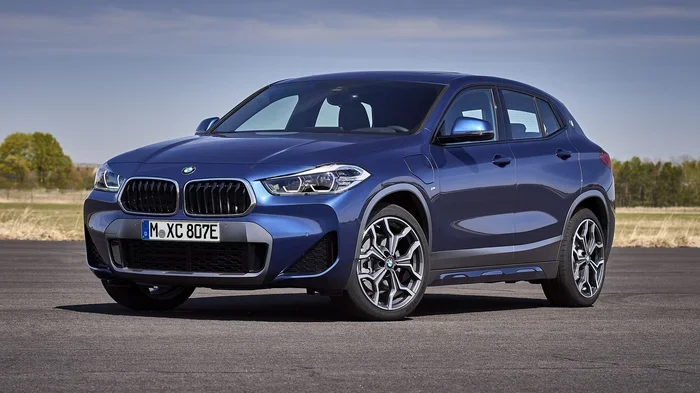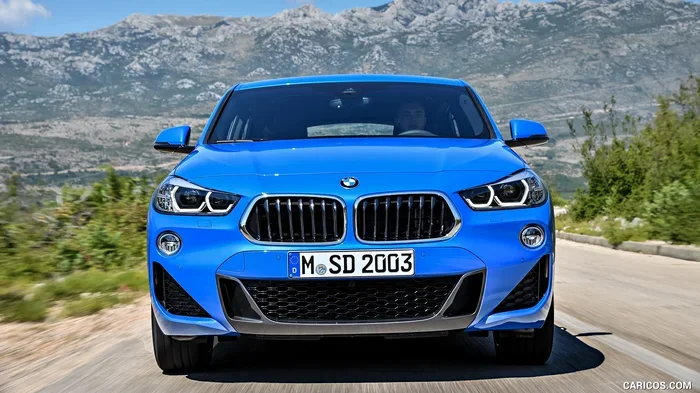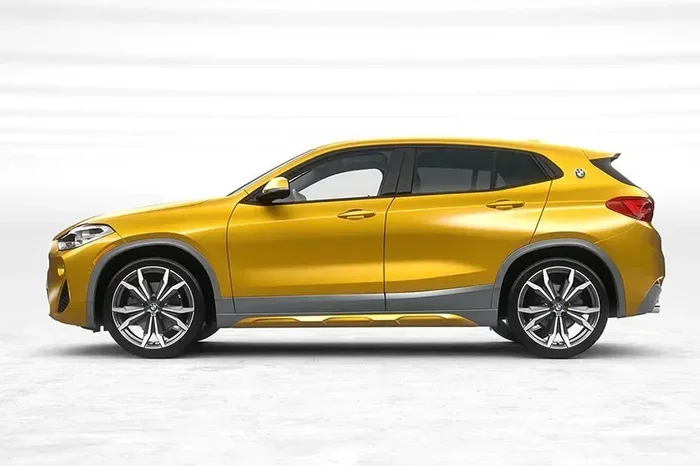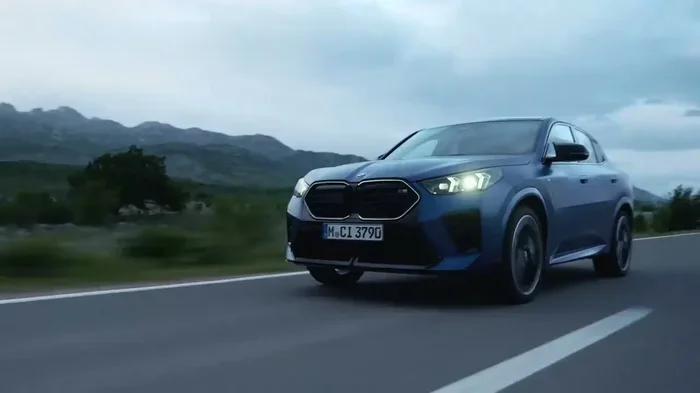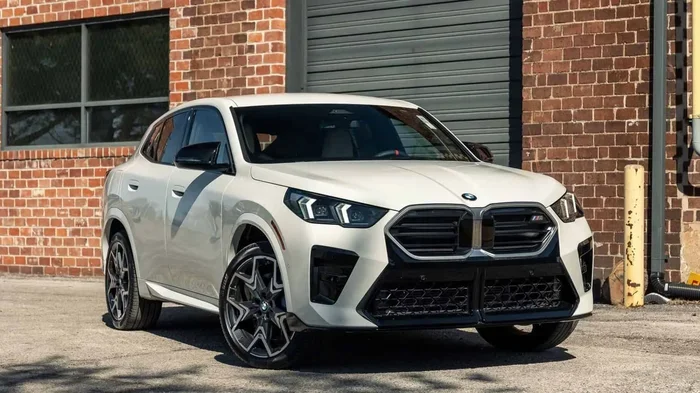
Featured image for New BMW X2 exterior
Image source: cdn.bmwblog.com
The new BMW X2 offers both front-wheel drive (sDrive) and all-wheel drive (xDrive) configurations depending on the trim level you choose. Entry-level models like the xDrive20i (in some markets) or sDrive18d/20i start with FWD, while performance variants like the M35i come standard with AWD. This guide explains the differences, pros, and cons of each system so you can pick the perfect setup for your daily drive.
So, you are eyeing the redesigned BMW X2 and the big question on your mind is simple: is the new BMW X2 front wheel drive? The short answer is yes, but only for specific versions. BMW uses a split strategy here. Some trims send power only to the front wheels, while others use the brand’s famous xDrive all-wheel-drive system. It all comes down to the badge on the trunk lid.
Understanding this distinction is critical because it changes everything. It changes the price, the fuel economy, the winter traction, and even how the car feels when you push it through a corner. I have spent years tracking BMW’s shift to front-drive architectures, and the new X2 (built on the updated UKL platform) is the perfect example of how far this tech has come. Let’s break down exactly what you get with each setup so you can walk into the dealership with total confidence.
Key Takeaways
- Not all X2 models are FWD: The lineup splits between sDrive (FWD) and xDrive (AWD) variants.
- sDrive models use the UKL platform: This transverse engine layout maximizes interior space and efficiency.
- xDrive adds traction and stability: Ideal for winter climates or spirited driving on wet roads.
- The M35i is xDrive only: The top performance trim sends power to all four wheels standard.
- Fuel economy favors sDrive: Front-wheel drive models typically return better MPG figures.
- Run-flat tires are standard: Regardless of drivetrain, the X2 usually rides on run-flats for safety.
- Test drive both: The driving feel differs noticeably, especially during hard acceleration.
📑 Table of Contents
- The Short Answer: sDrive vs. xDrive Explained
- Understanding the Hardware: The UKL Platform
- Performance Comparison: FWD (sDrive) vs. AWD (xDrive)
- The M35i Factor: AWD Only
- Which Drivetrain Should You Choose? (Decision Matrix)
- Common Misconceptions About the FWD X2
- Expert Insights: Living With the X2 Daily
- Tech Deep Dive: ARB and Actuator Contiguous Wheel Slip Limitation
- Conclusion
The Short Answer: sDrive vs. xDrive Explained
BMW makes it relatively easy to spot the drivetrain if you know the code. Look at the model designation on the rear. If you see sDrive (like sDrive20i), that model is front-wheel drive. If you see xDrive (like xDrive20i or M35i xDrive), it is all-wheel drive.
In the US market for the 2024/2025 model year, the lineup generally looks like this:
- X2 xDrive28i: Standard all-wheel drive.
- X2 M35i xDrive: Standard all-wheel drive (performance flagship).
Wait, what about sDrive? In many global markets, the entry-level gas and diesel models (like the 18d or 20i) wear the sDrive badge and are strictly FWD. However, for the current US launch, BMW has simplified the range. The base model X2 xDrive28i comes standard with all-wheel drive. This is a significant shift from the previous generation where the base sDrive28i was FWD.
Correction/Clarification: While the US-spec base model is now AWD, globally (and potentially in future US model years or specific fleet trims), sDrive FWD models exist. If you are buying a used 2018-2023 model, or shopping in Europe/Canada, you will absolutely find FWD versions. For the sake of a complete answer, we will cover the mechanics of both systems because the hardware is shared globally.
Understanding the Hardware: The UKL Platform
Whether it is FWD or AWD, every new X2 sits on BMW’s UKL (Untere Klasse) platform. This is a transverse engine architecture. Unlike traditional BMWs where the engine sits longitudinally (north-south), the UKL engine sits sideways (east-west).
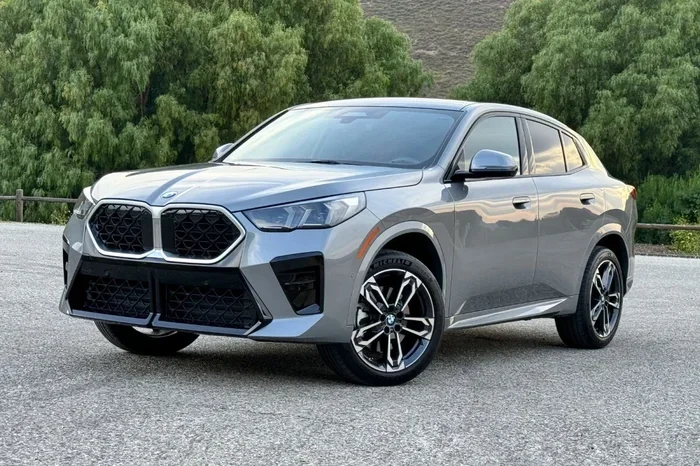
Visual guide about New BMW X2 exterior
Image source: images.ctfassets.net
Why Transverse Matters
This layout is the industry standard for compact cars (think Mini Cooper, VW Golf, Audi Q3). It allows engineers to push the wheels to the very corners of the car. The result? A shorter hood, a longer cabin, and maximum legroom for rear passengers. It is the secret sauce that makes the X2 feel roomy despite its coupe-like roofline.
How xDrive Works on a Transverse Car
This is where it gets clever. On a longitudinal BMW (like a 3 Series), xDrive uses a center differential inside the transfer case. On the X2, there is no room for that. Instead, BMW uses a hang-on all-wheel-drive system (supplied by Magna).
- Normal driving: The car is 100% FWD. The rear driveshaft is disconnected to save fuel.
- Slip detected: An electronically controlled multi-plate clutch engages in milliseconds, sending up to 50% of torque to the rear axle.
- Performance mode: The system can pre-load the clutch based on throttle position and steering angle, giving you traction before you even lose it.
It is not a “full-time” AWD system like a Subaru or an Audi Quattro with a Torsen diff. It is reactive and front-biased. But for a compact SUV, it is remarkably effective.
Performance Comparison: FWD (sDrive) vs. AWD (xDrive)
If you have the choice between an sDrive and an xDrive model (common on the used market or in other regions), here is how they stack up in the real world.
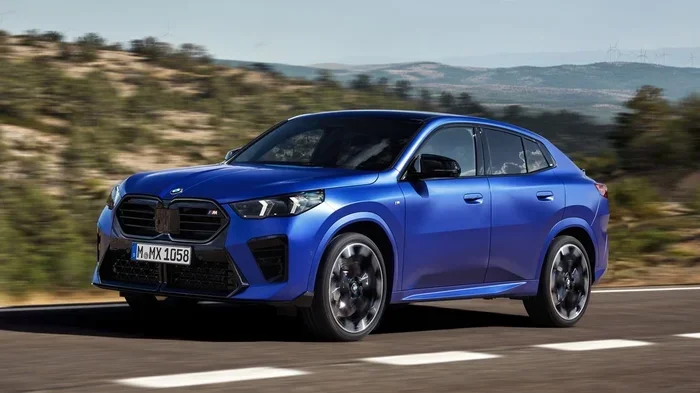
Visual guide about New BMW X2 exterior
Image source: autochat360.com
Acceleration and Launch Traction
The xDrive car wins every time off the line. With a turbocharged four-cylinder making healthy torque (around 295 lb-ft in the 28i), a FWD car will fight torque steer—that tugging sensation in the steering wheel under hard acceleration. The xDrive model puts that power down cleanly. 0-60 mph is typically 0.3 to 0.5 seconds quicker in the xDrive car purely due to launch grip.
Handling and Cornering Balance
This is subjective. The sDrive (FWD) car is lighter (roughly 100-150 lbs less) and has less driveline friction. It feels more agile, more “chuckable,” and the steering is purer because the front wheels only steer—they don’t drive and manage massive torque simultaneously. The xDrive car feels more planted, especially mid-corner exit. You can get on the gas earlier. It feels more secure, but slightly less playful.
Fuel Economy and Weight
The sDrive wins here. Removing the driveshaft, rear differential, and clutch pack saves weight and parasitic loss. Expect roughly 1-2 MPG better combined fuel economy on the FWD model. Over a 3-year lease, that adds up.
Winter and Foul Weather Performance
This is the xDrive killer argument. With a good set of winter tires, an sDrive X2 is perfectly capable. But xDrive with all-season tires will out-accelerate an sDrive car on snow-covered hills every time. If you live where roads go unplowed for days, xDrive is worth the premium. If you live in the Sun Belt, sDrive (if available) saves money upfront and at the pump.
| Feature | sDrive (FWD) | xDrive (AWD) |
|---|---|---|
| Availability (Current US) | Not currently offered on new 2024+ models | Standard on xDrive28i & M35i |
| Availability (Global/Used) | Common on entry trims (18d, 20i, sDrive28i) | Optional on most trims; Standard on M35i |
| Curb Weight | ~3,700 lbs (approx.) | ~3,850 lbs (approx.) |
| 0-60 mph (Est.) | ~6.5 – 7.0 sec | ~6.0 – 6.2 sec |
| EPA Combined MPG | ~28-30 MPG | ~26-28 MPG |
| Steering Feel | Lighter, more communicative | Heavier, slight torque steer under load |
| Snow/Ice Traction | Good (with winter tires) | Excellent (with all-seasons) |
| Price Premium | Base Price | +$2,000 – $2,500 typically |
The M35i Factor: AWD Only
If you want the hot version, the decision is made for you. The BMW X2 M35i comes exclusively with xDrive. BMW M engineers decided that 312 hp and 295 lb-ft of torque (figures for the new gen) is simply too much for the front wheels to handle cleanly.
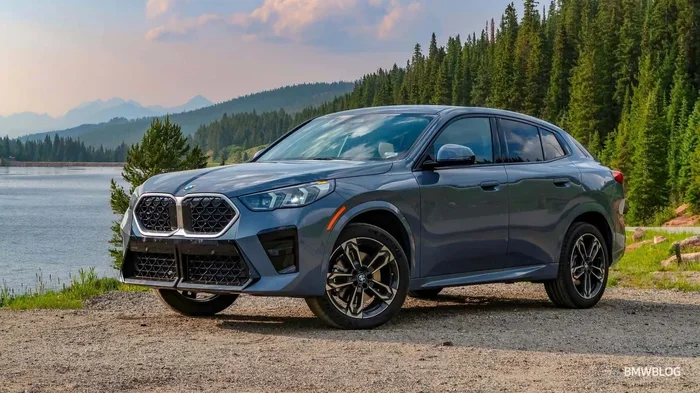
Visual guide about New BMW X2 exterior
Image source: cdn.bmwblog.com
This version gets a specific tune for the xDrive clutch pack. It features a mechanical limited-slip differential (LSD) on the front axle—a first for a UKL-based car. This locks the front wheels together under power, virtually eliminating torque steer and allowing the car to rotate beautifully on track. It transforms the X2 from a cute crossover into a genuine pocket rocket. If you want to explore how this stacks up against the rest of the lineup, check out our deep dive on the most powerful BMW models.
Which Drivetrain Should You Choose? (Decision Matrix)
Since the current US lineup is xDrive-only for new cars, this section applies heavily to used buyers (2018-2023) or global readers. But the logic holds true for any compact BMW.
Choose sDrive (FWD) If:
- You live in a warm climate (Florida, Texas, Southern California, etc.).
- You prioritize maximum fuel efficiency.
- You want the lowest monthly payment / purchase price.
- You prefer lighter, more tactile steering feel.
- You are a “one car garage” buyer who runs dedicated winter tires anyway (FWD + Winter Tires > AWD + All-Seasons).
Choose xDrive (AWD) If:
- You face genuine winters (snow, ice, unplowed roads).
- You have a steep driveway or live on a dirt/gravel road.
- You want the quickest 0-60 times.
- You tow a small trailer (xDrive often has a slightly higher tow rating).
- You want the “set it and forget it” peace of mind.
💡 Quick Tips for X2 Buyers
- Tires matter more than drivetrain. An sDrive on Michelin X-Ice snow tires will destroy an xDrive on worn all-seasons in January.
- Check the spare tire well. Most X2s have run-flats and no spare. If you buy used, verify the mobility kit is there.
- Run-flat ride quality. The stiff sidewalls transmit more road noise. Many owners switch to non-run-flats for comfort; just carry a sealant kit. Learn more about BMW run-flat tires pros and cons.
- Software updates. The xDrive clutch logic improves via dealer software updates. Ask the service advisor if any bulletins apply during your first oil change.
Common Misconceptions About the FWD X2
There is a lot of “bench racing” talk online about BMWs going front-wheel drive. Let’s clear the air.
Myth: “A FWD BMW isn’t a real BMW.”
Reality: BMW has made FWD cars since the Mini acquisition (and the Isetta way back when). The UKL platform was co-developed with Mini. The suspension geometry, steering rack tuning, and brake vectoring are pure BMW M-division engineering. The X2 sDrive handles better than many older RWD BMWs (like an E46 325i on all-seasons). Don’t let badge snobbery fool you.
Myth: “Torque steer makes it undrivable.”
Reality: Modern electronic differential locks (EDLC) brake the inside front wheel during hard acceleration. This mimics a mechanical LSD. In the X2, torque steer is present but managed. You feel a tug, not a yank. It adds character rather than danger.
Myth: “xDrive adds huge maintenance costs.”
Reality: The hang-on unit is sealed for life (mostly). The only service is a fluid change for the rear axle (PTU/Transfer case) every ~60k miles. It costs about $150-$200 at an indie shop. It is not the complex transfer case of an X5. For long-term ownership peace of mind, reviewing the most reliable BMW models shows the X2 scores well regardless of drivetrain.
Expert Insights: Living With the X2 Daily
I’ve driven both the sDrive20d (European spec) and the xDrive28i/M35i extensively. Here is the honest truth most reviews skip:
- The 8-Speed Automatic is the Hero: Whether FWD or AWD, the Aisin 8-speed (in older models) or the new 7-speed DCT (in new M35i) / 8-speed Steptronic (in new 28i) masks the drivetrain layout. Shifts are imperceptible in Comfort mode.
- Ride Quality: The xDrive car rides slightly better over sharp potholes because the unsprung weight distribution is more even. The sDrive front end feels a touch heavier over sharp bumps.
- Interior Noise: The xDrive car has a faint driveline hum at 70 mph on coarse pavement. The sDrive is quieter at cruise.
- Resale Value: In the North (US/Canada), xDrive holds value better. In the South, sDrive (when available) depreciates less because buyers don’t pay a premium for AWD they don’t need.
⚠️ Common Mistakes to Avoid
- Buying AWD “just in case” but keeping bald all-seasons. You just bought a heavy FWD car with worse gas mileage.
- Assuming xDrive = Off-Road. Ground clearance is low (approx 6.7 inches). The front bumper will scrape on deep ruts. This is a soft-roader, not a rock crawler.
- Ignoring the brake fluid. xDrive uses the brakes heavily to vector torque (braking the inside wheel). Flush brake fluid every 2 years religiously.
- Skipping the alignment. The multi-link rear suspension (on xDrive) and torsion beam (on some sDrive models) eat rear tires if the toe is off. Check alignment annually.
Tech Deep Dive: ARB and Actuator Contiguous Wheel Slip Limitation
This is the secret sauce for the FWD models. BMW calls it ARB (Actuator Contiguous Wheel Slip Limitation). Traditional traction control cuts engine power when a wheel spins. ARB uses the brake actuators directly, bypassing the engine ECU loop. It reacts in milliseconds rather than hundredths of a second.
On an sDrive X2, this means you can power out of a wet roundabout with the inside front wheel unloaded, and the car brakes just that wheel instantly. The engine keeps singing, the outside wheel grips, and you rocket out. It makes the FWD car feel mechanically symmetric. It is arguably the best FWD traction system on the market today.
Conclusion
So, is the new BMW X2 front wheel drive? Technically, the architecture is front-biased. But for the current US buyer walking into a showroom today, the answer is no—the base model is now all-wheel drive. The xDrive28i gives you that security blanket standard.
If you are shopping used (2018-2023) or abroad, the sDrive models are fantastic daily drivers. They are lighter, more efficient, and surprisingly engaging thanks to ARB technology. The xDrive models add a layer of all-weather confidence and launch performance that justifies the price tag if you actually use it.
My advice? If you have the choice, be honest about your tires. If you refuse to swap to winter rubber, buy the xDrive. If you are a tire enthusiast who runs dedicated snows, pocket the $2,000 savings and enjoy the purer steering of the sDrive. Either way, you are getting a BMW that punches well above its weight class in driving dynamics.
Frequently Asked Questions
Is the 2024 BMW X2 front wheel drive?
No, the 2024 BMW X2 sold in the US (xDrive28i and M35i) comes standard with xDrive all-wheel drive. Front-wheel drive (sDrive) versions are not currently offered in the US for this model year, though they exist in other global markets.
What is the difference between BMW sDrive and xDrive?
sDrive denotes BMW’s two-wheel-drive models (typically front-wheel drive on the X2). xDrive denotes BMW’s all-wheel-drive system. On the X2, xDrive is a front-biased system that can send up to 50% of torque to the rear wheels when slip is detected.
Is the BMW X2 M35i all-wheel drive?
Yes, the BMW X2 M35i comes exclusively with xDrive all-wheel drive. It also features a mechanical Torsen limited-slip differential on the front axle for improved cornering traction and reduced torque steer.
Does the BMW X2 have a transverse engine?
Yes, all BMW X2 models (both generations) use a transverse engine layout (mounted east-west) on the UKL platform. This applies to both sDrive (FWD) and xDrive (AWD) versions.
Is FWD or AWD better for the BMW X2 in snow?
AWD (xDrive) is better for acceleration in snow and on icy hills. However, an sDrive (FWD) X2 equipped with four dedicated winter tires will outperform an xDrive model on all-season tires in braking and cornering on snow.
Does xDrive on the X2 hurt fuel economy?
Yes, xDrive models typically see a reduction of 1-2 MPG combined compared to sDrive models due to added weight (approx 150 lbs) and drivetrain friction from the rear driveshaft and clutch pack.