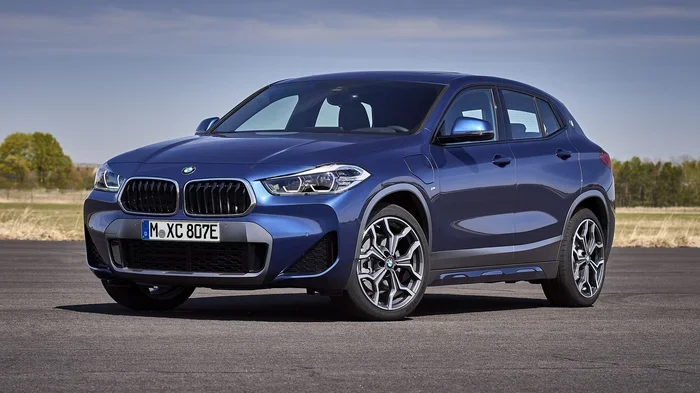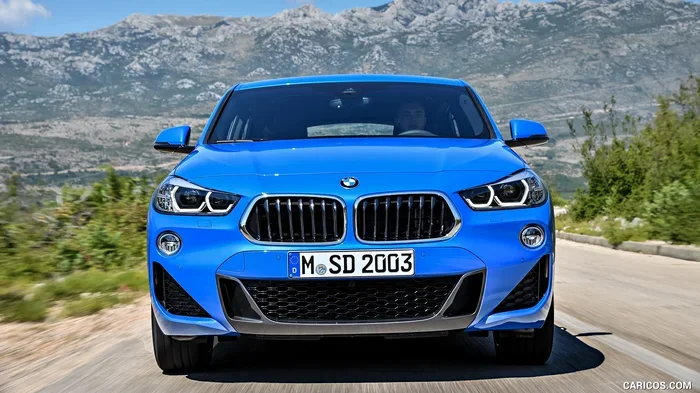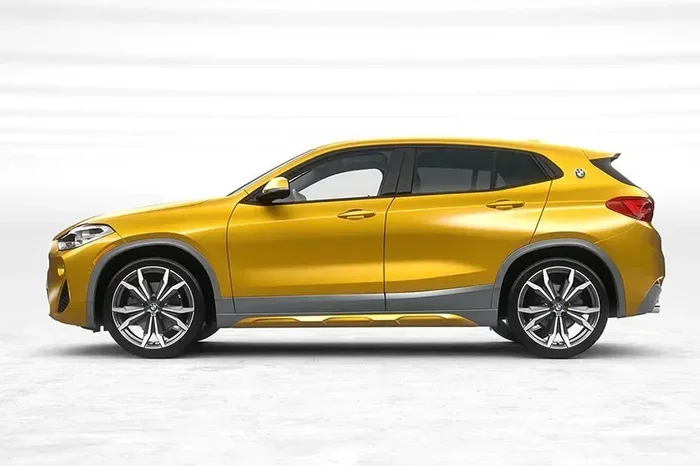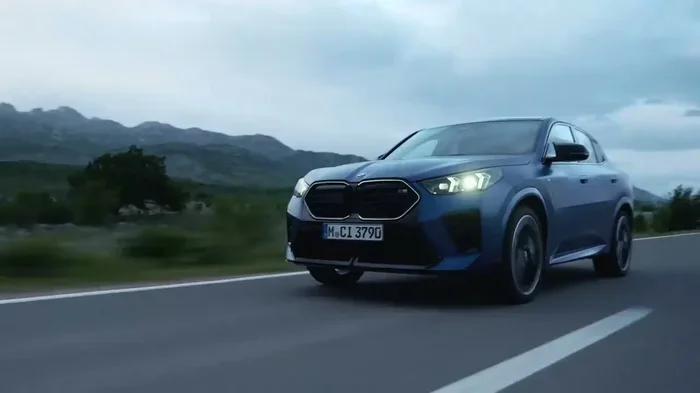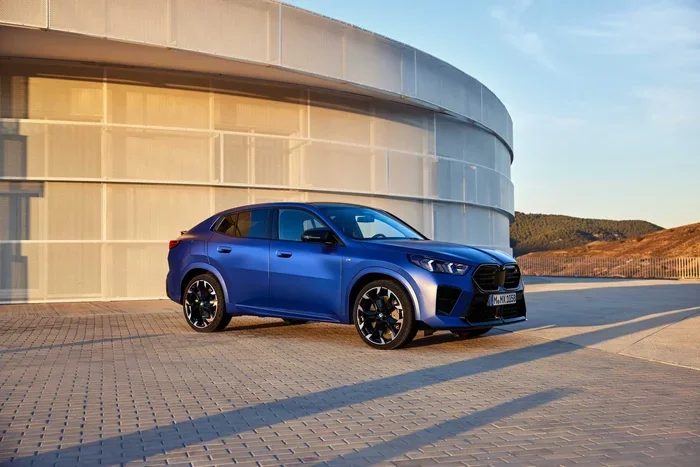
Featured image for BMW X2 xDrive exterior
Image source: mediapool.bmwgroup.com
Yes, the BMW X2 does come in AWD, but BMW markets it as xDrive. This system is standard on the high-performance M35i and optional on the sDrive28i and xDrive28i trims. It uses a front-biased setup that sends power to the rear wheels only when slip is detected, offering better traction in snow and rain without the fuel economy penalty of a permanent 50/50 split.
Shopping for a compact luxury crossover often leads to one critical question: does bmw x2 come in awd? The short answer is yes, but BMW does things a little differently than most brands. Instead of “AWD” or “4MATIC,” you will see the badge xDrive. Understanding this system, which trims offer it, and whether you actually need it can save you thousands at the dealership and headaches down the road.
In this guide, we break down everything you need to know about the BMW X2 all-wheel-drive system. We will cover the mechanical differences between sDrive and xDrive, which specific models get the hardware, how it performs in the real world, and the long-term ownership costs you should expect. Let’s dive in.
Key Takeaways
- BMW calls AWD “xDrive”: You won’t see “AWD” badges; look for the xDrive designation on the trunk or in the model name.
- Not every trim has it standard: The entry-level sDrive28i is front-wheel drive only. The xDrive28i and M35i offer all-wheel drive.
- It is a front-biased system: Under normal driving, 100% of power goes to the front wheels. The rear engages automatically within milliseconds when needed.
- Fuel economy takes a small hit: Expect roughly 1-2 MPG less combined compared to the front-wheel-drive sDrive models.
- Ground clearance is unchanged: Adding xDrive does not raise the ride height; the X2 remains a low-slung crossover.
- Tires matter more than the drivetrain: A FWD X2 on winter tires outperforms an xDrive model on summer tires in snow.
- Resale value is stronger for xDrive: In northern markets, AWD models retain value better and sell faster.
📑 Table of Contents
- The Short Answer: Yes, It’s Called xDrive
- Understanding BMW’s Naming: sDrive vs. xDrive
- Which BMW X2 Models Offer All-Wheel Drive?
- How BMW xDrive Works in the X2 (The Technical Stuff Made Simple)
- Pros and Cons of Choosing AWD on the X2
- Real-World Performance: Snow, Rain, and Dry Pavement
- Buying Guide: Should You Get xDrive or sDrive?
- Maintenance and Ownership Costs for AWD Models
- The Electric Elephant in the Room: iX2 xDrive30
- Frequently Overlooked Details
- Conclusion
The Short Answer: Yes, It’s Called xDrive
If you are scanning a window sticker or a used car listing looking for “AWD,” you might miss it. BMW has branded their all-wheel-drive system xDrive for nearly two decades. Conversely, their front-wheel-drive models wear the sDrive badge.
So, when you see BMW X2 xDrive28i or X2 M35i xDrive, that is your confirmation that the vehicle has all-wheel drive. If the badge says sDrive28i, it is strictly front-wheel drive. There is no “rear-wheel drive” option on the X2 platform because it is built on the UKL front-wheel-drive architecture (shared with the Mini Countryman and BMW X1).
This distinction is crucial because the X2 is not a traditional SUV with a longitudinal engine and a transfer case. It uses a transverse engine layout. This packaging dictates how the xDrive system works, which we will explore in detail shortly.
Understanding BMW’s Naming: sDrive vs. xDrive
Before we look at specific model years, let’s clear up the nomenclature. It confuses many buyers coming from brands like Audi (quattro) or Mercedes (4MATIC).
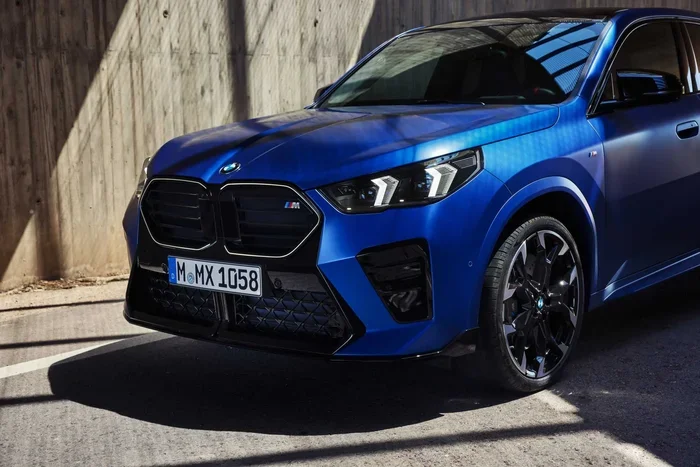
Visual guide about BMW X2 xDrive exterior
Image source: mediapool.bmwgroup.com
What is sDrive?
sDrive simply means two-wheel drive. On the X2, this is always front-wheel drive (FWD). The “s” historically stood for “Sport” in older RWD BMWs (like the Z4 sDrive30i), but on the UKL platform (X1, X2, 1 Series, 2 Series Gran Coupe), it denotes FWD. These models are lighter, cheaper to buy, cheaper to maintain, and slightly more fuel-efficient.
What is xDrive?
xDrive is BMW’s marketing term for all-wheel drive. On the X2, it is an electro-hydraulically controlled multi-plate clutch system mounted ahead of the rear differential. It is not a full-time mechanical lock like a Torsen differential found in some Audis or Subarus. Instead, it is an “on-demand” system.
If you are trying to decode the rest of the alphanumeric soup on the trunk lid, our guide on decoding BMW vehicle designations explains exactly what those numbers and letters mean for every model in the lineup.
Which BMW X2 Models Offer All-Wheel Drive?
Availability has shifted slightly between the first generation (F39, 2018–2023) and the current second generation (U10, 2024+). Here is the breakdown by generation.
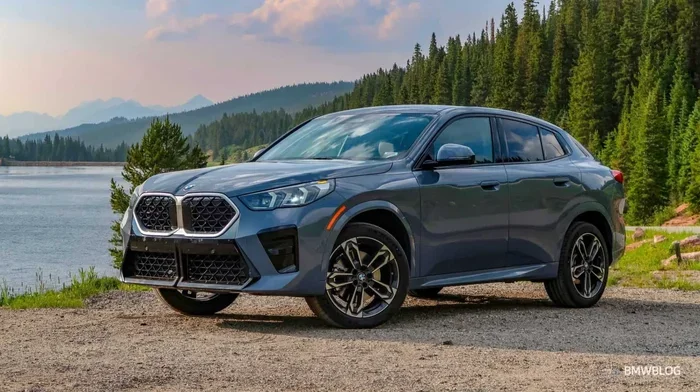
Visual guide about BMW X2 xDrive exterior
Image source: cdn.bmwblog.com
First Generation (F39 | 2018–2023)
- X2 sDrive28i: FWD only. 2.0L Turbo-4, 228 hp. This was the volume seller.
- X2 xDrive28i: AWD optional (standard in some northern US markets/Canada). Same engine as sDrive28i. Added ~150 lbs.
- X2 M35i: AWD (xDrive) Standard. 2.0L Turbo-4, 302 hp. This was the performance flagship. It came with a mechanical Torsen limited-slip differential on the front axle for better corner exit traction.
Second Generation (U10 | 2024–Present)
- X2 sDrive28i: FWD only. 2.0L Turbo-4 (Mild Hybrid), 241 hp combined. 48-volt mild hybrid system added.
- X2 xDrive28i: AWD Standard on this trim for 2024+. Same mild-hybrid powertrain. Quicker 0-60 than old xDrive28i.
- X2 M35i xDrive: AWD Standard. 2.0L Turbo-4 (Mild Hybrid), 312 hp. Still the top dog, now with the mild-hybrid assist for torque fill.
- iX2 xDrive30: Electric AWD. Dual motors (one per axle). Not a mechanical xDrive system, but electronic all-wheel drive. Worth noting if you are cross-shopping EVs.
Quick Tip: If you are buying used (2018-2023), check the VIN or the trunk badge carefully. Many xDrive28i models were sold in “Sunbelt” states (Florida, Texas, Arizona) as FWD sDrive28i models. Dealers in the Northeast and Midwest often ordered xDrive as standard stock.
How BMW xDrive Works in the X2 (The Technical Stuff Made Simple)
Because the X2 uses a transverse engine (mounted sideways), the xDrive system here is fundamentally different from the one in a 3 Series or X5. Those cars use a longitudinal engine with a center differential (transfer case) that can split torque 50/50 front-to-rear instantly.
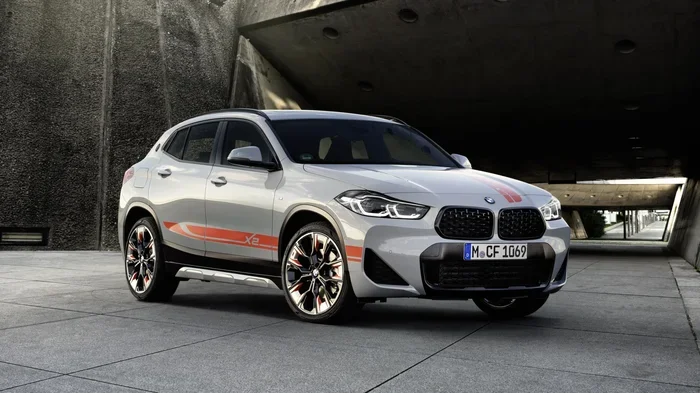
Visual guide about BMW X2 xDrive exterior
Image source: hdcarwallpapers.com
The “Hang-On” Clutch System
The X2 xDrive uses a power take-off unit (PTU) bolted to the side of the 7-speed or 8-speed dual-clutch transmission. A driveshaft runs down the tunnel to a rear differential module (RDM). Inside that RDM sits an electro-hydraulic multi-plate clutch pack.
- Normal Driving (Dry Pavement): The clutch is open. 100% torque to front wheels. The rear driveline spins freely (disconnected) to save fuel and reduce wear.
- Slip Detected (Rain, Snow, Gravel): Sensors monitor wheel speed, steering angle, and throttle position. The control unit pressurizes the hydraulic pump, clamping the clutch plates. Torque is sent rearward—up to 50% theoretically, usually 30-40% in practice.
- Pre-emptive Engagement: The system doesn’t wait for slip. If you floor it from a stop, or select Sport mode, it pre-loads the clutch for instant traction.
Integration with DSC (Dynamic Stability Control)
The magic isn’t just the clutch; it’s the software. The xDrive controller talks directly to the DSC (stability control) brain. If you enter a corner too hot, the system can brake the inside rear wheel (torque vectoring by braking) to rotate the car. It mimics a mechanical limited-slip diff using the brakes.
On the M35i, you get a bonus: a real mechanical Torsen limited-slip differential (LSD) on the front axle. This helps put the 300+ hp down when exiting corners hard without the inside front tire lighting up. The standard xDrive28i does not have this front LSD; it relies solely on brake-based vectoring.
Pros and Cons of Choosing AWD on the X2
Is the xDrive upgrade worth the typical $2,000-$2,500 premium (on the 28i models)? Here is a realistic comparison.
| Factor | sDrive (FWD) | xDrive (AWD) |
|---|---|---|
| MSRP Premium | Base Price | + $2,000 – $2,500 |
| Weight Penalty | ~3,700 lbs (approx) | + 130 – 160 lbs |
| Fuel Economy (Combined EPA) | 26-28 MPG (Gen 1) / 28-30 MPG (Gen 2) | 24-26 MPG (Gen 1) / 26-28 MPG (Gen 2) |
| 0-60 mph (28i models) | ~6.3 – 6.5 sec | ~6.0 – 6.2 sec (better launch) |
| Snow/Ice Traction | Good with Winter Tires | Excellent with All-Seasons; Unstoppable with Winters |
| Maintenance Complexity | Lower (No rear diff, PTU, driveshaft) | Higher (Rear diff fluid, PTU fluid, clutch wear potential) |
| Resale Value (North) | Harder to sell, lower price | High demand, holds value better |
| Resale Value (South) | Standard | Slight premium, but less demand |
The “Hidden” Con: Tire Replacement Rules
This is the biggest ownership surprise for new xDrive owners. Because the system relies on wheel speed sensors to detect slip, tire circumference must be nearly identical on all four corners.
BMW specifies a maximum tread depth difference of 2/32nds of an inch (approx 1.5mm) between any two tires. If you blow a tire at 20,000 miles and the other three are half-worn, you cannot just buy one new tire. You usually have to buy two (for the axle) or shave the new tire to match the old ones (many tire shops offer this service). On FWD sDrive models, you can often get away with replacing just the pair on the driven axle, though matching sets are always best.
Real-World Performance: Snow, Rain, and Dry Pavement
Winter Driving (The Main Reason to Buy xDrive)
Let’s be honest: this is why 90% of buyers check the xDrive box. With a set of dedicated winter tires (like Bridgestone Blizzak or Michelin X-Ice), the X2 xDrive is genuinely impressive. It climbs icy driveways that stop FWD cars cold. The system reacts fast enough that you rarely feel the “shudder” of older AWD systems engaging.
Expert Insight: I have driven an X2 xDrive28i on all-seasons through a Colorado blizzard and an X2 sDrive28i on winter tires in the same storm. The FWD car on winter tires stopped and turned better. The AWD car on all-seasons accelerated better. The ultimate setup is xDrive + Winter Tires. If you only budget for one, buy the winter tires first.
Rain and Wet Roads
On wet highways, the xDrive system shines during sudden maneuvers. If you hit standing water and the front tires hydroplane momentarily, the rear axle engages instantly to stabilize the rear end. It feels very secure, almost like the car is on rails compared to a FWD car which can get “light” in the front under heavy acceleration in the wet.
Dry Handling and Fun Factor
On dry pavement, the X2 is a front-heavy car (roughly 60/40 weight distribution). The xDrive system cannot overcome physics. If you enter a corner too fast, you will get understeer (plowing straight). The M35i’s front LSD helps mitigate this significantly, allowing you to power out earlier. The standard xDrive28i? It feels safe and planted, but not “playful” like a RWD-biased BMW (e.g., a 330i xDrive). It is a secure daily driver, not a track weapon.
Buying Guide: Should You Get xDrive or sDrive?
This decision usually comes down to geography and budget. Here is a simple checklist.
Buy xDrive If:
- You live where it snows more than 3-4 times a year.
- You have a steep, unpaved, or unplowed driveway.
- You frequently drive on wet highways at speed (hydroplane safety margin).
- You plan to keep the car 5+ years (resale advantage in North).
- You are buying the M35i (it’s standard anyway).
Buy sDrive (FWD) If:
- You live in the Sunbelt, West Coast, or anywhere snow is rare.
- You want the best possible MPG.
- You want lower maintenance costs (fewer fluids, fewer parts to fail).
- You are willing to buy a set of winter tires for the 2 weeks a year it freezes.
- You are buying a used CPO car and the xDrive premium is inflated.
Speaking of used cars, if you are looking at Certified Pre-Owned (CPO) models, the warranty coverage differs slightly for drivetrain components. You can read about the specifics of the BMW CPO warranty essential coverage to see how xDrive components are protected.
Maintenance and Ownership Costs for AWD Models
Owning an xDrive X2 isn’t scary expensive, but it is more costly than the sDrive. Here is the reality of the maintenance schedule.
Fluids You Don’t Have on FWD
- Rear Differential Fluid: BMW calls it “lifetime fluid,” but enthusiasts and independent shops recommend changing it every 50,000–60,000 miles. It uses specific hypoid gear oil (usually 75W-90 or 75W-140 depending on model year). Cost: ~$150-$250 at an indie shop.
- PTU (Power Transfer Unit) Fluid: The little gearbox on the transmission side. Also “lifetime” per BMW. Change it at 60k miles. Cost: ~$100-$150.
- Transfer Case / Clutch Actuation: The electro-hydraulic pump in the rear module uses specific hydraulic fluid (CHF 11S or similar). This is rarely serviced unless there is a leak or failure, but fluid changes are possible.
Common Failure Points (High Mileage / 80k+ Miles)
- Rear Differential Seal Leaks: The output seals to the half-shafts can weep. Not catastrophic, but messy.
- Electric Pump Failure (RDM): The motor that pressurizes the clutch pack can fail. Symptoms: “Drivetrain Malfunction” light, AWD disabled, car stays in FWD limp mode. Part is ~$400-$600; labor is 2-3 hours.
- Driveshaft Center Support Bearing: Can cause a vibration/shudder at specific speeds (usually 40-50 mph).
Tires and Brakes
As mentioned, tire matching is critical. Budget for four tires at a time. The X2 also eats front brake pads faster than rear (due to brake-based torque vectoring and front bias), but xDrive models sometimes wear rear pads slightly faster than FWD models due to the occasional rear torque application. Not a huge cost difference, but noticeable.
If you need help picking the right fluids for your specific model year, our guide on choosing the right coolant for your BMW vehicle covers the cooling system, but for driveline fluids, always verify the specific part number for your VIN via a site like RealOEM or your local parts counter.
The Electric Elephant in the Room: iX2 xDrive30
If you are looking at a 2024 or newer model, you will see the iX2 xDrive30. This is a fully electric version. It achieves “xDrive” not with a driveshaft and clutch, but with a second electric motor on the rear axle.
This is technically superior to mechanical xDrive in every measurable way: instant torque vectoring, zero lag, independent axle control, and perfect 50/50 split capability. However, it adds significant weight (heavy battery + two motors) and reduces cargo space slightly due to the rear motor housing. If your commute is short and you can charge at home, the iX2 is arguably the best “xDrive” X2 ever made for traction. Just remember: it’s an EV, so range anxiety and charging logistics apply.
Frequently Overlooked Details
Ground Clearance Myth
Many buyers assume xDrive raises the car. It does not. The X2 xDrive has the exact same ride height, approach angle, and breakover angle as the sDrive. It is not an off-roader. Do not take it on trails requiring more than a gravel road. The front bumper lip is low and expensive to replace.
The “Snow Button” Myth
There is no “Snow Mode” button on the standard X2 xDrive28i (only on M35i or models with the optional M Sport package/driving dynamics control). The system manages itself automatically via the DSC brain. You just drive. If you have the Driving Dynamics Control switch (Eco Pro / Comfort / Sport), “Comfort” is your snow setting. “Sport” pre-loads the clutch for fun, not snow.
Run-Flat Tires
Most X2s come with run-flat tires from the factory. They have stiff sidewalls that hurt ride quality and traction in snow. Many xDrive owners swap to non-run-flats immediately. If you do this, you must carry a spare tire kit or a mobility kit (sealant/compressor) because there is no spare tire well in the trunk (the battery and xDrive hardware live there). For more on the pros and cons of this setup, check out our article on what are BMW run-flat tires design benefits and care.
Conclusion
So, does bmw x2 come in awd? Absolutely. It is branded as xDrive, and it is a competent, front-biased, on-demand system that adds security in bad weather without ruining the car’s efficiency on sunny days.
For the majority of buyers in northern climates, the xDrive28i (or M35i) is the smart pick. The resale value holds up, the peace of mind is real, and the performance penalty is negligible. For buyers in the South or those pinching pennies on purchase price and long-term maintenance, the sDrive28i paired with a good set of all-season or winter tires is 90% of the car for less money.
Whichever you choose, maintain the fluids, match your tires, and enjoy the fact that you’re driving one of the best-handling compact crossovers on the market. The X2 proves you don’t need a massive SUV to get BMW driving dynamics with all-weather capability.