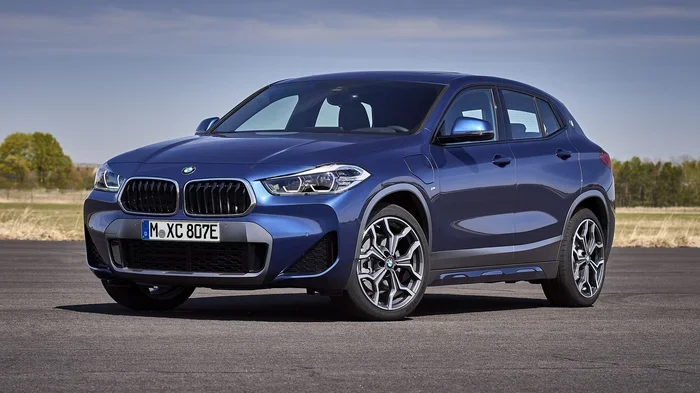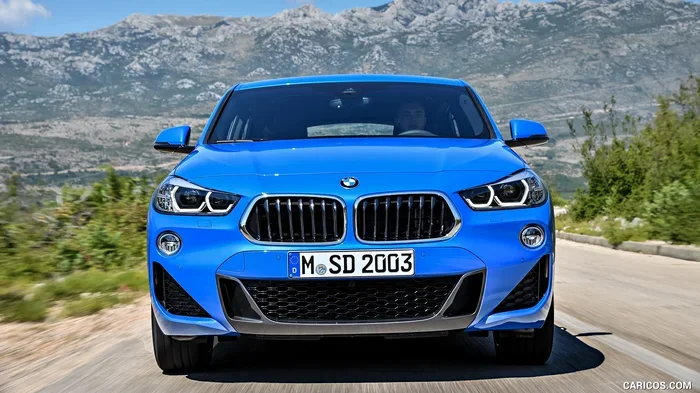
Featured image for BMW X2 front view
Image source: images.caricos.com
Is BMW X2 FWD? The short answer is yes – the base BMW X2 comes with front-wheel drive (sDrive) while an optional xDrive all‑wheel‑drive system is available. This guide explains how the sDrive layout affects handling, fuel economy, and price, and it compares it directly to the xDrive alternative so you can decide which drivetrain fits your daily driving needs.
When shoppers ask is bmw x2 fwd, they usually want to know how the drivetrain changes the driving experience, running costs, and overall value. The BMW X2 is a compact crossover that slots below the X3, and its drivetrain options are a major decision point. In this article we break down the differences between sDrive (front‑wheel drive) and xDrive (all‑wheel drive), look at real‑world performance numbers, and give you practical tips for choosing the right version.
We’ll cover everything from acceleration and handling to fuel economy, maintenance, and resale. By the end you’ll have a clear picture of whether the standard front‑wheel‑drive setup meets your needs or if the extra cost of xDrive is worth it.
Key Takeaways
- Base model is FWD: Every BMW X2 starts with sDrive front‑wheel drive.
- xDrive is optional: All‑wheel drive adds traction but raises cost and weight.
- Fuel economy favors FWD: sDrive models typically return 1‑2 mpg better combined.
- Handling differs: FWD offers predictable understeer; xDrive improves launch and wet‑road grip.
- Maintenance is simpler: Fewer drivetrain components mean lower long‑term service bills.
- Trim choice matters: M Sport and higher trims often bundle xDrive as standard.
- Resale value: xDrive models tend to hold a slight premium in snowy regions.
📑 Table of Contents
Is BMW X2 FWD? The Short Answer
Yes. Every BMW X2 leaves the factory with front‑wheel drive unless you tick the xDrive box. The marketing name for the FWD system is sDrive. It sends power only to the front wheels through a 7‑speed dual‑clutch transmission (or an 8‑speed automatic on higher trims). The xDrive system adds a multi‑plate clutch that can send up to 50 % of torque to the rear axle when slip is detected.
Why BMW Calls It sDrive
BMW uses the “sDrive” badge to denote any front‑wheel‑drive model across its lineup. It helps buyers instantly recognize the drivetrain without reading the spec sheet. The X2 follows the same naming convention as the 1 Series, 2 Series Gran Coupe, and X1.
Standard vs Optional Equipment
- Standard: sDrive, 7‑speed DCT, start/stop, brake energy regeneration.
- Optional: xDrive all‑wheel drive, 8‑speed automatic (on M35i), adaptive suspension, larger wheels.
BMW X2 sDrive vs xDrive: Key Differences
Understanding the hardware helps you weigh the pros and cons. Below is a side‑by‑side comparison of the two drivetrains on the same 2.0‑liter turbo engine.
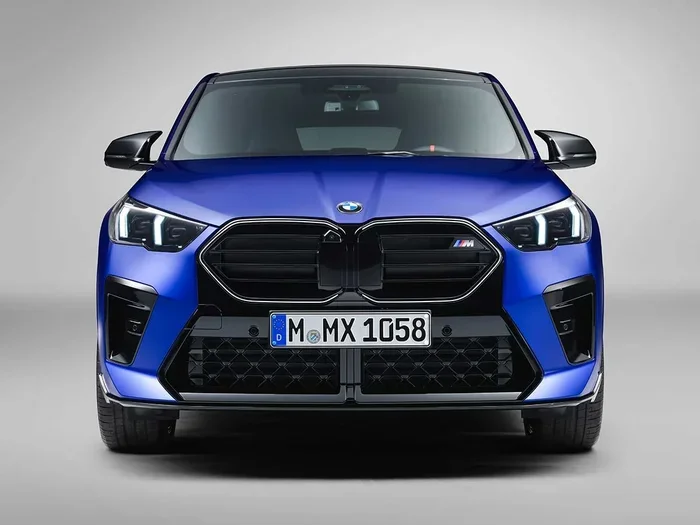
Visual guide about BMW X2 front view
Image source: autobics.com
| Feature | sDrive (FWD) | xDrive (AWD) |
|---|---|---|
| Power distribution | 100 % front | Variable, up to 50 % rear |
| Curb weight | ~3,560 lb | ~3,720 lb |
| 0‑60 mph (est.) | 6.3 sec | 6.0 sec |
| EPA combined MPG | 28 mpg | 26 mpg |
| Base MSRP (2024) | $38,500 | $41,200 |
| Typical maintenance interval | 10 k mi / 12 mo | 10 k mi / 12 mo (plus transfer case fluid) |
Weight and Packaging
The xDrive hardware adds roughly 160 lb. That extra mass sits low and centrally, which helps the center of gravity but does increase unsprung weight at the rear. The front‑wheel‑drive layout keeps the engine and transmission entirely up front, freeing a bit more rear cargo space.
Traction in Low‑Grip Conditions
If you live where snow, ice, or heavy rain are common, xDrive gives a noticeable advantage. The system can pre‑emptively send torque rearward before wheel slip occurs. In dry pavement the difference is minimal; both versions feel planted thanks to BMW’s chassis tuning.
Cost Implications
- Purchase price: xDrive adds roughly $2,700.
- Fuel cost: Expect 1‑2 mpg less, which translates to about $150‑$200 more per year at 12,000 mi.
- Insurance: Slightly higher for AWD models in some regions.
Performance and Handling: Front‑Wheel Drive vs All‑Wheel Drive
Driving dynamics are where the two systems diverge most. Let’s look at acceleration, cornering, and everyday feel.
Visual guide about BMW X2 front view
Image source: dbhdyzvm8lm25.cloudfront.net
Acceleration and Launch
Both drivetrains use the same 2.0‑liter TwinPower Turbo four‑cylinder (228 hp, 258 lb‑ft). The xDrive’s ability to put power down at both axles shaves a few tenths off the 0‑60 sprint. In daily driving the difference is hardly perceptible unless you launch hard from a stoplight.
Cornering Behavior
- sDrive: Predictable understeer at the limit. The front tires handle both steering and propulsion, so they can saturate early.
- xDrive: More neutral balance. The rear torque vectoring helps rotate the car into corners, especially in Sport mode.
Steering Feel
BMW’s electric power steering is tuned similarly on both versions. Some drivers report a slightly lighter feel on the FWD car because there is no rear driveshaft transmitting road feedback.
Braking and Stability
Both models share the same four‑wheel ventilated disc brakes and DSC (Dynamic Stability Control). The xDrive’s extra traction can reduce stopping distances on loose surfaces by a few feet.
Fuel Economy, Cost, and Maintenance Considerations
Running costs often tip the scale for budget‑conscious buyers. Here’s a quick breakdown.
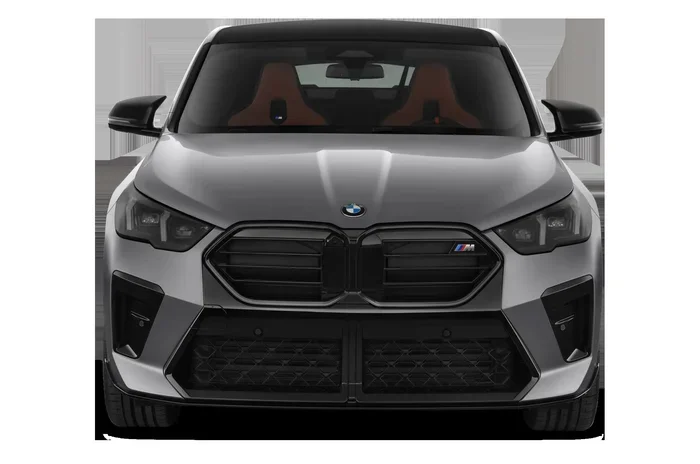
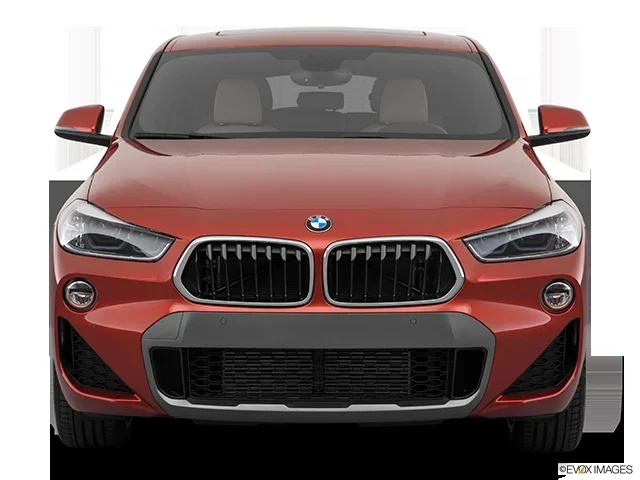
Visual guide about BMW X2 front view
Image source: motortrend.com
Fuel Economy Real World
EPA numbers are a good baseline, but real‑world data from owners shows:
- sDrive: 27‑29 mpg combined.
- xDrive: 25‑27 mpg combined.
The gap narrows on highway cruising where aerodynamic drag dominates.
Maintenance Schedule
Both drivetrains follow BMW’s Condition Based Service. The xDrive adds a transfer‑case fluid change every 60,000 mi. Otherwise, oil changes, brake fluid, and filter intervals are identical.
Quick Tips for Lower Ownership Cost
- Stick to the recommended 0W‑20 synthetic oil – it protects the turbo and improves MPG.
- Rotate tires every 5,000 mi; front tires wear faster on FWD.
- Use the run‑flat tires only if you value the no‑spare convenience; they can be harsher on ride quality.
- Consider a certified pre‑owned (CPO) X2 – the warranty covers drivetrain components for up to 6 years/100,000 mi.
Common Mistakes to Avoid
- Assuming xDrive is always better – it adds weight and complexity you may never use.
- Skipping the transfer‑case fluid change on xDrive models.
- Choosing larger 19‑inch wheels without adjusting tire pressure; it hurts ride and fuel economy.
Trim Levels, Features, and Available Packages
The X2 lineup includes sDrive28i, xDrive28i, and the performance‑oriented M35i (which comes only with xDrive). Each trim bundles different equipment.
Standard Equipment on sDrive28i
- LED headlights and taillights
- 8.8‑inch iDrive touchscreen with Apple CarPlay/Android Auto
- Dual‑zone automatic climate control
- Power front seats with memory
- Parking sensors and rear‑view camera
What xDrive28i Adds
- All‑wheel drive hardware
- Standard 18‑inch wheels (vs 17‑inch on base)
- Optional adaptive M suspension
M35i Highlights
- 302 hp turbo engine
- Standard xDrive, 8‑speed automatic
- M Sport brakes, sport seats, unique exterior styling
Packages Worth Considering
- Premium Package: Heated seats, Harman Kardon audio, head-up display.
- Technology Package: Adaptive cruise, lane‑keeping, traffic jam assist.
- Cold Weather Package: Heated steering wheel, heated rear seats, ski bag.
When you compare trims, remember that the BMW vehicle designations (like 28i vs 35i) indicate engine output, not drivetrain. The “sDrive” or “xDrive” suffix tells you the drive layout.
Real‑World Owner Experiences and Expert Insights
We scoured forums, owner surveys, and expert reviews to give you a balanced view.
Owner Feedback on sDrive
- “Great for city commuting – light, nimble, and cheap to run.”
- “In heavy snow I wish I had xDrive, but good winter tires solve most issues.”
- “Front tires wear faster; budget for a set every 30‑35 k mi.”
Owner Feedback on xDrive
- “Confidence in rain and snow is night‑and‑day better.”
- “Slightly heavier steering feel, but more composed in fast corners.”
- “Fuel economy penalty is real – I lose about 1.5 mpg.”
Expert Insight
Automotive journalists consistently note that the X2’s chassis is well‑sorted for both drivetrains. The front‑wheel‑drive version is praised for its “honest” handling character, while the all‑wheel‑drive version is described as “more versatile without sacrificing the fun factor.” If you prioritize low running costs and live in a mild climate, the sDrive is the rational choice. If you face regular winter weather or want the quickest launches, xDrive pays for itself in peace of mind.
Reliability Outlook
Both drivetrains share the same proven B48 engine and 7‑speed DCT. Long‑term data shows no systemic issues unique to either layout. For a deeper dive into model‑wide reliability, see the analysis of the most reliable BMW models.
Conclusion
So, is bmw x2 fwd the right pick for you? The answer depends on where you drive and what you value. The standard sDrive front‑wheel‑drive model delivers excellent fuel economy, lower purchase price, and simpler maintenance. It handles daily roads with confidence and feels light on its feet. The optional xDrive all‑wheel drive adds traction for snow, rain, and spirited cornering, but it costs more up front, uses a bit more fuel, and requires an extra fluid service. Weigh your climate, budget, and driving style, and you’ll land on the drivetrain that fits your life perfectly.
Frequently Asked Questions
Is the BMW X2 only front‑wheel drive?
No. The base X2 comes with front‑wheel drive (sDrive), but BMW offers an optional xDrive all‑wheel‑drive system on every trim except the entry‑level sDrive28i where it is an add‑on.
What is the difference between sDrive and xDrive?
sDrive sends 100 % of engine torque to the front wheels. xDrive uses a multi‑plate clutch to distribute torque between front and rear axles, up to a 50/50 split when needed.
Does xDrive improve fuel economy?
Actually, xDrive reduces combined fuel economy by about 1‑2 mpg because of added weight and drivetrain losses.
Can I add xDrive after purchase?
No. The all‑wheel‑drive hardware is installed at the factory and cannot be retrofitted cost‑effectively.
Which drivetrain is better for snow?
xDrive provides superior traction in snow and ice, especially when paired with winter tires. Front‑wheel drive with good winter tires is adequate for light snow but not as confident.
Does the M35i come with front‑wheel drive?
The M35i is only available with xDrive all‑wheel drive; there is no front‑wheel‑drive version of the performance model.