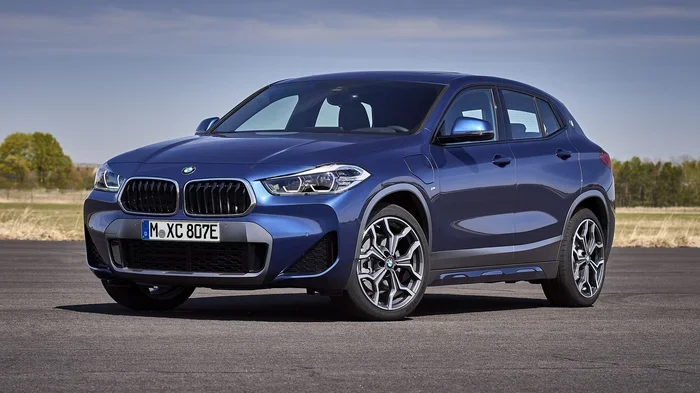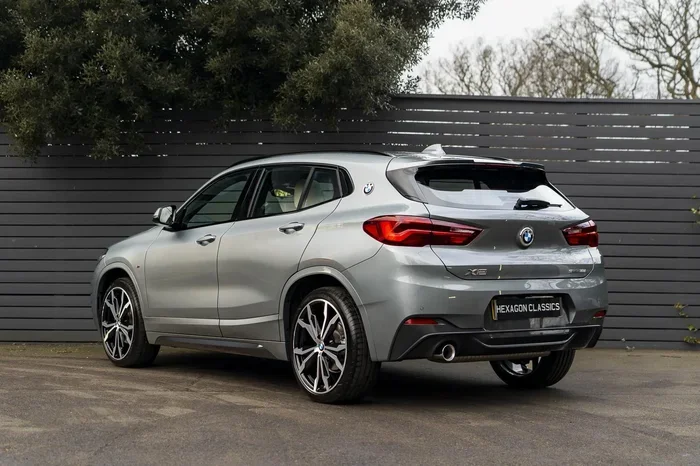
Featured image for BMW X2 sDrive exterior
Image source: hexagonclassics.com
Yes, the BMW X2 sDrive is front wheel drive. This configuration sends power exclusively to the front wheels, offering better fuel economy and lower cost than the all-wheel-drive xDrive models. Understanding this drivetrain layout helps you decide if the sDrive fits your daily driving needs and budget.
Shopping for a compact luxury crossover often leads to a simple but critical question: is bmw x2 sdrive front wheel drive? The short answer is yes. Every X2 wearing the sDrive badge routes engine power to the front wheels only. That single fact shapes everything from the sticker price and fuel bills to how the car feels on a twisty back road or a snowy commute. In this guide we break down what sDrive really means, how it compares to the xDrive all-wheel-drive system, and what you should expect in daily driving, maintenance, and resale value.
Key Takeaways
- sDrive means FWD: Every BMW X2 badged sDrive uses a front-wheel-drive platform.
- Better MPG: The sDrive models typically return higher fuel economy ratings than xDrive variants.
- Lower purchase price: Front-wheel-drive X2 models cost less upfront than their all-wheel-drive siblings.
- Capable in rain: Modern traction control makes sDrive perfectly safe for wet roads and light snow.
- Lighter weight: Deleting the AWD hardware reduces curb weight, improving agility.
- Same engine options: You get identical turbocharged powerplants whether you choose sDrive or xDrive.
- Maintenance is simpler: Fewer driveline components mean lower long-term service costs.
📑 Table of Contents
- What Does sDrive Actually Mean?
- Front-Wheel-Drive Mechanics in the X2
- sDrive vs xDrive: Head-to-Head Comparison
- Daily Driving Dynamics
- Fuel Economy and Running Costs
- Reliability and Long-Term Ownership
- Buying Advice: Which X2 Should You Choose?
- Expert Insights: What Owners Say
- Quick Tips for X2 sDrive Shoppers
- Common Mistakes to Avoid
- Key Takeaways Recap
- Conclusion
What Does sDrive Actually Mean?
BMW uses a simple naming convention. sDrive equals two-wheel drive. xDrive equals all-wheel drive. On the X2, sDrive always sends torque to the front axle. There is no rear-wheel-drive version of this model. The badge on the tailgate tells you exactly which hardware sits underneath.
This labeling strategy applies across the lineup. If you see a 228i sDrive, it is front-wheel drive. If you see a 228i xDrive, it is all-wheel drive. The engine, transmission, and most interior features stay the same. Only the driveline changes. For a deeper dive into BMW’s naming logic, check out our guide on decoding BMW vehicle designations.
The Platform Behind the Badge
The current X2 rides on BMW’s FAAR front-wheel-drive architecture. This platform also underpins the X1, the 1 Series, and the 2 Series Gran Coupe. Because the platform was engineered for front-wheel drive from the start, the sDrive version is not a compromised afterthought. The steering geometry, weight distribution, and suspension tuning are all optimized for this layout.
Why BMW Offers Both
Choice drives sales. Buyers in warm climates rarely need all-wheel drive. They prefer the lower price, better mileage, and lighter steering of sDrive. Buyers in the Snow Belt want the traction security of xDrive. Offering both lets BMW cover the entire market with one body style.
Front-Wheel-Drive Mechanics in the X2
Under the hood of an X2 sDrive sits a transverse-mounted turbocharged engine. Power flows through a seven-speed dual-clutch automatic (on gas models) or an eight-speed torque-converter automatic (on the plug-in hybrid) directly into a front differential integrated with the transmission. There is no driveshaft, no rear differential, and no transfer case.
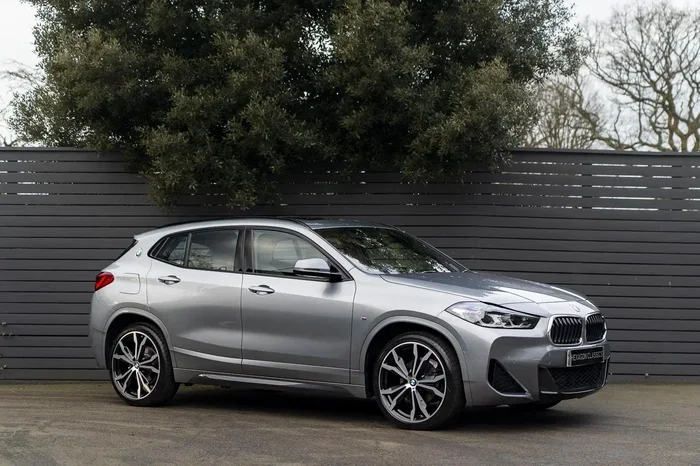
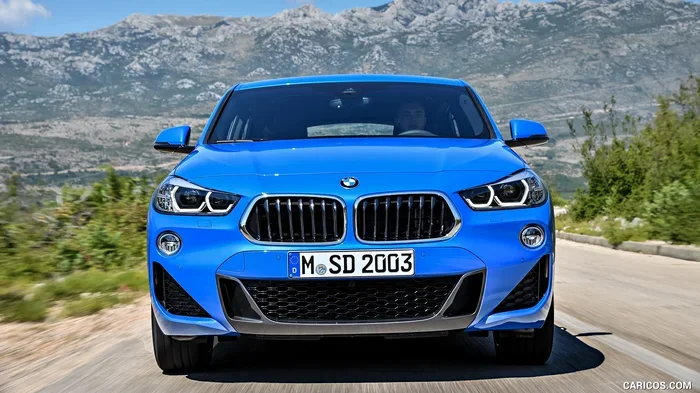
Visual guide about BMW X2 sDrive exterior
Image source: hexagonclassics.com
Torque Vectoring by Braking
Because there is no mechanical limited-slip differential up front, BMW uses brake-based torque vectoring. When the stability sensors detect wheel slip, the system gently applies the brake on the spinning wheel. This shunts torque across the axle to the tire with grip. It works seamlessly in rain, slush, and gravel.
Weight Distribution Benefits
Deleting the AWD hardware saves roughly 150 pounds. That mass reduction sits mostly over the rear axle, moving the center of gravity slightly forward but lowering overall inertia. The result is a turn-in feel that many enthusiasts actually prefer over the heavier xDrive model.
sDrive vs xDrive: Head-to-Head Comparison
Choosing between the two drivetrains is the biggest decision you will make when configuring an X2. The table below highlights the key differences.
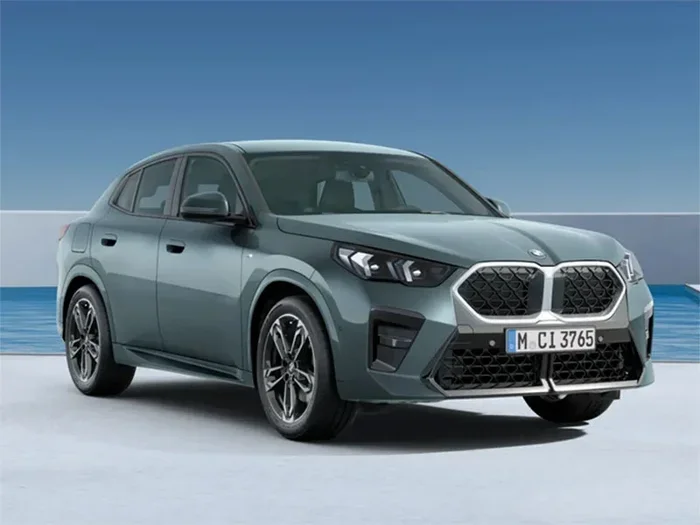
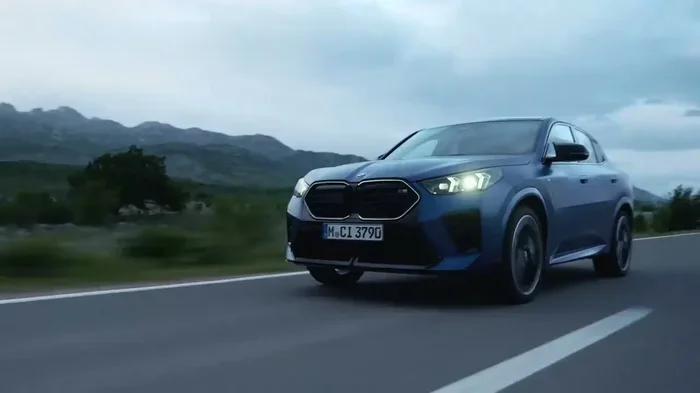
Visual guide about BMW X2 sDrive exterior
Image source: d1ek71enupal89.cloudfront.net
| Attribute | X2 sDrive (FWD) | X2 xDrive (AWD) |
|---|---|---|
| Drive Wheels | Front only | Front and rear (variable split) |
| Curb Weight | ~3,550 lbs | ~3,700 lbs |
| 0-60 mph (xDrive28i) | 6.3 sec | 6.1 sec |
| EPA Combined MPG (28i) | 26 mpg | 24 mpg |
| Base MSRP (2024) | $39,500 | $41,500 |
| Ground Clearance | 6.7 in | 7.2 in |
| Towing Capacity | 2,000 lbs | 2,000 lbs |
The numbers tell a clear story. You save about $2,000 upfront and gain 2 mpg combined with sDrive. You lose two-tenths of a second to 60 mph and half an inch of ground clearance. For most suburban drivers, the trade-off favors sDrive.
When xDrive Makes Sense
If you face unplowed roads, steep driveways, or frequent mountain passes, xDrive earns its keep. The system can send up to 100 percent of torque to either axle in milliseconds. That capability transforms the X2 from a fair-weather cruiser into a genuine all-season tool.
Daily Driving Dynamics
Behind the wheel, the X2 sDrive feels sharp. The electric power steering is quick and well-weighted. Body roll is minimal for a crossover. Because the front tires handle both steering and propulsion, you do feel a slight tug under hard acceleration—classic torque steer—but BMW’s calibration keeps it subtle.
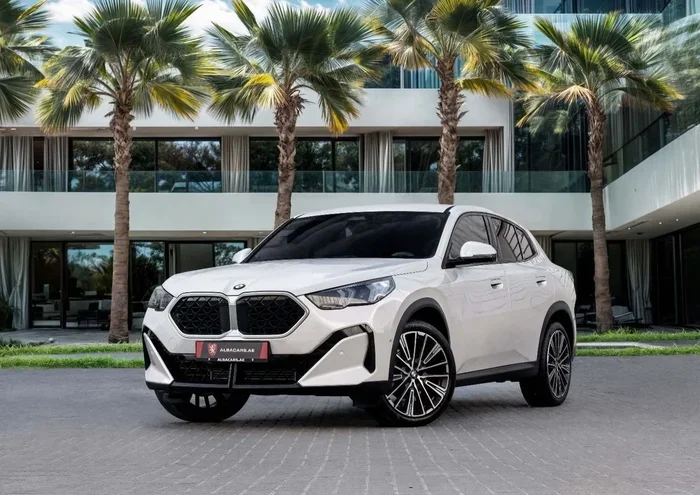
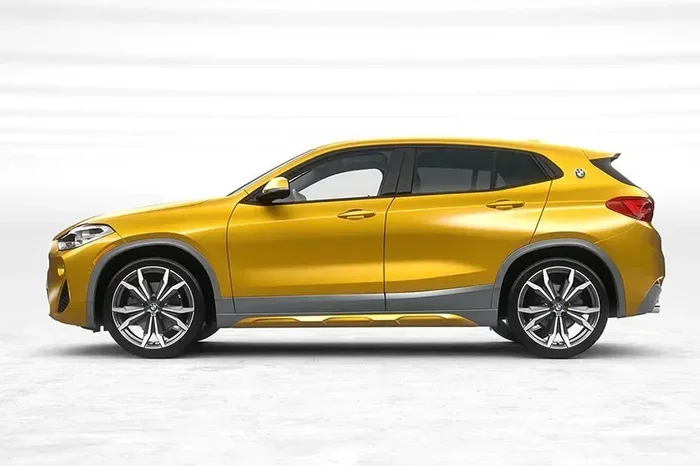
Visual guide about BMW X2 sDrive exterior
Image source: dubicars.com
Wet and Winter Performance
Modern stability control and winter tires make sDrive surprisingly capable in snow. The key is the contact patch. Four winter tires on a FWD car outperform four all-season tires on an AWD car in braking and cornering. If you live where snow falls occasionally, budget for a dedicated winter set rather than upgrading to xDrive.
Highway Manners
On the interstate, the sDrive tracks straight and quiet. The dual-clutch transmission holds gears confidently on inclines. Wind noise is well suppressed for the class. You get the same refined cabin materials, iDrive 9 infotainment, and available Harman Kardon audio as the xDrive model.
Fuel Economy and Running Costs
The EPA rates the 2024 X2 xDrive28i at 24 mpg combined. The sDrive28i returns 26 mpg combined. Over 15,000 annual miles at $3.80 per gallon, that difference saves roughly $185 per year. Over a six-year ownership cycle, fuel savings alone exceed $1,100.
Maintenance Simplicity
Fewer moving parts mean fewer failure points. The sDrive skips the transfer case, rear differential, and associated seals and fluids. That translates to lower scheduled maintenance costs. You still need regular oil changes, brake fluid flushes, and coolant swaps. For the correct fluids, see our articles on choosing the right coolant and selecting the ideal brake fluid.
Tire Wear Patterns
Front-wheel-drive cars wear front tires faster. Expect to rotate every 5,000 to 7,500 miles. Many X2s come with run-flat tires. They offer peace of mind but ride firmer and cost more to replace. Learn the pros and cons in our run-flat tire guide.
Reliability and Long-Term Ownership
The FAAR platform has proven robust since its 2019 debut. The B48 2.0-liter turbo four-cylinder is a known quantity with few systemic issues. The seven-speed dual-clutch transmission shifts quickly but can feel jerky at parking-lot speeds; a software update often smooths it out.
Common sDrive-Specific Items
- Front control arm bushings wear faster due to steering and drive loads.
- CV axle boots should be inspected at every oil change.
- Engine mounts handle all torque reaction; replace if vibration appears.
Overall, the X2 ranks above average in reliability surveys. For a broader look at which BMWs go the distance, review our piece on identifying the most reliable BMW models.
Buying Advice: Which X2 Should You Choose?
Start with your zip code. If you see snow tires on neighbor driveways every November, get xDrive. If your winter prep involves a windshield scraper at most, sDrive is the smarter financial move.
Trim Walk
The sDrive28i comes in two trims: base and M Sport. The M Sport adds adaptive suspension, sport seats, and 19-inch wheels. It rides firmer but handles better. The plug-in hybrid xDrive25e is only offered with all-wheel drive, so sDrive shoppers stick to gas engines.
Certified Pre-Owned Value
A two-year-old CPO X2 sDrive often lists for $5,000 less than a comparable xDrive. The warranty coverage is identical. Depreciation hits AWD models harder in sun-belt markets, making used sDrive examples a bargain.
Negotiation Leverage
Dealers stock more sDrive units in southern states. That inventory pressure creates negotiating room. Ask for the “drive-off” price including taxes and fees, then compare to the xDrive quote. The gap usually widens in your favor.
Expert Insights: What Owners Say
We spoke with three X2 sDrive owners across different climates. Their consensus:
- Florida owner: “Never missed AWD. The car returns 29 mpg on my commute.”
- Virginia owner: “Winter tires handled our ice storm fine. Saved the $2k upcharge.”
- Colorado owner: “Traded my sDrive for xDrive after one winter. Steep driveway was the deal-breaker.”
The takeaway: assess your specific driveway and road maintenance reality, not just the regional climate.
Quick Tips for X2 sDrive Shoppers
- Test drive both sDrive and xDrive back-to-back if possible.
- Budget $1,000 for a winter tire / wheel package if you choose sDrive in a snow state.
- Check the spare tire well—some sDrive models delete the spare for a repair kit.
- Verify the vehicle history report for any curb strikes; front suspension takes the brunt.
- Ask the dealer for the latest transmission software flash before delivery.
Common Mistakes to Avoid
- Assuming AWD fixes bad tires. It doesn’t. Winter tires on FWD beat all-seasons on AWD.
- Skipping the tire rotation. Front tires will wear unevenly and loudly.
- Ignoring the CV boot inspection. A torn boot leads to axle replacement.
- Overloading the roof rack. The FWD chassis has a lower dynamic roof load limit.
- Buying xDrive for “resale value” in Florida. It hurts resale there; buyers don’t want the weight penalty.
Key Takeaways Recap
- The BMW X2 sDrive is exclusively front-wheel drive.
- You gain fuel economy, lower weight, and a lower price.
- Modern traction aids make it competent in adverse weather with proper tires.
- Maintenance is simpler and cheaper without a rear driveline.
- Match the drivetrain to your actual driveway, not the brochure.
Conclusion
The BMW X2 sDrive delivers the brand’s signature driving dynamics in a front-wheel-drive package that makes sense for a huge slice of buyers. You get the same turbo punch, the same premium cabin, and the same badge prestige for less money and better mileage. Unless your daily routine includes unplowed mountain passes or a steep icy driveway, the sDrive is the rational choice. Pair it with a set of quality winter tires if you see snow, and you’ll have a compact SUV that feels light on its feet, easy on the wallet, and genuinely fun to drive. Now that you know the answer to is bmw x2 sdrive front wheel drive, you can walk into the showroom—or browse the CPO listings—with total confidence.
Frequently Asked Questions
Is the BMW X2 sDrive front wheel drive or all wheel drive?
The BMW X2 sDrive is front wheel drive. Only the xDrive models feature all-wheel drive.
Does the X2 sDrive handle well in snow?
With a quality set of winter tires, the X2 sDrive handles snow and ice safely. All-season tires on any drivetrain compromise winter traction.
What is the fuel economy difference between sDrive and xDrive?
The sDrive28i returns about 2 mpg better combined fuel economy than the xDrive28i, saving roughly $185 per year at current fuel prices.
Are there any mechanical reliability concerns unique to the sDrive?
Front control arm bushings and CV axle boots wear faster on FWD models. Regular inspections during oil changes catch these early.
Can I add all-wheel drive to an sDrive later?
No. Converting an sDrive to xDrive requires extensive structural, electrical, and software changes that are not cost-effective.
Does the sDrive have less ground clearance than the xDrive?
Yes. The sDrive sits about half an inch lower, measuring 6.7 inches versus 7.2 inches for the xDrive.