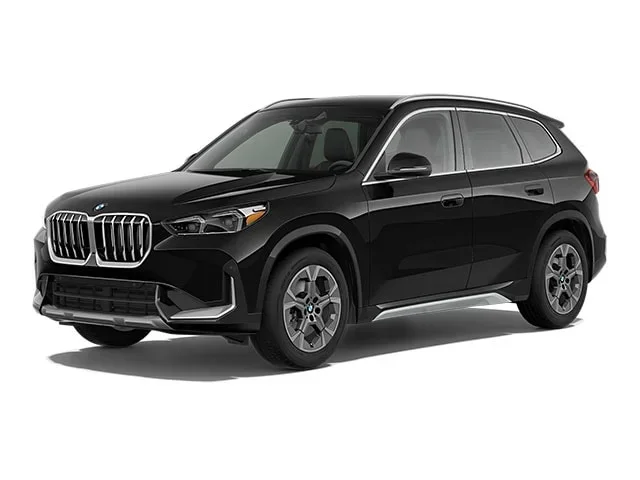
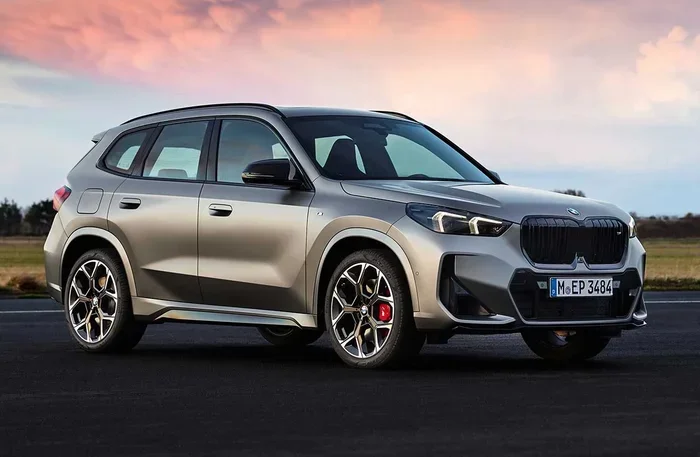
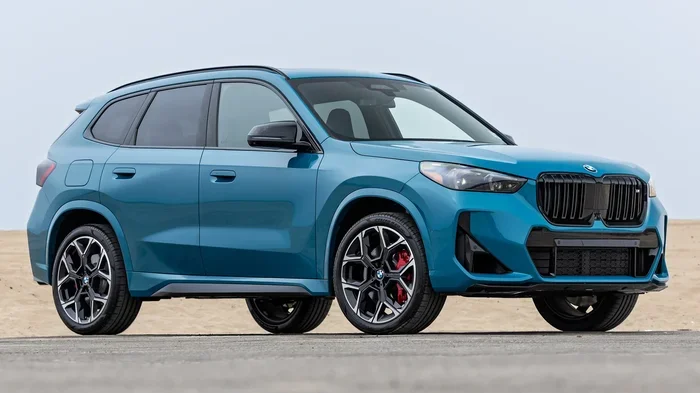
Featured image for 2016 BMW X1 xDrive28i exterior
Image source: cdn.bmwblog.com
Is the 2016 BMW X1 xDrive28i a good car? It delivers sporty handling and a premium feel, but the N20 turbo engine has known timing chain and cooling system flaws. This guide breaks down reliability, ownership costs, and key buying tips so you can make a smart purchase decision.
Shopping for a used luxury crossover can feel like walking a tightrope. You want the badge, the handling, and the features, but you fear the repair bills. The 2016 BMW X1 xDrive28i sits right in that sweet spot of depreciation. It looks modern, drives like a proper BMW, and costs a fraction of its original MSRP. But is the 2016 BMW X1 xDrive28i a good car for a daily driver today? The short answer is yes, if you go in with open eyes and a maintenance budget.
This generation (F48 chassis) marked a big switch. BMW moved the X1 to a front-wheel-drive platform. Purists complained, but the change brought more interior space and better fuel economy. The xDrive28i model adds all-wheel drive and a punchy 2.0-liter turbo-four. It is a compelling package on paper. However, the N20 engine under the hood has a reputation that precedes it. We will dig into every angle so you know exactly what you are signing up for.
Key Takeaways
- Engine Concerns: The N20 2.0L turbo is prone to timing chain guide failure and oil filter housing gasket leaks.
- Cooling System: Plastic components like the water pump and thermostat housing often fail before 100k miles.
- Drivetrain Alert: “Drivetrain Malfunction” warnings are common and usually point to ignition coils or injectors.
- Maintenance Costs: Expect higher-than-average upkeep; budget for run-flat tires, brakes, and synthetic oil changes.
- Driving Dynamics: Sharp steering and xDrive all-wheel drive make it fun in corners and safe in snow.
- Pre-Purchase Inspection: A PPI by a BMW specialist is non-negotiable to verify timing chain updates and leak status.
- Value Proposition: Prices are attractive now, but factor in $2,000–$4,000 for immediate deferred maintenance.
📑 Table of Contents
Overview of the 2016 BMW X1 xDrive28i
The 2016 model year represents the launch of the second generation. It ditched the rear-wheel-drive bias of the E84 for the UKL front-drive architecture shared with the Mini Countryman. Do not let that scare you. BMW tuned the chassis brilliantly. It still feels like a BMW from the driver seat.
Engine and Performance
The heart of the xDrive28i is the N20 2.0-liter TwinPower Turbo inline-four. It produces 228 horsepower and 258 lb-ft of torque. That torque hits low, around 1,250 rpm, giving the X1 a peppy feel around town. The 8-speed automatic transmission is smooth and quick. It sends power to all four wheels via the xDrive system. This setup hits 60 mph in about 6.3 seconds. That is genuinely quick for a compact crossover.
Fuel economy is rated at 22 mpg city / 32 mpg highway. Real-world numbers usually land in the mid-20s. It requires premium fuel. The engine uses a timing chain rather than a belt. This design choice is the root of the model’s biggest reliability headache, which we will cover in detail later.
Interior, Tech, and Cargo Space
Inside, the switch to front-wheel drive paid off. The cabin feels wider. The rear seat slides and reclines, offering decent legroom for two adults. Cargo space behind the rear seats is 27.1 cubic feet. Fold the seats flat, and you get 58.7 cubic feet. That beats many rivals like the Audi Q3 or Mercedes GLA of the same vintage.
Standard tech includes the iDrive 6.0 system on a 6.5-inch screen (8.8-inch on Navigation models), Bluetooth, USB, and a rearview camera. Apple CarPlay was not standard until later years but can sometimes be retroactivated via software updates. Materials are mostly high quality, though you will find hard plastics on lower door panels.
Understanding the Badge
If the alphanumeric soup confuses you, you are not alone. The “xDrive” means all-wheel drive. The “28i” denotes the 2.0-liter turbo engine output tier. If you want a deeper dive into BMW naming conventions, check out our guide on decoding BMW vehicle designations. It helps when comparing trim levels across model years.
Reliability and Common Problems
This is the section that matters most. The N20 engine earned a mixed reputation. Early versions (2011–2015) had a critical design flaw with the timing chain guides. BMW updated the parts in early 2015. Since the 2016 X1 is a new model launch, it received the updated guides from the factory. This is a crucial distinction. Your 2016 model is safer than a 2014 328i, but it is not bulletproof.

Visual guide about 2016 BMW X1 xDrive28i exterior
Image source: zopsoftware-asset.b-cdn.net
N20 Timing Chain Concerns
The original plastic timing chain guides become brittle with heat cycles. They shatter, slack develops, and the chain jumps teeth or snaps. Catastrophic engine damage follows. The 2016 model got the revised metal-backed guides. However, the chain tensioner and chain itself can still wear prematurely if oil changes were stretched.
Action Item: Verify the car has had oil changes every 5,000–7,500 miles using LL-01 approved 0W-30 or 5W-30 synthetic. The factory 15,000-mile interval is too long for turbo longevity. Listen for a diesel-like rattle on cold startup. That is the chain slapping the guide.
Cooling System Weak Points
BMW cooling systems are consumable items. On the N20, the electric water pump and plastic thermostat housing are the weak links. They typically fail between 60,000 and 100,000 miles. Overheating an aluminum block/head engine warps the head instantly. Replacing the water pump, thermostat, and expansion tank as a preventative kit around 80k miles is cheap insurance.
Using the correct fluid is critical. Mixing coolant types creates gel that clogs passages. Learn exactly what coolant your BMW needs before topping off. The system requires specific BMW HT-12 (blue/green) coolant. Do not use generic green or orange universal fluids.
Oil Leaks: The Usual Suspects
The N20 leaks oil from three main spots:
- Oil Filter Housing Gasket (OFHG): Leaks onto the drive belt. Belt shreds, gets sucked past crank seal, destroys engine. Replace gasket immediately if you see seepage.
- Valve Cover Gasket: Leaks onto exhaust manifold. Smells like burning oil. Fire risk in extreme cases.
- Oil Pan Gasket: Slow seepage. Messy but less urgent.
Check the underside of the engine during a test drive. Dry pavement is a good sign.
Drivetrain Malfunction Warnings
Seeing “Drivetrain Malfunction” on the iDrive screen is terrifying. It puts the car in limp mode. On the N20, this is frequently caused by failing ignition coils or fuel injectors. The coils are a known weak point. Replacing all four coils and plugs is a standard maintenance item every 45k–60k miles. A bad high-pressure fuel pump (HPFP) can also trigger this. For a deep dive on this specific error, read our article on proven BMW drivetrain malfunction meaning.
Suspension and Steering
The front control arm bushings (thrust arms) wear out fast on rough roads. Clunking over bumps or wandering steering indicates they are shot. The electric power steering rack can develop internal leaks or position sensor faults. It is an expensive unit. Test drive on a bumpy road; listen for clunks and feel for dead spots in the steering center.
Maintenance Costs and Ownership Experience
Let us talk money. A used BMW is cheap to buy but expensive to neglect. The 2016 X1 is no exception. If you DIY, costs are manageable. If you pay shop labor rates ($150–$200/hr), bills add up fast.

Visual guide about 2016 BMW X1 xDrive28i exterior
Image source: perfectautocollection.com
Routine Service Intervals (The “Real” Schedule)
Ignore the Condition Based Service (CBS) computer for oil. It stretches intervals too far for a turbo engine.
| Service Item | Recommended Interval | Est. Cost (Indy Shop) |
|---|---|---|
| Engine Oil & Filter (LL-01 Synthetic) | 5,000 – 7,500 miles | $120 – $180 |
| Brake Fluid | 2 Years | $100 – $150 |
| Coolant Flush | 4 Years / 60k miles | $200 – $300 |
| Spark Plugs & Ignition Coils | 45k – 60k miles | $400 – $600 |
| Transfer Case & Rear Diff Fluid | 50k – 60k miles | $150 – $250 |
| Brake Pads & Rotors (Per Axle) | 30k – 50k miles | $400 – $700 |
The Run-Flat Tire Factor
Your 2016 X1 likely came with run-flat tires (RFT). There is no spare tire. RFTs have stiff sidewalls to support the car after a puncture. They ride harsher, wear faster, and cost more to replace ($250–$350 per tire). Many owners switch to non-run-flats for a better ride and lower cost. If you do, you must carry a tire repair kit or a compact spare. For the full breakdown on RFT pros and cons, see our guide on BMW run-flat tires design benefits and care.
Key Fob Battery
It sounds minor, but a dead key fob battery strands you. The comfort access (keyless entry) drains the CR2032 coin cell faster. Replace it every 1–2 years proactively. It takes 30 seconds. If you need help identifying the right one, we have a guide on finding the right battery for your BMW key fob.
Driving Dynamics and Practicality
Numbers on a spec sheet are one thing. Living with the car is another. The 2016 X1 shines here. It is the “driver’s choice” in the segment.

Visual guide about 2016 BMW X1 xDrive28i exterior
Image source: motorcarsofthemainline.com
All-Wheel Drive Performance
The xDrive system is front-biased (typically 100% front until slip detected). It can send up to 100% to the rear axle. In practice, it hooks up hard out of corners. It feels neutral, not pushy like many FWD-based crossovers. In snow with winter tires, it is unstoppable. Ground clearance is modest (7.2 inches), so it is not an off-roader, but it handles unplowed roads fine.
Ride Quality and Noise
The ride is firm. Run-flats transmit sharp impacts. On the highway, wind noise is present but not fatiguing. Road noise depends heavily on tire choice. The sport seats are heavily bolstered—great for corners, tight for broader frames. Test the seat comfort on a 30-minute drive before buying.
Cargo Versatility
The 40/20/40 split-folding rear seat is standard. The low liftover height makes loading heavy items easy. There is a hidden compartment under the cargo floor for valuables. It fits a stroller, golf clubs, or a large dog crate with room to spare. It is genuinely practical for a small family.
Buying Tips for a Used 2016 X1
You have decided to look at one. Good. Now, how do you avoid a lemon? Follow this checklist.
Pre-Purchase Inspection (PPI) is Mandatory
Do not skip this. Pay a BMW independent specialist ($150–$250) to lift the car. They will check:
- Timing chain noise (cold start rattle).
- Oil filter housing and valve cover leaks.
- Coolant seepage at water pump/thermostat.
- Control arm bushing play.
- Transfer case actuator function (xDrive).
- Brake pad/rotor life remaining.
- Tire age and matching brands (mismatched tires kill xDrive).
Vehicle History Report
Pull a Carfax or AutoCheck. Look for:
- Regular oil change records (dealer or reputable indie).
- Any accident history (structural damage on unibody is bad news).
- Title status (clean only).
- Number of owners (1–2 is ideal).
Certified Pre-Owned (CPO) Value
BMW CPO warranty extends coverage to 1 year/unlimited miles after the original 4yr/50k warranty expires. On a 2016, the original warranty is long gone. A CPO car from a dealer (if any remain in the program) or a third-party warranty mimicking CPO terms is valuable. It covers the turbo, HPFP, and electronics. Read the fine print on “wear items” exclusions.
Negotiation Leverage
Use known issues as leverage. “The OFHG is seeping,” “Tires are mismatched,” “Brakes at 3mm.” Ask for price reduction or service completion before delivery. Market prices for a clean 2016 xDrive28i range roughly $14,000–$19,000 depending on mileage (50k–90k) and condition.
How It Compares to Rivals
Context helps. Here is how the 2016 X1 stacks up against its main rivals.
| Model | Engine | HP | Reliability Rep | Driving Feel | Cargo (Seats Up) |
|---|---|---|---|---|---|
| 2016 BMW X1 xDrive28i | 2.0T I4 (N20) | 228 | Below Average | Best in Class | 27.1 cu ft |
| 2016 Audi Q3 2.0T Quattro | 2.0T I4 | 200 | Average | Composed, Safe | 16.7 cu ft |
| 2016 Mercedes GLA 250 4MATIC | 2.0T I4 | 208 | Average | Stiff, Nervous | 17.2 cu ft |
| 2016 Volvo XC60 T5 AWD | 2.5T I5 / 2.0T I4 | 240/250 | Good | Relaxed, Safe | 34.0 cu ft |
| 2016 Lexus NX 200t AWD | 2.0T I4 | 235 | Excellent | Numb, Soft | 17.7 cu ft |
The BMW wins on driving dynamics and cargo space. The Lexus wins on reliability. The Volvo wins on safety and space. The Audi and Mercedes split the difference. If driving engagement is priority #1, the X1 wins. If “start and forget” ownership is #1, look at the Lexus.
Verdict: Should You Buy a 2016 BMW X1 xDrive28i?
So, is the 2016 BMW X1 xDrive28i a good car? It is a great driving car with a conditional reliability record.
Buy it if: You love driving, you budget $1,500–$2,500/year for maintenance/repairs, you can DIY basic work or have a trusted indie shop, and you get a thorough PPI.
Pass on it if: You want Toyota-like reliability, you cannot absorb a $3,000 repair bill, you plan to skip oil changes, or you need a third row (it doesn’t have one).
The 2016 model benefits from the updated timing chain components. That single fact removes the biggest scare factor of the N20 engine. Treat the cooling system as preventative maintenance. Enjoy the turbo torque and the sharp handling. Just keep your eyes on the temperature gauge and your ears open for rattles.
Ownership is a partnership. Respect the engineering, maintain it proactively, and the 2016 X1 will reward you with a driving experience that cheaper crossovers simply cannot match. It brings the “Ultimate Driving Machine” ethos to a practical, affordable package. That is a rare thing.
Frequently Asked Questions
What is the most common problem with the 2016 BMW X1 xDrive28i?
The most common issues involve the N20 engine’s cooling system (water pump, thermostat) and oil leaks from the oil filter housing and valve cover gaskets. Ignition coil failures triggering “Drivetrain Malfunction” lights are also frequent.
Does the 2016 BMW X1 have the timing chain problem?
The 2016 model received the updated metal-backed timing chain guides from the factory, avoiding the catastrophic early failure seen in 2011-2015 models. However, the chain tensioner and chain can still wear if oil changes were neglected.
How many miles will a 2016 BMW X1 last?
With strict adherence to a 5,000-mile oil change interval and proactive cooling system replacement, the N20 engine can reach 150,000–200,000 miles. Neglect cuts that life in half.
Is the 2016 BMW X1 expensive to maintain?
Yes. Average annual maintenance and repair costs run $1,000–$2,500 depending on mileage and whether you use a dealer or independent shop. Run-flat tires and brake rotors add significant cost at replacement intervals.
Does the 2016 X1 require premium gas?
Yes, BMW requires 91 octane or higher for the N20 turbo engine. Using regular gas risks knock, reduced performance, and potential long-term engine damage.
Is xDrive worth it on the 2016 X1?
If you live in a snowy climate, absolutely. The xDrive system provides excellent traction. In warm climates, the sDrive (FWD) model saves weight, cost, and slightly improves fuel economy, but xDrive resale value is generally stronger.