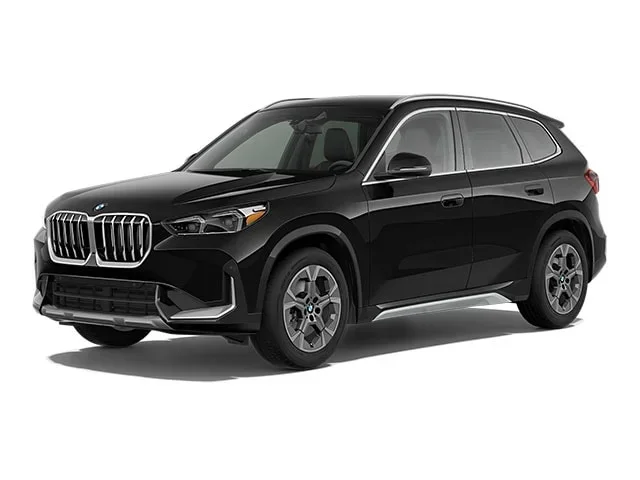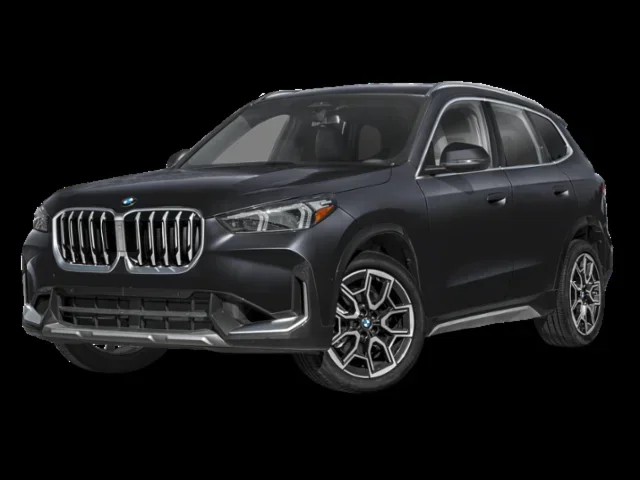
Featured image for BMW X1 xDrive28i exterior
Image source: media.chromedata.com
Is the BMW X1 xDrive28i a good car? Yes, it offers strong performance, standard all-wheel drive, and a premium interior, but potential buyers must watch for coolant leaks, timing chain wear, and higher maintenance costs compared to non-luxury rivals.
Shopping for a used luxury SUV can feel like walking through a minefield. You want the badge, the driving feel, and the features, but you do not want a repair bill that ruins your month. The BMW X1 xDrive28i sits right in the crosshairs of this dilemma. It promises BMW driving dynamics in a practical, affordable package. But does it deliver long-term value, or is it a money pit waiting to happen?
We have dug deep into owner forums, reliability data, and expert reviews to give you the unvarnished truth. This guide covers everything from the engine bay to the cargo floor. By the end, you will know exactly what to look for, what to avoid, and whether this compact crossover deserves a spot in your driveway.
Key Takeaways
- Solid Performance: The 2.0L turbo engine delivers 228 hp with quick acceleration and standard xDrive all-wheel drive.
- Above-Average Reliability: Newer models (2018+) score well, but early years (2013-2015) have notable timing chain and coolant issues.
- Premium Maintenance Costs: Expect to pay more for brakes, run-flat tires, and specialized fluids than mainstream brands.
- Practical Interior: Surprisingly roomy for a subcompact SUV with good cargo space and user-friendly tech.
- Strong Resale Value: Holds value better than many competitors, making certified pre-owned a smart buy.
- Run-Flat Tires Standard: Provide safety after a puncture but ride firmer and cost more to replace.
- Best Model Years: Target 2018 or newer for the updated B48 engine and improved reliability ratings.
📑 Table of Contents
- What Makes the BMW X1 xDrive28i Tick
- Driving Dynamics: Does It Feel Like a BMW?
- Interior, Tech, and Practicality
- Reliability and Common Problems: The Real Talk
- Maintenance Costs and Ownership Reality
- Buying Guide: Model Years, Trims, and Pricing
- How It Stacks Up: Direct Competitors
- Real World Ownership: What Owners Actually Say
- Is the BMW X1 xDrive28i a Good Car for You?
- Final Verdict
What Makes the BMW X1 xDrive28i Tick
The X1 entered the US market for the 2013 model year. It was BMW’s answer to the Audi Q3 and Mercedes GLA. The “xDrive28i” badge tells you two key things: it has all-wheel drive (xDrive) and the 2.0-liter turbocharged four-cylinder engine (28i).
Two Distinct Generations
There are two very different generations of this car. Knowing the difference is step one.
- First Generation (E84, 2013–2015): Built on a rear-wheel-drive platform. It feels sportier but has less rear legroom. It uses the N20 engine.
- Second Generation (F48, 2016–Present): Switched to a front-wheel-drive platform (UKL architecture). It is roomier, more efficient, and uses the B48 engine.
The switch to front-wheel-drive architecture upset purists, but it made the car much better for daily family duty. The second generation is the one you see most on used lots today.
The Heart of the Matter: N20 vs. B48 Engines
This is the single most important mechanical distinction.
The N20 Engine (2013–2015)
The early cars use the N20 engine. It makes 240 horsepower and 260 lb-ft of torque. It is powerful and tunable. However, it has a known weak point: the timing chain guide. The plastic guides can become brittle and shatter. If the chain jumps, the engine can destroy itself. BMW extended the warranty on this part to 7 years/70,000 miles, but many cars are now past that coverage.
The B48 Engine (2016+)
Starting in 2016, BMW swapped in the B48 engine. It is part of their modular engine family. It makes 228 hp and 258 lb-ft. It feels nearly identical to the driver but uses a more robust timing chain design. It also runs cooler and meets stricter emissions standards. If you want peace of mind, buy a 2016 or newer model.
The xDrive All-Wheel Drive System
Every “xDrive28i” comes with BMW’s xDrive system. On the first generation, it is a rear-biased system that can send 100% of power to the rear wheels. On the second generation, it is front-biased but can send 100% to the rear axle almost instantly.
In the real world, both work excellently. You get confident traction in rain, snow, and gravel. It is not an off-roader, but it handles bad weather better than almost any front-wheel-drive rival. The system adds weight and complexity, but the peace of mind is usually worth it.
Driving Dynamics: Does It Feel Like a BMW?
This is the reason you look at a BMW over a Toyota RAV4 or Honda CR-V. The X1 delivers a driving experience that punches above its weight class.
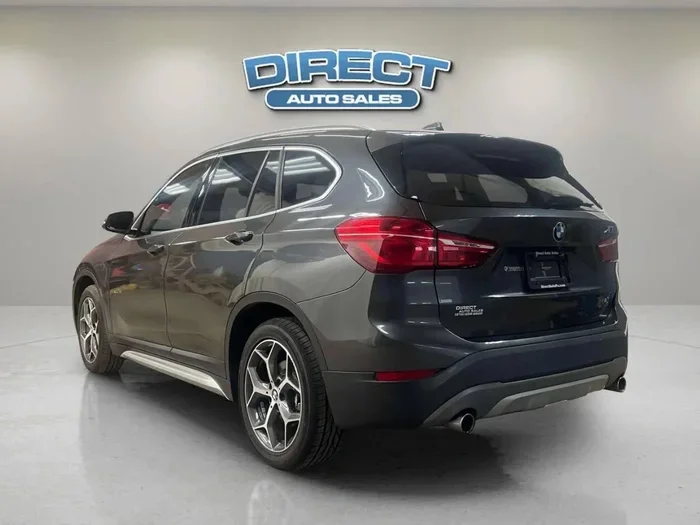
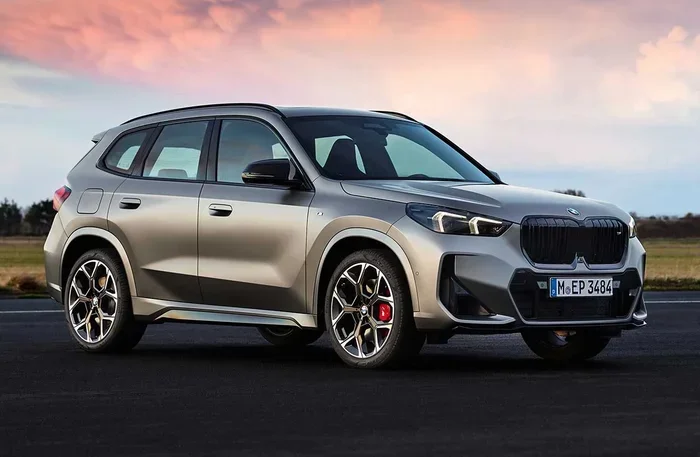
Visual guide about BMW X1 xDrive28i exterior
Image source: cdn05.carsforsale.com
Acceleration and Passing Power
Zero to sixty happens in about 6.3 to 6.6 seconds depending on the year. That is genuinely quick. The turbo torque hits low (around 1,350 rpm), so merging onto highways or passing on two-lane roads feels effortless. There is very little turbo lag. The 8-speed automatic transmission (ZF 8HP or Aisin on newer models) is smooth, smart, and responsive.
Steering and Handling
The steering is electrically assisted but weighted well. It offers actual feedback—you can feel the front tires biting. The chassis is stiff and balanced. Push it into a corner and it rotates neatly. It feels smaller than it is. Compared to an Audi Q3 or Volvo XC40, the X1 is the driver’s choice.
Ride Quality Trade-offs
Here is the catch. The sporty suspension transmits road imperfections. Run-flat tires (standard on most trims) have stiff sidewalls. They do not absorb potholes like standard tires. On rough city streets, the ride can feel busy or harsh. If you prioritize a cloud-like ride, test drive carefully. The M Sport suspension lowers the car further and stiffens it more—avoid it if you have bad roads.
Interior, Tech, and Practicality
BMW interiors used to be a weak point in this segment. The second generation fixed that.
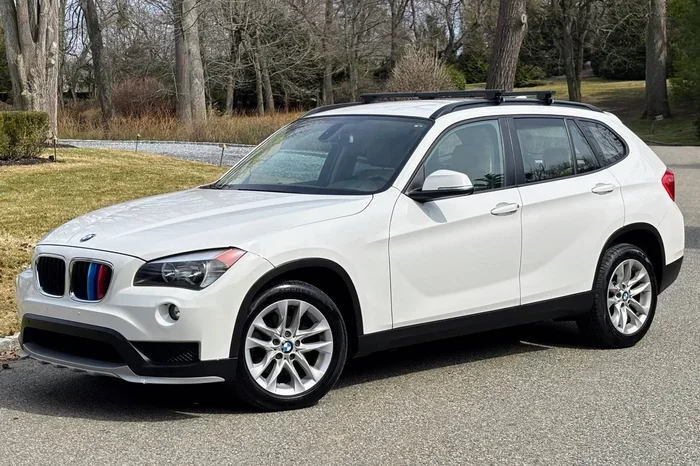
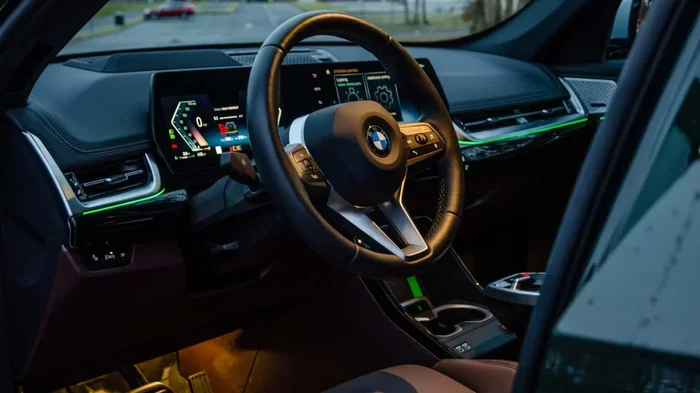
Visual guide about BMW X1 xDrive28i exterior
Image source: media.carsandbids.com
Materials and Build Quality
Soft-touch plastics cover the main touchpoints. The switchgear feels precise. The doors close with a satisfying thunk. It feels like a proper BMW, not a cheap entry-level car. The design is driver-centric, angled toward you. Optional Vernasca leather looks and wears well.
Space for People and Gear
Thanks to the front-drive platform, the second-gen X1 is surprisingly roomy.
- Front Seats: Excellent support, lots of adjustment. Tall drivers fit easily.
- Rear Seats: Two adults sit comfortably. Three is a squeeze. The floor is flat, helping the middle passenger.
- Cargo: 27.1 cubic feet behind the rear seats. 58.7 cubes with seats folded. That beats the Audi Q3 and Mercedes GLA. The load floor is low and flat.
Infotainment: iDrive is King
Early 2013-2015 models have the older CIC/iDrive 4/5 systems. They work but look dated. Graphics are basic. Navigation can be slow.
2016+ models get iDrive 6 or 7 with a larger screen (8.8 or 10.25 inches). It is one of the best systems in the business. Rotary controller operation is intuitive. Apple CarPlay and Android Auto are standard (wireless on newer years). The optional digital gauge cluster (Live Cockpit) looks fantastic.
Reliability and Common Problems: The Real Talk
Let’s address the elephant in the room. BMWs have a reputation. The X1 is generally above average for a European luxury car, but it is not a Lexus.
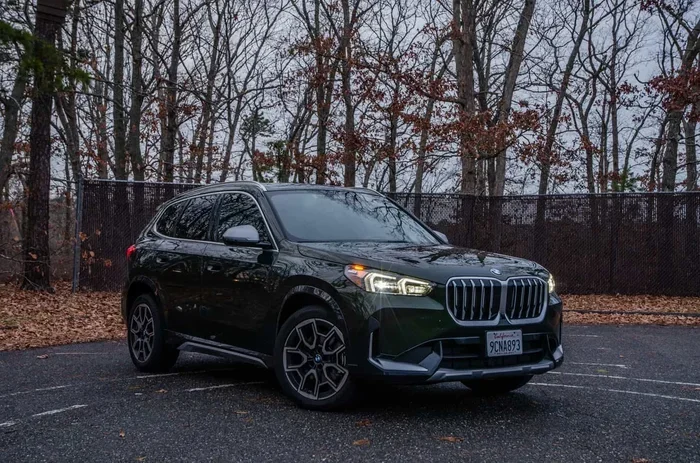
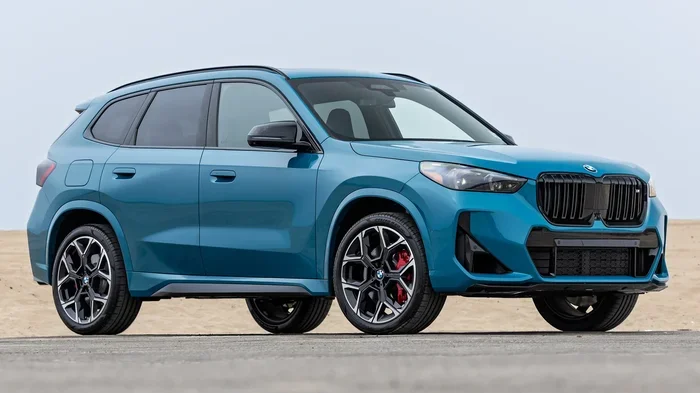
Visual guide about BMW X1 xDrive28i exterior
Image source: cdn.bmwblog.com
Top Issues to Watch For
1. Coolant Leaks (All Years)
This is the number one headache. The plastic coolant hoses, expansion tank, and water pump housing become brittle with heat cycles. You may smell sweet coolant or see pink/blue crust near the engine. Check the coolant level monthly. If you are buying used, insist on a cooling system pressure test. For more details on the specific fluid requirements, see our guide on choosing the right coolant for your BMW vehicle.
2. Timing Chain (N20 Engine Only)
As mentioned, 2013-2015 models with the N20 engine risk timing chain guide failure. Listen for a rattling noise on cold startup (like marbles in a can). If the car has had the updated tensioner and guides installed, keep the receipt. If not, budget $1,500–$2,500 for the job.
3. Oil Filter Housing Gasket Leaks
The B48 and N20 both can leak oil from the oil filter housing gasket. It drips onto the drive belt. A shredded belt can get sucked into the engine through the crank seal—catastrophic failure. If you see oil on the belt or lower engine, fix the gasket immediately ($300–$600).
4. Valve Cover and Gasket
The valve cover on these engines integrates the PCV valve. The cover can warp or crack, and the gasket leaks. This causes rough idle, check engine lights, and oil consumption. Replacement is a common maintenance item around 60k–80k miles.
5. Electronics and Sensors
Window regulators, door lock actuators, and parking sensors fail more often than Japanese rivals. The battery registers to the car; if you replace it yourself without coding, you can cause charging issues. Always register a new battery.
Reliability Data Snapshot
Consumer Reports and J.D. Power rate the 2018+ X1 as “Average” to “Above Average.” The 2013-2015 models rate “Below Average” largely due to the engine issues. Buying a Certified Pre-Owned (CPO) 2018+ model is the safest route. The CPO warranty adds 1 year/unlimited miles after the factory warranty expires.
Maintenance Costs and Ownership Reality
You are not buying a Camry. Accept that maintenance will cost more. However, the X1 is one of the cheaper BMWs to run.
Scheduled Maintenance
BMW offers “Ultimate Care” free maintenance for 3 years/36,000 miles on new cars. For used buyers, that is likely expired. Here is what you face:
- Oil Changes: Every 10,000 miles (or annually). Synthetic 0W-20 or 5W-30. Cost: $120–$180 at indie shop; $250+ at dealer.
- Brake Fluid: Every 2 years. Cost: $150–$200.
- Coolant: “Lifetime” fluid, but smart owners change it every 60k miles. Cost: $200–$300.
- Transfer Case & Rear Diff Fluid: Every 60k miles for xDrive models. Critical for longevity. Cost: $250–$400.
- Spark Plugs: Every 60k miles. Cost: $300–$500.
For a breakdown of what typical service visits include, check out what does BMW service include.
The Run-Flat Tire Factor
Most X1s come with run-flat tires. They let you drive 50 miles at 50 mph after a puncture. No spare tire in the trunk.
Pros: Safety, no changing tires on the highway.
Cons: Stiffer ride, louder, expensive ($250–$350 each), limited selection, cannot always be repaired.
Many owners switch to standard tires and carry a repair kit or spare. If you keep run-flats, rotate them every 5,000–7,500 miles religiously. Learn more about the pros and cons in our article on BMW run-flat tires design benefits and care.
DIY Friendliness
The B48 engine bay is packed but accessible. Oil changes, brakes, cabin/engine air filters, and battery swaps are very doable at home with basic tools. You need a scan tool (like Carly, BimmerCode, or Foxwell) to register the battery and reset service lights. Dealer labor rates ($180–$220/hr) make DIY or a good independent specialist highly attractive.
Buying Guide: Model Years, Trims, and Pricing
Best Model Years to Target
| Model Year | Verdict | Why |
|---|---|---|
| 2013–2015 | Caution | N20 timing chain risk. Cooling system leaks. Older tech. Only buy with full records and updated timing components. |
| 2016 | Good | First year of B48 engine. New platform. Better space. Early iDrive 6. Great value sweet spot. |
| 2017 | Good | CarPlay added mid-year. Minor refinements. |
| 2018 | Best Buy | Standard CarPlay. Improved reliability scores. CPO eligible. Modern safety tech standard. |
| 2019–2021 | Excellent | Live Cockpit digital dash available. Refined B48. Best tech/features balance. |
| 2022+ | New Generation (U11) | Redesigned. Larger. iDrive 8. Higher price. Not covered in this review. |
Trim Levels Explained
- sDrive28i: Front-wheel drive. Cheaper, better MPG, lighter. Skip if you see snow.
- xDrive28i: All-wheel drive. The sweet spot. Standard on most certified cars.
- Base / xLine / M Sport: Base has 18-inch wheels, leatherette. xLine adds roof rails, 19s, exterior trim. M Sport adds sport seats, steering wheel, suspension, 19s/20s, aero kit. M Sport looks best but rides hardest.
Must-Have Options
When scanning listings, filter for these. They make daily life better and help resale:
- Premium Package: Heated seats, power tailgate, satellite radio, upgraded lighting. Essential.
- Driving Assistance Package: Blind spot, lane departure, front/rear parking sensors, rear cross-traffic alert. Highly recommended.
- Navigation / Live Cockpit: Built-in nav is better than phone projection for dead zones. Digital dash is a flex.
- Panoramic Sunroof: Opens up the cabin. Check drains for clogs (water leaks).
- Head-Up Display: Projects speed/nav on windshield. Very cool, very useful.
Current Market Pricing (Rough Estimates)
- 2016–2017 (60k–90k mi): $18,000 – $22,000
- 2018–2019 (40k–70k mi): $23,000 – $28,000
- 2020–2021 (20k–50k mi): $29,000 – $34,000
- CPO Premium: Add $1,500–$3,000 for factory warranty backup.
How It Stacks Up: Direct Competitors
You should cross-shop. Here is how the X1 xDrive28i compares to its main rivals.
| Vehicle | Pros vs X1 | Cons vs X1 | Verdict |
|---|---|---|---|
| Audi Q3 (2019+) | Better ride quality; superior virtual cockpit; quieter cabin | Less engaging drive; tighter rear seat; smaller cargo; conservative styling | Pick Audi for comfort/tech. Pick BMW for driving feel. |
| Mercedes GLA 250 | Flashier interior; MBUX voice control; smoother ride | Numb steering; less cargo space; higher maintenance costs; complex electronics | Mercedes feels more “luxury,” BMW feels more “sport.” |
| Volvo XC40 | Unique styling; amazing seats; standard safety; Google Android Auto OS | Choppy ride; sluggish base engine; quirky controls; reliability questions | Volvo wins on style/safety. BMW wins on engine/transmission polish. |
| Lexus UX 250h | Bulletproof reliability; amazing MPG (hybrid); low running costs | Slow; tiny cargo; terrible infotouch pad; cramped rear seat; FWD only mostly | Lexus for appliance reliability. BMW for driving enjoyment. |
| Acura RDX | More power (turbo VTEC); SH-AWD standard; more space; better warranty | Heavier; dual-screen infotainment learning curve; firmer ride; worse MPG | RDX is the practical alternative. X1 is the compact handler. |
Real World Ownership: What Owners Actually Say
We scoured forums (BimmerFest, X1 subreddit, BMW CCA) for patterns. Here is the consensus:
The Good
- “Best daily driver I’ve owned. Fast enough, fits the dog, parks anywhere.”
- “B48 engine is bulletproof so far. 80k miles, just oil and brakes.”
- “xDrive in snow with winter tires is unstoppable.”
- “iDrive is miles ahead of my wife’s Audi MMI.”
- “CPO warranty paid for itself with a water pump and valve cover repair.”
The Bad
- “Run-flats ruined the ride. Swapped to Michelin CrossClimate 2—night and day difference.”
- “Coolant leak at 45k miles. Plastic hose cracked. $600 at indie shop.”
- “Door lock actuator failed twice. $300 each time.”
- “Tire wear is real. Inner edges wear fast on lowered M Sport. Alignment specs are tight.”
- “No spare tire stresses me out on road trips.”
The “Pro Tips” from Long-Term Owners
- Buy a set of winter wheels/tires. Keeps your expensive run-flats/ summers safe. Transforms winter driving.
- Find a good independent BMW specialist. Dealer prices are 40-60% higher for the same work.
- Change fluids early. “Lifetime” fluids are marketing. Diff/transfer case fluid at 50k saves $3k diff replacement.
- Check the battery date. AGM batteries last 5-7 years. Register the new one!
- Keep the drain holes clean. Sunroof and door drains clog → wet carpets → mold/electrical gremlins.
- Use Top Tier gas. Turbo direct injection engines hate carbon buildup. Cheap gas = walnut blasting later.
Is the BMW X1 xDrive28i a Good Car for You?
Let’s make the decision simple.
Buy It If:
- You want a luxury badge that actually drives like a sports sedan.
- You need AWD for weather but want a small footprint for city parking.
- You enjoy driving and hate the “appliance” feel of a RAV4/CR-V.
- You can budget $1,000–$1,500/year for maintenance/repairs (post-warranty).
- You are looking at 2016+ models (ideally 2018+ CPO).
Walk Away If:
- You want Toyota reliability and $50 oil changes.
- You have terrible roads and want a soft, isolated ride.
- You need three car seats across the back row.
- You are looking at a 2013-2015 model without proof of timing chain repair.
- You plan to keep it 150k+ miles without doing any DIY or specialist maintenance.
Final Verdict
The BMW X1 xDrive28i is a genuinely good car—perhaps the best driver’s car in the subcompact luxury SUV class. The second generation (2016+) with the B48 engine is a smart used buy. It balances practicality, performance, and prestige better than its German rivals.
It is not perfect. The cooling system needs vigilance. The run-flat tires compromise comfort. Maintenance costs are real. But if you go in with eyes open—buying a well-maintained 2018+ CPO example, finding a trusted indie mechanic, and budgeting for wear items—you get a vehicle that makes every commute enjoyable without breaking the bank.
It delivers the “Ultimate Driving Machine” promise in a package that fits your life. That is a rare combination.
Frequently Asked Questions
What is the difference between sDrive and xDrive on the BMW X1?
sDrive is front-wheel drive only, while xDrive is BMW’s all-wheel drive system. xDrive adds traction for snow and rain but costs more to buy and maintain. Most buyers in northern climates prefer xDrive.
Does the BMW X1 xDrive28i require premium gas?
Yes, BMW recommends 91 octane or higher for the turbocharged engine. Using regular gas can cause knocking, reduced performance, and potential long-term carbon buildup. The small savings at the pump aren’t worth the risk.
How long do BMW X1 engines last?
With proper maintenance, the B48 engine (2016+) can easily exceed 200,000 miles. The N20 engine (2013-2015) can also last long if the timing chain guides were updated. Regular oil changes with LL-01 approved synthetic oil are critical.
Is the BMW X1 expensive to insure?
Insurance costs are slightly above average for the segment due to luxury parts and repair costs. However, it is generally cheaper to insure than larger BMW SUVs like the X3 or X5. Rates vary heavily by location and driver profile.
Can I put regular tires on a BMW X1 instead of run-flats?
Yes, many owners switch to standard tires for a better ride and lower cost. You must carry a tire repair kit or purchase a compact spare tire kit, as there is no spare tire well in the trunk. Ensure the new tires meet the load rating.
What year BMW X1 is most reliable?
The 2018 through 2021 model years are widely considered the most reliable. They feature the updated B48 engine, improved iDrive technology, and have matured through early production fixes. Certified Pre-Owned examples from these years offer the best peace of mind.