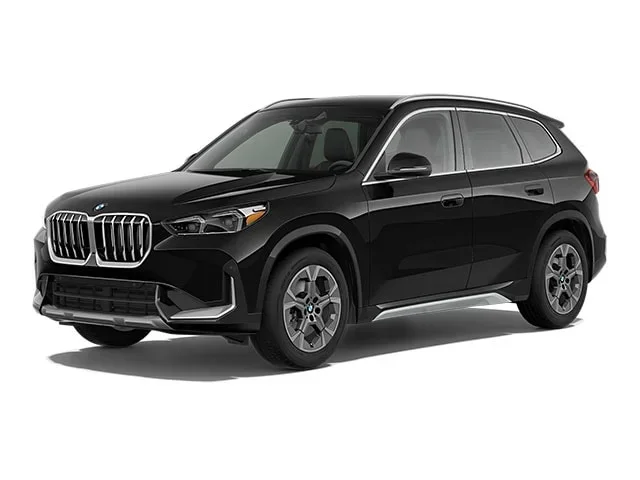
Featured image for 2014 BMW X1 exterior
Image source: autodetective.com
Is the 2014 BMW X1 a good car? Yes, the 2014 BMW X1 is a solid used luxury SUV choice if you prioritize driving dynamics and utility over plush ride comfort. It offers sporty handling, versatile cargo space, and two strong turbocharged engine options. However, potential buyers must budget for higher-than-average maintenance and address known weak points like the timing chain (N20) or wastegate rattle (N55) to ensure long-term reliability.
Shopping for a used luxury crossover often feels like walking a tightrope. You want the badge, the features, and the driving feel, but you dread the repair bills that often follow German engineering out of warranty. The 2014 BMW X1 sits right in the middle of this dilemma. It is the final model year of the first generation (E84), a vehicle that BMW marketed as a Sports Activity Vehicle rather than a traditional SUV. That distinction matters. It tells you exactly what this car prioritizes: driving engagement over off-road prowess.
If you are asking is the 2014 BMW X1 a good car, the short answer is yes—but with caveats. It is a good car for the driver who enjoys a connection to the road. It is less ideal for the passenger who wants a magic carpet ride. In this deep dive, we will break down the engines, the driving experience, the specific failure points to watch for, and the real cost of keeping one on the road. By the end, you will know exactly what to look for on a test drive and what questions to ask the seller.
Key Takeaways
- Sporty Handling: The 2014 X1 drives more like a hot hatch than a tall SUV, offering sharp steering and minimal body roll.
- Two Engine Choices: Pick the efficient 4-cylinder (sDrive28i/xDrive28i) or the potent inline-6 (xDrive35i) based on your power needs.
- Known Reliability Issues: Watch for N20 timing chain guides and N55 wastegate rattle; both can lead to expensive repairs if ignored.
- Firm Ride Quality: The stiff suspension transmits road imperfections directly to the cabin, which may bother passengers on rough roads.
- Maintenance Costs: Budget for premium fuel, run-flat tire replacements, and synthetic oil changes; costs run higher than non-luxury rivals.
- Practical Interior: Despite compact dimensions, the rear seats slide and fold flat, offering surprising cargo versatility for the class.
- Check Service History: A documented history of oil changes every 5,000–7,500 miles is the single best predictor of a healthy used purchase.
📑 Table of Contents
- First Generation Context: The E84 Platform
- Engine Lineup: N20 Four-Cylinder vs. N55 Inline-Six
- Driving Dynamics: Sports Car in Disguise
- Interior, Space, and Practicality
- Common Problems & Reliability Deep Dive
- Maintenance Costs & Ownership Reality
- Buying Guide: How to Pick a Winner
- 2014 BMW X1 vs. The Competition
- Is the 2014 BMW X1 a Good Car for You?
- Expert Insight: The “Sweet Spot” Spec
- Frequently Asked Questions
- Final Verdict
First Generation Context: The E84 Platform
The 2014 model year marks the end of the road for the original X1 chassis, internally designated E84. Launched in 2012 for the US market, this generation was unique. Unlike its rivals—the Audi Q3 or the Mercedes-Benz GLK—the X1 was built on a modified version of the 3 Series (E90/E91) platform. It uses a longitudinal engine layout and a true front-mid engine position. This architecture gives it a near 50/50 weight distribution, a hallmark of classic BMW handling.
Because it shares bones with the 3 Series wagon, the X1 feels planted. It doesn’t have the high center of gravity vague steering feel common in taller crossovers. For 2014, changes were minimal. BMW added a few standard features like the rearview camera and updated iDrive software, but mechanically, it carries over the 2013 specs. This is actually good news for buyers. The “bugs” of the early 2012 launch were largely sorted by this final production run.
Engine Lineup: N20 Four-Cylinder vs. N55 Inline-Six
The biggest decision you face is under the hood. The 2014 X1 came in three main trims: sDrive28i (RWD), xDrive28i (AWD), and xDrive35i (AWD only). The “28i” models use the N20 2.0L TwinPower Turbo inline-4. The “35i” uses the N55 3.0L TwinPower Turbo inline-6. Both are excellent engines, but they have vastly different personalities and maintenance profiles.

Visual guide about 2014 BMW X1 exterior
Image source: platform.cstatic-images.com
The N20 2.0L Turbo Four-Cylinder (sDrive28i / xDrive28i)
This engine produces 240 horsepower and 260 lb-ft of torque. It is punchy, light, and returns the best fuel economy in the lineup (EPA estimated 22 city / 32 highway for RWD). The N20 makes the X1 feel surprisingly quick. The turbo spools fast, eliminating much of the lag found in older turbo fours. It pulls hard from 1,500 rpm all the way to redline.
However, the N20 has a well-documented Achilles’ heel: the timing chain guide. Early production N20 engines (roughly 2011–early 2015) used plastic timing chain guides that become brittle with heat cycles. They can shatter, causing the chain to skip or snap. This destroys the engine. By 2014, BMW had introduced updated parts (metal-backed guides), but the timeline overlaps. If you are looking at a 28i model, you must verify if the timing chain components have been upgraded. If not, budget $1,500–$2,500 for a preventative replacement immediately. For a deeper look at how this engine fits into the broader BMW lineup, see our guide on exploring BMW models equipped with the N55 engine which contrasts the four and six-cylinder applications.
The N55 3.0L Turbo Inline-Six (xDrive35i)
Many enthusiasts consider the xDrive35i the “unicorn” of the lineup. It packs 300 horsepower and 300 lb-ft of torque. It rockets the X1 to 60 mph in about 5.3 seconds. The inline-six smoothness is something a four-cylinder simply cannot replicate. It delivers linear power delivery and a glorious intake note. Fuel economy drops to 18 city / 27 highway, but the driving experience is on another level.
The N55 is generally more robust than the N20. It uses a single twin-scroll turbo and Valvetronic. The main weak point is the electric wastegate actuator. On high-mileage examples, the actuator motor fails or the wastegate flap develops play, causing a distinct “rattle” at idle or low load. It throws a check engine code (usually 30FF or similar boost codes). The fix is replacing the turbocharger assembly or just the actuator if caught early. It is less catastrophic than a timing chain failure but still a $1,500–$2,500 job. The N55 also uses an electric water pump and thermostat, which are wear items around 80k–100k miles.
Transmission: The ZF 8HP Automatic
All 2014 X1 models use the ZF 8HP 8-speed automatic transmission. It is widely considered one of the best automatics ever made. Shifts are imperceptible in comfort mode and lightning-fast in sport mode. It locks up the torque converter aggressively, improving both fuel economy and response. Critical maintenance note: BMW calls this “lifetime fluid.” Do not believe it. Change the fluid and filter every 60,000 miles. A fluid change costs $300–$500; a transmission replacement costs $6,000+.
Driving Dynamics: Sports Car in Disguise
This is where the 2014 X1 shines brightest. Because of that longitudinal engine and 3 Series underpinnings, the steering is hydraulic (on most early builds) or early electric assist with excellent weighting. It communicates texture and weight transfer beautifully. Turn-in is sharp. You can place the front tires exactly where you want them.

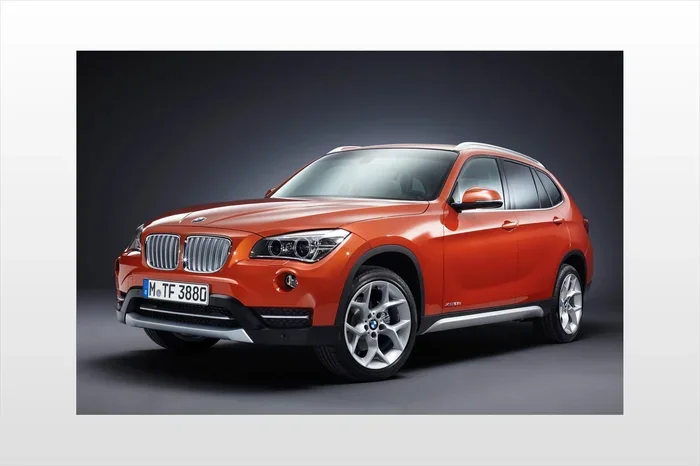
Visual guide about 2014 BMW X1 exterior
Image source: file.kelleybluebookimages.com
The xDrive all-wheel-drive system defaults to a 40/60 front/rear torque split but can send 100% to the rear axle instantly. This preserves the RWD feel in corners while providing incredible traction in rain or snow. The sDrive28i (RWD) is lighter by ~150 lbs and has a tighter turning circle, making it the purist’s choice for dry climates.
The Trade-off: Ride Quality. The suspension is stiff. Run-flat tires (standard on almost all models) have reinforced sidewalls that do not absorb impacts. Combined with short suspension travel, the ride is busy. You feel every expansion joint and pothole. Rear passengers often complain more than the driver. If you live in an area with crumbling asphalt, test drive carefully. Swapping to non-run-flat tires transforms the ride, but you lose the spare tire well (there isn’t one) and need a mobility kit or roadside assistance plan.
Interior, Space, and Practicality
Step inside, and the age shows. The dashboard design is pure E90 3 Series—angular, driver-centric, and button-heavy. It lacks the massive curved screens of modern BMWs, but the ergonomics are arguably better. Physical buttons for climate, radio, and navigation are intuitive. The iDrive controller (CCC system on early 2014s, possibly NBT on later builds) controls the 6.5-inch or optional 8.8-inch screen. It works well, though graphics look dated.

Visual guide about 2014 BMW X1 exterior
Image source: cdn.jdpower.com
Seating and Cargo Versatility
The front seats are supportive with excellent bolstering—great for corners, maybe tight for broader shoulders. The rear bench is the surprise star. It slides forward and back (approx. 4 inches) and reclines. Slide it back for adult legroom (decent for 6-footers); slide it forward to expand the trunk. With seats up, you get 27.6 cubic feet. Folded flat (40/20/40 split), it opens to 58.7 cubic feet. The load floor is nearly flat. It swallows Costco runs, bikes (front wheel off), and small furniture easily. It is significantly more practical than a 3 Series wagon.
Build Quality Quirks
Materials are a mix. Soft-touch plastics on top, hard scratchy plastics on lower doors and center console. The panoramic sunroof shade (if equipped) often develops a rattle. The driver’s seat lumbar support bladder can fail. The tailgate struts weaken over time, causing the hatch to drop on your head in cold weather. These are annoyances, not dealbreakers.
Common Problems & Reliability Deep Dive
Let’s get specific about what breaks. Knowing these lets you negotiate price or walk away.
1. Timing Chain Components (N20 Engine)
As mentioned, this is the #1 risk. Symptoms: rattling on cold start (goes away after 2 seconds), check engine light (camshaft correlation codes), rough idle. Action: Ask for receipts. If none exist, assume it needs doing. The updated kit includes metal-backed guides, a new chain, tensioner, and sprockets.
2. Valve Cover & Gasket Leaks (Both Engines)
BMW valve covers are plastic and integrate the PCV valve. They warp and crack. The gasket shrinks. Oil leaks onto the exhaust manifold, causing a burning smell and smoke. On the N55, oil can drip onto the serpentine belt, shredding it and potentially pulling it past the front crank seal. Fix: Replace valve cover assembly (~$400 parts) and gasket. Do the belt while you’re there.
3. Oil Filter Housing Gasket (OFHG) Leaks
Classic BMW issue. The gasket between the oil filter housing and engine block fails. Oil leaks down the side of the block, often mistaken for a rear main seal leak. It coats the serpentine belt. Fix: ~$50 gasket, 2 hours labor. DIY friendly.
4. Cooling System: Water Pump & Thermostat
Electric water pumps fail without warning. The thermostat fails open (car runs cold, bad MPG, no heat) or closed (overheating). Preventative: Replace both at 80k–90k miles. Use OEM (Pierburg/Continental) or high-quality aftermarket (Graf).
5. Transfer Case Fluid (xDrive Models)
The transfer case (VTG) uses specific fluid (BMW TF 0870 / Shell TF 0870). It should be changed every 50k miles. Neglect leads to binding, shudder on tight turns, and eventual unit failure ($2,500+). It holds less than 1 liter. Easy DIY.
6. Front Control Arm Bushings (FCABs)
The front thrust arms (control arms) use fluid-filled bushings. They leak hydraulic fluid. Symptoms: steering wheel shake at highway speeds (60-70 mph), clunk over bumps, vague steering. Fix: Replace arms (Lemforder or Meyle HD) and get an alignment. Do both sides.
7. Run-Flat Tire Costs
You cannot rotate staggered setups (wider rear tires on 35i/sport packages). You replace rears twice as often as fronts. A set of four run-flats runs $1,000–$1,500 mounted. Many owners switch to Michelin Pilot Sport A/S 4 or Continental DWS06 non-run-flats for better ride, grip, and price. Read more about the pros and cons in our article what are BMW run-flat tires design benefits and care.
Maintenance Costs & Ownership Reality
Let’s talk money. The purchase price is the down payment; maintenance is the mortgage.
| Service Item | Interval | Est. Cost (Indy Shop) | Est. Cost (Dealer) |
|---|---|---|---|
| Synthetic Oil Change (LL-01) | 5,000 – 7,500 mi | $120 – $180 | $250 – $350 |
| Brake Fluid Flush | 2 Years | $100 – $150 | $200 – $280 |
| Coolant Flush | 4 Years / 60k mi | $150 – $220 | $300 – $400 |
| Transfer Case Fluid (xDrive) | 50k mi | $80 – $120 | $180 – $250 |
| Transmission Fluid/Filter | 60k mi | $350 – $500 | $600 – $800 |
| Spark Plugs (N20) | 45k – 60k mi | $200 – $300 | $400 – $550 |
| Spark Plugs (N55) | 60k mi | $250 – $350 | $450 – $600 |
| Ignition Coils (Set of 4/6) | As needed / 60k mi | $150 – $250 / $220 – $350 | $300 – $450 / $450 – $650 |
| Walnut Blasting (Intake Valves) | 60k – 80k mi | $400 – $600 | $800 – $1,200 |
Walnut Blasting: Direct injection engines (both N20 and N55) suffer from carbon buildup on intake valves. Fuel no longer washes the valves. Symptoms: cold start misfires, rough idle, power loss. Walnut shell blasting cleans them. It is a necessary maintenance item, not a repair.
DIY Potential: The X1 is very DIY friendly. The engine bay has room. Oil changes, brakes, battery registration (need scanner), OFHG, coils, plugs, filters, and transfer case fluid are all doable in a driveway with basic tools. Doing your own work cuts costs by 60-70%.
Buying Guide: How to Pick a Winner
You’ve decided to pull the trigger. Here is your checklist for the test drive and inspection.
Pre-Purchase Inspection (PPI) – Non-Negotiable
Spend $150–$250 at an independent BMW specialist. Not a general mechanic. A specialist has the ISTA software to read shadow codes, check adaptation values, and verify timing chain adaptations (crank/cam correlation). They will put it on a lift to check for leaks, bushing play, and tire wear patterns.
Cold Start Test
Arrive early. Ensure the engine is stone cold. Start it. Listen for:
- Rattle (1-3 sec): Timing chain tensioner (N20) or VANOS solenoids.
- Metallic rattle at idle (hot): N55 wastegate.
- Blue smoke: Valve stem seals or turbo seals.
- White smoke (sweet smell): Coolant leak (head gasket – rare but fatal).
Test Drive Protocol
- Steering shake: Accelerate to 65-70 mph. Does the wheel vibrate? (FCABs or tire balance).
- Driveline clunk: From a stop, accelerate moderately then lift abruptly. Feel a “thunk” in the floor? (Driveshaft guibo/center support bearing or transfer case wear).
- Transmission smoothness: Cold upshifts 2-3, 3-4 should be seamless. Harsh downshifts when braking? (Mechatronic sleeve or valve body wear).
- Brakes: Pulsation? Grooves on rotors? Pad life remaining?
- HVAC: Test heat and A/C. Blend door actuators fail. Clicking behind dash = actuator.
- Electronics: Test every button. Sunroof, windows, locks, mirrors, seat memory, iDrive knob, Bluetooth, USB, parking sensors, camera.
Vehicle History Report & Service Records
Carfax/AutoCheck for accidents. But service records are gold. Look for:
- Oil changes every 5k-7.5k miles (not 15k CBS intervals).
- Brake fluid every 2 years.
- Coolant flush history.
- Transfer case fluid (xDrive).
- Timing chain replacement receipt (N20).
- Water pump/thermostat receipts.
A thick folder of receipts from a BMW indie shop is worth more than a “clean Carfax” with zero paperwork.
2014 BMW X1 vs. The Competition
How does it stack up against 2014 rivals?
| Vehicle | Drivetrain Layout | Handling | Ride Comfort | Reliability Reputation | Cargo Space |
|---|---|---|---|---|---|
| 2014 BMW X1 | Longitudinal F/R / AWD | ★★★★★ (Best in class) | ★★☆☆☆ (Firm) | ★★★☆☆ (Avg/High Maint) | 27.6 / 58.7 cu ft |
| 2014 Audi Q3 | Transverse FWD / Haldex AWD | ★★★☆☆ (Safe, understeer) | ★★★★☆ (Compliant) | ★★★★☆ (Solid 2.0T) | 16.7 / 50.4 cu ft |
| 2014 Mercedes GLK | Longitudinal RWD / 4MATIC | ★★★☆☆ (Truck-like) | ★★★★☆ (Supple) | ★★★★☆ (V6 reliable) | 23.3 / 54.7 cu ft |
| 2014 Volvo XC60 | Transverse FWD / AWD | ★★★☆☆ (Safe, heavy) | ★★★★★ (Best seats/ride) | ★★★★☆ (T5/T6 solid) | 29.9 / 67.4 cu ft |
The X1 wins on driving fun and cargo efficiency. The Q3 and GLK feel more “SUV-like” (higher seating, softer). The XC60 is larger, safer, and more comfortable but less engaging. If you want a BMW 3 Series wagon with a lift kit, the X1 is the only answer.
Is the 2014 BMW X1 a Good Car for You?
Let’s match the car to the buyer.
Buy It If:
- You enjoy driving. You take the long way home for the corners.
- You need AWD traction (xDrive) but hate the vague steering of transverse-engine crossovers.
- You have a trusted independent BMW mechanic or are willing to DIY.
- You want a luxury badge and interior without the massive footprint of an X3/X5.
- You can find one with 60k–90k miles, full service history, and the N20 timing chain already done.
Walk Away If:
- Your daily commute is pothole-ridden city streets and you have back issues.
- You want “set it and forget it” Toyota/Honda reliability.
- You plan to take it to the dealer for every oil change (costs will hurt).
- You need three rows or serious towing (35i tows 3,500 lbs max; 28i is not rated for towing in US).
- The seller has zero records and the price seems “too good to be true.” It is.
Expert Insight: The “Sweet Spot” Spec
If I were spending my own money today, I would hunt for a 2014 xDrive28i with the N20 engine that has verified timing chain replacement (receipt in hand). Why? It hits the best balance. The N20 is lighter over the nose than the N55, improving turn-in. It gets 30+ mpg on the highway. xDrive gives you the security of AWD with the rear-biased feel. It avoids the N55’s wastegate and electric water pump complexity (though N20 has electric water pump too). It is the most pragmatic enthusiast choice.
If you want the “forever car” and don’t care about gas mileage, find a low-mileage xDrive35i with M Sport package. The M Sport adds the sport steering wheel, 18/19-inch wheels, shadowline trim, and the gorgeous aerodynamic body kit. The N55 soundtrack is addictive. Just budget $3k for immediate preventative maintenance (water pump, thermostat, OFHG, valve cover, transfer case fluid, transmission fluid, walnut blast) unless receipts prove recent work.
Frequently Asked Questions
Does the 2014 BMW X1 require premium gas?
Yes, BMW recommends 91 octane or higher for both the N20 and N55 engines. The engine management software adjusts timing for lower octane, but you will lose power, fuel economy, and risk carbon buildup or knock sensor issues over time. The cost difference is roughly $3–$5 per tank; treat it as mandatory maintenance.
What is the difference between sDrive and xDrive on the 2014 X1?
sDrive is BMW’s marketing term for rear-wheel drive (RWD). xDrive is their all-wheel-drive system. sDrive28i is lighter, cheaper to maintain (no transfer case, front axles, front diff), and has a tighter turning circle. xDrive28i/35i adds a transfer case and front driveline for superior traction in snow/rain. In dry pavement handling, sDrive feels slightly more agile; xDrive feels more planted exiting corners.
Is the 2014 BMW X1 good in snow?
With xDrive and a set of dedicated winter tires (Blizzak WS90, Michelin X-Ice, Continental VikingContact), the X1 is exceptional in snow. The near 50/50 weight distribution and rear-biased AWD system provide predictable, controllable handling. With sDrive (RWD), winter tires are mandatory, and you will struggle in deep unplowed snow compared to AWD. All-season run-flats are useless in real winter conditions.
How long will a 2014 BMW X1 last?
With meticulous maintenance (oil every 5k, cooling system refresh at 90k, transmission fluid at 60k, timely gasket replacements), both the N20 and N55 engines can exceed 200,000 miles. The chassis and electrical systems generally hold up well. The limiting factor is usually the owner’s willingness to pay for preventative maintenance on a depreciated asset. Neglected examples often die young (120k–150k) from cooling system failures or timing chain catastrophic failure.
Does the 2014 X1 have Apple CarPlay or Android Auto?
No. The 2014 model uses the older CCC or early NBT iDrive systems which do not support smartphone mirroring natively. You can add aftermarket CarPlay/Android Auto interfaces (like BimmerTech or CarPlay MMI boxes) that plug into the quadlock connector behind the screen. Installation takes 1–2 hours and retains factory controls. It is a highly recommended upgrade.
What does BMW Certified Pre-Owned (CPO) cover on a 2014 model?
As of 2024, a 2014 model is too old for the standard BMW CPO program (usually covers vehicles up to 5-6 model years old with <60k miles). Some dealers offer "BMW Value Service" or third-party warranties. Be very careful with aftermarket warranties; many exclude turbochargers, high-pressure fuel pumps, and electronics—the exact things that fail on these cars. A thorough PPI is better than a questionable warranty. You can learn more about what certified coverage entails in our guide on BMW certified warranty essential coverage.
Final Verdict
So, is the 2014 BMW X1 a good car? Absolutely. It is a brilliant driver’s tool disguised as a crossover. It offers a driving experience that its transverse-engine competitors simply cannot match. The engines are powerful and tunable. The utility is genuine. The styling has aged gracefully—it still looks modern.
But it is not an appliance. It demands respect. It demands a maintenance budget. It demands an owner who reads the forum threads, finds a good indie shop, or turns their own wrenches. If you treat it like a Camry—ignoring rattles, stretching oil changes, buying cheap tires—it will punish you financially. If you treat it like the precision German machine it is, it will reward you with 150,000+ miles of smiles per gallon.
Do your homework. Verify the timing chain (N20) or wastegate (N55). Check the service records. Buy the best example you can afford, not the cheapest. The $2,000 you save on a rough example will vanish in your first repair bill. The $2,000 you spend extra on a pristine, documented car buys you peace of mind. Happy hunting.