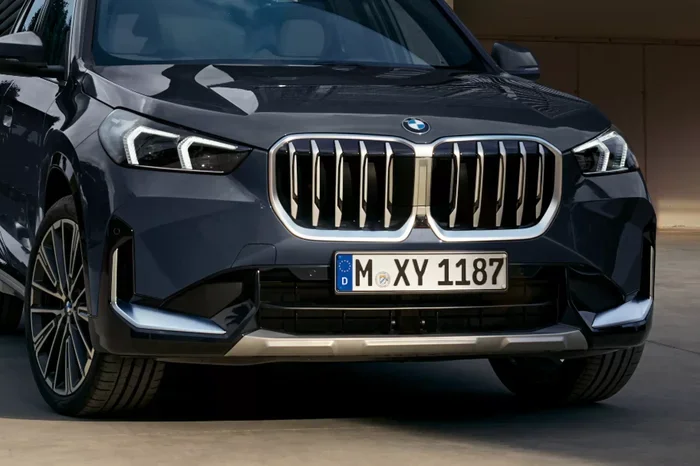
Featured image for BMW X1 SUV exterior
Image source: bmw.scene7.com
Is Bmw X1 Worth It for your next compact SUV? This guide breaks down performance, interior space, ownership costs, and real‑world reliability so you can decide with confidence.
If you’re shopping for a compact luxury crossover, you’ve probably asked yourself Is Bmw X1 Worth It. The answer isn’t a simple yes or no. It depends on what you value most: driving fun, badge prestige, practicality, or long‑term cost. In this article we’ll walk through every angle so you can make an informed decision.
We’ll look at engine choices, fuel economy, interior quality, technology, reliability data, maintenance expenses, resale numbers, and how the X1 compares to its closest rivals. By the end you’ll know exactly whether the BMW X1 fits your lifestyle and budget.
Key Takeaways
- Strong performance: Turbocharged engines give lively acceleration and decent fuel economy.
- Premium interior: High‑quality materials, intuitive iDrive, and ample front‑seat room.
- Above‑average reliability: Fewer major issues than many rivals, especially with regular service.
- Higher maintenance costs: Expect premium‑brand pricing for parts and labor.
- Good resale value: Holds value better than most non‑luxury crossovers.
- Competitive safety: Top scores from IIHS and NHTSA across the board.
- Consider alternatives: Audi Q3 and Mercedes‑Benz GLA offer similar prestige with different trade‑offs.
📑 Table of Contents
- Is Bmw X1 Worth It? Overview of the Compact SUV
- Performance, Fuel Economy, and Driving Dynamics
- Interior Space, Technology, and Comfort
- Reliability, Maintenance Costs, and Common Issues
- Resale Value, Warranty, and Ownership Experience
- How the BMW X1 Stacks Up Against Competitors
- Final Verdict: Is Bmw X1 Worth It for You?
Is Bmw X1 Worth It? Overview of the Compact SUV
What the X1 Brings to the Table
The BMW X1 slots into the entry‑level luxury SUV segment. It shares its platform with the 2 Series Gran Coupe, which means a front‑wheel‑drive bias with optional xDrive all‑wheel drive. The current generation (U11) debuted for the 2023 model year and received a sharper design, larger screens, and a mild‑hybrid 48‑volt system on most trims.
Trim Walk‑Through
- sDrive28i – Front‑wheel drive, 2.0 L turbo‑four, 241 hp.
- xDrive28i – All‑wheel drive, same engine, better traction.
- M35i – Performance‑tuned 300 hp, sport suspension, unique styling.
All trims come standard with LED headlights, a 10.25‑inch digital gauge cluster, and a 10.7‑inch central touchscreen running iDrive 9. Optional packages add a head‑up display, Harman Kardon audio, and a panoramic sunroof.
Quick Tips for First‑Time Buyers
- Test drive both sDrive and xDrive to feel the traction difference.
- Check the “M Sport” package if you want firmer suspension and sport seats.
- Ask the dealer about current lease incentives – they can be very attractive.
Performance, Fuel Economy, and Driving Dynamics
Engine and Transmission
The 2.0‑liter TwinPower Turbo four‑cylinder delivers 241 hp and 295 lb‑ft of torque in the 28i models. The M35i bumps output to 300 hp and 332 lb‑ft. All versions use an 8‑speed Steptronic automatic that shifts quickly and smoothly.
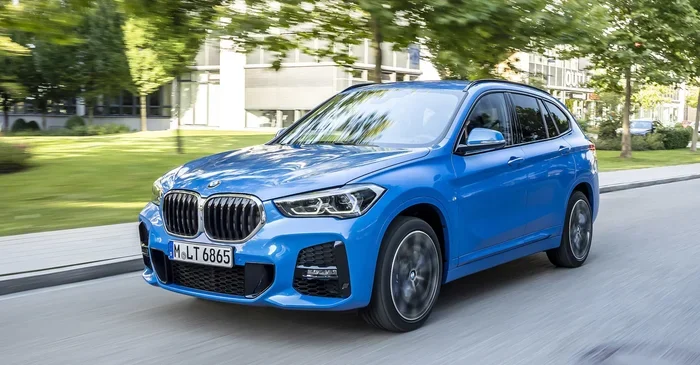
Visual guide about BMW X1 SUV exterior
Image source: carwow-de-wp-0.imgix.net
Acceleration and Handling
- 0‑60 mph: ~6.2 seconds (28i) / 5.3 seconds (M35i).
- Steering is precise with a sporty weight, especially in Sport mode.
- xDrive adds confidence in rain or light snow without hurting dry‑road agility.
Fuel Economy (EPA Estimates)
| Trim | City | Highway | Combined |
|---|---|---|---|
| sDrive28i | 24 mpg | 33 mpg | 27 mpg |
| xDrive28i | 23 mpg | 31 mpg | 26 mpg |
| M35i | 22 mpg | 30 mpg | 25 mpg |
Real‑world numbers usually land 1‑2 mpg lower, but the mild‑hybrid system helps in stop‑and‑go traffic.
Common Mistakes to Avoid
- Assuming the M35i’s extra power justifies the price if you rarely drive aggressively.
- Skipping the xDrive option in climates with frequent snow – the traction gain is noticeable.
- Neglecting the 48‑volt battery service interval; it’s a low‑cost item that prevents larger electrical issues.
Interior Space, Technology, and Comfort
Cabin Quality and Ergonomics
Materials feel upscale: soft‑touch plastics, available Vernasca leather, and metal accents. The dashboard layout is driver‑centric, with the curved display spanning the instrument cluster and infotainment screen. Physical climate controls remain, which many owners appreciate.
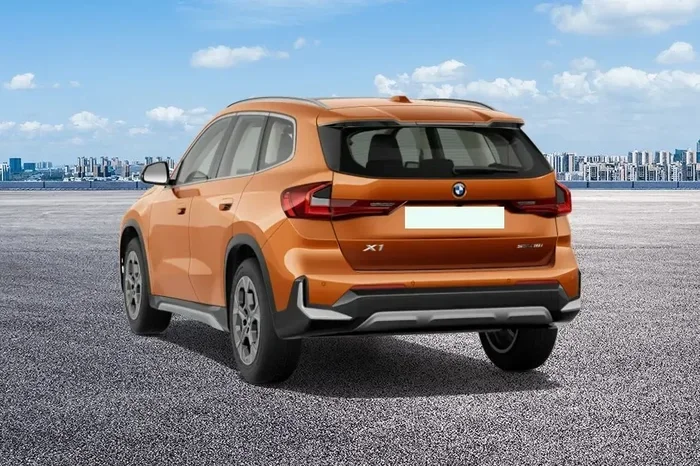
Visual guide about BMW X1 SUV exterior
Image source: imgcdn.zigwheels.my
Seating and Cargo
- Front seats: generous bolstering, 10‑way power adjustment on most trims.
- Rear legroom: 37 inches – competitive for the class.
- Cargo behind rear seats: 27.1 cu ft; with seats folded: 58.7 cu ft.
Infotainment and Connectivity
iDrive 9 supports wireless Apple CarPlay and Android Auto, natural‑voice commands, and over‑the‑air updates. The optional head‑up display projects speed, navigation, and driver‑assist alerts onto the windshield.
Expert Insight
“The X1’s interior is a sweet spot between tech‑forward and tactile. You get a big screen without losing the physical knobs that make daily adjustments easy.” – Senior Automotive Editor, Car & Driver.
Reliability, Maintenance Costs, and Common Issues
Reliability Track Record
Consumer Reports and J.D. Power rate the X1 above average for predicted reliability. The most frequent complaints involve the 48‑volt mild‑hybrid system and occasional infotainment glitches – both usually resolved by software updates.
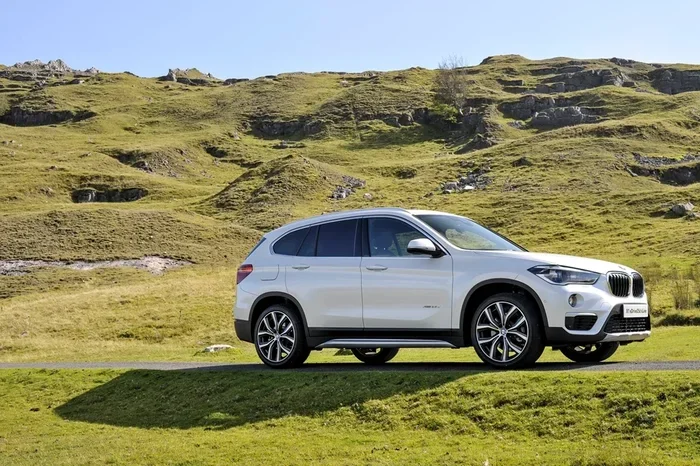
Visual guide about BMW X1 SUV exterior
Image source: parkers-images.bauersecure.com
For a deeper dive into long‑term dependability across the lineup, see our guide on identifying the most reliable BMW models for longevity.
Maintenance Schedule and Costs
- Oil change (synthetic): $120‑$180 every 10,000 mi.
- Brake fluid flush: $150‑$200 every 2 years.
- Coolant replacement: $180‑$250 every 4 years – use the correct BMW‑spec fluid. Learn more in our article on choosing the right coolant for your BMW vehicle.
- Run‑flat tire replacement: $250‑$350 per tire. Understand the pros and cons in our piece on what are BMW run flat tires design benefits and care.
Common Issues Reported by Owners
- Infotainment screen freezes – usually fixed by a reboot or dealer update.
- 48‑volt battery warning light – often a sensor, not the battery itself.
- Minor oil seepage from the turbo oil line – covered under warranty if caught early.
Quick Tips for Lower Ownership Costs
- Stick to the BMW‑recommended service intervals; skipping them voids warranty coverage.
- Consider an independent BMW specialist for out‑of‑warranty work – labor rates can be 30 % lower.
- Buy a certified pre‑owned (CPO) unit for an extra year of warranty and a thorough inspection.
Resale Value, Warranty, and Ownership Experience
Depreciation Curve
The X1 retains roughly 55 % of its MSRP after three years, which is strong for the segment. The M35i holds value slightly better due to limited production.
Factory Warranty
- 4 years / 50,000 mi basic.
- 4 years / 50,000 mi powertrain.
- 12 years / unlimited miles corrosion perforation.
CPO adds 1 year / unlimited miles on top of the remaining factory coverage.
Ownership Satisfaction
Surveys show high marks for driving enjoyment and brand pride. The main pain point is the cost of premium‑grade fuel (recommended 91 octane) and the price of OEM parts.
How the BMW X1 Stacks Up Against Competitors
Direct Rivals
| Model | Base MSRP | Combined MPG | Cargo (cu ft) | 0‑60 (sec) | Reliability Rating |
|---|---|---|---|---|---|
| BMW X1 sDrive28i | $38,600 | 27 | 27.1 / 58.7 | 6.2 | Above Avg |
| Audi Q3 40 TFSI | $36,800 | 26 | 23.7 / 48.0 | 6.5 | Average |
| Mercedes‑Benz GLA 250 | $38,200 | 27 | 15.4 / 43.6 | 6.6 | Average |
| Volvo XC40 B5 | $36,350 | 26 | 20.7 / 47.2 | 6.3 | Above Avg |
What Sets the X1 Apart
- Best‑in‑class cargo capacity with rear seats folded.
- Sharper handling thanks to rear‑biased weight distribution.
- More standard tech (digital cluster, wireless phone mirroring).
Where Rivals Win
- Audi Q3 offers a more refined ride on broken pavement.
- Mercedes GLA provides a quieter cabin at highway speeds.
- Volvo XC40 includes standard advanced safety suite (Pilot Assist) on all trims.
Expert Insight
“If you prioritize driving dynamics and cargo flexibility, the X1 is the segment leader. If you want a plush ride and the latest driver‑assist tech as standard, look at the Volvo.” – Lead Reviewer, MotorTrend.
Final Verdict: Is Bmw X1 Worth It for You?
After weighing performance, practicality, reliability, and cost, the answer hinges on your priorities. Choose the X1 if you want a sporty, premium‑feeling crossover that still hauls a weekend’s worth of gear. Opt for a rival if you need a softer ride, lower running costs, or more standard safety tech.
Remember to factor in total cost of ownership – fuel, insurance, maintenance, and depreciation – not just the sticker price. A well‑maintained X1 can deliver years of driving pleasure with a respectable resale return.
Take a test drive, compare lease offers, and read current owner forums for the latest real‑world feedback. Your perfect compact luxury SUV is out there – make sure it’s the one that matches your daily reality.
Frequently Asked Questions
Is the BMW X1 reliable for long‑term ownership?
Yes. The X1 scores above average in reliability surveys. Most issues are minor software glitches or the 48‑volt system, both typically resolved under warranty.
What is the real‑world fuel economy of the X1?
Owners report 24‑26 mpg combined for the 28i models, a few miles per gallon below EPA estimates, especially in city traffic.
Does the X1 require premium fuel?
BMW recommends 91 octane for optimal performance and engine longevity. Using regular may reduce power and increase carbon buildup over time.
How much does a typical brake job cost on an X1?
Expect $300‑$500 per axle at a dealer; independent shops can be 20‑30 % cheaper.
Is the xDrive all‑wheel‑drive system worth the extra cost?
If you live where snow or heavy rain are common, xDrive adds noticeable traction and confidence. In dry climates the sDrive saves weight and fuel.
What are the main differences between the X1 and the X2?
The X2 is a coupe‑styled variant with less rear headroom and cargo space, but a sportier roofline. Mechanically they share the same platform and powertrains.



