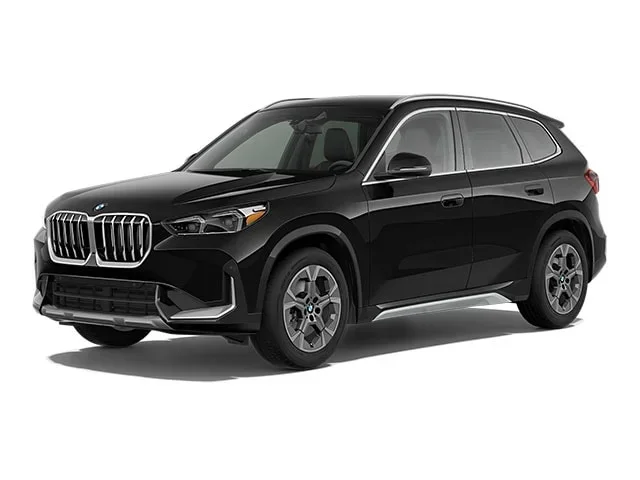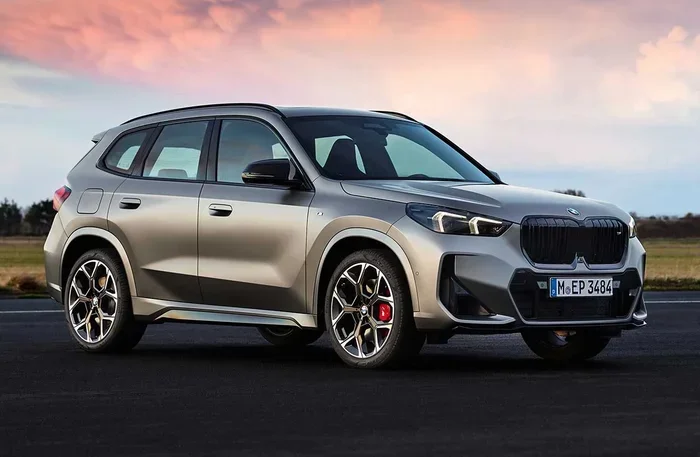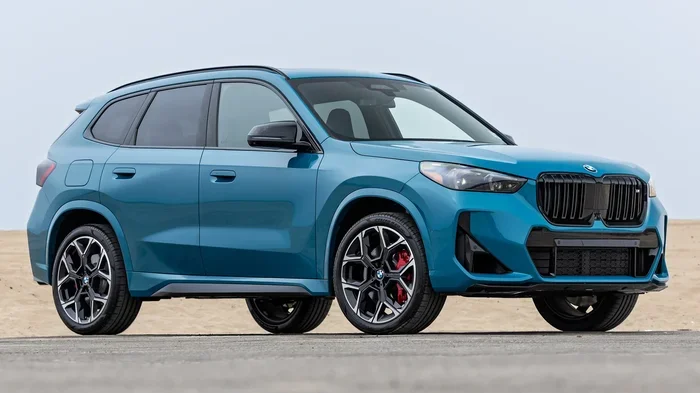
Featured image for BMW X1 compact SUV exterior
Image source: i.pinimg.com
How Small Is the Bmw X1 – The BMW X1 measures roughly 175 inches long, 71 inches wide, and 63 inches tall, giving it a tight footprint that excels in urban parking. Despite its compact exterior, the cabin offers generous headroom, decent rear legroom, and a versatile 27‑cubic‑foot cargo area that expands to 58 cubic‑feet with the seats folded.
When shoppers ask how small is the bmw x1, they usually want to know if the vehicle will fit their garage, navigate narrow streets, and still carry weekend gear. The answer lies in a handful of key measurements that define the X1’s compact SUV character. In this guide we break down every dimension, compare it to the competition, and share practical tips for living with a vehicle that punches above its weight class.
Understanding the size of the X1 helps you decide whether it matches your lifestyle. Whether you’re a city commuter, a small‑family driver, or an enthusiast who values agile handling, the numbers tell a clear story. Let’s dive into the details.
Key Takeaways
- Overall length: About 175 inches, making it one of the shortest premium compact SUVs.
- Width and height: 71 inches wide and 63 inches tall – narrow enough for tight lanes, tall enough for comfortable seating.
- Wheelbase: 105 inches, providing a stable ride while keeping the turning circle tight.
- Cargo space: 27 cu ft behind the rear seats; 58 cu ft with them folded flat.
- Rear legroom: Roughly 37 inches – adequate for adults on short trips.
- Parking ease: A 36‑foot turning diameter and available parking sensors simplify city maneuvers.
- Competitor comparison: The X1 is slightly smaller than the Audi Q3 and Mercedes‑Benz GLA, but offers more cargo flexibility.
📑 Table of Contents
Exterior Dimensions Overview
The BMW X1 sits in the sub‑compact luxury SUV segment. Its exterior numbers are modest, yet they deliver a surprisingly planted stance.
Length, Width, and Height
- Length: 175.4 inches (4,456 mm)
- Width (excluding mirrors): 71.7 inches (1,821 mm)
- Height: 63.0 inches (1,600 mm)
These figures place the X1 roughly 6 inches shorter than the larger X3 and about 3 inches narrower than the Audi Q3. The low roofline contributes to a sporty silhouette while keeping the center of gravity low for better handling.
Wheelbase and Ground Clearance
- Wheelbase: 105.1 inches (2,670 mm)
- Ground clearance: 7.2 inches (183 mm) – enough for light off‑road excursions.
A 105‑inch wheelbase is generous for a vehicle this short, which translates into a roomy cabin without stretching the overall footprint. The modest ground clearance keeps the X1 stable on highways while still allowing it to tackle gravel roads.
Turning Circle
The X1’s turning diameter is 36.1 feet. That’s tighter than many rivals, making U‑turns on narrow avenues and parking in compact garages far less stressful.
Interior Space and Comfort
Compact exterior dimensions don’t mean a cramped interior. BMW’s packaging expertise shines in the X1.
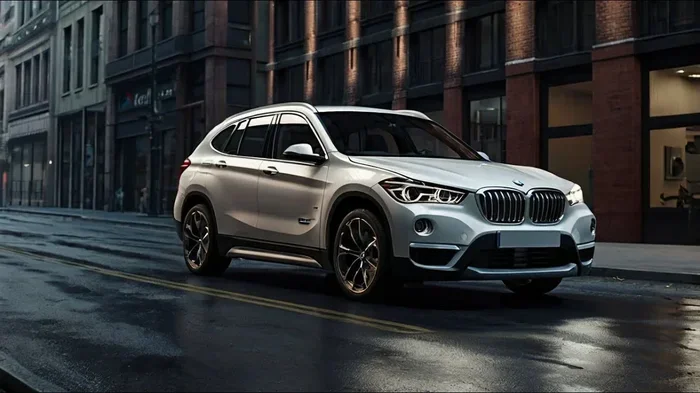
Visual guide about BMW X1 compact SUV exterior
Image source: i.ytimg.com
Front‑Row Room
- Headroom: 39.5 inches
- Legroom: 40.4 inches
- Shoulder room: 56.5 inches
Drivers and front passengers enjoy ample space, even with a panoramic sunroof. The seats are supportive for long trips, and the driving position feels commanding despite the low roofline.
Rear‑Row Accommodations
- Headroom: 38.2 inches
- Legroom: 37.0 inches
- Shoulder room: 55.0 inches
Two adults can sit comfortably for journeys under two hours. The rear bench folds 40/20/40, allowing you to carry long items while still seating two passengers.
Visibility and Ergonomics
Large windows and thin A‑pillars give excellent outward visibility. The iDrive controller sits within easy reach, and the optional head‑up display projects speed and navigation onto the windshield, keeping eyes on the road.
Cargo Capacity and Flexibility
One of the biggest surprises for a vehicle this size is its cargo versatility.
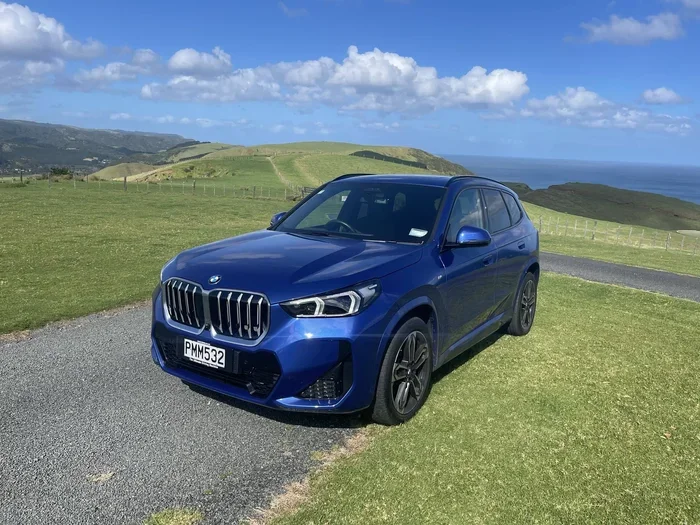
Visual guide about BMW X1 compact SUV exterior
Image source: images.squarespace-cdn.com
Behind the Rear Seats
With the rear seats upright, the X1 offers 27.1 cubic feet of cargo volume. That’s enough for a couple of large suitcases, a stroller, or a week’s worth of groceries.
Seats Folded Flat
Fold the 40/20/40 split rear bench and the space expands to 58.7 cubic feet. The load floor is nearly flat, making it easy to slide in bulky items like a bicycle or a small piece of furniture.
Hidden Storage
- Under‑floor compartment (≈1.5 cu ft) for valuables.
- Door pockets that hold 1‑liter bottles.
- Center console bin with configurable dividers.
Quick Tips for Maximizing Cargo
- Use the 40/20/40 split to keep one passenger seated while loading long objects.
- Invest in a cargo net or organizer to prevent items from sliding.
- Remove the rear parcel shelf for extra vertical clearance.
Driving Dynamics in Tight Spaces
The X1’s compact dimensions translate into nimble handling, a key reason many buyers choose it over larger SUVs.
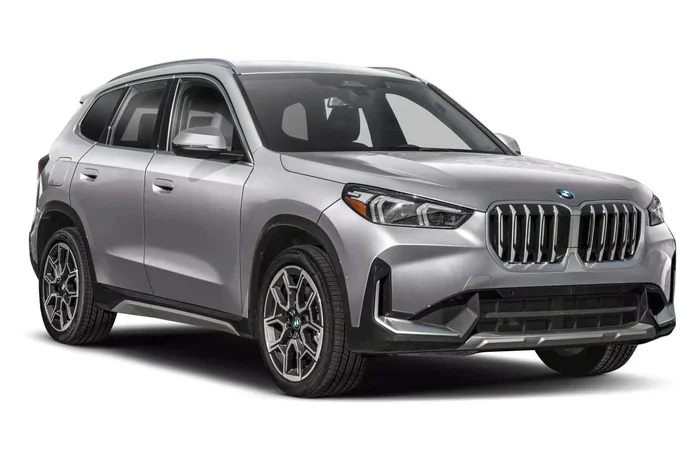
Visual guide about BMW X1 compact SUV exterior
Image source: vietcarnews.com
Steering and Suspension
Electric power steering is light at low speeds and firms up on the highway. The standard MacPherson strut front and multi‑link rear suspension absorb potholes without sacrificing cornering precision.
Parking Assistance
- Rear‑view camera with dynamic guidelines.
- Optional Parking Assistant Plus – automatic parallel and perpendicular parking.
- Surround‑view camera system for 360° awareness.
These features make squeezing into a 7‑foot wide garage spot almost effortless.
Fuel Efficiency Benefits
The smaller frontal area and lighter curb weight (around 3,800 lb) help the X1 achieve EPA estimates of 24 mpg city / 33 mpg highway with the 2.0‑liter turbo‑four. That’s a noticeable saving over the larger X3.
How the X1 Stacks Up Against Rivals
Context matters. Below is a side‑by‑side comparison with the closest premium compact SUVs.
| Spec | BMW X1 | Audi Q3 | Mercedes‑Benz GLA | Volvo XC40 |
|---|---|---|---|---|
| Length (in) | 175.4 | 176.6 | 174.5 | 174.8 |
| Width (in) | 71.7 | 72.5 | 71.0 | 71.6 |
| Height (in) | 63.0 | 64.2 | 61.5 | 64.2 |
| Wheelbase (in) | 105.1 | 105.7 | 106.3 | 106.4 |
| Cargo behind 2nd row (cu ft) | 27.1 | 23.7 | 24.2 | 25.2 |
| Cargo seats folded (cu ft) | 58.7 | 48.0 | 50.5 | 57.5 |
| Turning diameter (ft) | 36.1 | 36.5 | 35.8 | 36.0 |
The X1 leads in cargo capacity both upright and folded, while its turning circle is competitive. The Audi Q3 is slightly longer and wider, the GLA is a hair shorter but narrower, and the Volvo XC40 matches the X1 closely in overall footprint.
Expert Insight
“The X1’s packaging is a masterclass in maximizing interior volume from a minimal exterior,” says AutoWeek senior editor Mark Reynolds. “It feels bigger inside than the numbers suggest, which is exactly what city buyers need.”
Practical Tips for Living with a Compact SUV
Owning a small premium SUV comes with a few habits that make daily life smoother.
Garage and Parking Strategies
- Measure your garage door opening; the X1’s 71.7‑inch width fits most standard 8‑foot doors with a few inches to spare.
- Use the folding side mirrors (standard on most trims) to gain extra clearance in tight spots.
- Enable the “Parking Assistant” feature for hands‑free parallel parking.
Child‑Seat Compatibility
The rear LATCH anchors are easily accessible, and the 37‑inch legroom accommodates most convertible seats rear‑facing. For forward‑facing seats, the top tether points are clearly marked.
Winter Prep
- Equip the X1 with BMW run‑flat tires or a dedicated winter set for added traction.
- Keep a compact snow shovel in the under‑floor compartment.
- Use the remote start (via the BMW Connected app) to warm the cabin before you step out.
Common Mistakes to Avoid
- Overloading the roof rails – the X1’s roof load limit is 165 lb; excess weight raises the center of gravity.
- Ignoring the 40/20/40 split – folding only the 60 % section can leave an uneven load floor.
- Skipping regular tire pressure checks – low pressure hurts fuel economy and handling, especially on a light vehicle.
Maintenance Reminder
Because the X1 shares many components with other BMW models, following the brand’s service schedule is straightforward. For a deeper dive into what’s covered, see what does BMW service include. Also, if you’re curious about how the X1’s model code fits into BMW’s naming logic, check out Decoding BMW Vehicle Designations.
Conclusion
So, how small is the bmw x1? In raw numbers it’s one of the most compact premium SUVs on the market, yet its clever packaging delivers interior room and cargo flexibility that rival larger competitors. The short length, narrow width, and tight turning circle make it a natural fit for city streets, underground garages, and narrow driveways. At the same time, the generous wheelbase, comfortable seats, and expansive cargo area mean you don’t sacrifice practicality for size.
If your daily routine involves tight parking, frequent urban commutes, and the occasional weekend adventure, the X1 hits a sweet spot. It offers the badge prestige, driving dynamics, and technology you expect from BMW, wrapped in a footprint that’s easy to live with. Use the dimensions and tips above to decide whether this compact SUV aligns with your lifestyle – chances are, it will.
Frequently Asked Questions
What are the exact exterior dimensions of the BMW X1?
The BMW X1 measures 175.4 inches long, 71.7 inches wide (excluding mirrors), and 63.0 inches tall, with a 105.1‑inch wheelbase and 7.2 inches of ground clearance.
How much cargo space does the X1 provide behind the rear seats?
With the rear seats up, the X1 offers 27.1 cubic feet of cargo volume. Folding the 40/20/40 split bench expands that to 58.7 cubic feet.
Is the rear seat comfortable for adults?
Rear legroom is about 37 inches and headroom 38.2 inches, which is adequate for two adults on trips up to a couple of hours. The 40/20/40 split also allows flexible passenger‑cargo configurations.
How does the X1’s turning circle compare to rivals?
The X1’s turning diameter is 36.1 feet, slightly tighter than the Audi Q3 (36.5 ft) and comparable to the Mercedes‑Benz GLA (35.8 ft) and Volvo XC40 (36.0 ft).
What fuel economy can I expect from the BMW X1?
The 2.0‑liter turbo‑four delivers an EPA estimate of 24 mpg city / 33 mpg highway, thanks in part to the vehicle’s compact frontal area and relatively low curb weight.
Can the X1 handle light off‑road or snowy conditions?
With 7.2 inches of ground clearance and available xDrive all‑wheel drive, the X1 can manage gravel roads and moderate snow, especially when equipped with winter tires or run‑flat tires designed for cold weather.