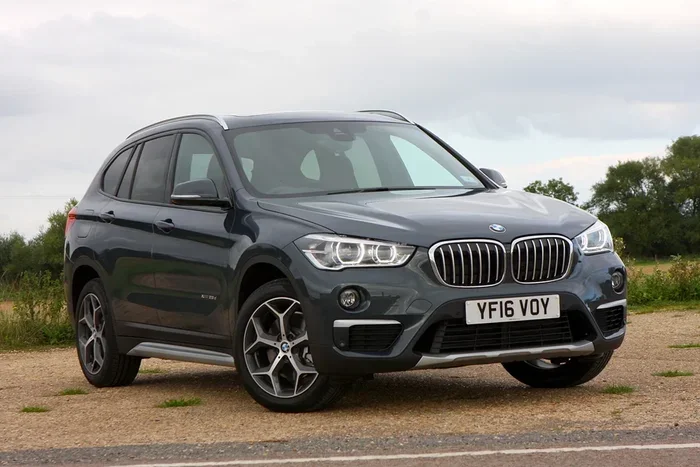
Featured image for BMW X1 SUV exterior
Image source: parkers-images.bauersecure.com
The BMW X1 stands out as a compelling entry-level luxury SUV that blends sporty driving dynamics with surprising practicality. In this guide, we break down everything you need to know about how is BMW X1 ownership, from engine performance and tech features to real-world reliability and maintenance costs. Whether you are buying new or used, this article gives you the honest insights needed to make a smart decision.
So you are asking how is BMW X1 really? It is a question I hear constantly from friends and readers looking to step into the luxury badge world without selling a kidney. The X1 is the gateway drug to the BMW lineup. It is the smallest SUV they sell in the US, but do not let the “entry-level” label fool you. This thing packs a serious punch where it counts.
I have spent years wrenching on these, driving them on road trips, and analyzing ownership data. The short answer? It is excellent if you know what you are getting into. It drives like a proper BMW—sharp steering, great chassis balance—but it shares parts with Mini and front-drive platforms. That means maintenance quirks exist. Let’s dive deep into every angle so you can decide if it belongs in your driveway.
Key Takeaways
- Segment Leader: The X1 offers best-in-class handling and a premium interior that punches above its price point.
- Powertrain Choices: You get a peppy 2.0L turbo-four engine with either front-wheel drive (sDrive) or all-wheel drive (xDrive).
- Tech Forward: Standard iDrive 8 with curved display delivers a modern, high-tech cabin experience.
- Reliability Is Average: It ranks decently but watch for coolant leaks, drivetrain warnings, and run-flat tire costs.
- Maintenance Costs: Budget for higher-than-average upkeep; using correct fluids like BMW coolant and brake fluid is critical.
- CPO Value: A Certified Pre-Owned model offers the best balance of warranty coverage and depreciation savings.
- Practical Space: Despite its compact label, rear legroom and cargo capacity are surprisingly generous for the class.
📑 Table of Contents
- What Makes the BMW X1 Stand Out in a Crowded Segment
- Performance and Driving Dynamics: The Heart of the Matter
- Interior, Technology, and Daily Usability
- Reliability and Common Issues: The Honest Truth
- Maintenance Costs and Ownership Experience
- Buying Guide: New, Used, or CPO?
- Competitor Comparison: Why Buy (or Avoid) the X1
- Real World Ownership: Tips from the Trenches
- Conclusion: Is the BMW X1 Right for You?
What Makes the BMW X1 Stand Out in a Crowded Segment
The subcompact luxury SUV segment is a bloodbath. You have the Audi Q3, Mercedes GLA, Volvo XC40, and Lexus UX. They all look similar on paper. The X1 differentiates itself through one core philosophy: the driver comes first.
Design Language and Road Presence
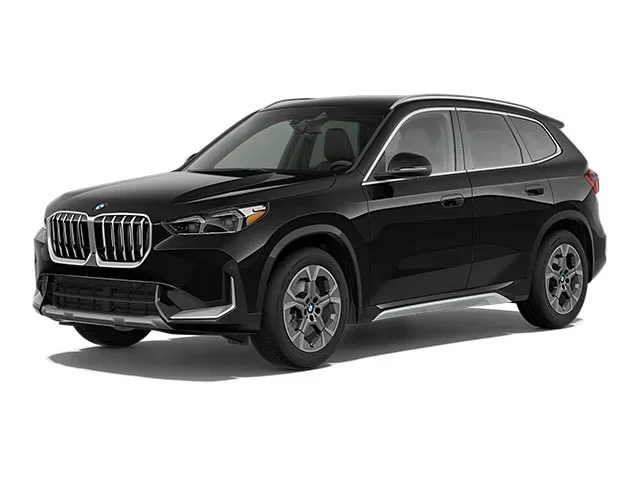
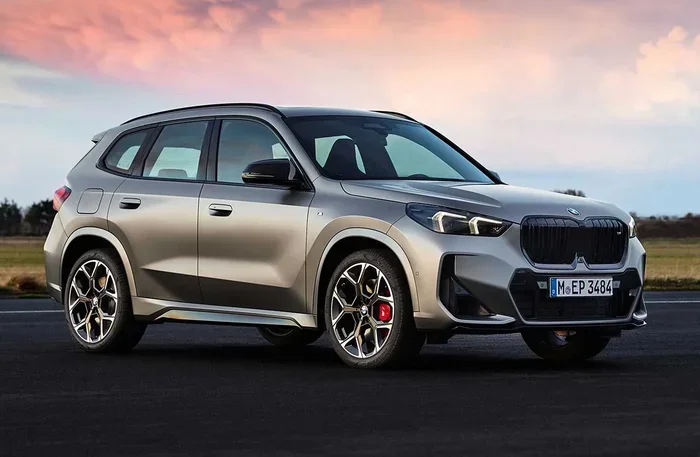
The current generation (U11 chassis, launched 2023) finally looks the part. The kidney grille is large but not controversial like the 7 Series. It has a wide, planted stance. The Hofmeister kink at the rear pillar remains a signature touch. It looks expensive, which is half the battle in this price bracket.
Platform Sharing Reality
Here is the technical truth: the X1 rides on the FAAR platform. This is a front-wheel-drive architecture shared with the Mini Countryman and BMW 2 Series Gran Coupe. Purists used to hate this. But modern engineering has made this platform incredibly stiff. The benefit? Massive interior space for the footprint. The downside? Torque steer can appear under hard acceleration in sDrive models, and the steering feel is lighter than old RWD BMWs.
How It Compares to the X3
Many shoppers cross-shop the X1 and X3. The X3 is larger, rides on a RWD-biased platform (CLAR), and costs $8k-$10k more. If you need three rows, look elsewhere—the X1 is strictly five-passenger. If you want the “Ultimate Driving Machine” feel in a smaller package, the X1 actually feels more tossable and fun on back roads than the heavier X3. For a deeper look at the lineup hierarchy, check out our guide on decoding BMW vehicle designations to understand where the X1 sits.
Performance and Driving Dynamics: The Heart of the Matter
This is where the X1 earns its badge. It is not just a tall hatchback; it drives with intent.
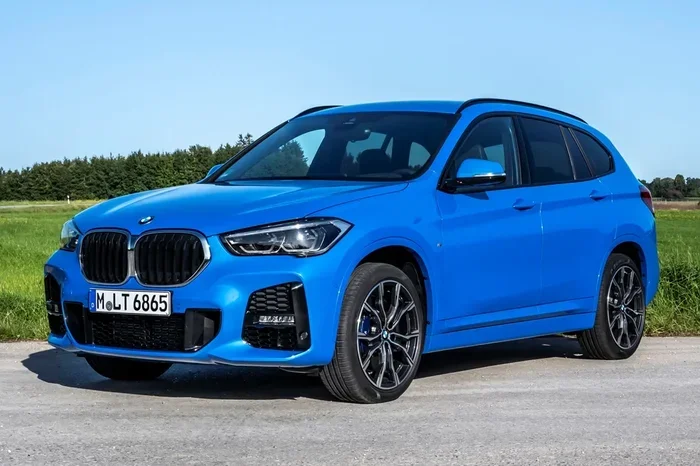
Visual guide about BMW X1 SUV exterior
Image source: parkers-images.bauersecure.com
Engine Breakdown: The B48 Powerplant
Every US-spec X1 (xDrive28i and sDrive28i) uses the B48 2.0-liter TwinPower Turbo inline-four. It produces 241 horsepower and 295 lb-ft of torque. That torque figure is the star. It hits at just 1,500 rpm. Around town, this feels effortless. You tap the pedal, and it surges. 0-60 mph arrives in roughly 6.2 seconds for xDrive. That is genuinely quick for a daily driver.
The engine is part of BMW’s modular B-series family. It is robust, featuring a closed-deck block and forged internals. It uses a timing chain (not a belt) and a map-controlled thermostat. It runs hot by design for efficiency, so the cooling system is critical—more on that later.
sDrive vs. xDrive: Which Do You Need?
- sDrive (FWD): Lighter, cheaper, slightly better MPG (26/34/29 City/Hwy/Combined). Fine for 90% of drivers in mild climates. You lose the rear-drive bias feel.
- xDrive (AWD): Adds ~150 lbs. Sends power rearward dynamically. Can send 100% to front or rear axle. Essential for snow belts. Launch traction is vastly superior. MPG drops slightly (24/33/27).
My take: If you see snow tires once a year, save the money and buy winter tires for the sDrive. If you live where it snows November through March, get xDrive.
Transmission and Drive Modes
A 7-speed dual-clutch transmission (DCT) is standard. It snaps off shifts faster than the old 8-speed torque converter. It has Eco Pro, Comfort, and Sport modes. Eco Pro is aggressive—it coasts, kills A/C, and remaps throttle. Great for highway commutes. Sport sharpens everything. There is also an Individual mode to mix steering weight, drivetrain response, and climate settings. You can learn exactly what Eco Pro does on a BMW to maximize your fuel savings.
Ride Quality and Handling Balance
The suspension uses MacPherson struts up front and a multi-link rear (even on FWD). This is a sophisticated setup. On 18-inch wheels, the ride is compliant. On 19s or 20s with run-flats? It gets busy. You feel expansion joints. The steering is precise but numb on center. It lacks the organic feedback of a 3 Series, but it is leagues ahead of a Mercedes GLA or Lexus UX. It corners flat. It changes direction instantly. It makes grocery runs fun.
Interior, Technology, and Daily Usability
Step inside, and the “cheap entry-level” argument evaporates. The dashboard architecture is lifted straight from the 3 Series and iX.
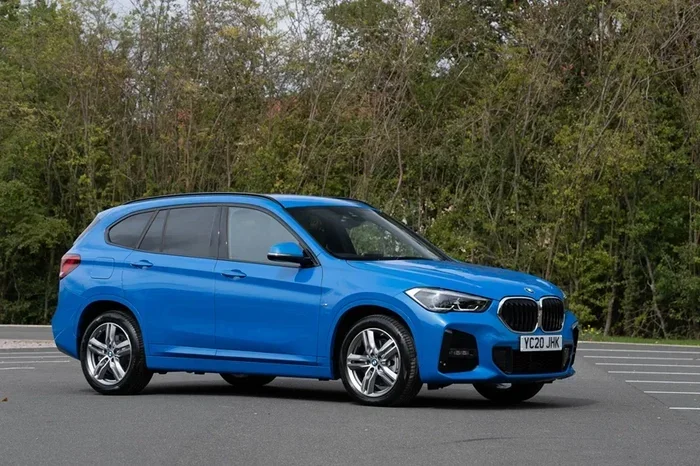
Visual guide about BMW X1 SUV exterior
Image source: parkers-images.bauersecure.com
The Curved Display and iDrive 8/9
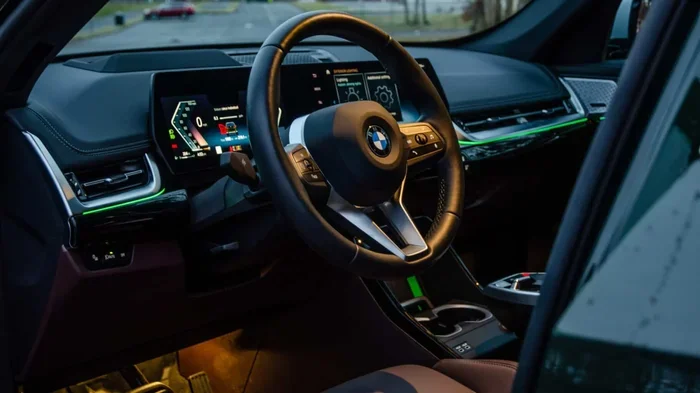
A 10.25-inch digital cluster merges with a 10.7-inch touchscreen. No physical buttons for climate or volume. It looks futuristic. iDrive 8 (now moving to iDrive 9 with QuickSelect) is snappy. Wireless Apple CarPlay and Android Auto are standard. The voice assistant (“Hey BMW”) works well for navigation and climate. The learning curve is real for button lovers, but the screen quality is stunning.
Material Quality and Ergonomics
Soft-touch plastics cover the upper doors and dash. Lower doors and console sides get hard grainy plastic—standard for the class. The seats are firm but supportive. Front seats get standard power adjustment with driver memory. Optional sport seats add thigh support and bolsters. Rear seat room is the shocker. I am 6’1″. I can sit behind my own driving position with two inches of knee room. Headroom is tight with the panoramic sunroof, but acceptable.
Cargo Versatility
27.1 cubic feet behind row two. 58.7 cubes with seats folded. The load floor is low and flat. The 40/20/40 split-folding rear seats are standard. There is a hidden underfloor bin. It swallows a Costco run or a large stroller easily. It beats the Q3 and GLA for pure utility.
Ambient Lighting and Comfort Features
Standard LED ambient lighting with 11 colors transforms the cabin at night. It wraps the dash, doors, and footwells. Optional BMW Ambient Air Scents diffuse fragrance through the vents—surprisingly premium. Heated seats and steering wheel are standard on 2024+ models (finally). Ventilated seats remain optional.
Reliability and Common Issues: The Honest Truth
Let’s talk reliability. This is where the “how is BMW X1” question gets serious. Consumer Reports and J.D. Power rate it “Average.” That sounds mediocre, but for a complex German turbo car, average is a win.
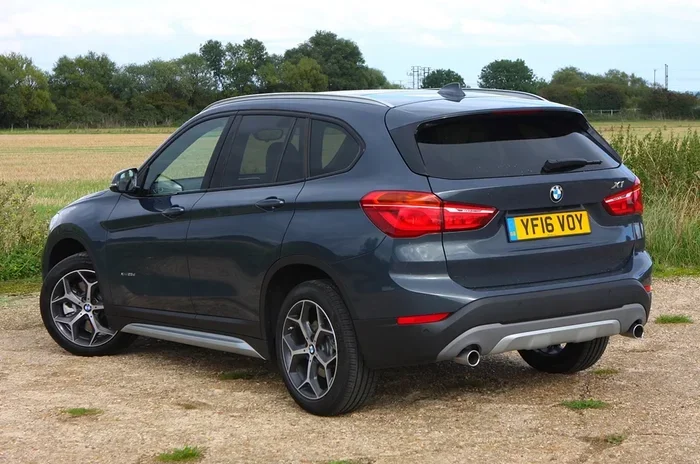
Visual guide about BMW X1 SUV exterior
Image source: parkers-images.bauersecure.com
Top Reported Problems
- Coolant System Leaks: The B48 runs hot. The plastic coolant outlet housing (thermostat housing) becomes brittle. The electric water pump can fail. Low coolant warnings are common around 60k-80k miles. Always use the correct BMW-approved coolant (HT-12/Blue/Green). Never mix with universal green/orange stuff.
- Drivetrain Malfunction Warning: This scary yellow light (car on lift symbol) often points to the transmission mechatronics sleeve leaking, low transmission fluid, or transfer case actuator issues on xDrive. It puts the car in limp mode. Read our deep dive on proven BMW drivetrain malfunction meaning to diagnose it fast.
- Run-Flat Tire Woes: Standard run-flats give a harsh ride and cost $300+ per corner. They cannot be plugged easily. Many owners swap to non-run-flats and carry a mobility kit or spare. Understand the trade-offs in our guide on what are BMW run-flat tires.
- Oil Filter Housing Gasket Leaks: Classic BMW inline-6 issue, but the B48 four-cylinder does it too. Oil drips onto the exhaust manifold = burning smell.
- Key Fob Battery Drain: Comfort Access fobs die fast. Keep a CR2032 handy. Here is how to find the right battery for your BMW key fob.
Model Year Specifics
- 2016-2022 (F48 Gen 2): Solid. Early 2016s had some transmission software glitches. 2018+ got Apple CarPlay standard. 2020+ got Android Auto.
- 2023+ (U11 Gen 3): Too new for long-term data. Early reports mention software bugs (infotainment freezes, 360-camera glitches) and some 12V battery drain issues. Wait for a few software updates if risk-averse.
Maintenance Costs and Ownership Experience
BMW offers “Ultimate Care” free maintenance for 3 years / 36k miles on new cars. It covers oil, brakes, wipers, fluids. After that, you pay. Budget $1,200-$1,800/year for maintenance and repairs on a 5-year-old X1.
Critical Fluid Specs (Do Not Cheap Out)
| Fluid | Spec / Interval | Why It Matters |
|---|---|---|
| Engine Oil | LL-01 or LL-01 FE 0W-20 / 10k mi or 12 mo | Turbo protection, timing chain tensioner health |
| Coolant | BMW HT-12 (Green/Blue) / Lifetime (check 4yr) | Aluminum block corrosion prevention, electrolysis |
| Brake Fluid | DOT 4 LV / Every 2 years | Hygroscopic; prevents ABS/DSC module failure |
| Transmission Fluid | DCTF-2 / ~60k miles (severe duty) | Mechatronics longevity, shift quality |
| Transfer Case (xDrive) | TL 7045 / ~60k miles | Clutch pack wear, binding prevention |
BMW says “lifetime” but enthusiasts change coolant every 4 years/60k. It is cheap insurance.
Using the right brake fluid for your BMW model (DOT 4 Low Viscosity) is non-negotiable for the DSC pump. For coolant specifics, see our guide on what coolant does BMW use.
DIY Friendliness
Oil changes are easy (top-mounted cartridge filter). Cabin and engine air filters are tool-less. Battery registration requires a scanner (BimmerLink/Carly/ISTA) if you swap the 12V yourself. Brakes are standard but require electronic parking brake service mode. Suspension parts need alignment after. It is more DIY-friendly than an Audi Q3.
Insurance and Depreciation
Insurance is mid-pack for luxury. Expect $1,600-$2,200/year full coverage depending on zip. Depreciation hits hard years 1-3 (~45-50% loss). This makes 3-year-old CPO units the sweet spot. You let someone else eat the depreciation, you get the remaining factory warranty + CPO extension.
Buying Guide: New, Used, or CPO?
How you buy changes the math significantly.
New (2024/2025)
You get the latest iDrive 9, standard heated seats, updated styling, and 3yr/36k free maintenance + 4yr/50k warranty. MSRP starts ~$39k (sDrive) to $46k loaded xDrive. You pay full freight depreciation. Only do this if you keep cars 8+ years.
Certified Pre-Owned (CPO) – The Smart Money Play
BMW CPO adds 1 year / unlimited miles on top of the remaining 4yr/50k factory warranty. Total coverage: 5 years from original in-service date, unlimited miles. That covers the turbo, transmission, electronics, and cooling system. CPO cars must pass a 360-point inspection. They cost $2k-$3k more than non-CPO used. It is worth every penny. Learn exactly what does BMW certified mean for your peace of mind.
Used (Non-CPO) – Buyer Beware
2019-2021 models are plentiful off-lease. Prices $25k-$32k. Get a PPI (Pre-Purchase Inspection) at an independent BMW shop. Cost: $150-$250. Check: coolant seepage, transfer case fluid condition, brake pad life (sensors lie), tire match/brand, service history (look for BMW dealer stamps). Avoid cars with aftermarket tunes (JB4, bootmod3) unless reverted and disclosed—they flag TD1 codes that void powertrain warranty.
Trim Walk: What You Actually Need
- Base / xLine: 18s, Sensatec leatherette, wireless charging, parking sensors. Great value.
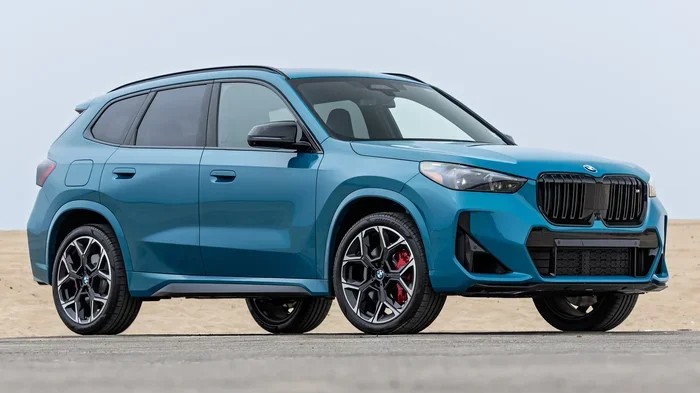
- M Sport: 19s, M steering wheel, sport seats, shadowline trim, adaptive suspension (optional). Looks best. Ride is firmer. Resale is stronger.
- Packages to Get: Premium Package (HUD, Harman Kardon, surround view, park assist pro) and Driving Assistance Pro (adaptive cruise w/ stop & go, lane keeping). These add real daily value.
Competitor Comparison: Why Buy (or Avoid) the X1
Let’s line them up against the main rivals.
| Model | Start Price | HP / Torque | Cargo (seats up) | 0-60 mph | Verdict |
|---|---|---|---|---|---|
| BMW X1 | $39,200 | 241 / 295 | 27.1 cu ft | 6.2 sec | Best drive, best tech, best space |
| Audi Q3 | $38,200 | 184 / 236 (2.0T) | 23.7 cu ft | 7.3 sec | Better interior materials, slower, less space |
| Mercedes GLA 250 | $38,100 | 221 / 258 | 15.4 cu ft (!) | 6.8 sec | Tight rear seat, tiny trunk, great badge |
| Volvo XC40 Core | $37,950 | 247 / 258 (B4 Mild Hybrid) | 20.7 cu ft | 6.3 sec | Safest, comfy seats, confusing infotainment |
| Lexus UX 250h | $37,490 | 181 (Hybrid Sys) | 17.1 cu ft | 8.6 sec | Best MPG (39 comb), slow, cramped, reliable |
The X1 wins on the spreadsheet. It has the most power, most cargo, quickest acceleration, and best infotainment. The Volvo wins on safety feel. The Lexus wins on reliability/MPG. The Audi wins on interior fit/finish. The Mercedes wins on… badge prestige? The X1 is the rational enthusiast’s choice.
Real World Ownership: Tips from the Trenches
After talking to dozens of X1 owners on forums and in shops, here are the golden nuggets.
Quick Tips for X1 Owners
- Tire Pressure: Run the door jamb spec (usually 35-38 PSI). Run-flats mask low pressure. Check monthly.
- Fuel: Top Tier 91/93 Octane only. The B48 has high compression. 87 octane pulls timing, kills power, risks carbon buildup.
- Car Wash Mode: Put in Neutral (N) for conveyor tunnels. Hold gear selector up for 2 seconds. It auto-shifts to P after 30 mins or door open.
- 12V Battery: If the car sits >2 weeks, use a trickle charger (CTEK). The 12V runs the electronics; the starter-generator charges it. Dead 12V = car dead, even if hybrid battery is full (on mild hybrids) or just general electronics chaos.
- Software Updates: Connect to Wi-Fi in garage monthly. BMW pushes OTA updates for iDrive, battery management, and transmission logic.
Common Mistakes to Avoid
- Ignoring “Low Coolant” Top-Offs: If you add coolant monthly, you have a leak. Pressure test it. Do not just keep topping off.
- Cheap Tires: Mismatched brands/wear on xDrive destroys the transfer case clutch pack. Replace all 4. Match brands.
- Skipping Brake Fluid: DOT 4 LV absorbs water fast. Water = rust in ABS module = $1,500 repair. Do it every 2 years.
- Assuming “Lifetime” Fluids Are Forever: They aren’t. Change diff/transfer case fluid at 60k.
Expert Insight: The “Sweet Spot” Spec
If I were buying today with my own money? 2021-2022 X1 xDrive28i M Sport in Carbon Black or Phytonic Blue. Why? Depreciation curve has flattened. CPO eligible. M Sport looks aggressive. xDrive covers all weather. B48 engine is sorted. iDrive 7/8 is mature. It hits the intersection of value, reliability, and fun.
Conclusion: Is the BMW X1 Right for You?
So, how is BMW X1 ownership in the final analysis? It is a genuinely rewarding compact SUV that refuses to be boring. It delivers the driving engagement the badge promises while offering genuine adult-sized space for four and their luggage. The tech is class-leading, the engine is punchy, and the looks are sharp.
It is not perfect. The ride can be firm on big wheels. The run-flats are a pain. The cooling system demands respect. And it will cost more to maintain than a Lexus UX or Mazda CX-50. But if you value the connection between your hands and the road, and you want a daily driver that makes you smile on the commute home, the X1 delivers that “BMW feel” in a practical, affordable package.
Buy a CPO M Sport xDrive, budget for tires and fluids, and enjoy one of the best balanced vehicles in the segment. You won’t regret it.
Frequently Asked Questions
Is the BMW X1 reliable long term?
The BMW X1 has average reliability ratings. The B48 engine is strong, but the cooling system (water pump, thermostat housing) and electronics require attention past 60k miles. Sticking to a strict fluid maintenance schedule drastically improves longevity.
Does the BMW X1 require premium gas?
Yes, BMW recommends 91 octane minimum (93 preferred) for the X1. The turbocharged B48 engine has high compression; lower octane causes knock retard, reducing power, fuel economy, and risking carbon buildup over time.
What is the difference between sDrive and xDrive on the X1?
sDrive is front-wheel drive; xDrive is all-wheel drive. xDrive adds traction for snow/rain and better launch acceleration but costs more, weighs more, and reduces fuel economy slightly. sDrive is fine with winter tires in mild climates.
How expensive is BMW X1 maintenance compared to rivals?
Maintenance is higher than Japanese rivals (Lexus, Acura) but comparable to Audi Q3 and Mercedes GLA. Budget $1,200-$1,800 annually after the free maintenance period. Using independent BMW specialists saves 30-40% over dealer labor rates.
Can the BMW X1 fit a rear-facing car seat easily?
Yes, the X1 has excellent LATCH access and surprising rear legroom. A rear-facing convertible seat fits behind a 6-foot driver with room to spare, though the panoramic sunroof reduces headroom for the front passenger slightly.
What year BMW X1 is the best used buy?
The 2020-2022 model years (end of F48 generation) are the sweet spot. They have Apple/Android Auto, updated styling, proven reliability, and significant depreciation has already occurred. Look for CPO examples with service records.