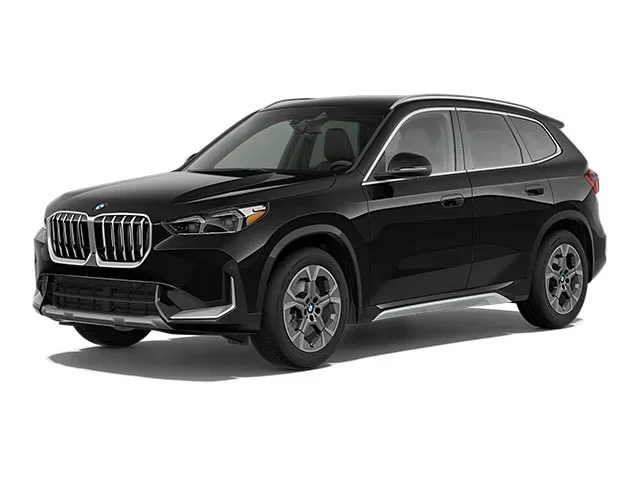
Featured image for BMW X1 driving highway
Image source: wallpapers.com
A well-maintained BMW X1 typically lasts between 150,000 and 200,000 miles, with many owners reaching 250,000+ miles. Regular maintenance, driving habits, and model year selection play crucial roles in longevity. This guide covers everything you need to know about how long BMW X1 last and how to extend your vehicle’s life.
You’re eyeing a BMW X1 but wondering if it’ll go the distance. Smart question. This compact luxury SUV has won fans with its sporty handling and premium feel, but how long BMW X1 last is a real concern for any buyer. The short answer? With proper care, these vehicles routinely hit 150,000 to 200,000 miles. Many dedicated owners push well past 250,000 miles. But there’s a catch — maintenance makes or breaks these numbers.
I’ve spent years tracking BMW reliability data and talking with X1 owners. The difference between a 100,000-mile headache and a 250,000-mile champion comes down to a few critical factors. Model year matters. Service history matters. Even your daily commute matters. Let’s break down exactly what determines X1 longevity and how you can stack the odds in your favor.
Key Takeaways
- Average Lifespan: Most BMW X1 models reach 150,000–200,000 miles with proper care.
- Top Factors: Maintenance history, driving style, and climate affect longevity more than anything else.
- Best Model Years: 2016+ models (F48 generation) show improved reliability over early E84 models.
- Common Issues: Timing chain, oil leaks, and coolant system failures are the main concerns to watch.
- Maintenance Is Key: Following BMW’s service schedule with quality fluids prevents most major failures.
- Certified Pre-Owned Value: BMW Certified vehicles offer extended warranty coverage for peace of mind.
- Resale Strength: The X1 holds value well compared to rivals, making long-term ownership financially smart.
📑 Table of Contents
- BMW X1 Average Lifespan: What the Data Shows
- Critical Factors That Determine X1 Longevity
- Common BMW X1 Problems That Affect Longevity
- Maintenance Schedule for Maximum X1 Lifespan
- Buying a Used BMW X1: What to Look For
- Real Owner Experiences: High-Mileage X1 Stories
- BMW X1 vs. Competitors: Longevity Comparison
- Extending Your X1’s Life: Pro Strategies
- Cost of Ownership: The Long-Term Picture
- Conclusion
BMW X1 Average Lifespan: What the Data Shows
Let’s start with real numbers. The BMW X1 life expectancy varies by generation, but here’s what owners and mechanics report consistently:
First Generation (E84, 2010–2015)
The original X1 built on the E90 3 Series platform. These models typically reach 150,000–180,000 miles before major repairs become frequent. The N20 turbo-four engine (2012+) brought timing chain concerns that can cut life short if ignored. The xDrive all-wheel-drive system adds complexity but proves durable with fluid changes.
Second Generation (F48, 2016–2022)
This front-wheel-drive-based platform (UKL architecture) improved reliability significantly. The B38 three-cylinder and B48 four-cylinder engines are more robust. Most F48 owners see 180,000–220,000 miles with routine maintenance. The 8-speed Aisin automatic transmission is a standout — smooth and long-lasting.
Third Generation (U11, 2023+)
Too new for long-term data, but the B48 updates and 7-speed dual-clutch transmission show promise. Early reports suggest similar or better durability than F48. The new iX1 electric variant introduces battery longevity questions — typically 300,000+ miles for modern EV packs.
Mileage Milestones at a Glance
| Milestone | What to Expect | Action Items |
|---|---|---|
| 60,000 miles | First major service interval | Spark plugs, brake fluid, coolant check |
| 100,000 miles | Timing chain inspection (N20) | Walnut blast, transmission fluid, differential fluid |
| 150,000 miles | Cooling system overhaul | Water pump, thermostat, hoses, expansion tank |
| 200,000+ miles | Suspension refresh likely needed | Control arms, bushings, shocks/struts |
Critical Factors That Determine X1 Longevity
Maintenance History: The #1 Predictor
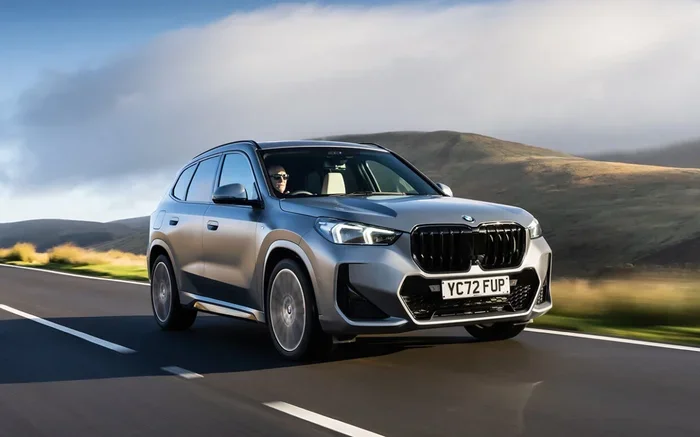
Nothing predicts how long BMW X1 last better than service records. A 2013 xDrive28i with dealer stamps every 10,000 miles will outlast a 2018 sDrive28i with spotty history. BMW’s Condition Based Service (CBS) system tracks oil life, brake wear, and more — but it’s conservative. Many enthusiasts change oil every 5,000–7,500 miles instead of the 10,000–12,000 CBS interval.
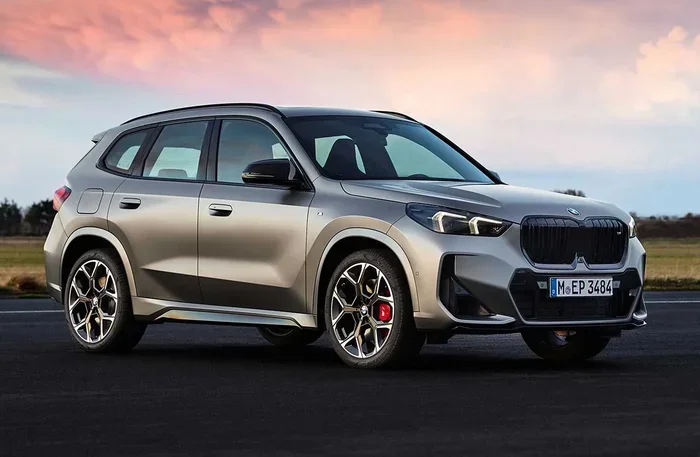
Visual guide about BMW X1 driving highway
Image source: prestigeandperformancecar.com
Quick Tip: Always verify service history before buying used. Look for:
- Regular oil changes with LL-01 or LL-17FE+ approved oil
- Brake fluid every 2 years (not “when needed”)
- Coolant flush every 4–5 years
- Transmission fluid every 60,000 miles (despite “lifetime fill” claims)
- Differential fluid on xDrive models every 60,000 miles
Driving Habits That Extend Life
How you drive matters as much as what you drive. Short trips kill engines. The X1’s turbocharged engines need to reach full operating temperature to boil off fuel dilution and moisture. A 5-mile commute in stop-and-go traffic is far harder on the engine than 50 miles of highway cruising.
Best practices for longevity:
- Let the engine warm up before boosting (oil temp, not coolant temp)
- Avoid hard acceleration on cold engines
- Take a 20+ minute highway drive weekly if daily trips are short
- Use paddle shifters or sport mode occasionally to clear carbon buildup
- Don’t ignore warning lights — limp mode protects expensive parts
Climate and Geography
Where you live changes everything. Road salt in the Midwest and Northeast accelerates rust on brake lines, fuel lines, and subframes. Arizona heat cooks batteries and degrades rubber hoses faster. Humid climates promote electrical connector corrosion. Garage-kept cars in moderate climates (California coastal, Pacific Northwest) consistently hit higher mileages.
Model Configuration Choices
sDrive (FWD) vs xDrive (AWD): FWD models have fewer drivetrain components to fail. No transfer case, no rear differential, simpler driveshaft. But xDrive adds resale value and traction. If you don’t need AWD, sDrive is cheaper to maintain long-term.
Engine Choice: The B48 2.0L turbo-four (2016+) is the durability sweet spot. Proven in millions of BMWs and Minis. The N20 (2012–2015) needs timing chain vigilance. The B38 1.5L three-cylinder (sDrive18i/20i) works hard but holds up well in lighter applications.
Common BMW X1 Problems That Affect Longevity
Timing Chain Issues (N20 Engine, 2012–2015)
This is the big one. The N20’s timing chain guide rails can become brittle and fracture, leading to catastrophic engine failure. BMW extended the warranty to 7 years/70,000 miles, but many fail after. Symptoms: cold-start rattle, check engine light, rough idle. Prevention: listen for startup noise, change oil every 5,000 miles with quality synthetic, consider updated chain guide replacement preemptively at 80,000–100,000 miles.

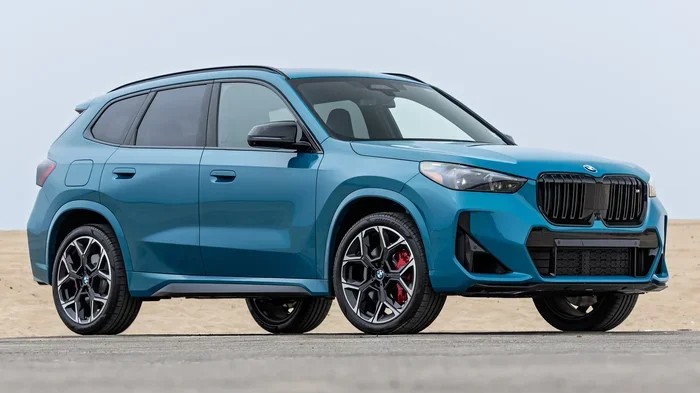
Visual guide about BMW X1 driving highway
Image source: thumbs.dreamstime.com
Oil Filter Housing and Valve Cover Gasket Leaks
Almost every turbo BMW develops these leaks eventually. The oil filter housing gasket (OFHG) and valve cover gasket (VCG) shrink over heat cycles. Oil drips onto the serpentine belt, which can shred and get sucked past the front crank seal — destroying the engine. Fix both at first sign of seepage. It’s a $400–800 DIY job or $1,200–1,800 at a shop.
Coolant System Failures
BMW cooling systems are maintenance items, not lifetime components. The electric water pump, thermostat, and expansion tank typically fail between 80,000–120,000 miles. Overheating an aluminum engine once can warp the head. Replace the entire cooling system preventively at 100,000 miles or 10 years. Use BMW-approved coolant only — the blue G48 or green HT-12, never universal green or orange.
Carbon Buildup on Intake Valves
Direct injection means no fuel washing the intake valves. Carbon accumulates, causing misfires, rough idle, and power loss. Every 60,000–80,000 miles, walnut blasting (media blasting the intake ports) restores performance. Some owners use catch cans and occasional redline runs to slow buildup.
Electrical Gremlins
Frunk (front trunk) water intrusion on F48 models can fry the fuse box and modules. Check the drain tubes annually. Battery registration is required after replacement — skipping it causes charging issues and module faults. iDrive screen delamination affects 2016–2018 models; BMW extended coverage to 10 years/120,000 miles.
Maintenance Schedule for Maximum X1 Lifespan
Following the factory schedule gets you to 100,000 miles. Exceeding it gets you to 250,000+. Here’s the enthusiast-approved BMW X1 maintenance schedule for the long haul:
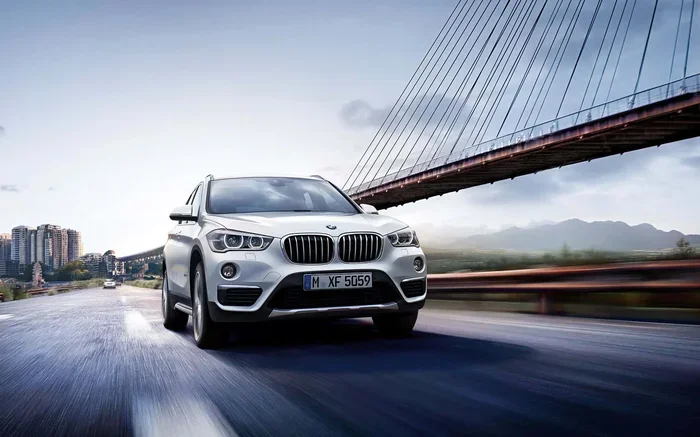
Visual guide about BMW X1 driving highway
Image source: c8.alamy.com
Every 5,000–7,500 Miles or 6 Months
- Engine oil and filter (LL-01 or LL-17FE+ synthetic)
- Tire rotation and pressure check
- Brake pad/rotor inspection
- Fluid level checks (coolant, brake, washer)
- Visual leak inspection
Every 30,000 Miles or 3 Years
- Brake fluid flush (DOT 4 LV)
- Cabin air filter (carbon activated)
- Engine air filter
- Spark plugs (B48: every 60k, but check at 30k)
Every 60,000 Miles or 5 Years
- Transmission fluid and filter (ZF 8HP or Aisin 8-speed)
- Rear differential fluid (xDrive models)
- Transfer case fluid (xDrive models)
- Coolant flush (use correct BMW coolant)
- Walnut blast intake valves (direct injection engines)
Every 100,000 Miles or 10 Years
- Complete cooling system overhaul (water pump, thermostat, hoses, expansion tank, radiator if original)
- Serpentine belt and tensioner
- Spark plugs (if not done at 60k)
- Fuel filter (integrated in pump module on some models)
- Suspension inspection — replace control arm bushings, ball joints proactively
Quick Tips: Money-Saving Maintenance Hacks
- DIY oil changes: Save $100+/service. Takes 30 minutes with a 17mm socket and oil extractor.
- Buy OEM parts online: FCP Euro, ECS Tuning, and BMW dealerships with wholesale accounts beat retail pricing.
- Independent BMW specialists: 40–60% cheaper than dealers for complex work.
- Track everything: Use a spreadsheet or app (Fuelly, Drivvo) — records boost resale value.
Buying a Used BMW X1: What to Look For
Pre-Purchase Inspection Checklist
Never buy a used X1 without a PPI from a BMW specialist. Cost: $150–300. Saves thousands. Here’s what they should check:
- Cold start: Listen for timing chain rattle (N20), rough idle, smoke
- Oil analysis: $30 kit reveals bearing wear, fuel dilution, coolant intrusion
- Scan all modules: Not just engine — transmission, ABS, airbag, body, HVAC
- Test drive: Check transmission shifts, xDrive engagement, steering feel, brake pull
- Undercarriage: Rust on subframes, brake lines, fuel lines, exhaust hangers
- Tire wear patterns: Uneven wear = alignment/suspension issues
- Service records: Verify Carfax matches seller claims
Best Used X1 Model Years to Buy
2016–2018 F48: Sweet spot. Depreciation hit taken, B48 engine, 8-speed auto, Apple CarPlay (2017+), most bugs worked out. Avoid 2016 early build months (March–June 2015 production) for potential iDrive screen issues.
2019–2021 F48 LCI (facelift): Updated styling, digital dash standard, improved iDrive 7, same reliable drivetrain. Higher prices but more tech.
2013–2015 E84 N20: Only if price reflects timing chain risk. Get written proof of chain guide replacement or budget $2,500–4,000 for preventive repair. xDrive28i is the one to find.
Certified Pre-Owned vs. Private Party
BMW CPO warranty adds 1 year/unlimited miles after the 4-year/50,000-mile factory warranty expires. Covers most major components. Worth $1,500–3,000 premium for peace of mind on 2018+ models. For older cars, a thorough PPI and understanding what BMW warranty covers helps you negotiate.
Real Owner Experiences: High-Mileage X1 Stories
Case Study: 2013 xDrive28i at 247,000 Miles
Mike from Colorado bought his 2013 new. Highway commute, 25,000 miles/year. Maintenance: oil every 5,000 miles with Liqui Moly 5W-30, cooling system at 110k, timing chain guides at 130k (preventive), transmission fluid every 60k, walnut blast at 90k and 180k. Original turbo, original transmission. “The seats wore out before the drivetrain,” he says. Only major repair: water pump at 110k and 210k.
Case Study: 2017 sDrive28i at 185,000 Miles
Sarah in Florida, mixed driving. Dealer maintenance until 60k, then independent specialist. B48 engine, zero oil consumption. Replaced: brake pads/rotors (3 sets), tires (5 sets), battery (2), cabin filters, coolant at 100k. “Boring reliability. It just works.” Her mechanic notes the F48 platform ages better than any BMW in 20 years.
Case Study: 2012 xDrive28i — The Cautionary Tale
Jason bought at 85,000 miles with “recent service.” No records. At 92,000 miles, timing chain guide failed on highway. Engine destroyed. $8,000 used engine install. Lesson: never assume maintenance was done. Verify everything.
BMW X1 vs. Competitors: Longevity Comparison
| Vehicle | Typical Lifespan | Key Strength | Key Weakness |
|---|---|---|---|
| BMW X1 (F48) | 180k–220k+ miles | Driving dynamics, engine durability | Maintenance cost, carbon buildup |
| Audi Q3 | 150k–180k miles | Interior quality, AWD system | DSG transmission issues, oil consumption |
| Mercedes GLA | 150k–180k miles | Ride comfort, tech features | Electrical complexity, turbo failures |
| Volvo XC40 | 180k–200k miles | Safety, seat comfort | Drive-E engine complexity, transmission |
| Lexus UX | 250k–300k+ miles | Legendary reliability, low maintenance cost | Less engaging, slower, smaller cargo |
The X1 sits in the middle — not Toyota/Lexus reliability, but better than most European rivals when maintained. The driving experience premium costs more in upkeep but rewards enthusiasts.
Extending Your X1’s Life: Pro Strategies
Fluid Quality Matters More Than You Think
BMW engineers fluids for specific tolerances. “Meets spec” aftermarket fluids often fall short. Use:
- Oil: BMW LL-01 (0W-30, 5W-30) or LL-17FE+ (0W-20 for B48). Brands: Liqui Moly, Motul, Castrol Edge Professional, Pennzoil Platinum Euro.
- Coolant: BMW G48 (blue, pre-2018) or HT-12 (green, 2018+). Never mix. Never use universal.
- Brake Fluid: DOT 4 Low Viscosity (LV) only. Standard DOT 4 absorbs water faster.
- Transmission: ZF Lifeguard 8 or Aisin ATF for 8-speed. Do not use “universal” ATF.
Protect the Undercarriage
If you live in the salt belt, annual undercoating (Fluid Film, Krown, NHOU) saves thousands in brake line and subframe replacement. Wash the undercarriage monthly in winter. Touch up paint chips immediately — rust starts small.
Battery Management
Modern BMWs hate low voltage. Short trips + cold weather + aging battery = module faults. Keep a CTEK charger/maintainer if the car sits. Register every new battery with BimmerCode, Carly, or ISTA. AGM batteries last 5–7 years; lithium (newer models) 8–10.
Software Updates
Dealers can update modules for improved shift logic, fuel economy, and bug fixes. Ask during service visits. Some updates fix rough shifts, cold-start issues, and iDrive glitches. Independent shops with ISTA access can do this too.
Cost of Ownership: The Long-Term Picture
Let’s talk money. A 10-year/200,000-mile ownership cost breakdown for a 2017 X1 sDrive28i:
- Purchase (used, 40k miles): $22,000
- Fuel (25 MPG avg, $3.50/gal): $28,000
- Insurance (10 years): $12,000
- Maintenance (DIY + indie shop): $8,000
- Repairs (water pump, OFHG, walnut blast, suspension): $5,000
- Tires (5 sets): $4,000
- Brakes (3 front, 2 rear): $2,500
- Total: ~$81,500 or $0.41/mile
Compare to Lexus UX (~$0.32/mile) or Audi Q3 (~$0.45/mile). The X1 costs more than Japanese brands but delivers a driving experience they can’t match. For many, that’s worth the premium.
When to Sell vs. Keep Going
Major decision points:
- 100,000 miles: If cooling system and timing chain (N20) are done, keep going.
- 150,000 miles: Evaluate suspension, turbo health, transmission. If solid, next 50k is cheap.
- 200,000 miles: Major suspension refresh ($2,500–4,000). Decide if you love the car enough.
- 250,000+ miles: Only for enthusiasts. Engine/transmission could go any time. But many do 300k+.
Conclusion
So, how long BMW X1 last? The answer is largely up to you. These are well-engineered vehicles capable of 200,000+ miles — but they demand respect. Skip oil changes, ignore coolant leaks, or defer maintenance, and you’ll join the “unreliable BMW” crowd. Follow the enthusiast schedule, use correct fluids, and address small issues before they cascade, and your X1 can be a 250,000-mile companion.
The F48 generation (2016+) is your best bet for worry-free high mileage. The B48 engine and Aisin/ZF 8-speed transmission are proven champions. Earlier E84 models with the N20 need timing chain attention but reward diligent owners. Whichever you choose, get a PPI, verify history, and budget for maintenance — not just the payment.
Your X1 can be the car that makes you a “high-mileage BMW owner” — the person at the meet with 280,000 miles on the original engine and transmission, smiling while everyone asks your secret. The secret? You read the manual, you followed the schedule, and you cared. That’s it. That’s the whole game.
Ready to start your X1 journey? Check our guide on identifying the most reliable BMW models for longevity to compare the X1 with its stablemates. Your future high-mileage story starts with the right choice today.
Frequently Asked Questions
How many miles can a BMW X1 last?
A well-maintained BMW X1 typically lasts 150,000–200,000 miles, with many F48 generation (2016+) models exceeding 250,000 miles. The key factors are maintenance history, driving habits, and climate. Regular oil changes with approved synthetics, timely cooling system replacement, and carbon cleaning are critical for reaching high mileage.
What is the most reliable BMW X1 model year?
The 2017–2021 F48 generation models are widely considered the most reliable. They feature the robust B48 2.0L turbo-four engine, proven 8-speed automatic transmission, and resolved most early production issues. The 2016 model is also good but verify iDrive screen warranty work was completed. Avoid 2012–2015 N20 models unless timing chain guides have been replaced.
Is the BMW X1 expensive to maintain long-term?
Yes, the X1 costs more to maintain than Japanese competitors — roughly $800–1,200/year for DIY maintenance or $1,500–2,500/year at independent shops. However, it’s less expensive than larger BMW models. Using quality aftermarket parts (not cheap generics) and doing basic services yourself significantly reduces costs.
What are the most common BMW X1 problems?
The top issues are: timing chain guide failure (2012–2015 N20 engines), oil filter housing and valve cover gasket leaks, electric water pump and thermostat failure (80k–120k miles), carbon buildup on intake valves (direct injection), and electrical issues from water intrusion or battery neglect. Most are preventable with proactive maintenance.
Should I buy a high-mileage BMW X1?
Only with a thorough pre-purchase inspection and verified maintenance records. A 120,000-mile X1 with documented cooling system overhaul, timing chain service (N20), transmission fluid changes, and walnut blasting is a better buy than a 70,000-mile example with no records. Budget $2,000–4,000 for immediate deferred maintenance on any high-mileage purchase.
Does the BMW X1 hold its value well?
The X1 depreciates about 45–50% in the first 3 years — average for luxury compact SUVs. However, well-maintained F48 models with service records retain value better than neglected examples. CPO warranty coverage adds resale appeal. The X1’s strong enthusiast following supports used prices for clean, high-mileage examples that run well.