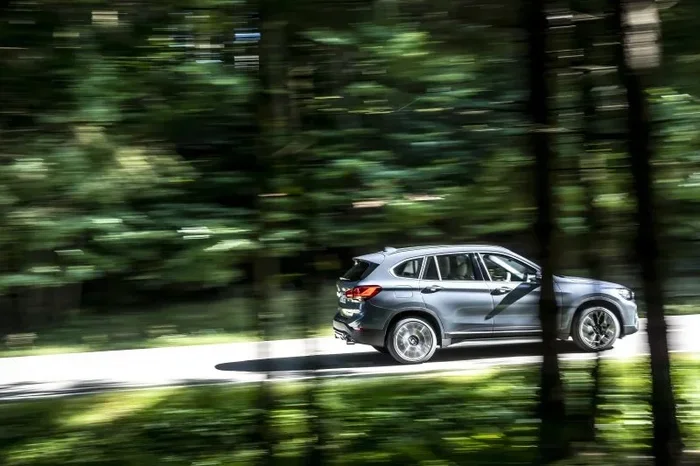
Featured image for BMW X1 driving highway
Image source: dedoimedo.com
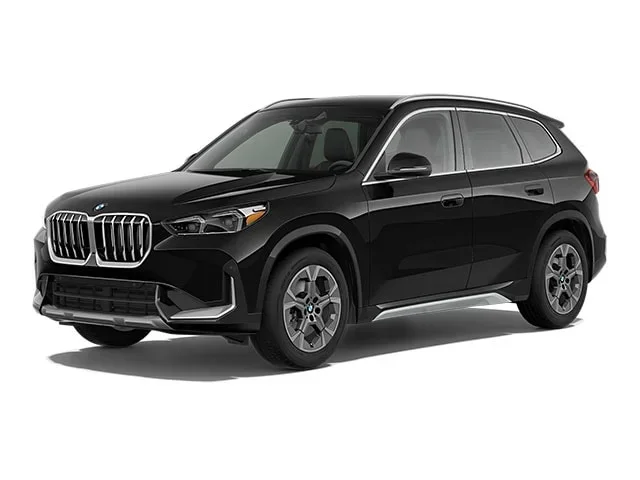
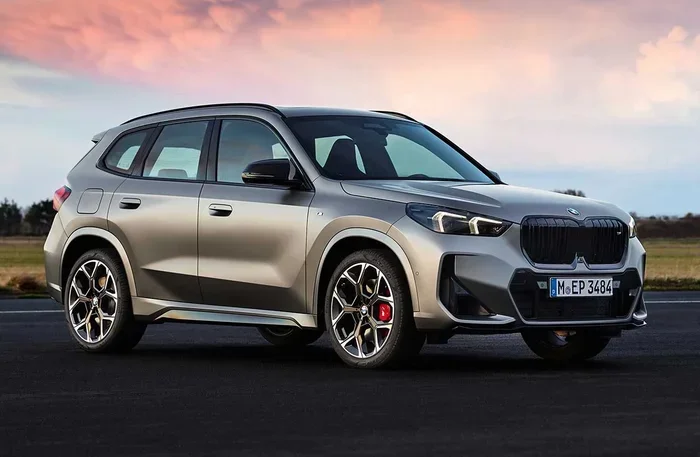
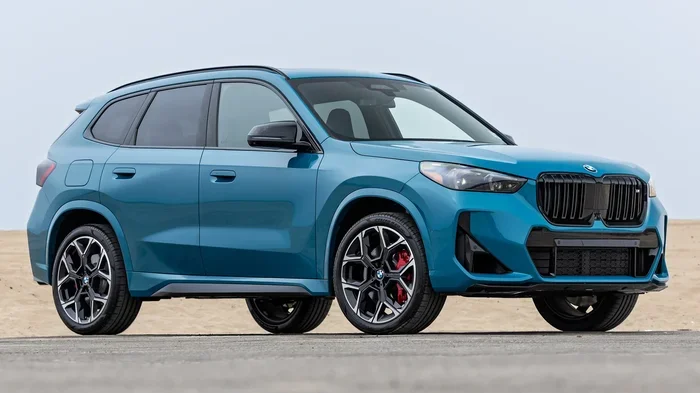
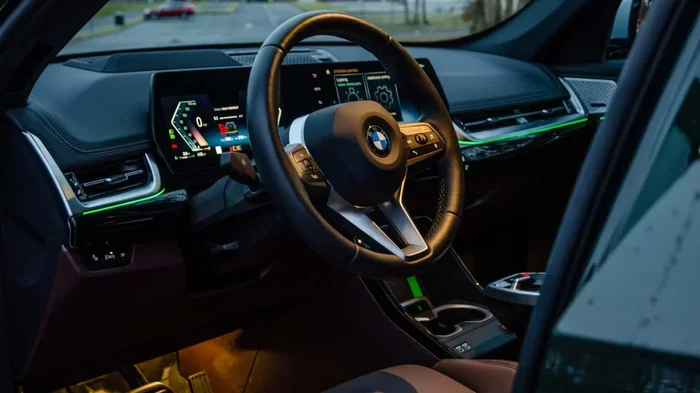
The BMW X1 delivers surprising speed for a compact SUV, with 0-60 mph times ranging from 6.2 to 7.5 seconds depending on the trim. The range-topping M35i hits 60 mph in just 5.4 seconds, while the base sDrive28i manages it in about 7.2 seconds. This guide breaks down acceleration, top speed, and engine specs for every current and recent X1 model so you know exactly what to expect.
When shoppers ask how fast is a BMW X1, they usually want real-world numbers, not just brochure claims. The answer depends heavily on which trim you choose, because the gap between the base model and the M Performance variant is massive. We are talking about a difference of nearly two full seconds to 60 mph. That is the difference between a practical daily driver and a genuine pocket rocket.
In this guide, we will break down the acceleration, top speed, and engine specs for every major X1 configuration sold in the US over the last few years. You will learn exactly what each engine delivers, how the drivetrain affects launch traction, and how the X1 stacks up against its German rivals. Whether you are cross-shopping the base sDrive28i or eyeing the spicy M35i, you will walk away knowing exactly which X1 fits your need for speed.
Key Takeaways
- Fastest trim: The 2024 BMW X1 M35i xDrive reaches 60 mph in 5.4 seconds with 312 horsepower.
- Base model speed: The sDrive28i and xDrive28i models hit 60 mph in roughly 7.2 seconds with 241 horsepower.
- Top speed limits: Most X1 models are electronically limited to 130 mph, while the M35i can reach 155 mph with the performance package.
- All-wheel drive advantage: xDrive models typically accelerate 0.2-0.3 seconds quicker than sDrive variants due to better traction.
- Transmission matters: The 7-speed dual-clutch in the M35i shifts faster than the 8-speed automatic in standard models.
- Real-world performance: The X1 feels quicker than numbers suggest thanks to instant turbo torque and sharp throttle response.
- Competitive standing: The X1 outperforms the Audi Q3 and Mercedes GLA in base trim acceleration but trails the Mercedes-AMG GLA 35 at the top end.
📑 Table of Contents
- BMW X1 Performance Overview by Trim Level
- Previous Generation (2016-2022) BMW X1 Performance Specs
- What Makes the BMW X1 Feel Fast (Beyond the Numbers)
- BMW X1 vs. Key Competitors: Speed Comparison
- Real-World Driving Impressions: What Owners Report
- Modifying Your BMW X1 for More Speed
- Common Misconceptions About BMW X1 Speed
- Choosing the Right BMW X1 for Your Needs
- Expert Insight: The Engineering Behind the Speed
- Frequently Asked Questions About BMW X1 Speed
- Final Thoughts: How Fast Is a BMW X1 Really?
BMW X1 Performance Overview by Trim Level
The current generation (U11 chassis, 2023-present) simplified the lineup significantly. Gone are the days of the 18i, 20i, and 25i badges. Today, you essentially have two engine tiers: the 2.0-liter four-cylinder in the 28i models and the high-output 2.0-liter in the M35i. The previous generation (F48, 2016-2022) had a wider spread, including a three-cylinder base engine and a plug-in hybrid. We will cover both generations so used buyers get the full picture.
2024-2025 BMW X1 M35i xDrive: The Speed King
This is the answer if you want the fastest BMW X1 money can buy. The M35i uses a high-output version of the B48 2.0-liter TwinPower Turbo four-cylinder. It pumps out 312 horsepower and 295 lb-ft of torque. That torque hits at just 2,000 rpm, meaning you get a massive shove the moment you tip into the throttle.
- 0-60 mph: 5.4 seconds (BMW estimate)
- Quarter mile: ~13.9 seconds @ 100 mph
- Top speed: 130 mph (standard) / 155 mph (with M Performance tires and raised limiter)
- Transmission: 7-speed Steptronic dual-clutch automatic
- Drivetrain: xDrive all-wheel drive with mechanical limited-slip differential
The dual-clutch transmission is a game-changer here. It snaps off shifts in milliseconds, keeping the turbo spooled between gears. The mechanical limited-slip diff on the front axle puts power down cleanly out of corners. Launch control is standard and works brutally well—hold the brake, floor it, release, and the X1 M35i rockets forward with almost zero wheelspin.
2024-2025 BMW X1 xDrive28i: The Sweet Spot
The xDrive28i uses the standard-output B48 engine with 241 horsepower and 295 lb-ft of torque (yes, same peak torque as the M35i, just at a slightly higher rpm). It sends power through an 8-speed Steptronic automatic to all four wheels.
- 0-60 mph: 6.2 seconds (BMW estimate)
- Quarter mile: ~14.7 seconds @ 94 mph
- Top speed: 130 mph (electronically limited)
- Transmission: 8-speed Steptronic automatic with paddle shifters
- Drivetrain: xDrive all-wheel drive
Six-point-two seconds is genuinely quick for a compact luxury SUV. It matches the previous generation’s X1 xDrive28i despite the new car being heavier. The 8-speed torque-converter auto is smoother around town than the M35i’s dual-clutch, and the xDrive system provides confident launches in rain or snow. For 90% of drivers, this is the performance sweet spot.
2024-2025 BMW X1 sDrive28i: Front-Drive Value
Mechanically identical to the xDrive28i except for the drivetrain. The sDrive28i sends power only to the front wheels via the same 8-speed automatic. It weighs about 100 lbs less.
- 0-60 mph: 6.5 seconds (BMW estimate)
- Quarter mile: ~14.9 seconds @ 93 mph
- Top speed: 130 mph (electronically limited)
- Transmission: 8-speed Steptronic automatic
- Drivetrain: Front-wheel drive
The 0.3-second penalty versus xDrive comes down to traction. On dry pavement, the front tires can only handle so much torque before spinning. In the wet, the gap widens. However, the lighter nose improves turn-in response, and you save roughly $2,000 upfront plus gain 1-2 mpg. If you live in the Sun Belt, the sDrive is a smart pick.
Previous Generation (2016-2022) BMW X1 Performance Specs
The F48-chassis X1 ran for seven model years with several engine changes. If you are shopping used, these are the numbers that matter.
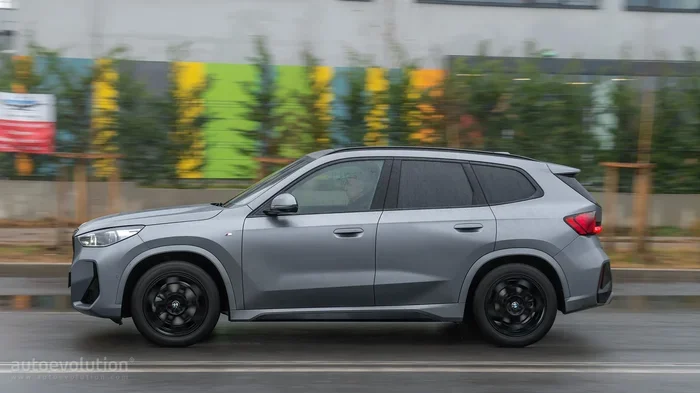
Visual guide about BMW X1 driving highway
Image source: s1.cdn.autoevolution.com
2016-2019 BMW X1 sDrive28i / xDrive28i (N20 Engine)
Early F48 models used the N20 2.0-liter turbo-four with 228 hp and 258 lb-ft. The 8-speed ZF automatic was standard.
- sDrive28i 0-60: 6.6 seconds
- xDrive28i 0-60: 6.3 seconds
- Top speed: 130 mph limited
The N20 is a solid engine but watch for timing chain guide failures on high-mileage examples. The xDrive version is noticeably quicker off the line.
2020-2022 BMW X1 sDrive28i / xDrive28i (B48 Engine)
The mid-cycle refresh brought the updated B48 engine with 228 hp and 258 lb-ft (same peaks, but broader torque curve). The 8-speed auto carried over.
- sDrive28i 0-60: 6.5 seconds
- xDrive28i 0-60: 6.2 seconds
- Top speed: 130 mph limited
These are the most reliable used X1s. The B48 solved the N20’s timing chain issues and added a particulate filter for cleaner emissions.
2020-2022 BMW X1 xDrive25e Plug-In Hybrid
A unique entry: a 1.5-liter three-cylinder turbo (125 hp) plus an electric motor (94 hp) for 220 hp combined and 284 lb-ft. 6-speed automatic, xDrive only.
- 0-60 mph: 6.8 seconds
- Electric-only range: ~17 miles
- Top speed: 120 mph limited (84 mph electric only)
Quick off the line thanks to instant electric torque, but runs out of breath above 60 mph. Great for short commutes, not for autobahn runs.
What Makes the BMW X1 Feel Fast (Beyond the Numbers)
Spec sheets tell half the story. The X1 feels quicker than its 0-60 times suggest because of three engineering choices BMW nailed.
Visual guide about BMW X1 driving highway
Image source: ackodrive-prod.ackoassets.com
Instant Turbo Torque Delivery
Both the standard and high-output B48 engines produce peak torque at remarkably low rpm—2,000 rpm for the M35i, 1,500 rpm for the 28i. There is virtually no turbo lag. Stab the throttle at 30 mph in Sport mode and the surge is immediate. This makes highway passing effortless without needing to downshift manually.
Short Gear Ratios and Quick Shifts
The 8-speed automatic in the 28i models uses closely spaced lower ratios. First gear is very short (roughly 5.5:1), second pulls to 55 mph, third to 85 mph. The transmission controller anticipates driver intent—lift slightly, then floor it, and it pre-selects the perfect gear. The M35i’s 7-speed dual-clutch is even sharper, with near-instant upshifts under full throttle.
Launch Control and Traction Management
Every current X1 has launch control. In the M35i, it builds 2,500-3,000 rpm of boost before releasing the clutch. The xDrive system meters torque to each wheel individually via brake-based torque vectoring. The result: consistent, repeatable 0-60 runs with zero drama. Even the sDrive28i manages clean launches thanks to a sophisticated electronic differential lock that brakes the spinning inside wheel.
BMW X1 vs. Key Competitors: Speed Comparison
Context matters. Here is how the X1 stacks up against its direct rivals in the compact luxury SUV segment. All times are manufacturer estimates for current-model-year base and top trims.
Visual guide about BMW X1 driving highway
Image source: us-west-2.graphassets.com
| Model | Trim | Horsepower | 0-60 mph | Top Speed |
|---|---|---|---|---|
| BMW X1 | sDrive28i | 241 | 6.5 sec | 130 mph |
| BMW X1 | xDrive28i | 241 | 6.2 sec | 130 mph |
| BMW X1 | M35i xDrive | 312 | 5.4 sec | 155 mph |
| Audi Q3 | 40 TFSI FWD | 184 | 7.3 sec | 130 mph |
| Audi Q3 | 45 TFSI quattro | 228 | 6.7 sec | 130 mph |
| Audi Q3 | RS Q3 | 394 | 4.5 sec | 155 mph |
| Mercedes GLA | GLA 250 | 221 | 6.8 sec | 130 mph |
| Mercedes GLA | AMG GLA 35 | 302 | 5.1 sec | 155 mph |
| Volvo XC40 | B4 FWD | 197 | 7.4 sec | 112 mph |
| Volvo XC40 | B5 AWD | 247 | 6.2 sec | 112 mph |
With optional M Performance tires and raised limiter. Standard limiter is 130 mph.
Takeaway: The base X1 xDrive28i beats the Audi Q3 45 and Mercedes GLA 250 to 60 mph. The M35i splits the difference between the AMG GLA 35 (quicker) and the RS Q3 (much quicker, much pricier). The X1 M35i starts around $48k; the AMG GLA 35 starts near $52k; the RS Q3 starts over $60k. Value-wise, the M35i wins.
Real-World Driving Impressions: What Owners Report
Numbers are one thing. Living with the car is another. Here is what X1 owners consistently highlight on forums and in reviews.
Mid-Range Punch (30-70 mph)
This is where the X1 shines. The torque curve is perfectly shaped for highway merging and passing. In Sport mode, the transmission holds gears longer and the throttle map sharpens. A 50-70 mph pass takes roughly 3.2 seconds in the xDrive28i and 2.6 seconds in the M35i. That is hot-hatch territory.
Sport Mode Transformation
Every X1 has a Sport mode (via the drive mode selector). It does three things: sharpens throttle response by ~30%, holds gears 800-1,000 rpm higher, and weights up the steering. In the M35i, it also opens the exhaust flaps for a louder growl and tightens the diff lock. The difference between Comfort and Sport is night and day—the car feels like two different vehicles.
Handling Balance
The X1 uses a front-strut/multi-link rear suspension. It is not a sports car, but body roll is well-controlled. The M35i adds model-specific springs, dampers, and anti-roll bars plus the front limited-slip diff. It corners flat and rotates willingly on throttle lift-off. The 28i models are softer but still precise—more GT than track toy.
Fuel Economy vs. Performance Trade-off
Surprisingly small. The EPA rates the xDrive28i at 25 city / 34 highway / 28 combined. The M35i manages 23 / 31 / 26. Real-world mixed driving typically yields 26-28 mpg for the 28i and 22-24 mpg for the M35i. You give up 2-4 mpg for nearly a full second of 0-60 improvement. That is a fair trade.
Modifying Your BMW X1 for More Speed
If stock isn’t enough, the B48 engine responds exceptionally well to tuning. Here is the realistic upgrade path.
Stage 1 Software Tune (All Models)
- Cost: $400-$800
- Gains: +40-55 hp / +50-65 lb-ft (28i); +50-60 hp / +60-70 lb-ft (M35i)
- 0-60 improvement: ~0.4-0.6 seconds
- Risk: Low if using reputable tuner (BM3, MHD, Dinan). Warranty may be voided on powertrain.
A Stage 1 tune on the xDrive28i drops 0-60 into the high 5-second range. On the M35i, it pushes toward 4.8 seconds. The torque curve becomes even fatter—mid-range pull is addictive.
Stage 2: Intake + Intercooler + Tune
- Cost: $1,500-$2,500
- Gains: +70-90 hp over stock
- Required: High-flow intake, upgraded intercooler, custom tune
- 0-60 improvement: ~0.8-1.0 seconds over stock
This is where reliability risks increase. The B48 block and internals can handle 350+ hp, but the transmission (especially the 8-speed in 28i models) becomes the weak link. The M35i’s dual-clutch holds more torque.
Supporting Mods Worth Doing
- High-performance tires: Michelin Pilot Sport 4S or Continental ExtremeContact Sport 02. The single biggest real-world speed upgrade. Cuts 60-foot times by 0.1-0.2 seconds.
- Brake pads/fluid: Track-capable pads (Hawk HP+, Ferodo DS2500) and DOT 4 fluid for repeated hard stops.
- Engine mount inserts: Reduce drivetrain slop, improve shift feel and throttle response.
Common Misconceptions About BMW X1 Speed
Let’s clear up a few things buyers often get wrong.
“The Base Model Is Slow”
False. A 6.5-second 0-60 time would have been sports sedan territory 15 years ago. The sDrive28i keeps up with traffic effortlessly and passes confidently. It only feels “slow” if you have driven the M35i back-to-back.
“Front-Wheel Drive Can’t Handle Power”
The sDrive28i’s 241 hp is well within the limits of modern front tires and electronic traction aids. Torque steer is minimal. The M35i’s 312 hp would overwhelm FWD, which is why it is xDrive-only. BMW drew the line exactly where physics demanded it.
“The Three-Cylinder Was Terrible”
The 1.5L three-cylinder in the xDrive25e and European sDrive18i is actually a gem—smooth, punchy, and characterful. It is not slow; the 25e hits 60 in 6.8 seconds. It just lacks the top-end breath of the four-cylinder.
“All X1s Are Limited to 130 mph”
Most are. But the M35i with the optional M Performance package (summer tires + raised limiter) unlocks 155 mph. The RS Q3 and AMG GLA 35 also offer 155 mph. The standard X1 28i models cannot be dealer-unlocked to 155 mph—their tires and cooling aren’t rated for it.
Choosing the Right BMW X1 for Your Needs
Speed is one factor. Here is a quick decision framework.
Buy the sDrive28i If:
- You live where it never snows.
- You want the lowest purchase price and best MPG.
- You prioritize sharp turn-in over launch traction.
- 6.5 seconds to 60 is plenty quick for you.
Buy the xDrive28i If:
- You see rain, snow, or gravel regularly.
- You want the best all-around balance of speed, comfort, and security.
- You plan to keep the car long-term (xDrive resale is stronger).
- 6.2 seconds to 60 feels right.
Buy the M35i xDrive If:
- You genuinely enjoy driving and want maximum engagement.
- You want the quickest X1, period.
- You value the dual-clutch transmission, limited-slip diff, and sport suspension.
- You are okay with 2-3 mpg less and a ~$8k price premium.
Expert Insight: The Engineering Behind the Speed
BMW’s B48 engine family is a masterclass in scalable architecture. The same basic block, head, and valvetrain underpin everything from the 180-hp 318i to the 312-hp M35i. The differences come down to:
- Turbocharger: Larger compressor/turbine wheels on the M35i for higher flow.
- Pistons: Forged vs. cast for higher boost tolerance.
- Cooling: Additional oil cooler, larger radiator, reinforced water pump on M35i.
- ECU calibration: Aggressive ignition timing, higher boost targets (1.5 bar vs 1.1 bar peak), richer AFR under load.
This modular approach means the 28i engine isn’t “detuned”—it is optimized for efficiency and durability at its power level. The M35i engine is built for sustained high-load operation. Both are over-engineered for their rated outputs, which is why Stage 1 tunes are so safe.
If you are curious about how BMW’s performance hierarchy shakes out across the whole lineup, our guide on what BMW is the fastest puts the X1 M35i in context alongside M cars and Alpina models. For a deeper look at the horsepower wars across the brand, check out our most powerful BMW models deep dive. And if long-term ownership is your plan, the most reliable BMW models article highlights where the X1 stands for durability.
Frequently Asked Questions About BMW X1 Speed
What is the 0-60 time of a 2024 BMW X1 xDrive28i?
The 2024 BMW X1 xDrive28i accelerates from 0-60 mph in 6.2 seconds according to BMW’s official figures. Independent testing has recorded times as low as 6.0 seconds in ideal conditions.
How fast is the BMW X1 M35i top speed?
The BMW X1 M35i has a standard electronically limited top speed of 130 mph. With the optional M Performance package (which includes high-speed-rated summer tires), the limiter is raised to 155 mph.
Is the BMW X1 sDrive28i slower than the xDrive28i?
Yes, the front-wheel-drive sDrive28i is about 0.3 seconds slower to 60 mph (6.5 vs 6.2 seconds) due to traction limitations off the line. At higher speeds, the difference narrows significantly.
Which BMW X1 engine is the most reliable for performance?
The B48 2.0-liter engine in 2020+ models (both 28i and M35i variants) has proven highly reliable even under increased boost from tuning. The earlier N20 engine (2016-2019) had timing chain issues that make it less ideal for modified applications.
Can you launch control a BMW X1?
Yes, every current BMW X1 includes launch control as standard. Activate Sport mode, disable traction control (hold button 3-5 seconds), left-foot brake, floor throttle, release brake. The M35i builds the most boost for the hardest launch.
How does the BMW X1 compare to the X2 for speed?
The BMW X2 shares the same chassis and powertrains as the X1. Performance numbers are virtually identical—the X2 is slightly lower and stiffer, so it feels sharper in corners, but straight-line acceleration is the same for equivalent trims.
Final Thoughts: How Fast Is a BMW X1 Really?
The answer spans a wide range. A base sDrive28i does 0-60 in 6.5 seconds—respectable, practical, and efficient. The xDrive28i shaves that to 6.2 seconds with added foul-weather security. The M35i xDrive drops a stunning 5.4 seconds, putting it in genuine sports car territory while still hauling groceries and car seats.
Across the board, the X1 delivers more driving engagement than its competitors. The steering is communicative, the chassis is balanced, and the engines are responsive. You don’t buy an X1 for drag strip times; you buy it because it makes every on-ramp, back road, and highway pass feel special.
If you are cross-shopping, drive the xDrive28i and M35i back-to-back. The 28i will surprise you with how capable it is. The M35i will make you giggle. Either way, you are getting a BMW that honors the badge’s promise: the ultimate driving machine, now in compact SUV form.