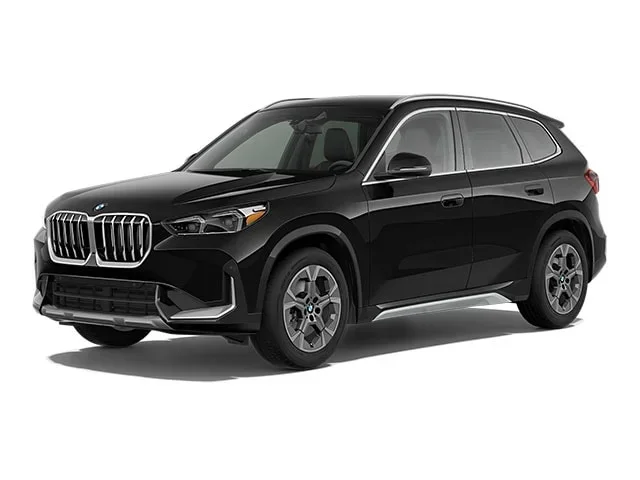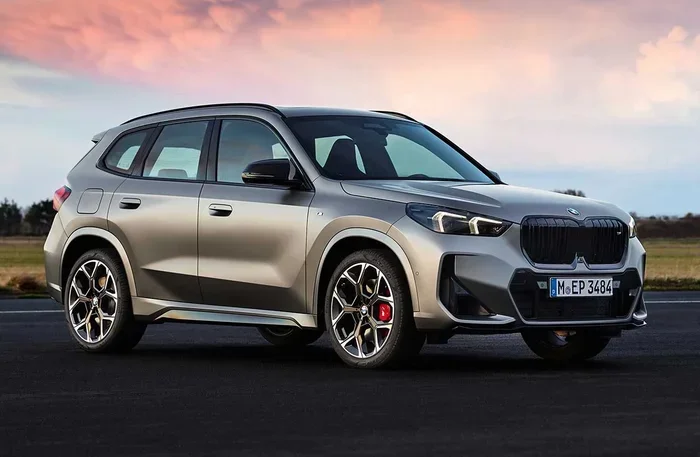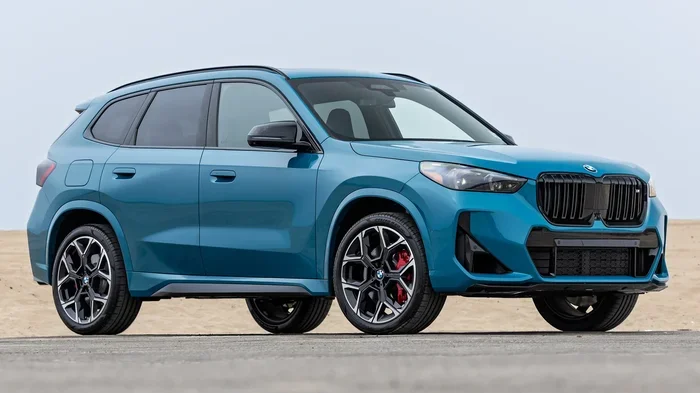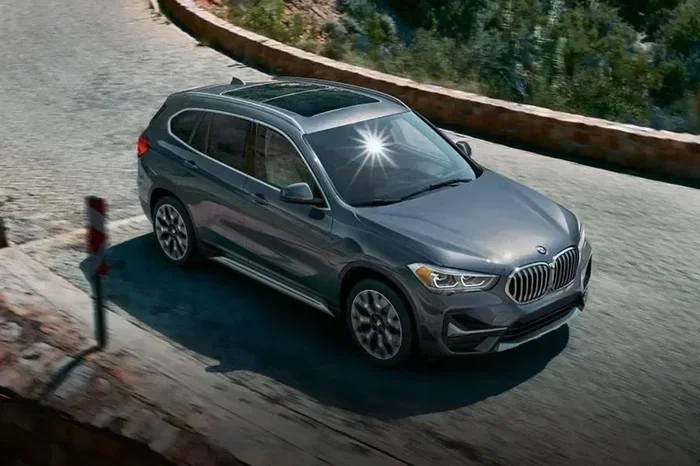
Featured image for BMW X1 exterior
Image source: imgcdn.oto.com.sg
Is the BMW X1 a big car? Technically, it sits in the subcompact luxury SUV segment, making it the smallest SUV in the BMW lineup. While it offers surprising interior room for passengers, its exterior footprint is designed for easy city parking and garage fit. Read on to see detailed dimensions, cargo specs, and competitor comparisons.
If you are shopping for a luxury crossover, you have probably asked yourself: is BMW X1 a big car? The short answer is no, not by traditional SUV standards. It is the entry point to the BMW Sports Activity Vehicle lineup. However, “small” on the outside does not always mean “cramped” on the inside. This guide breaks down every dimension, compares it to direct rivals, and helps you decide if the X1 fits your life.
We will look at the hard numbers: length, width, height, and wheelbase. We will translate those numbers into real-world usability. That means garage fit, parking ease, passenger comfort, and luggage capacity. By the end, you will know exactly where the X1 sits on the size spectrum.
Key Takeaways
- Segment Classification: The BMW X1 is a subcompact luxury crossover, not a mid-size or full-size SUV.
- Exterior Dimensions: It measures roughly 175 inches long, 72 inches wide, and 64 inches high, making it very garage-friendly.
- Interior Space: Despite the small footprint, clever packaging delivers 37 inches of rear legroom and up to 58.7 cubic feet of cargo space with seats folded.
- Competitor Comparison: It is similar in size to the Audi Q3 and Volvo XC40, but noticeably smaller than the BMW X3.
- Generational Growth: The current U11 generation (2023+) grew slightly larger than the previous F48 model, adding width and wheelbase.
- Ideal Use Case: Perfect for urban dwellers, small families, or anyone wanting a premium badge without the bulk of a larger SUV.
- Parking Advantage: Its compact turning circle and short overhangs make it significantly easier to park than its larger siblings.
📑 Table of Contents
- Understanding the “Subcompact” Label
- BMW X1 Dimensions: The Hard Numbers (2023+ U11 Generation)
- Interior Space: Where “Small” Feels “Big”
- BMW X1 vs. The Competition: Size Showdown
- Real World Scenarios: Does the X1 Fit Your Life?
- The Evolution of X1 Size: F48 (2016-2022) vs U11 (2023+)
- Trims and Tires: Does Equipment Change Size?
- Technology That Makes It Feel Bigger
- Common Misconceptions About X1 Size
- Expert Insight: The “Goldilocks” Sweet Spot
- Quick Tips for Maximizing X1 Space
- Common Mistakes Buyers Make Regarding Size
- Key Takeaways Revisited
- Conclusion
Understanding the “Subcompact” Label
The automotive industry loves segments. The BMW X1 lives in the subcompact luxury SUV category. This is the smallest rung on the luxury SUV ladder. Think of it as the “baby” of the BMW X family. It slots below the X2 (which is sportier and lower) and well below the X3, X5, and X7.
Why does this label matter? It sets expectations. You are not buying a three-row family hauler. You are buying a vehicle built on a front-wheel-drive architecture (UKL/FAAR platform) shared with the Mini Countryman. This platform dictates the maximum size. It allows for a spacious cabin relative to the footprint, but it has hard physical limits.
How the X1 Fits in the BMW Lineup
BMW uses a simple numbering system. Even numbers (2, 4, 6, 8) usually mean coupe-style rooflines. Odd numbers (1, 3, 5, 7) mean standard rooflines. The “X” denotes SUV. The number denotes size and prestige.
- X1: Subcompact (Smallest SUV)
- X2: Subcompact Coupe-SUV
- X3: Compact (The volume seller)
- X4: Compact Coupe-SUV
- X5: Mid-size
- X6: Mid-size Coupe-SUV
- X7: Full-size (Three rows standard)
If you need three rows of seats, the X1 is not the answer. You would need to look at the BMW SUVs with three rows like the X7 or the optional third row in the X5. The X1 is strictly a five-seater.
BMW X1 Dimensions: The Hard Numbers (2023+ U11 Generation)
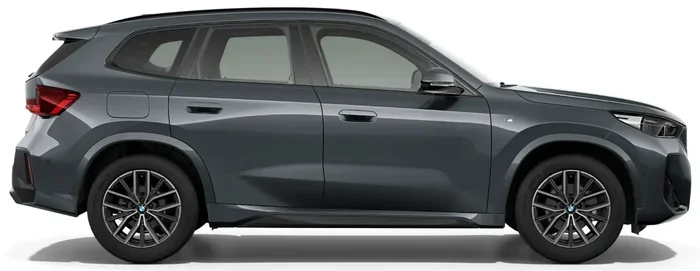
Let’s look at the tape measure. The current generation (codenamed U11) launched for the 2023 model year. It grew slightly over the outgoing model. Here are the key exterior specs for the standard xDrive28i (AWD) model. The FWD sDrive28i is nearly identical.
Visual guide about BMW X1 exterior
Image source: ackodrive-assets.ackodrive.com
| Dimension | Measurement (Inches) | Measurement (mm) |
|---|---|---|
| Length | 175.4 – 176.0 | 4,455 – 4,470 |
| Width (excl. mirrors) | 72.0 | 1,829 |
| Width (incl. mirrors) | 81.3 | 2,065 |
| Height | 64.2 – 64.4 | 1,631 – 1,636 |
| Wheelbase | 106.0 | 2,692 |
| Ground Clearance | 7.2 – 8.3 | 183 – 211 |
| Curb Weight | ~3,800 – 3,950 lbs | ~1,725 – 1,790 kg |
What These Numbers Mean for You
Length (175 inches): This is the “garage number.” A standard single-car garage door is usually 8 or 9 feet wide (96-108 inches) and 20-24 feet deep (240-288 inches). The X1 fits comfortably with several feet of walking room front and back. It is roughly the same length as a Honda Civic Sedan or a Mazda CX-5.
Width (72 inches / 6 feet): This is narrow for an SUV. Many mid-size SUVs (like the X3 or Ford Explorer) push 75-78 inches wide without mirrors. The X1’s narrow hips make it easy to thread through tight city streets or construction zones. With mirrors folded, it slides through gaps larger SUVs cannot.
Height (64 inches / 5’4″): It clears standard parking garage height limits (usually 6’6″ or 7’0″) with a foot to spare. You can put a roof box or kayak on top and still enter most structures.
Wheelbase (106 inches): This is the secret to interior space. A long wheelbase relative to overall length pushes wheels to the corners. This maximizes the cabin “box.” It is why the X1 feels roomier inside than a Mercedes GLA or Audi Q3.
Interior Space: Where “Small” Feels “Big”
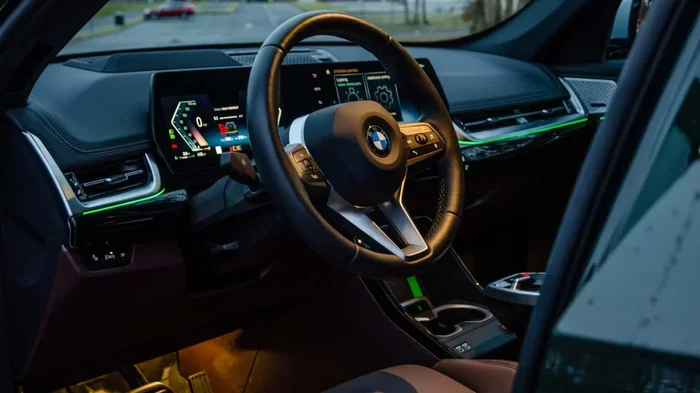
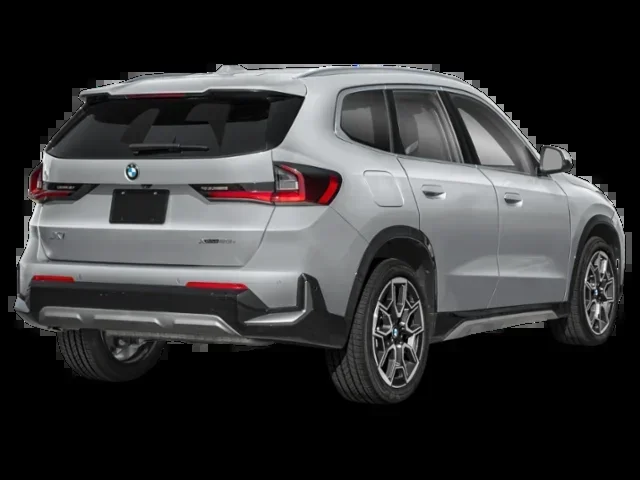
This is the magic trick of the X1. BMW prioritized the “greenhouse” (the glass area) and seat packaging. The high roofline and upright tailgate create a boxy shape. Boxes hold more stuff than wedges.
Visual guide about BMW X1 exterior
Image source: cdn.jdpower.com
Passenger Room
Official EPA interior volume figures usually land around 95-100 cubic feet for passengers. Here is the breakdown:
- Front Headroom: ~40.4 inches (Excellent for tall drivers).
- Front Legroom: ~40.4 inches (Class-leading).
- Rear Headroom: ~38.4 inches (Good for 6-footers).
- Rear Legroom: ~37.0 inches (Very competitive).
- Hip Room (Rear): ~52 inches (Fits three adults in a pinch).
Real talk: Two six-foot adults can sit front and back behind each other comfortably. That is rare in this class. The seat bottoms are mounted relatively high (chair-like), so your knees aren’t up by your ears. The door openings are wide and square, making entry/exit easy for kids in car seats or older passengers.
Cargo Capacity: The Party Trick
This is where the X1 punches above its weight class.
- Behind 2nd Row: 27.1 cubic feet (SAE).
- Behind 1st Row (Seats Folded): 58.7 cubic feet (SAE).
27 cubes behind the rear seats fits a large Costco run, a jogging stroller, or 2-3 large suitcases. The load floor is low and flat. Folding the 40/20/40 split rear seats is a one-pull motion from the cargo area. The seatbacks fold nearly flat, creating a long, rectangular box. 58.7 cubes approaches the cargo volume of some compact SUVs (like the previous generation X3).
Pro Tip: Spec the optional power tailgate. The manual gate is light, but the power version adds a hands-free kick sensor—huge when your arms are full of groceries.
BMW X1 vs. The Competition: Size Showdown
Context is everything. Let’s park the X1 next to its main rivals. All figures are for the latest model years (approx 2023-2025).
| Model | Length (in) | Width (in) | Height (in) | Wheelbase (in) | Cargo Behind 2nd Row (cu ft) | Max Cargo (cu ft) |
|---|---|---|---|---|---|---|
| BMW X1 (U11) | 175.4 | 72.0 | 64.2 | 106.0 | 27.1 | 58.7 |
| Audi Q3 | 176.7 | 72.5 | 64.1 | 105.6 | 23.7 | 48.0 |
| Mercedes GLA 250 | 174.3 | 71.9 | 63.4 | 106.3 | 15.4 | 43.6 |
| Volvo XC40 | 174.2 | 72.8 | 65.2 | 106.4 | 20.7 | 46.0 |
| Lexus UX 250h | 177.0 | 72.4 | 61.0 | 103.9 | 21.7 | 46.9 |
| BMW X3 (G01) | 185.9 | 74.4 | 66.0 | 112.8 | 28.7 | 62.7 |
Key Takeaways from the Table
- X1 vs. Q3: Nearly identical footprint. The X1 wins significantly on cargo space (27 vs 23.7 cubes). The Q3 feels a bit wider inside at the shoulders.
- X1 vs. GLA: The Mercedes is lower and sleeker. It sacrifices massive amounts of cargo space (only 15 cubes behind row 2!) for style. Rear headroom is tight in the GLA.
- X1 vs. XC40: The Volvo is boxier and taller. It feels very safe and upright. The X1 drives better and holds more luggage.
- X1 vs. X3: The X3 is a full 10.5 inches longer and 2.4 inches wider. That is a different parking experience entirely. The X3 offers more rear legroom (38.5 vs 37.0) and a smoother ride, but costs $8k-$10k more.
Real World Scenarios: Does the X1 Fit Your Life?
Specs are boring. Let’s talk scenarios.
Scenario A: The Urban Commuter
Verdict: 10/10 Fit. You live in a city with street parking. You parallel park daily. The X1’s 175-inch length and tight turning circle (approx 38 feet curb-to-curb) are a superpower. You fit in spots an X3 or Q5 would drive past. The narrow width saves your mirrors from folding-in anxiety. Fuel economy (approx 25-28 MPG combined) is decent for the badge.
Scenario B: The Growing Family (1 Kid + Dog)
Verdict: 8.5/10 Fit. A rear-facing convertible car seat fits behind a tall driver (with some seat adjustment). The wide doors make buckling a toddler easy. The cargo area swallows a stroller, diaper bag, and a 50lb dog crate (with seats up). If you add a second kid in a rear-facing seat, the front passengers will need to compromise on legroom. It works, but it gets tight.
Scenario C: The Road Trip Couple
Verdict: 9/10 Fit. Two people, soft luggage, maybe a cooler. The seats are supportive for 500-mile days. The cabin is quiet (better than the old X1). Adaptive cruise control and lane centering (standard on most trims now) make highway miles melt away. 58 cubes folded flat means you can bring the “just in case” gear.
Scenario D: The Home Improvement Warrior
Verdict: 5/10 Fit. You buy 8-foot lumber, sheetrock, or large appliances. The X1 fails here. The load floor length with seats folded is approx 68-70 inches. You cannot close the hatch on 8-foot items. You need a roof rack (check weight limits) or a rental truck. An X3 or X5 handles this better, but even they struggle with 4×8 sheets.
Scenario E: The “Garage Queen” Check
Measure your garage depth. Subtract 176 inches (X1 length). Do you have 24+ inches left? You can walk around the front. 12-18 inches? You can squeeze past. Less than 12? You are kissing the workbench every time you park. The X1 is one of the easiest BMWs to garage, but physics is physics.
The Evolution of X1 Size: F48 (2016-2022) vs U11 (2023+)
If you are cross-shopping used vs. new, size changed.
- Length: +1.7 inches (173.7 -> 175.4).
- Width: +1.0 inch (71.0 -> 72.0).
- Height: +1.6 inches (62.6 -> 64.2).
- Wheelbase: +0.9 inches (105.1 -> 106.0).
The new car is wider and taller. That extra width goes straight to rear shoulder room. The extra height helps rear headroom and cargo volume. The old F48 was already class-leading for space; the U11 just widens the gap. Visually, the new car looks more upright and “SUV-like,” less like a raised wagon.
Trims and Tires: Does Equipment Change Size?
Mostly no. The xDrive28i (AWD) and sDrive28i (FWD) share the same body. The M35i (performance model) adds aggressive bumpers, adding maybe 0.5 inches to length. It sits slightly lower on sport suspension (approx 0.4 inches lower).
Wheel sizes range from 18 to 20 inches. Larger wheels (19/20s) fill the arches better visually but reduce sidewall height. This makes the ride firmer and rims more prone to pothole damage. It does not change the car’s physical dimensions.
Technology That Makes It Feel Bigger
Modern tech shrinks the mental load of driving a “small” car.
- Parking Assistant Plus: Standard on higher trims. It parks itself (parallel and perpendicular). It remembers your garage parking maneuver (up to 200ft) and repeats it automatically.
- Surround View Cameras: 360-degree top-down view. Essential for placing those front corners exactly where you want them.
- Remote Parking: You can move the car forward/backward via the key fob or phone app while standing outside. Great for tight garages where you can’t open the door after parking.
Common Misconceptions About X1 Size
“It’s just a raised hatchback.”
False. The ground clearance (7-8 inches) and available xDrive AWD with hill descent control give it genuine light off-road / snow capability. It has approach/departure angles suitable for rutted dirt roads or deep snow driveways. It is not a Wrangler, but it is a real SUV.
“The back seat is only for kids.”
False. As noted, 37 inches of legroom fits average adults comfortably for hours. The seat bottom cushion is long (good thigh support). The only catch is the center tunnel (for AWD driveline) intrudes on the middle passenger’s feet.
“You can’t tow with it.”
False. The X1 (xDrive28i) is rated to tow 2,000 lbs (braked). The M35i can tow 3,500 lbs. That covers a small teardrop camper, a jet ski trailer, or a utility trailer with a motorcycle. You need the factory tow hitch prep or aftermarket hitch + wiring.
Expert Insight: The “Goldilocks” Sweet Spot
In my years reviewing cars, the X1 occupies a unique “Goldilocks” zone. It is the largest vehicle you can daily drive in a dense old city (Boston, NYC, SF, Chicago, London, Paris) without constant stress. Yet, it is the smallest vehicle that can legitimately handle a family of four + dog for a weekend trip.
If you go smaller (BMW X2, Audi Q3 Sportback, Mercedes GLA), you lose the boxy cargo utility. If you go larger (X3, Q5, XC60), you gain space but lose the ability to zip into that tight Trader Joe’s parking spot. The X1 is the compromise that compromises the least.
Quick Tips for Maximizing X1 Space
- Use the under-floor storage: The cargo floor lifts up. There is a deep well for wet gear, tools, or valuables out of sight.
- Roof rails are standard: Add crossbars (BMW or Thule/Yakima) for bikes, boxes, or kayaks. This effectively doubles cargo volume.
- Rear seat recline: The rear seatbacks recline (approx 4-5 degrees). Use it for comfort on long trips; return upright for max cargo length.
- 40/20/40 Split: Fold the center 20% section (armrest) to pass through long items (skis, lumber) while keeping two outboard passengers seated.
- Seatback release levers: Located in the cargo area (left/right walls). Pull once to unlock, push seatback down. Very easy.
Common Mistakes Buyers Make Regarding Size
- Buying an X1 expecting X3 space: Test drive them back-to-back. The X3 has noticeably more rear knee room and a wider cargo hold. If you need that space, stretch the budget.
- Ignoring the “Door Sill” height: The X1 sits higher than a sedan but lower than an X3. If you have mobility issues, the “step-up” height is critical. Test your specific entry/exit motion.
- Forgetting the Frunk (EV only): The iX1 (electric, not US market yet but coming) has a front trunk. The gas X1 has an engine there. No frunk for you.
- Assuming all subcompacts are equal: The Mercedes GLA has significantly less cargo space. The Lexus UX has a tiny back seat. The X1 is the space king of this specific segment.
Key Takeaways Revisited
- The BMW X1 is a subcompact luxury SUV. It is the smallest BMW SUV.
- Exterior dimensions: ~175″ L x 72″ W x 64″ H. Fits standard garages easily.
- Interior packaging is best-in-class. Rear legroom (37″) and cargo (27/58 cu ft) beat most rivals.
- It competes with Audi Q3, Mercedes GLA, Volvo XC40. It beats them on utility.
- It is not a three-row vehicle. For three rows, see the BMW models with three rows.
- Ideal for: City dwellers, couples, small families (1-2 kids), empty nesters downsizing.
- Not ideal for: Large families (3+ kids), heavy haulers, serious off-roaders.
Conclusion
So, is BMW X1 a big car? No. It is a small car on the outside and a remarkably big car on the inside. That is its genius. It refuses to penalize you for choosing the entry-level model. You get the badge, the tech, the driving dynamics, and 90% of the utility of its bigger siblings for a lower price and a much easier parking experience.
If your daily drive involves tight streets, parking garages, or a standard suburban garage, the X1’s size is a feature, not a bug. It delivers luxury without the land-yacht anxiety. Go sit in one. Fold the seats. Measure your garage. You will likely find it hits the sweet spot perfectly.
Frequently Asked Questions
Is the BMW X1 considered a compact or subcompact SUV?
The BMW X1 is officially classified as a subcompact luxury SUV (also called a subcompact crossover). It is the smallest SUV in the BMW lineup, sitting below the compact X3.
How long is the BMW X1 in feet and inches?
The current 2023+ BMW X1 measures approximately 14 feet 7 inches long (175.4 inches). This makes it about the same length as a Honda Civic sedan, allowing it to fit easily in standard parking spaces and residential garages.
Can you fit three car seats across the back of a BMW X1?
It is very tight. The rear hip room is roughly 52 inches. While three narrow booster seats might fit, fitting two rear-facing infant seats plus a booster (or three convertible seats) generally will not work safely or practically. It is best suited for two car seats.
Is the BMW X1 bigger than the Audi Q3?
They are nearly identical in exterior length and width. However, the BMW X1 offers significantly more cargo space (27.1 cu ft vs 23.7 cu ft behind the second row) and slightly more rear legroom, making it feel bigger inside.
Does the BMW X1 have a third row?
No. The BMW X1 is strictly a five-passenger, two-row vehicle. If you need a third row, you must move up to the BMW X5 (optional third row) or X7 (standard third row). You can explore those options in our guide on BMW models offering third-row seating.
Will a BMW X1 fit in my standard garage?
Yes, easily. At ~175 inches long, it fits in a standard 20-foot (240-inch) deep garage with over 5 feet of clearance remaining. At 72 inches wide (without mirrors), it fits through a standard 9-foot (108-inch) garage door with 3 feet of side-to-side clearance.