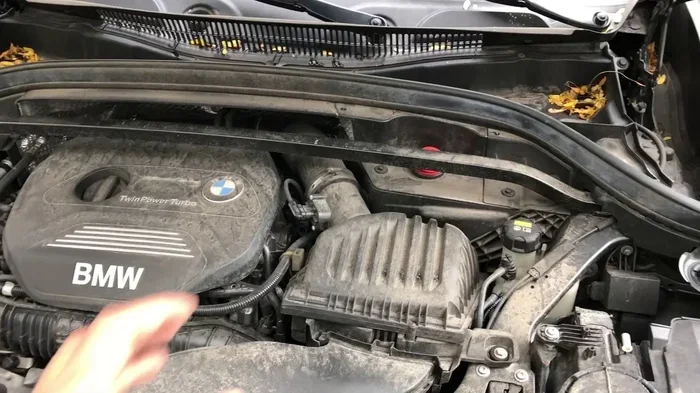
Featured image for BMW X1 engine oil check
Image source: i.ytimg.com
Wondering how to tell if BMW X1 is out of oil? This guide covers everything you need to know. You will learn how to check the electronic oil level using your iDrive screen. We explain the warning lights that mean you need oil right now. You will also discover common leaks on the X1 and the exact oil type your engine needs. Keep your engine safe and avoid costly repairs with these simple steps.
[FEATURED_IMAGE_PLACEHERVER]
Owning a BMW X1 is a great experience. It drives well and looks sharp. But like any turbocharged engine, it needs the right amount of oil to stay healthy. Many new owners ask how to tell if BMW X1 is out of oil because there is no dipstick under the hood. This confuses people used to older cars. Do not worry. Checking your oil is actually easier once you know the steps. This guide walks you through the digital check, the warning lights, and the common reasons your X1 might lose oil.
We will cover the iDrive menu steps for every model year. We will explain the difference between the yellow and red warning lights. You will also learn where these engines typically leak. By the end, you will feel confident checking your oil level in minutes. Let us dive in and keep your engine running smooth.
Key Takeaways
- No Dipstick: The BMW X1 uses an electronic sensor; you check oil via the iDrive menu or instrument cluster.
- Yellow Light = Low: A yellow oil lamp means you are low (usually 1 quart). Add oil soon.
- Red Light = Emergency: A red oil pressure light means stop immediately. Engine damage is happening.
- Common Leaks: Watch for leaks at the oil filter housing and valve cover gasket on the N20/B48 engines.
- Correct Specs Matter: Only use BMW LL-01 or LL-17FE+ approved synthetic oil (typically 0W-20 or 5W-30).
- Check Warm: For the most accurate reading, check the level when the engine is at operating temperature.
- Reset Service: After adding oil or changing it, reset the CBS oil service counter in the vehicle menu.
📑 Table of Contents
- Understanding the BMW X1 Oil System
- How to Check Oil Level on BMW X1 (Step-by-Step)
- Warning Signs Your BMW X1 Is Low on Oil
- Common Causes of Oil Loss in BMW X1
- What to Do If Your Oil Is Low
- BMW X1 Oil Specifications and Maintenance Tips
- Quick Tips for BMW X1 Oil Health
- Common Mistakes to Avoid
- Expert Insights: The N20 vs B48 Difference
- Related Maintenance Fluids
- Conclusion
Understanding the BMW X1 Oil System
First, you need to know your BMW X1 does not have a traditional metal dipstick. This surprises many drivers. BMW switched to electronic oil level sensors years ago. The sensor sits inside the oil pan. It measures the level and temperature. It sends this data to your car’s computer. You read the result on your dashboard screen.
No Dipstick? No Problem
The lack of a dipstick throws people off. You cannot just pop the hood and pull a stick. You must use the car’s electronics. This system is called Condition Based Service (CBS). It monitors oil level, oil quality, and time since last service. It tells you exactly when to add oil or schedule a change. It is more precise than a stick. A dipstick only shows level. The sensor shows level plus thermal expansion corrections.
Condition Based Service Explained
CBS is smart. It calculates oil life based on how you drive. Short trips in cold weather degrade oil faster. Long highway trips are easier on oil. The system tracks fuel consumption, engine temps, and RPM. It then estimates the oil condition. When the level drops or the quality degrades, it triggers a warning. You do not need to guess mileage intervals. The car tells you what it needs.
How to Check Oil Level on BMW X1 (Step-by-Step)
This is the core answer to how to tell if BMW X1 is out of oil. The method depends slightly on your model year and iDrive generation. We cover the two most common setups below.
Visual guide about BMW X1 engine oil check
Image source: i.ytimg.com
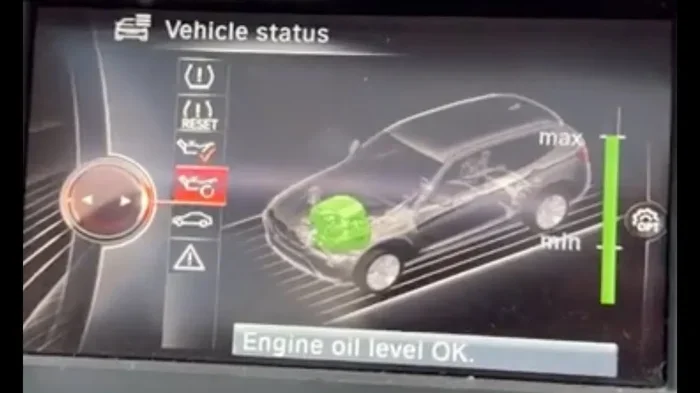
Using the iDrive System (2016–Present Models)
Most modern X1 models (F48 and U11 chassis) use the iDrive knob or touchscreen. Follow these steps:
- Start the engine. Let it idle. The car must be on level ground.
- Wait for the engine to reach operating temperature. The coolant gauge should be in the middle. This takes 5–10 minutes. A warm engine gives the correct reading. Cold oil reads low.
- Press the Menu button on the iDrive controller. Or tap the Car icon on the touchscreen home screen.
- Select Vehicle Status or Vehicle Info.
- Choose Engine Oil Level or Oil Status.
- Watch the animation. A bar graph appears. It shows “Min” and “Max” marks.
- Read the result. If the bar is near “Min” or below, you need oil. The screen often says “Add 1 Quart” or “Add 1 Liter”.
Quick Tip: If the car says “Measurement Not Possible,” drive for a bit longer. The sensor needs stable oil temp. Do not rev the engine while checking.
Checking via the Instrument Cluster (Older Models / Base Trims)
On some earlier F48 models or base trims without full iDrive, you use the stalk buttons.
- Turn ignition ON (press Start/Stop once without brake). Do not start engine.
- Use the toggle switch on the left stalk (turn signal stalk).
- Scroll through the menu until you see Oil Level or a oil can icon.
- Press the “BC” button on the stalk end to select.
- The cluster will display a bar graph or a message like “OK” or “Add Oil”.
This method works on cars with the smaller 6.5-inch screen. The logic is the same. Engine must be warm and level.
What If the Sensor Fails?
Sensors can fail. If the screen shows dashes (—) or an error message, the sensor might be bad. You cannot check manually. You need a scan tool or a mechanic. If this happens, assume you have oil if no lights are on. But get the sensor fixed soon. You lose your early warning system.
Warning Signs Your BMW X1 Is Low on Oil
Sometimes you don’t check the menu. The car yells at you. Knowing the lights saves engines.

Visual guide about BMW X1 engine oil check
Image source: i.ytimg.com
Dashboard Warning Lights
There are two main lights. They mean very different things.
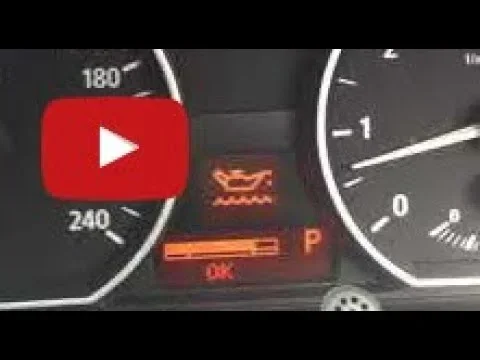
| Light Color | Symbol | Meaning | Action Required |
|---|---|---|---|
| Yellow / Amber | Oil Can with Wavy Line / “MIN” | Oil Level Low (approx. 1 quart low) | Add oil at next stop. Safe to drive short distance gently. |
| Red | Oil Can (No Wavy Line) / “STOP” | Oil Pressure Loss / Critical Low | PULL OVER IMMEDIATELY. TURN OFF ENGINE. Tow the car. |
The yellow light is a polite request. The red light is a scream. Never ignore red. Driving 30 seconds with red light on can spin bearings or seize the turbo.
Unusual Engine Noises
Low oil starves the top end first. Listen for:
- Ticking or Tapping: Hydraulic lifters losing pressure. Sounds like a sewing machine.
- Rattling on Startup: Timing chain tensioners need oil pressure. Cold start rattle means low level or bad tensioner.
- Turbo Whine: A loud dentist-drill whine means the turbo bearings are starving. This is bad news.
Performance Issues
The engine protects itself. If oil pressure drops, the DME (computer) cuts power. You might feel:
- Sudden loss of power (Limp Mode).
- Rough idle or misfires.
- Check Engine Light flashing (misfire from VANOS solenoids starving).
Common Causes of Oil Loss in BMW X1
BMW engines consume some oil by design. The N20, B48, and B38 engines in the X1 can burn a quart every 1,000–2,000 miles. That is “normal” per BMW. But leaks are not normal. Here are the big three leak spots.
Visual guide about BMW X1 engine oil check
Image source: i.ytimg.com
Oil Filter Housing Gasket (OFHG)
This is the number one leak on the N20 (2015–2017) and B48 (2018+) engines. The plastic housing warms and cools. The rubber gasket shrinks. Oil drips down the front of the engine. It often lands on the serpentine belt. That belt can slip or shred. Check the front lower passenger side of the engine. Wetness there = OFHG leak.
Valve Cover Gasket
The valve cover is plastic. It cracks or the gasket fails. Oil seeps out the back or sides. It drips onto the exhaust manifold. You smell burning oil through the vents. You might see smoke from the hood after parking. This is very common on higher mileage X1s.
Turbocharger Oil Supply Line
The turbo needs a steady oil feed. The banjo bolt filter screen clogs. The line cracks. Oil sprays onto the hot downpipe. Heavy smoke. This starves the turbo of oil. It kills the turbo fast. If you see heavy blue smoke on acceleration, check this line.
Oil Pan Gasket
Less common but happens. The aluminum pan gasket weeps. You see drips on the ground right under the engine center. It is a bigger job to fix.
What to Do If Your Oil Is Low
You checked. The light is yellow. The iDrive says “Add 1 Quart”. Now what?
Adding Oil Safely
Do not just pour any oil in. BMWs are picky.
- Buy correct oil. Look for BMW LL-01 or LL-17FE+ approval on the bottle. Most X1s take 0W-20 (newer B48/B38) or 5W-30 (older N20). Check your owner manual or the sticker under the hood.
- Open hood. Twist black oil filler cap (has oil can symbol).
- Insert funnel. Pour in half the bottle.
- Wait 2 minutes. Oil drains slow.
- Re-check level via iDrive. Add more if needed. Do not overfill.
- Twist cap back on tight. Close hood.
Expert Insight: Overfilling hurts the engine too. It aerates the oil. The crank whips it into foam. Foam has no lubrication. The oil pressure drops. The red light comes on. Stop at “Max”.
When to See a Mechanic
- You add oil weekly. That is excessive consumption or a big leak.
- Red oil light came on. Damage may be done. Need compression test.
- You see puddles daily.
- Burning oil smell inside cabin (valve cover leak).
- Turbo whining noise.
BMW X1 Oil Specifications and Maintenance Tips
Using the right stuff keeps the warranty valid and the engine alive.
Correct Oil Viscosity and Specs
Check your specific year. General guide:
- 2015–2017 (N20 Engine): 5W-30 Synthetic. LL-01 spec. Capacity ~5.3 Quarts.
- 2018–2022 (B48 Engine): 0W-20 Synthetic. LL-17FE+ spec. Capacity ~5.6 Quarts.
- 2023+ (B48 TU / B38): 0W-20 Synthetic. LL-17FE+ spec.
Top brands: Castrol Edge Professional, Liqui Moly Top Tec, Mobil 1 ESP. Buy from reputable sellers. Fake oil exists online.
Resetting the Service Light
After adding oil, the yellow light usually goes off after a restart. After a full oil change, you must reset the CBS counter.
- Ignition ON (Engine OFF).
- Hold the Trip Reset button (left cluster) or use iDrive.
- Menu appears: “Reset Oil Service?”
- Select Yes. Hold button until “Reset Complete”.
This tells the car “Fresh oil is in”. It restarts the mileage countdown.
Oil Change Intervals
BMW says 10,000–12,000 miles. Many experts say 5,000–7,500 miles. Turbo engines run hot. Direct injection dilutes fuel into oil. Shorter intervals are cheap insurance. Change it once a year minimum, even if mileage is low. Moisture builds up in the crankcase.
Quick Tips for BMW X1 Oil Health
- Check level every other gas fill-up. Takes 30 seconds.
- Keep a spare quart of correct oil in the trunk.
- Use a quality oil filter (Mann, Mahle, BMW OEM) if DIYing.
- Replace the oil drain plug washer every change.
- Scan for codes if consumption spikes suddenly.
- Don’t ignore the “Service Due” date. Time degrades oil too.
Common Mistakes to Avoid
- Checking Cold: Reading is inaccurate. Always check warm.
- Using Conventional Oil: Destroys turbo and VANOS. Full synthetic only.
- Overfilling: Causes seal leaks and catalytic converter damage.
- Ignoring Yellow Light: It turns red fast on the highway.
- Cheap Filters: Bypass valves fail. Unfiltered oil circulates.
- Not Resetting CBS: Car nags you early. Data gets skewed.
Expert Insights: The N20 vs B48 Difference
If you have a 2015–2017 X1 (N20 engine), watch the timing chain guides. They fail early if oil changes are skipped. Low oil pressure accelerates this. The B48 (2018+) is stronger but runs hotter. It needs 0W-20 for the tighter clearances. Using 5W-30 in a B48 can cause VANOS codes and rough idle. Always match the spec on the hood sticker.
Also, the X1 runs a specific coolant mix that interacts with oil cooling. If your oil runs hot, check your coolant level too. They share the heat exchanger on some models.
Related Maintenance Fluids
While checking oil, glance at other fluids. The X1 uses specific fluids for everything. Using wrong brake fluid kills ABS modules. Wrong coolant eats the water pump. If you are doing a DIY service, grab the right coolant for your BMW and the correct brake fluid for your model. It saves headaches later.
Conclusion
Knowing how to tell if BMW X1 is out of oil is a core ownership skill. No dipstick means using the iDrive. Warm engine. Level ground. Read the bar graph. Yellow light means add a quart. Red light means stop the car. Check for leaks at the filter housing and valve cover. Use LL-01 or LL-17FE+ synthetic only. Change it every 5,000–7,500 miles for peace of mind. Your turbo and timing chain will thank you. Stay on top of it, and your X1 will deliver years of driving joy.
Frequently Asked Questions
How do I check the oil on a BMW X1 without a dipstick?
Start the engine and let it warm up fully. Use the iDrive controller to navigate to Vehicle Info > Engine Oil Level. The screen displays a bar graph showing the current level between Min and Max marks.
What does the yellow oil light mean on my BMW X1?
The yellow oil can symbol with a wavy line means the oil level is low, typically by about one quart. You should add the correct spec oil at your earliest convenience. It is generally safe to drive a short distance gently.
What does the red oil light mean on a BMW X1?
The red oil can symbol indicates a loss of oil pressure. This is an emergency. Pull over safely, turn off the engine immediately, and call for a tow. Continuing to drive will cause catastrophic engine failure.
How much oil does a BMW X1 take?
Most BMW X1 models take between 5.3 and 5.6 quarts (approx. 5 to 5.3 liters) depending on the engine. The N20 engine takes ~5.3 quarts of 5W-30. The B48 engine takes ~5.6 quarts of 0W-20. Always verify with your owner’s manual.
Why is my BMW X1 burning oil?
Turbocharged BMW engines normally consume some oil (up to 1 quart per 1,000 miles is considered within spec by BMW). Excessive burning can indicate worn valve stem seals, turbo seals, or PCV system issues. Check for leaks first.
Can I just add oil instead of changing it?
You can top off between changes if the level is low. However, oil degrades over time and mileage. You must perform a full oil and filter change at least once a year or every 5,000–7,500 miles to protect the engine.