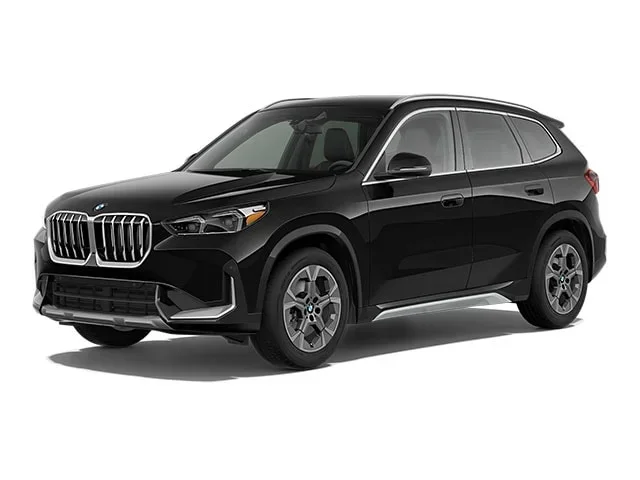
Featured image for 2019 BMW X1 exterior
Image source: imgcdn.oto.com
would you buy a 2019 bmw x1 is an essential topic that provides valuable insights.
Shopping for a used luxury crossover puts you in a crowded market. The 2019 BMW X1 sits right in the sweet spot of that segment. It promises the badge prestige and driving fun the brand is famous for, wrapped in a practical, city-friendly package. But German engineering often comes with a specific set of ownership realities. Let’s dive deep into what this model year offers, where it struggles, and whether it deserves a spot in your driveway.
Key Takeaways
- Sporty Handling: The 2019 X1 drives more like a hot hatch than a tall SUV, thanks to sharp steering and a stiff chassis.
- Engine Choice Matters: The 2.0L turbo-four (B48) is potent but watch for early timing chain tensioner noise on higher-mileage units.
- Run-Flat Tires: Standard run-flats provide safety but ride harshly; many owners switch to conventional tires for comfort.
- Coolant System: Plastic coolant components become brittle with heat cycles; budget for proactive replacement around 60k–80k miles.
- Infotainment Learning Curve: iDrive 7.0 is feature-rich but complex; test the system thoroughly during your test drive.
- CPO Value: A Certified Pre-Owned unit adds a year of unlimited-mileage warranty, significantly reducing financial risk.
- Resale Strength: Strong brand demand keeps resale values high, making the X1 a smarter long-term hold than many rivals.
📑 Table of Contents
- Overview of the 2019 BMW X1
- Performance and Driving Dynamics
- Reliability and Common Problems
- Maintenance Costs and Ownership Expenses
- Buying Guide: How to Inspect a Used 2019 X1
- Competitor Comparison
- Resale Value and Depreciation
- Real Owner Feedback: The Good, The Bad, The Ugly
- Expert Insight: The Verdict
- Conclusion
Overview of the 2019 BMW X1
The 2019 model year represents the second generation of the X1 (F48 chassis), which debuted in 2016. This generation switched from rear-wheel-drive architecture to a front-wheel-drive platform (UKL2). Purists grumbled, but the change freed up significant interior space. For 2019, the lineup was straightforward, focusing on a single potent engine with two drivetrain configurations.
Trim Levels and Standard Features
You will primarily find two trims: the sDrive28i (front-wheel drive) and the xDrive28i (all-wheel drive). Both use the same 2.0-liter TwinPower Turbo inline-four cylinder engine (B48). It produces 228 horsepower and 258 lb-ft of torque, paired with an 8-speed Steptronic automatic transmission.
Standard equipment is generous for the entry-luxury class. Every 2019 X1 comes with LED headlights, a panoramic moonroof, power front seats with driver memory, dual-zone automatic climate control, and the iDrive 7.0 infotainment system displayed on an 8.8-inch screen. Apple CarPlay is standard (subscription-based initially, later free), though Android Auto was notably absent until later software updates.
Popular packages include the Premium Package (heated seats, head-up display, gesture control, wireless charging) and the Driving Assistance Package (adaptive cruise control, lane keeping assist, blind-spot monitoring). If you are cross-shopping larger models, you might wonder which BMW SUV has three rows; the X1 is strictly a five-seater, so families needing a third row must look at the X5 or X7.
Exterior and Interior Design
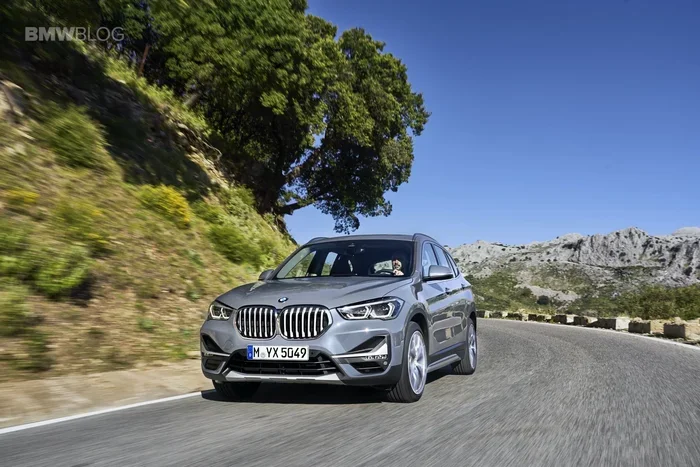
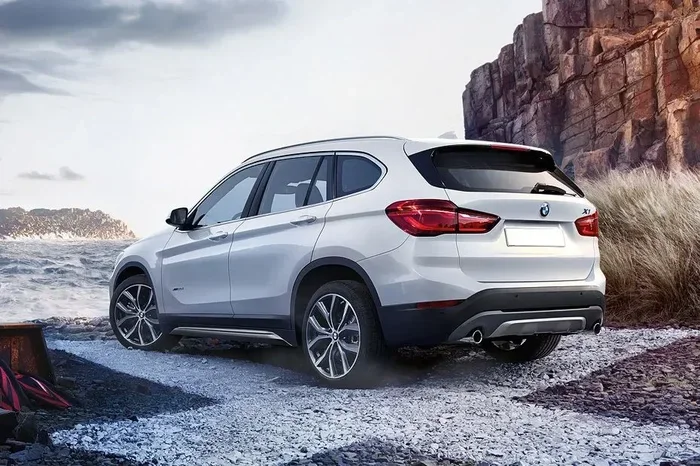
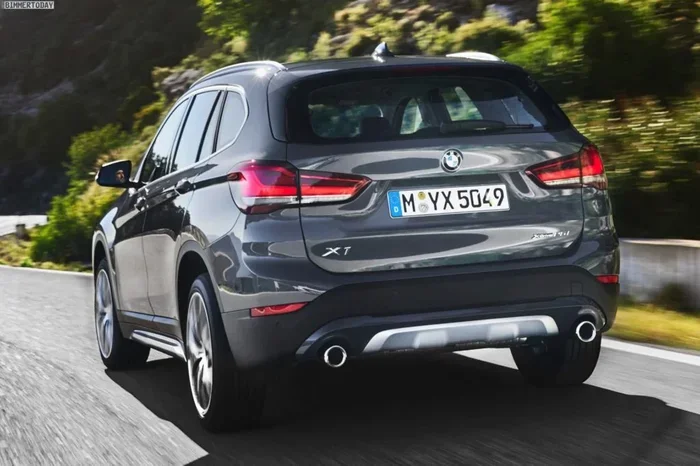
Externally, the 2019 X1 looks athletic. The kidney grille is wide, the shoulder line is strong, and the stance is wide. It doesn’t look like a tall wagon; it looks like a proper SUV that has been lowered for sport. Inside, the materials are high-quality. Soft-touch plastics dominate the upper dash and doors. The switchgear feels solid, with the satisfying “click” BMW is known for. Rear seat space is the surprise winner here. Thanks to the FWD platform, legroom is class-leading. Two six-foot adults can sit behind each other comfortably. Cargo space sits at 27.1 cubic feet behind the rear seats, expanding to 58.7 cubes with them folded.
Performance and Driving Dynamics
This is where the X1 justifies its badge. The B48 engine is a gem. It delivers torque low in the rev range, meaning you have passing power instantly without waiting for a downshift. The 8-speed transmission is smooth in comfort mode and snappy in Sport. Zero to sixty arrives in roughly 6.3 seconds for xDrive models—genuinely quick.
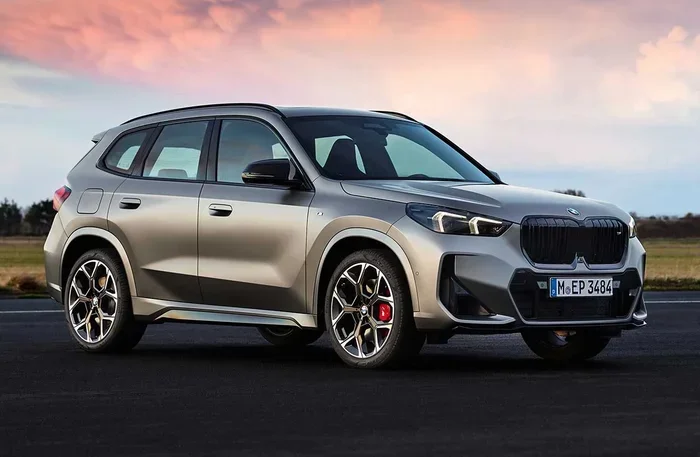
Visual guide about 2019 BMW X1 exterior
Image source: cdn.bmwblog.com
sDrive vs. xDrive: Which to Choose?
The choice defines the character of the car.
- sDrive28i (FWD): Lighter, slightly better fuel economy (approx. 24/33 mpg city/highway), and cheaper to maintain (no rear differential or transfer case). It handles surprisingly well because the chassis is so stiff. Torque steer is minimal thanks to electronic differential lock simulation.
- xDrive28i (AWD): Adds roughly 100 lbs. It sends power to the rear wheels only when slip is detected. It provides immense confidence in rain, snow, or loose gravel. The penalty is a 1-2 mpg drop and slightly more complex maintenance.
Quick Tip: If you live where it snows, buy the xDrive. If you live in the Sun Belt, the sDrive saves money upfront and at the pump without sacrificing daily driving fun.
Ride Quality and Noise Refinement
The ride is firm. This is a BMW, not a Lexus. You feel expansion joints and potholes. The standard 18-inch run-flat tires transmit sharp impacts directly to the cabin. On the highway, wind noise is well suppressed at 70 mph, but tire roar on coarse pavement can be intrusive. If you prioritize a cloud-like ride, test drive a Volvo XC40 or Audi Q3 back-to-back. You will feel the difference immediately.
Reliability and Common Problems
No used car discussion is complete without the “R-word.” The 2019 X1 is generally considered above average for the segment, but it has specific weak points you must inspect before buying.
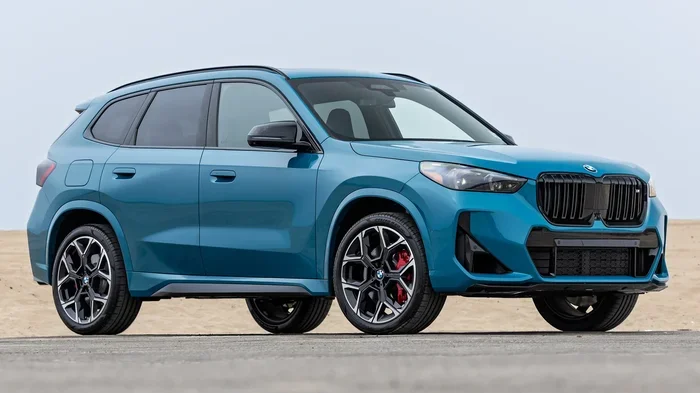
Visual guide about 2019 BMW X1 exterior
Image source: imgcdn.oto.com
The B48 Engine: Timing Chain Concerns
The B48 engine replaced the older N20. It moved the timing chain to the rear of the engine (firewall side). This design is theoretically more robust, but early production units (2016–2018) saw some tensioner failures. By 2019, BMW had revised the tensioner and guide rails. However, if the oil change history is spotty, the chain can stretch prematurely. Listen for a metallic rattle on cold startup—especially after the car sits for a few days. That is your red flag.
Coolant System Fragility
This is a BMW universal truth. The cooling system uses plastic components (thermostat housing, water pump, expansion tank) that become brittle after repeated heat cycles. On the X1, the water pump is electric and tends to fail around 60,000–80,000 miles. When it fails, the car goes into limp mode instantly. Proactive replacement of the water pump and thermostat as a preventative measure is cheap insurance. For a deep dive on the correct fluids, see our guide on choosing the right coolant for your BMW.
Electrical Gremlins
Some owners report issues with the power tailgate module failing (gate stops opening/closing automatically) and window regulator failures. The iDrive screen can occasionally delaminate or develop “black spots” in hot climates. These are annoyance-level issues, not strand-you-on-the-road issues, but they cost real money at a dealer.
Transmission Behavior
The ZF 8HP transmission is bulletproof mechanically. However, the software tuning for the FWD platform can cause occasional harsh 2-1 downshifts when rolling to a stop. A software update (ISTA/P programming) usually resolves this. Verify the latest updates have been applied.
Maintenance Costs and Ownership Expenses
Let’s talk money. The purchase price is only the first check you write.
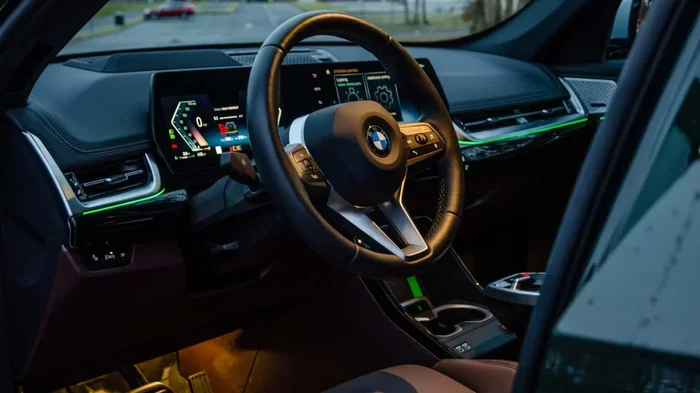
Visual guide about 2019 BMW X1 exterior
Image source: cdn.bimmertoday.de
Scheduled Maintenance
BMW recommends “Condition Based Servicing” (CBS). The car tells you what it needs. Oil changes are every 10,000 miles (or 12 months) using LL-01 or LL-17FE+ approved 0W-20 or 0W-30 synthetic. Budget $150–$250 at an independent shop; $300+ at a dealer. Brake fluid every 2 years. Microfilter (cabin air) every 2 years. Engine air filter every 60k miles. Spark plugs every 60k miles.
The Run-Flat Tire Factor
This is the single biggest recurring cost shock for new BMW owners. The 2019 X1 comes standard with run-flat tires (RFT). They allow you to drive 50 miles at 50 mph after a puncture. The downsides: they cost 20-30% more than comparable non-run-flats, they wear faster due to stiff sidewalls, and they cannot be repaired if punctured—you must replace them. A set of four premium RFTs runs $1,000–$1,400 mounted. Many owners switch to non-run-flat tires and carry a tire repair kit or spare tire kit. This transforms the ride quality. Learn more about the trade-offs in our article on BMW run-flat tires design benefits and care.
Estimated 5-Year Cost Projection (70k–120k miles)
| Item | Estimated Cost (Independent Shop) | Estimated Cost (Dealer) |
|---|---|---|
| Oil Changes (5x) | $750 | $1,500 |
| Brake Pads/Rotors (Front & Rear) | $1,200 | $2,200 |
| Tires (2 sets, Non-RFT) | $1,600 | $2,000 |
| Coolant System Overhaul (Pump, T-stat, Hoses) | $900 | $1,800 |
| Spark Plugs + Air Filters | $400 | $700 |
| Transfer Case / Diff Fluid (xDrive only) | $300 | $500 |
| Total (sDrive) | $4,850 | $8,700 |
| Total (xDrive) | $5,150 | $9,200 |
Note: These are estimates for a well-maintained car. Deferred maintenance will spike these numbers significantly.
Buying Guide: How to Inspect a Used 2019 X1
You found a listing. The photos look great. The price is fair. Now what? Bring a flashlight, an OBD2 scanner (or a mechanic), and this checklist.
Pre-Purchase Inspection Checklist
- Cold Start Test: Arrive early. Start the engine cold. Listen for timing chain rattle (metallic slapping) for the first 3–5 seconds. Watch for blue smoke (valve stem seals) or white smoke (coolant/head gasket).
- Oil Cap Check: Remove the oil filler cap. Look for milky residue (coolant mixing with oil = head gasket failure). Check for excessive sludge (neglected oil changes).
- Coolant Level & Color: Check the expansion tank (when cold). Level should be between Min/Max. Fluid should be bright blue/green (BMW coolant). Brown or rusty fluid = neglect.
- Tire Inspection: Check DOT date codes (last 4 digits = week/year). Tires older than 6 years need replacement regardless of tread. Measure tread depth across the width; uneven wear = alignment/suspension issues.
- Suspension Bushings: The F48 platform eats front control arm bushings. Grab the wheel at 3 and 9 o’clock; wiggle. Clunking = worn bushings or tie rods.
- Electronics Sweep: Test every button. Windows, locks, mirrors, seat memory, heated seats, steering wheel heat, sunroof, tailgate, CarPlay, navigation, backup camera, park distance control (PDC) sensors.
- Service Records: Demand a Carfax/AutoCheck AND a folder of receipts. Look for the 10k-mile oil change intervals. If the seller “does it themselves,” ask for receipts for oil and filters. No paper = assume it wasn’t done.
Certified Pre-Owned (CPO) vs. Private Party
A BMW CPO 2019 X1 is the safest buy. The CPO warranty extends the original 4yr/50k warranty by 1 year with unlimited miles. It covers the engine, transmission, drivetrain, electronics, and cooling system. It includes 24/7 roadside assistance. You pay a premium ($1,500–$3,000 over private party), but one water pump or turbo failure pays for that difference instantly. If buying private party, negotiate hard based on the maintenance items due immediately.
Competitor Comparison
The 2019 compact luxury SUV segment is a bloodbath. Here is how the X1 stacks up against its main rivals.
| Model | Engine HP | 0-60 (sec) | Cargo (cu ft) | Reliability Rep | Best For |
|---|---|---|---|---|---|
| 2019 BMW X1 xDrive28i | 228 | 6.3 | 27.1 / 58.7 | Average | Driving dynamics, badge prestige |
| 2019 Audi Q3 2.0T Quattro | 200 (228 ‘19.5+) | 7.0 | 23.7 / 48.0 | Above Average | Interior tech, Quattro grip |
| 2019 Mercedes GLA 250 4MATIC | 208 | 6.8 | 17.2 / 43.6 | Average | Style, comfort ride |
| 2019 Volvo XC40 T5 AWD | 248 | 6.4 | 20.7 / 47.2 | Below Average | Safety, comfort, design |
| 2019 Lexus UX 250h AWD | 181 (Hybrid) | 8.6 | 21.7 / 43.1 | Excellent | Fuel economy, reliability, low cost |
The X1 wins on cargo space and raw acceleration. The Lexus UX wins on reliability and MPG (39 combined). The Volvo wins on safety tech and seat comfort. The Audi wins on interior modernity (Virtual Cockpit arrived mid-cycle). The Mercedes trails in space and tech. If you want the most engaging drive, the X1 is the answer. If you want lowest headache factor, the Lexus is the answer.
Resale Value and Depreciation
Luxury cars depreciate fast. The 2019 X1 has already taken its biggest hit (years 1–3). Buying now means you are on the flatter part of the curve. Current market values (2024/2025) for clean examples range roughly $22,000–$28,000 depending on mileage, drivetrain, and package load. xDrive models hold value slightly better in northern states. High-mileage examples (80k+) drop sharply due to the looming maintenance cliff (tires, brakes, coolant, plugs all due simultaneously). Sweet spot: 40k–60k miles, CPO, Premium Package, xDrive if applicable. These cars disappear from lots fast.
Real Owner Feedback: The Good, The Bad, The Ugly
We scoured forums (Bimmerfest, X1Forum, Reddit r/BMW) and owner surveys. Here is the unfiltered consensus.
The Good
- “It puts a smile on my face every on-ramp. The steering feel is telepathic compared to my wife’s Q3.”
- “Rear seat space is legit. I’m 6’2″, my kids are in car seats behind me, and I still have knee room.”
- “iDrive with the rotary knob is so much safer than touchscreen-only systems (looking at you, Tesla/Volvo).”
- “Got 32 mpg on a highway road trip with cruise at 75 mph. Impressive for AWD.”
The Bad
- “Run-flats ruined the ride. Swapped to Michelin CrossClimate 2s—night and day difference.”
- “Water pump failed at 62k miles. $1,100 at indie shop. Should be a recall item.”
- “Gesture control is a gimmick. Never works when you want it, triggers when you don’t.”
- “Blind spot monitoring is optional on base trim? Come on, BMW. It’s 2019.”
The Ugly
- “Electronic parking brake module failed. Car wouldn’t release. Flatbed to dealer. $900.”
- “Coolant leak from thermostat housing at 45k. Plastic just crumbled.”
- “CPO claim denied for ‘wear item’ on transfer case actuator at 55k miles. Fought for 3 weeks.”
Expert Insight: The Verdict
So, would you buy a 2019 BMW X1? As an enthusiast who understands the maintenance tax: Yes, absolutely. It is the most engaging car in its class. It feels special every time you drive it. The B48 engine is a modern classic. The space utilization is brilliant.
As a pragmatic budget-minder: Only with a CPO warranty or a thick DIY repair fund. If you treat it like a Toyota Camry—ignoring fluids, cheap tires, skipping inspections—it will punish you financially. German cars demand participation. If you are ready to participate (or pay a good independent specialist), the 2019 X1 delivers a luxury experience that punches well above its used price point. It feels more expensive than it is. That is the BMW magic.
If you are curious about the brand heritage behind the badge, check out what does BMW stand for to appreciate the engineering philosophy you are buying into.
Conclusion
The 2019 BMW X1 is a compelling used buy. It blends genuine sport sedan DNA with genuine SUV utility. The interior is roomy, the tech is solid (if slightly dated), and the engine is a sweetheart. The risks are known and manageable: cooling system upkeep, run-flat tire costs, and electrical niggles. Mitigate these with a thorough pre-purchase inspection, a CPO warranty if possible, and a commitment to proactive maintenance. Do that, and you get a luxury crossover that actually makes you want to take the long way home. That is a rare thing at this price point. Happy hunting.
Frequently Asked Questions
Is the 2019 BMW X1 reliable?
The 2019 BMW X1 has above-average reliability for a luxury compact SUV. The B48 engine is robust, but the cooling system (water pump, thermostat) and electrical modules are common failure points as mileage climbs past 60,000. A thorough pre-purchase inspection and consistent maintenance history are critical.
What are the most common problems with the 2019 BMW X1?
The most reported issues include electric water pump failure, thermostat housing leaks, timing chain tensioner noise on early-build engines, power tailgate module failure, and premature wear of run-flat tires. Suspension control arm bushings can also wear early on rough roads.
Should I buy sDrive (FWD) or xDrive (AWD) for the 2019 X1?
Choose xDrive if you encounter snow, ice, or unpaved roads regularly; the traction advantage is significant. Choose sDrive if you live in a warm climate and prioritize lower purchase price, better fuel economy (1-2 mpg), and slightly simpler/cheaper long-term maintenance (no rear differential service).
How much does maintenance cost for a 2019 BMW X1?
Expect to spend roughly $1,000–$1,500 per year on maintenance and repairs at an independent shop for a car with 60k–100k miles. Dealer costs run 50–75% higher. Major intervals at 60k miles (spark plugs, fluids, coolant overhaul, tires, brakes) can push a single year’s cost over $3,000.
Does the 2019 BMW X1 require premium gas?
Yes, BMW recommends 91 octane or higher for the B48 turbo engine. The engine will run on 87 octane via knock sensor retardation, but you will lose horsepower, fuel economy, and risk long-term carbon buildup or knock damage. The savings at the pump are negligible compared to the risk.
Is a Certified Pre-Owned (CPO) 2019 BMW X1 worth the extra money?
Generally, yes. The BMW CPO warranty adds 1 year of unlimited-mileage coverage after the original 4yr/50k warranty expires. Given the cost of a single turbo, water pump, or electronics repair ($1,500–$3,000+), the CPO premium often pays for itself with just one covered claim. It also includes 24/7 roadside assistance.