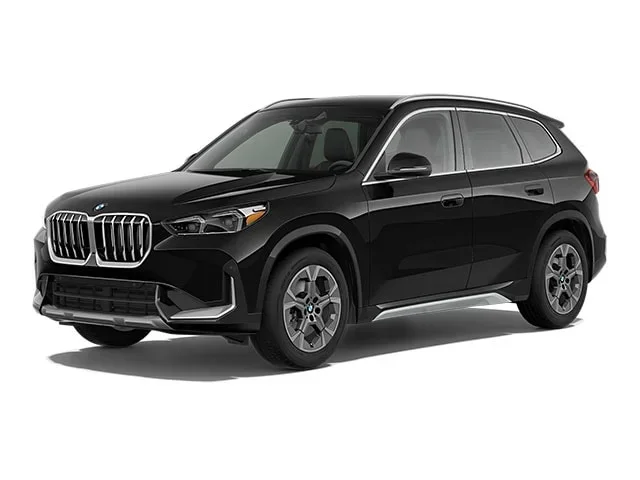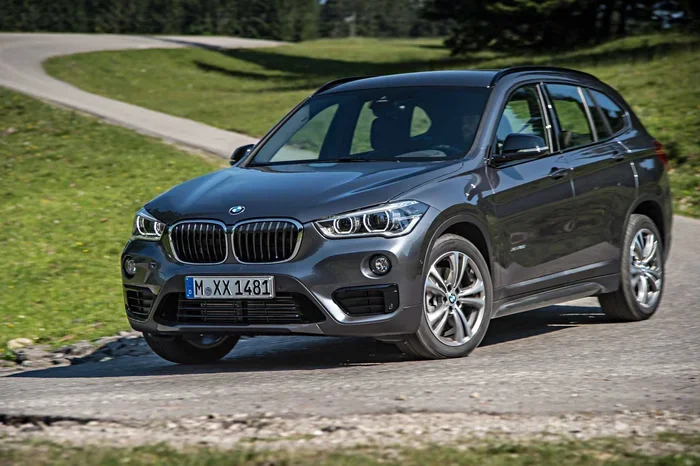
Featured image for BMW X1 Sport Line
Image source: mediapool.bmwgroup.com
what is included on 2015 bmw x1 sport line is an essential topic that provides valuable insights.
Shopping for a used compact luxury SUV? The 2015 BMW X1 stands out as a practical yet engaging choice. But trim lines matter a lot on this model. The Sport Line sits as the performance-oriented middle ground between the rugged xLine and the base model. It brings a specific mix of visual flair and driving dynamics that many enthusiasts prefer. Understanding the exact equipment list helps you spot a well-equipped example or negotiate a fair price.
This guide breaks down every standard feature, available option, and notable specification for the 2015 X1 Sport Line. We cover exterior styling, interior upgrades, powertrain details, technology, safety, and the packages that change the car’s character. Whether you are a current owner wanting to know your car better or a buyer comparing listings, you will find the details you need right here.
Key Takeaways
- Distinctive Exterior: The Sport Line features unique front and rear bumpers, side skirts, and high-gloss shadowline trim that set it apart from xLine and base models.
- Performance Interior: Standard sport seats with adjustable thigh support, a sport leather steering wheel, and anthracite headliner create a driver-focused cockpit.
- Upgraded Wheels: 18-inch light alloy wheels in a double-spoke design come standard, with 19-inch options available for even sharper handling.
- Powertrain Consistency: Both sDrive28i and xDrive28i models use the same 240-hp N20 turbocharged four-cylinder engine regardless of trim line.
- Tech & Safety Baseline: Includes iDrive with 6.5-inch display, rearview camera, Bluetooth, and BMW Assist eCall as standard equipment.
- Optional Packages Matter: Key upgrades like the Premium Package, Lighting Package, and Technology Package add significant comfort and safety features.
- Run-Flat Tires Standard: The Sport Line comes with run-flat tires, eliminating the need for a spare but requiring specific replacement considerations.
📑 Table of Contents
- Exterior Styling That Defines the Sport Line
- Interior: A Driver-Focused Cockpit
- Powertrain and Drivetrain: The Heart of the Matter
- Technology, Infotainment, and Connectivity
- Safety Features and Driver Assistance
- Packages and Standalone Options: Building Your Ideal Spec
- Common Issues and Ownership Realities
- Buying Guide: What to Look For in a Used 2015 X1 Sport Line
- Comparison: Sport Line vs. xLine vs. M Sport
- Frequently Overlooked Standard Features
- Resale Value and Market Position
- Expert Tips for Current Owners
- Conclusion
Exterior Styling That Defines the Sport Line
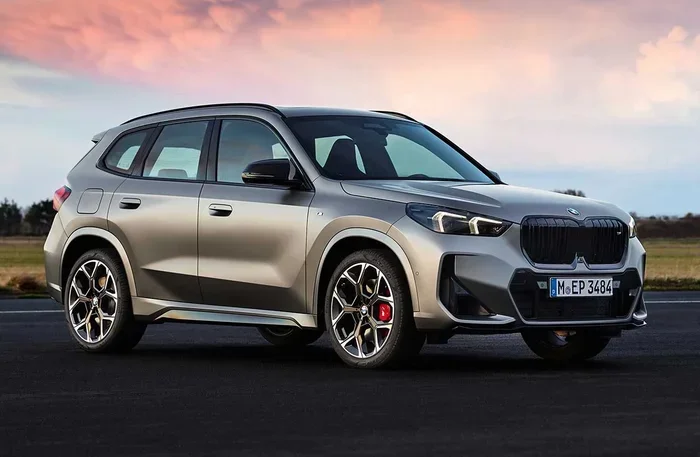
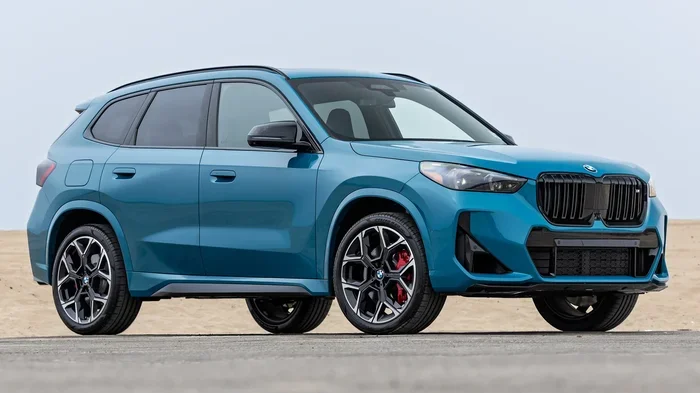
The 2015 BMW X1 Sport Line wears its intentions on its sheet metal. BMW designed this trim to look lower, wider, and more athletic than its siblings. The changes are not just cosmetic; they improve aerodynamics slightly and signal the car’s character instantly.
Unique Bumpers and Bodywork
The front bumper is the most obvious difference. It features larger, more aggressive air intakes with a distinct mesh pattern. These intakes flank a central slit that feeds the engine and brakes. The rear bumper mirrors this theme with a diffuser-style insert and chrome tailpipe finishers that are trapezoidal rather than round. Side skirts connect the two visually, reducing the visual ride height. High-gloss shadowline window trim replaces the matte black or chrome pieces found on other trims. This blacked-out look extends to the roof rails, which are standard and finished in high-gloss black.
Wheels and Tires: The Stance Makers
Wheels make a massive difference on the X1. The Sport Line rides on 18-inch light alloy wheels (style 637) with a double-spoke design. They are painted in a two-tone ferric grey finish that hides brake dust well. These wheels wear 225/45 R18 run-flat tires. The run-flat setup means there is no spare tire in the cargo floor. Instead, you get a tire mobility kit. Many owners eventually switch to non-run-flat tires for a better ride, but you must plan for a spare or roadside assistance. 19-inch wheels (style 638) were a popular factory option. They look fantastic but transmit more road imperfections to the cabin.
Lighting and Glass
Standard halogen headlights with LED daytime running rings (the iconic “angel eyes”) come on the Sport Line. Xenon adaptive headlights were optional and highly recommended for night driving. They swivel with the steering and auto-level. LED taillights are standard across the 2015 range. Privacy glass for the rear side windows and tailgate is standard, adding privacy and a sleek look. A panoramic moonroof is standard on the Sport Line, flooding the cabin with light.
Interior: A Driver-Focused Cockpit
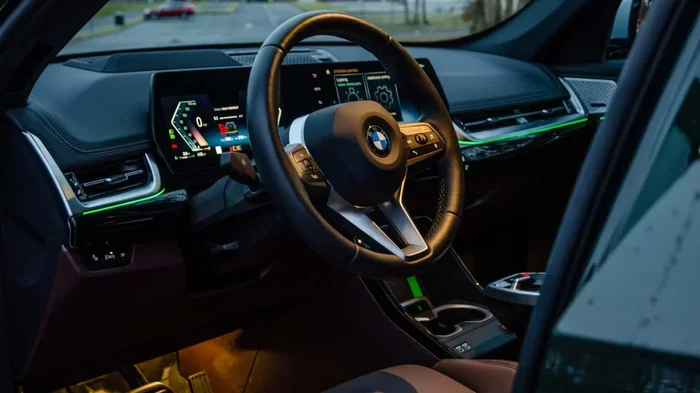
Step inside the 2015 X1 Sport Line, and the difference is immediate. BMW swapped the standard seats and trim for items that prioritize lateral support and visual sportiness. The materials feel premium for the class, though some hard plastics remain on lower door panels.

Visual guide about BMW X1 Sport Line
Image source: mediapool.bmwgroup.com
Sport Seats with Memory
The front sport seats are the highlight. They feature pronounced side bolsters that hold you tight during cornering. They offer electric adjustment for height, fore/aft, and backrest angle. Power lumbar support is standard. The driver seat includes memory function linked to the key fob. Upholstery is Sensatec (premium leatherette) in black with blue contrast stitching or oyster/black. Genuine Dakota leather was a standalone option or part of the Premium Package. Heated front seats are standard on all 2015 X1 models sold in the US, a nice touch for cold climates.
Steering Wheel and Trim
The sport leather steering wheel feels thicker and grippier than the standard wheel. It has thumb rests at 9 and 3 o’clock and red stitching (on black interiors). Paddle shifters are standard behind the wheel for the 8-speed automatic transmission. The instrument cluster gains a specific Sport Line welcome graphic on startup. Interior trim finishes include “Black High-Gloss with Coral Red Matte Accent” standard. Options included “Fineline Stream Wood” or “Aluminum Hexagon” trim for a different vibe. The anthracite headliner is a subtle but crucial Sport Line touch. It lowers the visual ceiling and hides stains better than the standard beige liner.
Space and Practicality
Rear seat space is decent for the segment. Two adults fit comfortably; three is a squeeze due to the transmission tunnel. The rear seats slide fore/aft (standard) and recline. They split-fold 40/20/40 via levers in the cargo area. Cargo capacity is 27.6 cubic feet behind the rear seats and 58.7 cubic feet with them folded. The load floor is flat when folded. A power tailgate is standard on the Sport Line, a convenience feature often optional on rivals.
Powertrain and Drivetrain: The Heart of the Matter
The Sport Line does not get a unique engine. It shares the potent N20 2.0-liter TwinPower Turbo inline-four with the rest of the 28i lineup. This engine is a gem when maintained correctly.

Visual guide about BMW X1 Sport Line
Image source: mediapool.bmwgroup.com
Engine Specs and Performance
- Engine: 2.0L Twin-Scroll Turbo I4 (N20B20)
- Horsepower: 240 hp @ 5,000–6,500 rpm
- Torque: 260 lb-ft @ 1,250–4,800 rpm
- Transmission: 8-speed Steptronic Automatic (ZF 8HP45)
- 0-60 mph: ~6.1 seconds (xDrive), ~6.3 seconds (sDrive)
The N20 delivers a broad torque plateau. It feels strong from just off idle to redline. The 8-speed transmission is one of the best in the business. It shifts imperceptibly in comfort mode and snaps off quick changes in Sport mode. The Sport Line does not alter the engine tune or transmission mapping compared to other trims. The difference is chassis tuning feel via the seats and steering weight.
sDrive28i vs. xDrive28i
You choose between rear-wheel drive (sDrive) and all-wheel drive (xDrive). sDrive28i is lighter (~3,500 lbs), slightly quicker off the line due to less drivetrain loss, and returns better fuel economy (EPA: 23/32/26 mpg city/hwy/combined). It is the purist’s choice. xDrive28i adds ~150 lbs and a front driveshaft. It sends 40% power front / 60% rear normally, but can shift 100% to either axle. It is vastly superior in snow, rain, and loose surfaces (EPA: 22/31/25 mpg). For most buyers in northern climates, xDrive is the smart pick. The Sport Line chassis handles the extra weight well.
Driving Dynamics Control
Standard Driving Dynamics Control lets you choose ECO PRO, COMFORT, and SPORT modes. SPORT sharpens throttle response, weights the steering, holds gears longer, and (on xDrive) biases torque rearward. ECO PRO maximizes efficiency with coasting function and climate control optimization. There is no adaptive suspension (EDC) on the X1; the Sport Line uses a fixed sport suspension that is ~10mm lower and stiffer than the base setup. It strikes a great balance for daily driving and back roads.
Technology, Infotainment, and Connectivity
The 2015 model year saw the X1 transition to the newer iDrive 4.2 system (NBT platform) on a 6.5-inch display. It is not the massive screens of modern BMWs, but it works well.

Visual guide about BMW X1 Sport Line
Image source: mediapool.bmwgroup.com
Standard Infotainment Features
- Display: 6.5-inch high-resolution fixed screen (non-touch)
- Controller: iDrive rotary controller with shortcut buttons
- Navigation: NOT standard. Navigation Professional (larger screen, 3D maps, HDD) was a pricey option.
- Audio: 9-speaker HiFi system (205 watts). Harman Kardon surround sound (12 speakers, 360W) was optional.
- Connectivity: Bluetooth hands-free, USB/audio interface, BMW Apps (limited smartphone integration).
- Services: BMW Assist eCall (automatic crash notification), Stolen Vehicle Recovery.
Key Optional Tech Packages
Technology Package added Navigation Professional (8.8-inch screen), Head-Up Display (HUD), Real Time Traffic Info (RTTI), and Enhanced Bluetooth with wireless charging (on later production). This is the “must-have” package for tech fans. Premium Package added Comfort Access (keyless entry/start), automatic high beams, and Dakota leather. Lighting Package added the adaptive xenons and high-beam assistant. A rearview camera was standard on the Sport Line for 2015 (became standard on all trims mid-year). Park Distance Control (PDC) front and rear was optional; Surround View cameras were not available.
Safety Features and Driver Assistance
The 2015 X1 earned a 5-star overall NHTSA rating and “Good” IIHS ratings in all crash tests (moderate overlap front, side, roof strength, head restraints). The small overlap front test was “Acceptable” due to structure intrusion. Standard safety equipment is comprehensive for the era.
Standard Safety Systems
- 6 Airbags (dual front, front side-impact, front/rear side curtain)
- Dynamic Stability Control (DSC) with Traction Control (DTC)
- Anti-lock Braking System (ABS) with Brake Assist
- Dynamic Brake Control (DBC)
- Cornering Brake Control (CBC)
- BMW Assist eCall & Stolen Vehicle Recovery
- Tire Pressure Monitor (TPM)
- Rearview Camera (standard on Sport Line)
Optional Driver Assistance
Active Driving Assistant was the main safety package. It bundled Lane Departure Warning, Forward Collision Warning (with City Collision Mitigation braking at low speeds), and Speed Limit Info with no-passing indicator. Blind Spot Detection was a separate option. These systems use a camera at the top of the windshield. They are primitive by 2024 standards (no adaptive cruise, no lane keep assist), but the collision warning can still prevent a fender bender.
Packages and Standalone Options: Building Your Ideal Spec
BMW used a package-heavy approach in 2015. Knowing the packages helps you decode window stickers or used car listings.
Major Packages Breakdown
| Package Name | Key Inclusions | Value Proposition |
|---|---|---|
| Premium Package | Dakota Leather, Comfort Access (keyless entry/start), Auto-dimming mirrors (interior/exterior), Power folding mirrors, Universal garage door opener, Lumbar support (passenger), Storage package | High. Leather + Keyless entry are daily quality-of-life upgrades. |
| Technology Package | Navigation Pro (8.8″ screen), Head-Up Display, Real Time Traffic, Enhanced Bluetooth/USB, BMW Online/Apps | Essential for modern usability. HUD is excellent. |
| Lighting Package | Adaptive Xenon Headlights, High-beam Assistant, LED Fog Lights | High. Xenons are vastly better than halogens. |
| Active Driving Assistant | Lane Departure Warning, Forward Collision Warning, City Collision Mitigation, Speed Limit Info | Moderate. Good safety net, but dated tech. |
| Cold Weather Package | Heated steering wheel, Heated rear seats, Retractable headlight washers | Essential for northern states. Heated wheel is a luxury you miss without it. |
Notable Standalone Options
- 19″ Double-Spoke Wheels (Style 638): Looks great, harsher ride.
- Harman Kardon Surround Sound: Noticeable audio upgrade.
- Parking Assistant: Automated parallel parking (ultrasonic sensors).
- Bluetooth Office / Enhanced Bluetooth: Better phone integration, wireless charging (late build).
- Anthracite Headliner: Standard on Sport Line, optional on others.
- Through-loading System: Ski bag pass-through with 40/20/40 split (often standard on Sport Line).
Common Issues and Ownership Realities
No car is perfect. The 2015 X1 Sport Line has known weak spots you should budget for.
The N20 Timing Chain Issue
This is the big one. Early N20 engines (built before ~01/2015) have a timing chain guide failure risk. The plastic guides become brittle and shatter, causing catastrophic engine damage. BMW extended the warranty to 7 years / 70,000 miles for this specific issue, but that window has largely closed. Verify the repair was done on any car you buy. If not, budget $1,500–$3,000 for a preventive replacement by a specialist. Later 2015 builds (post-01/2015) received updated guides and are much safer.
Coolant System Maintenance
The N20 runs hot. The electric water pump and plastic thermostat housing are wear items. Plan on replacing the water pump, thermostat, and coolant every 60,000–80,000 miles as preventive maintenance. Use only BMW-approved blue coolant (G48 or HT-12). Mixing coolant types causes gelling and blockages. The Sport Line’s lower stance makes DIY access slightly tighter but still doable.
Oil Filter Housing Gasket Leaks
The OFH gasket (where the oil filter cap meets the block) leaks on almost every N20 eventually. It drips onto the serpentine belt, which can shred and get sucked into the engine through the front crank seal. Replace the gasket ($40 part) at the first sign of seepage. It’s a 2-hour DIY job.
Run-Flat Tire Replacement
As mentioned, the Sport Line comes with run-flats. They are expensive ($250–$350 each), ride stiffly, and cannot be repaired if punctured. Most owners switch to non-run-flat performance tires (Michelin Pilot Sport AS4, Continental DWS06 Plus) for a dramatically better ride. If you do this, you must carry a spare tire kit or road hazard warranty. A compact spare kit fits in the cargo well.
Brake Fluid and Pads
The Sport Line’s heavier braking demands (due to stickier tires and spirited driving) wear pads faster. Expect front pads at 30k–40k miles. Brake fluid must be changed every 2 years regardless of mileage (DOT 4 LV). It absorbs water and causes internal corrosion in the ABS/DSC module, a $1,000+ repair. Use a quality fluid like BMW DOT 4 LV or Motul RBF 600.
Buying Guide: What to Look For in a Used 2015 X1 Sport Line
If you are hunting the used market, use this checklist to evaluate candidates.
Verify the Build Date
Check the driver’s door jamb sticker. Build date 02/2015 or later strongly suggests the updated N20 timing chain guides. Earlier builds are not deal-breakers if the chain was replaced with updated parts (ask for receipts).
Check Service Records
Look for: Timing chain service, water pump/thermostat, oil changes every 8k–10k miles (not the 15k BMW CBS interval), brake fluid every 2 years, transmission fluid change (ZF 8HP “lifetime” fluid should be changed at 80k–100k), differential fluid (xDrive), transfer case fluid (xDrive).
Inspect the Sport-Specific Items
- Sport Seats: Check bolster wear (driver’s left bolster). Test all power functions, including lumbar and memory.
- 18/19″ Wheels: Look for curb rash, cracks, or bends. Check tire tread depth and age (DOT date code). Mismatched tires indicate neglect.
- Suspension: Bounce each corner. It should settle in 1.5 cycles. Listen for clunks over bumps (control arm bushings, sway bar links).
- Anthracite Headliner: Check for sagging or stains. Hard to fix.
- Panoramic Moonroof: Open/close fully. Listen for grinding. Clean drains (pour water in track corners; should exit behind front wheels).
Tech Check
Pair your phone. Test Bluetooth audio, calls, USB connection. If it has Navigation/Tech Package, test HUD brightness/position, map routing, traffic data. Check all cameras and sensors. Verify iDrive software version (last update for NBT was ~2020).
Comparison: Sport Line vs. xLine vs. M Sport
BMW offered three distinct “Lines” for 2015. Here is how the Sport Line fits.
| Feature | Sport Line | xLine | M Sport |
|---|---|---|---|
| Vibe | On-road performance | Rugged / SUV look | Max sportiness / M aesthetics |
| Front Bumper | Large intakes, mesh, center slit | Silver underguard, fog light surrounds | M-specific, largest intakes, no fogs (usually) |
| Side Skirts | Body color, aerodynamic | Black plastic cladding, “X1” badge | Body color, M-specific profile |
| Rear Bumper | Diffuser insert, trapezoidal tips | Silver underguard, round tips | M diffuser, trapezoidal tips |
| Wheels (Std) | 18″ Style 637 Double Spoke | 18″ Style 636 V-Spoke | 18″ Style 639 M Double Spoke |
| Suspension | Sport (-10mm, stiffer) | Standard height | M Sport (-15mm, stiffest) |
| Seats | Sport seats, adjustable bolsters | Standard seats | Sport seats (same as Sport Line) |
| Steering Wheel | Sport leather, red stitch | Standard leather | M leather, tri-color stitch, thicker rim |
| Headliner | Anthracite (Standard) | Beige (Standard) | Anthracite (Standard) |
| Trim | Black High-Gloss / Coral Red | Satin Silver / Pearl Chrome | Aluminum Hexagon / Black High-Gloss |
| Best For | Driving enthusiasts in snow states | Light off-road / aesthetic preference | Track days / max style (harsh ride) |
The Sport Line is widely considered the sweet spot. You get the sport seats, sport suspension, and aggressive looks without the bone-jarring ride of the M Sport’s lower/stiffer setup or the “fake SUV” cladding of the xLine. It retains the xDrive capability crucial for resale in many markets.
Frequently Overlooked Standard Features
Buyers often focus on packages and miss these standard Sport Line gems:
- Auto Start-Stop: Standard. Saves fuel at lights. Can be disabled via button (resets each ignition cycle).
- Brake Energy Regeneration: Charges battery on deceleration. Reduces alternator load.
- Electric Power Steering (EPS): Variable assist. Light at parking, heavier at speed. No fluid to change.
- Crash Sensor: Unlocks doors, turns on hazards/interior lights, cuts fuel pump after impact.
- Pathway Lighting: Headlights stay on 90 seconds after locking (programmable).
- Rain-Sensing Wipers: Standard. Adjustable sensitivity.
- Automatic Climate Control: Dual-zone standard. Rear vents standard.
- Power Front Seats w/ Driver Memory: Standard on Sport Line (manual on base).
- Split-Fold Rear Seats (40/20/40): Standard. Ski pass-through in center.
- Universal Garage Door Opener (HomeLink): Often missed; it’s in the overhead console (part of Premium Package on some years, but check). Correction: On 2015 X1, HomeLink is part of the Premium Package or Comfort Access. Not standalone standard.
Resale Value and Market Position
The 2015 X1 Sport Line holds value well for a German luxury SUV. The combination of the reliable (post-fix) N20 engine, 8-speed transmission, xDrive availability, and desirable sport equipment keeps demand steady. Clean, well-documented examples with the Technology and Premium packages command a premium. High mileage (100k+) is acceptable if major maintenance (timing chain, water pump, fluids, brakes, tires) is documented. The Sport Line generally sells faster than xLine due to broader enthusiast appeal.
Expert Tips for Current Owners
If you already own one, maximize your experience with these tips:
- Code Your Car: Use BimmerCode or Carly app with an OBD adapter. Enable: Digital speedometer in cluster, video in motion (passenger), fold mirrors with key fob hold, disable start-stop memory, enhance Bluetooth volume, turn off seatbelt chime.
- Run Non-Run-Flats: The single best ride improvement. Get a road hazard certificate from Discount Tire or Tire Rack.
- Upgrade the Charge Pipe: The plastic factory charge pipe cracks under boost. An aluminum unit (VRSF, Forge) is cheap insurance ($150) and prevents a tow.
- Walnut Blast / Intake Valve Cleaning: Direct injection causes carbon buildup on intake valves. Do this every 50k–60k miles for smooth idle and power.
- Keep the Battery Registered: Any battery replacement must be registered to the car’s computer (ISTA/BimmerCode). Unregistered batteries overcharge/undercharge and fail fast.
- Join the Community: BMW X1 Forum (E84) and Bimmerfest are goldmines for DIY guides and vendor discounts.
Conclusion
The 2015 BMW X1 Sport Line is a compelling package. It delivers the sporty driving dynamics BMW is famous for in a practical, compact SUV body. You get sport seats, a sport suspension, 18-inch wheels, unique exterior styling, and an anthracite headliner as standard. The N20 engine and ZF 8-speed transmission provide punchy, efficient performance. While the infotainment shows its age and the N20 timing chain requires vigilance, a well-maintained example offers tremendous value and driving joy. Check for the updated timing chain guides (post-01/2015 build), verify maintenance records, and prioritize the Technology and Premium packages. Do that, and you’ll own one of the most engaging daily drivers in the segment. Enjoy the drive.