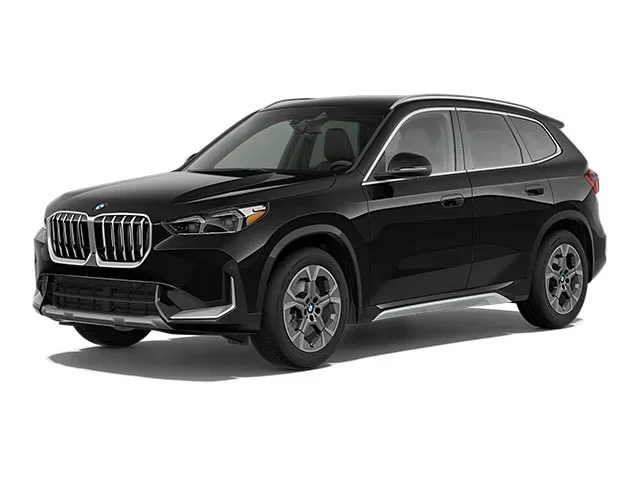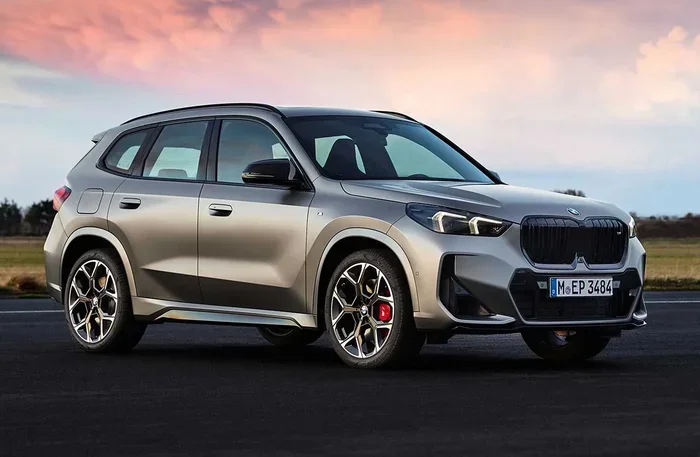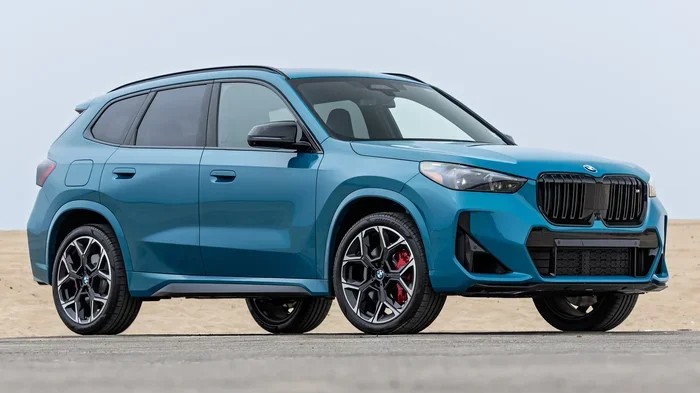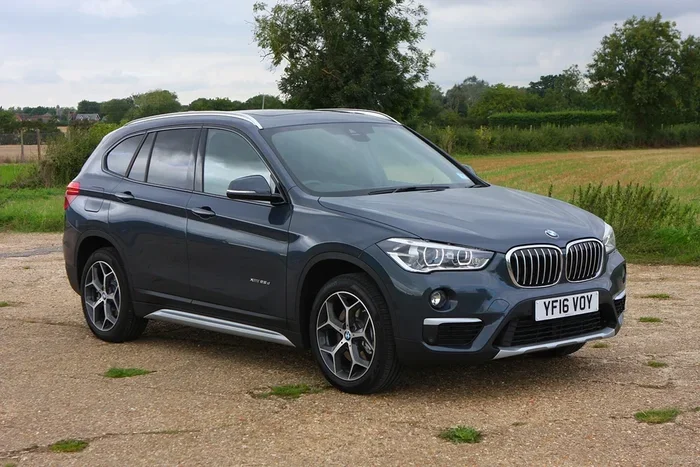
Featured image for BMW X1 SUV exterior
Image source: parkers-images.bauersecure.com
What is a BMW X1? It is BMW’s entry-level subcompact luxury crossover SUV, blending sporty driving dynamics with premium comfort and practicality. Since its debut in 2009, it has evolved through three distinct generations, shifting from a rear-wheel-drive platform to a modern front-wheel-drive architecture. This guide covers everything from engine options and sDrive vs xDrive systems to interior tech, safety ratings, and ownership costs.
If you are shopping for a luxury crossover that fits city streets but still feels like a proper BMW, you have likely asked yourself: what is a BMW X1? Simply put, it is the gateway to the BMW SUV lineup. It is the smallest utility vehicle the brand sells, but do not let the size fool you. It packs the driving dynamics, interior quality, and technology found in its larger, more expensive siblings.
Since its launch, the X1 has carved out a massive niche. It appeals to young professionals, small families, and driving enthusiasts who want a premium badge without the massive footprint of an X5 or X7. Over three generations, it has transformed from a quirky, tall wagon into a sophisticated, tech-laden crossover. Whether you are looking at a used first-gen model or a brand-new 2025 variant, understanding its evolution is key to making the right purchase decision.
Key Takeaways
- Segment Leader: The BMW X1 defines the premium compact crossover class with a balance of agility, space, and badge prestige.
- Three Generations: It spans the E84 (2009–2015), F48 (2015–2022), and current U11 (2023–present) generations, each marking significant platform shifts.
- Drivetrain Choices: Buyers choose between efficient front-wheel-drive (sDrive) and confident all-wheel-drive (xDrive) configurations.
- Modern Tech: The latest generation features the curved display running iDrive 9, offering a high-tech, minimalist dashboard experience.
- Practical Dimensions: Despite its compact footprint, it offers class-leading cargo space and rear-seat legroom for its size.
- Ownership Costs: Maintenance is comparable to rivals, but using correct fluids like BMW-approved coolant is critical for longevity.
- Strong Resale: Historically high residual values make it a smart financial choice for luxury buyers.
📑 Table of Contents
- The BMW X1 at a Glance: Defining the Segment
- A Walk Through BMW X1 Generations
- Performance, Drivetrain, and Driving Dynamics
- Interior Comfort, Tech, and Cargo Space
- Safety Features and Driver Assistance
- Ownership Experience: Reliability, Maintenance, and Costs
- How the X1 Stacks Up Against Rivals
- Buying Guide: Which BMW X1 Should You Get?
- Conclusion
The BMW X1 at a Glance: Defining the Segment
The BMW X1 sits at the bottom of the brand’s “X” model hierarchy. It competes directly with the Audi Q3, Mercedes-Benz GLA, and Volvo XC40. Its mission is straightforward: deliver the “Ultimate Driving Machine” experience in a package that is easy to park and affordable to run.
It slots below the X2 (which is a sportier, coupe-like version of the same platform) and the X3 (the compact benchmark). The X1 distinguishes itself by offering a surprisingly upright seating position, excellent visibility, and a boxy roofline that maximizes interior air space. It proves that you do not need a massive vehicle to feel safe and comfortable.
A Walk Through BMW X1 Generations
Understanding the generational changes is the fastest way to narrow your search. Each generation represents a distinct philosophy.
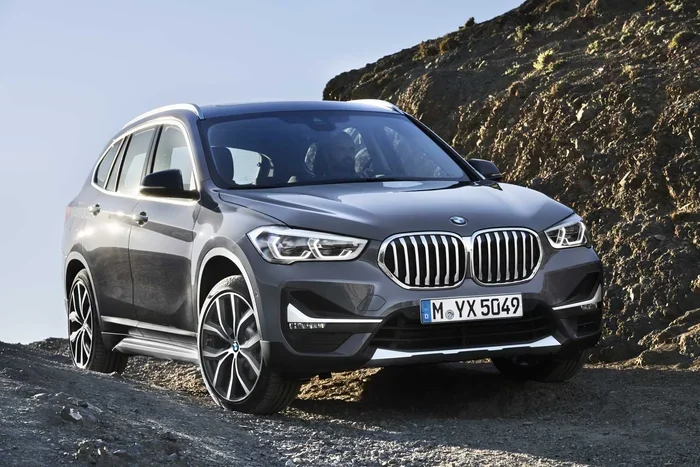
Visual guide about BMW X1 SUV exterior
Image source: mediapool.bmwgroup.com
First Generation (E84 | 2009–2015): The Unique Pioneer
The original X1 was unlike anything else on the market. Built on the E90 3 Series platform, it retained a rear-wheel-drive bias. This gave it a driving feel that was unmistakably BMW—sharp turn-in, balanced weight distribution, and a longitudinal engine layout.
- Body Style: Tall wagon / SAV (Sports Activity Vehicle).
- Drivetrain: Longitudinal engine; RWD (sDrive) or AWD (xDrive).
- Engines: Naturally aspirated 3.0L inline-6 (xDrive28i/35i) and turbo 2.0L 4-cylinder (sDrive28i).
- Vibe: Driver-focused, slightly firm ride, unique styling.
Pro Tip: The E84 with the N52 inline-6 engine is a cult favorite for reliability and sound, but the turbo 4-cylinder (N20) models are more common and fuel-efficient. If you buy used, check the timing chain history on the N20 engines.
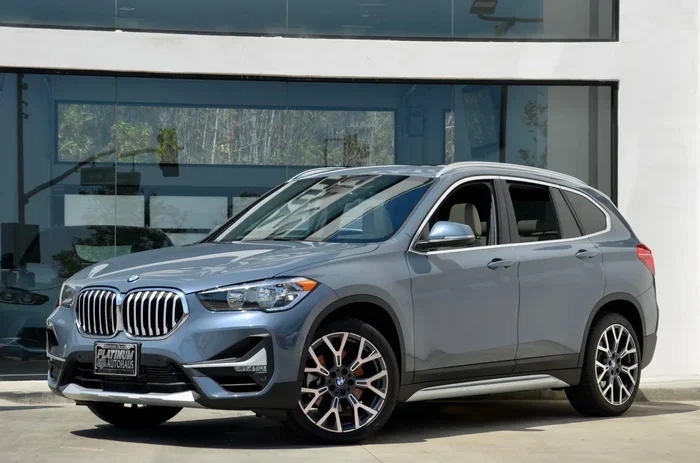
Second Generation (F48 | 2015–2022): The Volume Seller
This was a radical shift. BMW moved the X1 to the UKL front-wheel-drive platform (shared with the Mini Countryman). Purists complained, but sales skyrocketed. The transverse engine layout freed up massive interior space. It became roomier, quieter, and significantly more efficient.
- Platform: UKL (Front-wheel-drive architecture).
- Drivetrain: Transverse engine; FWD (sDrive) or AWD (xDrive).
- Engines: Exclusively turbocharged 2.0L 4-cylinders (B48) and 1.5L 3-cylinders (B38) in some markets.
- Interior: Traditional gauges with central iDrive screen (later models got Live Cockpit).
This generation is the sweet spot for used buyers today. It offers modern safety tech, Apple CarPlay/Android Auto, and proven B-series engine reliability. It looks modern enough to pass for new but depreciated enough to be a bargain.
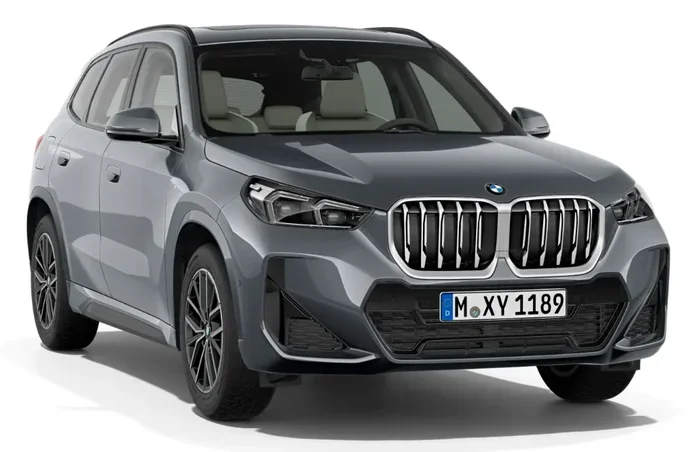
Third Generation (U11 | 2023–Present): The Tech Showcase
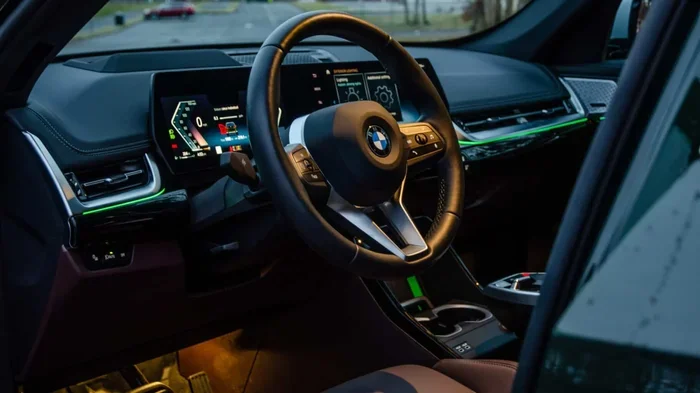
The current model doubles down on the F48 formula but adds a massive tech leap. It rides on the updated FAAR platform. The design is sharper, with the signature “kidney grille” growing larger (but not controversial like the 7 Series). Inside, the physical buttons are mostly gone, replaced by the BMW Curved Display.
- Platform: FAAR (Front-wheel-drive architecture).
- Drivetrain: FWD (sDrive18i/20i) and AWD (xDrive23i/30i). Mild hybrid tech (48V) standard on gas models.
- EV Variant: The iX1 marks BMW’s first electric entry in this segment.
- Tech: iDrive 9 with QuickSelect, OS 9, augmented reality navigation, and 5G connectivity.
This generation finally fixes the only real complaint about the F48: the interior felt a step behind the 3 Series. Now, it feels every bit as premium as the larger models.
Performance, Drivetrain, and Driving Dynamics
When people ask what is a BMW X1 capable of, the answer usually surprises them. It is genuinely fun to drive. The steering is direct, the chassis is stiff, and the powertrains are punchy.
Visual guide about BMW X1 SUV exterior
Image source: ackodrive-assets.ackodrive.com
Engine Options Over the Years
BMW has simplified the lineup considerably. Gone are the days of six-cylinder X1s. Today, it is all about high-output four-cylinders and electrification.
| Generation | Base Engine | Performance Engine | Electrified Option |
|---|---|---|---|
| E84 (Gen 1) | 2.0L Turbo I4 (N20) | 3.0L Twin-Turbo I6 (N55) | None |
| F48 (Gen 2) | 1.5L Turbo I3 (B38) / 2.0L Turbo I4 (B48) | 2.0L Turbo I4 High Output (B48) | xDrive25e Plug-in Hybrid (Late models) |
| U11 (Gen 3) | 2.0L Turbo I4 Mild Hybrid (B48) | 2.0L Turbo I4 High Output Mild Hybrid | iX1 xDrive30 (Full EV) / xDrive23i/30i (MHEV) |
The current xDrive23i (or 28i in the US) makes around 241 hp and hits 60 mph in roughly 6.2 seconds. That is hot-hatch territory in an SUV body. The mild hybrid system smooths out start-stop behavior and provides a torque fill at low revs.
sDrive vs xDrive Explained
This is the most common decision point for buyers.
- sDrive (FWD): Standard on base models. Lighter, cheaper, better fuel economy (up to 2-3 MPG better). Modern traction control makes it perfectly capable in rain and light snow with good tires. The F48 and U11 platforms handle torque steer very well.
- xDrive (AWD): Standard on higher trims, optional on base. It uses a multi-plate clutch to send power rearward instantly. It adds ~150 lbs and cost. It is worth it if you face real winters, steep driveways, or want maximum launch traction.
Expert Insight: For 90% of drivers in moderate climates, sDrive with a set of dedicated winter tires outperforms xDrive on all-seasons. Save the money and buy the tires.
Interior Comfort, Tech, and Cargo Space
The X1 punches above its weight class here. The high roofline and upright greenhouse create an airy cabin that feels larger than the exterior suggests.
Visual guide about BMW X1 SUV exterior
Image source: platinumautohaus.com
Infotainment and Connectivity
- E84: iDrive 6/7 with a non-touch screen (controller only). Dated graphics but bulletproof operation.
- F48: iDrive 7 with touchscreen capability. Wireless Apple CarPlay/Android Auto (standard after 2020). Optional digital gauge cluster.
- U11: BMW Curved Display (10.25″ cluster + 10.7″ touchscreen) running iDrive 9. No physical climate controls (touchscreen/haptic only). Voice assistant “Hey BMW” works well. Standard wireless charging and 5G.
The U11 system is stunning but has a learning curve. The removal of physical HVAC knobs frustrates some owners. However, the “QuickSelect” menu layer makes common tasks faster once you learn the swipe gestures.
Practicality for Daily Life
This is where the X1 wins over the X2 and many rivals.
- Cargo Space: ~27 cu ft behind rear seats (U11); ~58 cu ft with seats folded. The load floor is flat and low.
- Rear Seat Room: Class-leading legroom (approx 37 inches). The rear bench slides and reclines (standard on U11, optional on F48).
- Storage: Large door bins, deep center console, under-floor trunk storage.
You can fit a stroller, groceries, and a weekend bag simultaneously. It is a legitimate family hauler for a family of three or four.
Safety Features and Driver Assistance
BMW equips the X1 well, though the best features often live in packages.
- Standard (All Generations): Automatic Emergency Braking (AEB), Lane Departure Warning, Front/Rear Parking Sensors (recent years).
- Driving Assistance Package (Optional): Adaptive Cruise Control with Stop & Go, Active Lane Keeping, Traffic Jam Assist (hands-off at low speeds on U11), Blind Spot Monitoring, Cross-Traffic Alert.
- Parking Assistant: Automated parallel/perpendicular parking. The U11 adds “Parking Assistant Professional” allowing you to park via smartphone app from outside the car.
IIHS and NHTSA ratings have consistently been “Top Safety Pick+” or 5-Star overall for the F48 and U11 generations. The structure uses high-strength steel and aluminum strategically.
Ownership Experience: Reliability, Maintenance, and Costs
Luxury cars cost more to maintain than a Honda CR-V. The X1 is no exception, but it is not a money pit if you stay proactive.
Common Maintenance Items
Stick to the BMW Condition Based Service (CBS) system, but be smarter than the minimum intervals.
- Oil Changes: Do it every 7,500 miles or 12 months, not the 10k-15k the computer suggests. Use LL-01 or LL-17FE+ approved 0W-20/0W-30.
- Brake Fluid: Every 2 years regardless of mileage. It absorbs water and kills ABS modules. Use the correct DOT 4 LV brake fluid for modern models.
- Coolant: BMW uses specific blue or green coolant. Never mix with universal green/orange. Flush every 4-5 years. Using the wrong type causes electrolysis and water pump failure. Read more on choosing the right coolant for your BMW.
- Tires: Most X1s come with run-flat tires. They allow driving 50 miles at 50 mph after a puncture. They ride stiffer and cost more to replace. Many owners switch to non-run-flats and carry a mobility kit or spare tire kit.
- Filters: Engine air, cabin microfilter (every 2 years), and fuel filter (on older models).
Reliability by Generation
- E84: N52 6-cylinder = Legendary. N20 4-cylinder = Timing chain guides (updated in 2015), valve cover leaks, water pump/thermostat. xDrive transfer case actuator failures.
- F48: B48/B38 engines are robust. Watch for coolant leaks (thermostat housing), oil filter housing gasket leaks, and occasional transmission mechatronics issues (rare). This generation ranks high on reliability charts for used BMWs.
- U11: Too new for long-term data. B48 updates are mature. Electronics complexity is the only question mark.
Estimated Annual Maintenance Budget
- DIY Enthusiast: $500–$800/year (fluids, filters, brakes).
- Independent Shop: $1,000–$1,800/year.
- Dealership: $1,500–$3,000+/year (includes recommended “wallet flush” services).
Quick Tip: Buy a pre-paid maintenance plan (BMW Ultimate Care+) if buying new or CPO. It covers wear items like brakes and wipers, which are expensive at the dealer.
How the X1 Stacks Up Against Rivals
Cross-shopping is essential. Here is the quick verdict.
| Competitor | Vs BMW X1 | Verdict |
|---|---|---|
| Audi Q3 | Better interior materials (pre-2023), superior Virtual Cockpit. Less engaging to drive. Tighter rear seat. | Choose Q3 for tech aesthetic; X1 for driving & space. |
| Mercedes GLA | Flashier interior (MBUX), standard AWD on higher trims. Stiffer ride, less cargo room, cramped rear seat. | Choose GLA for style; X1 for practicality. |
| Volvo XC40 | Unique design, amazing seats, standard safety suite. Slower, quirky infotainment (older), lower resale. | Choose XC40 for comfort/safety; X1 for balance. |
| Lexus UX | Hybrid standard (great MPG), bulletproof reliability. Tiny cargo, slow, trackpad infotainment is frustrating. | Choose UX for low running costs; X1 for everything else. |
The X1 remains the benchmark for the “driver’s choice” in this segment. If you view driving as a chore, the Lexus or Volvo might suit you better. If you smile when hitting an on-ramp, the X1 is the one.
Buying Guide: Which BMW X1 Should You Get?
Best Used Value: 2018–2021 F48 xDrive28i
You get the updated B48 engine, modern iDrive 7 with wireless CarPlay, proven AWD, and CPO warranty eligibility. Prices have softened nicely post-lease return flood.
Best New Buy: 2024+ U11 xDrive23i (or sDrive28i US-spec)
The mild hybrid smoothness, curved display, and standard safety tech make it feel like a 2025 car. Skip the M Sport package if you want a compliant ride; the standard suspension is better on broken pavement.
The Wild Card: BMW iX1 (Electric)
If you have home charging and do < 200 miles/day, the iX1 xDrive30 is compelling. 270 hp, instant torque, ~260 miles WLTP range (approx 220 EPA), and it drives better than the gas version due to low center of gravity. Tax incentives vary by region.
Conclusion
So, what is a BMW X1? It is the most versatile vehicle in the BMW lineup. It is the only one that truly masters the contradiction of being compact on the outside yet spacious inside, affordable to enter yet premium in feel, and practical for daily chores yet thrilling on a back road.
From the inline-6 charm of the original E84 to the silent torque of the new iX1, the recipe has stayed consistent: prioritize the driver without punishing the passengers. Whether you pick a certified pre-owned F48 for value or a brand-new U11 for the latest tech, you are getting a vehicle that respects your intelligence and rewards your right foot. Do your homework on maintenance history if buying used, spec the tires right for your climate, and enjoy the entry point to the Ultimate Driving Machine family.
Frequently Asked Questions
Is the BMW X1 considered a luxury car?
Yes, the BMW X1 is classified as a subcompact luxury crossover SUV. It features premium materials, advanced technology, and a prestigious brand badge, competing directly with the Audi Q3, Mercedes GLA, and Volvo XC40.
What is the difference between sDrive and xDrive on the X1?
sDrive is BMW’s marketing term for front-wheel drive (FWD), while xDrive denotes all-wheel drive (AWD). sDrive models are lighter, more fuel-efficient, and cheaper; xDrive models offer superior traction in snow, rain, and during hard acceleration.
Does the BMW X1 require premium gas?
Yes, BMW recommends 91 octane (premium) fuel for all gasoline X1 models for optimal performance and engine longevity. The engine will run on 87 octane via knock sensor adjustment, but power and efficiency will drop slightly.
Is the BMW X1 reliable?
The second generation (F48, 2016–2022) is widely considered very reliable, especially with the B48 2.0L engine. The first generation (E84) with the N20 engine had timing chain issues early on. The current generation (U11) is too new for long-term data but uses proven components.
How much cargo space does the BMW X1 have?
The current U11 generation offers 27.1 cubic feet behind the rear seats and 57.2 cubic feet with the rear seats folded. The previous F48 generation offered slightly more at 27.1 / 58.7 cubic feet respectively.
What are the main competitors to the BMW X1?
The primary rivals are the Audi Q3, Mercedes-Benz GLA-Class, Volvo XC40, and Lexus UX. The Cadillac XT4 and Acura RDX (slightly larger) are also common cross-shops.