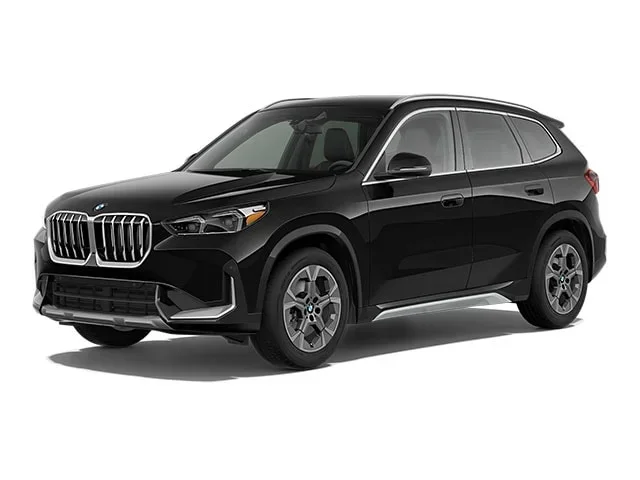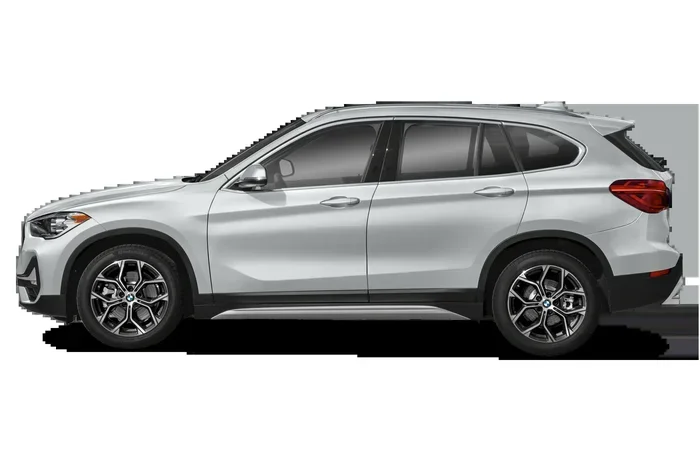
Featured image for BMW X1 compact SUV exterior
Image source: platform.cstatic-images.com
The BMW X1 sits firmly in the subcompact luxury SUV segment, offering a sweet spot of city-friendly dimensions and surprising interior room. While it is the smallest BMW SUV in the US lineup, clever packaging delivers competitive legroom and cargo space that often feels larger than the spec sheet suggests.
If you are shopping for a luxury crossover, you have probably asked yourself: is the BMW X1 small? The short answer is yes, technically. It is the entry point to the BMW SUV family in North America. But “small” is a relative term. In the world of subcompact luxury crossovers, the X1 is actually considered one of the roomiest options available. It manages a magic trick: it fits into tight downtown parking spots while still hauling four adults and their weekend bags. This guide breaks down every dimension, compares it to its siblings, and helps you decide if the X1’s size fits your life.
We will look at the hard numbers—length, width, wheelbase, and cargo volume—and translate them into real-world usability. We will also compare the X1 to the X2 and X3 so you know exactly where it stands in the showroom. By the end, you will know if this “small” SUV is actually big enough for you.
Key Takeaways
- Segment Classification: The BMW X1 is a subcompact luxury crossover, making it the smallest SUV in the current BMW USA lineup.
- Exterior Footprint: At roughly 175 inches long, it is significantly shorter than the X3 but slightly longer than the discontinued X2, making it easy to park.
- Interior Packaging: Despite a small exterior, the front-wheel-drive-based architecture (UKL platform) maximizes cabin space for passengers.
- Cargo Capacity: It offers around 27 cubic feet behind the rear seats and up to 58 cubes with seats folded, leading its direct class.
- Passenger Room: Rear legroom is surprisingly generous at roughly 37 inches, accommodating adults comfortably on shorter trips.
- Driving Dynamics: The compact size translates to a tight turning circle and nimble handling, ideal for urban environments.
- Comparison Context: It slots below the X3 in size and price, but above the X2 in practicality and rear-seat comfort.
📑 Table of Contents
- Understanding the BMW X1 Segment Classification
- Exterior Dimensions: The Hard Numbers
- Interior Space: Where “Small” Disappears
- Cargo Capacity: The Numbers That Matter
- BMW X1 vs. The Family: X2 and X3 Comparison
- Real-World Usability Scenarios
- Powertrain Impact on Space and Weight
- Common Criticisms Regarding Size
- Expert Tips for Maximizing X1 Space
- Who Should Buy the BMW X1? (And Who Shouldn’t)
- Maintenance and Ownership Reality
- Conclusion
Understanding the BMW X1 Segment Classification
Before we dive into inches and cubic feet, we need to define the playing field. The BMW X1 competes in the subcompact luxury crossover segment. Think Audi Q3, Mercedes-Benz GLA, Volvo XC40, and Lexus UX. These vehicles are built on car-like platforms (usually front-wheel-drive architectures) rather than truck frames. This distinction is critical because it dictates how much interior space engineers can carve out of a small footprint.
Where the X1 Sits in the BMW Lineup
In the current US market, the hierarchy is clear. The X1 is the baby of the bunch. Above it sits the X2 (which is actually lower and sportier but less practical), then the compact X3, the mid-size X5, and the full-size X7. If you need three rows of seats, the X1 is not the answer; you would need to look at the BMW models with three rows of seating like the X5 or X7. The X1 is strictly a five-seater, two-row vehicle.
Generational Growth: 2023+ Redesign (U11 Chassis)
The current generation (U11 chassis, launched as a 2023 model) grew slightly compared to its predecessor (F48). It is about 2 inches longer and 1 inch wider. That doesn’t sound like much, but in this segment, every inch counts. The wheelbase stretched slightly too, directly benefiting rear knee room. This growth spurt was a direct response to rivals like the Genesis GV60 and Volvo XC40 Recharge pushing the size envelope.
Exterior Dimensions: The Hard Numbers
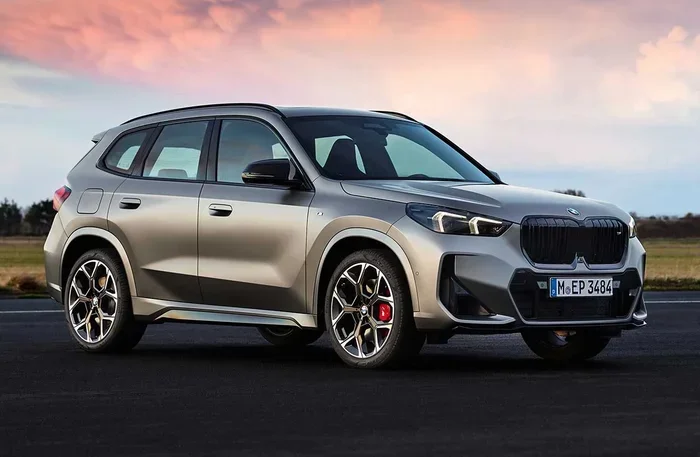
Let’s look at the tape measure. These numbers define the BMW X1 size footprint. They determine if it fits in your garage, your parking spot at work, or that tight parallel spot on Main Street.
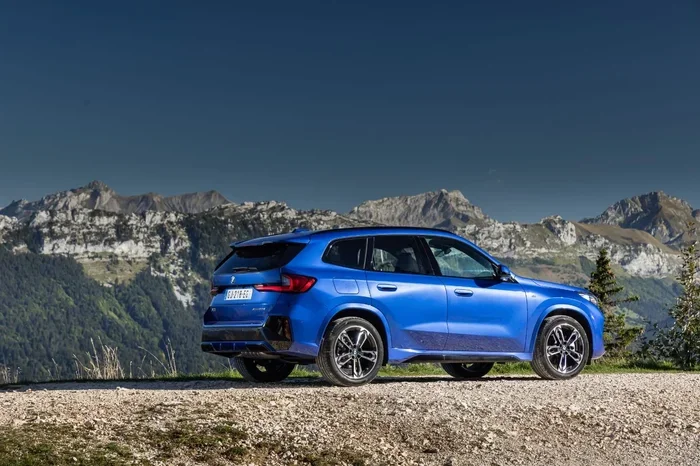
Visual guide about BMW X1 compact SUV exterior
Image source: forumbmw.net
Length, Width, and Height
- Length: ~175.4 inches (varies slightly by trim/xLine/M Sport)
- Width (without mirrors): ~72.0 inches
- Width (with mirrors): ~80.5 inches
- Height: ~64.2 inches (varies with suspension/roof rails)
- Wheelbase: ~106.0 inches
- Ground Clearance: ~7.2 inches (xDrive models may sit slightly higher)
At 175 inches long, the X1 is roughly the same length as a Honda Civic sedan. It is significantly shorter than a Toyota RAV4 (181 inches) or the BMW X3 (185.9 inches). This compact length is the X1’s superpower in the city. You can nose into spots that larger SUVs have to drive past.
Turning Circle and Parking Ease
The turning circle is approximately 39.4 feet (curb-to-curb). That is tight. For context, a Chevrolet Suburban needs nearly 43 feet. This means U-turns on two-lane roads are easy, and navigating crowded parking garages is stress-free. The standard rear-view camera and available Parking Assistant Plus make the most of these dimensions.
Interior Space: Where “Small” Disappears
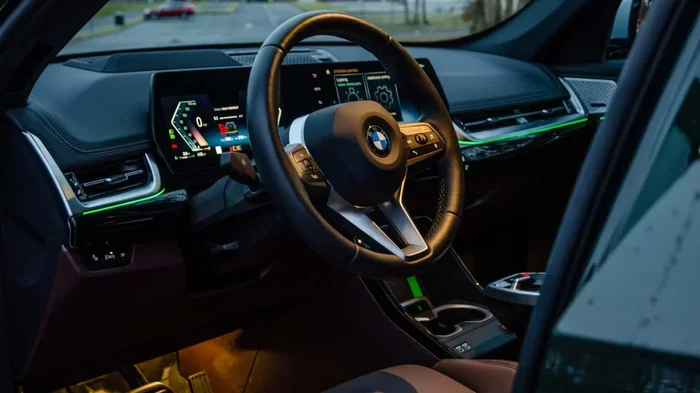
This is where the X1 earns its keep. BMW moved the X1 to the FAAR platform (front-wheel-drive architecture) a generation ago. This allowed them to push the wheels to the corners, minimize overhangs, and eliminate the driveshaft tunnel hump in the rear floor. The result? A cabin that feels a class larger.
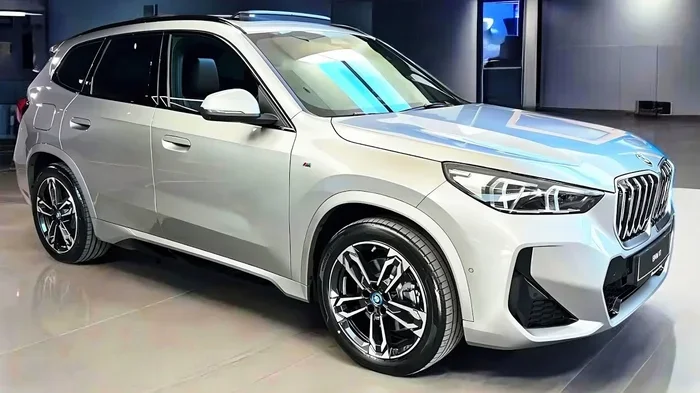
Visual guide about BMW X1 compact SUV exterior
Image source: i.ytimg.com
Front Row: Commanding and Roomy
Front passengers get ~40.4 inches of legroom and ~39.4 inches of headroom (with sunroof). The seats are mounted relatively high, giving that desirable “command seating” SUV view. The dashboard is wide but not intrusive. You don’t feel cramped shoulder-to-shoulder with your passenger. The center console is substantial, offering a deep bin, wireless charging pad (on most trims), and cupholders that actually hold large bottles.
Rear Row: Adults Fit Here
This is the surprise. Rear legroom checks in at ~37.0 inches. Headroom is ~38.3 inches. For a subcompact, these are excellent numbers. Two six-footers can sit behind two six-footers—provided the front occupants don’t slide their seats all the way back. The flat floor (no transmission tunnel) means the middle passenger (if you squeeze three across) has a place for their feet. The rear doors open wide (nearly 90 degrees), making it easy to install child seats or load grandparents.
Visibility and Greenhouse
The X1 avoids the “chopped roof” look of the X2. The greenhouse is tall and boxy. Pillars are reasonably thin. You get excellent visibility out the front, sides, and rear. This makes the car feel smaller to drive than it is because you can place the corners precisely.
Cargo Capacity: The Numbers That Matter
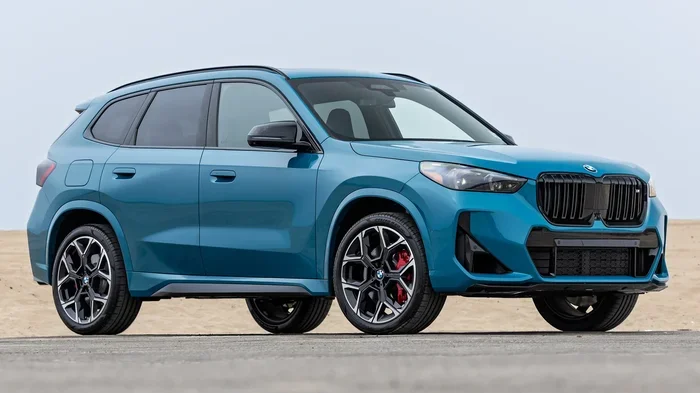
Cargo space is often the deciding factor for buyers asking is the BMW X1 small in a practical sense. Let’s look at the SAE numbers.
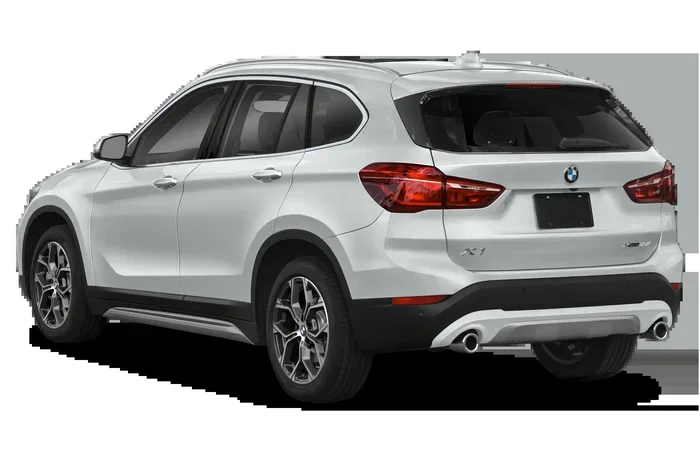
Visual guide about BMW X1 compact SUV exterior
Image source: platform.cstatic-images.com
Behind the Second Row
You get 27.1 cubic feet behind the rear seats. That is class-leading. It beats the Audi Q3 (23.7), Mercedes GLA (15.4—though the GLA is smaller), and Volvo XC40 (20.7). What does 27 cubes look like in real life? It swallows:
- Two large checked suitcases + two carry-ons.
- A full Costco run (within reason).
- A folded stroller + diaper bag + groceries.
- Golf clubs (diagonally, usually).
With Rear Seats Folded (40/20/40 Split)
Fold the standard 40/20/40 split rear seats flat, and you open up 57.7 cubic feet (BMW spec) or ~54 cubes (EPA spec). The load floor is nearly flat with a slight step. The 20% middle section is brilliant for long items (skis, lumber, pipes) while still seating four people. The rear seat release levers are in the cargo area—pull a strap, seat drops. Easy.
Under-Floor Storage
There is a deep well under the cargo floor. It hides the tire repair kit (no spare tire standard) and leaves room for valuables, charging cables (on xDrive25e PHEV), or muddy shoes. The cargo cover retracts into a cassette behind the rear seats; you can remove it entirely for tall loads.
BMW X1 vs. The Family: X2 and X3 Comparison
Context is everything. Let’s see how the X1 stacks up against its immediate siblings. This comparison usually clarifies the buying decision instantly.
BMW X1 vs. BMW X2
The X2 is built on the same platform. But the X2 is a “coupe-like” SUV. It is lower (~2 inches lower roofline), shorter (~3 inches shorter overall), and has a sloped roof.
- Rear Headroom: X1 wins by ~2 inches. X2 feels tight for adults over 5’10”.
- Cargo: X1 wins (~27 vs ~21 cubes behind seats).
- Style: X2 wins if you prioritize sporty looks over utility.
- Price: X2 often starts slightly lower, but equipped similarly, they align.
Verdict: If you ever carry rear passengers or bulky gear, the X1 is the only logical choice. The X2 is a fashion statement.
BMW X1 vs. BMW X3
The X3 is the compact SUV (one class up). It rides on the CLAR platform (rear-wheel-drive biased).
- Exterior Length: X3 is ~10.5 inches longer.
- Wheelbase: X3 is ~4.5 inches longer.
- Rear Legroom: X3 offers ~36.4 inches (surprisingly similar on paper, but feels airier due to width).
- Cargo (seats up): X3 ~28.7 cubes (slight edge).
- Cargo (seats down): X3 ~62.7 cubes (noticeable edge).
- Width: X3 is ~3 inches wider inside (shoulder room).
- Price: X3 starts ~$6k-$8k higher.
Verdict: The X3 is wider and more substantial. If you regularly carry three adults in the back or need to tow (X3 tows 4,400 lbs vs X1’s 2,000-3,500 lbs depending on engine), spend the extra money. If you are mostly 1-2 people with occasional rear passengers, the X1 saves cash and parks easier.
Comparison Table: X1 vs X2 vs X3 (Key Specs)
| Specification | BMW X1 (U11) | BMW X2 (U10) | BMW X3 (G01) |
|---|---|---|---|
| Length | 175.4 in | 172.2 in | 185.9 in |
| Wheelbase | 106.0 in | 105.1 in | 110.5 in | Height | 64.2 in | 62.0 in | 66.0 in |
| Rear Legroom | 37.0 in | 33.5 in | 36.4 in |
| Cargo (Seats Up) | 27.1 cu ft | 21.6 cu ft | 28.7 cu ft |
| Cargo (Seats Down) | 57.7 cu ft | 50.1 cu ft | 62.7 cu ft |
| Turning Circle | 39.4 ft | 39.4 ft | 40.7 ft |
| Starting MSRP (Approx) | $39,000 | $38,000 | $47,000 |
Real-World Usability Scenarios
Specs are boring. Let’s talk about your life.
The Urban Commuter
You live in a city. Street parking is a nightmare. Garage spots are tight. The X1 is ideal. The short nose, tall roof, and great visibility make threading traffic easy. The 39-foot turning circle lets you flip a U-ey on a two-way street. Fuel economy on the xDrive28i (2.0L turbo) is solid: ~25 city / 34 highway. The PHEV xDrive25e gives you ~40 miles of EV range for the daily commute gas-free.
The Small Family (Two Kids, One Dog)
This works. Two car seats fit well (LATCH anchors are accessible). The 40/20/40 split means you can fold the middle for a double stroller frame while keeping two outer seats for kids. The cargo cover hides the dog hair mess. Rear door alerts (standard) remind you to check the back seat. Is it tight for a rear-facing infant seat behind a tall driver? Yes, the front passenger may need to scoot forward. But it is doable.
The Outdoor Enthusiast (Bikes, Skis, Hiking)
Skis fit inside with the 20% middle folded (pass-through). Bikes? You need a hitch rack (2,000 lb tow rating on gas models covers a 2-bike rack easily). Roof rails are standard on xLine/M Sport. Ground clearance (7.2 in) handles gravel forest service roads fine, but this is not a rock crawler. Approach/departure angles are modest. All-wheel drive (xDrive) is highly recommended for trailheads in weather.
The Road Tripper
Four adults + luggage for a week? Tight. 27 cubes behind seats means soft bags only, packed tight. You will likely need a roof box (Thule/Yakima on factory rails) for hard-shell suitcases. Front seats are supportive for 8-hour stints. NVH (noise, vibration, harshness) is impressive for the class—wind noise is low, engine is quiet at cruise. The Harman Kardon stereo (optional) sounds great.
Powertrain Impact on Space and Weight
The X1 comes in three main flavors in the US, and the powertrain slightly changes the utility calculus.
xDrive28i (2.0L Turbo Mild Hybrid)
The volume seller. 241 hp / 295 lb-ft. 48V mild hybrid smooths start-stop. Standard AWD (xDrive). Weight: ~3,800 lbs. Cargo space is max (no battery hump). This is the sweet spot for most.
xDrive25e (Plug-in Hybrid)
1.5L 3-cylinder + electric motor. 241 hp combined. ~40 miles EV range (WLTP/EPA ~38-40). Cargo hit: The battery lives under the rear seat / cargo floor. You lose the deep under-floor well and the spare tire well (no spare in any X1). Cargo volume drops slightly (~24 cubes behind seats). The charge port is on the front left fender. Great for short commutes; less ideal for max cargo utility.
M35i xDrive (Performance)
2.0L Turbo tuned to 312 hp / 295 lb-ft. Sport suspension, M brakes, standard 19s/20s. Same interior space as 28i. Stiffer ride. Lower profile tires = more risk of pothole damage. Fuel economy drops to ~22/30. This is for the driver who wants a hot hatch in SUV clothes.
Common Criticisms Regarding Size
No car is perfect. Here is where the “small” label hurts the X1.
Third Row? No.
We said it before: no third row. If you need 7 seats, look at which BMW SUV has three rows. The X1 is a 5-seater only.
Narrow Shoulder Room (Three Across)
Shoulder room in the back is ~54 inches. Three adults across is a squeeze. Three car seats across? Very difficult, often impossible with bulky bases. It is a 4-seater comfortably, 5-seater for short trips.
Towing Limit
Max tow rating is 3,500 lbs (xDrive28i/M35i with tow package). The PHEV is rated lower (often 2,000 lbs or not rated for towing in US spec). A small camper or jet ski is fine. A double-axle trailer or large boat is X3/X5 territory.
Rear Seat Recline Fixed
The rear seatbacks do not recline (fixed angle). Some rivals (Q3, XC40) offer a few degrees of recline. The X1’s angle is upright—good for posture, less great for napping on road trips.
Expert Tips for Maximizing X1 Space
If you buy one, use these hacks to make the small space feel huge.
- Use the 20% Middle Seat: Fold just the center section for skis, fishing rods, or a long plant from the nursery while keeping two rear passengers.
- Cargo Organizer: Buy a collapsible trunk organizer (cube style). Keeps groceries from rolling around the deep well.
- Roof Box: For road trips, a low-profile roof box (Thule Motion XT Low) adds 11-16 cubes without killing MPG or garage clearance.
- Hitch Cargo Carrier: A hitch-mounted cargo basket (Curt, Yakima) moves dirty gear (muddy boots, wet wetsuits) outside the cabin. Uses that 200/350 lb tongue weight.
- Seat Back Organizers: Protect the front seat backs from kid kicks and store tablets/snacks/water bottles.
- Vertical Storage: The door pockets are deep. The center console bin is deep. Use vertical dividers in the console to stop items from sliding.
Who Should Buy the BMW X1? (And Who Shouldn’t)
Buy It If:
- You want a premium badge and interior but live in a dense city.
- You are a single person, couple, or small family (1-2 kids).
- You value driving dynamics (steering feel, chassis balance) over isolation.
- You want class-leading cargo space behind the rear seats.
- You want the latest iDrive 9 / OS9 tech with the curved display.
Look Elsewhere If:
- You regularly transport 3+ adults in the back.
- You need a third row (even occasionally).
- You tow >3,500 lbs regularly.
- You want a plush, isolated “boulevard ride” (look at X3 or Volvo XC60).
- You need maximum rear-seat recline for napping passengers.
Maintenance and Ownership Reality
Owning a BMW means maintaining a BMW. The X1 uses the B-series engines (B48 2.0L, B38 1.5L). These are robust, but they require strict oil intervals (every 10k miles or annually, whichever comes first—don’t wait for the CBS 15k prompt). The 48V mild hybrid system adds a belt-driven starter-generator; it’s reliable but adds complexity. Brakes wear normally. Tires: the X1 eats front tires on FWD-based AWD systems. Rotate every 5k-7.5k. If you have the PHEV, the coolant system for the battery has its own circuit—check levels annually. For fluid specs, always verify the right coolant for your BMW vehicle and the ideal brake fluid for your BMW model to keep the systems healthy.
Conclusion
So, is the BMW X1 small? Yes, by external footprint. It is the smallest SUV BMW sells here. But step inside, and the narrative flips. It packs class-leading cargo volume, genuine adult rear legroom, and a driving position that feels commanding, not cramped. It is the “Goldilocks” vehicle for a massive swath of buyers: small enough to own the city, big enough to own the weekend. If your life involves parallel parking on Tuesday and a Costco run on Saturday, the X1 speaks your language. It proves you don’t need a massive footprint to get massive utility—just smart engineering. Test drive one against a Q3 and X3 back-to-back. You’ll feel the difference immediately.
Frequently Asked Questions
Is the BMW X1 considered a compact or subcompact SUV?
The BMW X1 is classified as a subcompact luxury crossover SUV. It sits below the compact X3 in BMW’s lineup and competes directly with the Audi Q3, Mercedes GLA, and Volvo XC40.
Can the BMW X1 fit three car seats across the back row?
Fitting three car seats across the rear bench of the X1 is very difficult and often impossible. With roughly 54 inches of shoulder room and fixed lower LATCH anchors only on the outboard seats, most combinations of two bulky convertible seats plus a booster or infant seat will not fit safely side-by-side.
How much cargo space does the BMW X1 have behind the rear seats?
The BMW X1 offers 27.1 cubic feet of cargo space behind the second row. This is among the best in the subcompact luxury class, beating the Audi Q3 and Volvo XC40, and it easily accommodates two large suitcases or a full grocery haul.
Is the BMW X1 bigger than the X2?
Yes, the BMW X1 is larger than the X2 in almost every practical dimension. It is longer, taller, has a longer wheelbase, and offers significantly more rear headroom (approx. 2 inches more) and cargo volume (approx. 5-6 cubes more behind the seats).
Does the BMW X1 have a third row of seating?
No, the BMW X1 does not have a third row. It is strictly a five-passenger, two-row vehicle. If you require three rows, you must move up to the BMW X5, X7, or the X3 (which offers an optional third row in some markets, but not standard in the US).
What is the turning radius of the BMW X1?
The BMW X1 has a curb-to-curb turning circle of approximately 39.4 feet. This tight turning radius makes it exceptionally maneuverable in tight city streets, parking garages, and driveways, outperforming larger siblings like the X3 (40.7 ft).