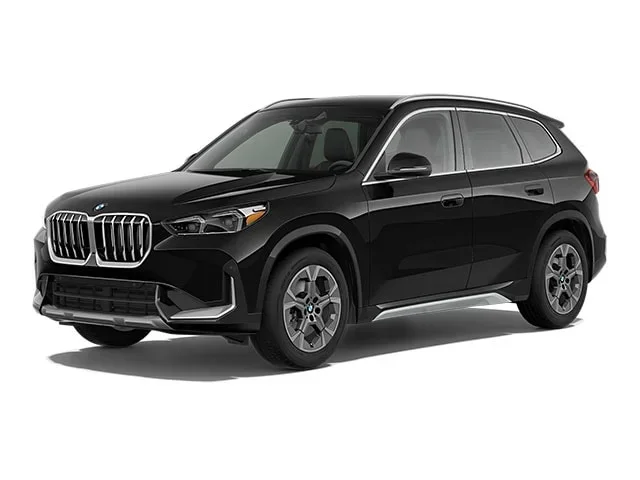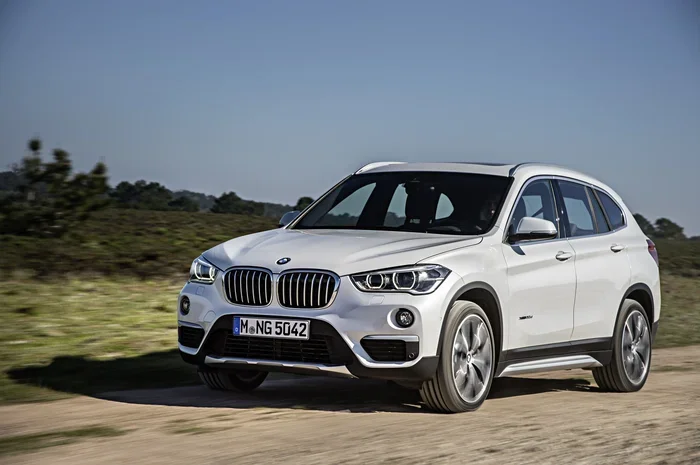
Featured image for BMW X1 crossover exterior
Image source: s1.cdn.autoevolution.com
Yes, the BMW X1 is classified as a subcompact luxury crossover SUV. It sits at the entry level of the BMW SUV lineup, competing directly with the Audi Q3 and Volvo XC40. Despite growing larger over three generations, it retains the footprint and platform architecture that define the subcompact segment.
Shopping for a luxury SUV can feel overwhelming. The market is crowded with acronyms, size classes, and confusing model numbers. You might find yourself asking, is the bmw x1 a subcompact crossover suv? The short answer is yes. It is the smallest SUV wearing the roundel badge. But there is much more to the story than a simple label. Over three generations, the X1 has grown significantly. It has shifted platforms, changed drivetrain layouts, and blurred the line between “subcompact” and “compact.” Understanding where it truly sits helps you compare it fairly against rivals like the Audi Q3 or the Volvo XC40.
In this guide, we will dig deep into the classification. We will look at official dimensions, interior volume, platform architecture, and market positioning. We will also compare it directly to its closest competitors. By the end, you will know exactly what “subcompact” means for the X1 and if it fits your garage and lifestyle.
Key Takeaways
- Official Classification: The BMW X1 fits squarely in the subcompact luxury crossover segment.
- Generational Growth: Each redesign has added size, but the latest U11 model remains smaller than the compact X3.
- Platform Sharing: It uses BMW’s front-wheel-drive UKL/FAAR platform, shared with the 2 Series Gran Coupe and Mini Countryman.
- Key Rivals: Its main competitors are the Audi Q3, Mercedes-Benz GLA, and Volvo XC40.
- Interior Space: Clever packaging makes the cabin feel roomier than its exterior dimensions suggest.
- Drivetrain Layout: Standard front-wheel drive (sDrive) with optional all-wheel drive (xDrive) is typical for this class.
- Entry-Level Luxury: It serves as the most affordable gateway into BMW SUV ownership.
📑 Table of Contents
- What Defines a Subcompact Crossover SUV?
- The BMW X1 Generations: A Size Evolution
- BMW X1 Dimensions vs. The Competition
- Interior Space: Does It Feel Subcompact?
- Platform and Engineering: The UKL/FAAR Architecture
- Performance and Drivetrain: Does It Drive Like a BMW?
- Quick Tips for Buying a BMW X1
- Common Mistakes to Avoid
- Expert Insight: Where the X1 Fits in the Lineup
- Conclusion
What Defines a Subcompact Crossover SUV?
Before we judge the X1, we need a ruler. The automotive industry uses specific criteria to segment vehicles. The EPA classifies vehicles by interior passenger and cargo volume. However, automakers and marketers often use exterior footprint—wheelbase and overall length—to define segments.
A subcompact crossover SUV typically measures between 170 and 180 inches in overall length. The wheelbase usually sits around 104 to 106 inches. These vehicles prioritize city maneuverability and fuel efficiency over maximum cargo hauling. They almost universally use a front-wheel-drive-based platform (transverse engine mounting). This architecture maximizes interior space within a small exterior box. The BMW X1 checks every single one of these boxes.
The BMW X1 Generations: A Size Evolution
The X1 has been on sale globally since 2009. It has undergone two full redesigns. Tracking this evolution explains why there is sometimes confusion about its size class.
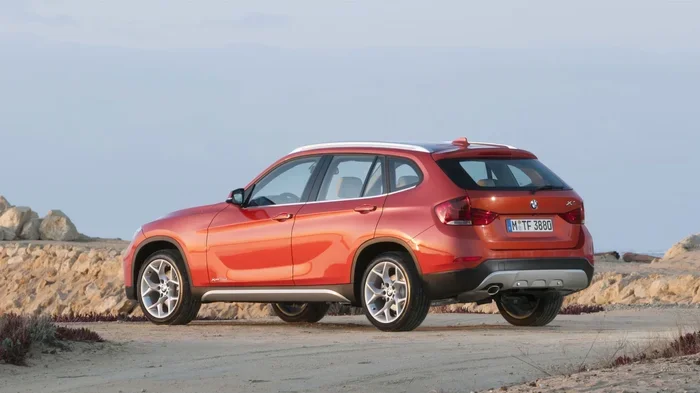
Visual guide about BMW X1 crossover exterior
Image source: c.wallhere.com
First Generation (E84): 2009–2015
The original X1 was unique. It used a rear-wheel-drive platform (shared with the E90 3 Series). It was longitudinally mounted. This gave it true BMW driving dynamics—50/50 weight balance and a longitudinal engine. However, it was tight inside. Rear legroom was a common complaint. It was undeniably a subcompact crossover, but an oddball mechanically.
Second Generation (F48): 2015–2022
This generation caused a stir. BMW switched to the UKL front-wheel-drive platform. The engine turned transverse. Purists complained, but the car grew. It became wider, longer, and significantly roomier. It gained a proper trunk and usable rear seats. This generation cemented the X1 as a mainstream subcompact luxury crossover. It became a sales juggernaut globally.
Third Generation (U11): 2023–Present
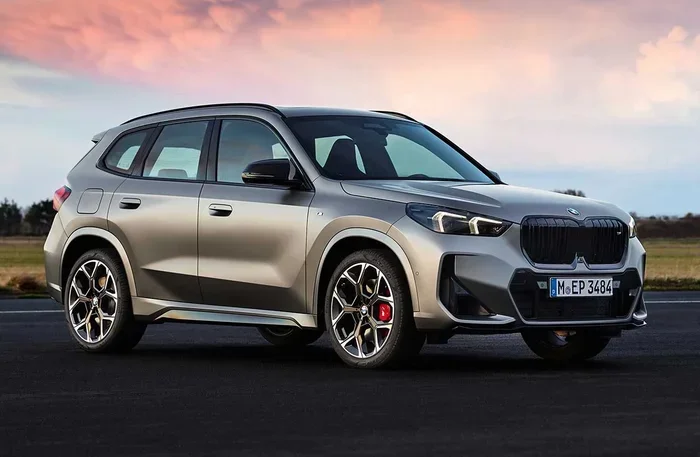
The current model uses the FAAR evolution of the UKL platform. It grows again—slightly longer, wider, and taller. The design is blockier, maximizing interior air space. It looks almost as big as the previous generation X3. Yet, dimensionally, it remains a subcompact. It shares its bones with the 2 Series Gran Coupe and the Mini Countryman. This platform sharing is a hallmark of the segment.
BMW X1 Dimensions vs. The Competition
Numbers don’t lie. Let’s look at the 2024/2025 BMW X1 (U11) specs compared to its direct rivals. This comparison proves where it sits.
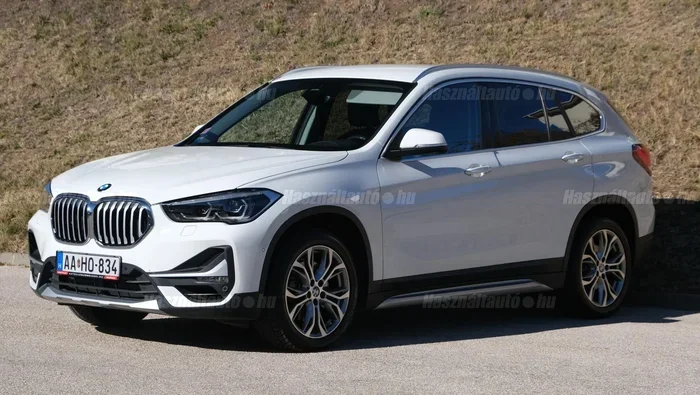
Visual guide about BMW X1 crossover exterior
Image source: img.hasznaltautocdn.com
| Specification | BMW X1 (U11) | Audi Q3 | Volvo XC40 | Mercedes GLA |
|---|---|---|---|---|
| Length (inches) | 177.2 | 176.6 | 174.8 | 174.3 |
| Width (inches, mirrors folded) | 72.2 | 72.1 | 72.8 | 71.1 |
| Height (inches) | 64.2 | 64.1 | 65.2 | 61.8 |
| Wheelbase (inches) | 106.0 | 105.7 | 106.4 | 107.4 |
| Cargo Behind 2nd Row (cu ft) | 27.1 | 23.7 | 20.7 | 15.4 (varies) |
| Platform Type | FWD-based (FAAR) | FWD-based (MQB) | FWD-based (CMA) | FWD-based (MFA2) |
As you can see, the X1 is right in the thick of it. It is actually the longest and offers the most cargo space behind the second row. This is a testament to its boxy, upright greenhouse design. It competes toe-to-toe with the segment benchmarks.
Interior Space: Does It Feel Subcompact?
This is where the X1 surprises many buyers. “Subcompact” sounds small. The reality inside the U11 is different.
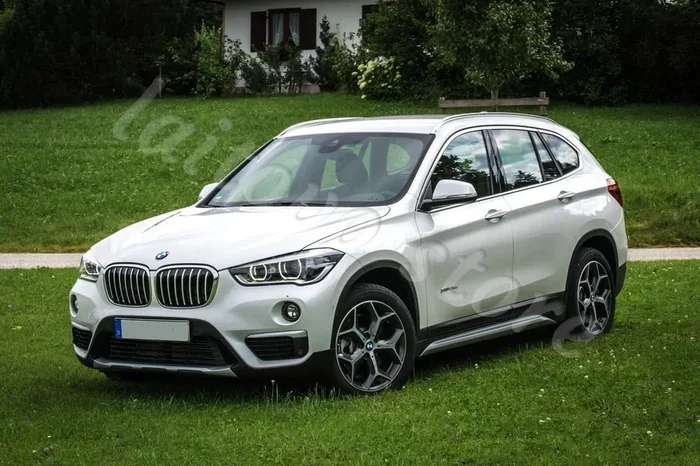
Visual guide about BMW X1 crossover exterior
Image source: hottracks.in
Passenger Room
The front seats offer ample headroom and legroom for six-footers. The rear bench is the real win. Thanks to the long 106-inch wheelbase and flat floor (in sDrive models), two adults sit comfortably. Three is a squeeze, but that is true for every vehicle in this class. The high roofline means headroom is generous even with the panoramic sunroof.
Cargo Capacity
With 27.1 cubic feet behind the rear seats, the X1 leads the class. Fold the 40/20/40 split rear seats, and you get nearly 57 cubic feet. That approaches compact SUV territory (the X3 offers about 60-65 cubes). The load floor is low and flat. There is under-floor storage for the cargo cover or charging cables (on the xDrive25e plug-in hybrid).
Quick Tip: If you carry bulky items often, skip the optional subwoofer upgrade. It eats into the under-floor storage bin.
Platform and Engineering: The UKL/FAAR Architecture
Understanding the platform confirms the classification. The X1 rides on the FAAR (Front-wheel Drive Architecture ARchitecture) platform. This is the latest evolution of the UKL platform.
- Transverse Engine: The engine sits sideways. This is the defining trait of subcompact and compact FWD-based cars.
- MacPherson Struts Front / Multi-link Rear: Standard suspension geometry for this segment. It balances cost, space, and handling.
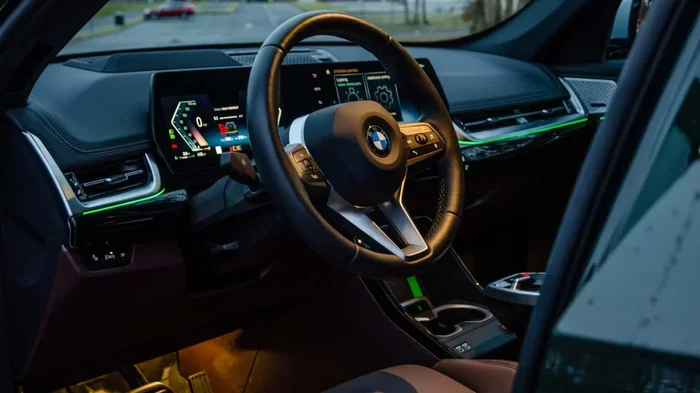
- Shared Components: The dashboard architecture, infotainment system (iDrive 9 / OS 9), and many switches are shared with the 2 Series Gran Coupe and X2.
This platform strategy allows BMW to build the X1, X2, 1 Series, 2 Series Gran Coupe, and Mini Countryman on the same lines in Regensburg, Germany, and China. This efficiency is why the X1 can offer luxury features at a subcompact price point.
Performance and Drivetrain: Does It Drive Like a BMW?
Critics of the F48 generation missed the rear-wheel-drive feel. The U11 generation tunes the chassis much better. It feels agile, darty, and connected.
Engine Lineup (US Market)
- X1 sDrive28i / xDrive28i: 2.0L Turbo-4 (B48), 241 hp, 295 lb-ft. 0-60 mph in ~6.2 seconds (xDrive). This is the volume seller.
- X1 xDrive25e (PHEV): 1.5L Turbo-3 + Electric Motor, 241 hp combined. ~40 miles EV range (WLTP). Not currently sold in US but relevant globally.
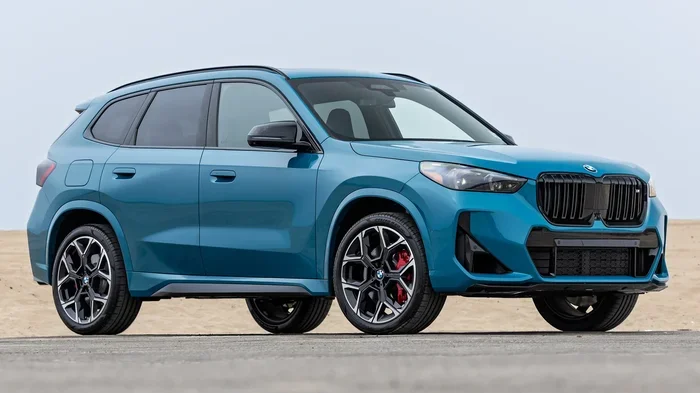
- X1 M35i xDrive: 2.0L Turbo-4 (B48 high output), 312 hp, 295 lb-ft. 0-60 mph in ~5.2 seconds. Standard M Sport suspension, brakes, and diff. This is the performance flagship of the line.
sDrive vs. xDrive
sDrive (FWD) is standard on the 28i. It saves weight, improves fuel economy (up to 26/35 mpg city/highway), and offers a tighter turning circle. xDrive (AWD) adds a power take-off unit and driveshaft to the rear. It uses an electro-hydraulic clutch to send up to 50% torque rearward. It adds ~150 lbs and drops highway mpg by 1-2. For most buyers in snow-belt states, xDrive is worth it. In the Sun Belt, sDrive is the smarter financial choice.
Quick Tips for Buying a BMW X1
- Test Drive Both Drivetrains: The sDrive feels lighter on turn-in; xDrive feels more planted exiting corners.
- Check Tire Options: Most X1s come with run-flat tires. They allow driving after a puncture but ride stiffer. Consider a non-run-flat winter set for comfort.
- Option the Parking Assistant Plus: The 360-degree camera and automated parking are invaluable in a vehicle bought for city use.
- Skip the Gesture Control: It is a gimmick. The touchscreen and voice assistant work far better.
- Verify Manufacturing Origin: US models come from Regensburg, Germany. Chinese-market cars come from Shenyang. Brazilian models come from Araquária. Build quality is consistent globally, but VIN decoding confirms origin.
Common Mistakes to Avoid
- Assuming “Subcompact” Means “Cramped”: Do not cross-shop the X1 against the X3 based on rear space alone. The X1 is 90% of the X3’s utility for 75% of the price.
- Ignoring the Plug-In Hybrid (Global): If available in your market, the xDrive25e offers massive tax incentives and pure EV daily driving.
- Overlooking the X2: The X2 is the coupe-roof version of the X1. It looks sportier but sacrifices rear headroom and cargo height. Choose based on utility needs.
- Skipping Pre-Paid Maintenance: BMW Ultimate Care+ is cheap on the X1 because the B48 engine is bulletproof. It covers brakes, wipers, and fluids for 3 years/36k miles.
Expert Insight: Where the X1 Fits in the Lineup
Think of the BMW SUV ladder. The X1 is the bottom rung. Above it sits the X2 (style variant), then the X3 (compact), X5 (mid-size), X7 (full-size). The X1 shares nothing mechanically with the X3. The X3 uses the CLAR platform (longitudinal engine, RWD-biased). The X1 uses FAAR (transverse, FWD-biased).
This distinction matters. If you want “traditional BMW dynamics” (RWD balance), you must step up to the X3. If you want “modern BMW efficiency” (max space, min footprint, lower cost), the X1 is the sweet spot. It is also worth checking reliability rankings; the B48 engine in the current X1 has a stellar track record.
One feature often overlooked is the Eco Pro mode. In the X1, it coasts aggressively (sailing) and remaps throttle response. It genuinely adds 2-3 mpg in real-world suburban driving without making the car feel sluggish in traffic.
Conclusion
So, let’s settle it. Is the bmw x1 a subcompact crossover suv? Absolutely. By every metric—EPA volume class, exterior footprint, platform architecture, and market positioning—it defines the segment. It has grown up over 15 years. It has shed its quirky RWD roots for a sensible, space-maximizing FWD platform. The result is a vehicle that punches well above its weight class.
It offers more cargo space than an Audi Q3, better tech than a Mercedes GLA, and sharper handling than a Volvo XC40. It remains the entry ticket to BMW SUV ownership. Whether you choose the efficient sDrive28i or the riotous M35i, you are getting a legitimate subcompact luxury crossover that refuses to feel like a compromise. Know your dimensions, pick your drivetrain, and enjoy the drive.
Frequently Asked Questions
Is the BMW X1 considered a compact or subcompact SUV?
The BMW X1 is officially classified as a subcompact luxury crossover SUV. It is smaller than the compact BMW X3 in every exterior dimension and interior volume measurement.
How does the BMW X1 compare in size to the Audi Q3?
The BMW X1 and Audi Q3 are nearly identical in size. The X1 is slightly longer (177.2 vs 176.6 inches) and offers significantly more cargo space behind the rear seats (27.1 vs 23.7 cubic feet).
Does the BMW X1 have a transverse or longitudinal engine?
Since the 2015 redesign (F48 generation), the BMW X1 uses a transverse engine layout mounted on a front-wheel-drive-based platform (UKL/FAAR). The first generation (E84) was the only one with a longitudinal engine.
Is the BMW X1 big enough for a family of four?
Yes, the current U11 generation X1 fits a family of four comfortably. Rear legroom is competitive at 37 inches, and the 27 cubic feet of trunk space handles a large stroller or several grocery bags easily.
What is the difference between the BMW X1 sDrive and xDrive?
sDrive is BMW’s marketing term for front-wheel drive (FWD). xDrive is their all-wheel drive (AWD) system. sDrive is lighter and more fuel-efficient; xDrive adds traction for snow and rain but costs more upfront and at the pump.
Where is the BMW X1 manufactured?
The BMW X1 is primarily manufactured in Regensburg, Germany. It is also produced in Shenyang, China (for the Chinese market) and Araquária, Brazil (for South American markets). All US-spec models come from Germany.