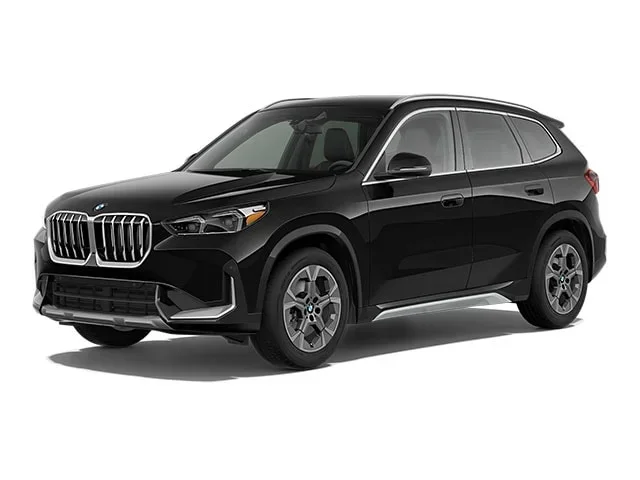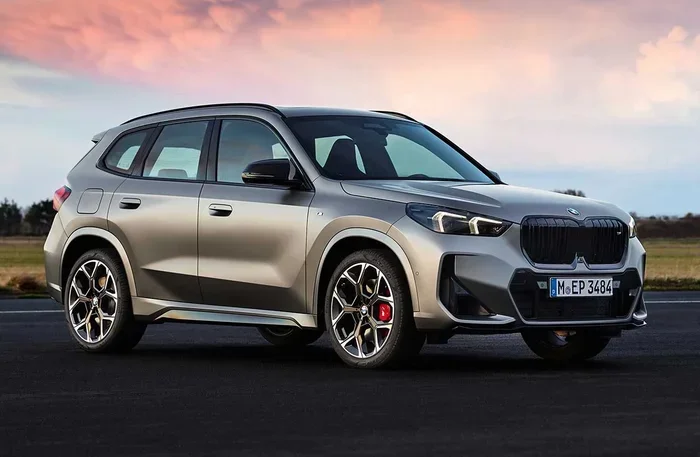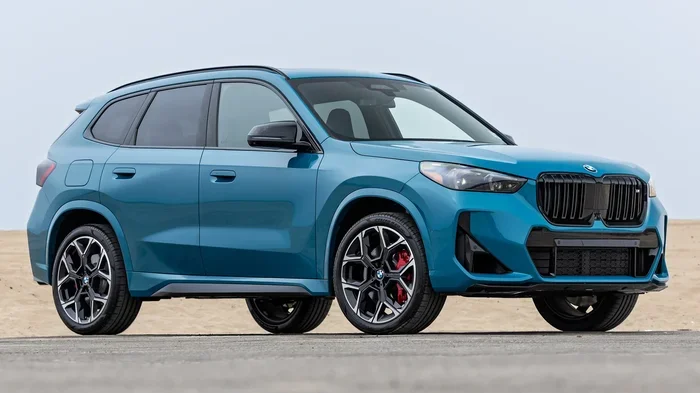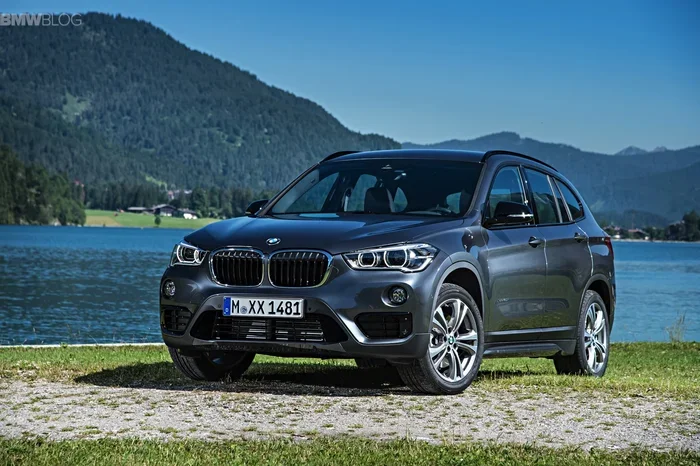
Featured image for BMW X1 SE exterior
Image source: cdn.bmwblog.com
The BMW X1 SE represents the sweet spot in the compact luxury SUV market, blending premium features with practical daily usability. This guide covers everything you need to know, from engine options and generation differences to real-world reliability and maintenance costs. Whether you are buying used or new, we break down the BMW X1 SE value proposition to help you decide.
Shopping for a compact luxury SUV often leads you down a rabbit hole of trim levels, engine codes, and generational changes. If you are asking what car BMW X1 SE actually is, you have landed in the right place. The SE badge has been a staple on the X1 range for over a decade, usually signifying the “Special Equipment” or “Standard Edition” sweet spot where you get leather seats, alloy wheels, and crucial tech without paying M Sport prices. It is the trim level most buyers gravitate toward because it makes financial sense.
But the X1 has changed radically over its three generations. An SE badge on a 2012 model is a very different beast compared to a 2023 model. One is a rugged, rear-wheel-drive-based SUV; the other is a spacious, front-wheel-drive-based family hauler. Understanding these differences is the key to making a smart purchase. We will walk through every generation, every engine, the common faults you need to watch for, and the real cost of ownership so you can sign the paperwork with total confidence.
Key Takeaways
- Trim Positioning: The SE trim typically sits as the mid-range or entry-level luxury option, offering a strong balance of standard equipment and price.
- Engine Variety: You will find efficient four-cylinder petrol and diesel engines, with both front-wheel drive (sDrive) and all-wheel drive (xDrive) layouts.
- Generational Leaps: The shift from the E84 (2009–2015) to the F48 (2015–2022) brought a switch to front-wheel-drive architecture, drastically changing interior space.
- Reliability Profile: Generally solid, but watch for timing chain issues on early N20 engines and electronics glitches on newer models.
- Running Costs: Maintenance is higher than non-luxury brands; budget for run-flat tires, specific coolant, and brake fluid changes.
- Practicality Win: The F48 and U11 generations offer class-leading rear legroom and a square boot shape, making it a genuine family car.
- Tech Features: Standard kit usually includes dual-zone climate, cruise control, and parking sensors, with iDrive infotainment as the command center.
📑 Table of Contents
- What Defines the BMW X1 SE Trim?
- Generations of the BMW X1 SE: A Tale of Two Architectures
- Engine Options & Performance: Decoding the Badge
- Interior, Tech & Practicality: Living With It Daily
- Reliability & Common Issues: What Goes Wrong?
- Maintenance Costs & Ownership Experience
- BMW X1 SE vs. The Competition
- Buying Guide: Which BMW X1 SE Should You Choose?
- Expert Insights: The “Real World” Verdict
- Conclusion
What Defines the BMW X1 SE Trim?
The “SE” moniker stands for Special Equipment (or sometimes Standard Edition depending on the market year). In the BMW hierarchy, it traditionally slots above the base “SE” or “Sport” entry models but below the flashy M Sport and range-topping xLine packages. Think of it as the sensible choice. You get the premium badge quality, comfortable seats, and essential safety kit, but you skip the rock-hard suspension, aggressive body kits, and massive wheels that ruin the ride on potholed streets.
Standard Equipment Highlights
While spec sheets change by year, the BMW X1 SE consistently delivers a core package that feels anything but “base.” Here is what you typically find:
- Dual-zone automatic climate control: Essential for family peace.
- Rain-sensing wipers & auto lights: Set and forget convenience.
- Parking sensors (rear, often front too): Vital for a car with chunky rear pillars.
- 17 or 18-inch alloy wheels: The perfect size for ride comfort.
- Dakota leather upholstery: Durable, easy to clean, and feels premium.
- iDrive infotainment: Controller-based system (touchscreen on newer models) with navigation on later cars.
- Cruise control with braking function: Great for motorway slogs.
SE vs. M Sport vs. xLine
This is the most common cross-shop. The M Sport gets you the aerodynamic body kit, shadow-line trim, sport seats (firmer bolsters), M steering wheel, and lowered suspension (usually 10-15mm). It looks amazing but rides firmly. The xLine adds plastic body cladding, roof rails, and underbody protection for a “rugged” look. The SE keeps the standard bumpers (body-colored), chrome window surrounds, and standard suspension. If you do 90% of your driving on normal roads, the SE is objectively the better daily driver. Your back will thank you.
Generations of the BMW X1 SE: A Tale of Two Architectures
You cannot talk about the X1 without addressing the massive mechanical shift that happened in 2015. This defines the used market completely.
Visual guide about BMW X1 SE exterior
Image source: static.eldiario.es
Generation 1: E84 (2009–2015) – The “Real” SUV
The original X1 was built on the E90 3 Series platform. That means longitudinal engine mounting and a rear-wheel-drive bias (xDrive sends power mostly rearward). It drives like a proper BMW—sharp steering, great balance, and that classic hood-long proportions.
- SE Spec: Usually 17-inch wheels, cloth/leather combo seats early on, full leather later. iDrive with the “professional” screen (pop-up) was standard on SE.
- Engines: The stars were the xDrive18d and xDrive20d (N47 engine) and the petrol sDrive18i / xDrive20i (N20 engine post-2011 facelift).
- Vibe: Sporty, truck-like seating position, tighter rear seat space.
Generation 2: F48 (2015–2022) – The Space Maximizer
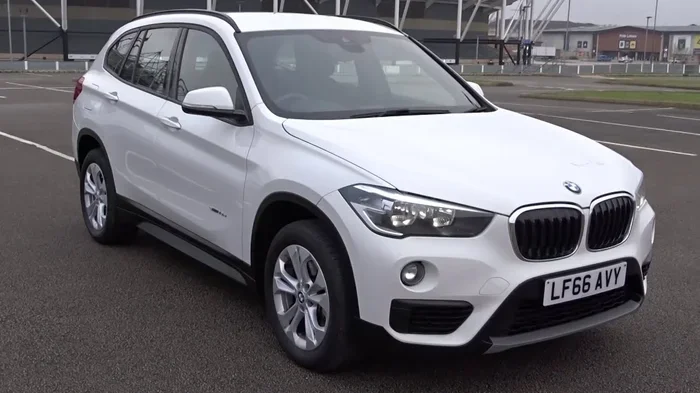
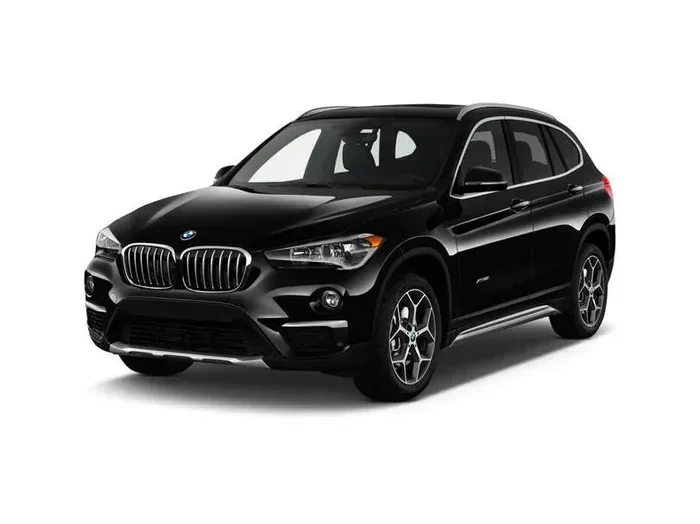
BMW moved the X1 to the UKL front-wheel-drive platform (shared with Mini Countryman and 2 Series Active Tourer). The engine turned sideways. Purists hated it; families loved it. The cabin exploded in size. Rear legroom became best-in-class. The boot grew to 505 liters.
- SE Spec (often badged “SE” then “Sport” then “SE” again in LCI): 18-inch wheels standard, Dakota leather, larger 8.8-inch or 10.25-inch screen, LED headlights standard on later LCI models.
- Engines: All new B-series modular engines. sDrive18i (1.5L 3-cyl), sDrive20i / xDrive20i (2.0L 4-cyl), sDrive18d / xDrive20d (2.0L 4-cyl). The 3-cylinder 18i is surprisingly peppy and frugal.
- Vibe: Roomy, high seating position, light steering, very practical.
Generation 3: U11 (2022–Present) – The Tech Showcase
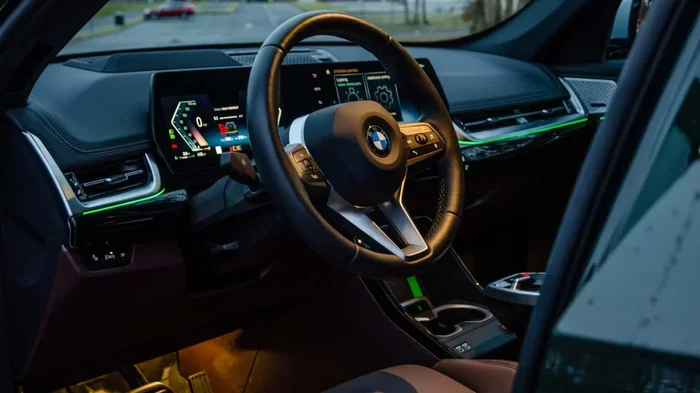
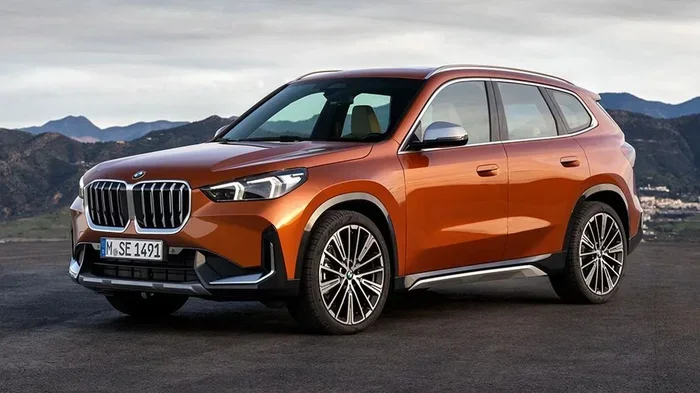
The current model evolves the F48 formula. It grows slightly, gets the curved display (iDrive 8/9), drops the physical iDrive controller, and introduces a full EV version (iX1). The SE trim here is incredibly well-equipped—standard 19-inch wheels, synthetic leather (Veganza), harman/kardon sound, and Driving Assistant Professional on many markets.
- Engines: Mild-hybrid 48V systems across the board. 1.5L 3-cyl (18i/20i) and 2.0L 4-cyl (23d/20d/xDrive30e PHEV).
- Vibe: Modern, minimalist dashboard, extremely quiet, quick acceleration.
Engine Options & Performance: Decoding the Badge
BMW badging logic confuses everyone. The number rarely matches the displacement anymore. Here is the cheat sheet for the BMW X1 SE models you will actually find on forecourts.
Visual guide about BMW X1 SE exterior
Image source: i.ytimg.com
Petrol Engines
| Badge | Engine Code | Displacement | Cylinders | Power | Drive | Best For |
|---|---|---|---|---|---|---|
| sDrive18i (E84) | N20 / N46 | 2.0L / 2.0L | 4 | 143-150 hp | FWD | Budget buys, low mileage |
| sDrive18i (F48) | B38 | 1.5L | 3 | 136-140 hp | FWD | City/Suburban, fuel economy |
| xDrive20i (F48) | B48 | 2.0L | 4 | 192 hp | AWD | All-rounder, towing, snow |
| xDrive23i (U11) | B48 MHEV | 2.0L | 4 | 218 hp | AWD | Performance + efficiency |
Diesel Engines (The Used Market Kings)
Diesels dominate the used X1 SE landscape, especially in Europe and UK. They suit the SUV torque curve perfectly.
- 18d / 20d (E84 – N47 Engine): 143-184 hp. Warning: Timing chain located at the rear of the engine (gearbox side). Failure is catastrophic. Ensure it has been done or budget £1,500-£2,500 for prevention.
- 18d / 20d / 25d (F48 – B47 Engine): 150-231 hp. The B47 is a massive improvement. Timing chain at the front. Very reliable. The 25d (twin-turbo) is a torque monster (450 Nm).
- 23d (U11 – B47 MHEV): 211 hp + electric boost. Smooth, 0-62 in ~7s, 50+ mpg real world.
Plug-in Hybrid: xDrive25e / xDrive30e
Available on F48 (late) and U11. 1.5L 3-cyl petrol + electric motor. ~30-40 miles EV range (WLTP). Great for company car tax (BIK), but the boot floor is raised (battery underfloor), losing the flat load floor. The SE trim handles the extra weight well due to standard suspension tuning.
Interior, Tech & Practicality: Living With It Daily
This is where the BMW X1 SE wins over rivals like the Audi Q3 or Mercedes GLA. It feels like a tool designed for a job, not just a style exercise.
Visual guide about BMW X1 SE exterior
Image source: cache2.pakwheels.com
The Driving Position & Visibility
You sit high—higher than a 3 Series Touring, lower than an X3. The “command seating” is real. The SE’s standard manually adjustable seats (with electric lumbar) actually offer better range of motion than the optional sport seats for taller drivers. The thin A-pillars and large glass area give excellent visibility, though the rear pillar is thick on F48/U11 (standard blind-spot monitoring on SE helps).
Infotainment: iDrive Evolution
- E84: CCC/CIC/NBT systems. Controlled by rotary dial. Graphics look dated but menus are logical. Apple CarPlay retrofit possible.
- F48 (Pre-LCI): NBT Evo. 6.5″ or 8.8″ screen. Rotary dial. Wireless CarPlay on later ID6 software.
- F48 LCI / U11: iDrive 7 / 8 / 9. 10.25″ + 10.7″ curved display (U11). Touchscreen primary, voice control “Hey BMW” works well. Wireless CarPlay/Android Auto standard.
Pro Tip: If buying used F48, check the iDrive software version. Updating to ID6 or ID7 enables wireless CarPlay and a much snappier interface.
Space & Versatility
The F48/U11 rear bench slides 130mm fore/aft and reclines. With it forward, the boot is huge (505L+). With it back, adults have genuine limo legroom. The 40:20:40 split fold is standard on SE. The E84 does not slide and the boot is smaller (420L), though the opening is square.
Run-Flat Tyres: The SE Compromise
Almost every BMW X1 SE leaves the factory on run-flats (RSC). They let you drive 50 miles at 50mph after a puncture. The downside? Harsh ride on sharp edges, expensive replacement (£200+ per corner), and limited brand choice. Many SE owners swap to standard Michelin CrossClimate 2 or Goodyear Vector 4Seasons Gen-3 and carry a mobility kit (compressor + sealant). This transforms the ride quality. Learn more about BMW run-flat tires design benefits and care here.
Reliability & Common Issues: What Goes Wrong?
No car is perfect. The X1 SE has specific gremlins depending on generation. Knowing them gives you negotiating power.
E84 (2009–2015) Watch List
- N20 Timing Chain (Petrol 18i/20i 2011+): Plastic guides disintegrate. Rattles on cold start. Updated parts exist. Must be verified.
- N47 Timing Chain (Diesel 18d/20d): Rear-of-engine chain. Same issue. High labor cost.
- Electric Water Pump & Thermostat: Common failure on all N-series engines. Overheating risk. Replace preventatively at 60k-80k miles.
- Oil Filter Housing Gasket / Valve Cover Gasket: Leaks onto exhaust manifold = burning smell/smoke. Cheap parts, fiddly labor.
- Transfer Case (xDrive): “Clunk” on takeoff. Fluid change every 40k miles prevents actuator wear.
- Tailgate Wiring Loom: Wires fracture at hinge. Causes number plate light failure, rear wiper death, trunk release issues.
F48 (2015–2022) Watch List
- B38/B48 Engines: Generally bulletproof. Timing chain at front. Coolant loss? Check plastic thermostat housing / water pump (electric).
- 7-Speed DCT (sDrive/xDrive 7DCT): Smooth but mechatronic unit can fail. Fluid change every 40k-60k miles is non-negotiable.
- 8-Speed Auto (ZF 8HP – xDrive 20d/25d): World-class. “Lifetime fluid” is a myth. Change at 60k-80k miles.
- Front Suspension: Lower control arm bushings wear fast on UK roads. Knocking over bumps.
- AdBlue Heater/Injector (Diesel): Emissions light on dash. Expensive fix if out of warranty.
- Digital Dash / iDrive Screen Delamination: Bubbles on screen surface. BMW extended warranty covers this on many cars.
U11 (2022+) Early Days
- Software Glitches: iDrive 8/9 had teething issues (random reboots, CarPlay drops). Mostly fixed by OTA updates now.
- 48V Mild Hybrid System: Starter-generator unit failures reported rarely. Covered under 3-year warranty.
- Hands-Free Tailgate Sensor: Overly sensitive or dead. Recalibration at dealer.
Maintenance Costs & Ownership Experience
Let’s talk money. The purchase price is only the deposit. The BMW X1 SE demands correct fluids and timely service.
The “Condition Based Servicing” (CBS) Trap
BMW dash tells you when service is due based on driving style. It often stretches oil changes to 18k-20k miles or 2 years. Do not listen to it for oil. Change engine oil every 10,000 miles or 12 months. Use LL-01 FE 0W-30 or 5W-30 approved oil. It is cheap insurance for turbo and timing chain longevity.
Fluid Specs Matter
BMW is picky. Using generic fluids causes issues.
- Coolant: Must be BMW Blue (G48) or Green (HT-12) depending on build date. Never mix. Never use universal green/pink. Choosing the right coolant for your BMW vehicle is critical.
- Brake Fluid: DOT 4 LV (Low Viscosity) for models with DSC/ESP (all X1s). Change every 2 years. Selecting the ideal brake fluid for your BMW model prevents ABS pump failure.
- Diff/Transfer Case Oil: xDrive models need specific BMW transfer case oil (TL 7080) and rear diff oil (SAF-XJ + FM booster). Change every 40k miles.
Estimated Annual Maintenance Budget (UK/EU/US Avg)
- Minor Service (Oil, Filter, Pollen Filter): £250 / $350 (Indy) | £450 / $600 (Dealer).
- Major Service (Add Brake Fluid, Air Filter, Spark Plugs Petrol): £500 / $700 (Indy) | £850 / $1100 (Dealer).
- Tyres (Set of 4 Run-flats): £800-£1100 / $1100-$1500.
- Brakes (Pads + Discs Front/Rear): £600-£900 / $800-$1200 per axle.
- Unexpected “BMW Tax” (Sensor, Gasket, Module): Budget £500 / $700/year contingency.
Independent Specialist vs. Dealer
Find a good BMW independent specialist. They use OE parts (Mahle, Mann, Lemforder, Bosch) but charge 40-60% less labor. They know the common faults (like the E84 tailgate loom) and fix them in their sleep. Keep receipts for full service history (FSH) value retention.
BMW X1 SE vs. The Competition
How does the SE trim stack up against the default rivals?
| Feature | BMW X1 SE (F48) | Audi Q3 Sport (Equiv) | Mercedes GLA SE (Equiv) | Volvo XC40 Momentum |
|---|---|---|---|---|
| Ride Comfort (Standard Susp) | Best – Compliant, damped | Firm, choppy on 18s | Good, but floaty | Very Good |
| Rear Legroom | Class Best (Sliding bench) | Tight | Average | Good |
| Boot Space (Seats Up) | 505 L | 420 L | 435 L | 452 L |
| Infotainment Usability | Excellent (Rotary + Touch) | Good (MMI Touch) | Complex (MBUX) | Frustrating (Touch only) |
| Driving Dynamics | Sharp, RWD feel (xDrive) | Safe, Understeer | Comfort focused | Safe, Numb |
| Dealer Network/Service Cost | High | High | Highest | Medium |
The BMW X1 SE wins on space and driver engagement. The Volvo wins on safety perception and interior design. The Audi wins on interior material quality (slightly). The Mercedes… exists. If you drive and carry people, the X1 SE is the logical winner.
Buying Guide: Which BMW X1 SE Should You Choose?
Best Used Buy: F48 xDrive20d SE (2017–2020)
The sweet spot. Post-LCI (July 2019) gets LED lights, digital dash, better iDrive. Pre-LCI (2015-2019) is cheaper but has halogen lights (xenon optional) and older iDrive. The 2.0L B47 diesel with 8-speed auto and xDrive is the complete package: 50mpg possible, 0-62 in 7.7s, tows 2000kg, handles snow, fits 4 adults + luggage. Prices: £18k-£25k / $22k-$28k depending on mileage/condition.
Best Petrol Buy: F48 sDrive18i SE (2018+)
The 1.5L 3-cylinder B38 is a gem. Smooth, quiet, 40mpg real world, cheap tax (lower CO2), no AdBlue, no DPF, no dual-mass flywheel. Perfect for school runs and commutes under 15k miles/year. Avoid pre-2018 (early B38 had some teething oil consumption).
Best Budget Buy: E84 xDrive18d SE (2012–2015 Facelift)
Look for the LCI (facelift) model with the N47 engine after the timing chain recall campaigns (late 2013 build onwards ideally). Verify chain history. You get the “last proper BMW” driving feel, hydraulic power steering (best feel), and a rugged build. Prices: £5k-£9k / $7k-$12k. Budget £1.5k for immediate maintenance catch-up.
Best New/Nearly New: U11 xDrive23i MHEV SE (2023+)
If budget stretches to £35k+ / $40k+. You get the curved screen, standard 19s, mild hybrid smoothness, and the best noise insulation yet. The 2.0L petrol mild hybrid is refined and quick. Residuals are strong.
Pre-Purchase Checklist (The “Walk Away” Items)
- Service History Gaps: No oil change proof in 12k miles? Walk away.
- Mismatched Tyres: Different brands/axles = diff/transfer case stress on xDrive.
- Smoke on Startup (Blue/White): Valve stem seals (petrol) or Turbo/Injectors (diesel).
- Gearbox Jerks/Flare: DCT mechatronic or ZF torque converter wear. Expensive.
- Warning Lights: Airbag (seat occupancy mat), TPMS (sensors dead), Emissions (AdBlue/DPF).
- Rust on Rear Tailgate Lip / Door Shuts: E84 specific. F48/U11 generally clean.
Expert Insights: The “Real World” Verdict
I have driven every generation of X1 extensively on UK and European roads. The BMW X1 SE is rarely the car journalists rave about (they want M Sport on track), but it is the car owners keep.
The F48 SE with the B47 2.0 diesel and 8-speed auto is arguably the most competent all-rounder BMW has built in 20 years. It does 50mpg on a run, fits a folded Bugaboo Fox pram in the boot with the parcel shelf in place, cruises at 80mph at 1800rpm in silence, and doesn’t crash over speed bumps. It depreciates slower than M Sport because fleet buyers love the spec, keeping supply high and values stable.
The E84 SE is for the enthusiast on a budget. It steers with feel. It connects you to the road. But it is cramped, loud, and the diesel timing chain sword of Damocles hangs over it. Only buy if you have a trusted indie mechanic on speed dial.
The U11 SE is a tech showcase. The removal of the iDrive rotary controller is the only ergonomic regression. Voice control is good enough to compensate 90% of the time. The mild hybrid takes the “diesel lag” away from the petrols. It is expensive, but you get what you pay for.
Conclusion
The BMW X1 SE is the definition of a “smart buy.” It strips away the ego-tax of the M Sport badge and delivers 90% of the car for 75% of the price. Whether you pick the rugged E84, the spacious F48, or the high-tech U11, the SE trim hits the fundamentals: comfort, space, efficiency, and that intangible BMW driving quality.
Do your homework on the specific engine timing chain history (E84) or software version (F48/U11). Budget for correct fluids and an independent specialist. Swap the run-flats for premium non-run-flats the day you buy it. Do those three things, and the X1 SE will likely be the most hassle-free, satisfying car you have ever owned. It doesn’t just answer the question “what car?”—it answers “what car works?”
Frequently Asked Questions
What does SE stand for on a BMW X1?
SE stands for Special Equipment (or Standard Edition in some markets). It represents the mid-range trim level offering a high level of standard features like leather seats, dual-zone climate control, parking sensors, and alloy wheels, sitting above the base model but below M Sport and xLine trims.
Is the BMW X1 SE reliable?
Yes, generally the BMW X1 SE is reliable, especially F48 (2015-2022) models with B-series engines. The main risks are timing chain failures on early E84 (2009-2015) N20/N47 engines and electronics/software glitches on newer U11 models. Regular oil changes every 10k miles are critical for longevity.
What is the difference between BMW X1 SE and M Sport?
The SE prioritizes comfort with standard suspension, smaller wheels (17-18 inch), and chrome trim. M Sport adds stiffer lowered suspension, larger wheels (19-20 inch), aerodynamic body kits, sport seats, an M steering wheel, and shadow-line exterior trim. The SE rides better; the M Sport looks sharper and handles slightly flatter.
Which BMW X1 SE engine is best?
For used buyers, the F48 xDrive20d (2.0L 4-cylinder diesel, 190hp) with the 8-speed automatic is the best all-rounder for torque, economy, and towing. For petrol/low mileage, the F48 sDrive18i (1.5L 3-cylinder) is surprisingly refined and cheap to run. Avoid early E84 N47 diesels without timing chain proof.
Does the BMW X1 SE have a timing belt or chain?
All BMW X1 engines use a timing chain. On E84 models (N20 petrol, N47 diesel), the chain is a known weak point requiring preventative replacement. On F48/U11 models (B38/B48/B47), the chain design is improved and located at the front of the engine, making it far more durable.
Can you fit a roof box on a BMW X1 SE?
Yes. The SE trim usually comes with roof rails (aluminum or black depending on generation) as standard or a cheap option. The F48 and U11 have a high roof load limit (typically 75kg-100kg). Ensure you buy BMW OEM bars or quality Thule/Yakima bars fitting the specific rail profile (flush rails on newer models).