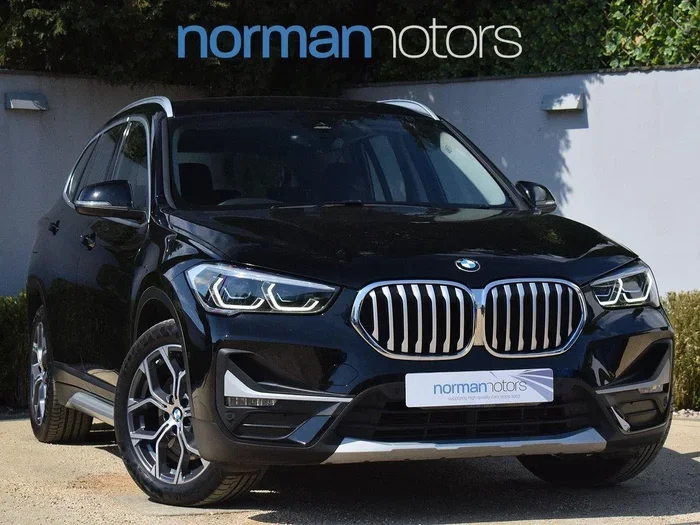
Featured image for Used BMW X1 SUV
Image source: img.cdn.dragon2000.net
Is BMW X1 a good used car? The short answer is yes, but it depends heavily on the model year and maintenance history. This compact luxury SUV offers sporty handling, a premium interior, and available all-wheel drive. However, potential buyers must watch for timing chain issues, coolant leaks, and electronic glitches on certain years. We break down everything you need to know before you buy.
Buying a used luxury SUV feels exciting. You get premium features for a fraction of the new price. But it also brings anxiety. Will it break? Will repairs drain your wallet? The BMW X1 sits in a sweet spot. It is small enough for city parking but tall enough for family duty. It wears the Roundel, so it promises driving fun. Yet, German engineering comes with German maintenance bills. Let us walk through the full picture so you can decide with confidence.
We will cover reliability data, problematic years, common repairs, ownership costs, and how to shop smart. By the end, you will know exactly what to look for on a test drive and which questions to ask the seller. Let us dive in.
Key Takeaways
- Best model years: 2016-2019 (F48 generation) and 2020+ (U11 generation) offer the strongest reliability records.
- Years to avoid: Early 2013-2015 (E84 generation) models have the most reported timing chain and turbo issues.
- Common problems: Timing chain rattle, coolant leaks, oil filter housing gasket leaks, and electrical gremlins top the list.
- Maintenance costs: Expect to pay 20-30% more than non-luxury rivals for routine service and repairs.
- CPO value: A BMW Certified Pre-Owned unit adds warranty peace of mind and rigorous inspection.
- xDrive vs sDrive: All-wheel drive (xDrive) adds traction but increases complexity and fuel consumption slightly.
- Pre-purchase inspection: Never skip a PPI by a BMW specialist; it saves thousands in hidden repairs.
📑 Table of Contents
- Quick Overview of the BMW X1 Generations
- Is the BMW X1 Reliable? The Data Speaks
- Model Years to Target and Years to Avoid
- Common BMW X1 Problems: What to Watch For
- Ownership Costs: The Real World Numbers
- Certified Pre-Owned vs. Private Party: Which Route?
- Pre-Purchase Inspection Checklist: Do Not Skip This
- Trim Levels and Features: What You Actually Need
- How to Negotiate the Best Price
- DIY Maintenance: What You Can Do at Home
- BMW X1 vs. The Competition: Should You Cross-Shop?
- Financing and Insurance Tips for Used Buyers
- Long-Term Ownership: The 100k+ Mile Club
- Frequently Overlooked Buying Tips
- Expert Insight: What BMW Techs Wish You Knew
- Environmental Impact and Emissions
- Conclusion: Is the BMW X1 a Good Used Car for You?
Quick Overview of the BMW X1 Generations
The X1 has spanned three distinct generations. Each one changed the formula significantly. Knowing which generation you are looking at changes the entire buying calculus.
First Generation (E84) — 2010 to 2015
This is the original X1. It rides on a rear-wheel-drive platform shared with the 3 Series. It feels the most “BMW” of the bunch. Engines include the N20 four-cylinder turbo and the N55 inline-six turbo (in the xDrive28i and xDrive35i). The six-cylinder is a gem but thirsty. The four-cylinder saves fuel but introduced early timing chain worries. The interior feels dated now. Hard plastics abound. The infotainment is slow by modern standards.
Second Generation (F48) — 2016 to 2022
BMW switched to a front-wheel-drive platform (UKL). Purists frowned, but the car grew roomier and more efficient. Engines are the B38 three-cylinder and B48 four-cylinder. Both are part of BMW’s modular engine family. They are generally robust. The interior quality jumped forward. iDrive 6 or 7 runs the show. This is the sweet spot for most used buyers today.
Third Generation (U11) — 2023 to Present
The latest X1 rides on the FAAR platform. It offers a fully electric iX1 variant alongside gas and mild-hybrid models. Tech is cutting-edge with the curved display and iDrive 8. Too new for the used market right now, but worth knowing if you stretch your budget.
Is the BMW X1 Reliable? The Data Speaks
Reliability is the elephant in the room. Let us look at the numbers.
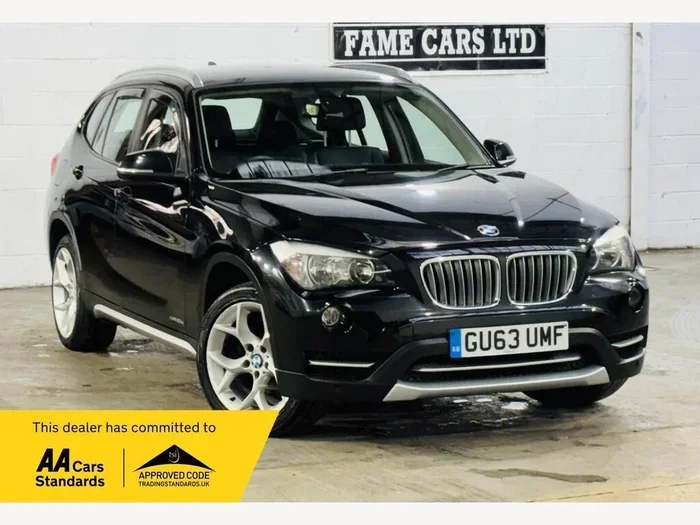
Visual guide about Used BMW X1 SUV
Image source: m.atcdn.co.uk
Consumer Reports and J.D. Power Scores
Consumer Reports gives the 2016-2021 F48 generation average to above-average predicted reliability. The 2022 model year dipped slightly due to infotainment bugs. J.D. Power rates the 2022 X1 at 81/100 for Quality & Reliability. That is “Great.” The E84 generation scores lower, often “Fair” due to engine and electrical complaints.
Real-World Owner Forums
Visit BimmerFest, X1 forums, or Reddit’s r/BMW. You will see patterns. F48 owners mostly praise daily drivability. Complaints cluster around:
- Coolant leaks from the thermostat housing or water pump.
- Oil filter housing gasket seepage.
- Rough idle or cold-start rattle (timing chain tensioner).
- Parking sensor failures.
- Tail light condensation.
None of these are catastrophic if caught early. They are maintenance items, not engine killers.
Comparison Table: X1 vs. Key Rivals (Used Market)
| Model | Avg. Used Price (3-5 yr old) | Reliability Rep | Maintenance Cost (5 yr) | Cargo Space (seats up) |
|---|---|---|---|---|
| BMW X1 (F48) | $22,000 – $30,000 | Average | $1,200 – $1,800/yr | 27.1 cu ft |
| Audi Q3 | $23,000 – $31,000 | Above Avg | $1,000 – $1,500/yr | 23.7 cu ft |
| Mercedes GLA | $24,000 – $32,000 | Average | $1,300 – $1,900/yr | 17.4 cu ft |
| Volvo XC40 | $25,000 – $33,000 | Above Avg | $900 – $1,400/yr | 20.7 cu ft |
| Lexus UX | $26,000 – $34,000 | Excellent | $700 – $1,100/yr | 17.1 cu ft |
Prices are rough 2024 averages for clean examples with 30k-60k miles. Maintenance costs are estimates for years 5-10 of vehicle life.
The X1 costs more to keep running than a Lexus. It holds its own against German rivals. It offers more cargo space than most. That boxy shape pays off at IKEA runs.
Model Years to Target and Years to Avoid
Not all X1s are created equal. Here is the cheat sheet.
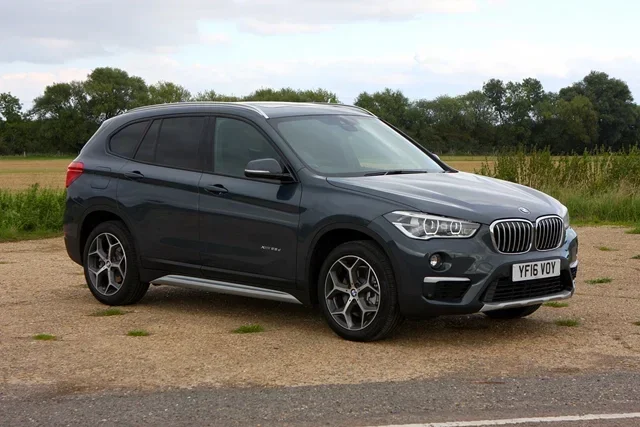
Visual guide about Used BMW X1 SUV
Image source: parkers-images.bauersecure.com
Green Light: Best Used BMW X1 Years
- 2018-2019: Late F48. B48 engine matured. iDrive 7 standard. Apple CarPlay wireless. Most depreciation already taken.
- 2020-2021: Mild hybrid (48V) added to sDrive28i. Smoother start-stop. Better fuel economy. Still under factory warranty in many cases.
- 2022: Last year of F48. Most refined. Watch for early iDrive 8 glitches on late-build cars.
Yellow Light: Proceed with Caution
- 2016-2017: First year of F48. Teething issues with B48 timing chain guide rails (updated part later). iDrive 6 can be laggy. Still good if price reflects risk.
- 2013-2015 (E84 LCI): Facelift helped looks. N20 engine got timing chain guide update in 2015. Verify repair history.
Red Light: Years to Avoid
- 2010-2012 (E84 early): N20 timing chain failure risk highest. Wastegate rattle on turbos. iDrive controller failures. High mileage now cheap for a reason.
- 2015 (E84 final year): Orphan year. Mix of old platform and new tech. Parts oddities possible.
Common BMW X1 Problems: What to Watch For
Every car has weak spots. The X1 has a few known ones. Knowledge is power.
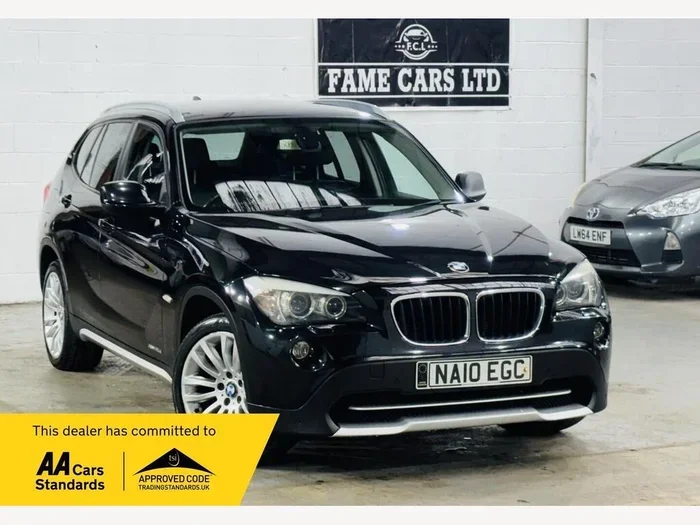
Visual guide about Used BMW X1 SUV
Image source: m.atcdn.co.uk
1. Timing Chain Noise (N20 and Early B48)
The N20 four-cylinder (E84) uses a timing chain that can stretch. The plastic guide rails get brittle. You hear a rattle on cold start. If ignored, the chain jumps teeth. Engine damage follows. BMW extended warranty coverage on some N20s to 7 years/70k miles. Check if your VIN qualifies. The B48 (F48) had a similar but less severe issue on 2016-2017 guide rails. Updated parts fix it.
2. Coolant Leaks
Plastic thermostat housings and water pumps fail. The B48 runs hot for efficiency. Heat cycles crack plastic. You smell sweet coolant. You see pink crust near the front of the engine. Replace with updated parts. Use BMW-spec coolant (blue or pink, never green). Mixing coolant types creates sludge.
3. Oil Filter Housing Gasket (OFHG) Leak
Classic BMW inline engine trait. The gasket shrinks. Oil drips down the front of the engine. It can mimic a front main seal leak. Cheap part, labor-intensive access. Do it when you do the valve cover gasket. Use genuine Elring or Victor Reinz gaskets.
4. Electrical Gremlins
Parking sensors throw false alerts. Tail lights condense moisture. iDrive screen delaminates (early F48). Battery drain from faulty comfort access modules. Most are annoying, not stranded-on-the-side-of-the-road serious. A battery registration scan after replacement is mandatory.
5. Transmission Hesitation (8-Speed ZF)
The ZF 8HP is bulletproof mechanically. But software mapping can cause lazy downshifts or harsh 2-1 engagement. A transmission software update at the dealer often cures it. Fluid change every 60k miles keeps it sweet.
Ownership Costs: The Real World Numbers
Luxury tax is real. Budget accordingly.
Routine Maintenance
- Oil change (synthetic, 0W-20 or 5W-30): $120 – $180 at indie shop; $250+ at dealer.
- Brake pads and rotors (front): $400 – $600 parts; $800+ installed.
- Tires (run-flats standard on many): $250 – $350 each. Consider switching to non-run-flats for ride quality and cost. Carry a mobility kit.
- Coolant flush: $150 – $250.
- Brake fluid (every 2 years): $100 – $150.
Major Service Intervals
- 60,000 miles: Spark plugs, transmission fluid, differential fluid (xDrive), transfer case fluid (xDrive), brake fluid, coolant check.
- 90,000 miles: Repeat fluids. Inspect timing chain tensioner (N20). Walnut blast intake valves (direct injection carbon buildup).
Fuel Economy Reality
- sDrive28i (FWD): 24 city / 33 hwy / 27 combined.
- xDrive28i (AWD): 22 city / 31 hwy / 25 combined.
- Real world: Expect 1-2 mpg lower. Premium fuel required (91+ octane).
Insurance and Depreciation
Insurance runs $150-$220/month for full coverage depending on zip code. Depreciation: The X1 loses ~45% in first 3 years. Buying at 3-4 years old lets someone else eat that hit. It then depreciates linearly ~10-12% per year.
Certified Pre-Owned vs. Private Party: Which Route?
This decision shapes your risk and price.
BMW Certified Pre-Owned (CPO)
Pros: 1-year/unlimited-mile warranty after factory warranty ends. 360-point inspection. Free loaner during repairs. Roadside assistance. Vehicle history report. CPO warranty coverage is comprehensive.
Cons: $1,500 – $3,000 premium over private party. Only available on cars < 5 years old with < 60k miles. Must buy from BMW dealer.
Private Party / Independent Dealer
Pros: Lower price. Direct conversation with owner (maybe). No dealer fees.
Cons: No warranty (unless third-party). You do the legwork. Title issues possible. “As-is” means you own every problem the second you hand over cash.
Third-Party Extended Warranties
Companies like Endurance, CarShield, or Route 66 offer plans. Read the fine print. Many exclude “wear items” that fail on BMWs (coolant parts, gaskets, sensors). Deductibles apply. Often not worth it on a 6-year-old car. A dedicated repair fund ($150/month into a high-yield savings) beats most warranties.
Pre-Purchase Inspection Checklist: Do Not Skip This
A $200-$300 PPI by a BMW indie specialist saves thousands. Here is what they must check:
- Cold start: Listen for timing chain rattle (3-5 seconds). Watch for blue smoke (valve stem seals).
- Oil analysis: Pull a sample. Check for fuel dilution, coolant contamination, metal particles.
- Coolant system: Pressure test. Inspect thermostat housing, water pump, expansion tank for crust/leaks.
- Driveline: Check transfer case and rear diff fluid (xDrive). Look for seepage at output seals.
- Brakes: Measure pad life and rotor thickness. Check for uneven wear (stuck caliper).
- Tires: Matching brands? Tread depth > 4/32″? Run-flat condition? Sidewall bubbles?
- Suspension: Check control arm bushings, sway bar links, strut mounts. X1 eats front control arms.
- Electronics: Test every button, sensor, camera, window, seat motor, sunroof, key fob.
- Codes: Full ISTA/D scan. Look for shadow codes (pending). Not just check-engine lights.
- Service records: Verify oil changes every 10k miles (or annually). Brake fluid every 2 years. Coolant at 100k.
Bring the checklist. Watch the mechanic work. Ask questions. A good shop welcomes you.
Trim Levels and Features: What You Actually Need
BMW packages confuse everyone. Here is the plain English version.
sDrive28i vs xDrive28i
sDrive = FWD. xDrive = AWD. xDrive adds ~150 lbs, $1,500-$2,000 used premium, and 1-2 mpg penalty. If you see snow tires on FWD, it handles winter fine. If you live in mountains or steep driveways, get xDrive.
Must-Have Packages
- Premium Package: Heated seats, power tailgate, satellite radio, upgraded LED headlights (cornering). Worth it.
- Driving Assistance Package: Adaptive cruise, lane keep, blind spot, cross-traffic alert. Safety gold.
- Parking Assistance Package: 360 cameras, auto park. Very handy in tight cities.
Skip or Low Priority
- M Sport: Looks great (bumpers, wheels, steering wheel). Stiffer ride. 19″ or 20″ wheels crack on potholes. Tires cost more. Buy if you love the look; skip if you want comfort.
- Head-Up Display: Cool but projects onto windshield. Windshield replacement costs double.
- Harman Kardon Audio: Better than base, but aftermarket DSP + speakers beats it for less.
How to Negotiate the Best Price
Knowledge beats luck. Follow these steps.
- Run a VIN check: Carfax or AutoCheck. Look for accidents, title brands, service gaps.
- Check open recalls: NHTSA.gov. Dealer fixes free. Use as leverage if open.
- Get PPI estimate: List every needed repair. Total the cost.
- Check market comps: Autotrader, Cars.com, Cargurus. Filter by exact trim, mileage, zip. Average the bottom 3 clean prices.
- Make the offer: “Comps show $24,500. PPI shows $1,200 in deferred maintenance. My offer is $23,000 cash today.”
- Be ready to walk: There are thousands of X1s. Patience pays.
DIY Maintenance: What You Can Do at Home
Save labor costs. These jobs need basic tools and a Saturday.
- Oil change: 5.3 quarts 0W-20 LL-01 FE. Cartridge filter. Torque drain plug 18 ft-lbs. Reset service light via iDrive or OBD tool.
- Cabin and engine air filters: 15 minutes. No tools.
- Brake fluid flush: Need a pressure bleeder or helper. DOT 4 LV.
- Battery replacement: Register new AGM battery with BimmerCode app + OBD adapter or dealer scan. Skip registration = charging issues.
- Wiper blades and washer fluid: Use BMW concentrate. Prevents pump clogs.
Leave timing chain, water pump, turbo, and transmission work to pros. The risk/reward flips there.
BMW X1 vs. The Competition: Should You Cross-Shop?
We touched on rivals earlier. Let us go deeper on the cross-shop logic.
vs. Audi Q3
Q3 feels more polished inside. Virtual Cockpit is sharper than iDrive. Reliability slightly better. Cargo space smaller. Resale stronger. Get the Q3 if tech and resale matter most.
vs. Mercedes GLA
GLA rides better. MBUX voice control is best in class. Rear seat tighter. Maintenance costs similar. Get the GLA for comfort and tech.
vs. Volvo XC40
XC40 wins on safety and interior design. Turbo-4 only (no hybrid yet). Reliability improved greatly post-2019. Cargo similar. Get the Volvo for safety and style.
vs. Lexus UX
UX is the reliability king. Hybrid standard = 40+ mpg. Interior feels cheap for the price. Rear seat tiny. Infotainment trackpad is hated. Get the Lexus if “never breaks” is priority #1.
Why the X1 Still Wins for Drivers
Steering feel. Chassis balance. Pedal response. The X1 drives like a hot hatch on stilts. You feel the road. The others isolate you. If you enjoy driving, the X1 is the only choice here. That is the BMW tax — and the BMW reward.
Financing and Insurance Tips for Used Buyers
Money talks. Speak its language.
Loan Rates
Credit unions beat big banks. 2024 rates: 6-8% for 720+ score on 48-60 month terms. Avoid 72-84 months; you go upside-down fast. Put 20% down minimum. Gap insurance is cheap ($300-500) and smart on luxury cars.
Insurance Savings
- Bundle home/auto.
- Raise deductible to $1,000.
- Ask for low-mileage discount (< 7,500 mi/yr).
- Telematics programs (snapshot) save 10-15% if you drive gently.
Long-Term Ownership: The 100k+ Mile Club
Can an X1 see 150k, 200k miles? Yes. With discipline.
The 100k Mile Refresh List
- Timing chain tensioner and guides (N20) or inspection (B48).
- Water pump and thermostat (preventive).
- Valve cover gasket + OFHG.
- All fluids: trans, diff(s), transfer case, brake, coolant.
- Spark plugs and ignition coils (all 4).
- Walnut blast intake valves.
- Front control arms and bushings.
- Shocks/struts if original.
Cost: $3,000-$4,500 at indie shop. Buys another 80k miles of peace. Cheaper than a new car payment.
Rust Check
X1s hold up well. Check rear wheel arches, rocker panels, subframe mounts. Northeast cars need undercarriage wash monthly in winter. Fluid Film annually helps.
Frequently Overlooked Buying Tips
These separate happy owners from regretful ones.
- Check the spare: Many X1s have no spare, just a compressor kit. Verify. Buy a space-saver spare kit ($150) if missing.
- Key fobs: Need two. Replacement + programming = $350+. Test both.
- Navigation maps: Update via USB or ConnectedDrive. Old maps = frustration.
- ConnectedDrive: Verify services transfer to your BMW ID. Some older cars lose 3G connectivity (sunset).
- Window regulators: Front regulators fail. Test all windows up/down 3x. Listen for crunch.
- Sunroof drains: Pour water in track. Watch for drips behind front wheels. Clogged drains = wet headliner.
Expert Insight: What BMW Techs Wish You Knew
I spoke with a master tech at a busy indie shop. His top three tips:
“One: Change oil every 7,500 miles, not 10k or 15k. The B48 runs hot. Oil shears. Cheap insurance.
Two: Don’t ignore the ‘Service Vehicle Soon’ light for brake fluid. It absorbs water. Calipers seize. ABS module fails. $2,000 fix for a $100 flush.
Three: If you buy an xDrive, service the transfer case fluid every 50k. It’s a wet clutch pack. Fluid degrades. Shudder starts. New transfer case is $3,500.”
Environmental Impact and Emissions
If you care about footprint, consider this.
- The B48 is a ULEV (Ultra Low Emission Vehicle).
- Mild hybrid (2020+) cuts cold-start emissions.
- Keep tires inflated. Remove roof rails when unused. Drive gently.
- Used car = no new manufacturing emissions. That is the greenest choice.
Conclusion: Is the BMW X1 a Good Used Car for You?
So, is BMW X1 a good used car? The answer lands on your priorities.
Buy it if: You want a driver’s SUV. You accept higher maintenance costs for driving joy. You will do a PPI and budget for repairs. You pick a 2018+ F48 with records.
Walk away if: You want Toyota reliability. You fear $1,000 repair bills. You skip maintenance. You buy a 2011 with 120k miles and no history because “it’s a BMW, it’s fine.”
The F48 generation (2016-2022) is a compelling used luxury SUV. It balances space, tech, efficiency, and fun. Go in with eyes open. Budget for the BMW tax. Find a clean example. Then enjoy one of the best-driving crossovers on the road. Your winding commute just got a lot more interesting.
Ready to start your search? Arm yourself with the checklist. Call your indie shop. And maybe read up on the most reliable BMW models for comparison. Happy hunting.



