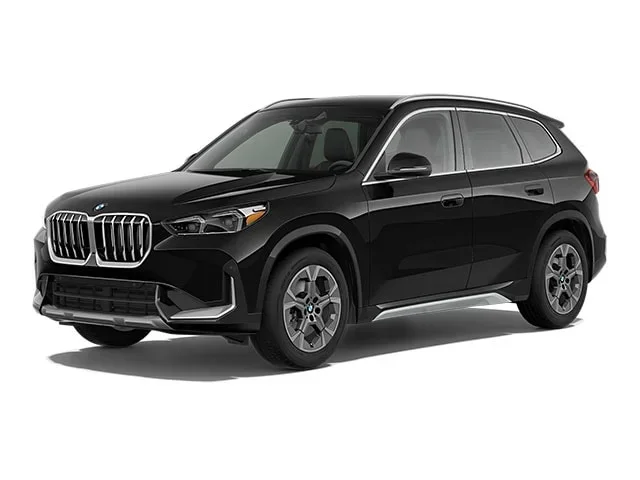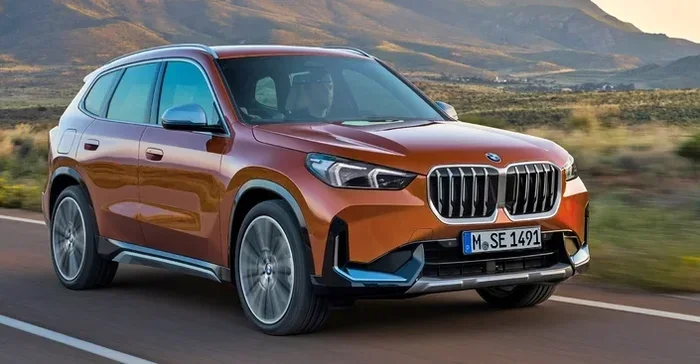
Featured image for BMW X1 SUV driving
Image source: images.caradisiac.com
Is the BMW X1 a good car to buy? The BMW X1 delivers premium luxury, sharp handling, and practical SUV utility in a compact package. It offers strong engine options, a high-quality interior, and advanced tech, but potential buyers should weigh higher maintenance costs and firm ride quality against its many strengths.
Shopping for a luxury compact SUV brings you to a crowded segment. The BMW X1 sits right in the thick of it, promising the badge prestige and driving fun the brand is famous for. But is the BMW X1 a good car to buy for your real-world needs? That answer depends on what you value more: the thrill of a corner-carving commute or the peace of mind of low running costs. We will break down every angle so you can decide with confidence.
Key Takeaways
- Premium compact SUV: The X1 blends BMW driving dynamics with crossover practicality and a upscale cabin.
- Strong powertrains: Turbocharged four-cylinder engines provide punchy acceleration and decent fuel economy.
- Above-average reliability: Recent model years score well, though some early generations had notable issues.
- Higher ownership costs: Expect premium pricing for maintenance, repairs, and insurance compared to non-luxury rivals.
- Clever interior space: Despite compact dimensions, the X1 offers generous passenger room and flexible cargo capacity.
- xDrive adds confidence: All-wheel-drive models excel in adverse weather but add cost and complexity.
- Best value in CPO: Certified pre-owned models balance depreciation savings with warranty coverage.
📑 Table of Contents
- Quick Overview of the BMW X1
- Performance and Driving Dynamics
- Interior, Comfort, and Technology
- Reliability and Common Issues
- Safety Ratings and Driver Assistance
- Ownership Costs: Purchase, Depreciation, and Insurance
- BMW X1 vs. Key Rivals
- Model Year Buying Guide
- Expert Tips for X1 Buyers
- Frequently Asked Questions
- Conclusion
Quick Overview of the BMW X1
The BMW X1 entered the market in 2009 as the brand’s smallest SUV. It has evolved through three distinct generations. The current third generation, launched for the 2023 model year, rides on BMW’s front-wheel-drive-based FAAR platform. This architecture allows for more interior space despite a compact footprint. You get a 2.0-liter turbocharged four-cylinder engine across the lineup, labeled sDrive28i (front-wheel drive) or xDrive28i (all-wheel drive). An M35i variant adds more power and sport tuning. An all-electric iX1 joins the range in select markets, signaling the model’s future direction.
Performance and Driving Dynamics
Engine and Transmission
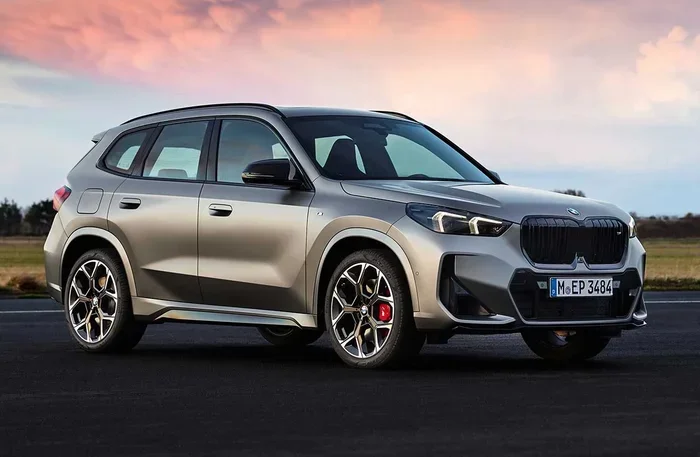
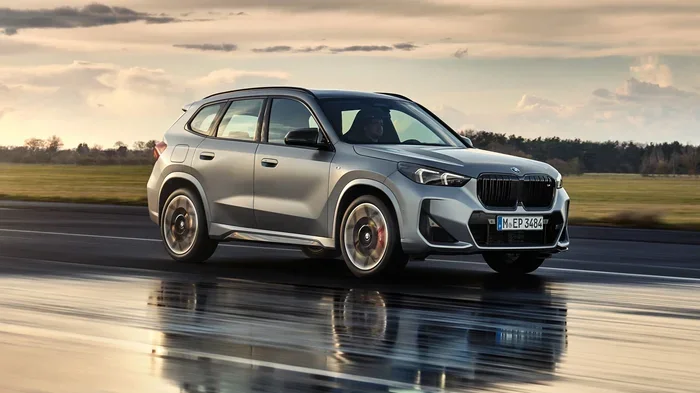
The heart of the X1 is the B48 2.0-liter TwinPower Turbo inline-four. In the 28i models, it produces 241 horsepower and 295 lb-ft of torque. A seven-speed dual-clutch automatic (DCT) sends power to the wheels. This transmission snaps off shifts quickly in Sport mode but can feel hesitant during low-speed parking maneuvers. The M35i bumps output to 312 horsepower and 295 lb-ft, paired with an eight-speed automatic for smoother daily driving.
Visual guide about BMW X1 SUV driving
Image source: topgear.com
Real-World Acceleration
Numbers on a spec sheet are one thing. The X1 xDrive28i hits 60 mph in about 6.2 seconds. That is quick for the class. The front-drive sDrive28i trails by roughly 0.3 seconds. Passing power on the highway is strong thanks to the torque arriving low in the rev range. You rarely feel the need to floor it for a merge. The M35i drops the sprint to near 5.0 seconds flat, entering hot-hatch territory.
Handling and Ride Quality
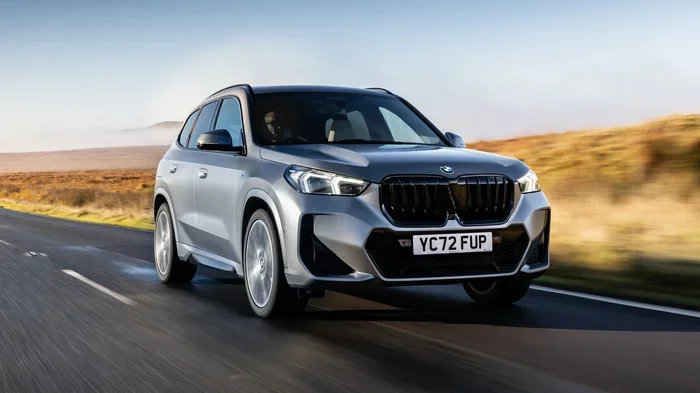
This is where the X1 earns its badge. The steering is direct and weighted nicely, offering genuine feedback. Body control is tight. You can place the nose exactly where you want it. However, the ride is firm. Run-flat tires and stiff suspension tuning transmit sharp impacts from potholes and expansion joints into the cabin. If you prioritize a cloud-like ride, rivals like the Volvo XC40 or Audi Q3 may suit you better. The M Sport suspension on higher trims stiffens things further.
xDrive vs. sDrive: Which to Choose?
The xDrive all-wheel-drive system defaults to a 50:50 torque split but can send 100 percent to either axle. It adds roughly 150 pounds and $2,000 to the sticker. For buyers in snow-belt states, it is money well spent. The system reacts instantly to slip. For drivers in mild climates, the sDrive model saves weight, improves fuel economy by 1-2 mpg, and offers a tighter turning circle. Both use the same brake-based torque vectoring to help rotate the car in corners.
Interior, Comfort, and Technology
Cabin Quality and Materials
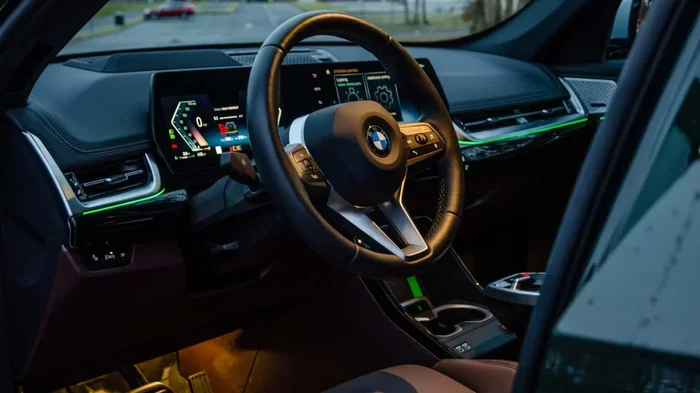
Step inside and the X1 feels expensive. Soft-touch surfaces cover the dash, doors, and center console. Switchgear clicks with precision. The standard Sensatec upholstery (premium vinyl) wears well and looks convincing. Optional Vernasca leather adds natural grain and ventilation. Fit and finish match the 3 Series sedan. Ambient lighting with 11 color choices sets a modern mood at night. The floating center console creates an airy feel and houses a handy wireless charging pad.
Visual guide about BMW X1 SUV driving
Image source: topgear.com
Seating and Space
Front seats are supportive with ample bolstering. The driver’s seat offers a wide range of adjustment, including standard power lumbar. Rear legroom is a standout. At 37 inches, it beats several larger competitors. Two six-foot adults can sit behind each other comfortably. The rear bench slides and reclines (40/20/40 split), letting you prioritize passenger space or cargo volume. Headroom is generous thanks to a tall roofline. The optional panoramic sunroof cuts rear headroom by about an inch.
Infotainment: iDrive 9 and the Curved Display
The 2023 redesign brought BMW’s latest iDrive 9 on a sweeping curved display. A 10.25-inch digital instrument cluster merges with a 10.7-inch central touchscreen. The interface is clean, responsive, and customizable. Wireless Apple CarPlay and Android Auto are standard. Voice commands work naturally (“Hey BMW”). Physical climate controls remain below the screen—a win for usability. The available Head-Up Display projects speed and navigation onto the windshield. One gripe: some menu layers require too many taps while driving.
Cargo Versatility
Behind the rear seats, you get 27.1 cubic feet (57.2 with seats folded). That fits two large suitcases plus a stroller. The low liftover height and wide opening make loading easy. A hidden underfloor compartment secures valuables. The 40/20/40 split rear seat allows long items like skis to pass through while seating four. Roof rails are standard on xLine and M Sport trims for accessory carriers.
Reliability and Common Issues
What the Data Says
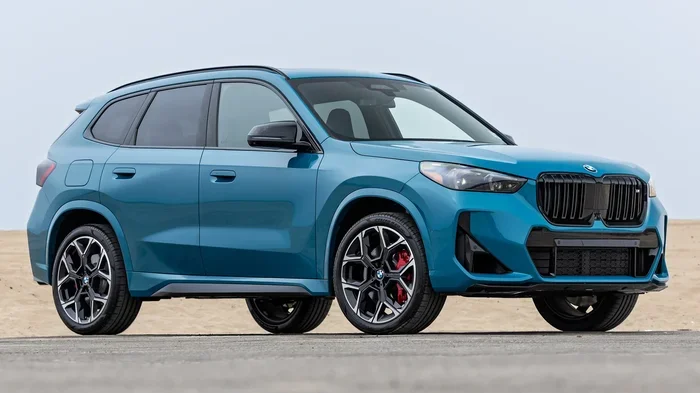
Consumer Reports and J.D. Power rate the current generation X1 above average for predicted reliability. The first generation (2010-2015) had a rockier history. Common complaints included timing chain tensioner failures, oil filter housing gasket leaks, and electronic gremlins. The second generation (2016-2022) improved significantly, though some early units suffered from coolant leaks and transmission mechatronic unit faults. The third generation is too new for long-term data, but its shared components with the 2 Series Gran Coupe inspire confidence.
Visual guide about BMW X1 SUV driving
Image source: bmw.scene7.com
Known Problem Areas to Watch
- Run-flat tires: Prone to sidewall bubbles from pothole impacts. Replacement cost is high.
- Coolant system: Plastic components (thermostat housing, water pump) can become brittle over time.
- Oil filter housing gasket: A known leak point on N20/B48 engines; inexpensive part, labor-intensive fix.
- Dual-clutch transmission: Occasional jerky engagement at low speeds; software updates often resolve it.
- Electrical glitches: Infotainment freezes, sensor faults (parking assist, blind spot) reported sporadically.
Maintenance Costs and Schedule
BMW maintenance is not cheap. The first three years/36,000 miles are covered by the factory warranty and BMW Ultimate Care (free scheduled maintenance). After that, expect $1,200-$1,800 annually for routine service and wear items at a dealer. Independent specialists can save 30-40 percent. Major services (spark plugs, brake fluid, coolant, transfer case fluid on xDrive) hit at specific intervals. Budget for brakes every 40-50k miles; the X1 is heavy on front pads. Choosing the correct brake fluid is critical for safety and system longevity. Similarly, using the proper BMW-approved coolant prevents corrosion and expensive engine damage.
Safety Ratings and Driver Assistance
Crash Test Performance
The 2023-2024 X1 earned a Top Safety Pick+ from the IIHS (best rating). It scored “Good” in all six crashworthiness tests. Front crash prevention (vehicle-to-vehicle and vehicle-to-pedestrian) rated “Superior.” The NHTSA awarded a 5-star overall rating. Standard structure includes high-strength steel and strategic crumple zones. Eight airbags are standard, including knee airbags for driver and front passenger.
Standard and Optional Safety Tech
Every X1 comes with BMW’s Active Driving Assistant suite. This includes:
- Forward Collision Warning with City Collision Mitigation
- Automatic Emergency Braking (vehicles, pedestrians, cyclists)
- Lane Departure Warning with Lane Keeping Assistant
- Speed Limit Info with Speed Limit Assist
- Automatic High Beams
The optional Driving Assistance Professional Package adds adaptive cruise control with stop-and-go, active lane centering, traffic jam assist (hands-off at low speeds), evasion aid, and cross-traffic alert front/rear. It transforms highway commutes into relaxed experiences.
Ownership Costs: Purchase, Depreciation, and Insurance
New vs. Used vs. Certified Pre-Owned
A 2024 X1 sDrive28i starts around $39,000. A loaded xDrive28i M Sport tops $50,000. The M35i approaches $55,000. Depreciation is steep: expect 45-50 percent loss over three years. This makes a 2-3 year old CPO unit the sweet spot. BMW’s CPO program extends the warranty to one year/unlimited miles after the factory 4yr/50k expires. It includes 24/7 roadside assistance and a rigorous inspection. CPO pricing typically runs $30k-$38k for a low-mileage xDrive28i.
Fuel Economy Reality
EPA estimates: sDrive28i 25/34/28 mpg (city/hwy/combined); xDrive28i 23/32/26 mpg. Real-world mixed driving usually lands 1-2 mpg below combined. The tank holds 14.5 gallons (15.6 on xDrive), giving roughly 350-400 miles of range. Premium fuel (91 octane minimum) is required. Annual fuel cost at 15,000 miles averages $2,200-$2,500.
Insurance Considerations
Insurance runs higher than mainstream compacts. Average annual premium: $1,800-$2,400 for full coverage. Factors include your location, driving record, and trim level. The M35i commands a surcharge. Safety features help slightly. Shop multiple carriers; some specialize in luxury vehicles.
BMW X1 vs. Key Rivals
| Model | Starting MSRP | Horsepower | Cargo (seats up) | Reliability Rating | Best For |
|---|---|---|---|---|---|
| BMW X1 xDrive28i | $41,350 | 241 | 27.1 cu ft | Above Average | Driving engagement, badge prestige |
| Audi Q3 45 TFSI quattro | $38,900 | 228 | 23.7 cu ft | Average | Tech interface, interior design |
| Mercedes GLA 250 4MATIC | $39,950 | 221 | 15.4 cu ft | Average | Ride comfort, brand cachet |
| Volvo XC40 B5 AWD | $39,350 | 247 | 20.7 cu ft | Below Average | Safety, seat comfort, distinct style |
| Acura RDX SH-AWD | $42,950 | 272 | 29.5 cu ft | Excellent | Value, reliability, space |
| Genesis GV70 2.5T AWD | $45,150 | 300 | 28.9 cu ft | Excellent | Features per dollar, warranty |
How the X1 Wins
- Sharpest handling in class
- Most rear legroom
- Best infotainment responsiveness
- Strongest engine refinement
- Available M Performance variant
Where It Falls Short
- Firmer ride than most rivals
- Higher maintenance and repair costs
- Less cargo space than boxier competitors
- Run-flat tires limit replacement options
- No hybrid or PHEV option in US (yet)
Model Year Buying Guide
Years to Target (Best Value)
2019-2022 (Gen 2 facelift): Updated styling, standard digital dash, improved iDrive 7, revised engines with particulate filters. Proven reliability after early kinks resolved. CPO widely available.
2023+ (Gen 3): Modern platform, more space, iDrive 9, standard safety suite. Best tech and efficiency. Higher purchase price.
Years to Approach With Caution
2010-2015 (Gen 1): N20 engine timing chain issues (extended warranty may have covered), frequent oil leaks, electrical quirks. Only consider with thorough pre-purchase inspection and service records.
2016-2018 (Early Gen 2): Transition to FWD platform. Some transmission mechatronic failures. Coolant leaks on B48 engines. Ensure recalls performed.
Pre-Purchase Inspection Checklist
- Cold start: listen for timing chain rattle (Gen 1/early Gen 2)
- Check for oil seepage at filter housing and valve cover
- Inspect run-flat tires for sidewall damage, uneven wear
- Test all electronics: sensors, cameras, infotainment, power tailgate
- Verify service history: oil changes every 10k max, brake fluid every 2yrs
- Scan for hidden codes with BMW-specific diagnostic tool
- Test drive: evaluate DCT smoothness, brake feel, suspension noise
Expert Tips for X1 Buyers
Quick Tips
- Skip the dealer extended warranty: Third-party providers (Endurance, CARCHEX) often cover more for less on 3-5 year old units.
- Negotiate on the out-the-door price: Focus on total cost, not monthly payment. Dealer fees vary wildly.
- Consider non-run-flat tires: Ride quality improves dramatically. Carry a mobility kit or spare tire kit.
- Get the Driving Assistance Pro package: Resale value recoups much of the cost; daily utility is high.
- Check for open recalls: VIN lookup on NHTSA.gov takes 30 seconds.
Common Mistakes to Avoid
- Buying a high-mileage Gen 1 without a specialist inspection
- Ignoring the premium fuel requirement (causes carbon buildup, knock)
- Skipping brake fluid changes (absorbs water, leads to caliper failure)
- Assuming all-wheel-drive replaces winter tires (it doesn’t)
- Overlooking the Acura RDX or Genesis GV70 for pure value
Expert Insight: The “Sweet Spot” Spec
After driving every trim, the consensus among enthusiasts and reviewers aligns: a 2022-2023 xDrive28i xLine in a dark metallic paint (Carbon Black, Phytonic Blue) with the Premium Package (heated seats, wheel, HUD, Harman Kardon) and Driving Assistance Pro hits the value peak. You get AWD security, upgraded interior ambiance, essential tech, and safety aids without the M Sport ride penalty or M35i price premium. Certified pre-owned examples with 20k-30k miles list for $33k-$37k—roughly 35 percent off original MSRP.
Frequently Asked Questions
Is the BMW X1 expensive to maintain?
Yes, the BMW X1 costs more to maintain than mainstream compact SUVs. Budget $1,200-$1,800 annually after the free maintenance period ends. Using an independent BMW specialist can reduce this by 30-40 percent compared to dealer pricing.
Does the BMW X1 require premium gas?
Yes, BMW recommends 91 octane minimum for all X1 models. Using regular fuel can cause engine knock, reduced performance, and potential long-term carbon buildup. The turbocharged engine is calibrated for premium fuel.
How long will a BMW X1 last?
With proper maintenance, a BMW X1 can easily reach 150,000-200,000 miles. The B48 engine and ZF/dual-clutch transmissions are robust. Key factors: timely oil changes (every 7,500-10,000 miles), coolant system refreshes, and addressing leaks early.
Is the BMW X1 good in snow?
The xDrive all-wheel-drive model performs very well in snow, especially with winter tires. The system distributes torque instantly. The sDrive front-wheel-drive model is adequate with winter tires but lacks the traction security of xDrive in deep snow or icy hills.
What is the difference between sDrive and xDrive on the X1?
sDrive is front-wheel drive; xDrive is all-wheel drive. xDrive adds ~150 lbs, ~$2,000 cost, and 1-2 mpg penalty. It provides superior foul-weather traction and slightly quicker 0-60 times. sDrive offers a tighter turning circle and lower purchase price.
Are BMW X1 run-flat tires worth keeping?
Run-flats allow driving 50 miles at 50 mph after a puncture, eliminating the need for a spare. However, they ride harshly, wear faster, cost more to replace, and limit tire choices. Many owners switch to non-run-flats and carry a repair kit or compact spare for better daily comfort. Understanding run-flat tire trade-offs helps you decide.
Conclusion
So, is the BMW X1 a good car to buy? For the right buyer, absolutely. It delivers a genuine BMW driving experience—sharp steering, potent turbo power, composed chassis—in a package that fits urban garages and hauls Costco runs. The interior punches above its weight class in materials and space. Tech is modern and mostly intuitive. Safety scores are top-tier.
The caveats are real: a firm ride, premium fuel and maintenance costs, and depreciation that stings new buyers. If you lease, the residual values soften the blow. If you buy, a 2-3 year old CPO xDrive28i xLine represents the smartest money. You avoid the steepest depreciation, gain warranty coverage, and still enjoy a contemporary vehicle.
Cross-shop the Acura RDX and Genesis GV70 if reliability and value top your list. Choose the X1 if you want the driver’s car in the segment—the one that makes a grocery run feel like a back-road blast. Test drive both sDrive and xDrive back-to-back. Feel the difference. Then decide which version of “Ultimate Driving Machine” fits your life.