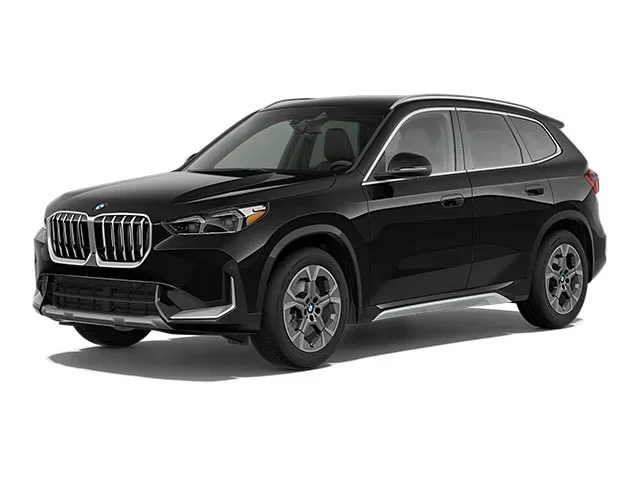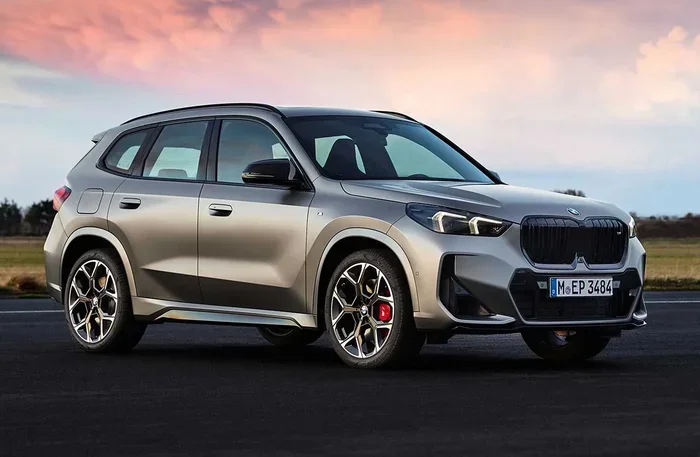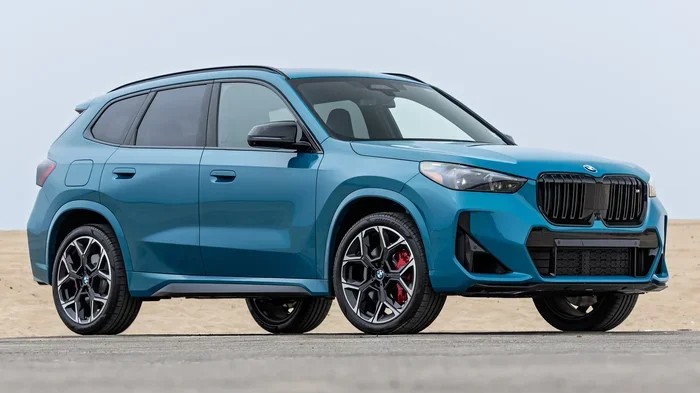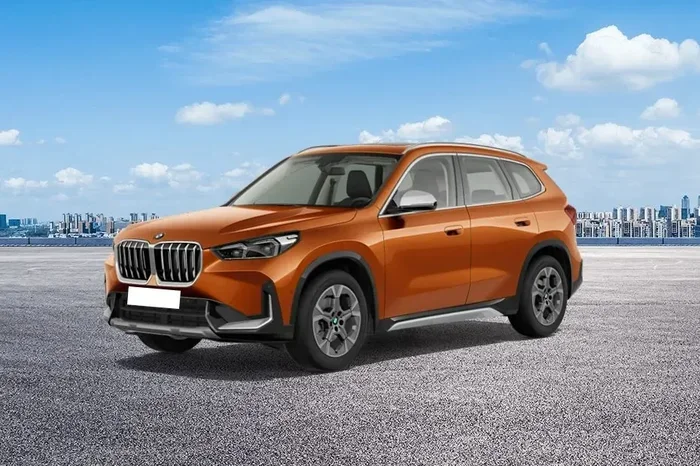
Featured image for BMW X1 exterior
Image source: imgcdn.zigwheels.my
How much does a BMW X1 weight depends heavily on the model year and drivetrain. Current U11 generation models range from roughly 3,700 to 4,100 pounds. Older F48 and E84 generations vary based on engine and all-wheel drive options. This guide breaks down every spec you need for towing, payload, and performance.
If you are shopping for a compact luxury SUV, knowing how much does a BMW X1 weight is critical. Weight affects everything. It changes fuel economy. It changes handling. It dictates how much cargo you can haul. It even changes your braking distance. The answer is not a single number. It shifts based on the generation. It shifts based on the engine. It shifts based on whether you choose front-wheel drive or all-wheel drive. We have compiled the complete data for every generation. You will find curb weights, gross vehicle weight ratings, and payload numbers right here.
We will also explain why these numbers matter for your daily drive. You will learn the difference between curb weight and GVWR. You will see how the new electric iX1 changes the scale. By the end, you will know exactly which model fits your garage and your lifestyle. Let’s dive into the numbers.
Key Takeaways
- Current Generation (U11) Weight: The 2023+ X1 ranges from 3,704 lbs (sDrive28i) to 4,067 lbs (M35i xDrive).
- Previous Generation (F48) Weight: The 2016-2022 models weigh between 3,472 lbs (sDrive28i) and 3,814 lbs (M35i).
- First Generation (E84) Weight: The 2010-2015 models are lighter, ranging from 3,362 lbs to 3,780 lbs depending on engine.
- Drivetrain Impact: Adding xDrive all-wheel drive typically adds 100-150 lbs over sDrive front-wheel drive models.
- GVWR Matters: Gross Vehicle Weight Rating ranges from 4,600 to 5,200 lbs, dictating your maximum payload capacity.
- Electric Variant: The iX1 is significantly heavier due to the battery pack, topping 4,400 lbs in European specs.
- Run-Flat Tires: Standard BMW run-flat tires add unsprung weight but eliminate the need for a spare tire.
📑 Table of Contents
- Understanding Weight Terminology
- Third Generation (U11): 2023-Present
- Second Generation (F48): 2016-2022
- First Generation (E84): 2010-2015
- Why Weight Differs: Key Factors
- Weight vs. Performance: The Real World Impact
- Towing and Payload Capacity
- Comparing the X1 to Rivals
- Electric Weight: The iX1 Factor
- How to Find Your Exact Weight
- Weight Reduction Tips for Owners
- Common Misconceptions About X1 Weight
- Expert Insight: The Chassis Engineering View
- Key Takeaways Summary
- Conclusion
Understanding Weight Terminology
Before we look at the charts, we need to define the terms. Manufacturers use specific definitions. Confusing them leads to bad decisions. Here are the three main numbers you will see.
Curb Weight
This is the weight of the car sitting at the dealer. It includes all fluids. It includes a full tank of gas. It includes oils and coolant. It does not include the driver, passengers, or cargo. This is the standard number for performance comparisons. Lighter curb weight usually means better acceleration and handling.
Gross Vehicle Weight Rating (GVWR)
This is the maximum safe weight. It includes the curb weight plus the maximum payload. Payload is passengers, cargo, and tongue weight if towing. You must never exceed this number. It is a legal limit and a safety limit. You find it on the driver’s door jamb sticker.
Payload Capacity
This is the math. Payload = GVWR – Curb Weight. This tells you how much “stuff” you can add. If curb weight goes up (like with a bigger engine), payload often goes down. This is vital if you carry five adults and luggage often.
Third Generation (U11): 2023-Present
The current X1 rides on the FAAR platform. It is larger than the old model. It is heavier too. BMW moved the entry-level engine to a 2.0L turbo-four. The M35i gets a 312-hp version of that engine. All US models are xDrive now. Front-wheel drive sDrive is gone in the US market.

Visual guide about BMW X1 exterior
Image source: imgcdn.oto.com.sg
2023-2024 BMW X1 Curb Weights (US Specs)
These numbers reflect standard equipment. Options like panoramic roofs or larger wheels add weight.
| Model | Drivetrain | Curb Weight (lbs) | GVWR (lbs) | Payload (lbs est.) |
|---|---|---|---|---|
| X1 xDrive28i | AWD | 3,704 | 4,806 | 1,102 |
| X1 M35i xDrive | AWD | 4,067 | 5,115 | 1,048 |
The jump to the M35i adds over 360 lbs. That comes from the upgraded engine, stronger transmission, sport suspension, larger brakes, and standard 19-inch wheels. The xDrive28i is surprisingly light for a modern AWD SUV. It helps the 241-hp engine feel peppy.
European Specs: sDrive and iX1
Europe still gets the sDrive18d (diesel) and sDrive18i (mild hybrid). They also get the iX1 electric variant. The iX1 xDrive30 carries a 64.7 kWh battery. Its EU curb weight is roughly 4,431 lbs (2,010 kg). That is nearly 400 lbs heavier than the gas M35i. The battery sits low, which helps handling, but the mass is real.
Dimensions Impact
The U11 grew in every dimension. It is 2.1 inches longer. It is 0.9 inches wider. The wheelbase stretched 0.6 inches. This adds structural weight. It also adds interior space. Rear legroom improved significantly. You pay for that space on the scale.
Second Generation (F48): 2016-2022
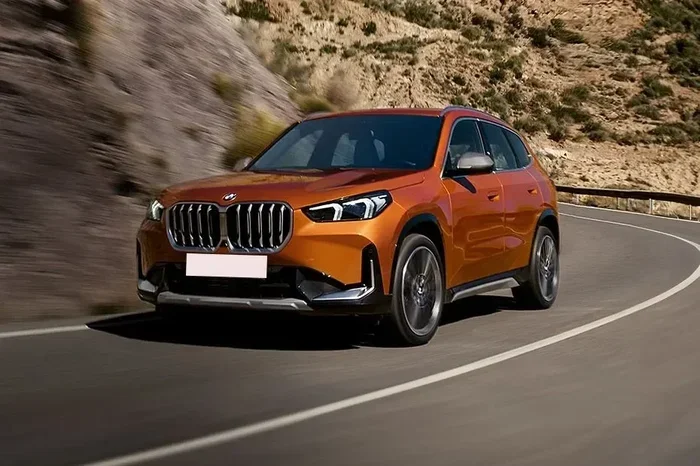
The F48 moved to the UKL front-wheel-drive platform. This was a huge change. The E84 was rear-wheel-drive based. The F48 is lighter than the E84 in base form. It uses more aluminum in the suspension. It uses high-strength steel in the body.
Visual guide about BMW X1 exterior
Image source: imgcdn.zigwheels.my
F48 Curb Weights by Model
Weights vary by model year due to equipment changes. Late models got the larger 10.25-inch screen and digital cluster, adding a few pounds.
| Model | Drivetrain | Curb Weight (lbs) | GVWR (lbs) |
|---|---|---|---|
| sDrive28i (2016-2019) | FWD | 3,472 | 4,564 |
| xDrive28i (2016-2019) | AWD | 3,616 | 4,718 |
| xDrive25i (2020-2022) | AWD | 3,649 | 4,740 |
| M35i (2020-2022) | AWD | 3,814 | 4,916 |
Note the sDrive28i. At 3,472 lbs, it is the lightest modern X1. It is also the quickest feeling base model because it lacks the drivetrain loss of AWD. The xDrive penalty is roughly 144 lbs. The M35i adds the B48 2.0L tuned to 302 hp. It gets a mechanical limited-slip diff. It gets bigger brakes. That pushes it near 3,800 lbs.
Payload on the F48
Payload on the F48 is decent. The sDrive28i offers about 1,092 lbs. The xDrive28i offers about 1,102 lbs. The M35i drops to roughly 1,100 lbs because the curb weight eats the GVWR gain. If you load four adults (600 lbs) and luggage (200 lbs), you are fine. If you add a roof box, watch the roof load limit (165 lbs dynamic).
First Generation (E84): 2010-2015
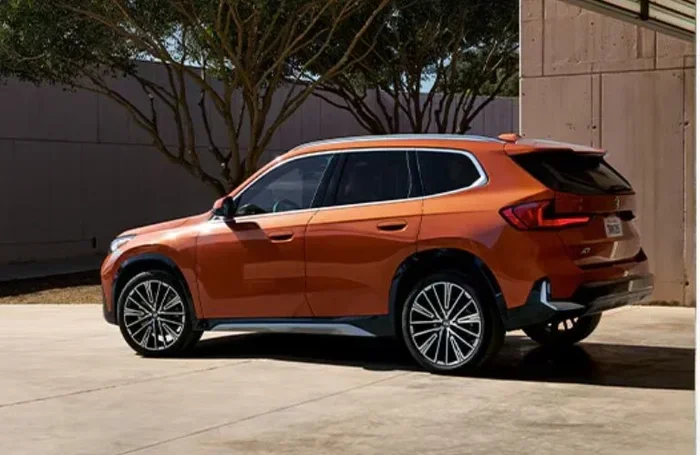
The E84 is unique. It used the rear-wheel-drive platform (shared with 3 Series). It feels like a traditional BMW. It has a 50/50 weight distribution (or close to it). It is longer and lower than the F48. It is heavier than the base F48 but lighter than the current U11 M35i.
Visual guide about BMW X1 exterior
Image source: cdn-ds.com
E84 Curb Weights by Model
| Model | Drivetrain | Engine | Curb Weight (lbs) |
|---|---|---|---|
| sDrive28i | RWD | 2.0T (N20) | 3,549 |
| xDrive28i | AWD | 2.0T (N20) | 3,726 |
| xDrive35i | AWD | 3.0T (N55) | 3,957 |
| xDrive28i (Early) | AWD | 3.0 NA (N52) | 3,780 |
The early xDrive28i (2010-2011) used the naturally aspirated N52 3.0L inline-six. It is heavier than the later turbo-four xDrive28i. The xDrive35i with the N55 turbo inline-six is the heaviest of the generation. It tips the scales at nearly 4,000 lbs. That N55 engine is legendary. If you want to know more about that motor, check out our guide on BMW models equipped with the N55 engine.
Weight Distribution Benefit
The E84 RWD models achieve near 50/50 balance. The xDrive models are roughly 51/49 front/rear. This is better than the F48 (roughly 55/45) or U11 (roughly 54/46). The engine sits behind the front axle. This is why enthusiasts prefer the E84 for driving dynamics. The weight is in the right place.
Why Weight Differs: Key Factors
You see big gaps between models. Here is exactly where the pounds go.
Drivetrain: sDrive vs xDrive
This is the biggest factor. xDrive adds a front differential (on RWD cars) or a rear driveshaft/diff (on FWD cars). It adds a transfer case. It adds an electronic clutch pack. It adds cooling lines. On the F48/U11 (FWD base), xDrive adds the entire rear drive unit. Expect a 100-150 lb penalty. On the E84 (RWD base), xDrive adds the front drive unit. Penalty is similar, ~175 lbs.
Engine Size and Materials
Inline-six engines (N52, N55, B58) are heavier than inline-fours (N20, B48). Iron blocks weigh more than aluminum. The N52 had a magnesium/aluminum block. It was light for a six-cylinder. The B48 is all aluminum. It is very light for its output. The M35i engine has stronger internals and a bigger turbo. That adds mass.
Transmission
The E84 used a 6-speed automatic (ZF 6HP) or 8-speed (ZF 8HP). The F48/U11 use a 7-speed dual-clutch (DCT) or 8-speed torque converter (Aisin). The 8-speed torque converter in the U11 M35i is beefier. It handles more torque. It weighs more.
Chassis and Safety Structure
Newer cars are safer. They use more high-strength steel. They have more airbags (knee airbags, side curtains). They have active safety sensors (radar, lidar, cameras). The U11 structure is much stiffer. Stiffness requires material. Material weighs something.
Wheels and Tires
Base models get 17s or 18s. M Sport and M35i get 19s or 20s. Larger wheels weigh more. Run-flat tires weigh more than standard tires. They have reinforced sidewalls. This is unsprung weight. Unsprung weight hurts ride quality and handling more than sprung weight. The U11 M35i standard 19s are heavy. Optional 20s are heavier.
Features and Luxury
Panoramic sunroof: +80-100 lbs (glass, motor, rails, reinforcement). Heated/ventilated seats: +20 lbs. Harman Kardon audio: +15 lbs (amp, subwoofer). Power tailgate: +15 lbs. It adds up fast. A loaded M35i can weigh 150 lbs more than a base M35i.
Weight vs. Performance: The Real World Impact
Numbers on a page are one thing. Driving is another. Here is how weight translates to your experience.
Acceleration and Power-to-Weight
Power-to-weight ratio rules acceleration. The U11 xDrive28i has 241 hp / 3,704 lbs = 15.4 lbs/hp. The F48 sDrive28i had 228 hp / 3,472 lbs = 15.2 lbs/hp. They are nearly identical. The U11 feels faster because of torque delivery and transmission tuning. The M35i: 312 hp / 4,067 lbs = 13.0 lbs/hp. That is a significant jump. It hits 60 mph in 4.9 seconds.
Handling and Body Roll
Heavier cars roll more in corners. They need stiffer springs. Stiffer springs hurt ride comfort. BMW tunes the M35i suspension stiff. The xDrive28i is softer. The E84 handles best due to weight distribution. The F48 pushes (understeers) more at the limit. The U11 hides its mass well with wide tires and firm tuning.
Braking Distance
Mass requires energy to stop. The M35i gets 4-piston front calipers. The xDrive28i gets single-piston. Both stop well. But repeated hard stops fade the xDrive28i brakes faster. The M35i brakes are sized for the weight.
Fuel Economy
Weight kills MPG. The U11 xDrive28i is rated 25/34/28 MPG. The heavier M35i drops to 23/31/26 MPG. The F48 sDrive28i hit 24/33/27 MPG. The lighter FWD car won on highway cruising. Aerodynamics matter too. The U11 has a higher Cd (drag coefficient) due to taller stance.
Towing and Payload Capacity
Weight ratings dictate utility. The X1 is not a tow rig. But it can handle a small trailer.
Towing Limits by Generation
- E84 xDrive35i: 3,500 lbs (braked). The inline-six torque helps.
- E84 xDrive28i: 2,000 lbs (braked).
- F48 xDrive28i/xDrive25i: 2,000 lbs (braked).
- F48 M35i: 2,000 lbs (braked).
- U11 xDrive28i / M35i: 2,000 lbs (braked) / 1,650 lbs (unbraked).
Tongue weight counts against payload. A 2,000 lb trailer needs ~200 lb tongue weight. That leaves 900 lbs for people and gear. Check your door sticker. If you tow, maintain your cooling system. The right fluid prevents overheating. Learn about choosing the right coolant for your BMW vehicle.
Roof Load Limits
Dynamic (driving): 165 lbs (75 kg) for all generations. Static (parked/camping): much higher (check manual, often 400+ lbs). Roof tents are popular. Ensure your rack and roof rating support the static load. The weight sits high. It raises the center of gravity. It increases body roll. Drive accordingly.
Comparing the X1 to Rivals
Context helps. How does the X1 weight stack up against the competition?
| Model (Current Gen) | Base Curb Weight (lbs) | Performance Trim Weight (lbs) |
|---|---|---|
| BMW X1 xDrive28i | 3,704 | 4,067 (M35i) |
| Audi Q3 45 TFSI Quattro | 3,726 | 3,891 (RS Q3 – not US) |
| Mercedes GLA 250 4MATIC | 3,583 | 3,880 (AMG GLA 35) |
| Volvo XC40 B5 AWD | 3,811 | 4,101 (Recharge Twin) |
| Lexus UX 250h AWD | 3,439 | N/A |
The X1 sits in the middle. The Mercedes GLA is lighter. The Volvo XC40 is heavier. The Lexus UX hybrid is the lightest but least powerful. The X1 M35i is the heaviest performance variant here. It trades weight for structural rigidity and crash safety.
Electric Weight: The iX1 Factor
We cannot ignore the EV. The iX1 xDrive30 (Europe/Global) weighs ~4,431 lbs. The upcoming US iX1 will be similar. That is 360 lbs more than the gas M35i. Where does it go? The battery pack (~900 lbs). The dual motors (front + rear). The structural reinforcement for the battery. The upside? The weight is low. The center of gravity drops. The iX1 handles surprisingly well for a 4,400 lb SUV. It hits 60 in 5.6 seconds. Instant torque masks the mass.
How to Find Your Exact Weight
Published specs are estimates. Your specific car depends on options. Here is how to find the truth.
The Door Jamb Sticker
Open the driver’s door. Look at the B-pillar. There is a white/yellow sticker. It lists GVWR and GAWR (Gross Axle Weight Rating) Front and Rear. It lists tire pressures. It does not list curb weight. But you can calculate it. Weigh the car (see below). Subtract curb from GVWR. That is your true payload.
Public Scales (CAT Scale)
Drive to a truck stop with a CAT Scale. Cost is ~$13. Weigh the car with you in it. Full tank. Normal cargo. That is your “wet weight.” Subtract your weight. Subtract passenger weight. Subtract cargo weight. Now you have your exact curb weight. This is the only way to know for sure.
VIN Decoder
Use a VIN decoder (like bmwvin.com or realoem.com). Enter your VIN. It lists the “Leergewicht” (unladen weight) per EU spec. EU weight includes 90% fuel, 75kg driver, fluids. US curb weight includes 100% fuel, no driver. EU weight is usually ~165 lbs higher than US curb weight. Adjust accordingly. Understanding your VIN helps decode options. Our article on decoding BMW vehicle designations explains the model codes found in the VIN.
Weight Reduction Tips for Owners
You cannot change the chassis. You can change what you carry. Reducing weight improves everything. It is free horsepower.
Remove Junk
Clean the trunk. Remove golf clubs, strollers, tools, salt bags. 50 lbs of junk costs you 0.5-1% MPG. It hurts handling. It wears tires faster.
Lightweight Wheels
This is the single best mod. Stock 19s weigh ~28 lbs each. Stock 20s weigh ~32 lbs. Flow-formed 19s weigh ~22 lbs. Forged 19s weigh ~19 lbs. Saving 8-10 lbs per corner (40 lbs total unsprung) transforms ride and steering response. It is expensive ($2,500-$5,000) but effective.
Ditch the Run-Flats
Run-flats are heavy. Switching to standard Michelin Pilot Sport 4S or CrossClimate 2 saves ~4-6 lbs per tire. You gain ride comfort. You gain grip. You lose run-flat safety. You must carry a tire repair kit or spare. A compact spare kit weighs ~25 lbs. Net savings: ~15-20 lbs. Worth it for many.
Carbon Fiber Hood/Trunk
Aftermarket CF hood saves ~15-20 lbs. CF trunk saves ~10 lbs. High cost per pound. Mostly for show or dedicated track cars. Not worth it for street.
Lightweight Battery
AGM battery weighs ~55 lbs. Lithium (LiFePO4) weighs ~15-20 lbs. Saves 35-40 lbs over the front axle. Helps weight distribution. Requires coding registration. Cold cranking amps must match. Good for track cars. Risky for daily drivers in cold climates.
Common Misconceptions About X1 Weight
Let’s clear up some myths.
“The X1 is a heavy car.”
False. At ~3,700 lbs, the base U11 is average for the segment. The Audi Q3 is heavier. The Volvo XC40 is heavier. The Mercedes GLA is slightly lighter. The X1 is not a featherweight, but it is not a pig.
“xDrive makes it slow.”
False. xDrive adds ~140 lbs. It adds traction. 0-60 times are often identical or faster for xDrive vs sDrive because you eliminate wheelspin. The weight penalty is worth the launch consistency.
“Curb weight includes a driver.”
False (US Spec). US curb weight = fluids + full fuel. No driver. EU “Unladen Mass” = fluids + 90% fuel + 75kg driver. Always check which standard is quoted.
“GVWR is the weight of the car.”
False. GVWR is the limit. Curb weight is the actual weight. Do not confuse them.
Expert Insight: The Chassis Engineering View
BMW chassis engineers prioritize stiffness over lightness. The U11 body structure is 20% stiffer in torsion than F48. That required more high-strength steel. The weight gain bought crash safety and NVH (Noise, Vibration, Harshness) refinement. The F48 was criticized for “buzziness” on rough roads. The U11 fixes that. The mass dampens vibration. It is a deliberate trade-off. Luxury buyers want quiet. Enthusiasts want light. BMW chose the larger market.
Also, the shift to FWD architecture (F48/U11) allows a flat floor. No transmission tunnel. That adds rear space. The driveshaft tunnel for xDrive is small. The packaging efficiency is high. You get more interior volume per pound of car than the old RWD E84.
Key Takeaways Summary
- Know your generation: E84 (RWD base), F48 (FWD base), U11 (FWD base, AWD only US).
- Know your drivetrain: xDrive adds ~140 lbs. Worth it for traction.
- Know your engine: 4-cyl vs 6-cyl (old) vs High-output 4-cyl (new M35i).
- Check the sticker: GVWR on the door jamb is your legal limit.
- Weigh it yourself: CAT scale is the only truth.
- Reduce unsprung weight first: Wheels and tires give the best ROI.
- Electric is heavy: iX1 hits 4,400+ lbs. Low CG saves the handling.
Conclusion
So, how much does a BMW X1 weight? Now you know. It ranges from 3,362 lbs for a bare-bones early E84 to over 4,400 lbs for the electric iX1. The sweet spot for most buyers is the current U11 xDrive28i at 3,704 lbs. It balances space, safety, performance, and efficiency. The M35i adds thrilling speed for a 360-lb penalty. The F48 sDrive28i remains the lightweight champion at 3,472 lbs if you find a clean used one.
Weight is not just a number. It is the fingerprint of the car’s character. It tells you how the engineers prioritized safety, space, and driving joy. Use this data to pick the right X1 for you. Check your payload before that road trip. Check your tongue weight before that trailer. And maybe treat your X1 to some lightweight wheels. It will thank you with sharper steering and a happier suspension. Drive smart. Drive safe. Enjoy the Ultimate Driving Machine.
Frequently Asked Questions
What is the curb weight of a 2024 BMW X1 xDrive28i?
The 2024 BMW X1 xDrive28i has a curb weight of approximately 3,704 lbs. This includes all fluids and a full tank of gas but no passengers or cargo.
How much heavier is the BMW X1 M35i than the xDrive28i?
The M35i xDrive weighs roughly 363 lbs more than the xDrive28i. The M35i tips the scales at 4,067 lbs due to a more powerful engine, upgraded brakes, sport suspension, and larger standard wheels.
Does the BMW X1 have a 50/50 weight distribution?
Only the first generation (E84, 2010-2015) with rear-wheel drive achieves near 50/50 weight distribution. Current F48 and U11 generations are front-wheel-drive based and typically have a 54/46 front/rear split.
What is the GVWR of the BMW X1?
The Gross Vehicle Weight Rating (GVWR) ranges from 4,564 lbs on a base F48 sDrive28i up to 5,115 lbs on the U11 M35i xDrive. Always check the specific sticker on your driver’s door jamb for your exact rating.
Can a BMW X1 tow a trailer?
Yes, all xDrive models are rated to tow 2,000 lbs (braked). The older E84 xDrive35i could tow 3,500 lbs. Front-wheel drive sDrive models are generally not rated for towing in the US.
How much does the electric BMW iX1 weigh?
The BMW iX1 xDrive30 weighs approximately 4,431 lbs (2,010 kg) in European specification. The battery pack adds significant mass, but it is mounted low in the chassis to maintain a favorable center of gravity.