Featured image for BMW X1 SUV exterior
Does BMW still make the X1? Absolutely. The BMW X1 continues as a best-selling entry-level luxury SUV, now in its third generation for the 2024 and 2025 model years. This guide covers the latest redesign, available trims like the X1 xDrive28i and M35i, performance specs, technology updates, and how it compares to the X3. You will learn exactly what to expect from the current lineup and if it fits your needs.
If you have been shopping for a luxury crossover recently, you might be asking yourself: does BMW still make the X1? The answer is a definitive yes. In fact, the X1 is more important to BMW’s lineup right now than ever before. It serves as the gateway drug to the Ultimate Driving Machine, offering the badge, the driving dynamics, and the tech for a price that undercuts its larger siblings significantly.
The model just underwent a complete redesign for the 2023 model year (sold as a 2024 in the US), marking the start of its third generation. This wasn’t just a nip-and-tuck facelift. BMW moved the X1 to a new platform, gave it a bold new look, stuffed it with the latest iDrive 9 software, and standardized all-wheel drive across the board for the American market. Whether you are a city dweller needing a parking-friendly footprint or a small family wanting a premium badge without the X3 price tag, the current X1 demands a serious look.
Key Takeaways
- Production is active: BMW currently manufactures the third-generation X1 for the 2024 and 2025 model years with no signs of discontinuation.
- Two main powertrains: The lineup features the efficient X1 xDrive28i and the performance-focused X1 M35i xDrive, both using a 2.0-liter turbo-four engine.
- Standard all-wheel drive: Unlike previous generations, every new X1 sold in the US now comes standard with BMW’s xDrive all-wheel-drive system.
- Major tech upgrade: The new model adopts the curved iDrive 9 display, removing the traditional iDrive knob for a modern, screen-heavy dashboard.
- Positioning matters: The X1 slots below the X3 in size and price, making it the entry point for BMW SUV ownership without sacrificing premium feel.
- Reliability is solid: Early data suggests the new generation continues the model’s reputation for decent reliability, though run-flat tires remain a cost factor.
- Strong value proposition: Starting near $40,000, the X1 offers genuine BMW driving dynamics and luxury features at a lower entry price than its siblings.
📑 Table of Contents
- The Short Answer: Yes, The BMW X1 Is Alive And Well
- A Quick History Of The BMW X1 Generations
- What Is New For The Current 2024 And 2025 BMW X1
- Breaking Down The Current Trim Levels And Specs
- How The X1 Fits In The BMW SUV Lineup
- Reliability, Maintenance, And Ownership Costs
- Should You Buy A BMW X1 Right Now
- Decoding The Name: What Does X1 Actually Mean
- Final Thoughts On The Current BMW X1
The Short Answer: Yes, The BMW X1 Is Alive And Well
Let us clear the air immediately. BMW not only still makes the X1, but it is also one of their global best-sellers. In 2023, the X1 was consistently among the top-selling BMW models worldwide. For the 2024 and 2025 model years, you will find it sitting proudly on dealer lots across the country.
There was a brief moment of confusion during the model changeover between the second generation (F48 chassis) and the third generation (U11 chassis). Production of the old model ended, and there was a short gap before the new one arrived in dealerships around late 2023. That gap led some people to wonder if BMW had killed the model. They didn’t. They just took their time launching the all-new version, which is significantly better in almost every measurable way.
A Quick History Of The BMW X1 Generations
Understanding where the X1 came from helps you appreciate where it is now. The nameplate has only been around since 2009, but it has evolved rapidly.
First Generation (E84: 2009–2015)
The original X1 was essentially a lifted 3 Series wagon. It rode on a rear-wheel-drive platform (with optional xDrive). It was boxy, upright, and drove remarkably like a sports sedan. Enthusiasts loved it because it felt like a proper BMW. However, rear-seat space was tight, and the ride could be harsh.
Second Generation (F48: 2015–2022)
This was the controversial one. BMW switched to a front-wheel-drive platform (UKL architecture) shared with the Mini Countryman. Purists hated the loss of RWD proportions. But buyers didn’t care. Sales exploded. The interior space grew massively, the ride improved, and it became a volume seller. This generation received a mid-cycle refresh (LCI) in 2019 that updated the lights, bumpers, and infotainment.
Third Generation (U11: 2023–Present)
The current car uses the FAAR platform (front-wheel-drive architecture, but highly evolved). It is longer, wider, and has a longer wheelbase than the F48. Crucially, BMW tuned the chassis to feel rear-wheel-drive biased again. They also dropped the front-wheel-drive sDrive28i model for the US market. Every X1 sold here now is xDrive. This generation also spawns the electric iX1 (sold in Europe) and the new 2 Series Active Tourer.
What Is New For The Current 2024 And 2025 BMW X1
The third generation is a clean-sheet redesign. If you sat in a 2022 model and then a 2024 model, you would think they are from different brands. Here is what changed.
Exterior Design: Bolder And More Upright
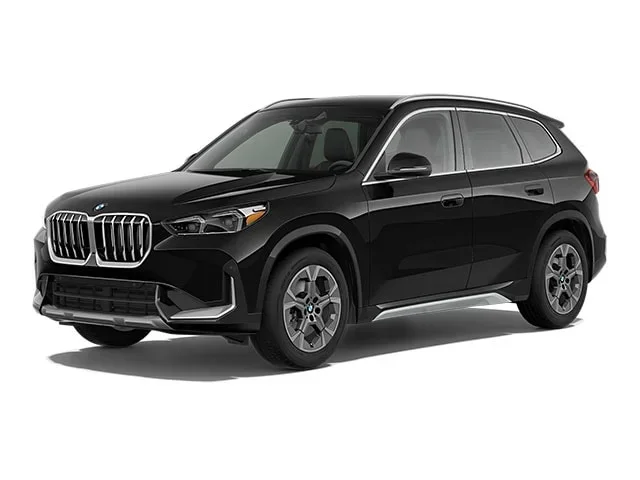
The new X1 grows in every dimension. It is roughly 2.1 inches longer, 0.9 inches wider, and 1.7 inches taller. The kidney grille is larger and more upright, flanked by sleek adaptive LED headlights (standard). The Hofmeister kink at the C-pillar is more pronounced. It looks like a shrunken X5 now, which is exactly what buyers want. It projects presence despite its compact footprint.
Interior Revolution: The Curved Display
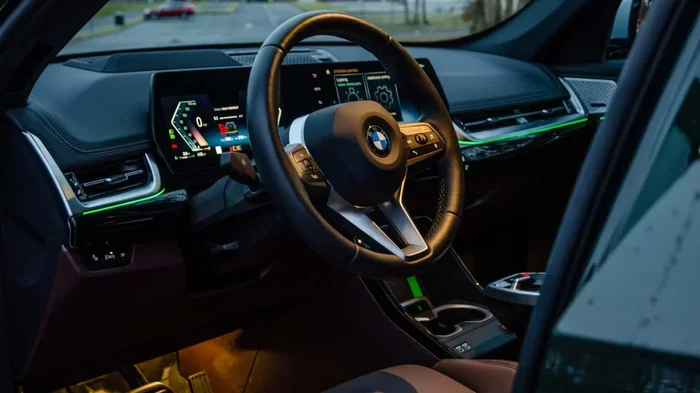
This is the biggest change inside. The traditional center console, iDrive rotary knob, and separate gauge cluster are gone. In their place sits the BMW Curved Display. It combines a 10.25-inch digital instrument cluster and a 10.7-inch central touchscreen into one seamless piece of glass. It runs iDrive 9 (BMW Operating System 9).
- No more rotary knob (controversial for longtime owners).
- Voice control is much improved (“Hey BMW”).
- Wireless Apple CarPlay and Android Auto are standard.
- Over-the-air updates keep the software fresh.
Platform And Chassis Updates
The FAAR platform allows for better weight distribution and a lower center of gravity. The steering rack is quicker. The suspension uses a single-joint spring strut front axle and a three-link rear axle. BMW claims a 50:50 weight distribution (with driver). The result? It feels agile, flat in corners, and surprisingly fun for a tall crossover. It recovers that “BMW feel” the F48 lost.
Breaking Down The Current Trim Levels And Specs
For the US market, the lineup is beautifully simple. There are only two main models, differentiated almost entirely by engine tune and standard equipment. Both use a 2.0-liter TwinPower Turbo inline-four cylinder engine paired with a 7-speed dual-clutch transmission (DCT) and standard xDrive all-wheel drive.
2024-2025 BMW X1 xDrive28i
This is the volume seller. It hits the sweet spot of price and performance.
- Engine: 2.0L Turbo I4 (B48)
- Output: 241 hp / 295 lb-ft torque
- 0-60 mph: ~6.2 seconds
- Transmission: 7-Speed DCT
- Drivetrain: xDrive AWD (Standard)
- MPG (EPA Combined): ~28-29 mpg
- Starting MSRP: ~$39,600 (plus destination)
Standard highlights: 18-inch wheels, LED lights, power tailgate, Sensatec upholstery, heated front seats, curved display, iDrive 9, Driving Assistance Package (lane departure, forward collision warning, speed limit info), and wireless phone charging.
2024-2025 BMW X1 M35i xDrive
This is the M Performance model. It bridges the gap between the standard X1 and a full M car (which doesn’t exist for X1).
- Engine: 2.0L Turbo I4 (High-output B48)
- Output: 312 hp / 295 lb-ft torque (overboost to 300 lb-ft)
- 0-60 mph: ~5.2 seconds
- Transmission: 7-Speed DCT (shorter final drive ratio)
- Drivetrain: xDrive AWD with mechanical Torsen limited-slip differential (front axle)
- MPG (EPA Combined): ~26 mpg
- Starting MSRP: ~$49,600 (plus destination)
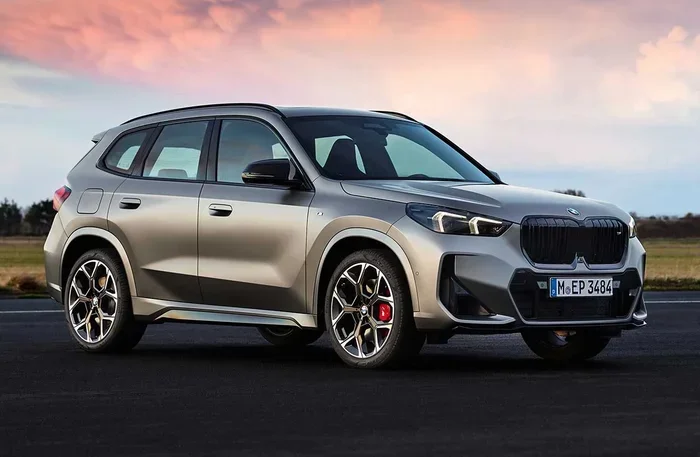
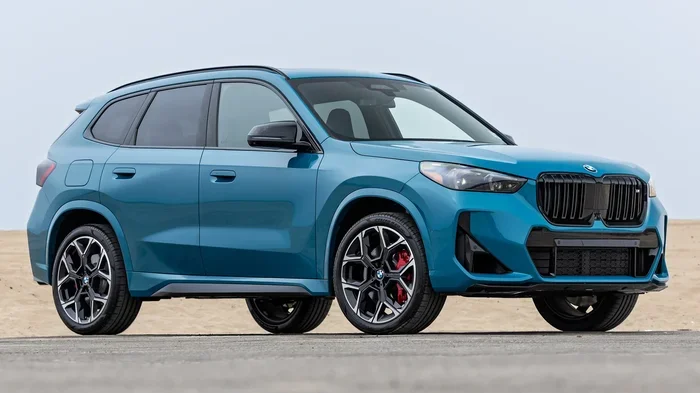
Adds over xDrive28i: M Sport suspension (lowered 15mm), M Sport brakes (blue calipers), 19-inch M wheels (20s optional), M Sport seats with greater bolstering, Anthracite headliner, M steering wheel, specific M exterior styling (mirrors, bumpers, quad exhaust tips), and the mechanical front LSD for true torque vectoring.
Packages And Options To Know
BMW keeps the options list relatively tight.
- Premium Package: Adds Head-Up Display, Harman Kardon sound, heated steering wheel, ambient lighting, and parking assistant plus (surround view cameras). Highly recommended.
- M Sport Package (on xDrive28i): Adds M steering wheel, M seats, 19-inch wheels, shadowline trim, and M suspension. Does not add the LSD or extra power.
- Convenience Package: Digital Key Plus (phone as key), enhanced wireless charging, comfort access.
How The X1 Fits In The BMW SUV Lineup
BMW has a crowded SUV showroom. Knowing where the X1 sits helps you decide if it is the right size for your life.
BMW X1 vs. BMW X2
The X2 is the “coupe” version of the X1. They share the same platform, engines, and wheelbase. The X2 has a sloping roofline, less rear headroom, less cargo space, and a higher price tag. It is purely a style choice. If you need utility, the X1 wins hands down.
BMW X1 vs. BMW X3
This is the most common cross-shop. The X3 is a compact SUV; the X1 is a subcompact SUV.
- Size: X3 is ~4.5 inches longer, 2 inches wider, 1 inch taller. Wheelbase is 2.8 inches longer.
- Space: X3 has genuine adult rear legroom and significantly more cargo volume (28.7 vs 27.1 cu ft behind 2nd row, but X3 expands to 62.7 vs 57.2 cu ft with seats folded).
- Engine: X3 xDrive30i uses the same 2.0L engine (255 hp). X3 M40i uses a 3.0L inline-six (382 hp) — a massive leap in refinement and power.
- Price: X3 starts ~$6,000 higher.
Verdict: If you regularly carry four adults or need max cargo flexibility, stretch for the X3. If it is mostly you + one passenger/kids + gear, the X1 is 90% of the car for 85% of the price.
BMW X1 vs. The Competition
| Model | Starting Price (Approx) | Horsepower (Base) | Cargo Behind 2nd Row | Standard AWD? |
|---|---|---|---|---|
| BMW X1 xDrive28i | $39,600 | 241 hp | 27.1 cu ft | Yes |
| Audi Q3 45 TFSI | $38,200 | 228 hp | 23.7 cu ft | Yes |
| Mercedes GLA 250 4MATIC | $39,600 | 221 hp | 15.4 cu ft | Yes |
| Volvo XC40 B5 AWD | $39,500 | 247 hp | 20.7 cu ft | Yes |
| Genesis GV70 2.5T AWD | $45,150 | 300 hp | 28.9 cu ft | Yes |
The X1 leads the segment in standard power and cargo space. The Genesis GV70 is the only one that truly outguns it on paper, but it starts significantly higher.
Reliability, Maintenance, And Ownership Costs
Buying a BMW means budgeting for maintenance. The X1 is generally considered one of the more reliable models in the lineup, especially this new generation which uses the proven B48 engine. This engine has been in use across the 2 Series, 3 Series, and X2 for years with few major issues.
Common Maintenance Items
- Oil Changes: Every 10,000 miles (BMW condition based service). Use LL-01 or LL-17FE+ approved 0W-20 or 0W-30 synthetic.
- Brake Fluid: Every 2 years.
- Coolant: Long-life, typically 100k+ miles, but check level often. Choosing the right coolant for your BMW vehicle is critical; stick to BMW HT-12 (blue/green) or approved equivalents.
- Brake Pads/Rotors: The DCT and heavy car eat brakes. Expect front pads around 30k-40k miles.
- Run-Flat Tires: Standard on most trims. They are expensive to replace and cannot be repaired easily if punctured. Many owners switch to non-run-flats and carry a mobility kit or spare. Learn more about what are BMW run-flat tires design benefits and care before deciding.
- Transmission Fluid: The 7-speed DCT is “lifetime fill” per BMW, but enthusiasts change it every 60k miles for longevity.
Warranty Coverage
Every new X1 comes with the standard BMW New Vehicle Limited Warranty: 4 years / 50,000 miles. This covers defects and includes BMW Ultimate Care (scheduled maintenance like oil changes and brake fluid) for 3 years / 36,000 miles. You can read the details on what does BMW Ultimate Care cover essential guide.
Reliability Data
Consumer Reports and J.D. Power typically rate the X1 as “Average” to “Above Average” for predicted reliability. The B48 engine is robust. The 7-speed DCT is proven. The electronics (iDrive 9) are new, so long-term data is pending, but BMW’s OS9 has been stable on the 7 Series and X7. Identifying the most reliable BMW models for longevity often highlights the X1 as a safe bet in the used market, and the new generation carries that torch.
Should You Buy A BMW X1 Right Now
This is the million-dollar question. Here is a checklist to help you decide.
Buy The X1 If:
- You want the cheapest entry into a new BMW SUV with standard AWD.
- You prioritize driving dynamics over isolated comfort.
- You love the new curved screen tech and modern minimalist interior.
- You need a vehicle that parks easily in cities but swallows Costco runs.
- You want a premium interior without the X3 price tag.
Look Elsewhere If:
- You need three rows (impossible in X1) or frequent adult rear passengers (look at X3 or which BMW SUV has three rows).
- You hate touchscreens and want physical climate controls (the X1 buries HVAC in the screen).
- You want a smooth, isolated “luxury” ride (the X1 is stiff/sporty, especially M35i).
- You want an inline-six engine (only X3 M40i and up offer that).
- You are sensitive to road noise (the X1 has improved, but it is still a compact car with frameless doors).
Quick Tips For The Buying Process
- Test drive both trims: The xDrive28i is plenty fast for 95% of drivers. The M35i is a different animal — louder, stiffer, sharper. Make sure you can live with the M35i ride daily.
- Check inventory for 2024 vs 2025: 2025 models may have minor packaging changes or price bumps. A leftover 2024 could be a deal.
- Negotiate off MSRP: The X1 is popular but not supply-constrained like an M3. Dealers often have wiggle room, especially on xDrive28i models.
- Skip the 20-inch wheels: They look great but ruin the ride quality and are pothole magnets. Stick to 18s or 19s.
- Get the Premium Package: The Head-Up Display and Harman Kardon system transform the cabin experience. It is the best value package.
Decoding The Name: What Does X1 Actually Mean
Ever wonder why it is called X1? BMW uses a logical alphanumeric system. The “X” denotes Sports Activity Vehicle (SAV) — their term for SUV. The number “1” denotes the size segment: the smallest in the X family. The “xDrive” suffix means all-wheel drive. The “28i” or “35i” roughly correlates to engine output displacement equivalence (historically). Understanding what do BMW numbers mean helps you navigate the whole lineup instantly.
Final Thoughts On The Current BMW X1
So, does BMW still make the X1? Yes, and they made it better than ever. The third generation fixes the identity crisis of the second generation. It drives like a BMW again. It looks like a mini X5. It has the best tech in the segment with the curved display and iDrive 9. It offers class-leading cargo space and standard all-wheel drive at a starting price that undercuts the German rivals.
It is not perfect. The ride is firm, the run-flats are annoying, and the lack of physical buttons frustrates some. But as a total package? It is the smartest way to get a new BMW SUV in your driveway today. If you have been holding off because you heard it was “just a Mini underneath,” go drive the new one. You will be surprised.
Frequently Asked Questions
Does BMW still make the X1 for the 2025 model year?
Yes, BMW continues production of the X1 for the 2025 model year. The third-generation model (U11 chassis) launched as a 2024 model and carries over into 2025 with minimal changes, offered in xDrive28i and M35i trims.
What is the starting price of a new 2024 BMW X1?
The 2024 BMW X1 xDrive28i starts at approximately $39,600 MSRP before destination charges. The performance-oriented M35i xDrive starts around $49,600. Prices exclude the $995 destination fee.
Is the BMW X1 front-wheel drive or all-wheel drive?
For the US market, the current third-generation BMW X1 comes standard with xDrive all-wheel drive on all trims. The front-wheel-drive sDrive variant is no longer offered in the United States.
What engine does the new BMW X1 have?
Both trims use a 2.0-liter TwinPower Turbo inline-four cylinder engine (B48). The xDrive28i produces 241 hp, while the M35i produces 312 hp. Both pair with a 7-speed dual-clutch automatic transmission.
How much cargo space does the BMW X1 have?
The 2024+ BMW X1 offers 27.1 cubic feet of cargo space behind the second row. With the rear seats folded flat, maximum capacity expands to 57.2 cubic feet, leading the subcompact luxury SUV segment.
Is the BMW X1 reliable?
The BMW X1 generally receives average to above-average reliability ratings. The current generation uses the proven B48 engine and 7-speed DCT, which have strong track records in other BMW models. Standard maintenance costs are higher than non-luxury brands.