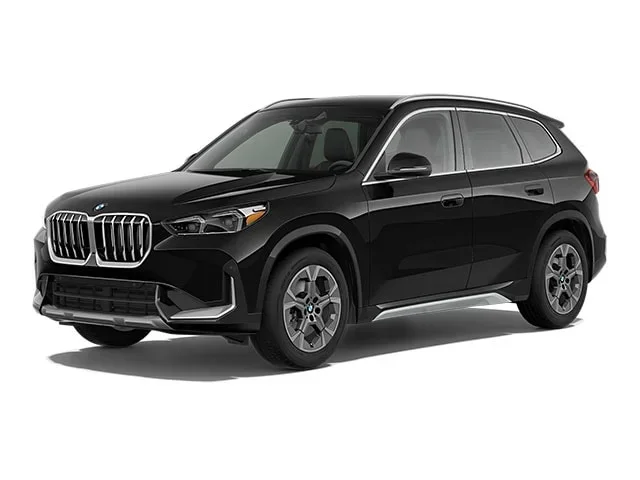
Featured image for BMW X1 on lift
Image source: offroadium.com
Can you lift a BMW X1? Absolutely. This guide covers everything you need to know about lifting your BMW X1, including the best lift kit types (spacers vs. coilovers), typical costs ranging from $300 to $2,500, and the impact on your BMW warranty coverage. We break down the pros like improved ground clearance and off-road capability against cons such as altered handling, potential drivetrain vibration, and accelerated wear on suspension components. You will learn critical installation tips, alignment necessities, and long-term maintenance advice to keep your lifted X1 running safely and reliably.
So, you own a BMW X1 and you are staring at a dirt road, a snowy driveway, or maybe just a steep speed bump, wondering if there is a way to get a little more height. The short answer is yes, you can lift a BMW X1. It is a popular modification among owners who want a more rugged look or need extra ground clearance for light off-roading and harsh winter conditions. However, because the X1 uses a unibody construction with a sophisticated multi-link rear suspension and often the xDrive all-wheel-drive system, lifting it is more complex than throwing a kit on a body-on-frame truck.
In this comprehensive guide, we will walk you through the specific kit types available, the real-world pros and cons, the hidden costs (like alignment and new tires), and the critical mechanical considerations you must understand before you start turning wrenches. Whether you drive an F48 (2016–2022) or the newer U11 (2023+), the principles remain similar, but the execution details matter immensely for your safety and your wallet.
Key Takeaways
- Yes, it is possible: You can lift a BMW X1 using either budget-friendly strut spacers or premium coilover systems.
- Two main kit types: Spacer lifts (1-2 inches) are cheaper and easier to install; coilover lifts (1-3 inches) offer better ride quality and adjustability.
- Warranty risks are real: Modifying the suspension can void your factory or CPO warranty on related components like the drivetrain and suspension.
- Alignment is mandatory: A professional four-wheel alignment is critical after installation to prevent uneven tire wear and handling issues.
- Drivetrain angles matter: Lifting changes CV axle angles, which can cause vibrations or premature wear on xDrive models.
- Tire size limits exist: You are limited by the wheel well size; rubbing on fender liners is common without trimming or offset wheels.
- Choose quality brands: Stick to reputable manufacturers to avoid safety hazards and premature failure of lift components.
📑 Table of Contents
- Understanding the BMW X1 Platform: Why Lifting Is Unique
- Types of Lift Kits Available for the BMW X1
- The Pros: Why Lift Your BMW X1?
- The Cons & Risks: What Nobody Tells You
- Critical Considerations Before You Buy
- Installation: DIY or Pro Shop?
- Top Lift Kit Brands for the BMW X1 (F48/U11)
- Maintenance and Long-Term Ownership After Lifting
- Real World Scenarios: Is It Worth It For You?
- Legal and Insurance Considerations
- Conclusion
Understanding the BMW X1 Platform: Why Lifting Is Unique
Before you buy a single bolt, you need to understand what you are working with. The BMW X1 is not a traditional SUV. Since the second generation (F48 chassis), it has been built on the UKL front-wheel-drive platform. This means it uses a unibody structure where the body and frame are one piece. The front suspension uses MacPherson struts, while the rear uses a multi-link independent setup.
This architecture is designed for sharp on-road handling, not articulation. When you lift a unibody vehicle, you are changing the geometry of the entire suspension system. The control arms, tie rods, and CV axles all operate on specific angles. Changing the ride height alters these angles, which affects everything from steering feel to drivetrain longevity. If you have the xDrive all-wheel-drive system, the front CV axles are particularly sensitive to angle changes.
F48 (2016–2022) vs. U11 (2023+): Know Your Chassis
Most lift kits on the market today are designed for the F48 chassis. The newer U11 chassis (2023+) has different strut mounting points and electronic suspension options (like M Adaptive Suspension) that make lifting trickier. Always verify the kit explicitly lists your exact model year and chassis code. Do not assume an F48 kit fits a U11 just because they look similar.
sDrive vs. xDrive: The Drivetrain Difference
If you have a front-wheel-drive sDrive model, lifting is mechanically simpler. You only have to worry about the front CV axles. If you have xDrive, you have a power take-off unit (PTU), a driveshaft running the length of the car, and a rear differential with CV axles. Lifting an xDrive model puts significant stress on the front CV joints because the inner joint plunge depth changes. This is the number one cause of drivetrain vibration after a lift.
Types of Lift Kits Available for the BMW X1
There are two primary ways to lift an X1: strut spacer lifts and coilover lifts. There is no “body lift” option because there is no separate frame to lift the body off of.

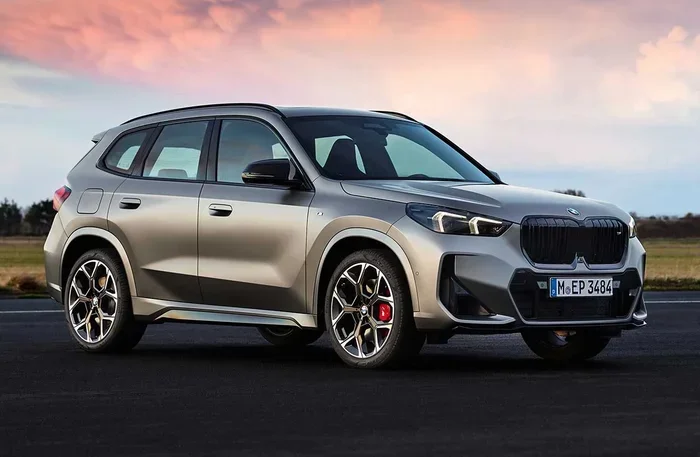
Visual guide about BMW X1 on lift
Image source: offroadium.com
1. Strut Spacer Lifts (Budget / Entry Level)
This is the most common route. These kits use precision-machined aluminum or high-density polyurethane spacers that sit on top of your factory front struts and rear springs.
- Height Gain: Typically 1 to 1.5 inches (sometimes marketed as 2 inches, but actual ride height gain is often less).
- Cost: $250 – $600 for the kit.
- Install Difficulty: Moderate. Requires a spring compressor for the front struts. Doable in a home garage with jack stands.
- Ride Quality: Retains factory ride quality mostly, but you lose some upward travel (droop). The suspension hits the bump stops sooner on big hits.
- Best For: Cosmetic stance, slight snow clearance, fitting slightly larger all-terrain tires (like 235/55R18 or 245/50R19).
2. Coilover Lift Kits (Performance / Adjustable)
These replace the entire front strut assembly and rear spring/shock with a height-adjustable unit. Brands like BILSTEIN (B8 5100 or B14), KW Suspension, or H&R offer application-specific kits.
- Height Gain: 1 to 3 inches, fully adjustable.
- Cost: $1,500 – $3,000+.
- Install Difficulty: High. Same labor as spacers but requires corner balancing and precise adjustment.
- Ride Quality: Can be tuned. High-end kits (KW, BILSTEIN) often improve handling over stock while providing lift. Cheap coilovers will ride terribly.
- Best For: Serious off-road use, towing, owners who want to dial in exact ride height and damping.
Comparison Table: Spacer Lift vs. Coilover Lift
| Feature | Strut Spacer Lift | Coilover Lift Kit |
|---|---|---|
| Typical Cost (Parts) | $300 – $600 | $1,500 – $3,000+ |
| Install Labor (Shop) | $400 – $800 | $600 – $1,200 |
| Ride Quality | Near Stock (Stiffer on bumps) | Tunable (Better or Worse) |
| Adjustability | None (Fixed) | Full Height & Damping |
| Suspension Travel | Reduced Droop | Maintained or Improved |
| CV Axle Stress (xDrive) | Moderate Increase | High Increase (at max height) |
| Best Use Case | Daily Driver / Light Snow | Overlanding / Heavy Duty |
The Pros: Why Lift Your BMW X1?
There are genuine benefits to a modest lift, provided you keep expectations realistic. This is still a crossover, not a Wrangler.

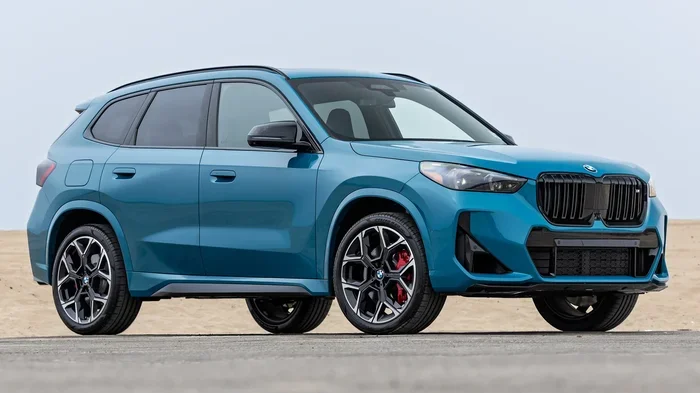
Visual guide about BMW X1 on lift
Image source: rdbase.jp
Increased Ground Clearance
The factory X1 sits around 7.2 to 7.5 inches of ground clearance. A 1.5-inch lift brings you closer to 9 inches. This makes a massive difference on rutted forest service roads, deep snow, or steep driveway aprons where the front bumper or plastic undertrays usually scrape.
Larger Tire Fitment
This is the biggest functional gain. Stock tires are often low-profile run-flats designed for pavement. A lift allows you to fit a taller sidewall tire (e.g., moving from a 50-series to a 55 or 60-series sidewall). More sidewall means:
– Better puncture resistance.
– Smoother ride over potholes.
– Ability to air down for sand/snow traction.
You can often fit a 235/55R18 or 245/50R19 on a 1.5-inch lift with minor fender liner trimming.
Improved Approach and Departure Angles
While the X1 has short overhangs, the front bumper valance and rear diffuser are low. A lift helps the approach angle significantly. Many owners combine a lift with an aftermarket steel bumper or simply remove the lower plastic air dam (though this hurts highway MPG and aerodynamics).
The “Overland” Aesthetic
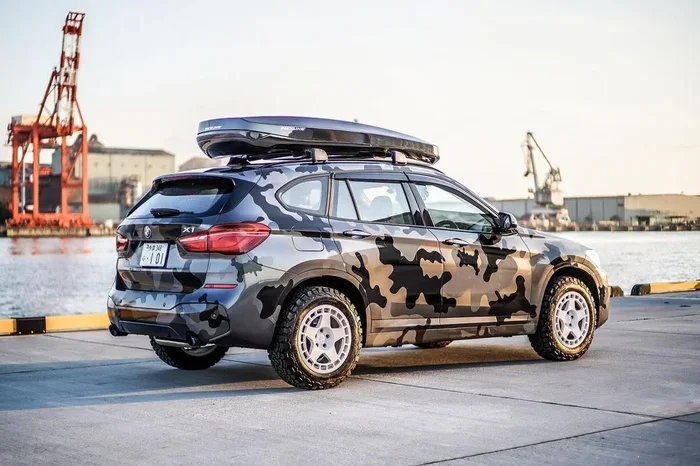
Let’s be honest: a lifted X1 on all-terrain tires with roof rails and a roof top tent looks fantastic. It transforms the car from a mall crawler into a legitimate adventure mobile.
The Cons & Risks: What Nobody Tells You
This is the most important section. Read it twice.

Visual guide about BMW X1 on lift
Image source: c1.staticflickr.com
1. Drivetrain Vibration (The “xDrive Shake”)
On xDrive models, the front CV axles have a specific operating angle. Lifting the suspension extends the axle, changing the angle of the inner CV joint. Even 1 inch can cause a noticeable vibration at highway speeds (60-75 mph) under light acceleration. This is often misdiagnosed as a wheel balance issue. It is actually the CV joint binding or “chattering” at its new extreme angle. There is no spacer fix for this. You either accept it, lower the car, or install drop brackets (which don’t really exist for the X1 platform yet).
2. Accelerated Wear on Suspension Components
You are effectively pre-loading the suspension. The control arm bushings, ball joints, and wheel bearings now operate at angles they weren’t designed for. Expect to replace front control arm bushings and wheel bearings more frequently. The rear multi-link arms also see increased stress.
3. Alignment Nightmares
You must get a professional four-wheel alignment immediately after installation. The rear camber and toe will be significantly out of spec. The front camber will go positive (top of tire leans out). If the shop cannot bring it back to spec (or close to it) using factory adjustments, you need adjustable control arms (which are rare/expensive for X1). Poor alignment destroys tires in 5,000 miles.
4. Warranty Implications
Under the Magnuson-Moss Warranty Act, a dealer cannot void your entire warranty just because you installed a lift. However, they can deny a claim on a specific component if they prove the lift caused the failure. If your front differential fails, or a CV axle snaps, or a wheel bearing dies, they will almost certainly deny coverage. If you have a BMW Certified Warranty or CPO coverage, think very hard before lifting. It is the fastest way to lose that safety net.
5. Handling and Stability Changes
You raise the center of gravity. The X1 handles well because it is low and wide. Lifting it increases body roll, reduces emergency maneuver stability, and increases stopping distances slightly due to taller/heavier tires. The Electronic Stability Control (DSC) is calibrated for stock height; it may intervene earlier or later than expected.
6. Brake Line and Sensor Strain
On the F48, the front brake lines and ABS wheel speed sensor wires have very little slack. A 1.5-inch lift often stretches them to their limit. You risk snapping an ABS wire (expensive sensor replacement) or stretching the brake hose (safety hazard). Many kits require you to zip-tie the lines to the side, but that is a band-aid. Proper extended brake lines are rarely included in budget kits.
Critical Considerations Before You Buy
Tire Selection: The Real Performance Upgrade
The lift kit is just hardware. The tires are what actually touch the ground. If you lift your X1 but keep the stock run-flat summer tires, you have gained almost zero off-road capability. You need All-Terrain (A/T) tires or at least rugged All-Season tires (like the Michelin CrossClimate 2 or Falken Wildpeak A/T Trail).
Critical Sizing Note: The X1 has a narrow wheel well. The “tall skinny” tire approach works best. Aim for a tire diameter increase of no more than 3% over stock to avoid speedometer errors and DSC interference. For 18-inch wheels, 235/55R18 is the sweet spot. For 19s, 245/50R19. Going to 255 width usually requires wheel spacers (bad idea on lifted unibody) or aggressive negative offset wheels (kills wheel bearings).
Wheel Offset and Backspacing
Stock X1 wheels are high positive offset (around +45 to +50). If you buy aftermarket wheels to “poke” the tires out for clearance, you move the load center outward. This destroys wheel bearings and puts massive leverage on the hub. Stick to offsets within 5mm of stock. If your tires rub the inner fender liner at full lock, trim the liner with a heat gun and utility knife. It takes 20 minutes and costs $0.
Run-Flat Tires vs. Standard Tires
Most X1s come with BMW run-flat tires. They have stiff sidewalls. If you switch to standard (non-run-flat) all-terrains, you must carry a spare tire or a repair kit. There is no spare well in the X1 trunk (it houses the battery or subwoofer). You will need a trunk-mounted spare or a high-quality plug kit and compressor. Also, your TPMS sensors need to be swapped to the new wheels.
The “Death Wobble” Myth vs. Reality
You will hear about “death wobble” on forums. True death wobble is a solid-axle phenomenon (Jeeps, trucks). The X1 has independent suspension. It cannot get death wobble. However, it can get a severe shimmy from worn control arm bushings, unbalanced tires, or the aforementioned CV axle vibration. Don’t panic; diagnose it systematically.
Installation: DIY or Pro Shop?
DIY Feasibility
If you have a floor jack, jack stands, impact gun, and a quality spring compressor (rent one from AutoZone/O’Reilly for free), you can install a spacer lift in a weekend. The rear springs are easy (open perch). The front struts require compressing the spring, removing the top hat, inserting the spacer, and reassembling.
Safety Warning: Strut springs store lethal energy. Never use the “hook” style compressors. Use the heavy-duty jaw-style compressors that clamp the coils. Wear safety glasses.
Professional Installation Costs
Expect 4–6 hours of labor. At $150/hr (independent BMW specialist) to $220/hr (dealer), that is $600–$1,300 in labor alone. Ask the shop upfront: “Do you have the alignment specs for a lifted X1?” If they look confused, leave. You need a shop that understands modified suspension geometry.
Required Additional Parts (Budget for These)
- Alignment: $150 – $250.
- New Hardware: Strut top nuts, strut-to-knuckle bolts, sway bar link nuts (often stretch bolts, single use). $50–$100.
- Extended Brake Lines / ABS Wire Extensions: $100–$200 (Highly recommended for lifts >1 inch).
- New Tires/Wheels: $1,000 – $2,500.
Top Lift Kit Brands for the BMW X1 (F48/U11)
Do not buy generic “universal” spacers on eBay/Amazon for $80. They are often cast aluminum (porous, weak) or the wrong thickness. Stick to brands that engineer specifically for the UKL platform. Based on community reputation (Bimmerfest, X1 forums, Bimmerpost):
- Subtle Solutions / LiftKits4Less: The go-to for precision CNC aluminum spacers. Excellent fitment, anodized finish, includes hardware. ~$350.
- BILSTEIN B8 5100 / B14: The gold standard for coilovers. Expensive but engineered by Germans for Germans. Ride quality is preserved.
- KW Suspension Variant 1 / Variant 3: Top-tier German engineering. Incredible adjustability. Pricey.
- H&R Springs / Coilovers: Good middle ground. Often TUV certified (German safety standard).
- Eibach PRO-LIFT-KIT: Newer entry. Spring-based lift (not spacers). Maintains full travel. Promising but less long-term data.
When sourcing parts, knowing proven BMW brands helps you avoid cheap knockoffs that fail prematurely.
Maintenance and Long-Term Ownership After Lifting
Your maintenance schedule changes. You are no longer “stock.”
Frequent Inspection Intervals (Every 5k Miles / Oil Change)
- Torque Check: Re-torque all suspension bolts (strut tops, knuckle bolts, control arms, sway bar links). Vibration loosens them.
- CV Boot Inspection: Check the front (and rear on xDrive) CV axle boots for tears. The increased angle stretches the boots, causing premature cracking. Catch a tear early, reboot the axle ($50), save the joint ($400).
- Brake Line Clearance: Verify brake lines and ABS wires are not rubbing on the spring perch or control arm.
- Tire Wear Pattern: Check for feathering (toe issue) or inside/outside wear (camber issue). Rotate tires every 5k miles religiously.
Annual Alignment
Even if it drives straight, get an alignment once a year. Suspension settles, bushings wear, and geometry shifts. This saves you money on tires.
Fluids and Filters
Lifting doesn’t change engine oil intervals, but if you actually go off-road (dust, water crossings), change your transfer case fluid (xDrive) and rear differential fluid more often (every 30k miles vs 60k). The PTU (Power Transfer Unit) on the F48 xDrive runs hot; clean fluid is its lifeblood. Also, check your BMW antifreeze/coolant level regularly, as the engine works harder at lower speeds off-road.
Real World Scenarios: Is It Worth It For You?
Scenario A: The “Colorado Winter” Daily Driver
You: Commute 30 miles highway, deal with 6 inches of unplowed snow, hit potholes in April.
Verdict: 1.5-inch Spacer Lift + 235/55R18 All-Weathers (Michelin CrossClimate 2). Best ROI. Keeps ride quality, clears snow, handles potholes better with taller sidewall. Low risk of CV vibration at 1 inch. Cost: ~$1,500 all-in.
Scenario B: The “Overland Build” Weekend Warrior
You: Roof top tent, fridge, recovery boards, driving Forest Service roads in Moab/Utah.
Verdict: BILSTEIN B14 or KW V3 Coilovers + 245/50R19 Wildpeak A/T Trails + Skid Plates. You need the damping control for loaded weight. You need the travel. Budget $5k+. Accept the CV vibration risk; carry a spare CV axle.
Scenario C: The “Stance / Look” Owner
You: Want the “Safari” look for Cars & Coffee. Never leave pavement.
Verdict: Spacer Lift + Aggressive Offset Wheels + All-Terrain Tires. Cheapest entry. But know this: you are ruining the handling BMW engineered for purely aesthetics. Your wheel bearings will fail early. Your tires will wear weird. Do it if it makes you happy, but know the mechanical cost.
Legal and Insurance Considerations
Check your local laws. Some states (like Pennsylvania, Virginia) have strict bumper height and headlight height laws. A lifted X1 might fail state inspection if the headlights are too high or the bumpers exceed max height. Also, notify your insurance company. If you don’t declare the modification and you total the car, they may deny the claim or pay out only stock value. A “modified car” endorsement is usually cheap ($50–$100/yr) and covers the parts.
Conclusion
So, can you lift a BMW X1? Yes, absolutely. It is a well-supported modification with several reputable kit options. A modest 1 to 1.5-inch spacer lift paired with quality all-terrain tires transforms the X1 into a genuinely capable soft-roader that handles snow, gravel, and potholes with newfound confidence.
However, this is not a bolt-on-and-forget upgrade. It introduces mechanical stress on the xDrive drivetrain, demands rigorous alignment maintenance, accelerates bushing wear, and likely complicates your warranty coverage. If you treat it like a serious modification—budgeting for the right parts, professional installation, alignment, tires, and ongoing inspections—you will love the result. If you cut corners with cheap spacers, skip the alignment, and keep run-flats, you will hate the ride, destroy tires, and risk safety.
Know your chassis (F48 vs U11), know your drivetrain (sDrive vs xDrive), define your actual use case, and buy once, cry once. The X1 is a brilliant little chassis; treat it with respect, and it will take you places the brochure never promised.
Frequently Asked Questions
Will lifting my BMW X1 void the warranty?
It will not void your entire warranty, but it gives the dealer grounds to deny claims on suspension, drivetrain, and steering components. If a lifted X1 suffers a CV axle or wheel bearing failure, the repair will likely be on your dime. Always check your BMW warranty coverage details before modifying.
What is the maximum safe lift height for a BMW X1?
For the F48/X1 platform, 1.5 inches is widely considered the “safe” limit for daily driving on xDrive models. Beyond 2 inches, CV axle angles become extreme, causing severe vibration and rapid joint failure. Coilover kits allow up to 3 inches, but at max height, they are for off-road use only, not daily highway driving.
Do I need longer brake lines when lifting an X1?
For lifts over 1 inch, yes. The factory brake hoses and ABS sensor wires have minimal slack. At 1.5 inches, they are often taut at full droop. Extended stainless steel brake lines and ABS wire extension harnesses are cheap insurance against a snapped line or sensor wire.
Can I lift a BMW X1 with the M Sport suspension?
Yes, but M Sport models sit lower (approx 10-15mm lower) and have stiffer springs/dampers. A standard spacer lift will net you slightly less actual height gain than on a non-M Sport model. Ensure the spacer kit specifies compatibility with M Sport struts (the top hat diameter can differ).
What size tires fit a lifted BMW X1 without rubbing?
On a 1.5-inch lift with stock wheels: 235/55R18 (on 18s) or 245/50R19 (on 19s) usually fit with minor fender liner trimming at full lock. 255 width typically rubs the inner fender liner or strut body without low-offset wheels, which are not recommended. Always measure your specific wheel offset.
Is a spacer lift bad for my BMW X1’s handling?
A spacer lift slightly raises the center of gravity and reduces droop travel, leading to more body roll and a harsher hit on large bumps (bottoming out). However, for 1-1.5 inches, the difference on the street is barely perceptible to most drivers. The bigger handling change comes from switching to heavier all-terrain tires, which dull steering response.