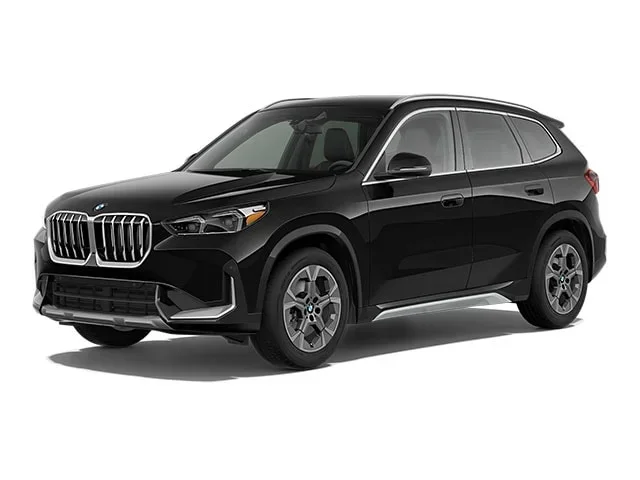
Featured image for 2015 BMW X1 exterior
Image source: parkers-images.bauersecure.com
The 2015 BMW X1 xDrive28i earns praise for its sporty handling and premium interior, but owners flag the N20 engine timing chain and run-flat tire costs as key concerns. This guide breaks down real-world feedback so you can buy with confidence.
Shopping for a used luxury crossover can feel like walking a tightrope. You want the badge, the driving feel, and the features, but you also need a vehicle that won’t bankrupt you at the repair shop. If you have been researching what people say about 2015 bmw x1 xdrive28i models, you have likely found a mix of glowing reviews and scary forum threads. This guide cuts through the noise. We gathered data from owner forums, reliability surveys, mechanic insights, and long-term tests to give you the full picture. By the end, you will know exactly what to inspect, what to budget for, and whether this BMW fits your life.
Key Takeaways
- Agile handling wins fans: Drivers consistently rate the steering and chassis dynamics as best-in-class for a subcompact SUV.
- N20 timing chain risk is real: Early production models may suffer timing chain guide failure; verify repair history before buying.
- Run-flat tires add expense: Replacements cost more and ride harsher; many owners switch to non-run-flats with a spare kit.
- Maintenance runs above average: Budget $1,000–$1,500 annually for fluids, brakes, and BMW-specific services.
- CPO warranty adds peace of mind: Certified Pre-Owned coverage extends key components to 100,000 miles.
- Cargo space is tight: Rear legroom and trunk volume trail rivals like the Audi Q3 and Mercedes GLA.
- Resale value holds well: Strong brand demand keeps used prices firm compared to non-luxury crossovers.
📑 Table of Contents
- Quick Overview of the 2015 BMW X1 xDrive28i
- What Owners Love About the 2015 X1
- Common Complaints and Known Issues
- Reliability and Maintenance Costs
- Buying Used: CPO vs. Private Party
- How It Compares to Key Rivals
- Expert Tips for a Happy Ownership Experience
- Frequently Asked Questions
- Final Verdict: Should You Buy a 2015 BMW X1 xDrive28i?
Quick Overview of the 2015 BMW X1 xDrive28i
The 2015 model year marked the end of the first generation (E84) X1. It sits on a modified 3 Series platform, which means it drives more like a car than a tall SUV. The xDrive28i badge signals all-wheel drive and a 2.0-liter turbocharged four-cylinder engine. That engine, the N20, produces 240 horsepower and 260 lb-ft of torque. An eight-speed automatic is standard. BMW sold this as a “Sports Activity Vehicle,” and the chassis tuning backs that claim up. It is smaller than the X3, making it easier to park, but that also means less rear-seat room.
Standard equipment includes leatherette upholstery, a power tailgate, panoramic moonroof, and the iDrive 6.0 infotainment system with a 6.5-inch screen. Optional packages added navigation, heated seats, parking sensors, and the M Sport appearance kit. Safety scores were solid for the era, with four stars overall from NHTSA and “Good” ratings in most IIHS tests. The small footprint and high seating position give good visibility, a trait owners still appreciate today.
What Owners Love About the 2015 X1
Driving Dynamics That Feel Like a BMW
Ask any owner what keeps them loyal, and the answer is almost always the steering. The hydraulic-assist rack (electric came in the next generation) delivers genuine feedback. Body roll is minimal for a high-riding vehicle. The xDrive system defaults to a 40/60 front/rear split but can send 100 percent of torque to either axle. In snow or rain, owners report confident traction without the “nervous” feel of some haldex-based competitors. The eight-speed ZF transmission shifts quickly and holds gears in corners when you use the paddle shifters.

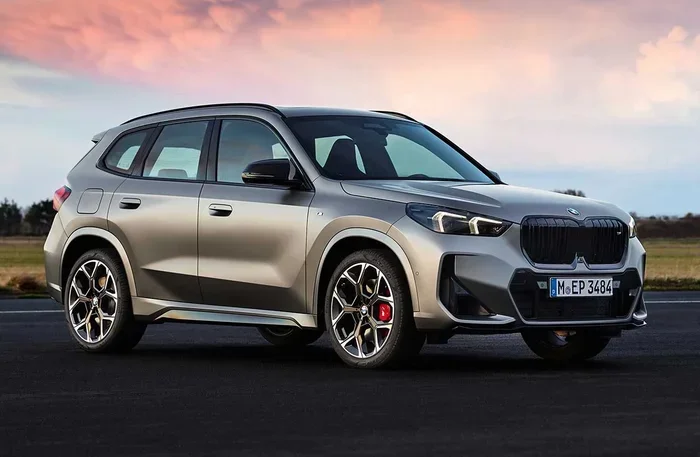
Visual guide about 2015 BMW X1 exterior
Image source: cdn.bmwblog.com
Engine Performance in Daily Driving
The N20 engine punches above its displacement. Turbo lag is minimal thanks to a twin-scroll turbocharger. Zero-to-sixty arrives in about 6.1 seconds, which feels quick in city traffic. Passing power on the highway is strong from 2,000 to 5,000 rpm. Fuel economy averages 22 mpg combined, which is respectable for all-wheel drive and a turbo engine. Many owners note they can exceed EPA estimates on long highway trips if they resist the urge to use Sport mode constantly.
Interior Quality and Ergonomics
Materials feel premium. Soft-touch plastics cover the upper dash and door panels. The switchgear has a satisfying click. Front seats are supportive for long drives, especially with the optional lumbar adjustment. The driving position is low and car-like, not perched up like in many crossovers. iDrive 6.0 uses a rotary controller that is intuitive once learned. Voice recognition works well for navigation and phone commands. Apple CarPlay was not factory standard but can be added via aftermarket modules or a software update on compatible units.
Practicality for Urban Life
The compact footprint shines in tight parking garages and narrow streets. The turning circle is 36.7 feet, tighter than many sedans. The rear seats fold 40/20/40, expanding cargo space from 27.6 to 58.7 cubic feet. The low load floor makes hauling groceries or luggage easy. Owners who live in cities often cite this maneuverability as the top reason they chose the X1 over an X3 or Q5.
Common Complaints and Known Issues
N20 Timing Chain Guide Failure
This is the elephant in the room. The N20 engine uses a timing chain tensioner with a plastic guide rail that can become brittle and fracture. If the guide breaks, the chain can skip or snap, causing catastrophic engine damage. BMW issued a technical service bulletin and extended the warranty on this component to 7 years or 70,000 miles (later updated to 100,000 miles in some regions). However, many 2015 models are now outside that window. Symptoms include a rattling noise on cold start, check engine light with codes for camshaft correlation, or rough idle. Always ask for proof of timing chain service before purchasing. A pre-purchase inspection by a BMW specialist is non-negotiable.
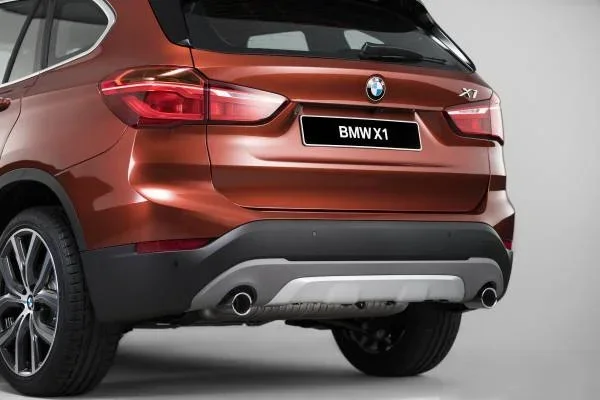
Visual guide about 2015 BMW X1 exterior
Image source: mediapool.bmwgroup.com
Oil Filter Housing and Valve Cover Gasket Leaks
The N20 is prone to oil leaks at the filter housing gasket and the valve cover gasket. The valve cover integrates the PCV valve, so a leak there can also cause vacuum issues and rough running. Replacing the valve cover is a several-hundred-dollar job in parts alone. Check the underside of the engine for fresh oil residue during your inspection.
Coolant System Components
BMW cooling systems are maintenance items, not lifetime parts. The electric water pump and thermostat often fail between 60,000 and 90,000 miles. The expansion tank can crack. Overheating an aluminum engine is a fast way to a blown head gasket. If the service history doesn’t show a cooling system refresh, budget $800–$1,200 for preventive replacement. Using the correct fluid is critical; you can learn more about choosing the right coolant for your BMW vehicle to avoid corrosion and electrolysis issues.
Run-Flat Tire Expenses and Ride Quality
The 2015 X1 came standard with run-flat tires and no spare. Owners frequently complain about the harsh ride over potholes and the high replacement cost—often $300+ per tire for OEM sizes. Many switch to non-run-flat performance tires and carry a mobility kit or compact spare. This improves ride comfort and lowers cost per set. If you keep run-flats, inspect sidewalls regularly for bubbles or cracks caused by pothole impacts. For a deeper dive on the pros and cons, see our guide on what are BMW run-flat tires design benefits and care.
Electrical Gremlins
Common electrical complaints include:
- Frunk (front trunk) release actuator failure.
- Tailgate sensor issues preventing hands-free opening.
- iDrive screen delamination or pixel failure.
- Bluetooth pairing drops after phone OS updates.
Most are annoyances rather than safety hazards, but repair labor at a dealer can be pricey.
Sunroof Drain Clogs
The panoramic sunroof has four drain tubes that route water down the A- and C-pillars. Debris clogs these tubes, causing water to leak onto the headliner or into the footwells. Clearing them is a DIER job with compressed air, but neglect can lead to mold and electrical corrosion in the footwell modules.
Reliability and Maintenance Costs
What the Data Shows
Consumer Reports gives the 2015 X1 a below-average predicted reliability score, largely due to engine and electrical categories. J.D. Power rated it 3 out of 5 for dependability. RepairPal estimates an average annual repair cost of $915, higher than the $652 average for luxury compact SUVs. The frequency of unscheduled repairs is 0.7 times per year versus 0.4 for the segment. These numbers reflect the N20 growing pains and the cost of BMW parts and labor.

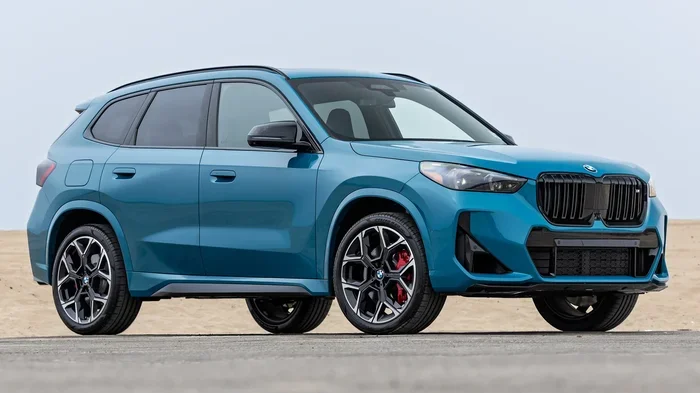
Visual guide about 2015 BMW X1 exterior
Image source: platform.cstatic-images.com
Scheduled Maintenance Breakdown
BMW Condition Based Service (CBS) monitors oil life, brake pads, and fluid intervals. Typical service costs at an independent shop:
- Synthetic oil change (every 10k miles): $120–$180.
- Brake fluid flush (every 2 years): $150–$200.
- Coolant flush (every 4 years): $250–$350.
- Spark plugs (every 60k miles): $300–$450.
- Transfer case & differential fluids (every 60k): $250–$350.
- Front & rear brake pads/rotors (50k–70k): $600–$1,000 per axle.
Dealership prices run 30–50 percent higher. Finding a reputable independent BMW shop saves significant money over the long term. Understanding what does BMW service include helps you budget accurately and avoid upsells.
DIY-Friendly Tasks
Enthusiasts with basic tools can handle:
- Engine air filter and cabin microfilter replacement.
- Battery registration (requires a scanner like BimmerCode or Carly).
- Sunroof drain cleaning.
- Windshield wiper blades and washer fluid.
Doing these yourself can save $300–$500 per year.
Buying Used: CPO vs. Private Party
Certified Pre-Owned Advantages
BMW’s CPO program covers the vehicle up to 100,000 miles from the original in-service date with a $50 deductible. It includes the timing chain components, turbocharger, high-pressure fuel pump, and most electrical modules. The inspection checklist is 150+ points. CPO cars also come with 24/7 roadside assistance and a free vehicle history report. For a 2015 model, CPO eligibility is expiring soon, so verify the in-service date carefully. The peace of mind is worth the $1,500–$2,500 premium over a non-CPO example. More details on coverage can be found in our article on BMW certified warranty essential coverage.
Private Party Inspection Checklist
If buying privately, bring a mechanic or use a mobile inspection service. Focus on:
- Cold-start rattle (listen for 10 seconds after overnight sit).
- Oil leaks at filter housing, valve cover, oil pan.
- Coolant level and condition (should be blue-green, not brown).
- Brake pad thickness and rotor lip.
- Tire tread depth and matching brands/models.
- All electronics: windows, locks, seats, climate, infotainment, cameras.
- Service records: look for oil changes every 8k–10k miles, not the 15k CBS max.
- VIN check for open recalls (passenger airbag inflator, fuel pump, etc.).
Market Pricing (2024 Snapshot)
Clean-title, 80k–100k mile examples list for $14,000–$18,000. Lower mileage (40k–60k) CPO units ask $20,000–$23,000. M Sport packages add $1,000–$1,500. Prices have softened from 2022 peaks but remain elevated due to limited supply of well-maintained units.
How It Compares to Key Rivals
Cross-shopping is essential. Here is how the 2015 X1 stacks up against its main competitors.
| Feature | 2015 BMW X1 xDrive28i | 2015 Audi Q3 2.0T Quattro | 2015 Mercedes GLA 250 4MATIC | 2015 Volvo XC60 T5 AWD |
|---|---|---|---|---|
| Engine | 2.0T I4 (240 hp) | 2.0T I4 (200 hp) | 2.0T I4 (208 hp) | 2.5T I5 (250 hp) |
| 0-60 mph | 6.1 sec | 7.1 sec | 6.9 sec | 6.5 sec |
| Combined MPG | 22 | 23 | 24 | 21 |
| Cargo Space (seats up) | 27.6 cu ft | 16.7 cu ft | 17.2 cu ft | 30.5 cu ft |
| Rear Legroom | 35.4 in | 36.1 in | 34.6 in | 36.5 in |
| Reliability Reputation | Below Average | Average | Average | Above Average |
| Driving Feel | Sporty, Engaging | Composed, Safe | Comfort Oriented | Relaxed, Safe |
| Typical Used Price | $14k–$23k | $13k–$20k | $13k–$21k | $15k–$22k |
The X1 wins on driving engagement and cargo space behind the front seats. The Q3 feels more refined but slower. The GLA rides better but has a cramped rear seat and tiny trunk. The XC60 is larger, safer, and more reliable but less agile and thirstier. Your priority list decides the winner.
Expert Tips for a Happy Ownership Experience
Find a Specialist Before You Buy
Do not wait for a breakdown to find a shop. Join local BMW forums or Facebook groups and ask for independent mechanic recommendations. A shop that sees 20 BMWs a week will diagnose faster and charge less than a generalist.
Use Quality Parts
Stick to OEM or top-tier aftermarket brands (Mann, Mahle, Lemforder, Bosch, Continental). Cheap control arms, water pumps, or sensors fail quickly and cost more in labor to redo.
Register the Battery
If you replace the AGM battery yourself, you must register it to the car’s Digital Motor Electronics (DME) so the charging profile adapts. Skipping this kills the new battery in months. A $50 Bluetooth adapter and the BimmerLink app handle this in your driveway.
Refresh Fluids Early
If service history is spotty, change all fluids immediately: oil, coolant, brake, transmission, transfer case, differentials. It establishes a baseline and prevents the “previous owner neglected it” cascade of failures.
Join the Community
Forums like BimmerFest, X1World, and the BMW subreddit have model-specific sticky threads for DIY guides, common fault codes, and vendor discounts. The collective knowledge saves thousands.
Frequently Asked Questions
Is the 2015 BMW X1 xDrive28i reliable?
It has below-average reliability ratings mainly due to the N20 timing chain and cooling system issues. With proactive maintenance and a verified timing chain repair, it can be dependable, but budget higher than for a Japanese rival.
What is the most common problem on the 2015 X1?
The N20 engine timing chain guide failure is the most severe and discussed issue. Oil leaks at the valve cover and filter housing, plus electric water pump failures, are also very common.
Does the 2015 X1 require premium fuel?
Yes, BMW recommends 91 octane or higher. Using regular can cause knock retard, reduced power, and potential long-term carbon buildup on the direct-injection valves.
How long will a 2015 X1 last?
With diligent maintenance, the N20 engine and drivetrain can exceed 200,000 miles. The limiting factor is usually the cost of electronic module failures and suspension refreshes rather than the engine itself.
Can I put regular tires on a 2015 X1 instead of run-flats?
Yes, most owners switch to non-run-flat tires for better ride and lower cost. You must carry a tire repair kit or purchase a compact spare kit, as there is no factory spare well.
Is the 2015 BMW X1 good in snow?
With xDrive and a set of dedicated winter tires, it performs excellently in snow. The near 50/50 weight distribution and low center of gravity help stability. All-season run-flats are significantly worse in deep snow.
Final Verdict: Should You Buy a 2015 BMW X1 xDrive28i?
The 2015 BMW X1 xDrive28i remains a compelling used luxury crossover for drivers who prioritize handling and brand cachet over rear-seat space and low running costs. The N20 engine delivers punchy performance, and the chassis feels alive in a way few crossovers do. However, the timing chain issue is a genuine financial risk if it hasn’t been addressed. Go in with eyes open: verify the repair history, budget for preventive cooling system work, and factor in higher tire and brake costs. If you find a well-documented example—ideally CPO—and you maintain it proactively, the X1 rewards you with a driving experience that cheaper rivals simply cannot match. If that risk profile makes you nervous, a Certified Pre-Owned Audi Q3 or a well-kept Volvo XC60 offers more peace of mind per dollar. Choose the X1 for the smile factor; choose the others for the spreadsheet factor. Either way, get a thorough pre-purchase inspection. Your wallet will thank you.