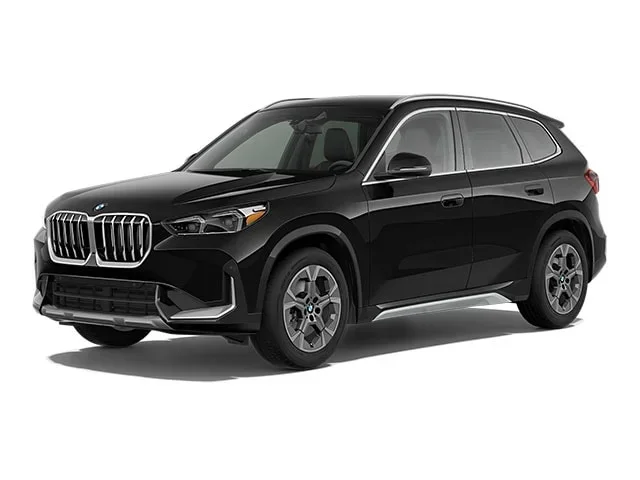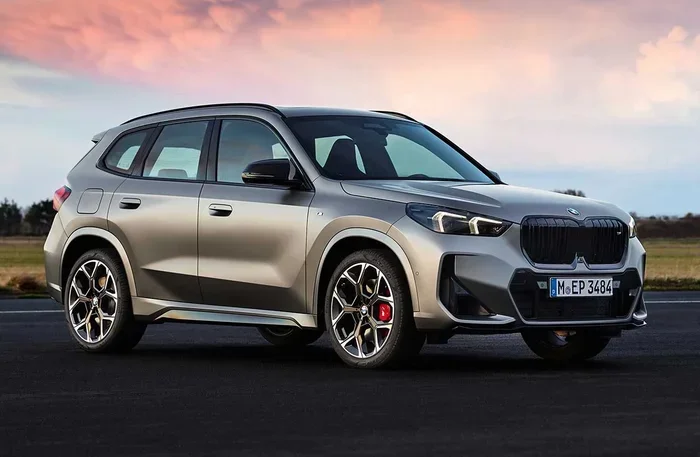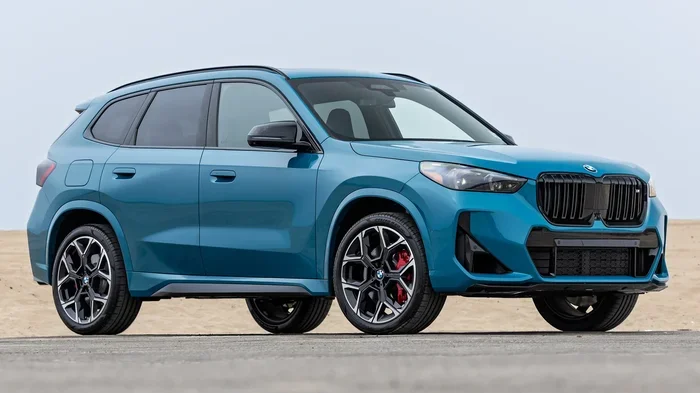
Featured image for 2019 BMW X1 SUV exterior
Image source: platform.cstatic-images.com
Are BMW 2019 X1 out yet? Absolutely. The 2019 BMW X1 arrived at dealerships in late 2018 as a 2019 model year vehicle. This guide covers everything you need to know about the release timeline, engine specs, trim levels, common issues, and essential maintenance tips to help you buy or maintain this popular subcompact luxury crossover with confidence.
If you have been searching for a used luxury crossover, you have likely asked yourself, are BMW 2019 X1 out yet? The short answer is a definite yes. The 2019 model year marked the second year of the second generation (F48 chassis), and it hit showroom floors back in November 2018. Because they have been on the road for a while now, you are not looking at a new car release; you are looking at a very compelling used car opportunity. This article breaks down the release history, technical specs, trim differences, reliability data, and maintenance reality of the 2019 X1 so you can make a smart decision.
Key Takeaways
- Release Timing: The 2019 BMW X1 officially launched in November 2018, so it has been widely available on the used market for several years.
- Powertrain Unity: All 2019 trims (sDrive28i and xDrive28i) use the same 2.0L TwinPower Turbo 4-cylinder engine producing 228 horsepower.
- Drivetrain Choice: Buyers choose between front-wheel drive (sDrive) and all-wheel drive (xDrive), impacting price, weight, and fuel economy.
- Reliability Profile: The 2019 model benefits from the mature F48 platform, generally scoring above average for reliability, though coolant leaks and electrical glitches occur.
- Maintenance is Key: Sticking to the Condition Based Service (CBS) schedule for oil, brakes, and coolant is critical for longevity.
- Run-Flat Tires: Most models come standard with run-flat tires, offering safety benefits but a stiffer ride and higher replacement cost.
- Certified Pre-Owned Value: A BMW Certified Pre-Owned unit adds a strong warranty extension, making it a safer used purchase.
📑 Table of Contents
- The Short Answer: Yes, The 2019 BMW X1 Is Out And Available
- Understanding The 2019 BMW X1 Release Timeline And Generations
- Key Specs And Trim Levels: sDrive28i Vs xDrive28i
- What Makes The 2019 X1 A Good Used Buy?
- Common Issues And Maintenance Reality Check
- Essential Maintenance Schedule For The 2019 X1
- Buying A Used 2019 BMW X1: Step-By-Step Checklist
- Certified Pre-Owned (CPO) Vs Private Party
- Real World Ownership Costs (Yearly Estimates)
- Comparing The 2019 X1 To Rivals
- Frequently Overlooked Features And Quirks
- Expert Insight: The “Sweet Spot” Configuration
- Conclusion
The Short Answer: Yes, The 2019 BMW X1 Is Out And Available
Let’s clear the air immediately. The 2019 BMW X1 is not a future release. It is a past release. BMW followed its standard schedule of launching new model years in the late fall of the previous calendar year. Production for the 2019 X1 began in September 2018 at the Regensburg plant in Germany. The first units arrived at US dealerships in November 2018.
This means every single 2019 X1 you see on the road today is a used vehicle. This is actually good news for buyers. The steepest depreciation hit has already happened. You can now get a well-equipped, luxury German SUV for a fraction of its original MSRP, which started around $35,000 for the base sDrive28i and climbed to roughly $37,000 for the xDrive28i before options.
Understanding The 2019 BMW X1 Release Timeline And Generations
To understand where the 2019 model fits, you need to know the generation history. The X1 entered its second generation (chassis code F48) for the 2016 model year. This was a massive shift. The first generation (E84) was built on a rear-wheel-drive platform. The F48 switched to the UKL front-wheel-drive architecture shared with the Mini Countryman and BMW 2 Series Active Tourer.
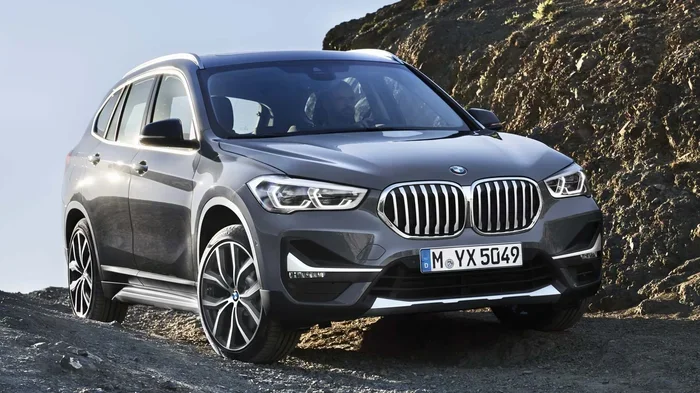
Visual guide about 2019 BMW X1 SUV exterior
Image source: espirituracer.com
Why The 2019 Model Year Matters
The 2019 model year is often considered a “sweet spot” in the F48 lifecycle. It received a minor refresh for 2018 (new kidney grille design, standard LED headlights, updated iDrive 6.0 with touchscreen capability). The 2019 model carried these updates forward with very few changes. This means you get the modern tech and styling without the first-year quirks of the 2016 launch.
- 2016: Generation launch (F48). New platform, new engines.
- 2018: Life Cycle Impulse (LCI) refresh. New front fascia, standard LED lights, gesture control available, Apple CarPlay added.
- 2019: Carryover year. Stable, proven hardware. Digital instrument cluster added as standard on some trims late in production.
- 2020: Minor updates, new M35i performance variant introduced.
Buying a 2019 means you avoid the early 2016-2017 teething issues (like some rough transmission software) but you get the updated infotainment and lighting from the 2018 refresh.
Key Specs And Trim Levels: sDrive28i Vs xDrive28i
The 2019 X1 lineup was simple. There were only two main trim designations based on the drivetrain. Both used the exact same engine: the B48 2.0-liter TwinPower Turbo inline-4. This engine is a workhorse. It produces 228 horsepower at 5,000 rpm and 258 lb-ft of torque from 1,450 to 4,500 rpm. It pairs exclusively with an 8-speed Steptronic automatic transmission.

Visual guide about 2019 BMW X1 SUV exterior
Image source: motortrend.com
BMW X1 sDrive28i (Front-Wheel Drive)
This was the entry-level model. “sDrive” is BMW marketing speak for front-wheel drive (FWD). Because it lacks the transfer case, driveshaft, and rear differential of the all-wheel-drive system, it is lighter (approx. 3,549 lbs vs 3,759 lbs) and slightly more fuel-efficient.
- EPA Fuel Economy: 24 mpg City / 33 mpg Highway / 27 mpg Combined.
- 0-60 mph: ~6.3 seconds.
- Pros: Lower purchase price, better gas mileage, lighter steering feel, more front legroom (no driveshaft tunnel).
- Cons: Torque steer under hard acceleration, less traction in snow/ice, cannot handle as much power if you tune it later.
BMW X1 xDrive28i (All-Wheel Drive)
This is the volume seller. “xDrive” is BMW’s all-wheel-drive system. On the F48 platform, it is a front-biased system. Under normal driving, 100% of power goes to the front wheels. When slip is detected, an electro-hydraulic clutch pack engages the rear axle almost instantly.
- EPA Fuel Economy: 23 mpg City / 31 mpg Highway / 26 mpg Combined.
- 0-60 mph: ~6.1 seconds (better launch traction).
- Pros: Superior wet/snow traction, better resale value in northern states, more confident handling in rain.
- Cons: Heavier, slightly worse MPG, more complex/expensive to repair (transfer case fluid changes), slightly less rear footwell space.
Standard Equipment Highlights (Both Trims)
Even the base 2019 X1 was well-equipped. Standard features included:
- LED Headlights with automatic high beams.
- 8.8-inch iDrive 6.0 display with touchscreen and navigation.
- Apple CarPlay (subscription-based at the time, now often unlocked).
- Rearview camera and Park Distance Control (rear sensors).
- 40/20/40 split-folding rear seats.
- Panoramic moonroof.
- Power tailgate.
- SensaTec (premium vinyl) upholstery.
Popular Packages To Look For
When shopping used, the packages matter more than the trim badge. Look for these codes on the window sticker or VIN decode:
- Premium Package: Heated front seats, heated steering wheel, head-up display, Comfort Access (keyless entry), satellite radio, wireless charging. Highly recommended.
- Driving Assistance Package: Active Blind Spot Detection, Lane Departure Warning, Speed Limit Info, Cross-traffic alert rear. Great safety value.
- M Sport Package: 19-inch M wheels, sport seats, M steering wheel, aerodynamic kit, shadowline trim, sport suspension (lower/stiffer). Looks best, rides firmer.
- Technology Package: Head-up display, gesture control, wireless charging, enhanced Bluetooth, WiFi hotspot. Often bundled with Premium.
What Makes The 2019 X1 A Good Used Buy?
Depreciation is the buyer’s best friend. A 2019 X1 originally stickered for $35k-$45k depending on packages. Today, clean examples typically trade between $20,000 and $28,000 depending on mileage, condition, and drivetrain. That represents a massive value proposition.
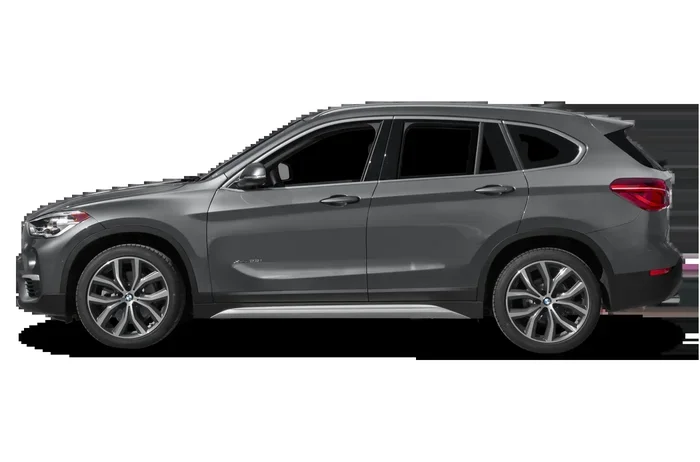
Visual guide about 2019 BMW X1 SUV exterior
Image source: platform.cstatic-images.com
Space And Practicality
Don’t let the “subcompact” label fool you. The F48 platform maximizes interior volume. The rear seats slide fore/aft (4.7 inches of travel) and recline. With seats up, you get 27.1 cubic feet of cargo space. With seats folded, it expands to 58.7 cubic feet. That rivals some compact SUVs. The wide tailgate opening and low load floor make it genuinely useful for Costco runs or dog duty.
Driving Dynamics
Despite the FWD architecture, it drives like a BMW. The steering is quick and weighted nicely. The 8-speed transmission is smooth and responsive. The xDrive system provides genuine security in foul weather. It feels planted, not top-heavy. It is genuinely fun to drive on a back road, which is rare for this segment.
Reliability And Longevity
The B48 engine is part of BMW’s modular B-series engine family. It features a closed-deck block, forged crankshaft, and timing chain (not belt). It is widely regarded as one of BMW’s most reliable modern engines. The ZF 8HP transmission is also bulletproof with proper fluid changes. According to consumer data, the 2019 X1 ranks well above average for predicted reliability among luxury subcompact SUVs. For a broader look at how this model stacks up against the lineup, check our guide on identifying the most reliable BMW models for longevity.
Common Issues And Maintenance Reality Check
No car is perfect. The 2019 X1 has known weak points. Knowing them lets you inspect smarter and budget for maintenance.
1. Coolant System Leaks (The Big One)
This is the number one headache on the B48 engine. The plastic coolant outlet housing (thermostat housing) on the front of the engine block becomes brittle over heat cycles. It cracks and leaks. The water pump is electric and can also fail. If you see low coolant warnings or smell sweet syrup odor, investigate immediately. Overheating the B48 warps the cylinder head fast. Always use the correct BMW specified coolant (HT-12 / Green G48)—never universal green or orange Dexcool. Mixing coolant types creates sludge that kills water pumps.
2. Oil Filter Housing Gasket Leaks
The oil filter housing sits on top of the engine. The gasket between the housing and the block shrinks and leaks oil down the front of the engine. It often mimics a valve cover gasket leak. It is a moderate DIY job or a few hours of labor at a shop. Check the front of the engine block for seepage during a pre-purchase inspection.
3. Valve Cover / PCV System
The valve cover integrates the PCV (Positive Crankcase Ventilation) diaphragm. On the B48, this diaphragm can rupture. Symptoms include a whistling noise from the engine, rough idle, check engine light (lean codes), and excessive oil consumption. The fix is replacing the entire valve cover assembly (it’s a sealed unit).
4. Electrical Gremlins
- Frunk/Trunk Water Ingress: Check the spare tire well for water. The taillight gaskets or tailgate seal can leak. Water kills the electronics modules mounted in the rear cargo area (often the amplifier or liftgate module).
- iDrive Freezing: Early iDrive 6.0 units can lag or freeze. A software update usually fixes it.
- Battery Drain: The 2019 has many control modules. If the car sits for weeks, the battery dies. Register a new battery properly (coding) or the charging profile will be wrong, killing the new battery fast.
5. Suspension And Steering
Control arm bushings (front lower) wear out around 50k-70k miles, causing clunks over bumps and vague steering. The electric power steering rack can develop a “notchy” feel or clunk. M Sport suspension wears faster due to stiffer bushings.
6. Run-Flat Tire Considerations
Almost all 2019 X1s left the factory on BMW run-flat tires. They allow you to drive 50 miles at 50 mph after a puncture. The downside? They ride harder, generate more road noise, wear faster on the inner shoulder (due to stiff sidewalls and negative camber), and cost 20-30% more to replace. Many owners switch to non-run-flats (like Michelin CrossClimate 2 or Pirelli Scorpion Verde) and carry a tire repair kit or spare tire kit. If you keep run-flats, rotate them every 5,000-7,500 miles religiously.
Essential Maintenance Schedule For The 2019 X1
BMW uses Condition Based Service (CBS). The car tells you what it needs based on driving style. Do not ignore it. Do not follow the “lifetime fluid” myths. Here is the enthusiast-approved schedule for longevity:
| Service Item | Recommended Interval | Notes |
|---|---|---|
| Engine Oil & Filter | Every 7,500 miles or 12 months | Use LL-01 or LL-17FE+ 0W-20 / 0W-30. Do not go 10k+ miles. |
| Brake Fluid | Every 2 years | Hygroscopic fluid absorbs water. Critical for ABS/DSC function. See ideal brake fluid specs. |
| Coolant Check/Top Off | Every oil change | Full flush every 4-5 years. Use only BMW HT-12 (Green). |
| Transfer Case Fluid (xDrive) | Every 40k-50k miles | Critical for xDrive models only. Use BMW Transfer Case Oil (TL 7080). |
| Front/Rear Differential Fluid | Every 60k miles | Rear diff on xDrive. Front diff integrated in transaxle (lifetime fill technically, but change at 100k). |
| Transmission Fluid (ZF 8HP) | Every 60k-80k miles | “Lifetime” is a myth. Pan drop + filter + 6-7 quarts. Use ZF Lifeguard 8 or BMW ATF 3+. |
| Spark Plugs | Every 60k miles | NGK / Bosch OEM only. Gap is pre-set. |
| Engine Air Filter | Every 30k-45k miles | Check at oil changes. Dusty environments = shorter interval. |
| Cabin Microfilter | Every 15k-20k miles / 2 years | Activated charcoal version recommended for allergies/odors. |
| Brake Pads/Rotors | Inspect every 10k miles | Rotors often wear with pads on BMWs. Sensor triggers warning. |
Quick Tip: The “Hidden” Maintenance Items
- Sunroof Drains: Clean the 4 drain tubes annually. Clogged drains = wet headliner and fried electronics.
- Battery Registration: Any new battery must be registered via scan tool (BimmerCode, Carly, ISTA) so the car knows the age/type. Skip this = premature failure.
- Key Fob Battery: CR2032 or CR2450 depending on fob type. Change every 2 years. If your comfort access stops working, this is usually the culprit. Details on finding the right key fob battery.
Buying A Used 2019 BMW X1: Step-By-Step Checklist
You found a listing. Price looks good. Mileage is 45,000. Now what? Follow this checklist before you hand over cash.
1. Run The VIN
Use a decoder (BMW VIN decoder, BimmerWork, or NHTSA). Verify:
- Build date (confirms 2019 MY).
- Original equipment (packages, color, engine).
- Open recalls (Takata airbags, fuel pump, ISOFIX anchors were common recalls).
2. Check Service History (Crucial)
Ask for records. Look for:
- Oil changes every 7k-10k miles (not 15k).
- Brake fluid changes every 2 years.
- Transfer case fluid (if xDrive).
- Any coolant system repairs (housing, pump, thermostat).
- Recall work completion certificates.
Red Flag: No records, or only “oil change” at 15k intervals using quick-lube places. Walk away.
3. The Test Drive Protocol
- Cold Start: Start it cold. Listen for timing chain rattle (rattling for 2-3 seconds = tensioner/guide wear). Listen for whistling (PCV valve cover).
- Transmission: Drive in Sport mode. Shift 1-2, 2-3, 3-4. Should be imperceptible. Hard clunk into 1st when stopping = mechatronic sleeve or fluid issue.
- Steering: Turn lock-to-lock in a parking lot. Clicking/clunking = steering rack or column bearing.
- Suspension: Hit a dip or speed bump. Single “thud” = good. Rattling/creaking = control arms/strut mounts.
- AWD Test (xDrive): Find a gravel/dirt patch. Accelerate moderately. Rear should engage smoothly. Binding or shudder = transfer case clutch wear.
- Brakes: 60-0 mph hard stop. No vibration, no pulling, pedal firm.
4. Pre-Purchase Inspection (PPI)
Spend $150-$250 at an independent BMW specialist. Not the selling dealer. Not a general mechanic. A BMW indie shop. They will put it on a lift, check for leaks (oil filter housing, coolant, transfer case), measure brake rotor thickness, check tire tread depth/age (DOT date code), and scan for shadow codes (codes that don’t trigger the check engine light but show pending issues).
5. Negotiate Based On Findings
- Tires < 4/32" tread? Deduct $800-$1,200 (run-flats are pricey).
- Brakes due? Deduct $500-$800 per axle.
- Coolant leak seepage? Deduct $400-$700 for housing/gasket.
- No transfer case service record (xDrive)? Deduct $300 for immediate service.
Certified Pre-Owned (CPO) Vs Private Party
This is a major decision point.
BMW CPO (Certified Pre-Owned)
- Warranty: Extends the original 4yr/50k mile warranty by 1 year / unlimited miles from purchase date. Covers most major components.
- Inspection: Rigorous 150+ point inspection (tires/brakes must meet minimum specs).
- Cost: Typically $1,500-$3,000 premium over non-CPO retail.
- Best For: Buyers wanting peace of mind, financing through BMW Financial Services (often lower rates), and avoiding surprise repair bills.
Private Party / Independent Dealer
- Price: Lowest upfront cost.
- Risk: No warranty (unless 3rd party). You inherit all deferred maintenance.
- Best For: DIYers, buyers with trusted indie mechanics, cash buyers, those comfortable with risk.
My Take: On a 2019 with 40k-60k miles, the CPO premium is often worth it. The warranty covers the expensive stuff (turbo, transmission, electronics, coolant system) right when things might start failing. If buying private, budget $2,000-$3,000 for immediate “catch-up” maintenance (fluids, tires, brakes, filters).
Real World Ownership Costs (Yearly Estimates)
Let’s talk money. Assuming 12,000 miles/year on a 2019 X1 xDrive28i with 50k miles:
- Fuel (Premium 91/93 Octane): ~$1,800 – $2,200/year.
- Insurance: ~$1,400 – $2,000/year (varies wildly by zip/age).
- Maintenance (DIY vs Indie Shop): $800 – $1,500/year (oil, filters, brakes, fluids).
- Repairs (Unexpected): $500 – $2,000/year (coolant, gaskets, sensors, suspension).
- Tires (Set of 4 Run-flats every 30k-40k): Amortized ~$400/year.
- Registration/Tax: ~$300-$800/year.
Total Cost of Ownership (TCO): Roughly $5,000 – $8,500 per year excluding depreciation. Depreciation slows down significantly after year 5, so the 2019 is in the “cheap to own” zone relative to new.
Comparing The 2019 X1 To Rivals
How does it stack up against the 2019 competition?
| Model | Engine | HP | Cargo (Seats Up) | 0-60 mph | Reliability Rep |
|---|---|---|---|---|---|
| 2019 BMW X1 xDrive28i | 2.0T I4 | 228 | 27.1 cu ft | 6.1 sec | Above Average |
| 2019 Audi Q3 2.0T Quattro | 2.0T I4 | 228 | 16.0 cu ft (Old Gen) | 7.0 sec | Average |
| 2019 Mercedes GLA 250 4MATIC | 2.0T I4 | 208 | 17.2 cu ft | 6.8 sec | Below Average |
| 2019 Volvo XC40 T5 AWD | 2.0T I4 | 248 | 20.7 cu ft | 6.3 sec | Average |
| 2019 Lexus UX 250h AWD | 2.0 Hybrid | 181 | 17.1 cu ft | 8.5 sec | Excellent |
Verdict: The 2019 X1 wins on cargo space, acceleration, and driving dynamics. It loses on ride comfort (run-flats) and rear seat room vs the boxier XC40. The Lexus wins on reliability/fuel economy but is slow and tight inside. The Audi Q3 was in its final year of the old generation in 2019 (new one came 2020), making it a poor value used.
Frequently Overlooked Features And Quirks
Living with a 2019 X1 reveals some details brochures miss.
The “Frunk” Is Tiny
There is no front trunk. The hood release is a lever down by the driver’s left knee (footwell). Pull it twice. The hood pops up slightly. You must reach under the center of the hood to find the safety latch (slide left). It feels old school compared to electronic latches on newer BMWs.
No Spare Tire (Usually)
Check the cargo floor. Lift the panel. Most 2019 X1s have a tire mobility kit (compressor + sealant goo) or run-flats only. Some CPO or dealer-installed options added a space-saver spare kit (raises floor slightly). If you want a spare, factor in $300-$500 for the OEM kit (jack, lug wrench, spacer, tire).
Apple CarPlay Was Paid Subscription Initially
For 2019, BMW charged $80/year or $300 lifetime for CarPlay. Many used cars now have the “lifetime” activation tied to the VIN. Verify it works during test drive. Android Auto was not available on 2019 models (arrived 2020+).
Digital Key / Remote Start
The 2019 does not support BMW Digital Key (phone as key) or Remote Engine Start from the key fob (US spec). You can add remote start via aftermarket modules or coding, but not factory.
Head-Up Display (HUD) Is Awesome
If the car has the Technology or Premium package, the HUD projects speed, nav arrows, speed limits, and phone info onto the windshield. It is crisp, colorful, and adjustable. Once you have it, you hate driving without it.
Expert Insight: The “Sweet Spot” Configuration
If I were buying a 2019 X1 today for myself, this is the exact spec I would hunt for:
- Model: xDrive28i (AWD peace of mind).
- Package: Premium Package (heated seats/wheel, HUD, Comfort Access) + Driving Assistance (blind spot/cross traffic).
- Exterior: Mineral Grey, Phytonic Blue, or Black Sapphire. Hide scratches best.
- Interior: Mocha Dakota Leather (optional upgrade over SensaTec). Wears better than Oyster/Black, hides stains better than light colors.
- Wheels: 18-inch Style 589 or 607 (Non-M Sport). Why? Tires are cheaper, ride is compliant, sidewalls protect rims from potholes. M Sport 19s look cool but cost $1,200+ a set for tires and bend easily.
- Mileage: 35,000 – 55,000 miles. Past the steep depreciation, before major 60k services (plugs, trans fluid, diff fluid) are due.
- History: One owner, dealer maintained, clean Carfax, CPO preferred.
This config balances resale value, daily comfort, capability, and running costs perfectly.
Conclusion
So, are BMW 2019 X1 out yet? They have been out for years, and that is exactly why they are such a smart buy right now. You get the updated LCI styling, the proven B48 engine, the modern iDrive 6 infotainment, and a chassis that handles like a proper BMW. Depreciation has done the heavy lifting on price. Your job is to find a well-maintained example, verify the service history (especially coolant and transmission fluid), and budget for the unique maintenance needs of a German turbo vehicle. Whether you choose the efficient sDrive or the capable xDrive, the 2019 X1 delivers a surprising amount of space, speed, and luxury for the money. Do your homework, get a PPI, and enjoy one of the best driver’s cars in the subcompact crossover segment.