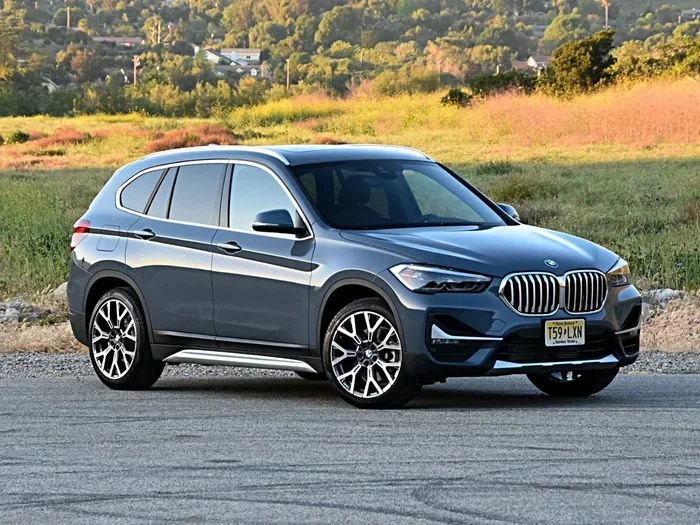
Featured image for 2020 BMW X1 SUV
Image source: cdn.jdpower.com
Is the 2020 BMW X1 reliable? Overall, yes. The 2020 BMW X1 earns above-average reliability scores thanks to its proven 2.0L turbo engine and 8-speed automatic transmission. While early model years had growing pains, the 2020 refresh benefits from sorted hardware. Owners should budget for routine maintenance, potential coolant leaks, and run-flat tire replacements to keep this luxury subcompact SUV running strong.
Shopping for a used luxury SUV can feel like walking a tightrope. You want the badge, the leather, and the driving dynamics, but you don’t want a repair bill that rivals your mortgage payment. If you have been eyeing the entry-level crossover from Munich, you are likely asking one critical question: is the 2020 BMW X1 reliable enough to be your daily driver?
The short answer is a reassuring yes. The 2020 model year represents a sweet spot in the X1’s lifecycle. It sits right after the major 2016 redesign moved the platform to front-wheel-drive architecture (UKL2) and just before the 2023 model received a full generational overhaul. This maturity means BMW worked out the kinks. In this deep dive, we will break down reliability ratings, common problems, real-world ownership costs, and exactly what to check before you sign the paperwork.
Key Takeaways
- Above-Average Reliability: The 2020 BMW X1 scores well on major reliability indices, outperforming many rivals in the luxury subcompact SUV segment.
- Proven Powertrain: The B48 2.0L turbo-4 engine and ZF 8HP transmission are mature, durable units shared across the BMW lineup.
- Common Issues Are Minor: Most reported problems involve coolant system components, electrical glitches, and wear items like brakes and run-flat tires rather than catastrophic engine or transmission failure.
- Maintenance Costs Are Higher Than Average: Expect to pay more for parts and labor compared to non-luxury brands; a prepaid maintenance plan or extended warranty is worth considering.
- xDrive Adds Complexity: All-wheel-drive models offer better traction but introduce additional components (transfer case, front differential) that require fluid changes.
- CPO Is The Sweet Spot: Buying a Certified Pre-Owned (CPO) 2020 X1 adds a year of unlimited-mileage warranty coverage on top of the factory remainder.
- Recalls Are Limited: Only a few minor recalls affect the 2020 model year, mostly concerning software or labeling, not mechanical defects.
📑 Table of Contents
- 2020 BMW X1 Reliability Ratings At A Glance
- The Heart Of The Matter: B48 Engine & ZF 8HP Transmission
- Common Problems & Known Issues (The “Real World” List)
- Maintenance Costs & Schedule: The “BMW Tax”
- Buying A Used 2020 BMW X1: Your Inspection Checklist
- Owner Reviews & Long-Term Sentiment
- How The 2020 X1 Compares To Other Model Years
- Expert Tips To Maximize Your 2020 X1 Lifespan
- Where The 2020 X1 Ranks In The BMW Lineup
- Final Verdict: Should You Buy A 2020 BMW X1?
2020 BMW X1 Reliability Ratings At A Glance
Before we get into the nitty-gritty of water pumps and control arms, let’s look at the scorecards from the big three reliability trackers. These aggregate data from thousands of owners and repair shops to give you a bird’s-eye view.
J.D. Power Dependability Rating
J.D. Power rates the 2020 BMW X1 with a Quality & Reliability score of 81 out of 100. That lands it firmly in the “Great” category. For context, the segment average usually hovers around 78-79. This score measures problems experienced by original owners during the first three years of ownership (the 2017-2019 model years in their 2020 study), but the carryover parts mean the 2020 inherits this strong DNA.
Consumer Reports Predicted Reliability
Consumer Reports gives the 2020 X1 a Predicted Reliability rating of 4 out of 5. This is based on data from the 2018 and 2019 model years. They note that the engine, transmission, and drive system are all very reliable. The only ding comes from “In-Car Electronics” and “Minor Engine” categories, which usually translate to software glitches or sensor failures rather than mechanical breakdowns.
RepairPal Reliability Rating
RepairPal assigns the BMW X1 (across recent model years) a 3.5 out of 5.0 reliability rating, ranking it 6th out of 11 for luxury compact SUVs. The average annual repair cost sits at $915, which is higher than the $652 average for all vehicles but lower than the $1,000+ average for luxury compact SUVs. The frequency of repairs is average, but the severity is low—meaning when it breaks, it’s usually not catastrophic.
Comparison Table: 2020 X1 vs. Key Rivals
| Model | J.D. Power Score (2020 MY) | Consumer Reports Predicted | Avg Annual Repair Cost (RepairPal) |
|---|---|---|---|
| 2020 BMW X1 | 81/100 (Great) | 4/5 | $915 |
| 2020 Audi Q3 | 78/100 (Average) | 3/5 | $850 |
| 2020 Mercedes GLA | 76/100 (Average) | 2/5 | $987 |
| 2020 Volvo XC40 | 75/100 (Average) | 3/5 | $820 |
Data synthesized from J.D. Power, Consumer Reports, and RepairPal 2020-2023 model year data.
The takeaway? The X1 is arguably the most mechanically dependable German offering in this class for this model year. It beats the Audi Q3 and Mercedes GLA in predicted durability, largely because the B48 engine is a known quantity.
The Heart Of The Matter: B48 Engine & ZF 8HP Transmission
If you want to understand 2020 BMW X1 reliability, you have to understand the powertrain. This is where the car shines.
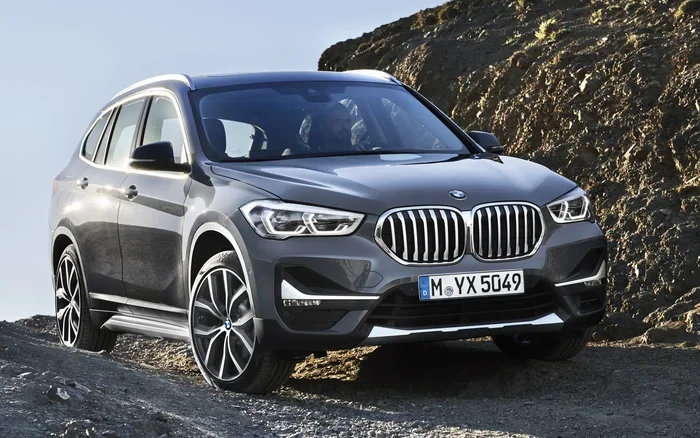
Visual guide about 2020 BMW X1 SUV
Image source: images.hgmsites.net
The B48 2.0L TwinPower Turbo Engine
The 2020 X1 (both sDrive28i and xDrive28i) uses the B48B20 engine. This is part of BMW’s modular B-series engine family. Unlike the older N20 engine (infamous for timing chain guide failures), the B48 uses a robust chain drive system with a wider, more durable guide rail. It features a closed-deck block, forged crankshaft, and a heat-resistant turbocharger integrated into the exhaust manifold.
Why it matters: This engine powers everything from the 2 Series to the 5 Series and even the Toyota Supra (in B58 six-cylinder form). It is battle-tested. In the X1, it produces 228 hp and 258 lb-ft of torque. With basic maintenance—oil changes every 5,000 to 7,500 miles using LL-01 or LL-17FE+ approved oil—this engine regularly sees 200,000+ miles.
The ZF 8HP45 8-Speed Automatic
Paired to that engine is the ZF 8HP45 transmission. This is widely considered one of the best automatic transmissions on the planet. It shifts fast, locks up the torque converter early for efficiency, and handles the B48’s torque curve perfectly.
Maintenance Note: BMW claims “lifetime fluid,” but transmission experts and ZF themselves recommend a fluid and filter change every 60,000–80,000 miles. Doing this proactively is the single best thing you can do for long-term drivetrain reliability. If you are buying a used 2020 X1 with 50k+ miles, ask for records of this service. If they don’t exist, budget $400-$600 to get it done immediately.
sDrive vs. xDrive Reliability
- sDrive28i (FWD): Simpler. No transfer case, no front driveshaft, no front differential. Lighter weight means slightly less stress on suspension and brakes. Slightly better fuel economy.
- xDrive28i (AWD): Adds a transfer case (electro-mechanical clutch pack) and a front differential. These require fluid changes (transfer case fluid every ~50k miles). The system is robust, but it is an extra maintenance item and a potential leak point down the road.
Verdict: If you live in the Sun Belt, sDrive is the reliability winner. If you see snow, xDrive is worth the slight complexity trade-off.
Common Problems & Known Issues (The “Real World” List)
No car is perfect. While the major mechanicals are solid, the 2020 X1 has a few recurring themes on forums (Bimmerfest, X1 Forum, Reddit r/BMW) and NHTSA complaint data. Knowing these helps you negotiate price or inspect a used unit properly.

Visual guide about 2020 BMW X1 SUV
Image source: i.pinimg.com
1. Coolant System Leaks (The #1 Issue)
This is the most reported mechanical issue. The B48 runs hot for efficiency. The plastic coolant hose connections, the thermostat housing, and the water pump (electric on this engine) can become brittle over heat cycles.
- Symptoms: Low coolant warning light, sweet smell after parking, visible crusty residue (pink/blue) near the expansion tank or front of engine.
- Fix: Replace the expansion tank, associated hoses, and water pump as a preventative kit around 70k-90k miles. Use genuine BMW or high-end aftermarket (Rein, Wahler).
- Tip: Always use the correct BMW-approved coolant (HT-12, typically green/blue concentrate). Mixing coolant types creates sludge that kills water pumps faster.
2. Oil Filter Housing Gasket Leaks
The oil filter housing sits on top of the engine. The gasket between the housing and the block tends to weep oil around 60k-80k miles. It drips down the side of the engine and onto the exhaust, causing a burning smell.
- Severity: Low mechanically, annoying cosmetically.
- Cost: $300-$500 at an indie shop; $800+ at a dealer.
3. Valve Cover / PCV System Issues
The valve cover on the B48 integrates the PCV (Positive Crankcase Ventilation) heater. If the heater fails, you get a Check Engine Light (code 29E0 or similar) and rough idle. The whole valve cover assembly usually needs replacement because the PCV isn’t serviceable separately.
- Mileage: Typically 70k+ miles.
- Cost: $400-$700 parts and labor.
4. Electrical Gremlins & iDrive Glitches
This is the most common “non-mechanical” complaint.
- Apple CarPlay / Android Auto disconnects randomly (often fixed by a software update or new USB cable).
- Backup camera delay or “Camera Unavailable” error (sometimes a wiring harness rub in the tailgate).
- Digital gauge cluster flickering (rare, but expensive cluster replacement if out of warranty).
5. Suspension & Steering Wear
The X1 is heavier than it looks (~3,800 lbs). The front control arm bushings (thrust arms) and sway bar end links wear out around 50k-70k miles, especially on rough roads. You’ll hear a “clunk” over bumps or feel vague steering.
- Alignment: After replacing any front suspension part, you must get a four-wheel alignment. BMW suspension geometry is sensitive.
6. Run-Flat Tire Replacements
Most 2020 X1s came with run-flat tires (RFT). They offer safety (drive 50 miles at 50 mph with zero pressure) but ride stiff, wear faster, and cost 30-50% more than standard tires. Many owners switch to non-run-flats and carry a tire repair kit or spare. Understanding the pros and cons of run-flat tires is crucial for budgeting your first 30k miles of ownership.
Maintenance Costs & Schedule: The “BMW Tax”
Let’s talk money. The purchase price is only the first check you write. The 2020 X1 requires synthetic oil, premium fuel (91+ octane), and specific fluids. Here is a realistic budget for years 4-8 of ownership (approx. 40k-100k miles).

Visual guide about 2020 BMW X1 SUV
Image source: cimg2.ibsrv.net
Estimated 5-Year Maintenance & Repair Budget (40k – 90k miles)
| Service Item | Interval | Est. Cost (Indie Shop) | Est. Cost (Dealer) |
|---|---|---|---|
| Synthetic Oil & Filter | Every 7,500 mi | $120 – $180 | $200 – $300 |
| Brake Fluid Flush | Every 2 Years | $150 – $200 | $250 – $350 |
| Engine Air / Cabin Filter | Every 30k-45k mi | $80 – $150 | $200 – $300 |
| Coolant Flush | Every 60k mi | $200 – $300 | $350 – $500 |
| Transmission Fluid & Filter | Every 60k-80k mi | $450 – $650 | $700 – $1,000 |
| Transfer Case Fluid (xDrive) | Every 50k mi | $100 – $150 | $200 – $300 |
| Spark Plugs | Every 60k mi | $250 – $350 | $450 – $600 |
| Front Brake Pads & Rotors | ~50k mi | $450 – $600 | $700 – $1,000 |
| Tires (Set of 4 Run-Flats) | ~30k-40k mi | $1,000 – $1,400 | $1,300 – $1,800 |
| Unexpected Repairs (Coolant, Gaskets, Sensors) | Variable | $1,500 – $3,000 | $3,000 – $5,000+ |
Total 5-Year Estimate: $4,500 – $7,000 (Independent) | $7,500 – $11,000+ (Dealer).
Pro Tip: Find a reputable independent BMW specialist before you buy the car. Labor rates are typically $120-$150/hr vs $180-$220/hr at a dealer, and they often use the same OEM parts. This single decision saves you 30-40% on every visit.
Buying A Used 2020 BMW X1: Your Inspection Checklist
You found a clean Carfax 2020 X1 with 45,000 miles at a local dealer. Great. Now do this before you hand over a deposit.
Pre-Purchase Inspection (PPI) – Non-Negotiable
Spend $150-$250 for a PPI at an independent BMW shop. Do not use the selling dealer’s service department. Have them specifically check:
- Coolant System Pressure Test: Cold pressure test to find weeping hoses or a failing water pump seal.
- Oil Filter Housing & Valve Cover: Inspect for seepage with a flashlight/mirror.
- Transfer Case & Diff Fluid (xDrive): Check condition and level. Black, glittery fluid = neglect.
- Brake Pad/Rotor Life: Measure thickness. Rotors often wear with pads on BMWs.
- Tire Tread Depth & Matching: All four tires must be within 2/32″ tread depth on xDrive models to avoid drivetrain damage. They must be the same brand/model.
- Battery Health Test: BMWs hate weak batteries. Test CCA (Cold Cranking Amps) and registration status.
- Software Updates: Check ISTA for open programming measures (recalls/technical campaigns).
Vehicle History Deep Dive
- Verify oil change intervals. If the Carfax shows 15,000-mile gaps (old BMW CBS interval), the engine may have sludge. Look for 7,500-mile changes.
- Check for collision repair. The X1 uses high-strength steel and aluminum; poor structural repair ruins crash safety and alignment geometry.
- Confirm recall completion. Run the VIN on NHTSA.gov. The 2020 X1 had recalls for: Backup camera software (20V-255), Seat belt latch labeling (20V-256), and Fuel pump (rare, but check).
Certified Pre-Owned (CPO) vs. Non-CPO
This is a major decision point. A BMW CPO 2020 X1 gives you:
- Remaining 4yr/50k factory warranty PLUS 1yr/Unlimited miles CPO warranty on top.
- Rigorous 360+ point inspection (tires/brakes must be >50% life).
- 24/7 Roadside Assistance.
- Vehicle History Report included.
The CPO premium is typically $1,500 – $2,500 over a non-CPO unit. Given the potential cost of a turbo replacement, valve cover, or iDrive screen, the CPO warranty is almost always worth it on a German turbo car. You can read more about what the BMW CPO warranty covers and what BMW Certified means to see if the math works for your budget.
Owner Reviews & Long-Term Sentiment
I scoured owner forums (Bimmerpost, Reddit, Edmunds, TrueDelta) for the “3-4 year ownership” crowd. Here is the consensus sentiment:
The Good (What Owners Love)
- “Surprisingly spacious. I fit a rear-facing car seat and a stroller with room for groceries.”
- “Drives like a BMW. Steering is heavy and precise; 0-60 in 6.3s is plenty quick for merging.”
- “No major breakdowns. 65k miles, just oil, brakes, tires, and one coolant hose.”
- “Great visibility. Low beltline, big greenhouse. Easy to park.”
The Bad (What Owners Complain About)
- “Run-flats ruin the ride. Swapped to Michelin CrossClimate 2s at 20k—night and day difference.”
- “Infotainment lag. Wireless CarPlay drops once a week. Dealer ‘could not replicate’.”
- “Expensive brakes. Front pads and rotors at 42k miles cost $600 at indie shop.”
- “Rear seat room is tight for adults. Fine for kids, not for 6-footers on road trips.”
The “Would You Buy Again?” Verdict
On TrueDelta and similar longitudinal surveys, ~78% of 2020 X1 owners say they would buy the same car again. That is a very high retention rate for a luxury entry-level model. The primary defectors cite “outgrew the space” or “switched to EV,” not “car broke down.”
How The 2020 X1 Compares To Other Model Years
Context is king. Should you stretch for a 2023+ (U11 chassis) or save money on a 2016-2019 (F48 chassis)?
2016-2019 (Pre-LCI / Early LCI)
- 2016-2017: First year of FWD platform. Higher incidence of transmission software harshness, early water pump failures, and iDrive 6.0 bugs. Avoid if possible, or demand steep discount.
- 2018-2019 (LCI – Life Cycle Impulse): Updated headlights/taillights, iDrive 7.0, digital cluster optional. Much improved. 2019 is a great value buy if you find a CPO unit.
2020-2022 (Late LCI – The Sweet Spot)
- Standard Digital Instrument Cluster (Live Cockpit Plus/Pro).
- Standard Wireless CarPlay.
- Refined B48 TU2 engine (minor emission tweaks).
- Most sorted hardware. Best overall reliability/value ratio.
2023+ (U11 Chassis – New Generation)
- Larger, heavier, fully redesigned.
- New B48 TU3 engine (mild hybrid 48V system).
- New iDrive 8 / OS 9 (curved screen).
- Risk: First model year of new platform/engine/electronics. Higher depreciation. Unknown long-term reliability.
Bottom Line: The 2020-2022 window is the “Goldilocks” zone. Modern tech, proven mechanicals, depreciation curve has flattened.
Expert Tips To Maximize Your 2020 X1 Lifespan
If you buy one (or already own one), these five habits separate the 150k-mile cars from the 100k-mile trade-ins.
💡 Expert Insight: The “Secret” Maintenance Schedule
BMW’s Condition Based Servicing (CBS) is designed for lease returns (36k miles), not longevity. Follow this “Enthusiast Schedule” instead:
- Oil: Every 5,000 – 7,500 miles (LL-01 or LL-17FE+ 0W-20/0W-30).
- Trans Fluid: Every 60,000 miles (ZF Lifeguard 8).
- Coolant: Every 60,000 miles (BMW HT-12).
- Brake Fluid: Every 2 years (DOT 4 LV).
- Diff/Transfer Case (xDrive): Every 50,000 miles (BMW DTF-1 / LT-5).
- Spark Plugs: Every 45,000 – 60,000 miles (NGK Laser Iridium / Bosch).
- Walnut Blasting (Intake Valves): Every 60,000 – 80,000 miles (Direct injection carbon buildup).
1. Warm It Up, Cool It Down
Don’t floor a cold engine. Wait until oil temp hits 210°F (center of gauge) before boosting. After a hard drive (highway pull, mountain road), idle for 30-60 seconds before shutdown to let the turbo cool via oil circulation. This prevents oil coking in the CHRA (Center Housing Rotating Assembly).
2. Fuel Quality Matters
Run Top Tier 91/93 Octane (Shell, Chevron, Costco, Mobil). The B48 has high compression and direct injection. Cheap gas causes carbon buildup on intake valves and knock retard, which kills power and efficiency over time.
3. Protect The Paint & Undercarriage
If you live in the Rust Belt, get an annual oil undercoating (Fluid Film / Krown / NHOU). The X1 has good factory galvanization, but brake lines, fuel lines, and subframe bolts rust fast. Wash the undercarriage weekly in winter.
4. Battery Registration Is Mandatory
If you replace the battery yourself or at a non-BMW shop, it must be registered to the car’s BMS (Battery Management System) via a scanner (BimmerLink, Carly, ISTA). If you skip this, the car overcharges the new AGM battery, killing it in 12-18 months.
5. Use A Quality Scan Tool
Buy a BimmerLink app + OBDII dongle ($30) or Carly adapter. You can read BMW-specific codes, register batteries, reset service lights, and check transmission fluid temp/health yourself. It pays for itself in one dealer visit avoided.
Where The 2020 X1 Ranks In The BMW Lineup
If you are cross-shopping within the brand, it helps to know where the X1 sits on the reliability totem pole. Generally, the simpler the car, the more reliable.
The 2020 X1 (F48 chassis, B48 engine, ZF8 auto, no air suspension, no V8, no complex M-differential) is arguably the most reliable modern BMW you can buy today, alongside the 2 Series Gran Coupe and the base 330i/430i sedans. It shares its core DNA with the most reliable BMW models for longevity, specifically the ones utilizing the B48/B58 modular engine family without the added complexity of mild-hybrid 48V systems (found in 2023+ models) or the older N-series engines (N20, N55, N63) with known design flaws.
It is significantly more reliable than:
- 2020 X3/X4 (B48/B58 but heavier, more complex electronics, more suspension wear).
- 2020 X5/X7 (Air suspension, 48V mild hybrid on later models, more modules to fail).
- Any M-model (S58/S63/S68 engines, track-focused components, higher stress).
Final Verdict: Should You Buy A 2020 BMW X1?
If you want a luxury badge, engaging driving dynamics, a premium interior, and a vehicle that won’t leave you stranded—yes, the 2020 BMW X1 is a very reliable choice.
It is not a Toyota RAV4. It will cost more to maintain. It requires premium fuel and synthetic oil. The run-flat tires are a nuisance. The rear seat is tight. But the core engineering—engine, transmission, chassis, electronics architecture—is sound. The 2020 model year specifically benefits from three years of platform maturation.
Buy it if: You prioritize driving feel, build quality, and safety tech; you accept higher maintenance costs; you will follow a shortened maintenance schedule; you buy CPO or get a thorough PPI.
Walk away if: You want Camry-level repair bills; you need genuine three-adult rear seating; you refuse to run premium fuel; you plan to skip maintenance or use quick-lube shops.
Treat it like a German machine—proactive care, quality fluids, specialist labor—and the 2020 X1 will likely reward you with 150,000+ miles of “Ultimate Driving Machine” smiles. Neglect it, and it will punish your wallet like any other complex European car.
Frequently Asked Questions
Is the 2020 BMW X1 expensive to maintain?
Yes, maintenance costs are roughly 40-50% higher than mainstream brands like Toyota or Honda. Expect ~$900-$1,200 per year on average for routine maintenance and minor repairs at an independent shop. Dealer costs run significantly higher. Budgeting for tires, brakes, and the 60k-mile major service (fluids, plugs, filters) is essential.
What is the most common problem with the 2020 BMW X1?
The most common mechanical issue is coolant system leaks, specifically from the water pump, thermostat housing, or plastic hose connections. Electrical glitches with wireless Apple CarPlay and the backup camera are the most frequent non-mechanical complaints. Suspension control arm bushing wear is also typical by 60k miles.
Does the 2020 BMW X1 have a timing chain or belt?
The 2020 BMW X1 uses a timing chain. Unlike the problematic N20 engine in pre-2016 models, the B48 engine in the 2020 X1 features a robust, wide timing chain design with a durable tensioner guide. Timing chain failure is extremely rare on the B48 engine with regular oil changes.
Is the 2020 BMW X1 good in snow?
The xDrive (AWD) model is excellent in snow when equipped with proper winter tires. The system reacts quickly to slip and the ground clearance (7.2 inches) is decent for a subcompact SUV. The sDrive (FWD) model is adequate with winter tires but lacks the traction confidence of xDrive for steep, unplowed driveways.
How many miles will a 2020 BMW X1 last?
With diligent maintenance (oil every 5k-7.5k, transmission fluid every 60k, coolant every 60k, walnut blasting at 80k), the B48 engine and ZF transmission can easily exceed 200,000 miles. The limiting factor is usually the owner’s willingness to pay for aging electronics, suspension refreshes, and cosmetic upkeep rather than mechanical failure.
Should I buy a 2020 BMW X1 with 60,000 miles?
60,000 miles is a major service threshold. It is a good buy only if the seller has records proving the 60k service was done (trans fluid, diff fluid, coolant, spark plugs, brake fluid). If those services are due, negotiate $1,500-$2,000 off the price to cover the immediate work, or buy a CPO example where the warranty covers upcoming failures.



