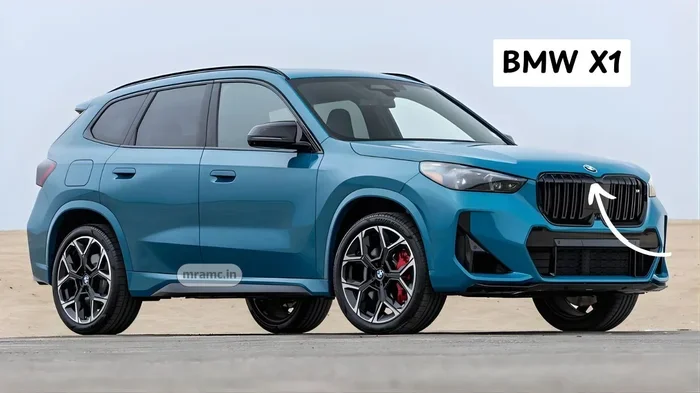
Featured image for Modern BMW X1 SUV
Image source: mramc.in
Which BMW X1 is most reliable? The 2018-2022 F48 generation with the B48 engine stands out as the top pick for dependability. Avoid early 2013-2015 E84 models with the N20 engine due to timing chain failures. This guide covers every generation, common faults, maintenance tips, and buying advice to help you choose a trouble-free compact SUV.
Buying a used luxury SUV feels like walking a tightrope. You want the badge, the comfort, and the driving dynamics, but you fear the repair bills. If you are asking which BMW X1 is most reliable, you are asking the right question. The answer changes drastically depending on the model year and engine under the hood. Some years are rock solid. Others are known for expensive engine failures before 60,000 miles.
I have spent years tracking BMW reliability data, talking to independent mechanics, and reading owner forums. The short answer? Target a 2018 to 2022 F48 generation with the B48 engine. But the full story has nuance. The X1 has spanned three distinct generations. Each has a different platform, different engines, and vastly different reliability profiles. Let’s break it all down so you can buy with confidence.
Key Takeaways
- Best Overall Reliability: The 2018-2022 F48 generation with the B48 2.0L turbo engine offers the strongest track record.
- Generation To Avoid: Early 2013-2015 E84 models equipped with the N20 engine suffer from timing chain guide failures.
- Engine Matters Most: The B48 engine (F48/U11) is significantly more durable than the older N20 or N47 engines.
- Drivetrain Choice: sDrive (FWD) models have fewer components to fail than xDrive (AWD) versions, saving repair costs.
- Maintenance Is Key: Strict oil changes every 5,000-7,500 miles prevent the majority of BMW X1 engine issues.
- CPO Warranty Value: A Certified Pre-Owned F48 model adds two years of comprehensive coverage for peace of mind.
- Run-Flat Tires: Budget for earlier tire replacements; run-flats wear faster and ride harder on the X1 suspension.
📑 Table of Contents
- Understanding The Three BMW X1 Generations
- Which BMW X1 Generation Is Most Reliable?
- Deep Dive: Engine Reliability Across Generations
- Common BMW X1 Problems To Watch For
- Maintenance Tips To Maximize X1 Reliability
- Buying A Used BMW X1: Checklist & CPO Value
- Ownership Cost Reality Check
- Final Verdict: Which BMW X1 Should You Buy?
- Conclusion
Understanding The Three BMW X1 Generations
The BMW X1 has been sold in the US since 2012. It has gone through three complete redesigns. Knowing the chassis codes helps you identify the car instantly on listings.
First Generation: E84 (2010–2015 Globally, 2012–2015 US)
The original X1 (E84) was built on the rear-wheel-drive 3 Series platform (E90). It feels the most “traditional BMW” of the bunch. It handles beautifully. It has a 50/50 weight distribution. But the US market only got it for four model years.
- Engines: N20 2.0L Turbo (xDrive28i, sDrive28i) and N52 3.0L Naturally Aspirated (xDrive35i – rare).
- Transmission: 8-speed ZF automatic (excellent) or 6-speed manual (rare).
- Drivetrain: Rear-biased xDrive or sDrive (RWD).
Verdict: The N52 engine in the 35i is bulletproof. The N20 in the 28i is a ticking time bomb. We will detail why below.
Second Generation: F48 (2016–2022)
This was a massive shift. BMW moved the X1 to the UKL front-wheel-drive platform (shared with the Mini Countryman and 2 Series Active Tourer). Purists hated it. Reliability engineers loved it. The engines switched to the modular B-series family.
- Engines: B48 2.0L Turbo (xDrive28i, sDrive28i). B38 1.5L Turbo (18i/20i in Europe).
- Transmission: 8-speed Aisin automatic (FWD/AWD) or 7-speed Dual Clutch (DCT) on early FWD models.
- Drivetrain: Front-biased xDrive or sDrive (FWD).
Verdict: This is the sweet spot. The B48 engine is robust. The platform is mature. The electronics are sorted.
Third Generation: U11 (2023–Present)
The current X1 rides on the updated FAAR platform. It looks aggressive. It gets the iDrive 8 curved screen. It offers a fully electric iX1 variant (not yet US). The gas models use updated B48 variants (B48TU) with 48V mild-hybrid systems.
- Engines: B48TU 2.0L Turbo Mild Hybrid (xDrive28i, sDrive28i).
- Transmission: 7-speed Dual Clutch (DCT) standard.
- Drivetrain: Front-biased xDrive or sDrive (FWD).
Verdict: Too new for long-term data. The mild-hybrid adds complexity. The DCT is unproven in this specific application for high mileage. Wait 3-4 years before judging.
Which BMW X1 Generation Is Most Reliable?
If you want a used car you can drive for 100k+ miles without major surgery, the answer is clear.
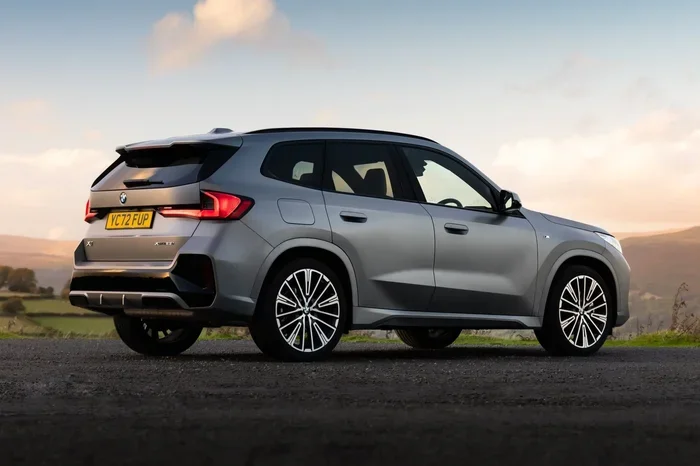
Visual guide about Modern BMW X1 SUV
Image source: assets-eu-01.kc-usercontent.com
The Winner: Late F48 (2018–2022)
The 2018 facelift (LCI) brought updated headlights, bumpers, and interior trim. More importantly, by 2018, BMW had worked out the early F48 teething issues (mostly software and DCT shudder). The B48 engine was fully mature. The ZF 8-speed torque converter auto (standard on xDrive and late sDrive) is legendary for durability.
This generation hits the perfect intersection: modern safety tech (CarPlay, active safety), proven mechanicals, and depreciation that has bottomed out. You get a lot of car for $20k-$28k.
The Risky Bet: Early E84 (2012–2015 N20 Models)
I see these priced temptingly low ($10k-$14k). Do not buy an N20-powered X1 unless the timing chain has been replaced with the updated guide and you have receipts. The N20 timing chain guide shatters. When it does, the engine jumps time. Bent valves. New head. $4,000+ repair. The N52 35i is safe mechanically but rare, thirsty, and old.
The Unknown: U11 (2023+)
Buying a 2023 or 2024 is a lease play, not a reliability play. The 48V mild-hybrid starter-generator is new. The DCT transmission is new to this torque range. Early software bugs are common on iDrive 8. If you keep cars 3 years, it’s fine. If you keep cars 10 years, wait.
Deep Dive: Engine Reliability Across Generations
The engine defines the car. The X1 has used four distinct engine families in the US. Here is the reliability hierarchy.
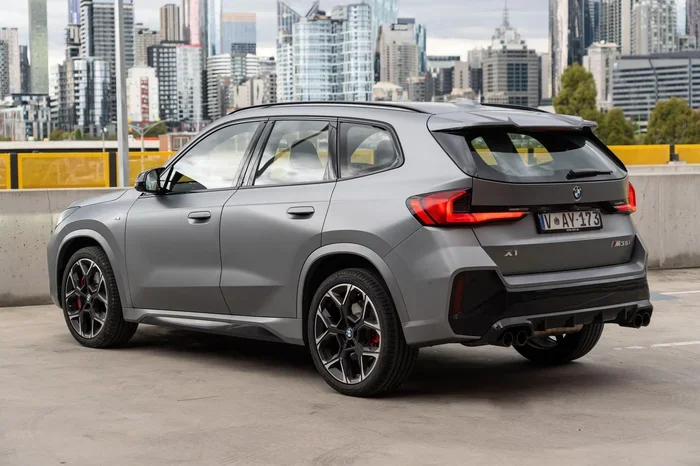
Visual guide about Modern BMW X1 SUV
Image source: images.carexpert.com.au
1. B48 2.0L Turbo (F48 2016–2022, U11 2023+)
Rating: Excellent. This is the gold standard. Closed-deck block. Forged crank. Timing chain is wide, guided by a robust tensioner, located at the front (easy access). It handles tune power easily. Oil consumption is near zero. Valve cover gaskets and oil filter housing gaskets are the only common leaks—cheap DIY fixes.
Action Item: Change oil every 5,000 miles with LL-01 FE 0W-20. Ignore the 10k/15k CBS interval.
2. N52 3.0L Naturally Aspirated (E84 xDrive35i 2012–2013)
Rating: Excellent (Mechanically). The last of the great naturally aspirated BMW sixes. No turbo. No direct injection carbon buildup. No timing chain issues (uses a very durable chain setup). Valve cover gasket leaks. Oil filter housing gasket leaks. VANOS solenoids get sticky. All cheap fixes. Downsides: 18-20 MPG combined. Heavy nose hurts handling. Hard to find.
3. N20 2.0L Turbo (E84 2013–2015)
Rating: Poor. The timing chain guide is plastic. It gets brittle from heat cycles. It fragments. Chain slaps. Guide pieces clog oil pickup. Engine starves. Boom. BMW issued a TSB and extended warranty (ended 2024/2025 depending on region). Many missed the window. Updated guides (metal backed) fix it. If buying used, verify the repair was done. If not, walk away or negotiate $3k off.
4. N47 / B47 2.0L Diesel (Europe/Canada mostly)
Rating: Below Average (N47) / Good (B47). The N47 (E84 18d/20d/23d/25d) has the timing chain at the rear of the engine (gearbox side). Failure = engine out job. $5k+. The B47 (F48) moved the chain to the front. Much better. Still, diesel complexity (DPF, AdBlue, HPFP) adds cost. Not relevant for most US buyers.
Common BMW X1 Problems To Watch For
Every car has pattern failures. The X1 is no exception. Knowing these lets you inspect a used car like a pro or budget for repairs.
Drivetrain Malfunction / “Drivetrain Error” Message
This is the #1 fear for X1 owners. The iDrive screen goes red. Car limps home. Causes vary by generation:
- E84 (xDrive): Transfer case actuator motor failure. The electric motor on the transfer case wears out. BMW updated the part. Cost: $800-$1,500 indie. Also, front driveshaft center support bearing fails (vibration).
- F48 (xDrive): Power Transfer Unit (PTU) / Front diff wear. The clutch packs wear. Fluid changes help (every 40k-60k). Also, the angle gear (rear diff input) seals leak.
- Both: Low battery voltage throws false drivetrain codes. Always test battery first.
For a deep explanation of this specific error and what it means for your specific model, see our guide on proven BMW drivetrain malfunction meaning.
Coolant Leaks & Thermostat Failure
BMW plastic cooling parts age poorly. The E84 thermostat housing cracks. The F48 electric thermostat fails electronically (map cooling). The electric water pump fails (usually 80k-100k miles). Symptoms: Overheating warning, heater blows cold, fan runs on high after shutdown.
Fix: Replace thermostat, water pump, and expansion tank as a kit at 90k miles preventative. Use correct BMW coolant (HT-12/Blue/Green depending on year)—never universal green or Dexcool.
Oil Filter Housing Gasket (OFHG) & Valve Cover Gasket (VCG)
These are rites of passage on every BMW turbo 4-cylinder. The OFHG leaks oil onto the belt/alternator. The VCG leaks oil onto the exhaust manifold (burning smell, smoke). Both are $30 parts, 2-3 hours labor. Do them together. On the B48, the VC integrates the PCV valve; if it rattles or sucks air, replace the whole cover.
Electrical Gremlins & iDrive
- E84: CCC/CIC iDrive screen delamination (bubbles). Combox (Bluetooth/USB) failure. FRM (Footwell Module) corrosion from clogged sunroof drains -> dead windows/lights.
- F48: NBT Evo iDrive is solid. Wireless CarPlay can be glitchy (software updates fix). 360 camera calibration issues after bumper removal.
Suspension & Run-Flat Tire Wear
The X1 is heavy for its size. The run-flat tires (standard on most) have stiff sidewalls. They transmit every impact to the suspension.
- Front control arm bushings tear (clunk over bumps).
- Front strut mounts fail (creak turning at low speed).
- Rear shocks leak (F48 multi-link rear is complex).
- Tires wear unevenly (negative camber spec). Rotate every 5k-7.5k if staggered setup allows (usually not staggered on X1, so rotate!).
Understanding the pros and cons of this setup is crucial. Learn more about BMW run-flat tires design benefits and care to decide if you want to switch to non-run-flats (highly recommended for ride quality).
Maintenance Tips To Maximize X1 Reliability
A reliable X1 is a maintained X1. BMW “Condition Based Service” (CBS) intervals are designed for lease returns, not 200k mile ownership. Follow this schedule instead.
Fluid Changes: The Secret To Longevity
| Fluid | BMW Interval | Real World Interval | Notes |
|---|---|---|---|
| Engine Oil & Filter | 10k-15k mi / 12 mo | 5,000 – 7,500 mi | Use LL-01 FE 0W-20 (B48) or LL-01 5W-30 (N20/N52). Critical for timing chain life. |
| Transmission Fluid (ZF 8HP / Aisin) | “Lifetime” | 60,000 – 80,000 mi | ZF 8HP: Use ZF Lifeguard 8. Aisin: Use specific Aisin fluid. Pan drop + filter. |
| DCT Fluid (F48 sDrive early / U11) | “Lifetime” | 40,000 – 60,000 mi | Dual clutch fluid degrades fast. Use BMW DCTF-1 / Pentosin FFL-3. |
| Transfer Case / Rear Diff (xDrive) | “Lifetime” | 50,000 – 60,000 mi | Use BMW TF-950 (Transfer Case) / 75W-90 GL-5 (Rear Diff). Cheap insurance. |
| Brake Fluid | 2 Years | 2 Years | DOT 4 LV. Hygroscopic. Kills ABS modules if neglected. |
| Coolant | 15 Years / “Lifetime” | 4-5 Years / 60k mi | Distilled water mix. Prevents electrolysis eating aluminum. |
Follow The “Real” Maintenance Schedule
Don’t just wait for the iDrive light. Create a spreadsheet. Track mileage. The BMW service schedule includes critical inspections (brake lines, suspension boots, battery health) that CBS often skips until failure. An annual “once over” on a lift saves thousands.
Address Leaks Immediately
Oil on the belt? The belt shreds. Shredded belt gets sucked past the front crank seal. Engine loses oil pressure. Engine dies. A $30 gasket becomes a $6,000 engine. Coolant on the belt? Same result. Check your driveway weekly.
Battery Registration Is Mandatory
Modern BMWs (E84 late, all F48/U11) use AGM batteries managed by the IBS (Intelligent Battery Sensor). You cannot just swap a battery from AutoZone. The new battery must be registered to the car (ISTA/D or Carly/BimmerLink app) so the charging profile matches the battery age/type. Skip this = new battery dead in 6 months, alternator overworks.
Buying A Used BMW X1: Checklist & CPO Value
You found a listing. It looks clean. Now what? Follow this workflow.
Pre-Purchase Inspection (PPI) – Non Negotiable
Pay a BMW specialist (not the selling dealer) $150-$250 for a PPI. They put it on a lift. They check:
- Oil filter housing / Valve cover leaks (shine a light down).
- Coolant level / residue at water pump / thermostat.
- Transfer case / PTU / Rear diff seepage.
- Control arm bushings / Strut mounts (pry bar test).
- Brake pad life (sensor + visual). Rotor lip thickness.
- Tire age (DOT date) & match (all 4 same brand/model?).
- Battery health (conductance test) & registration history.
- Fault code scan (ISTA+ preferred, generic OBD2 misses BMW codes). Look for “Shadow Codes” (pending).
- Service history verification (Carfax + BMW dealer portal printout).
Certified Pre-Owned (CPO) Is Worth The Premium
BMW CPO adds 1 year / unlimited miles on top of the remaining factory warranty (4yr/50mi). Effectively 5yr/50mi from original in-service date, then 1yr unlimited. It covers the expensive stuff: Engine, transmission, electronics, turbo, HPFP, transfer case. It requires a rigorous 150+ point inspection.
For an F48 X1, CPO status is gold. A 2020 CPO X1 covers you until 2025/2026. The peace of mind for the $1,500-$2,500 price premium over non-CPO is usually worth it. You can read the exact coverage details in our breakdown of the BMW CPO warranty essential coverage.
Decode The VIN & Build Sheet
Use a VIN decoder (bimmer.work, mdecoder, or realoem). Verify:
- Build date (late build = updates applied).
- Engine code (N20B20A vs B48B20A).
- Transmission (GA8HP45Z vs GA7DCT).
- Options: Parking Assistant, HUD, LED Adaptive Headlights, Harman Kardon, Heated Seats/Steering.
- Where it was built. The BMW manufacturing location matters; Regensburg (Germany) built early F48s, Leipzig and China (Shenyang) built later ones. Quality is generally consistent, but Regensburg cars often fetch a slight premium.
Model Year Specific Advice
- 2012-2013 E84: Only buy 35i (N52). Avoid 28i (N20 early production).
- 2014-2015 E84: N20 updated timing chain guides mid-2014 production. Verify build date (07/2014+). Verify repair history.
- 2016-2017 F48: First year teething. DCT shudder on sDrive. Software updates mostly fixed it. xDrive (ZF 8HP) safer bet.
- 2018-2022 F48 (LCI): Best buy. All engines B48. ZF 8HP standard on xDrive. Updated iDrive 6/7. Apple CarPlay standard (2018+). Android Auto (2020+).
- 2023+ U11: Too new. Lease only.
Ownership Cost Reality Check
Let’s talk money. The purchase price is the down payment. The ownership cost is the mortgage.
Annual Maintenance Budget (DIY vs Indie Shop)
- DIY: $500 – $1,000/year (Fluids, filters, brakes, bushings).
- Independent Shop: $1,500 – $3,000/year (Labor rates $120-$180/hr).
- Dealer: $3,000 – $5,000/year (Labor $200+/hr, parts markup).
Budget $2,000/year for a 60k-100k mile F48 xDrive at an indie shop. Budget $3,500+ for an E84 xDrive (aging rubber, transfer case risk).
Insurance & Fuel
- Premium fuel required (91/93 Octane). 25-28 MPG combined (F48 B48). 20-22 MPG (E84 N20).
- Insurance: Higher than CR-V/RAV4. Lower than X3/X5. Shop rates.
Depreciation
The F48 has hit the bottom of its depreciation curve (~$20k-$25k for clean examples). It will hold value well for the next 3-5 years. The U11 is depreciating fast right now (new car hit). The E84 is basically flat (scrap value floor).
Final Verdict: Which BMW X1 Should You Buy?
Scenario A: “I want the absolute safest used bet under $25k.”
Buy a 2019-2021 BMW X1 xDrive28i (F48 LCI) with CPO warranty. B48 Engine. ZF 8-Speed. AWD for resale/snow. Modern tech. Covered warranty. Proven reliability.
Scenario B: “I want the cheapest fun BMW SUV, I can turn a wrench.”
Buy a 2013-2015 BMW X1 xDrive35i (E84 N52). RWD-based platform. Inline-6 sound. No turbo lag. Cheap parts. You will replace cooling system, gaskets, bushings. It’s a hobby, not an appliance.
Scenario C: “I want FWD, max MPG, lowest purchase price.”
Buy a 2018-2022 BMW X1 sDrive28i (F48). FWD = no transfer case, no rear diff, lighter, better MPG (29-30 hwy). B48 engine same reliability. Check DCT fluid history on 2016-2018 sDrive.
Scenario D: “I want new car warranty, latest tech, EV mode.”
Lease a 2024-2025 U11 X1 (or iX1 if available). Do not buy yet. Let someone else take the 40% depreciation hit and find the early bugs.
Conclusion
So, which BMW X1 is most reliable? The data points squarely at the second-generation F48 (2016-2022), specifically the 2018+ LCI models equipped with the B48 engine and ZF 8-speed automatic. This combination avoids the catastrophic timing chain issues of the earlier N20, utilizes a proven front-drive architecture with fewer drivetrain failure points than the old RWD-based xDrive, and benefits from matured electronics.
Reliability isn’t luck. It’s a choice. Choose the right engine. Choose the right maintenance interval (5k oil changes). Choose a specialist for inspections. Do that, and the BMW X1 delivers exactly what you want: a premium driving experience in a practical package that doesn’t leave you stranded. If you want to see how the X1 stacks up against the broader lineup, check out our analysis of the most reliable BMW models for longevity. Happy hunting.
Frequently Asked Questions
What is the most reliable year for a used BMW X1?
The most reliable used BMW X1 model years are 2019, 2020, 2021, and 2022. These belong to the facelifted F48 generation and feature the proven B48 2.0L turbo engine paired with the durable ZF 8-speed automatic transmission. They have the lowest rate of major mechanical failures reported by owners and mechanics.
Does the BMW X1 have a timing chain or timing belt?
All BMW X1 engines use a timing chain, not a belt. On the reliable B48 engine (2016+), the chain is robust and located at the front of the engine. On the problematic N20 engine (2013-2015), the chain guide is prone to failure. On the N47 diesel, the chain is at the rear of the engine, making replacement very expensive.
Is the BMW X1 xDrive or sDrive more reliable?
The sDrive (FWD) models are mechanically simpler and slightly more reliable because they lack the transfer case, rear driveshaft, and rear differential found on xDrive (AWD) models. This eliminates common failure points like transfer case actuator motors and PTU clutch wear. However, xDrive models hold resale value better in snowy climates.
What are the most common problems with the BMW X1?
The most common issues across all generations include oil leaks (valve cover and oil filter housing gaskets), coolant system failures (water pump, thermostat, expansion tank), suspension wear (control arm bushings, strut mounts) accelerated by run-flat tires, and electrical module glitches (FRM, iDrive). The N20 engine (2013-2015) specifically suffers from timing chain guide failure.
How many miles will a BMW X1 last?
A well-maintained BMW X1 with the B48 engine (2016+) can easily last 200,000 to 250,000 miles. The N52 engine (2012-2013 35i) can go 300,000+ miles. The N20 engine (2013-2015 28i) often requires major engine repair by 80,000-100,000 miles if the timing chain guide was not updated. Strict 5,000-mile oil changes are the single biggest factor in reaching high mileage.
Is a Certified Pre-Owned (CPO) BMW X1 worth the extra money?
Yes, a CPO BMW X1 is generally worth the premium for the F48 generation. The CPO warranty extends comprehensive coverage by 1 year with unlimited miles after the factory 4-year/50,000-mile warranty expires. Given the cost of turbo, transmission, or electronics repairs on modern BMWs, the $1,500-$2,500 CPO premium often pays for itself with a single covered repair.



