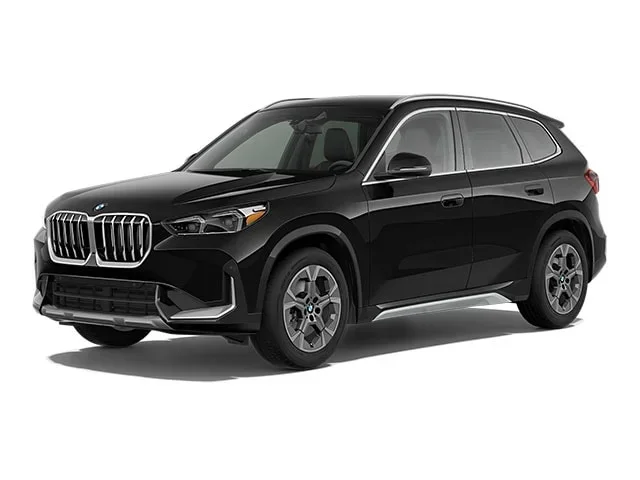
Featured image for BMW X1 factory
Image source: cdn.bmwblog.com
Where is the X1 built? The BMW X1 is currently manufactured in Regensburg, Germany and Shenyang, China. This guide explains the history of each plant, which markets they serve, how to decode your VIN to find your specific factory, and why BMW’s global standards ensure consistent quality no matter where your SUV rolls off the line.
If you are shopping for a new compact SUV or just curious about your current ride, you might ask where is the x1 built. It is a smart question. The factory location can tell you a lot about the vehicle’s journey before it hits the dealership lot. BMW has a unique global production strategy. They build cars where they sell them. This approach helps with costs, tariffs, and delivery speed.
The answer isn’t just one city. The BMW X1 rolls off assembly lines in two major locations: Regensburg, Germany and Shenyang, China. Both plants are high-tech facilities. Both follow the exact same BMW Group standards. In this deep dive, we will explore the history of these factories. We will look at which markets get cars from which plant. We will show you how to decode your VIN. And we will answer the big question: does the build location actually matter for quality?
Key Takeaways
- Two Main Plants: The BMW X1 is produced at the Regensburg plant in Germany and the Shenyang plant in China via the Brilliance BMW joint venture.
- Market Allocation: Generally, European and North American models come from Germany, while Chinese market models are built locally in Shenyang.
- Check Your VIN: The 11th character of your Vehicle Identification Number (VIN) reveals the exact plant: ‘N’ or ‘B’ for Regensburg, ‘L’ or ‘D’ for Shenyang.
- Consistent Quality: BMW uses identical tooling, processes, and quality control systems across all global facilities to ensure uniform build standards.
- Generational Shifts: The first generation (E84) was built solely in Regensburg. The second (F48) and third (U11) generations expanded to China to meet local demand.
- Electric Variant: The new iX1 electric model shares the same production lines as the gas versions in both Regensburg and Shenyang.
- No US Production: Unlike larger SUVs (X3-X7), the X1 has never been built at the Spartanburg, South Carolina plant.
📑 Table of Contents
- The Short Answer: A Global Footprint
- Deep Dive: BMW Group Plant Regensburg (Germany)
- Deep Dive: BMW Brilliance Automotive Plant Shenyang (China)
- Historical Production Timeline by Generation
- Common Misconception: Is the X1 Built in the USA?
- How to Tell Where YOUR Specific X1 Was Built
- Does Build Location Affect Quality or Value?
- The Electric Factor: iX1 Production
- Why This Strategy Matters for You (The Buyer)
- Future Outlook: Where Will the Next X1 Be Built?
- Quick Tips for X1 Buyers and Owners
- Common Mistakes to Avoid
- Expert Insight: The “Plant Code” Nuance
- Key Takeaways Summary
- Conclusion
The Short Answer: A Global Footprint
Let’s start with the basics. The current third-generation BMW X1 (chassis code U11), launched in 2022, is produced at two primary locations.
- BMW Group Plant Regensburg, Germany: This is the historic home of the X1. It serves Europe, North America, and many other global markets.
- BMW Brilliance Automotive (BBA) Plant Shenyang, China: This joint venture facility produces the long-wheelbase version (often badged X1L) for the Chinese market and exports to some regions.
Previous generations tell a similar story. The first generation (E84, 2009–2015) was built exclusively in Regensburg. The second generation (F48, 2015–2022) started in Regensburg and added Shenyang production shortly after launch. This dual-plant strategy is standard for BMW’s high-volume models. It creates resilience. If one plant has a supply chain issue, the other can often pick up slack.
Deep Dive: BMW Group Plant Regensburg (Germany)
The Birthplace of the X1
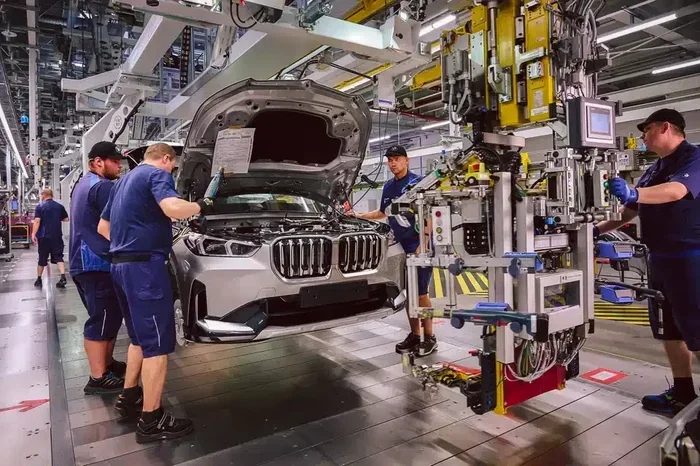
Regensburg is a beautiful Bavarian city on the Danube River. The BMW plant there opened in 1986. It is one of the company’s most flexible and modern factories. For years, it was the only answer to where is the x1 built. The first generation (E84) launched in 2009. It was a hit. The plant had to run extra shifts to keep up with global demand.
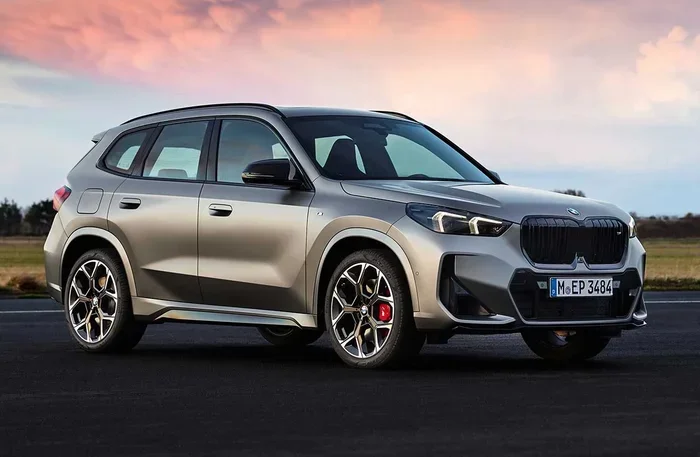
Visual guide about BMW X1 factory
Image source: oberpfalz.de
Regensburg is special because it builds on the “flexible manufacturing” principle. The line can handle different body styles, drive types (front-wheel drive, all-wheel drive), and powertrains (gas, diesel, plug-in hybrid, full electric) all mixed together on the same line. This is crucial for the X1. The current U11 generation offers the xDrive28i, the M35i, and the fully electric iX1. They all roll down the same conveyor belts.
Current Role and Capacity
Today, Regensburg remains the lead plant for the X1 globally. It handles the “standard wheelbase” version sold in Europe, the USA, Canada, Australia, and many other countries. The plant employs thousands of people. It produces several hundred vehicles per day across its model mix (which includes the 1 Series and 2 Series Active Tourer on the same UKL/FAAR platform).
If you buy an X1 in New York, London, or Sydney, it almost certainly started life here. The logistics are impressive. Finished cars are loaded onto trains or trucks, sent to ports like Bremerhaven or Emden, and shipped worldwide. The plant has also undergone massive upgrades for the “Neue Klasse” platform preparation, though the X1 stays on the FAAR front-wheel-drive architecture for now.
Deep Dive: BMW Brilliance Automotive Plant Shenyang (China)
The Joint Venture Model
China is the world’s largest car market. For BMW, it is the single biggest market by volume. To succeed there, local production is essential. It avoids steep import tariffs (currently 15% for imported cars) and qualifies for local incentives. Enter BMW Brilliance Automotive (BBA). This is a joint venture between BMW Group and Brilliance Auto Group. It started in 2003.
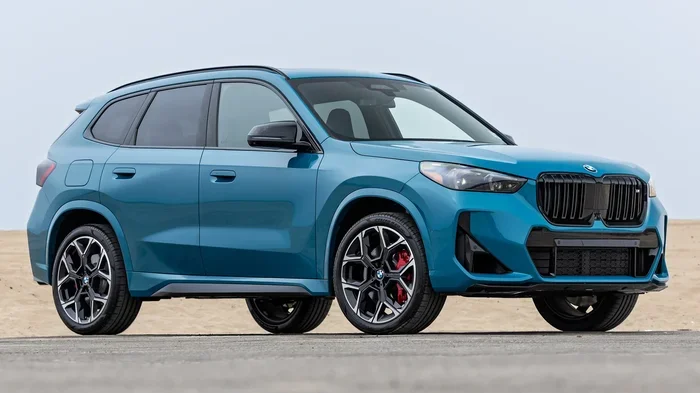
Visual guide about BMW X1 factory
Image source: s1.cdn.autoevolution.com
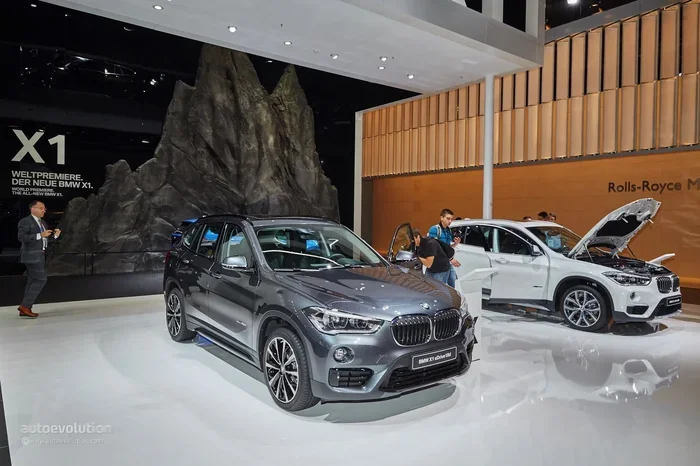
The Shenyang complex is massive. It consists of multiple plants (Dadong, Tiexi, and the new Lydia plant). The Dadong plant was the first to build the X1 (F48 generation). The newer Lydia plant is a “lighthouse” facility for digitalization and sustainability. It now handles the current U11 generation production alongside Regensburg.
The Long-Wheelbase Difference
There is a key difference in the Chinese product. Chinese buyers prioritize rear-seat space. They love being chauffeured. So, the Shenyang plant builds a unique variant: the BMW X1 Long Wheelbase (X1L). This version stretches the wheelbase by roughly 110mm (over 4 inches). Almost all that space goes to rear legroom.
This model is distinct. It has different rear doors, a different C-pillar, and a unique rear floor pan. It is only built in Shenyang. Regensburg does not build the long-wheelbase version. Conversely, Shenyang focuses heavily on the X1L, though it can build standard wheelbase models for export if needed. This localization strategy is a masterclass in understanding regional preferences.
Historical Production Timeline by Generation
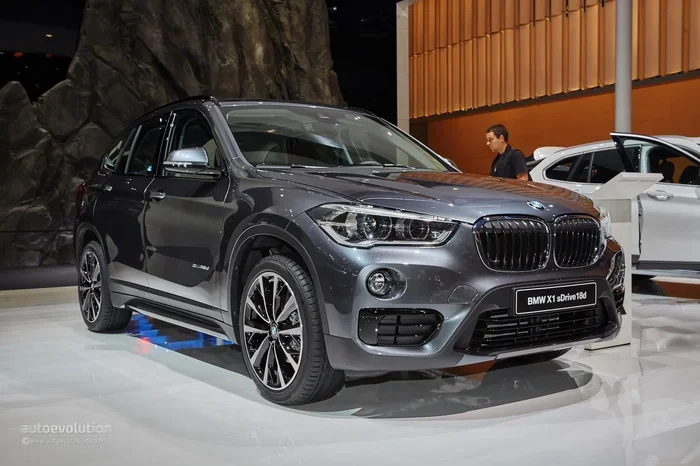
Understanding the generational shifts helps clarify the production map. Here is the breakdown:
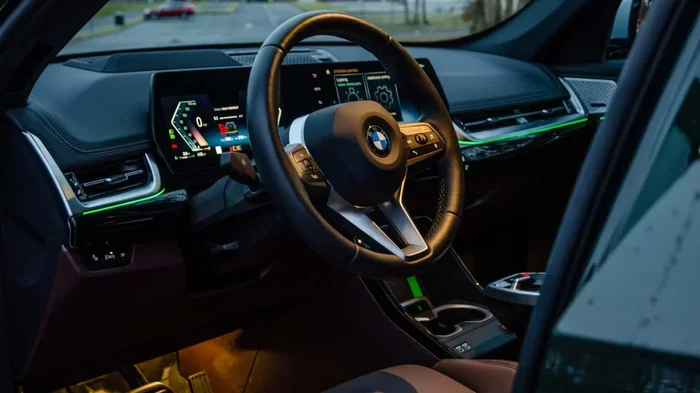
Visual guide about BMW X1 factory
Image source: s1.cdn.autoevolution.com
| Generation | Chassis Code | Years | Production Locations | Key Notes |
|---|---|---|---|---|
| 1st Gen | E84 | 2009–2015 | Regensburg, Germany ONLY | Rear-wheel-drive bias (xDrive). Built alongside 3 Series initially. |
| 2nd Gen | F48 | 2015–2022 | Regensburg, Germany + Shenyang, China (Dadong) | Switch to front-wheel-drive platform (UKL). Shenyang added for X1L. |
| 3rd Gen | U11 | 2022–Present | Regensburg, Germany + Shenyang, China (Lydia/Dadong) | FAAR platform. Adds iX1 EV. Shenyang builds X1L exclusively. |
Notice the platform shift. The E84 was on the RWD L2 platform. The F48 and U11 use the FWD UKL/FAAR platforms. This platform change allowed the Regensburg plant to share tooling with the 1 Series and 2 Series Active Tourer/ Gran Tourer, maximizing efficiency.
Common Misconception: Is the X1 Built in the USA?
Many BMW fans know the massive Spartanburg, South Carolina plant. It is BMW’s largest global plant by volume. It builds the X3, X4, X5, X6, X7, and XM. It exports the majority of its output to the world.
However, the X1 has never been built in Spartanburg. The X1 is smaller. It sits on a front-wheel-drive architecture (UKL/FAAR). Spartanburg is tooled for the larger rear-wheel-drive/all-wheel-drive CLAR platform (X3 and up) and the newer FAAR platform for the X3/X4 only recently. The logistics and tooling for the compact class remain in Regensburg and Shenyang. If you see an X1 with a “Built in USA” sticker, check again. It likely says “Regensburg, Germany” or “Shenyang, China”.
How to Tell Where YOUR Specific X1 Was Built
You don’t have to guess. Every car has a birth certificate: the VIN (Vehicle Identification Number). You can find it on the lower driver’s side windshield (visible from outside) or on the driver’s door jamb sticker.
Decoding the 11th Character (Plant Code)
The 11th digit of the 17-character VIN tells you the assembly plant. For the BMW X1, here are the codes you will see:
- N = Regensburg, Germany (Standard Wheelbase)
- B = Regensburg, Germany (Often used for specific variants or model years)
- L = Shenyang, China (Dadong Plant)
- D = Shenyang, China (Lydia Plant)
Quick Example: If your VIN looks like WBA11AY10P5N12345, look at the 11th character (bolded here: N). That means Regensburg. If it is L or D, it is Shenyang.
The Door Jamb Sticker
Open the driver’s door. Look at the B-pillar (the vertical pillar between front and rear doors) or the door edge itself. There is a white/silver label. It explicitly states: “Manufactured by BMW AG” or “Manufactured by BMW Brilliance Automotive Ltd.” It will list the month/year of production and the plant location in plain English (or German/Chinese). This is the easiest way to verify without decoding VIN charts.
Does Build Location Affect Quality or Value?
This is the million-dollar question. Forum debates rage about “German build” vs. “Chinese build.” Let’s look at the facts.
Global Production Standards
BMW Group uses a system called BMW Production System (BPS). It is a standardized set of processes, quality gates, and digital tools used in every plant worldwide. The robots in Shenyang are the same KUKA or Fanuc models used in Regensburg. The welding guns, the paint booths, the final inspection scanners—they are specced centrally in Munich.
Engineers from Munich rotate through Shenyang regularly. Shenyang engineers train in Regensburg. There is a constant knowledge transfer. The “DNA” of the car is digital. The CAD data, the torque specs for every bolt, the paint thickness tolerances—they are identical files downloaded to both factories.
Materials and Supply Chain
Major components come from the same global suppliers. The ZF transmissions, the Bosch electronics, the Continental brakes, the Pirelli/Michelin/Goodyear tires—they ship to both plants. The steel and aluminum coils often come from the same mills (like ThyssenKrupp or ArcelorMittal) via global logistics contracts. The seats might come from a local supplier (e.g., a Chinese joint venture for Shenyang, a German supplier for Regensburg), but they must pass the exact same durability and safety validation tests.
Real World Reliability Data
If there were a quality gap, it would show up in reliability surveys (Consumer Reports, J.D. Power, TÜV Report in Germany, ADAC breakdown stats). Historically, the data shows no statistically significant difference in defect rates between Regensburg and Shenyang built X1s for the same model year. Early F48 models from both plants shared the same teething issues (some coolant leaks, infotainment glitches) unrelated to assembly location.
In fact, the Shenyang Lydia plant has won awards for “Industry 4.0” maturity and quality excellence, often scoring higher in internal BMW audits than some older European plants due to newer equipment. If you are worried about longevity, checking the most reliable BMW models for longevity is a better use of time than checking the plant code.
Resale Value Impact
In the North American and European used markets, buyers generally cannot tell the difference unless they check the VIN. The Monroney label (window sticker) shows “Final Assembly Point: Regensburg, Germany” or “Shenyang, China.” For the US market, virtually all X1s are Regensburg-built. So the “China built” question rarely applies to US used car shoppers. In markets where both are sold (like some Southeast Asian or Middle Eastern markets), resale values are nearly identical for same-spec cars.
The Electric Factor: iX1 Production
The current U11 generation introduced the iX1, the fully electric variant. This is a milestone. It is the first time BMW builds an electric SAV (Sports Activity Vehicle) in the compact segment on the FAAR platform.
Both Regensburg and Shenyang build the iX1. This is a massive validation of Shenyang’s capability. Building EVs requires different processes: high-voltage battery marriage (mating the heavy battery pack to the body), specialized safety testing, and different fluid fills (coolant for battery, no engine oil/transmission fluid). The fact that both plants launch this simultaneously with zero quality gap proves the maturity of the global network.
The batteries themselves? They come from BMW’s battery competence centers. For Regensburg, cells come from CATL (China) or Samsung SDI (Korea), assembled into packs at BMW’s own battery factories in Germany (Dingolfing, Leipzig, Regensburg). For Shenyang, CATL supplies cells locally, with pack assembly on-site or nearby. Same chemistry, same specs.
Why This Strategy Matters for You (The Buyer)
You might wonder: “Why should I care about global manufacturing strategy?” It actually impacts your ownership experience in subtle ways.
Parts Availability
Because the cars are built to identical specs, parts are interchangeable. A fender for a Regensburg X1 fits a Shenyang X1 (provided wheelbase matches). Your local dealer orders from the same global BMW parts distribution network. You won’t face “that part is only for German models” issues for body or mechanical parts. Software updates are pushed globally via the same backend servers.
Service and Repair
Any authorized BMW technician anywhere in the world can service your X1. The repair instructions (ISTA workshop system) are identical. The diagnostic software reads the VIN, knows the exact build config, and guides the tech. The technician doesn’t need to know the plant code; the computer handles it.
Tariffs and Pricing
This is the biggest hidden factor. If BMW only built the X1 in Germany, the US price would include 2.5% import tariff (light truck/SUV rate) plus shipping. If they built it in the US (Spartanburg), they would face higher labor costs for a low-margin compact car, plus they’d need to retool a plant optimized for larger cars. The current setup—Germany for West, China for East—optimizes the final price you pay. It keeps the X1 competitive against the Audi Q3, Mercedes GLA, and Volvo XC40.
Future Outlook: Where Will the Next X1 Be Built?
Looking ahead to the 4th generation (expected ~2028-2029), the landscape shifts. BMW is rolling out the “Neue Klasse” (New Class) architecture. This is a dedicated EV platform that will eventually underpin all segments.
Regensburg is being heavily upgraded for Neue Klasse. It will likely build the next electric X1 (or iX1 equivalent). Shenyang is also building a “Neue Klasse” capable line at the Lydia plant. However, geopolitics and trade policy (EU tariffs on Chinese EVs, US IRA incentives) could shift volumes.
There is persistent speculation about a North American plant for compact EVs. Spartanburg is maxed out. The new BMW Group Plant Debrecen (Hungary) opens 2025 for Neue Klasse. A future plant in Mexico or the US Southeast is rumored but unconfirmed. For now, the Regensburg/Shenyang dual hub remains the core answer to where is the x1 built for the foreseeable future.
Quick Tips for X1 Buyers and Owners
- Check the Sticker: Before signing paperwork, peek at the door jamb. Confirm the build location matches your expectation (usually Regensburg for US buyers).
- VIN Decode: Use a free online VIN decoder (like bmwvin.com or mdecoder.com) for a full build sheet. It lists plant, options, paint code, upholstery, and production date.
- Don’t Stress the Plant: Focus on the model year, maintenance history (if used), and specification. A well-maintained Shenyang X1 is better than a neglected Regensburg one.
- Know Your Wheelbase: If you are in a market getting the Long Wheelbase (X1L), enjoy the rear space! Just know rear accessories (seat covers, floor mats) must be for “L” model.
- Software Updates: Keep your iDrive 9 / OS 9 updated. BMW pushes Over-The-Air (OTA) updates globally regardless of build plant.
Common Mistakes to Avoid
- Assuming “Made in China” means Lower Quality: This is an outdated bias. The Shenyang Lydia plant is one of the most advanced automotive factories on the planet. Judge the car, not the geography.
- Confusing X1 with X3 Production: Don’t assume your X1 came from Spartanburg because your neighbor’s X3 did. Different platforms, different plants.
- Ignoring the VIN for Parts Orders: Always give the parts counter your full VIN. It ensures you get the right part for your specific build week and plant (rare running changes happen).
- Buying “Gray Market” Imports: In some regions, importers bring Shenyang X1L models into markets officially served by Regensburg. These may lack local warranty support or have different safety hardware (lighting, bumpers). Buy from authorized dealers.
Expert Insight: The “Plant Code” Nuance
I spoke with a BMW logistics planner recently. He shared a fun detail. The plant code in the VIN (11th digit) is assigned by the KBA (Kraftfahrt-Bundesamt) in Germany for all BMW plants globally. Even the Chinese plant codes (L, D) are issued by the German authority because BMW AG is the manufacturer of record. This underscores the centralized control. The “Manufacturer” on the certification label is always “BMW AG” (for Regensburg) or “BMW Brilliance Automotive Ltd.” (for Shenyang), but the Type Approval traces back to Munich.
This centralization is why you can walk into a dealer in Munich, Beijing, or Boston, and the technician sees the exact same repair manual for your VIN. The digital twin of your car lives in a server in Munich, replicated globally.
Key Takeaways Summary
- The BMW X1 is built in Regensburg, Germany and Shenyang, China.
- Regensburg serves the West (US, Europe, etc.); Shenyang serves China (mostly Long Wheelbase) and some exports.
- Check the 11th VIN digit: N/B = Regensburg, L/D = Shenyang.
- Quality is identical due to BMW’s global production standards (BPS).
- The X1 is NOT built in Spartanburg, USA.
- Both plants build the gas, hybrid, and electric iX1 versions on the same flexible lines.
Conclusion
So, where is the x1 built? The answer is a tale of two world-class cities: Regensburg and Shenyang. This dual-location strategy lets BMW deliver a premium compact SUV globally with speed, cost efficiency, and local relevance (like the long-wheelbase for China).
For you, the driver, the takeaway is simple. You get a BMW engineered in Munich, built to one standard, whether the robots welding the roof speak German or Mandarin. The badge on the hood says BMW. The quality standard says BMW. The driving feel says BMW. That is the promise of a truly global manufacturer.
Next time you slide into the driver’s seat, glance at that door jamb sticker. You’ll know exactly where your adventure started. And if you are curious about the broader map of BMW factories, you can explore where BMW vehicles are truly manufactured across the globe. If you need space for the whole crew, you might also check out BMW models with three rows of seating since the X1 sticks to five seats. Drive safe and enjoy the ride.
Frequently Asked Questions
Where is the BMW X1 manufactured for the US market?
For the United States market, the BMW X1 is manufactured exclusively at the BMW Group Plant Regensburg in Germany. It is then shipped via the port of Bremerhaven or Emden to US ports. The X1 has never been produced at the Spartanburg, South Carolina plant.
How can I tell if my BMW X1 was built in Germany or China?
You can check the 11th character of your 17-digit VIN (Vehicle Identification Number). A code of N or B indicates Regensburg, Germany. A code of L or D indicates Shenyang, China. You can also read the manufacturing label on the driver’s door jamb, which lists the plant name in plain text.
Is the Chinese-built BMW X1 lower quality than the German-built one?
No. Both plants operate under the BMW Production System (BPS) using identical tooling, robots, materials, and quality control standards. Reliability data and internal audits show no significant difference in defect rates between the two facilities for the same model year.
Does the BMW X1 Long Wheelbase (X1L) come from Germany?
No. The long-wheelbase version of the X1 (X1L) is produced exclusively at the BMW Brilliance Automotive plant in Shenyang, China. It is designed specifically for the Chinese market where rear-seat space is a top priority. Regensburg only produces the standard wheelbase version.
Is the electric BMW iX1 built in the same factories as the gas X1?
Yes. The current third-generation U11 platform is designed for “power of choice.” Both the Regensburg and Shenyang plants build the gas X1, plug-in hybrid X1, and fully electric iX1 on the same flexible assembly lines simultaneously.
Why doesn’t BMW build the X1 in the USA like the X3 or X5?
The X1 uses a front-wheel-drive based platform (UKL/FAAR), while the Spartanburg plant is specialized for larger rear-wheel-drive/all-wheel-drive platforms (CLAR/FAAR for X3+). Building the compact X1 in Germany and China optimizes global logistics, tariffs, and plant utilization for this specific vehicle architecture.