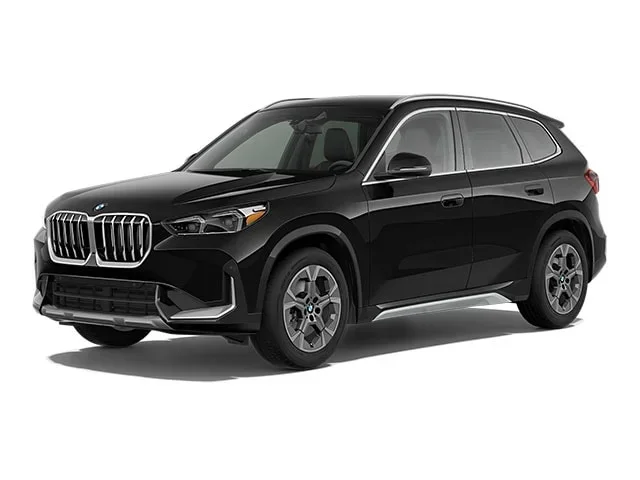
Featured image for BMW X1 SUV exterior
Image source: cdn.bilweb.se
Should I buy BMW X1 is a common question for shoppers eyeing a premium compact SUV. This guide breaks down performance, interior space, technology, ownership costs, and certified‑pre‑owned value so you can make a confident decision.
Key Takeaways
- Performance: Turbocharged engines and available all‑wheel drive give lively acceleration and confident handling.
- Interior quality: Premium materials, intuitive iDrive infotainment, and decent rear‑seat room for a subcompact SUV.
- Reliability: Above‑average scores in recent surveys; regular maintenance keeps long‑term costs reasonable.
- Ownership cost: Competitive fuel economy, but premium fuel and run‑flat tires add to the budget.
- Certified pre‑owned advantage: BMW Certified models add warranty coverage and thorough inspections.
- Resale value: Strong depreciation curve compared to rivals, especially with low mileage and full service history.
- Final verdict: If you want a sporty, tech‑rich compact SUV with a premium badge, the X1 is a top contender.
📑 Table of Contents
Overview of the BMW X1
The BMW X1 sits at the entry point of BMW’s SUV lineup. It blends the brand’s signature driving dynamics with the practicality of a compact crossover. Since its redesign in 2023, the X1 offers a sharper exterior, a larger cabin, and the latest iDrive 9 system.
What makes the X1 unique?
- Compact footprint – easy to park in tight city streets.
- Available xDrive all‑wheel drive for all‑weather confidence.
- Turbocharged 2.0‑liter four‑cylinder (228 hp) or a plug‑in hybrid variant.
- Standard LED headlights, panoramic sunroof, and wireless Apple CarPlay/Android Auto.
If you have been asking should I buy BMW X1, start by matching these traits to your daily needs.
Performance and Driving Dynamics
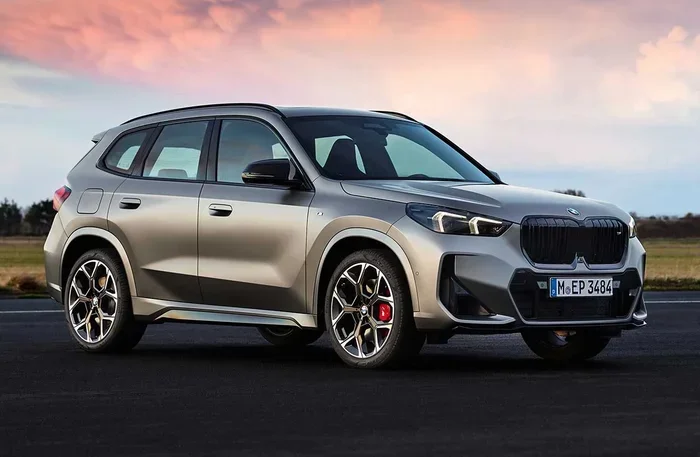
The X1’s 2.0‑liter TwinPower Turbo engine delivers 228 hp and 258 lb‑ft of torque. Power reaches the wheels through an 8‑speed automatic that shifts smoothly. The optional xDrive system can send up to 100 % of torque to either axle, giving you grip on snow or gravel.
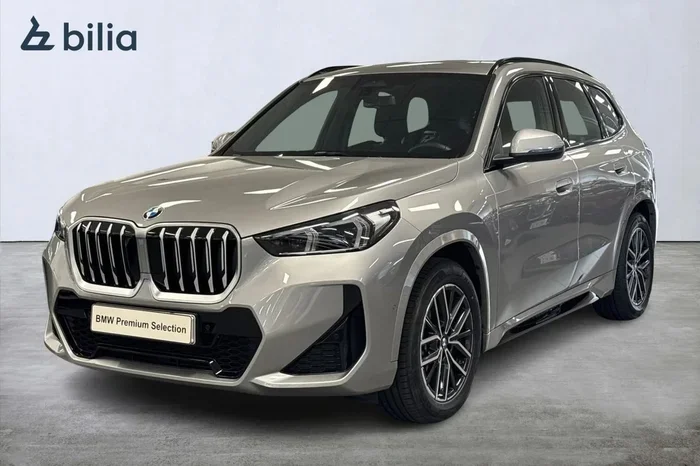
Visual guide about BMW X1 SUV exterior
Image source: cdn.bilweb.se
Acceleration and fuel economy
- 0‑60 mph in about 6.3 seconds (FWD) / 6.1 seconds (xDrive).
- EPA combined rating: 25 mpg (FWD) / 24 mpg (xDrive).
- Premium fuel recommended for optimal output.
Handling feel
Steering is precise with a slight on‑center weight that inspires confidence on winding roads. The suspension balances sportiness and comfort, absorbing most bumps without feeling floaty. For a deeper look at how BMW’s engineering philosophy translates to reliability, see identifying the most reliable BMW models for longevity.
Interior, Technology, and Cargo Space
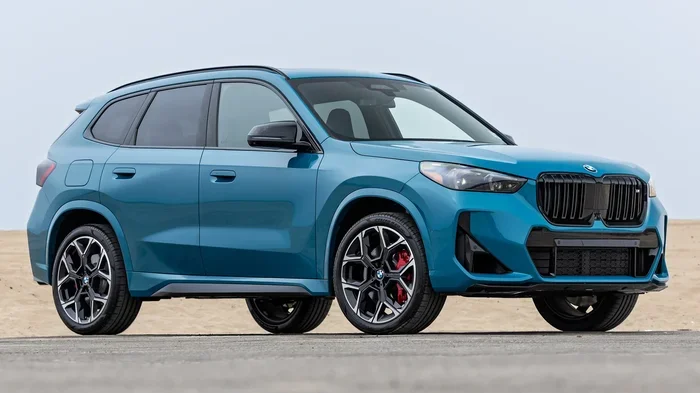
Step inside and you’ll notice a driver‑focused cockpit. The 10.25‑inch digital instrument cluster and 10.7‑inch central touchscreen run iDrive 9 with natural‑voice control. Materials include Sensatec upholstery standard, with optional Vernasca leather.
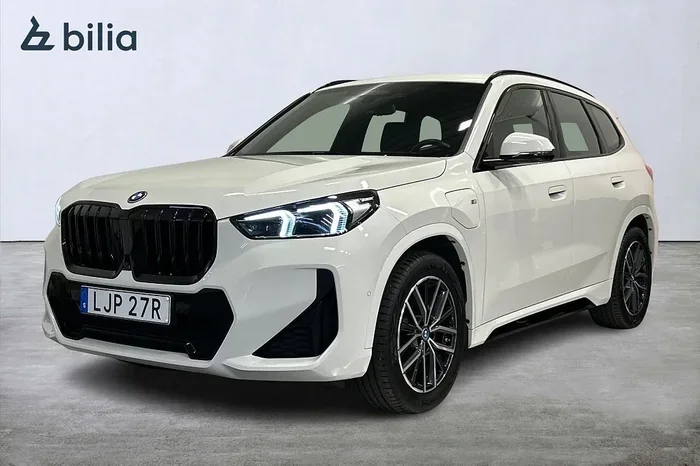
Visual guide about BMW X1 SUV exterior
Image source: cdn.bilweb.se
Passenger room
- Front headroom: 39.5 in.
- Rear legroom: 36.5 in – respectable for the class.
- Heated front seats standard; heated rear seats optional.
Cargo capacity
| Configuration | Behind 2nd Row | With 2nd Row Folded |
|---|---|---|
| Standard | 27.1 cu ft | 58.7 cu ft |
| Plug‑in Hybrid | 24.5 cu ft | 55.2 cu ft |
The X1’s cargo area is competitive, but the plug‑in hybrid loses a few cubic feet due to the battery pack. If you need maximum space, the standard gas model wins.
Tech highlights
- Wireless charging pad (optional).
- Harman Kardon premium audio (12 speakers).
- BMW Maps with real‑time traffic and EV routing for the hybrid.
- Driver‑assistance suite: adaptive cruise, lane‑keep, blind‑spot, and automatic emergency braking.
Reliability, Maintenance, and Ownership Costs
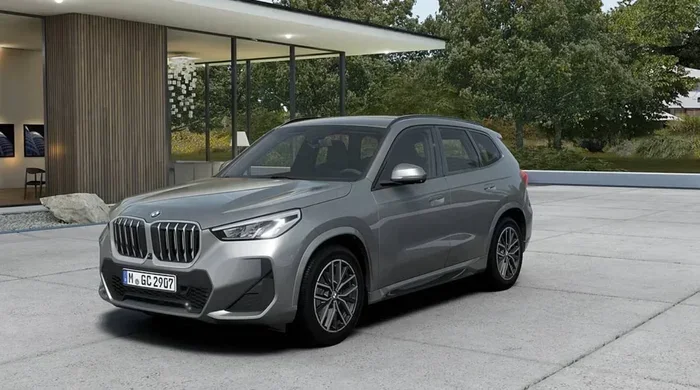
Reliability is a top concern when you ask should I buy BMW X1. Recent Consumer Reports and J.D. Power surveys place the X1 above the segment average. Common issues are minor – occasional infotainment glitches and early‑wear brake pads.
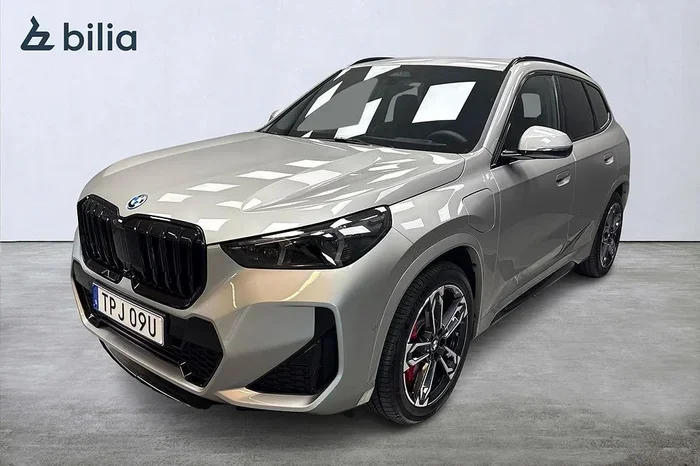
Visual guide about BMW X1 SUV exterior
Image source: cdn.bilweb.se
Maintenance schedule
- Oil change every 10,000 mi or 12 months (synthetic 0W‑20).
- Brake fluid every 2 years.
- Coolant flush at 100,000 mi (use BMW‑approved coolant).
- Run‑flat tire inspection at each service; replace in sets of four for balanced handling.
Estimated annual cost
- Fuel (12,000 mi @ 25 mpg, premium $4.00/gal) ≈ $1,920.
- Routine maintenance ≈ $800‑$1,200.
- Insurance (average) ≈ $1,500.
- Depreciation (first 3 years) ≈ $9,000.
Total 3‑year ownership cost roughly $38,000‑$42,000, depending on trim and driving habits. For a detailed breakdown of warranty coverage, check what does BMW warranty cover.
Buying New vs. Certified Pre‑Owned
New X1 models start around $38,000 (MSRP) for the sDrive28i and climb to $45,000+ for the xDrive28i with packages. Certified Pre‑Owned (CPO) units typically save $4,000‑$7,000 and come with a 12‑month/12,000‑mile limited warranty plus the remaining factory coverage.
Pros of buying new
- Full factory warranty (4 yr/50,000 mi).
- Latest tech and safety updates.
- Customizable options and colors.
Pros of CPO
- Lower purchase price.
- Rigorous 150‑point inspection.
- Extended warranty up to 6 yr/100,000 mi total.
- Roadside assistance included.
If you prefer the peace of mind of a longer warranty, the CPO route is compelling. Learn more about the CPO program at what does BMW certified mean.
Quick Tips for a Smart Purchase
- Test drive both FWD and xDrive – feel the traction difference.
- Check tire condition – run‑flats are pricey; negotiate replacement if worn.
- Verify service history – a complete record boosts resale value.
- Compare lease vs. finance – BMW often offers attractive lease rates on the X1.
- Ask about loyalty or conquest incentives – they can shave $1,000‑$2,000 off the price.
Common Mistakes to Avoid
- Skipping the pre‑purchase inspection on a used unit.
- Assuming all trims have the same driver‑assist features – they don’t.
- Overlooking the cost of premium fuel in your monthly budget.
- Ignoring the run‑flat tire replacement schedule.
- Not negotiating the documentation fee – it’s often flexible.
Expert Insights
“The X1 delivers the most engaging drive in its class,” says senior automotive analyst Mark Thompson. “Its turbo engine feels punchy, and the chassis tuning rewards spirited driving without punishing daily commuters.” He adds that the 2023 refresh addressed previous interior‑quality complaints, making the cabin feel more premium.
Another expert, Lisa Chen of CarBuyer Magazine, notes: “If you plan to keep the vehicle beyond five years, the CPO warranty extension is a smart hedge against unexpected repairs.” She also highlights the strong resale values, especially for low‑mileage xDrive models.
Final Verdict: Should You Buy the BMW X1?
After weighing performance, interior quality, technology, reliability, and total cost of ownership, the answer to should I buy BMW X1 leans toward yes for buyers who value a sporty, premium compact SUV with a strong badge. The X1 excels in driving fun, tech integration, and brand prestige. If your priorities shift toward maximum cargo space or the lowest possible running costs, rivals like the Audi Q3 or Volvo XC40 Recharge may deserve a look.
Ultimately, match the X1’s strengths to your lifestyle. Test drive, compare numbers, and consider a certified pre‑owned unit for the best blend of value and peace of mind.
Frequently Asked Questions
Is the BMW X1 reliable for long‑term ownership?
Yes. Recent reliability surveys rank the X1 above the segment average, especially when routine maintenance is followed.
What is the fuel economy of the BMW X1?
The 2024 X1 sDrive28i returns 25 mpg combined (FWD) and 24 mpg combined (xDrive) on premium fuel.
Does the BMW X1 have a third row?
No. The X1 is a five‑seat compact SUV; for three rows you would need the larger X5 or X7.
Are run‑flat tires standard on the X1?
Most trims come with run‑flat tires. They eliminate the need for a spare but cost more to replace. See what are BMW run flat tires for details.
What warranty does a new BMW X1 include?
A new X1 carries a 4‑year/50,000‑mile limited warranty plus a 12‑year corrosion perforation warranty.
Should I lease or finance a BMW X1?
Leasing often offers lower monthly payments and lets you upgrade every 3 years. Financing builds equity and removes mileage limits. Choose based on your driving habits and cash flow.