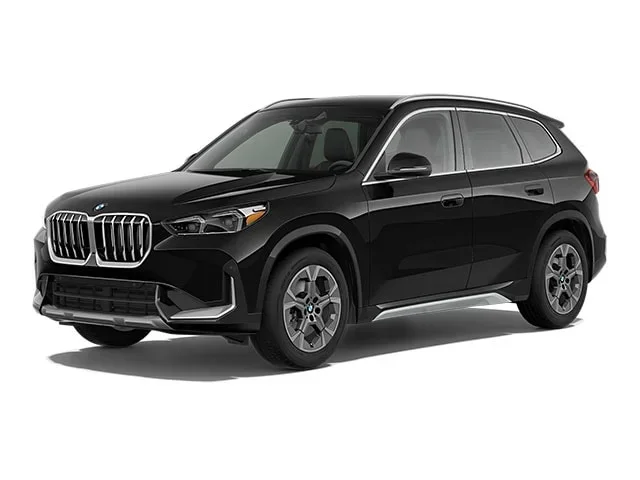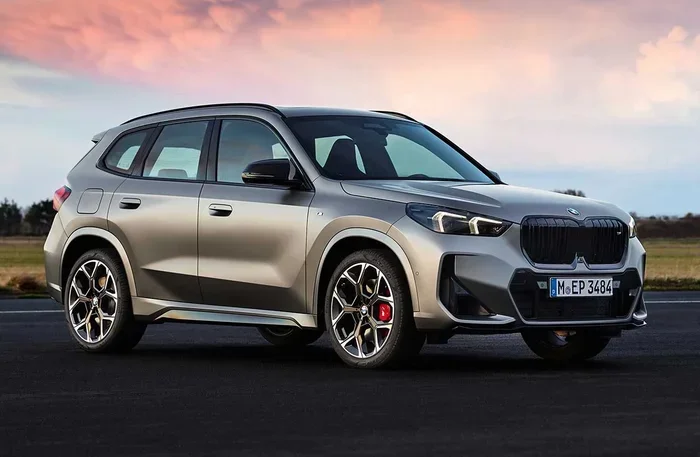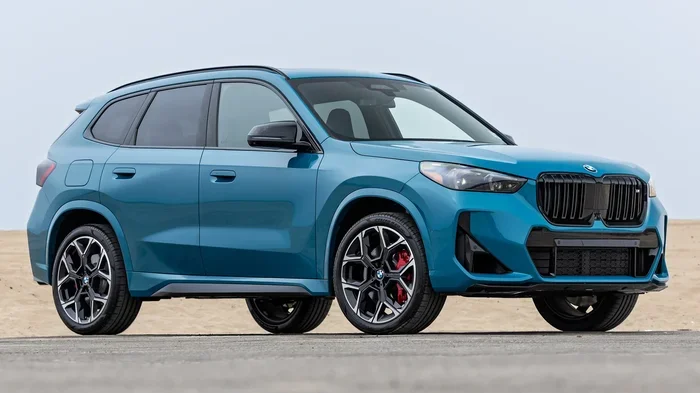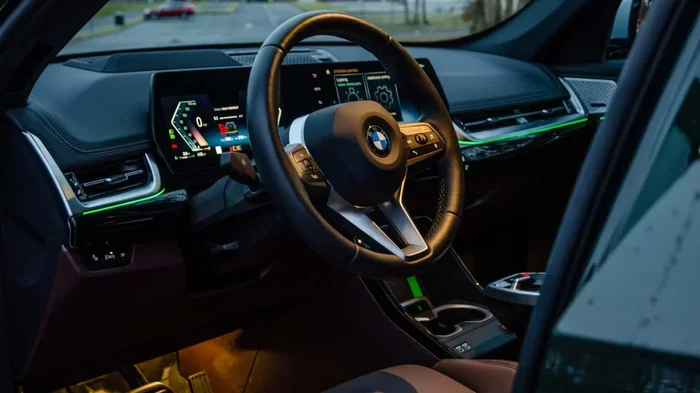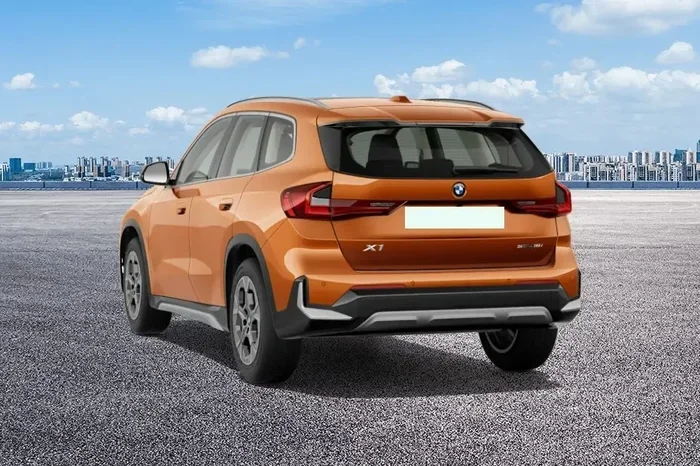
Featured image for BMW X1 SUV exterior
Image source: imgcdn.oto.com
Yes, the BMW X1 is an SUV—specifically a subcompact luxury crossover (marketed as a Sports Activity Vehicle). It offers standard all-wheel drive (xDrive), decent ground clearance, and practical cargo space. This guide breaks down its specs, trims, performance, and how it stacks up against rivals like the X3.
If you are shopping for a luxury crossover, you have probably asked yourself: is the BMW X1 an SUV? The short answer is yes. But the long answer involves understanding BMW’s unique naming conventions, the difference between a traditional body-on-frame truck and a unibody crossover, and where this specific model fits in the crowded premium market. It sits at the entry point of the BMW SUV lineup, offering the badge prestige and driving dynamics the brand is famous for, wrapped in a package that fits city parking spots.
In this deep dive, we will cover everything you need to know. We will look at its official classification, drivetrain layouts, interior space, engine choices, and how it compares to its bigger brother, the X3. Whether you are a first-time BMW buyer or downsizing from a larger model, this guide will help you decide if the X1 is the right fit for your garage.
Key Takeaways
- Official Classification: The BMW X1 is a subcompact luxury crossover SUV, branded by BMW as a Sports Activity Vehicle (SAV).
- Drivetrain Options: It comes in front-wheel drive (sDrive) and all-wheel drive (xDrive) configurations depending on the trim and model year.
- Practical Dimensions: It offers roughly 27–28 cubic feet of cargo space behind the rear seats and up to 58 cubes with seats folded.
- Performance Variants: The lineup includes the efficient xDrive28i, the plug-in hybrid xDrive30e, and the high-performance M35i.
- X1 vs. X3: The X1 is smaller, cheaper, and more city-friendly than the compact X3, but offers less rear legroom and towing capacity.
- Tech & Comfort: Modern models feature the curved display with iDrive 9, wireless Apple CarPlay/Android Auto, and available parking assist.
- Ownership Costs: Expect premium maintenance costs; using the correct BMW coolant and synthetic oil is critical for longevity.
📑 Table of Contents
- What Classifies the BMW X1 as an SUV?
- Drivetrain Deep Dive: sDrive vs. xDrive
- Engine Lineup and Performance
- Interior Space, Cargo, and Practicality
- Technology and Infotainment: iDrive 9
- X1 vs. The Competition (And Its Sibling X3)
- Ownership Experience: Reliability, Maintenance, and Costs
- Buying Guide: Which Trim Should You Get?
- Common Mistakes to Avoid
- Frequently Asked Questions
- Conclusion
What Classifies the BMW X1 as an SUV?
Technically speaking, the BMW X1 is a subcompact luxury crossover SUV. BMW marketing calls it a Sports Activity Vehicle (SAV). This distinction matters. A traditional SUV (Sport Utility Vehicle) often uses body-on-frame construction, similar to a pickup truck. The X1 uses unibody construction (monocoque), where the body and frame are a single piece. This makes it lighter, more fuel-efficient, and better handling on pavement—exactly where 99% of these vehicles live their lives.
The “SAV” Badge Explained
BMW coined the term SAV years ago to highlight that their utility vehicles prioritize on-road driving dynamics (“Sport”) over heavy-duty off-roading. The X1 stays true to this philosophy. It has higher ground clearance than a sedan (about 7.2 to 8.2 inches depending on the generation) and available all-wheel drive. However, it lacks low-range gearing, locking differentials, or serious approach/departure angles for rock crawling. It handles snow, gravel driveways, and grass fields with ease. It is not a Wrangler competitor.
Generational Shifts: E84 vs. F48 vs. U11
The classification has evolved slightly over three generations:
- First Gen (E84, 2009–2015): Built on a stretched 3 Series platform. Rear-wheel drive bias (xDrive sent power mostly rearward). Felt very car-like.
- Second Gen (F48, 2015–2022): Switched to a front-wheel-drive platform (UKL architecture). This upset purists but maximized interior space. xDrive became a front-biased system engaging rear wheels only when slip is detected.
- Third Gen (U11, 2023–Present): Refined the FWD platform. Looks more upright and “SUV-like.” Standard xDrive on the main gas model (xDrive28i) in the US market.
Drivetrain Deep Dive: sDrive vs. xDrive
One of the biggest confusion points for buyers is the sDrive vs. xDrive badging. Simply put: sDrive = two-wheel drive (usually front-wheel drive on the X1), xDrive = all-wheel drive.
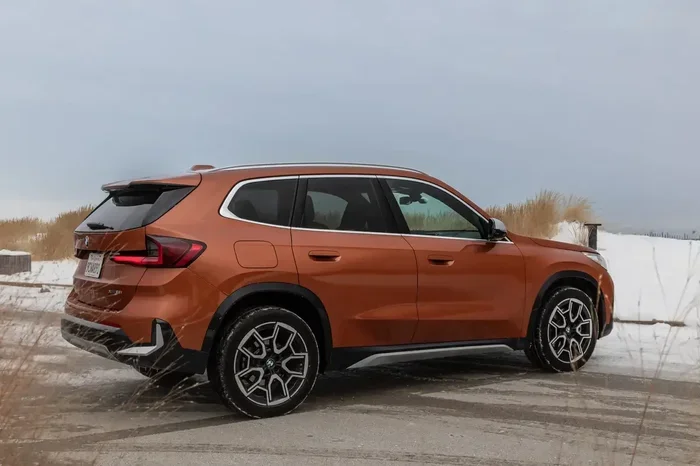
Visual guide about BMW X1 SUV exterior
Image source: images.cars.com
sDrive (FWD) Details
On the F48 and U11 generations, sDrive models send power to the front wheels only. This saves weight (approx. 100–150 lbs), improves fuel economy by 1–2 MPG, and lowers the purchase price. For buyers in warm climates (Florida, Texas, Southern California) who never see snow, sDrive is a perfectly rational choice. The traction control system manages wheelspin well in rain.
xDrive (AWD) Details
xDrive uses an electro-hydraulic multi-plate clutch connected to the rear differential. In normal driving, it acts like FWD (saving fuel). When the system detects front wheel slip (or predicts it via steering angle/throttle input), it locks the clutch to send up to 50% of torque to the rear axle. It reacts in milliseconds. For anyone facing winter weather, steep driveways, or wet mountain roads, xDrive is worth the premium. It transforms the X1 from a fair-weather friend into a year-round partner.
US Market Note
For the current U11 generation (2023+), BMW simplified the US lineup. The xDrive28i is the only gas model offered, and it comes standard with all-wheel drive. The sDrive badge has effectively disappeared from US showrooms for the gas variant (though the EV iX1 offers eDrive/sDrive variants globally). This makes the buying decision easier: you get AWD standard.
Engine Lineup and Performance
The X1 has never been a straight-line speed king, but it offers “adequate to good” acceleration with excellent transmission tuning. The current generation uses a 2.0L TwinPower Turbo inline-4 across the board.
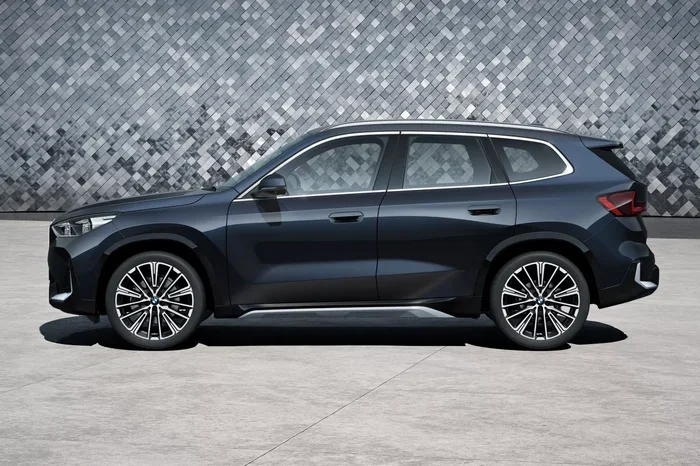
Visual guide about BMW X1 SUV exterior
Image source: bmw.scene7.com
xDrive28i (The Volume Seller)
- Engine: 2.0L Turbo Inline-4
- Output: 241 hp / 295 lb-ft torque
- 0-60 mph: ~6.2 seconds
- Transmission: 7-speed Dual Clutch (DCT)
This engine is smooth, punchy in the mid-range, and paired with a snappy DCT. It feels quicker than the numbers suggest because torque arrives low (1,500 rpm). It is the sweet spot for daily driving.
xDrive30e (Plug-in Hybrid)
- System Output: 288 hp / 332 lb-ft
- Electric Range: ~38–40 miles (EPA)
- 0-60 mph: ~5.6 seconds
The PHEV adds a 14.2 kWh battery and electric motor integrated into the transmission. You can commute silently on electricity alone. It qualifies for HOV lane access in many states. The downside? The battery eats into under-floor cargo space, and you lose the spare tire well (repair kit only).
M35i xDrive (The Performance Flagship)
- Output: 312 hp / 295 lb-ft
- 0-60 mph: ~5.2 seconds
- Extras: M Sport suspension, M Sport brakes, specific tuning, quad exhaust tips.
This is the closest thing to an “M” car in the segment. It adds adaptive dampers (standard), a mechanical limited-slip differential on the front axle (crucial for putting power down), and aggressive styling. If you want to know what BMW is the fastest in the subcompact class, this is it—but remember, it still rides on a FWD-biased platform.
Interior Space, Cargo, and Practicality
This is where the X1 surprises people. Because it uses a front-wheel-drive architecture (no driveshaft tunnel), the rear floor is flat. This makes the middle seat actually usable for a human adult—rare in this class.
Passenger Room
| Dimension | X1 (U11) | X3 (G01) |
|---|---|---|
| Front Headroom | 40.4 in | 40.3 in |
| Rear Legroom | 37.0 in | 37.6 in |
| Rear Headroom | 38.4 in | 38.7 in |
Notice the rear legroom is nearly identical to the X3. The X3 feels airier due to a higher roofline and wider shoulders, but on paper, the X1 holds its own for a subcompact.
Cargo Capacity
- Behind 2nd Row: 27.1 cu ft (Gas) / 21.6 cu ft (PHEV)
- 2nd Row Folded: 57.2 cu ft (Gas) / 51.7 cu ft (PHEV)
The load floor is low and wide. The 40/20/40 split-folding rear seats are standard. There is a hidden under-floor compartment in gas models (great for valuables or the charging cable in the PHEV). The hands-free power tailgate is standard on higher trims.
Technology and Infotainment: iDrive 9
The U11 X1 debuts BMW’s latest iDrive 9 on the BMW Curved Display. This combines a 10.25-inch digital instrument cluster and a 10.7-inch touchscreen into one seamless glass panel. No more rotary iDrive controller (it is gone on this model). Everything is touch, voice, or steering-wheel button controlled.
Key Tech Features
- Wireless Apple CarPlay / Android Auto: Standard. Works reliably.
- BMW Intelligent Personal Assistant: Say “Hey BMW” to navigate, change temp, or find parking.
- Over-the-Air Updates: Keeps maps and software fresh without dealer visits.
- Digital Key Plus: Use your iPhone/Apple Watch or Android phone as a key (UWB technology). Share keys digitally with family.
- Parking Assistant Plus: Optional. Handles parallel/perpendicular parking and remembers the last 50m of driving to reverse out automatically (Reversing Assistant).
Quick Tip: The Climate Menu
One common complaint: climate controls are buried in the touchscreen. Pro Tip: Pin the “Climate” widget to the home screen via the “Edit” mode (long press empty space). Or use voice commands: “Hey BMW, set temperature to 72 degrees.” It saves you from tapping through menus while driving.
X1 vs. The Competition (And Its Sibling X3)
The subcompact luxury SUV segment is a bloodbath. Here is how the X1 stacks up.
BMW X1 vs. BMW X3
This is the most common cross-shop. If you need three rows, neither works—look at the X5 or X7. But for two rows:
- Price: X1 starts ~$5,000–$7,000 lower.
- Platform: X1 = FWD-based (UKL/FAAR). X3 = RWD-based (CLAR). The X3 drives with better balance, sharper turn-in, and less torque steer.
- Ride Quality: X3 absorbs big bumps better; X1 can feel busy on broken pavement (especially M35i).
- Towing: X1 maxes at 2,000–3,700 lbs (model dependent). X3 tows 4,400 lbs standard.
- Verdict: Buy the X1 for city parking, value, and tech. Buy the X3 for highway cruising, towing, and “ultimate driving machine” feel.
Vs. Audi Q3 / Mercedes GLA / Volvo XC40
- Audi Q3: Similar FWD platform. Virtual Cockpit is great. Interior feels slightly more “built like a vault.” Less engaging steering than BMW.
- Mercedes GLA: Best ambient lighting and “wow” factor interior. MBUX voice control is top-tier. Ride is softer. Rear seat is tighter than X1.
- Volvo XC40: Best seats in class. Google Built-in infotainment (no phone needed). Boxy shape = max cargo. Polestar Engineered trim is quick. Reliability history is spottier.
Ownership Experience: Reliability, Maintenance, and Costs
Let’s talk real world. This is a German luxury vehicle with a turbo engine and complex electronics. It will cost more to maintain than a Toyota RAV4 or Honda CR-V.
Common Maintenance Items
- Oil Changes: Every 10,000 miles (BMW Condition Based Service). Use only LL-01 or LL-17FE+ approved 0W-20/0W-30 synthetic. Cost: $150–$250 at dealer; $80–$120 indie shop.
- Brake Fluid: Every 2 years.
- Coolant: “Lifetime” fill, but flush at 60k–80k miles for peace of mind. Use BMW Blue (G48) or Green (HT-12) depending on model year—never mix. Never use universal green/orange coolant from auto parts stores.
- Transfer Case / Rear Diff Fluid (xDrive): Every 40k–60k miles. Critical for xDrive longevity. Use BMW specific fluid (TL 7080 / TF 9008).
- Spark Plugs: Every 45k–60k miles (turbo engines eat plugs).
- Walnut Blasting (Intake Valve Cleaning): Direct injection causes carbon buildup. Every 50k–70k miles. Cost: $400–$700.
Reliability Outlook
The B48 2.0L engine (in current models) is robust. The timing chain is improved over the old N20. The 7-speed DCT is generally reliable if fluid is changed (BMW says “lifetime,” experts say 40k–60k miles). Electronics glitches (sensors, modules) are the #1 headache as the car ages past warranty. A pre-purchase inspection (PPI) by a BMW specialist is mandatory for used buys.
Expert Insight: The “Lifetime Fluid” Myth
“BMW labels many fluids as ‘Lifetime Fill.’ In engineering terms, that means ‘lifetime of the warranty.’ If you plan to keep the car past 60k–80k miles, change the transmission fluid, transfer case fluid, and differential fluid. It is cheap insurance against a $4,000 repair.” — Independent BMW Master Technician
Buying Guide: Which Trim Should You Get?
For the 2024/2025 Model Year (U11), the lineup is simple:
xDrive28i (Base / Premium / M Sport)
- Base: 18″ wheels, Sensatec (leatherette), 8-way manual seats, single-zone climate (wait, dual zone is standard now? Yes, dual zone standard). Good value.
- Premium: Adds power seats w/ lumbar, heated front seats, heated steering wheel, Harman Kardon audio, ambient lighting, head-up display, parking assistant. Sweet spot.
- M Sport: Adds 19″ wheels, sport seats, M steering wheel, shadowline trim, adaptive suspension (M Sport Suspension). Stiffer ride. Looks best.
xDrive30e (Plug-in Hybrid)
Only comes in one well-equipped trim level (similar to Premium+). Get this if: you have home charging, commute <30 miles round trip, want HOV access, and want the torque boost. Skip if: you need max cargo floor space or don't have a place to plug in.
M35i xDrive
Fully loaded by default. Adaptive M suspension, red brakes (optional blue), head-up display, premium everything. Buy this if you want the ultimate X1 and accept the firm ride.
Common Mistakes to Avoid
- Mistake: Buying sDrive (FWD) in a snow state to save $2k. Fix: The resale hit and winter stress aren’t worth it. Get xDrive.
- Mistake: Ignoring the PHEV cargo floor height. Fix: Test fit your stroller/golf bags. The battery raises the floor ~3 inches.
- Mistake: Skipping the PPI on a used F48 (2016–2022). Fix: Check for timing chain rattle (early B48), coolant leaks (water pump/thermostat), and transfer case wear.
- Mistake: Using non-run-flat tires without a mobility kit/spare plan. Fix: Most X1s lack a spare. If you switch to non-run-flats (better ride), carry a compressor/sealant kit or spare tire kit.
- Mistake: Assuming “Lifetime” transmission fluid is real. Fix: Change DCT fluid at 60k miles.
Frequently Asked Questions
Is the BMW X1 considered a compact or subcompact SUV?
The BMW X1 is classified as a subcompact luxury crossover SUV. It competes in the “Subcompact Luxury SUV” segment against the Audi Q3, Mercedes-Benz GLA, and Volvo XC40. The larger BMW X3 sits in the “Compact Luxury SUV” class.
Does the BMW X1 have a timing belt or chain?
All current BMW X1 engines (B48 2.0L turbo) use a timing chain. It is designed to last the life of the engine (150k+ miles), but on higher mileage examples (80k+), listen for a rattle on cold start which could indicate chain guide wear.
Can the BMW X1 tow a trailer?
Yes. The gas xDrive28i and M35i are rated to tow 2,000 lbs (some model years up to 3,700 lbs with the tow package—check your specific VIN). The xDrive30e PHEV is not rated for towing in the US market.
What is the ground clearance of the BMW X1?
The current U11 generation has 7.2 inches of ground clearance (8.2 inches for the M35i with adaptive suspension in its highest setting). This is sufficient for snow and dirt roads but low for serious off-roading.
Is the BMW X1 reliable long term?
It is average for the luxury class. The B48 engine is solid. The weak points are electronics, coolant system components (plastic parts get brittle), and the xDrive transfer case if fluid is neglected. It is less reliable than a Lexus UX or Acura RDX but more engaging to drive.
Does the BMW X1 require premium gas?
Yes. BMW recommends 91 octane minimum (93 preferred) for all gas models (xDrive28i, M35i) for optimal performance, fuel economy, and engine longevity. The xDrive30e PHEV also requires premium. Using 87 octane occasionally won’t destroy the engine (knock sensors retard timing), but you lose power and efficiency.
Conclusion
So, is the BMW X1 an SUV? Absolutely. It checks every box for a modern subcompact luxury crossover: elevated seating, available all-wheel drive, practical cargo space, and a commanding view of the road. It delivers the “BMW feel”—sharp steering, punchy turbo torque, and a driver-focused cockpit—in the brand’s smallest, most affordable utility package.
It is not a truck. It won’t rock crawl. It costs more to maintain than mainstream rivals. But if you want a vehicle that fits a city garage, carves up a canyon road, coddles you in premium materials, and wears the Roundel with pride, the X1 is a compelling choice. Test drive the xDrive28i M Sport and the xDrive30e back-to-back. Your wallet and your right foot will tell you which one to take home.