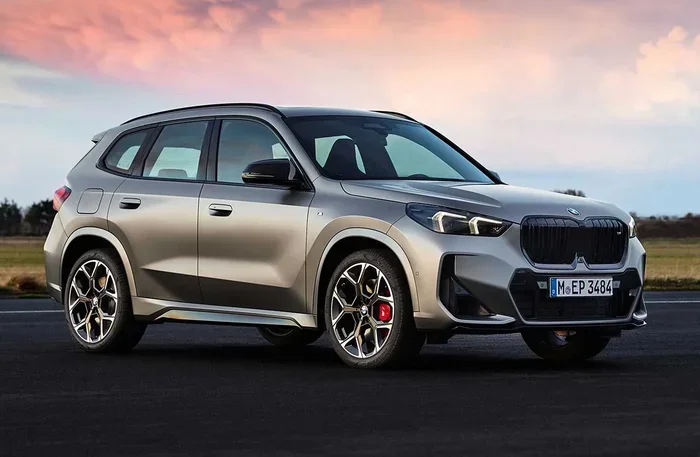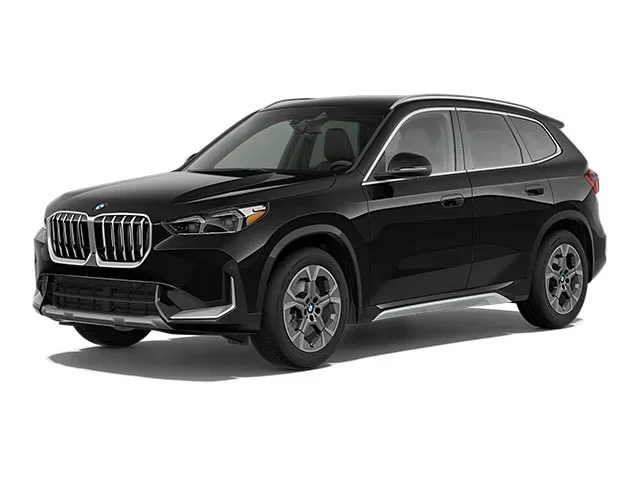
Featured image for BMW X1 SUV exterior
Image source: images.dealer.com
Is a BMW X1 a good car? The short answer is yes, it blends sporty handling with a premium interior, making it a top pick in the subcompact luxury SUV class. It offers strong engines, sharp tech, and a surprisingly roomy cabin for its size. However, maintenance costs run higher than average, and some model years have known issues. This guide breaks down everything you need to know before you buy.
Shopping for a luxury SUV usually means choosing between a badge and a budget. The BMW X1 sits right in that sweet spot. It promises the driving thrill the brand is famous for but wraps it in a package that is easier to park and easier on the wallet than its bigger siblings. But is a BMW X1 a good car for your daily reality? That depends on what you value more: the grin factor on a back road or the peace of mind on a long highway commute. We have driven every generation, talked to owners, and dug into the reliability data. Here is the honest truth.
Key Takeaways
- Fun to Drive: The X1 handles more like a sport sedan than a tall SUV, thanks to sharp steering and a stiff chassis.
- Premium Interior: Materials feel upscale, the iDrive 8 system is excellent, and front seats are very comfortable for long trips.
- Space Efficiency: It offers class-leading rear legroom and a versatile cargo area, making it practical for small families.
- Higher Running Costs: Expect to pay more for repairs, tires, and premium fuel compared to non-luxury rivals like the Mazda CX-5.
- Reliability is Average: It isn’t a Toyota, but sticking to the maintenance schedule prevents most major headaches.
- Check for Run-Flats: Many models come with run-flat tires; they let you drive on a flat but ride stiff and cost more to replace.
- CPO is Smart: A Certified Pre-Owned unit adds a strong warranty that covers the expensive electronics and turbo components.
📑 Table of Contents
What Makes the BMW X1 Stand Out?
The X1 competes in a crowded segment. You have the Audi Q3, the Mercedes-Benz GLA, and the Volvo XC40. They all look good on paper. The BMW difference shows up the moment you turn the wheel. It feels lighter on its feet. The suspension tuning strikes a rare balance. It absorbs potholes without floating over highway dips. That is the core appeal. You get the utility of an SUV with the soul of a 3 Series.
Performance and Engine Choices
Current models use a 2.0-liter turbocharged four-cylinder. In the xDrive28i, it makes 241 horsepower and 295 lb-ft of torque. That is plenty for a vehicle this size. Zero to sixty happens in about 6.2 seconds. It feels quick off the line because the torque arrives early. The seven-speed dual-clutch transmission (DCT) snaps off shifts instantly. Older models (2016–2022) used an eight-speed traditional automatic. That unit is smoother in traffic but slower to react when you mash the pedal.
Front-wheel drive (sDrive) is standard. All-wheel drive (xDrive) is optional and highly recommended if you see snow. The system sends power to the rear wheels almost instantly when slip is detected. It transforms the car in rain or light snow. Fuel economy is respectable. The EPA rates the xDrive at 25 mpg combined. Real-world driving usually lands near 23–24 mpg. You must run premium fuel. That adds up over a year of commuting.
Handling and Driving Feel
This is where the X1 earns its badge. The steering is weighted perfectly. It builds effort naturally as you turn in. There is very little body roll for a tall vehicle. You can place the front tires exactly where you want them. The brake pedal feels firm and progressive. It inspires confidence on a twisty road. The trade-off is a firmer ride. On broken pavement, you feel every expansion joint. If you want a magic carpet, look at the Lexus UX or Volvo XC40. If you want connection, the X1 wins.
Interior Comfort and Technology
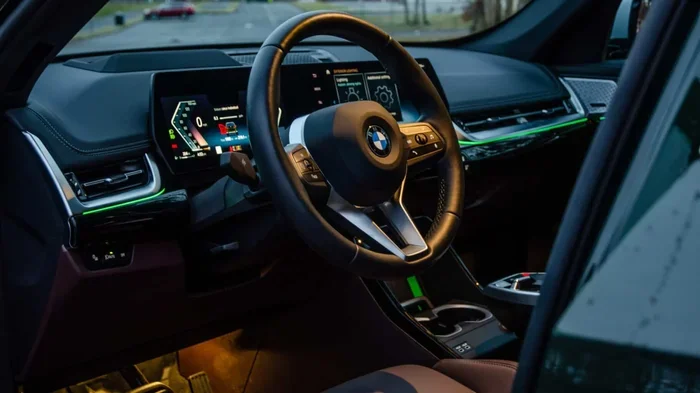
Step inside the current generation (2023+) and the leap forward is obvious. The dashboard is dominated by a massive curved display. It houses the 10.25-inch digital cluster and the 10.7-inch touchscreen. It runs BMW’s latest iDrive 9 (or iDrive 8 depending on build date). The software is snappy. Wireless Apple CarPlay and Android Auto are standard. The graphics are crisp. Voice commands actually work. You say “Hey BMW, I’m cold” and the heat kicks on. It feels modern in a way the old knob-based system never did.
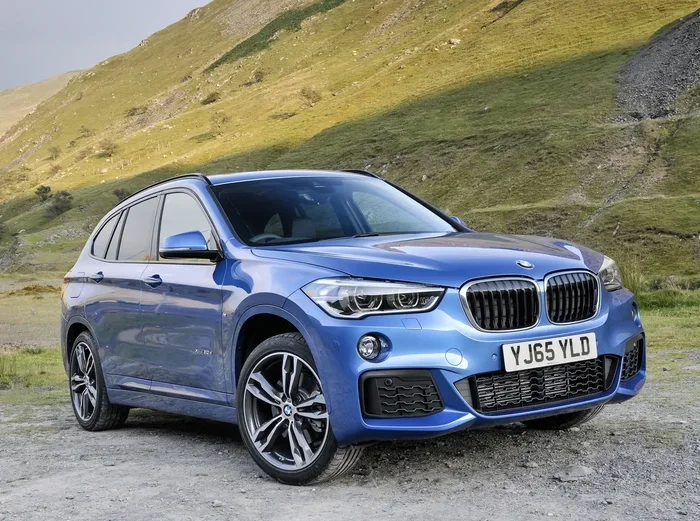
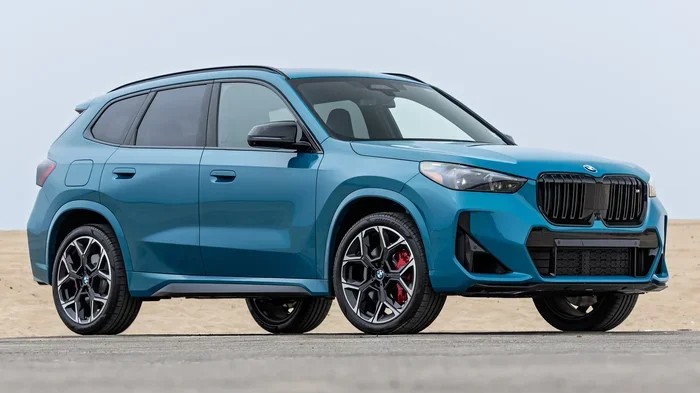
Visual guide about BMW X1 SUV exterior
Image source: parkers-images.bauersecure.com
Cabin Quality and Space
Materials are a step up from the previous generation. Soft-touch plastics cover the upper doors and dash. The switchgear feels dense and precise. The front seats are a highlight. They offer extensive adjustment, great bolstering, and available massage functions. Rear seat space is the surprise. Two six-foot adults can sit behind two six-foot adults. Knees don’t touch the seatbacks. Headroom is tight if you add the panoramic sunroof, but acceptable without it. Cargo space sits at 27 cubic feet behind the rear seats. Fold them flat and you get 57 cubes. That beats the Q3 and GLA. The load floor is low and flat. Groceries, strollers, or golf bags fit easily.
Infotainment and Driver Aids
The touchscreen handles almost everything. Climate controls are on the screen. That can be annoying for simple adjustments. There are no physical knobs for volume or fan speed. You get used to it, but it takes a week. Standard safety tech includes automatic emergency braking, lane departure warning, and front collision warning. Adaptive cruise control and active lane keeping are optional on lower trims but standard on higher ones. The 360-degree camera system is excellent for tight parking garages. The parking assistant can parallel park the car hands-free. It works well most of the time.
Reliability and Common Issues
Let’s address the elephant in the room. BMW reliability has improved, but it still lags behind Japanese brands. Consumer Reports and J.D. Power rate the X1 as average. That means you will likely visit the dealer more often than a RAV4 owner. The good news? Most issues are minor electronics glitches or wear items. The bad news? When things break, parts are pricey.
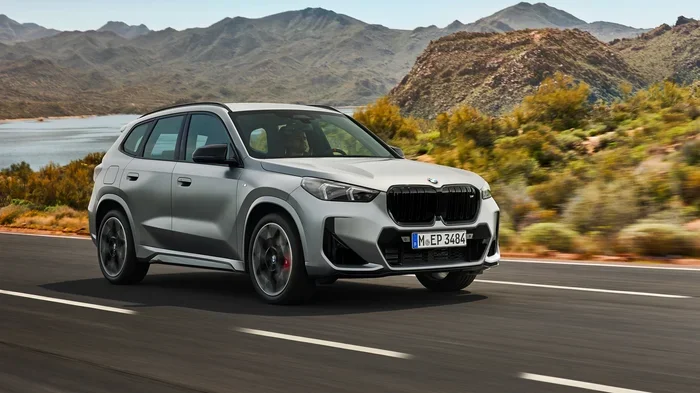
Visual guide about BMW X1 SUV exterior
Image source: motortrend.com
Known Problem Areas
- Coolant Leaks: The plastic thermostat housing and water pump can become brittle over time. If you see pink/blue fluid under the nose, act fast. Overheating warps the aluminum head quickly. For details on the correct fluid, see our guide on what coolant does BMW use.
- Oil Filter Housing Gasket: A classic BMW issue. The gasket shrinks and weeps oil onto the exhaust manifold. You smell burning oil at stoplights. It is a moderate DIY job or a few hundred bucks at a shop.
- Electrical Gremlins: Window regulators, iDrive screen freezes, and sensor faults (parking sensors, tire pressure) pop up on higher-mileage cars.
- Timing Chain (N20 Engine): Early 2013–2015 models with the N20 four-cylinder had timing chain guide failures. BMW extended warranties on many. Verify the repair was done if buying used.
- Transmission Mechatronics: The 8-speed automatic is generally robust, but the mechatronic sleeve can leak. The DCT in new models is too new for long-term data but feels durable.
Maintenance Costs Overview
Budget $1,200 to $1,800 per year for maintenance and repairs once the warranty expires. That is roughly double a mainstream compact SUV. Oil changes require synthetic 0W-20 or 0W-30 and a specific filter. Brake fluid flushes are due every two years. Selecting the ideal brake fluid is critical because the system runs hot. The X1 uses brake-by-wire on newer models, making fluid condition vital. Coolant flushes are typically every 4–5 years. Always use the correct coolant for your BMW vehicle (HT-12 spec, usually blue or green depending on year). Mixing types causes gelling.
Tires are a specific pain point. Many X1s come with BMW run-flat tires. They let you drive 50 miles at 50 mph after a puncture. The downside? They ride harder, wear faster, and cost $300+ per corner. Many owners switch to non-run-flats and carry a sealant kit or spare. If you do this, check your insurance; some policies require run-flats for roadside assistance coverage.
Buying New vs. Used vs. Certified Pre-Owned
The X1 depreciates hard in the first three years. A three-year-old model often sells for 50–55% of its original MSRP. That makes a used X1 a tremendous value proposition. You get a modern interior and current tech for half price. The risk is the unknown history. A pre-purchase inspection (PPI) by an independent BMW specialist is non-negotiable. Spend the $200. It saves thousands.
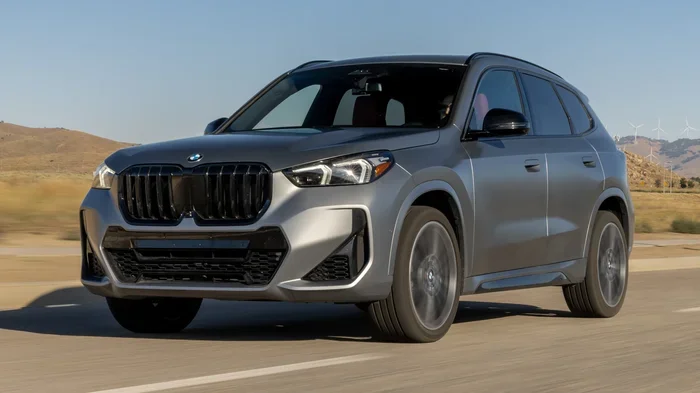
Visual guide about BMW X1 SUV exterior
Image source: motortrend.com
The CPO Advantage
BMW’s Certified Pre-Owned (CPO) program is one of the best in the business. It adds a one-year/unlimited-mile warranty on top of the remainder of the original 4-year/50,000-mile factory warranty. That means you can get up to 5 years of bumper-to-bumper coverage on a used car. It covers the expensive stuff: turbo, transmission, electronics, suspension. The car must pass a rigorous inspection. For a complex German SUV, BMW CPO warranty coverage provides massive peace of mind. It usually costs $1,500–$2,500 more than a non-CPO used car. It is worth every penny.
Depreciation and Value
If you buy new, you eat the depreciation. If you lease, the residual values are strong, keeping payments reasonable. The X1 holds value better than the Audi Q3 or Mercedes GLA but worse than the Volvo XC40. High-demand specs (xDrive, M Sport package, Premium package) retain value best. Base sDrive models with cloth seats (rare now) are harder to sell later. The sweet spot for a used buy is a 2020–2022 model. You get the modern interior redesign (2020 facelift) but avoid the first year of the all-new 2023 platform.
How the X1 Stacks Up Against Rivals
Cross-shopping is essential. Here is how the X1 compares to its main rivals in the real world.
| Category | BMW X1 | Audi Q3 | Mercedes GLA | Volvo XC40 |
|---|---|---|---|---|
| Driving Dynamics | Best in class. Sharp, engaging. | Composed, slightly numb steering. | Comfort-focused, soft suspension. | Safe, stable, not sporty. |
| Interior Quality | Modern, tech-heavy, great seats. | Top-tier build, Virtual Cockpit. | Flashy design, some cheap plastics low. | Scandi-minimalist, very cozy. |
| Rear Space | Class leader for legroom. | Tight for tall adults. | Cramped headroom/legroom. | Good width, decent legroom. |
| Cargo Capacity | 27 / 57 cu ft (Best). | 23 / 48 cu ft. | 15 / 43 cu ft (Worst). | 20 / 47 cu ft. |
| Infotainment | iDrive 9 – Best UI/Voice. | MMI Touch – Good, dual screens. | MBUX – Great voice, complex menus. | Google Built-in – Excellent maps. |
| Reliability Rep | Average. | Average. | Below Average. | Average to Below Average. |
| Maintenance Cost | High. | High. | Very High. | High. |
The Audi Q3 feels more solid over bumps but isolates you from the road. The Mercedes GLA looks the flashiest inside but has the least cargo room. The Volvo XC40 wins on safety reputation and comfort but feels heavy and slow. The X1 is the only one that makes you want to take the long way home. If that matters, it wins. If you prioritize a silent, isolated cabin, look elsewhere.
Is the BMW X1 Right for You?
You should buy an X1 if: You drive because you enjoy it. You want a luxury badge without the land-yacht size. You need actual rear-seat space for adults occasionally. You appreciate high-tech interfaces that work. You accept higher maintenance bills as the cost of admission for performance.
You should skip the X1 if: You want a set-it-and-forget-it appliance. You drive 20,000+ miles a year on a tight budget. You hate stiff rides or road noise. You plan to keep it 10+ years out of warranty without a dedicated repair fund. You need three rows of seats (look at the X3 or X5).
Model Year Advice
- 2013–2015 (E84 Gen 1): Avoid the N20 engine timing chain risk unless documented fixed. RWD-based, drives great, tight inside.
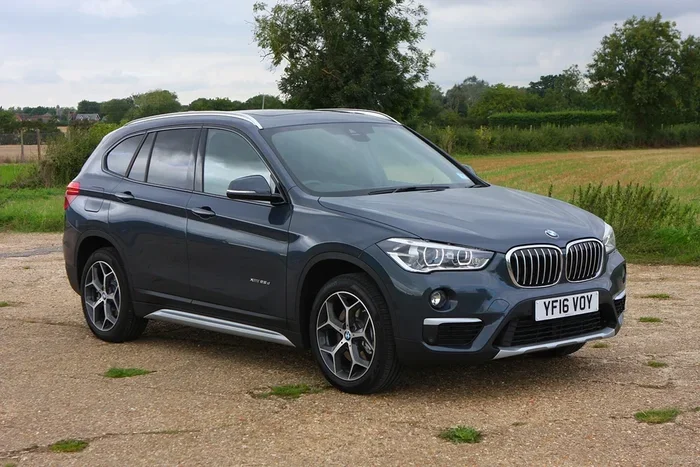
- 2016–2019 (F48 Gen 2 Pre-LCI): Switch to FWD platform. More space. Early 8-speed trans can be jerky. Good value used.
- 2020–2022 (F48 LCI): Updated looks, better iDrive, digital cluster standard. Best used buy. Proven platform, modern tech.
- 2023+ (U11 Gen 3): All-new. Larger, EV version (iX1) exists. Curved screen, no iDrive knob. Too new for reliability verdict. Buy new or CPO only.
Quick Tips for Test Driving
- Drive it on a rough road. Can you live with the ride stiffness?
- Test the voice assistant. Say “Navigate to [local spot].” Check speed.
- Sit in the back. Check headroom with the sunroof open vs closed.
- Open the tailgate. Check the load height. Fold the seats. Is the floor flat?
- Turn the wheel lock-to-lock at low speed. Listen for clunks (strut mounts).
- Check tire brand. Are they run-flats? Budget for replacement.
Expert Insight: The Hidden Cost of Ownership
Most buyers calculate the monthly payment. Few calculate the “Cost Per Smile.” The X1 delivers a high smile-per-mile ratio. But you must budget for the “BMW Tax.” This includes synthetic oil ($120+ at dealer, $60 DIY), premium fuel ($0.50-$0.80 more per gallon), and run-flat tires ($1,200+ a set). Independent specialists charge $140-$180/hr labor. Dealers charge $200+. Find a good indie shop before you buy. Ask them to do the PPI. Build that relationship early. It cuts your running costs by 30-40% compared to dealer-only service. Also, understand what BMW service includes so you aren’t upsold on unnecessary flushes.
Conclusion
So, is a BMW X1 a good car? Absolutely. It is arguably the most well-rounded vehicle in its class. It drives better than the Audi, has more space than the Mercedes, and feels more modern than the Volvo. It looks sharp, holds its value reasonably well, and the current generation interior is a tech showcase. The caveats are real: maintenance costs, run-flat tires, and average reliability. Go in with eyes open. Budget for maintenance. Buy CPO if used. Find a trusted independent mechanic. Do those things, and the X1 will reward you with years of driving enjoyment that a RAV4 or CR-V simply cannot provide. It is a genuine BMW, just in a smaller, smarter package.
Frequently Asked Questions
Is the BMW X1 expensive to maintain?
Yes, the BMW X1 costs more to maintain than mainstream SUVs like a Toyota RAV4 or Honda CR-V. Expect to spend roughly $1,200 to $1,800 annually on repairs and maintenance once the factory warranty expires. Using an independent BMW specialist instead of the dealer can significantly lower these costs.
What are the most common problems with the BMW X1?
Common issues include coolant leaks from the thermostat housing or water pump, oil filter housing gasket leaks, and electrical glitches with sensors or the iDrive system. Early models (2013-2015) with the N20 engine had timing chain guide failures, though many were repaired under warranty extensions.
Does the BMW X1 require premium gas?
Yes, BMW recommends 91 octane or higher premium gasoline for all X1 models. The turbocharged engines are tuned for high compression and advanced ignition timing. Running regular gas can cause knock, reduce power, lower fuel economy, and potentially damage the engine over time.
Is the BMW X1 good in snow?
The xDrive all-wheel-drive version is excellent in snow, especially when paired with dedicated winter tires. The system reacts quickly to send power to the wheels with grip. The front-wheel-drive sDrive model is adequate with winter tires but struggles in deep snow or steep icy driveways compared to xDrive.
How long do BMW X1 engines last?
With strict adherence to oil changes (every 5,000-7,500 miles using LL-01 or LL-17 FE+ spec oil) and cooling system maintenance, the B48 2.0L turbo engine can easily exceed 200,000 miles. The key is preventing overheating and oil starvation, which are the main killers of these engines.
Should I buy a used BMW X1 or a Certified Pre-Owned one?
Certified Pre-Owned (CPO) is highly recommended for the X1. The CPO warranty extends bumper-to-bumper coverage for one year with unlimited miles after the original 4-year/50,000-mile warranty ends. Given the cost of electronic and turbo repairs, the CPO premium is usually worth the peace of mind.