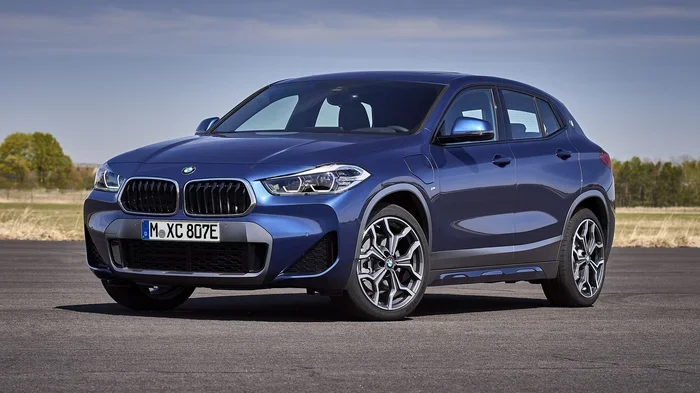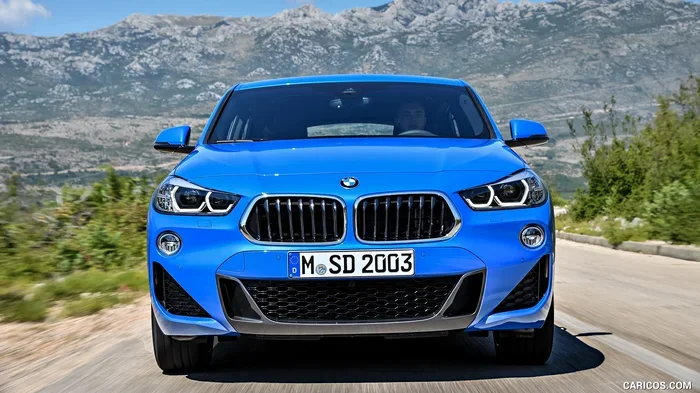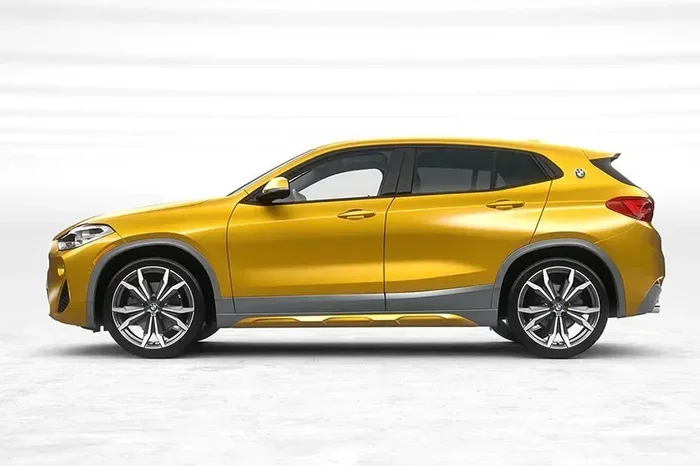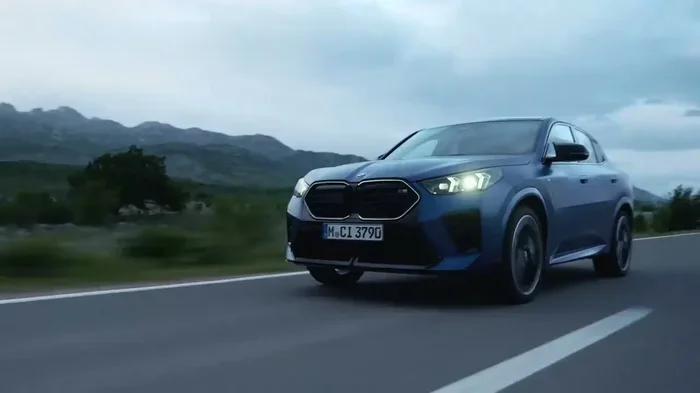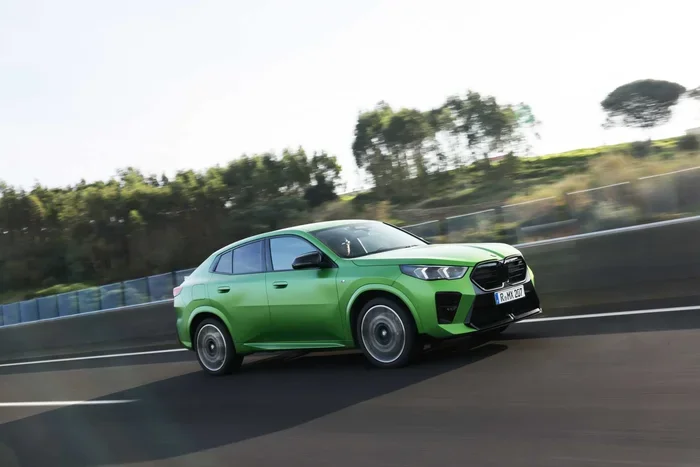
Featured image for BMW X2 xDrive driving
Image source: mediapool.bmwgroup.com
The BMW X2 does not have permanent 4-wheel drive on all models. Only the xDrive variants offer all-wheel drive, and it is a front-biased, on-demand system rather than a permanent 50/50 split. The standard sDrive models are front-wheel drive. This guide explains exactly how the xDrive system works, its pros and cons, and helps you decide which drivetrain is right for your driving style.
If you are shopping for a premium subcompact crossover, you have probably asked yourself: is bmw x2 permanent 4 wheel drive? It is a fair question. Marketing terms like “xDrive” and “sDrive” can be confusing. The short answer is no, the BMW X2 does not feature permanent four-wheel drive across the range. In fact, the base models are strictly front-wheel drive. Even the all-wheel drive versions use a sophisticated on-demand system rather than a traditional locked center differential.
Understanding this distinction is crucial. It affects everything from winter traction and fuel economy to maintenance costs and purchase price. In this comprehensive guide, we will break down the drivetrain options, explain the engineering behind the xDrive system, and help you decide which setup fits your real-world driving needs. We will also cover maintenance tips specific to the all-wheel drive variants so you can keep your BMW running smoothly for years.
Key Takeaways
- Not All X2s Are AWD: The BMW X2 lineup splits into sDrive (FWD) and xDrive (AWD) models.
- xDrive Is On-Demand: The all-wheel drive system is front-biased and engages the rear axle only when slip is detected.
- No Permanent 4WD: There is no center differential locking mechanism for a fixed torque split like traditional permanent 4×4 systems.
- Performance Variants: The M35i comes standard with xDrive and a mechanical Torsen limited-slip differential on the front axle.
- Fuel Economy Trade-off: Choosing xDrive adds weight and reduces fuel efficiency compared to sDrive models.
- Tire Maintenance Is Critical: Matching tire tread depths is vital to prevent drivetrain damage on xDrive models.
- Best For Most Buyers: FWD sDrive models handle rain and light snow well with proper tires, saving money upfront and at the pump.
📑 Table of Contents
- Understanding BMW X2 Drivetrain Options: sDrive vs. xDrive
- How the BMW X2 xDrive System Works Under the Hood
- Pros and Cons of BMW X2 xDrive vs. sDrive
- Real-World Scenarios: Which Drivetrain Do You Need?
- Maintenance Essentials for Your BMW X2 xDrive
- Buying Used: Checking the xDrive Health
- Comparing the X2 to Competitors
- Frequently Overlooked Factors
- Expert Insight: The Engineering Philosophy
- Conclusion
Understanding BMW X2 Drivetrain Options: sDrive vs. xDrive
BMW uses a specific naming convention for its drivetrains. Knowing the code tells you exactly what drives the wheels. For the X2, there are only two designations you need to know: sDrive and xDrive.
What Does sDrive Mean on the BMW X2?
sDrive equals front-wheel drive (FWD). On the X2, this means the engine sends 100% of its power to the front wheels only. The rear wheels are free-rolling. This setup is standard on entry-level models like the X2 sDrive28i.
Front-wheel drive offers several inherent advantages. It is lighter because it lacks a driveshaft, rear differential, and associated hardware. It is cheaper to manufacture, which lowers the MSRP. It also frees up interior space, specifically rear legroom and trunk floor height, because there is no transmission tunnel or rear diff eating into the cabin.
Modern traction control systems make FWD remarkably capable. The X2 uses an electronic differential lock (EDLC) that brakes a spinning front wheel to send torque across the axle. For most drivers dealing with rain or light snow, a set of quality all-season tires on an sDrive model is perfectly adequate.
What Does xDrive Mean on the BMW X2?
xDrive is BMW’s marketing name for all-wheel drive (AWD). It is available on higher trims like the xDrive28i and standard on the performance-oriented M35i. However, is bmw x2 permanent 4 wheel drive in the traditional sense? No. It is an on-demand, front-biased system.
Under normal driving conditions, the xDrive system sends nearly 100% of torque to the front wheels. This saves fuel and reduces drivetrain wear. When the system detects front-wheel slip — or predicts it based on steering angle, throttle position, and yaw rate — an electronically controlled multi-plate clutch engages. This clutch packs torque to the rear axle almost instantly. The split can vary up to a maximum of 50:50 front-to-rear.
The Critical Difference: On-Demand vs. Permanent
Traditional “permanent” four-wheel drive systems (like older Subaru Symmetrical AWD or Audi Quattro with a Torsen center diff) mechanically split torque between axles at all times. They use a center differential to manage speed differences between front and rear axles during cornering.
The BMW X2 xDrive uses a Haldex-style clutch pack (often supplied by GKN or Magna). There is no center differential. The rear axle is disconnected until the clutch engages. This is technically “part-time” or “on-demand” AWD, even though BMW markets it as xDrive. It reacts incredibly fast — in milliseconds — but it is not permanent.
How the BMW X2 xDrive System Works Under the Hood
Let’s look at the hardware. The X2 sits on the UKL2 front-wheel-drive architecture (shared with the Mini Countryman and BMW 1 Series). This platform dictates the packaging constraints. The engine sits transversely (sideways). Power flows from the transmission to a power take-off unit (PTU), then down a driveshaft to the rear axle.
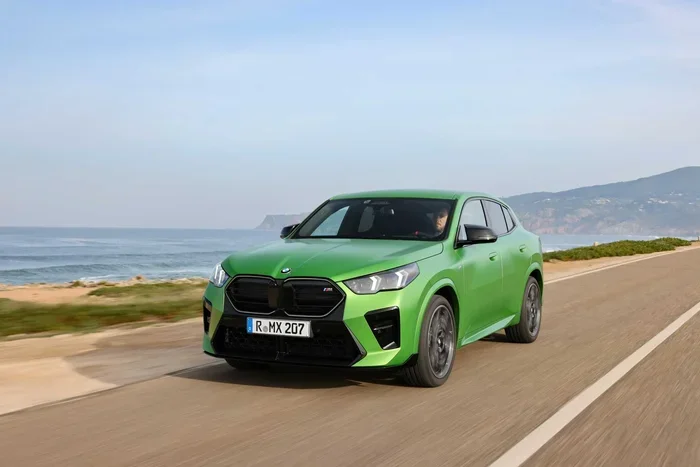
Visual guide about BMW X2 xDrive driving
Image source: mediapool.bmwgroup.com
The Electrically Actuated Clutch Pack
The heart of the system is the rear axle disconnect. In earlier xDrive generations (on RWD platforms like the 3 Series), a center differential inside the transfer case handled the split. On the UKL platform, the transfer case is essentially just a drop box with an output shaft. The magic happens at the rear differential.
The rear differential housing contains an electro-hydraulic multi-plate clutch. When the control unit (xDrive ECU) requests torque transfer, an electric motor actuates a pump or cam mechanism. This clamps the friction plates together, locking the driveshaft to the rear differential input. This sends power to the rear wheels.
Predictive Logic vs. Reactive Slip
The system does not wait for wheel spin. It uses a predictive model. Sensors monitor:
- Steering wheel angle and speed
- Accelerator pedal position
- Vehicle speed
- Yaw rate and lateral acceleration
- Wheel speed sensors (ABS)
If you floor it exiting a corner, the computer pre-emptively clamps the clutch. This pushes power rearward to neutralize understeer before it happens. This “torque vectoring by brake” on the rear axle (via the stability control system) can even simulate a rear limited-slip differential effect by braking the inside rear wheel.
The M35i Difference: Mechanical Front LSD
The top-tier BMW X2 M35i adds a crucial hardware upgrade: a mechanical Torsen limited-slip differential (LSD) on the front axle. Standard xDrive models rely on brake-based electronic diff lock (EDLC) for the front. The M35i’s mechanical LSD physically locks the front wheels together under load. This dramatically improves corner exit traction and reduces inside-wheel spin. Combined with the rear clutch pack, the M35i offers the most sophisticated traction management in the lineup.
Pros and Cons of BMW X2 xDrive vs. sDrive
Choosing between sDrive and xDrive involves trade-offs. Here is a detailed breakdown to help you weigh the decision.
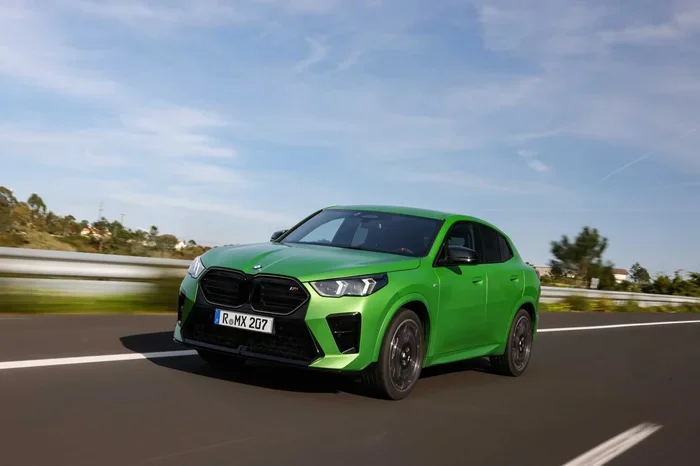
Visual guide about BMW X2 xDrive driving
Image source: mediapool.bmwgroup.com
Advantages of xDrive (AWD)
- Superior Launch Traction: Putting power down from a stop on wet, snowy, or loose surfaces is the xDrive stronghold. The M35i’s 0-60 mph time drops significantly compared to a theoretical FWD version.
- Winter Confidence: In deep snow or on icy hills, the ability to push from the rear prevents the “front wheels spinning, going nowhere” scenario.
- Resale Value: In northern climates (Snow Belt states), xDrive models command higher resale prices and sell faster.
- Handling Balance: The rear torque bias can rotate the car into corners, reducing the terminal understeer typical of FWD platforms.
Disadvantages of xDrive (AWD)
- Higher Purchase Price: The xDrive option typically adds $2,000–$2,500 to the MSRP.
- Weight Penalty: The system adds roughly 150–200 lbs (68–90 kg) over the rear axle. This hurts agility and increases stopping distances slightly.
- Fuel Economy Hit: Expect 1–2 MPG lower combined rating due to weight and parasitic drivetrain losses.
- Complexity & Maintenance: You have a rear differential fluid change interval (usually every 40k–60k miles depending on driving style) and potential clutch pack wear.
- Tire Sensitivity: Mismatched tire tread depths (greater than 2/32″ difference) can overheat the rear clutch pack, leading to expensive failure. We will cover this in maintenance.
Advantages of sDrive (FWD)
- Lower Cost: Save thousands upfront.
- Better MPG: Lighter weight and fewer drivetrain losses equal better range.
- Simpler Maintenance: No rear diff fluid, no driveshaft u-joints, no clutch pack to wear out.
- More Interior Space: Flat rear floor, lower trunk load height.
- Sharper Turn-In: Less nose weight means the front tires respond quicker to steering input on dry pavement.
Real-World Scenarios: Which Drivetrain Do You Need?
Let’s match the hardware to your life. Be honest about your daily commute.
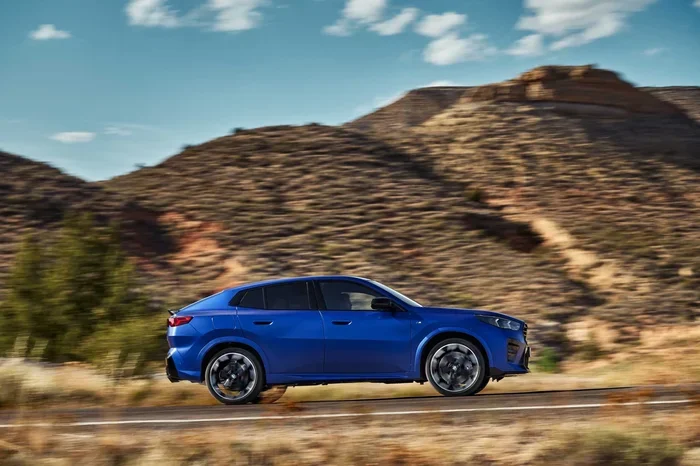
Visual guide about BMW X2 xDrive driving
Image source: mediapool.bmwgroup.com
Scenario A: The Sun Belt Commuter
You live in Florida, Texas, Southern California, or Arizona. You see rain, but never snow. Ice is a once-a-decade event.
Verdict: Buy sDrive. You gain zero benefit from xDrive. The FWD X2 with good all-season tires (Michelin CrossClimate 2 or Continental PureContact LS) stops and corners better in rain than an xDrive car on worn tires. Put the savings toward the Premium Package or better wheels.
Scenario B: The Mountain West / Northeast Resident
You live in Colorado, Vermont, Michigan, or Upstate New York. You drive unplowed roads, steep driveways, and face months of sub-freezing temps.
Verdict: Buy xDrive. But — and this is critical — you must buy winter tires. An xDrive X2 on summer/all-season tires is dangerous on ice. A sDrive X2 on dedicated winter tires (Bridgestone Blizzak WS90, Michelin X-Ice Snow) will out-accelerate and out-stop an xDrive car on all-seasons. Ideally, get xDrive and winter tires for the ultimate setup.
Scenario C: The Weekend Warrior (Light Trails / Ski Trips)
You hit gravel forest service roads, beach sand, or ski resort parking lots a few times a year.
Verdict: xDrive preferred. The rear axle engagement helps in loose gravel and sand where front tires dig. However, the X2 has low ground clearance (~6.7 inches) and no low-range gearing. It is a crossover, not an off-roader. Do not mistake xDrive for rock-crawling capability. Skid plates are non-existent.
Scenario D: The Performance Enthusiast
You want the quickest X2, period. You do track days or spirited canyon runs.
Verdict: M35i xDrive only. The M35i is exclusively xDrive. You get the mechanical front LSD, stiffer suspension, bigger brakes, and 312 hp. The xDrive here is tuned for performance, not just foul weather. It allows a 50:50 lockup under hard acceleration. This is the only X2 where xDrive feels “permanent” because the software keeps the clutch engaged aggressively in Sport mode.
Maintenance Essentials for Your BMW X2 xDrive
If you choose the xDrive model, maintenance becomes more critical. Ignoring it leads to four-figure repair bills. Here is your cheat sheet.
Rear Differential Fluid Service
BMW calls this “lifetime fluid” on paper, but technicians and enthusiasts strongly recommend changing it every 40,000 to 60,000 miles. The clutch pack generates heat and shear forces that degrade the fluid’s friction modifiers. Old fluid causes shuddering on tight turns (binding) or delayed engagement.
Use only BMW Original Transfer Case Oil (Part # 83 22 2 409 710) or equivalent GL-4/GL-5 specific fluid. Capacity is roughly 0.5–0.6 liters. It is a simple drain-and-fill on a lift.
Tire Management: The Golden Rule
This is the number one killer of xDrive units. All four tires must match in brand, model, size, and tread depth. The maximum allowable tread depth difference between front and rear (or left and right) is typically 2/32 of an inch (approx 1.5 mm).
If you puncture a tire at 30,000 miles and the others are at 6/32″, you cannot buy one new tire at 10/32″. You must shave the new tire to match (specialty shops do this) or replace all four. Rotating tires every 5,000–7,500 miles is mandatory to keep wear even. This applies to BMW run-flat tires as well, which are standard on many X2s.
Driveshaft and CV Joint Inspection
The driveshaft has a center support bearing and two CV joints (one at the PTU, one at the rear diff). Listen for clunking on acceleration/deceleration or vibration at highway speeds. The center support bearing is a known wear item on high-mileage UKL cars.
Transfer Case (PTU) Fluid
The Power Take-Off unit on the transmission side also has fluid. It is often overlooked. Change it at the same interval as the rear diff (every 60k miles). It uses the same fluid type. Neglecting this kills the PTU bearings, requiring a $1,500+ unit replacement.
Software Updates
The xDrive control module software receives updates. These can refine clutch engagement logic, reduce shudder, and improve predictive response. Ask your dealer or independent shop to check for ISTA/P programming updates during major services.
Buying Used: Checking the xDrive Health
If you are looking at a used X2 xDrive, perform these checks before signing.
Test Drive Protocol
- Figure-Eight Test: Drive a slow figure-eight in a parking lot with steering at full lock. Feel for binding, shuddering, or “crow hopping” (chirping tires). This indicates a worn clutch pack or wrong fluid.
- Hard Launch: From a stop on dry pavement, accelerate hard (Traction Control ON). The car should launch cleanly without excessive front wheel spin. If the front tires roast while the rear does nothing, the clutch may be failed open.
- Reverse Bind: Back up with full steering lock cold. Groaning or binding from the rear suggests clutch pack drag or diff fluid issues.
Service Records Audit
Look for rear diff fluid changes. If the car has 60k miles and no record of it, budget $300–$500 for immediate service. Check for tire receipts — were they replaced in sets of four? If the Carfax shows single tire replacements, walk away or negotiate heavily.
CPO Warranty Value
Buying a BMW Certified Pre-Owned (CPO) X2 xDrive is highly recommended. The CPO warranty extends coverage to 1 year/unlimited miles after the factory warranty expires. It covers the xDrive clutch pack, PTU, rear diff, and electronics. Given the cost of these parts, the CPO premium is usually worth it. Understand what the CPO warranty covers specifically for drivetrain components.
Comparing the X2 to Competitors
How does the X2’s implementation stack up against rivals?
| Model | AWD System Type | Torque Split Capability | Center Diff / Clutch | Notable Feature |
|---|---|---|---|---|
| BMW X2 xDrive | On-Demand (Front Biased) | 100:0 to 50:50 | Rear Axle Multi-Plate Clutch | Predictive logic; M35i gets Front Mechanical LSD |
| Audi Q3 Quattro | On-Demand (Front Biased) | 100:0 to 50:50 | Rear Axle Multi-Plate Clutch (Haldex) | Very similar architecture to X2 |
| Mercedes GLA 4MATIC | On-Demand (Front Biased) | 100:0 to 50:50 | Rear Axle Multi-Plate Clutch | Integrated starter-generator on some models |
| Volvo XC40 AWD | On-Demand (Front Biased) | 100:0 to 50:50 | Rear Axle Multi-Plate Clutch | Instant traction via electric rear motor (Recharge) |
| Subaru Crosstrek Symmetrical AWD | Permanent (Full-Time) | Fixed 60:40 (CVT) / 50:50 (MT) | Center Viscous / Planetary Diff | True permanent AWD; best for constant slip |
Notice the pattern? Almost every competitor in this class (Q3, GLA, XC40) uses the exact same Haldex-style on-demand architecture as the X2. The Subaru Crosstrek is the outlier with true permanent AWD. If “permanent 4 wheel drive” is a non-negotiable engineering requirement for you, the X2 (and its German rivals) do not meet that definition. The Subaru does.
Frequently Overlooked Factors
The “Run-Flat” Factor
Many X2s come with run-flat tires (RFT). RFTs have stiff sidewalls. This transmits more shock load into the xDrive clutch pack and PTU when hitting potholes. Non-run-flat tires (with a mobility kit or spare) are gentler on the drivetrain and offer better ride quality. If you buy used, check if the previous owner swapped to non-RFTs — it’s often a sign of an enthusiast owner who cared for the car.
Dynamic Stability Control (DSC) Modes
The X2 has DSC, DTC (Dynamic Traction Control), and DSC OFF.
- DSC ON (Default): Full nanny. Cuts power, brakes wheels aggressively. Best for snow/ice.
- DTC (Press button once): Allows wheel spin. Useful for getting unstuck in deep snow/sand. xDrive will still shuffle torque rearward.
- DSC OFF (Hold 3+ seconds): Total freedom. No brake intervention. xDrive clutch stays locked at high pressure in Sport mode. For track use only.
Fuel Economy Reality Check
EPA ratings for the 2024 X2 sDrive28i: 24 City / 33 HWY / 27 Combined.
EPA ratings for the 2024 X2 xDrive28i: 23 City / 31 HWY / 26 Combined.
The penalty is real but small (~1 MPG combined). Over 15,000 miles/year at $3.50/gal, that’s roughly $30/year extra fuel. The weight penalty is the bigger dynamic cost.
Expert Insight: The Engineering Philosophy
Why did BMW choose on-demand for the X2? Packaging and cost. The UKL platform was designed for FWD. Adding a driveshaft tunnel and rear diff was the cheapest way to offer AWD. A permanent system with a center differential (like the RWD-based X3/X5) requires a longitudinal engine layout. That would require a completely different chassis — the FAAR or CLAR platform — doubling the vehicle cost.
For 95% of X2 buyers, the on-demand system is indistinguishable from permanent AWD in daily use. The engagement speed is measured in milliseconds. By the time your brain registers “slip,” the rear wheels are already pushing. The only time you notice the difference is extreme off-camber situations or sustained high-load corners where a mechanical center diff would manage heat better. The clutch pack can overheat under sustained abuse (like rocking out of deep mud), triggering a “Drivetrain Malfunction” warning and reverting to FWD to protect itself.
Conclusion
So, is bmw x2 permanent 4 wheel drive? Definitely not. The BMW X2 offers a clear choice: efficient front-wheel drive (sDrive) or a highly capable, front-biased on-demand all-wheel drive system (xDrive). There is no center differential, no fixed torque split, and no low-range gearing.
For the vast majority of buyers, the sDrive model paired with quality tires is the smarter financial and dynamic choice. It is lighter, faster in a straight line (due to weight), more efficient, and cheaper to maintain. Reserve the xDrive for those who face genuine winter conditions, steep slippery driveways, or want the M35i performance flagship. And if you do choose xDrive, treat the tire rotation schedule and differential fluid changes as religious obligations. Your wallet will thank you.
Ultimately, the X2 is a brilliant handler because of its FWD roots, not despite them. The xDrive system enhances capability without ruining the chassis balance. Just don’t call it permanent 4-wheel drive — call it what it is: intelligent, on-demand traction when you need it.