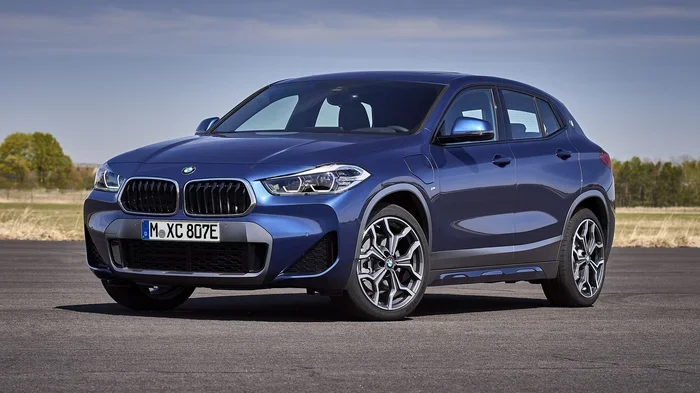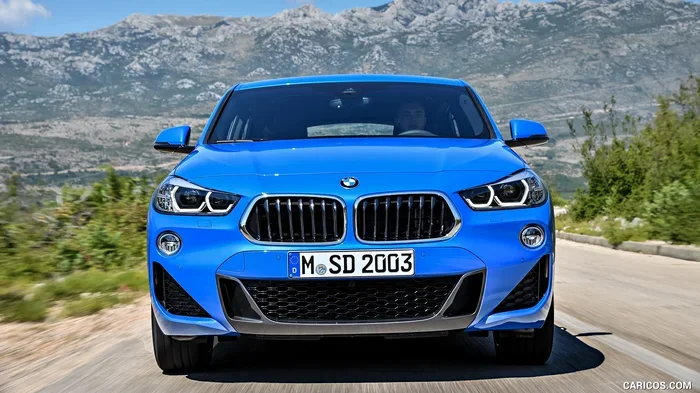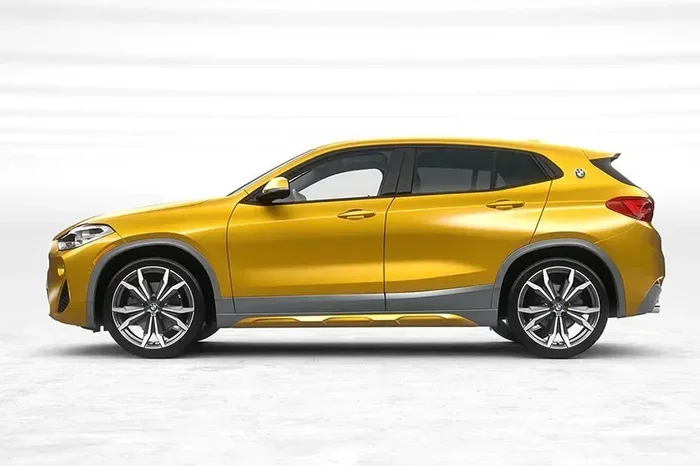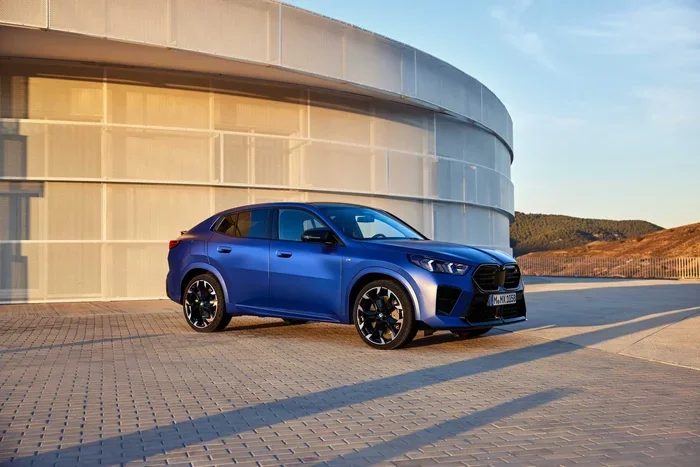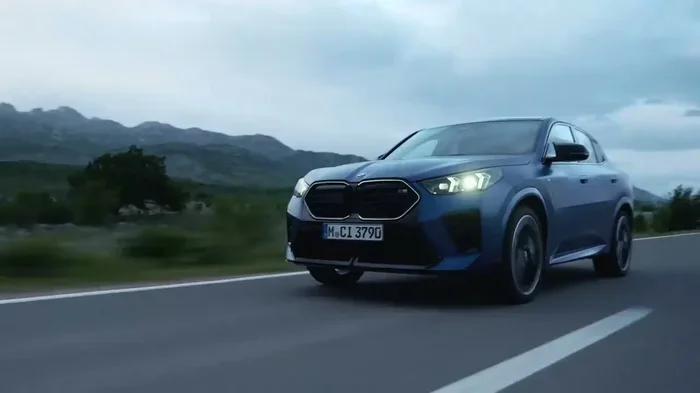
Featured image for BMW X2 driving dynamic
Image source: i.ytimg.com
Is the BMW X2 RWD? The short answer is no. Every BMW X2 uses a front-wheel-drive platform, offering either front-wheel drive (sDrive) or all-wheel drive (xDrive). This guide explains the drivetrain options, how the xDrive system works, and what it means for daily driving and performance.
If you are shopping for a subcompact luxury crossover, you have probably asked yourself: is bmw x2 rwd? It is a fair question. BMW built its reputation on rear-wheel-drive dynamics. The “Ultimate Driving Machine” slogan usually implies a specific layout: engine in front, drive wheels in back. But the X2 plays by different rules. This article breaks down the drivetrain reality of the X2. We will cover the platform, the difference between sDrive and xDrive, and what it all means for you behind the wheel.
Understanding the drivetrain is crucial. It affects price, fuel economy, maintenance, and how the car feels in a corner. It also changes how the car handles snow and rain. We will look at every trim level. We will explain the engineering behind the all-wheel-drive system. By the end, you will know exactly which version suits your life best.
Key Takeaways
- No Rear-Wheel Drive Option: The BMW X2 is built on a front-wheel-drive architecture (UKL platform) and does not offer a traditional RWD layout.
- Two Drivetrain Choices: You choose between sDrive (front-wheel drive) and xDrive (all-wheel drive).
- xDrive is Front-Biased: The all-wheel-drive system uses a Haldex clutch. It sends power to the rear wheels only when slip is detected at the front.
- Platform Sharing: The X2 shares its underpinnings with the X1, 1 Series, and 2 Series Gran Coupe. This dictates the transverse engine layout.
- M35i is xDrive Only: The high-performance M35i model comes standard with all-wheel drive to manage its high torque output effectively.
- Handling Differs: sDrive models are lighter and more efficient. xDrive models offer better traction in snow but add weight and complexity.
- Maintenance Matters: xDrive models require specific transfer case fluid changes. All models benefit from proper tire rotation, especially if equipped with run-flats.
📑 Table of Contents
- The Short Answer: No, But There Is a Catch
- Understanding BMW Drive Terminology: sDrive vs xDrive
- The Platform Story: Why the X2 Is Front-Wheel Drive Based
- Breaking Down the X2 Lineup by Drivetrain
- How xDrive Works on the X2 (It Is Not Traditional AWD)
- Real World Driving: FWD vs AWD in the X2
- Pros and Cons of the X2 Drivetrain Layout
- Maintenance Tips for Your X2 Drivetrain
- Buying Advice: Which Drivetrain Should You Choose?
- Common Misconceptions About the X2 Drivetrain
- Expert Insight: The Future of the X2 Platform
- Conclusion
The Short Answer: No, But There Is a Catch
Let us get straight to the point. The BMW X2 is not rear-wheel drive. It has never been rear-wheel drive. Since its launch in 2018, the X2 has used the UKL front-wheel-drive platform. This is the same architecture found under the BMW X1, the 1 Series hatchback, and the 2 Series Gran Coupe.
So, if there is no RWD, what do you get? You get two distinct configurations:
- sDrive: This is BMW marketing speak for front-wheel drive (FWD). Power goes to the front wheels only.
- xDrive: This is BMW’s all-wheel-drive system. However, it is not a traditional mechanical AWD system like you find in a 3 Series or X5. It is an on-demand system biased heavily toward the front.
Why did BMW do this? Packaging and cost. A transverse engine layout (engine mounted sideways) frees up massive interior space in a small footprint. It lowers the vehicle cost. It also improves fuel economy. For the target buyer of a subcompact SUV, these trade-offs usually make sense. But for a driving enthusiast, it changes the character of the car significantly.
Understanding BMW Drive Terminology: sDrive vs xDrive
BMW uses specific badges to denote drivetrain. It can be confusing if you are used to “RWD,” “FWD,” and “AWD.” Let us decode the X2 badges.
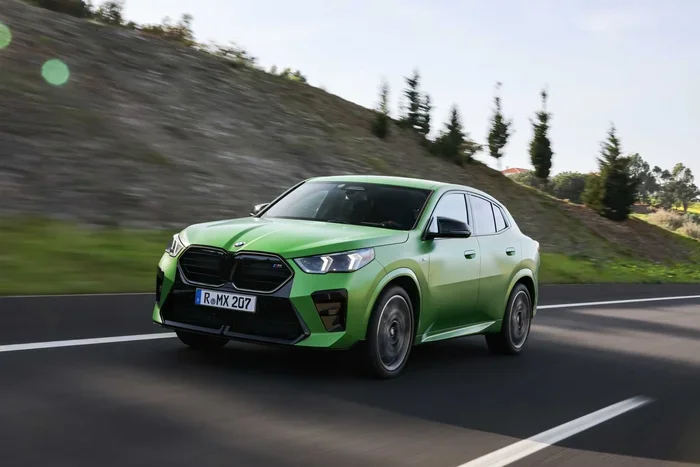
Visual guide about BMW X2 driving dynamic
Image source: mediapool.bmwgroup.com
What is sDrive?
sDrive means front-wheel drive. On the X2, the “s” stands for “single” axle drive. The engine sends torque through the transmission and a front differential to the front wheels. The rear wheels are just along for the ride.
In the current X2 lineup (U10 chassis, 2024+), the entry-level X2 xDrive20i is actually the base model in many markets, but historically the sDrive18i or sDrive20i were the entry points. In the US market, the previous generation (F39) offered the X2 sDrive28i as the base FWD model. For the new generation, the US gets the X2 xDrive28i as the standard offering, meaning FWD sDrive models are largely gone from US showrooms, though they exist globally.
Characteristics of sDrive:
- Lower curb weight (approx. 100-150 lbs lighter than xDrive).
- Better fuel economy (typically 1-2 MPG better combined).
- Lower purchase price.
- Potential for torque steer under hard acceleration.
- Less traction in low-grip conditions (snow, mud, wet grass).
What is xDrive?
xDrive means all-wheel drive. But on the X2, it works differently than on a 3 Series xDrive. On a 3 Series, the system is rear-biased (typically 40/60 front/rear split) and uses a mechanical center differential. On the X2, the system is front-biased.
It uses an electro-hydraulic multi-plate clutch (Haldex-type) mounted ahead of the rear differential. In normal driving, 100% of torque goes to the front wheels. When the front wheels slip, the clutch engages, sending up to 50% of torque to the rear axle. It reacts in milliseconds.
Characteristics of xDrive on the X2:
- Heavier due to driveshaft, rear differential, and clutch pack.
- Slightly worse fuel economy.
- Superior launch traction (0-60 mph times are often quicker).
- Much better snow and wet weather confidence.
- Can simulate a limited-slip differential effect via brake vectoring.
The Platform Story: Why the X2 Is Front-Wheel Drive Based
To understand the X2, you have to understand the UKL platform (Unterklasse or “sub-class”). This platform was introduced around 2014. It was designed for transverse engines only. A transverse engine sits sideways in the engine bay. The transmission bolts directly to the side of the engine. The front differential is integrated into the transmission housing.
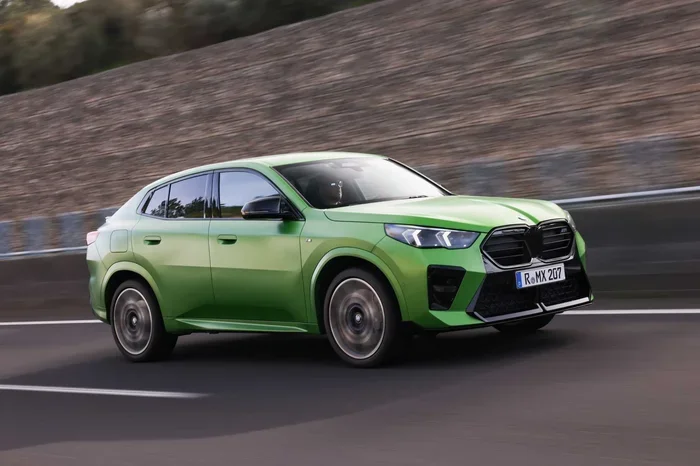
Visual guide about BMW X2 driving dynamic
Image source: mediapool.bmwgroup.com
The UKL Platform Explained
This layout is the industry standard for compact cars (VW Golf, Honda Civic, Audi A3, Mini Cooper). It maximizes cabin space. The engine takes up less length. This pushes the firewall forward. The result? A small car with big interior room.
The UKL platform was engineered for FWD first. AWD was added as a module. The rear subframe has mounting points for a rear differential. A driveshaft tunnels under the cabin. But there is no center driveshaft tunnel hump in the rear footwell like a true RWD car. The rear suspension is a multi-link setup, which is sophisticated for this class, but it is designed to isolate the cabin, not to manage rear-wheel-drive thrust angles.
Transverse Engine Mounting
Because the engine sits sideways, the crankshaft spins perpendicular to the direction of travel. Power makes a 90-degree turn through the transmission to the front axles. To send power rearward, it must make another 90-degree turn at the transfer case (Power Take Off unit) on the transmission, go down the driveshaft, and turn 90 degrees again at the rear differential.
This layout makes a traditional RWD conversion impossible without a complete platform redesign. BMW reserves the longitudinal engine layout (CLAR platform) for the 3 Series, 5 Series, X3, X5, and Z4. Those cars are RWD-based. The X2 is not on that platform.
Breaking Down the X2 Lineup by Drivetrain
The drivetrain you get depends heavily on the model year and the specific trim. Let us look at the previous generation (F39, 2018-2023) and the current generation (U10, 2024+).
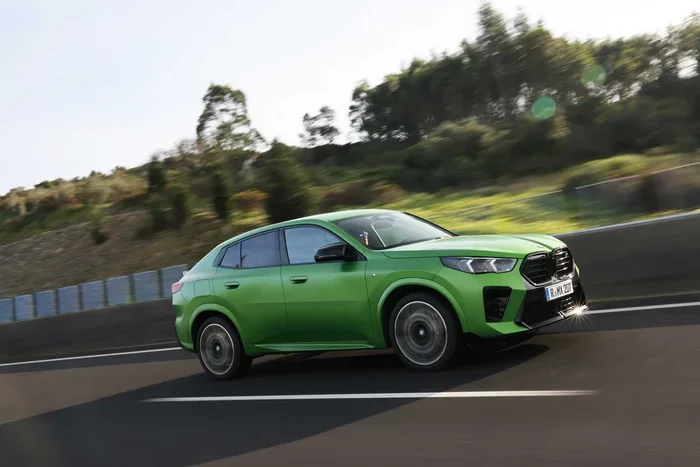
Visual guide about BMW X2 driving dynamic
Image source: mediapool.bmwgroup.com
Previous Generation (F39: 2018–2023)
This generation offered a clear split in the US market.
- X2 sDrive28i: 2.0L Turbo 4-cylinder (B48), 8-speed automatic, FWD only. Base model.
- X2 xDrive28i: Same engine/transmission, AWD. Optional on base, standard on M Sport X trim.
- X2 M35i: 2.0L Turbo 4-cylinder (B48 high output), 302 hp, 8-speed automatic, xDrive AWD standard. This was the performance flagship. It featured a mechanical Torsen limited-slip differential on the front axle (a first for a UKL car) and specific suspension tuning.
Current Generation (U10: 2024+)
The new X2 grew significantly. It is longer, wider, and taller. The drivetrain strategy shifted for the US market.
- X2 xDrive28i: 2.0L Turbo (B48), 241 hp, 7-speed Dual Clutch Transmission (DCT), xDrive AWD Standard. This is now the entry-level model in the USA. There is no sDrive FWD option offered here currently.
- X2 M35i xDrive: 2.0L Turbo (B48 high output), 312 hp, 7-speed DCT, xDrive AWD Standard. More power, sportier tuning, standard M Sport Differential (electronic limited-slip on front axle).
- iX2: Electric variants (eDrive20, xDrive30). The xDrive30 uses a motor on each axle (through-the-road AWD).
Key Takeaway: If you are buying a new 2024+ X2 in the US, you cannot buy a FWD model. You get xDrive AWD standard. If you buy a used 2018-2023 model, you have a choice.
How xDrive Works on the X2 (It Is Not Traditional AWD)
This is the most technical but important part. The X2 xDrive system is often called “Haldex AWD” by enthusiasts. It is an on-demand system. Let us look under the skin.
The Haldex-Type Clutch (Power Take Off Unit)
There is no center differential. Instead, there is a Power Take Off (PTO) unit bolted to the side of the 7-speed or 8-speed transmission. Inside this unit sits a multi-plate wet clutch pack. It is bathed in oil (specific BMW transfer case fluid). An electric motor actuates a cam mechanism that squeezes the clutch plates together.
The control module (part of the DSC/ABS module) monitors wheel speeds, steering angle, throttle position, and yaw rate 100 times per second. In normal driving, the clutch is open. The car is FWD. When the computer predicts slip (or detects it), it closes the clutch. Torque flows down the driveshaft to the rear differential.
Front Bias and Reaction Time
The system is reactive. It waits for slip (or predicts it via throttle input). It can send a maximum of 50% of engine torque to the rear. It cannot send more torque to the rear than the front. It is a 100/0 to 50/50 variable split.
Compare this to the CLAR-platform X3 xDrive. That system has a planetary center differential. Default split is 40/60 (rear bias). It can go 100% rear or 100% front. It is proactive. The X2 system is reactive. Does this matter? For 95% of drivers, no. For track driving or deep snow, yes. The X2 xDrive will always feel front-heavy on corner entry. You cannot “steer with the throttle” like a RWD BMW.
Real World Driving: FWD vs AWD in the X2
Numbers on a spec sheet are one thing. Real life is another. Here is how the drivetrain choice changes your daily experience.
Dry Pavement and Daily Driving
On dry roads, the sDrive (FWD) model feels lighter and more eager to turn in. The steering has less mass to manage. There is less understeer at the limit because the front tires are only asked to steer and drive, not manage massive torque loads simultaneously (unless you floor it).
However, high-torque FWD cars suffer from torque steer. If you accelerate hard out of a slow corner, the steering wheel may tug in your hands. The X2 sDrive28i (258 lb-ft torque) manages this well with electronic differential lock (EDLC) braking the inside front wheel. But the M35i (332 lb-ft) would be a handful in FWD form. That is why the M35i is xDrive only.
The xDrive model feels more planted exiting corners. You can apply power earlier. The rear axle pushes the car straight. The penalty is weight. The nose feels heavier. The steering is slightly less communicative. For a daily commute, the difference is subtle. The xDrive car feels more “premium” and stable at highway speeds.
Rain, Snow, and Gravel
This is where xDrive earns its money. In heavy rain, the xDrive system prevents hydroplaning-induced fishtails by stabilizing the rear axle. In snow, it is transformative. A FWD car with winter tires is good. An AWD car with winter tires is unstoppable.
The X2 xDrive system works seamlessly with the stability control. If you are climbing a snowy hill, the rear engages instantly. You do not feel a “clunk” or a delay. It just grips. On gravel or dirt roads, the system prevents the front wheels from digging holes. It distributes the digging force across four contact patches.
Critical Note: Drivetrain does not replace tires. An xDrive X2 on summer tires is useless in snow. An sDrive X2 on dedicated winter tires (like Bridgestone Blizzak or Michelin X-Ice) will outperform an xDrive car on all-seasons in braking and cornering. Tires > Drivetrain for winter safety.
The M35i Exception
The M35i (both generations) is a special case. It is xDrive only. But it gets unique hardware. The previous gen (F39) got a mechanical Torsen front differential. The new gen (U10) gets an electronically controlled front differential (M Sport Differential).
These diffs actively lock the front axle. They force power to the outside front wheel in a corner. This kills understeer. It allows the M35i to rotate. Combined with the rear bias capability of xDrive, the M35i feels the most “BMW-like” of the lineup. It is the only X2 that genuinely feels like it has performance intent beyond just traction.
Pros and Cons of the X2 Drivetrain Layout
Let us weigh the UKL platform pros and cons objectively.
| Aspect | Pros (UKL FWD/AWD) | Cons (vs RWD/CLAR Platform) |
|---|---|---|
| Interior Space | Excellent for vehicle size. Flat rear floor (mostly). | N/A |
| Cost / Price | Lower MSRP. Cheaper to manufacture. | Less “premium” engineering feel. |
| Fuel Economy | Better MPG (especially sDrive). | xDrive penalty is small but real. |
| Handling Balance | Predictable, safe understeer at limit. | No throttle steering. Front-heavy bias. Torque steer potential. |
| Traction (Snow/Launch) | xDrive provides excellent 0-60 times and snow grip. | sDrive struggles in low grip. xDrive reactive, not proactive. |
| Maintenance | Simpler sDrive (no rear diff/transfer case). | xDrive adds transfer case fluid, rear diff fluid, driveshaft wear. |
| Towing | xDrive rated for higher towing (approx. 3,500 lbs vs 2,000 lbs). | sDrive low tow rating. Unibody limits apply to both. |
Maintenance Tips for Your X2 Drivetrain
Owning an X2 means maintaining the drivetrain. The schedule differs slightly between sDrive and xDrive.
Fluid Changes
Transmission Fluid: Both 8-speed (ZF) and 7-speed (DCT) transmissions are “filled for life” per BMW. Ignore that. Change fluid every 60,000 miles. Use correct spec fluid (ZF Lifeguard 8 for 8HP, BMW DCTF-1 for 7-speed DCT).
Transfer Case Fluid (xDrive Only): The PTO unit (Haldex clutch) has its own oil supply (approx 0.5L). BMW says lifetime. Change it every 50,000-60,000 miles. Use BMW Transfer Case Oil (G1 or G2 spec depending on build date). Old fluid causes clutch shudder (groaning noise on tight turns).
Rear Differential Fluid (xDrive Only): The rear diff is small. Change fluid every 60,000 miles. Use 75W-90 GL-5 (BMW Hypoid Gear Oil).
Coolant: The B48 engine runs hot. Coolant is critical. Use BMW Blue Coolant (G48) or the newer Green Coolant (HT-12) depending on model year. Never mix. If you are unsure about the correct type, check our guide on choosing the right coolant for your BMW vehicle to avoid mixing chemistries. You can also read about what colour is BMW coolant and why it matters for a quick visual identification guide.
Tire Care (Critical for AWD)
If you have xDrive, tire circumference must match. A difference of > 2/32″ tread depth between front and rear (or side-to-side) will overheat the Haldex clutch. It thinks the car is slipping constantly. It will burn out the clutch pack.
- Rotate tires every 5,000 – 7,500 miles.
- Replace all four tires at once (or shave new tire to match old).
- Check pressures monthly.
Most X2s come with Run-Flat Tires. They allow driving 50 miles at 50 mph after a puncture. They ride stiffer. Many owners switch to non-run-flats for comfort. If you do, carry a tire repair kit or spare. For more on this tech, see what are BMW run-flat tires design benefits and care.
Brake Fluid
BMW recommends brake fluid change every 2 years regardless of mileage. The xDrive system uses the brakes heavily for torque vectoring (braking inside wheels to simulate lock). This boils fluid faster. Use DOT 4 LV (Low Viscosity). For specifics on fluid selection, refer to selecting the ideal brake fluid for your BMW model.
Buying Advice: Which Drivetrain Should You Choose?
Since the new 2024+ US models are xDrive only, this applies mostly to used shoppers (2018-2023) or global buyers.
Choose sDrive (FWD) If:
- You live in the Sun Belt (FL, TX, AZ, SoCal) and never see snow.
- You want maximum MPG (real world 28-30 combined is achievable).
- You want the lowest purchase price and lowest maintenance cost (no rear diff/transfer case).
- You prefer lighter steering and sharper turn-in response.
- You plan to put dedicated winter tires on for the 3 days it snows.
Choose xDrive (AWD) If:
- You live where it snows regularly (North, Midwest, Mountains).
- You have a steep driveway or unplowed roads.
- You want the quickest 0-60 times (launch control works best with AWD).
- You tow a small trailer (jet ski, small camper) – xDrive required for max tow rating.
- You want the “M35i” performance model (only comes xDrive).
- You value resale value (xDrive sells faster in northern states).
Common Misconceptions About the X2 Drivetrain
Let us clear up a few myths floating around forums.
- Myth: “xDrive makes it handle like a 3 Series.” False. The 3 Series is RWD-based (50/50 weight dist). X2 is FWD-based (60/40 front). Physics differs.
- Myth: “You can drift an X2 xDrive.” False. The system cuts rear power the moment you counter-steer. Stability control cannot be fully defeated (only MDM mode on M35i allows slip, but still no sustained drift).
- Myth: “sDrive is unsafe in rain.” False. Modern stability control and tires make FWD very safe in rain. xDrive is better, but sDrive is not dangerous.
- Myth: “The M35i has a mechanical center diff.” False. It uses the same Haldex PTO unit as the xDrive28i, just with faster software and a front mechanical/electronic diff.
Expert Insight: The Future of the X2 Platform
BMW has confirmed the UKL platform will evolve into the “UKL2” or “FAAR” (Front Wheel Drive Architecture) for the next generation. The shift toward electrification (iX2) accelerates this. Electric X2 models use a motor on the rear axle for xDrive. This “through-the-road” AWD is actually superior to the mechanical Haldex system. It offers instant torque vectoring, zero delay, and independent axle control. The gas X2 is likely in its final generation. If you want a gas X2, the current U10 is the peak of this platform’s development.
Conclusion
So, is bmw x2 rwd? Definitely not. It is a front-wheel-drive-based vehicle offering either front-wheel drive (sDrive) or a front-biased all-wheel drive (xDrive). This is not a flaw. It is a deliberate engineering choice for the segment. It delivers the space, efficiency, and price point this class demands.
If you want a true RWD BMW SUV, you must step up to the X3 (sDrive30i/xDrive30i) or the X1 (wait, X1 is also UKL FWD now!). Actually, the X3 is the entry point to longitudinal RWD-based SUVs. The 2 Series Coupe (G42) is the entry RWD car.
The X2 is honest about what it is. A stylish, practical, premium subcompact crossover. The xDrive system is excellent for what it is—an all-weather traction aid. The sDrive models are efficient and fun enough for sunny climates. The M35i proves the platform can be genuinely quick. Know what you are buying. Match the drivetrain to your climate and budget. And keep up with those fluid changes.
Frequently Asked Questions
Is the BMW X2 rear wheel drive?
No, the BMW X2 is not rear wheel drive. It is built on a front-wheel-drive platform (UKL architecture). It is offered exclusively with front-wheel drive (badged sDrive) or all-wheel drive (badged xDrive).
What is the difference between sDrive and xDrive on the X2?
sDrive denotes front-wheel drive (FWD), sending power only to the front wheels. xDrive denotes all-wheel drive (AWD), using an electro-hydraulic clutch to send up to 50% of torque to the rear wheels when slip is detected.
Is the BMW X2 xDrive good in snow?
Yes, the X2 xDrive performs very well in snow, especially when equipped with winter tires. The system reacts quickly to front-wheel slip, engaging the rear axle to provide stable acceleration and climbing ability on slippery surfaces.
Does the BMW X2 M35i come in front-wheel drive?
No, the BMW X2 M35i is only available with xDrive all-wheel drive. The high torque output of the engine requires all-wheel drive for effective traction and launch performance.
Can you drift a BMW X2 xDrive?
No, you cannot drift a BMW X2 xDrive. The system is front-biased and reactive. Stability control interventions and the Haldex clutch design prevent sustained oversteer or drifting.
Does the 2024 BMW X2 come in front-wheel drive?
In the US market, the 2024+ BMW X2 (U10 chassis) is sold exclusively with xDrive all-wheel drive. The sDrive front-wheel-drive variant is not currently offered in the United States, though it may be available in other global markets.