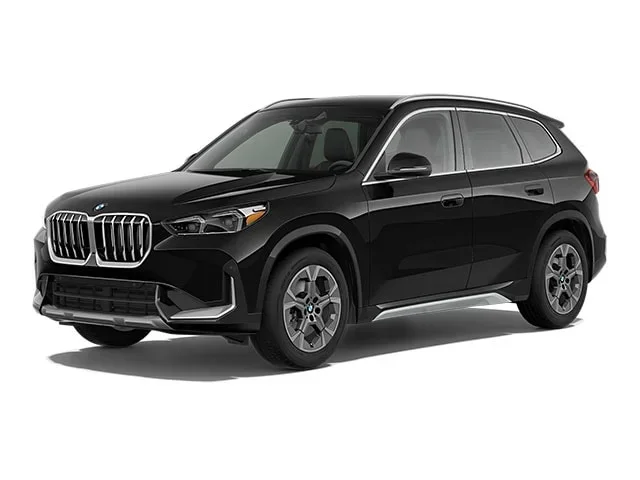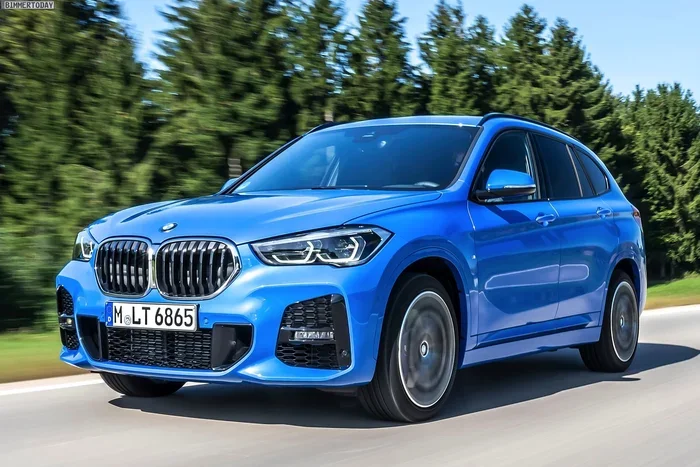
Featured image for BMW X1 2019 SUV
Image source: cdn.bimmertoday.de
Why X1 2019 not announced yet is a common question because BMW skipped the 2019 model year for the X1 in many markets. This happened due to a major generation changeover from the F48 to the U11 platform. The delay allowed BMW to prepare a fully redesigned vehicle with new tech and electrified powertrains. Buyers faced a gap in availability but gained a significantly better SUV.
If you walked into a BMW dealership in early 2019 looking for a brand-new X1, you likely left confused. The brochures were gone. The configurator was down. The salesperson might have shrugged and said, “We are waiting on the next one.” You are not alone in asking why X1 2019 not announced yet. It wasn’t a mistake. It wasn’t a supply chain snafu. It was a deliberate, strategic decision by BMW to skip an entire model year. This article breaks down exactly why that happened, what it meant for buyers, and how it shaped the X1 you see on the road today.
Key Takeaways
- Model Year Skip: BMW officially skipped the 2019 model year for the X1 in the US and several other markets to transition factories.
- Generation Change: The gap marked the switch from the F48 (first gen FWD-based) to the U11 (second gen) architecture.
- Electrification Focus: The delay facilitated the introduction of the BMW iX1 and efficient 48V mild-hybrid systems.
- Dealer Inventory: Dealers sold off 2018 stock well into 2019, creating a “silent” year for new orders.
- Competitor Advantage: Rivals like the Audi Q3 and Volvo XC40 launched 2019 models, capturing market share during the BMW gap.
- Used Market Value: The 2018 X1 became a high-value used buy due to the lack of a 2019 new alternative.
- Launch Timing: The new generation debuted globally in 2022 as a 2023 model, making the wait roughly 3-4 years.
📑 Table of Contents
- The Short Answer: A Planned Generation Gap
- Understanding the BMW Model Lifecycle
- Deep Dive: Why The Delay Was So Long
- What Happened During The “Missing Years”?
- The U11 Arrival: Was The Wait Worth It?
- Expert Insight: The Strategic Gamble
- Common Mistakes Buyers Made During The Gap
- Quick Tips: Navigating The Post-Gap Market (2023+)
- Maintaining Your Current Ride While You Decide
- Comparing The Generations: F48 vs U11 At A Glance
- The Used Market Today: F48 Values
- Looking Ahead: The “Neue Klasse” Shadow
- Conclusion
The Short Answer: A Planned Generation Gap
Let’s get straight to the point. BMW did not “forget” to announce the 2019 X1. They intentionally skipped the 2019 model year (MY2019) for the United States and several other major markets. The 2018 model year was the final year for the F48 chassis (the first generation built on the front-wheel-drive UKL platform). The next generation, the U11 chassis, was not ready for production until late 2022 for the 2023 model year.
This created a “gap year” where no new X1s rolled off the line for the US market. While frustrating for shoppers, this is actually somewhat common in the auto industry when a total redesign is underway. BMW chose to shut down the line early rather than pump out a stale product with a “2019” sticker on it.
Understanding the BMW Model Lifecycle
To understand the silence, you have to understand how BMW plans its vehicle lives. Most cars run on a 7-year cycle. The first generation X1 (E84) ran from 2009 to 2015. The second generation (F48) launched as a 2016 model. By 2018, that platform was hitting its 7-year limit. The architecture was aging. The interior tech (iDrive 6) was falling behind the new iDrive 8/OS 8 system. The engines needed updates for stricter emissions.
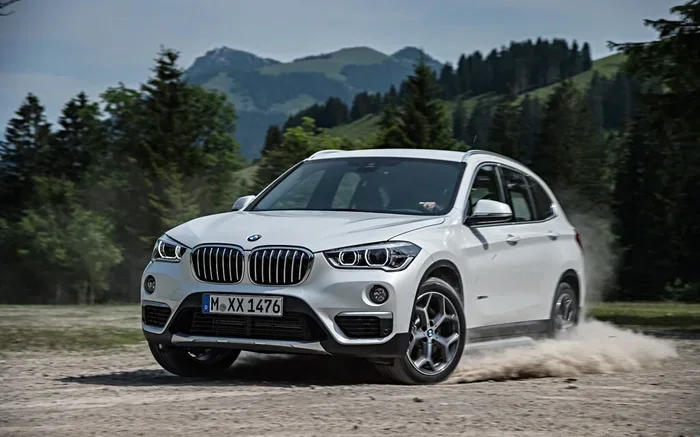
Visual guide about BMW X1 2019 SUV
Image source: i.gaw.to
The F48 Platform Limitations
The F48 was a landmark car. It was the first X1 to switch from rear-wheel-drive bias to front-wheel-drive bias (UKL platform). This freed up massive interior space. But by 2018, the platform had limits:
- It could not support the new BMW Operating System 8 with the massive curved display.
- It lacked the electrical architecture for 48V mild-hybrid systems across the range.
- It could not accommodate the battery packaging needed for a dedicated BMW iX1 electric variant.
- Crash structure standards had evolved, requiring a new body shell.
Rather than invest millions updating a dying platform for just one year of sales, BMW pulled the plug.
The “Model Year” vs “Calendar Year” Confusion
This is a huge source of confusion. In Europe, the F48 received a mild facelift (LCI – Life Cycle Impulse) in mid-2019. European buyers did get a “2019” car with updated lights and bumpers. But in the US, BMW decided the cost of federalizing that facelift for only 6-12 months of sales wasn’t worth it. They federalize the next generation instead. So, the US got nothing for 2019, 2020, 2021, and most of 2022.
Deep Dive: Why The Delay Was So Long
Skipping one model year (2019) is normal. Skipping four model years (2019, 2020, 2021, 2022) is aggressive. Why did the U11 take so long to arrive?
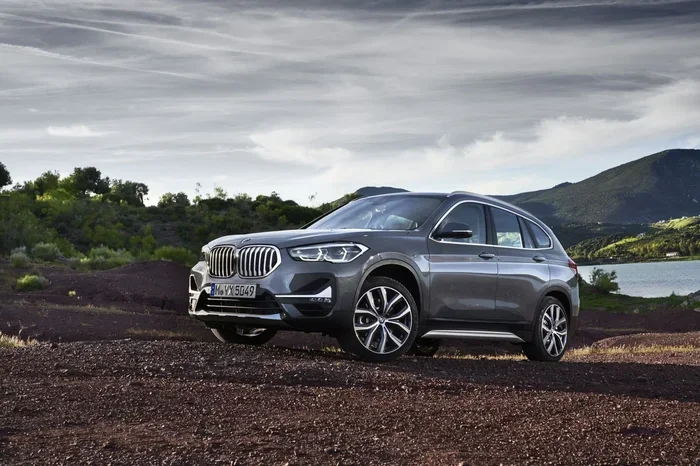
Visual guide about BMW X1 2019 SUV
Image source: s1.cdn.autoevolution.com
1. The UKL to FAAR Platform Shift
The new X1 (U11) doesn’t just use an updated UKL platform. It moves to the FAAR (Front-wheel-drive Architecture AR) platform. This is a modular architecture shared with the new 2 Series Active Tourer, X2, and even the MINI Countryman. Developing a new modular architecture takes years of validation. It’s not just a reskin; it’s a new skeleton.
2. The Electrification Mandate
BMW committed to offering an EV version of every core model. The F48 could not house a battery pack large enough for a competitive EV range without ruining cargo space. The FAAR platform was engineered from day one with a “power of choice” strategy: gas, diesel, plug-in hybrid (PHEV), and full EV (iX1) on the same line. This complexity added 18-24 months to the development cycle.
3. Software Defined Vehicle (SDV) Strategy
Modern BMWs are rolling computers. The U11 is one of the first models to run the new BMW OS 9 on the Qualcomm Snapdragon Ride platform. Developing the software stack, the curved display integration, and the 5G connectivity took longer than the sheet metal. BMW delayed the car to ensure the software wouldn’t be buggy at launch—a smart move given the issues some rivals faced.
4. Global Pandemic & Supply Chain
Let’s not ignore the elephant in the room. The U11 was targeting a 2021 reveal. COVID-19 hit in early 2020. The Regensburg plant (where X1 is built) shut down. Semiconductor shortages delayed the new controller chips needed for the curved display. Logistics nightmares delayed interior trim components. These external factors turned a 2-year gap into a 4-year gap.
What Happened During The “Missing Years”?
So, from late 2018 to late 2022, you couldn’t buy a new X1 in the US. What happened to the market?
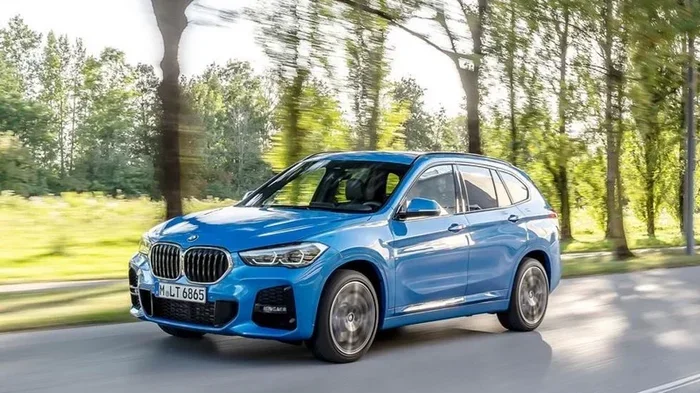
Visual guide about BMW X1 2019 SUV
Image source: autopista.es
Dealer Inventory Run-Out
Dealers had 2018 stock. They sold these as “leftover” models well into 2019. Because there was no 2019 model coming, dealers didn’t have to discount them heavily at first. They marketed them as “The last of the current generation.” By late 2019, inventory dried up completely. The X1 simply vanished from the BMW USA website.
The Certified Pre-Owned (CPO) Boom
With no new cars, the CPO market exploded. Off-lease 2016-2018 X1s flooded dealer lots. BMW Financial Services supported these with subsidized rates. For a savvy buyer, this was the golden era. You got a nearly new car with a warranty for $10k less than MSRP. The lack of a 2019 model actually protected residual values of the 2018 because there was no “new” model to depreciate against.
Competitors Filled The Void
This is where BMW took a risk. While the X1 was absent, rivals launched all-new cars:
| Competitor | Action During X1 Gap (2019-2022) | Impact |
|---|---|---|
| Audi Q3 | Launched all-new 2019 model (F3 platform) | Captured entry-level luxury buyers immediately. |
| Volvo XC40 | Launched 2019, added Recharge EV in 2021 | Won “Car of the Year” awards; stole tech-focused buyers. |
| Mercedes GLA | Launched all-new 2021 model (H247) | Offered fresh styling and MBUX tech during the gap. |
| Lexus UX | Launched 2019 | Provided hybrid reliability alternative. |
BMW essentially ceded the segment for 3.5 years. They bet that the U11 would be so superior it would win buyers back instantly. Sales data suggests they were mostly right—the 2023 X1 had a massive launch—but they lost conquest buyers who needed a car now.
The U11 Arrival: Was The Wait Worth It?
The U11 generation launched globally in June 2022 as a 2023 model. It arrived with a bang. Here is what the 4-year wait bought you.
Exterior: Evolution, Not Revolution
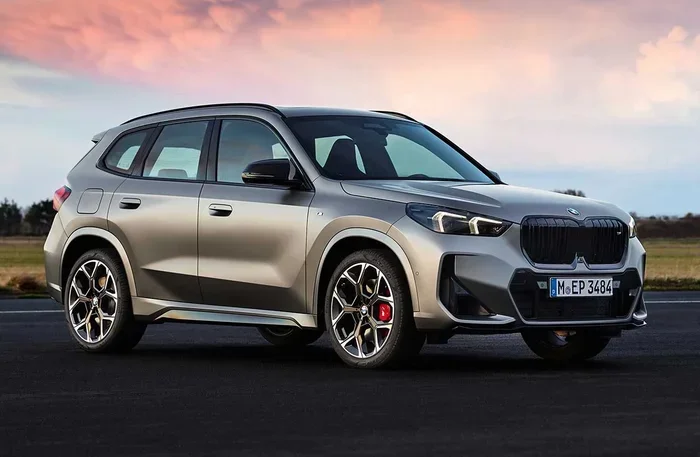
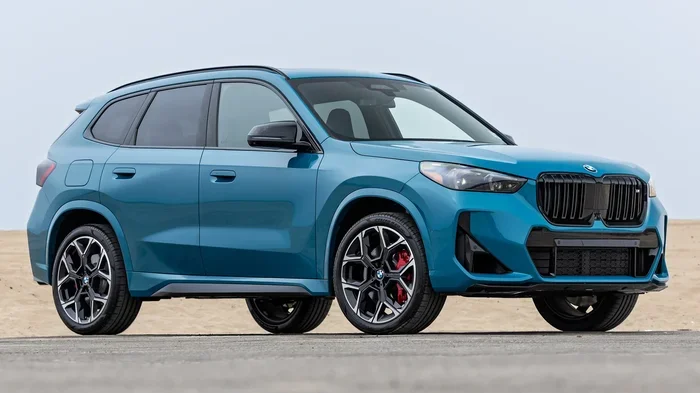
The U11 looks like an X1, just sharper. The kidney grille is larger (but not controversial huge). The headlights are slimmer. The silhouette is nearly identical, preserving the boxy, practical proportions. It grows slightly: +53mm length, +24mm width, +44mm height. That translates to real rear legroom and cargo space gains.
Interior: The Tech Leap
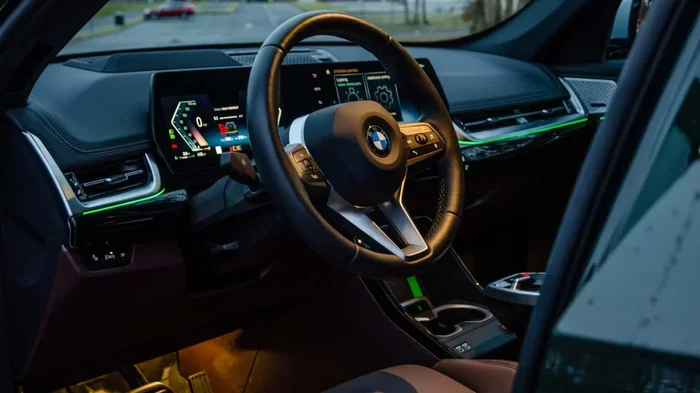
This is the biggest change. The old floating screen is gone. You get the BMW Curved Display (10.25″ cluster + 10.7″ touchscreen) running OS 9. No more physical climate knobs (controversial, but standard now). Materials are noticeably upmarket. The gear selector moves to the steering column (toggle switch), freeing massive center console storage. It finally feels like a $40k+ car inside.
Powertrains: The “Power of Choice” Reality
The F48 was mostly gas (sDrive28i / xDrive28i). The U11 lineup is complex:
- X1 sDrive18i / xDrive23i: 1.5L 3-cylinder + 48V mild hybrid (Europe/Global).
- X1 xDrive28i (US): 2.0L 4-cylinder + 48V mild hybrid. 241 hp. 0-60 in 6.2s. Smooth, punchy.
- X1 xDrive30e (PHEV): 1.5L 3-cyl + e-motor. ~50 miles EV range (WLTP). Great for tax breaks.
- BMW iX1 xDrive30 (EV): Dual motor, 313 hp, 64.7 kWh battery. ~260-270 miles EPA range. The star of the show.
The 48V mild hybrid on the gas models eliminates turbo lag and powers the electrical system efficiently. The iX1 is the first compact luxury EV from a German brand in this segment (beating Audi Q4 e-tron and Mercedes EQA to market in some regions).
Driving Dynamics
Because the FAAR platform is stiffer and the suspension geometry is new (dual-joint front, multi-link rear), the U11 handles better than the F48. The steering is heavier. The ride is more composed. It feels less “tall hatchback” and more “small X3.” The iX1, despite the battery weight, has a low center of gravity and 50:50 weight distribution.
Expert Insight: The Strategic Gamble
“BMW made a calculated bet,” says an industry analyst familiar with BMW’s product planning. “They knew the F48 was still competitive on space and driving dynamics in 2018. But it was dead on tech and electrification. Spending $50M+ to federalize a facelift for one year makes zero ROI. They took the market share hit to launch a ’10-year car’ in the U11. The iX1 alone justifies the wait for their EV roadmap.”
This aligns with BMW’s “Neue Klasse” strategy. The U11 is the bridge. It uses current tech but is built on a line ready for the next-gen electric architecture.
Common Mistakes Buyers Made During The Gap
If you were shopping 2019-2022, you likely fell into one of these traps:
- Buying a used 2018 at “new car” price: Some dealers marked up low-mileage 2018s near MSRP because “they aren’t making them anymore.” Bad deal. Depreciation still hits hard.
- Leasing a competitor planning to swap back: Many leased a Q3 or XC40 for 36 months. When the X1 launched in 2023, they had negative equity or lease-end fees preventing a switch.
- Ignoring the CPO warranty: BMW CPO adds 1 year/unlimited miles to the factory warranty. That 2018 CPO X1 was often a safer financial bet than a new 2019 Audi Q3 with a standard 4yr/50k warranty.
- Waiting for a “2020” that never came: Some buyers sat on the fence for 3 years. Their old car lost value, and incentives disappeared.
Quick Tips: Navigating The Post-Gap Market (2023+)
Now that the U11 is here, the landscape has flipped. Here is how to play it:
- Test drive the iX1 even if you want gas: The instant torque and silence might change your mind. Residual values on the EV are currently strong.
- Check 2023 vs 2024 spec changes: 2024 models added standard features (like heated seats in some packages) that were optional on launch 2023s.
- Negotiate on 2023 loaners: Dealers have loopers/demo cars. These are “new” but have 3k-5k miles. Big discounts available.
- Don’t sleep on the xDrive28i: The 2.0L 4-cyl with 48V is the sweet spot. Quicker than the old 28i, better MPG, smoother start/stop.
- Verify charging capability: If buying iX1, ensure your home wiring supports 11kW AC charging (standard on car) to maximize overnight speed.
Maintaining Your Current Ride While You Decide
If you held onto your older BMW (maybe an E84 X1 or a 3 Series wagon) during the gap, maintenance is key. Keeping the cooling system healthy is priority number one on these turbo engines. It is critical to know what colour is BMW coolant and why it matters because using the wrong type (green vs blue vs pink) can cause gasket failure and electrolysis in the aluminum block. Stick to genuine BMW HT-12 (blue/green) or the newer Si-OAT (pink) depending on your model year—never mix them. A $30 coolant flush saves a $3,000 head gasket job.
Comparing The Generations: F48 vs U11 At A Glance
| Feature | F48 (2016-2018) | U11 (2023-Present) |
|---|---|---|
| Platform | UKL1 (FWD bias) | FAAR (FWD bias, EV ready) |
| Infotainment | iDrive 6 / 7 (Knob + Touch) | OS 9 (Curved Touchscreen + Voice) |
| Digital Cluster | Analog dials + small LCD | Fully Digital 10.25″ Standard |
| Mild Hybrid (48V) | No | Yes (All Gas Models) |
| PHEV Option | xDrive25e (Short range) | xDrive30e (~50 mi EV range) |
| Full EV Option | No | iX1 xDrive30 (~270 mi EPA) |
| Rear Space | Good | Best in Class (Sliding rear bench) |
| Cargo Capacity | 27.1 / 58.7 cu ft | 29.6 / 57.2 cu ft (Gas) / 49.8 cu ft (iX1) |
The Used Market Today: F48 Values
Because there was no 2019-2022 new X1, the F48 (2016-2018) holds value unusually well. It is the “last of the physical buttons” generation. Enthusiasts who hate the new all-touch interface pay a premium for clean, low-mile F48s. If you own one, keep it clean. If you are buying one, get a PPI (Pre-Purchase Inspection). Check the timing chain tensioner (N20/B48 engines), transfer case fluid (xDrive), and the infamous oil filter housing gasket leak.
Looking Ahead: The “Neue Klasse” Shadow
Here is the kicker. The U11 we just waited 4 years for? It has a short life. BMW’s Neue Klasse platform (dedicated EV architecture, 800V, cylindrical cells) launches around 2025-2026 on the 3 Series sedan and an X3-sized SUV. An X1-sized “Neue Klasse” vehicle (likely the iX1 successor) will follow by 2027-2028. The U11 might only have a 5-6 year run. If you lease, this doesn’t matter. If you buy and keep 10 years, the U11 gas/PHEV models will age better than the iX1 (tech moves fast in EVs).
Conclusion
The mystery of why X1 2019 not announced yet boils down to one thing: BMW chose pain now for gain later. They refused to sell an outdated car just to fill a spreadsheet. They endured a 3.5-year market absence to launch a vehicle that leads the segment in tech, electrification, and quality. If you bought a competitor in 2020, you got a great car. If you waited for the U11, you got a generation leap. There is no wrong answer, but now you know the why behind the silence. The X1 is back, better than ever, and the lineup finally has an electric heart.
Frequently Asked Questions
Did BMW sell the X1 in 2019 in the USA?
No, BMW did not sell a 2019 model year X1 in the USA. The 2018 model year was the final year for the F48 generation, and the next generation (U11) did not arrive until the 2023 model year.
Was there a 2019 BMW X1 in Europe?
Yes, Europe received a facelifted (LCI) version of the F48 X1 in mid-2019 with updated styling and mild-hybrid engines, but this version was not federalized for the US market due to the short remaining lifecycle.
Why was the gap between X1 generations so long?
The gap lasted roughly four years (2019–2022) because BMW was engineering an all-new platform (FAAR) to support electric, plug-in hybrid, and gas powertrains, plus new software architecture (BMW OS 9). The COVID-19 pandemic and chip shortage further delayed the launch.
Is the 2018 BMW X1 a good used buy because of the gap?
Yes, the 2018 X1 is often a strong used value. It is the last year with physical climate controls and a proven platform. Certified Pre-Owned examples come with extended warranties, making them lower risk than the first year of the new U11 generation.
What engine does the 2023 BMW X1 have compared to the 2018?
The 2018 X1 (xDrive28i) used a 2.0L turbo-4 with 228 hp. The 2023 X1 (xDrive28i) uses a newer 2.0L turbo-4 with a 48V mild-hybrid system producing 241 hp, offering better torque fill and fuel economy.
When will the next BMW X1 redesign happen?
The current U11 generation is expected to be replaced around 2027-2028 by a model based on BMW’s “Neue Klasse” dedicated EV platform, which will feature 800V charging and cylindrical battery cells.