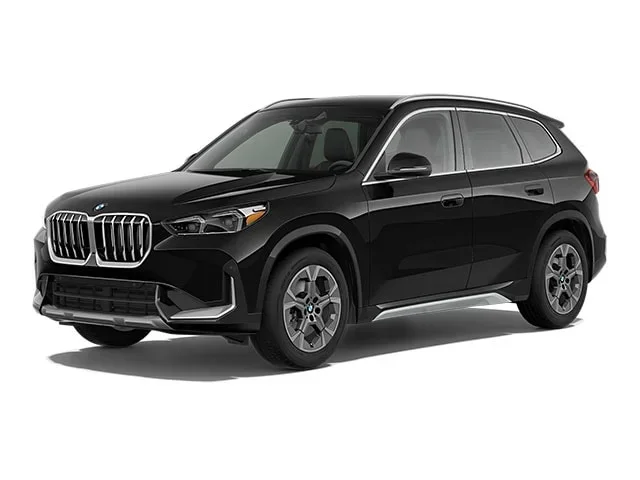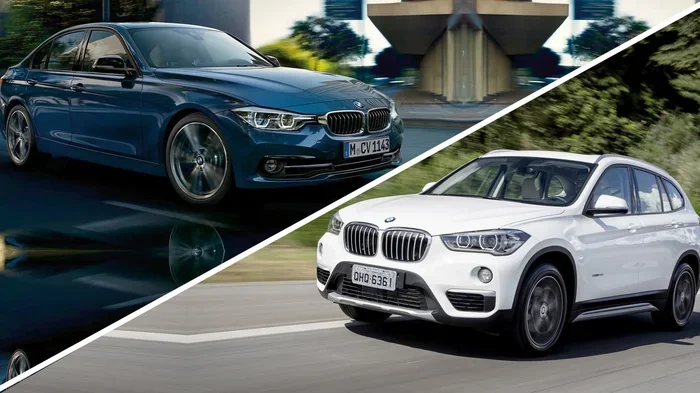
Featured image for BMW 320i vs X1
Image source: cdn.motor1.com
What is more to drive bmw 320 oe x1 depends entirely on your priorities: the BMW 320i offers a lower, sportier sedan feel with sharp handling, while the BMW X1 provides a higher seating position, more cargo space, and versatile all-wheel drive. This guide breaks down performance, comfort, technology, and ownership costs to help you choose the right BMW for your lifestyle.
Choosing between a BMW 320i and a BMW X1 is one of the most common dilemmas for entry-level luxury buyers. Both sit at the gateway to the brand, both wear the roundel proudly, and both use similar powertrains. Yet, they deliver completely different experiences behind the wheel. If you have been searching what is more to drive bmw 320 oe x1, you are likely weighing the classic sports sedan formula against the modern compact SUV craze.
We have spent extensive time in both vehicles, analyzing everything from steering weight to trunk loading height. This guide cuts through the marketing brochures to give you the real-world differences. We will cover driving dynamics, interior practicality, technology, running costs, and which one ultimately fits your garage better.
Key Takeaways
- Body Style Defines the Drive: The 320i is a low-slung sports sedan; the X1 is a tall compact SUV with a commanding view.
- Engine Parity: Both typically use the same 2.0L turbo-four (B48), delivering similar horsepower and torque figures.
- Handling vs. Utility: The 320i wins on cornering agility and steering feel; the X1 wins on passenger room, cargo flexibility, and ground clearance.
- Interior Tech is Nearly Identical: Modern generations share the same curved display, iDrive 8/9, and material quality.
- Price Gap is Small: MSRP starts are close, but options and drivetrain choices (sDrive vs xDrive) shift the final number.
- Fuel Economy Favors the Sedan: The 320i generally returns slightly better MPG due to lower weight and better aerodynamics.
- Reliability is Comparable: Both share core components, making long-term maintenance costs similar if serviced correctly.
📑 Table of Contents
- Core Differences at a Glance
- Driving Dynamics: The Heart of the Matter
- Interior, Space, and Practicality
- Technology and Infotainment
- Ownership Costs: Fuel, Maintenance, and Reliability
- Trim Levels and Value Proposition
- Who Should Buy Which?
- Common Mistakes to Avoid
- Expert Insights: The “Hidden” Factors
- Frequently Overlooked Features
Core Differences at a Glance
Before diving deep, let’s establish the fundamental mechanical and dimensional gaps. The BMW 320i (part of the G20 3 Series generation) is a sedan. The BMW X1 (U11 generation) is a subcompact crossover. They ride on different platforms: the 3 Series uses the CLAR architecture (rear-wheel-drive biased), while the X1 uses the FAAR architecture (front-wheel-drive biased). This single fact dictates almost everything you feel while driving.
| Specification | BMW 320i (G20) | BMW X1 (U11 xDrive28i) |
|---|---|---|
| Body Style | 4-Door Sedan | 5-Door Compact SUV |
| Platform | CLAR (RWD Bias) | FAAR (FWD Bias) |
| Engine | 2.0L Turbo I4 (B48) | 2.0L Turbo I4 (B48) |
| Horsepower | 255 hp | 241 hp (xDrive28i) |
| Torque | 295 lb-ft | 295 lb-ft |
| Drivetrain Options | RWD (sDrive) / AWD (xDrive) | FWD (sDrive) / AWD (xDrive) |
| 0-60 mph (Est.) | 5.8 – 6.0 sec | 6.2 – 6.3 sec |
| Cargo Space (Seats Up) | 17.0 cu ft | 27.1 cu ft |
| Ground Clearance | ~5.5 inches | ~7.2 inches |
| Seating Position | Low, “In” the car | High, “On” the car |
Driving Dynamics: The Heart of the Matter
This is where the what is more to drive bmw 320 oe x1 question gets answered physically. The platform difference is not marketing speak; it changes the physics.

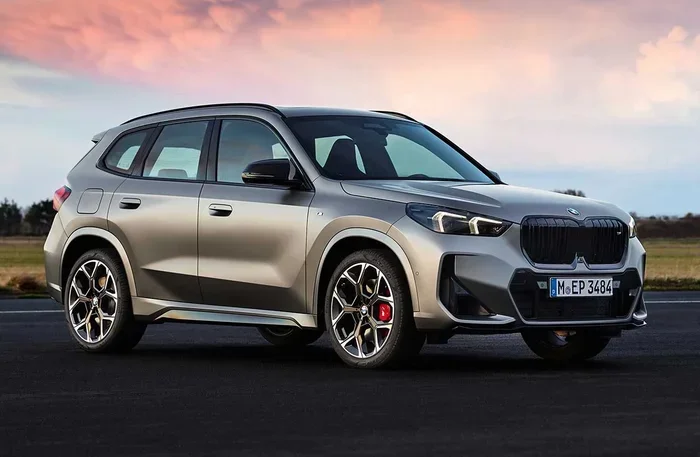
Visual guide about BMW 320i vs X1
Image source: carsome.my
The BMW 320i: Rear-Wheel-Drive Soul
Even if you option the 320i with xDrive all-wheel drive, the CLAR platform sends most power to the rear wheels under normal conditions. You sit low. The hood is long. The steering rack is quick and communicative. When you turn into a corner, the car rotates around you. The weight transfer is predictable. It feels like a proper BMW sports sedan.
- Steering Feel: Heavier, more precise, genuine feedback through the rim.
- Chassis Balance: Near 50/50 weight distribution. Neutral handling balance.
- Ride Quality: Firmer, especially on M Sport suspension. You feel road texture.
- Acceleration: Quicker off the line due to lower weight and RWD traction (in dry conditions).
Quick Tip: If you live in a snowy climate, the 320i xDrive is excellent, but a 320i sDrive (RWD) on summer tires is useless in winter. Budget for a dedicated winter wheel/tire set.
The BMW X1: Front-Wheel-Drive Practicality
The X1 uses the FAAR platform. This means the engine sits transversely, and the front wheels do the heavy lifting. The xDrive system here is a clutch-pack setup that sends power rearward only when slip is detected. You sit higher. The view over traffic is commanding. The steering is lighter, tuned for parking lots and highway cruising rather than canyon carving.
- Steering Feel: Lighter, less feedback, more assist at low speeds.
- Chassis Balance: Front-heavy. Understeer is the dominant limit characteristic.
- Ride Quality: More compliant over potholes; taller sidewalls absorb impacts better.
- Traction: Superior foul-weather traction with xDrive because weight is over the driven front wheels.
Expert Insight: Do not dismiss the X1 as “boring.” The xDrive28i is genuinely quick. It just delivers speed differently—less drama, more security. It is a daily driver first, sport sedan second.
Transmission and Engine Notes
Both use the B48 2.0-liter turbocharged inline-four paired with a 7-speed dual-clutch transmission (DCT) in the X1 and an 8-speed ZF torque-converter automatic in the 320i. The ZF 8-speed in the 3 Series is legendary for smoothness and quick shifts. The DCT in the X1 is snappier but can jerk slightly at very low speeds in traffic. Engine noise is well-suppressed in both, though the 3 Series has slightly better sound deadening.
Interior, Space, and Practicality
If the driving dynamics favor the 320i, the lifestyle practicality heavily favors the X1.

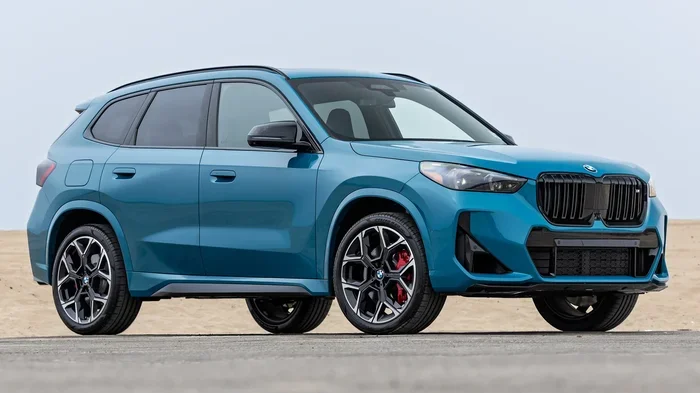
Visual guide about BMW 320i vs X1
Image source: mediapool.bmwgroup.com
Seating and Visibility
The X1’s higher hip-point makes entry and exit effortless. You step into the seat rather than dropping down into it. Visibility is superior in the X1 thanks to larger glass areas and thinner pillars (relatively speaking). The 320i has a sloping roofline that cuts into rear headroom for taller passengers. The X1 offers stadium-style rear seating and significantly more legroom in the back for the segment.
Cargo and Versatility
This is the X1’s knockout punch. With the rear seats up, the X1 offers roughly 27 cubic feet vs the 320i’s 17 cubic feet. Fold the X1’s 40/20/40 split rear seats, and you get a near-flat load floor with over 57 cubic feet. The 320i has a pass-through for skis, but the trunk opening is narrow. If you haul strollers, golf bags, or Costco runs, the X1 wins hands down.
Material Quality and Design
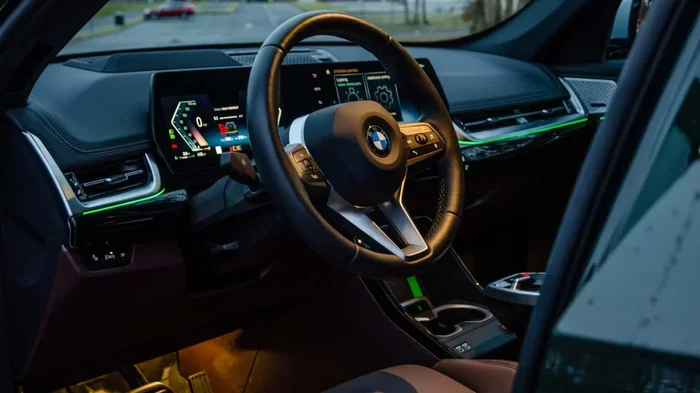
Both feature the BMW Curved Display (12.3″ cluster + 14.9″ touchscreen) running iDrive 8/9. Both use “Veganza” simulated leather as standard (real leather is an option). The dashboard architecture is nearly identical. The 3 Series feels slightly more “driver-centric” with the center console angled toward you. The X1 feels airier. Build quality is top-tier in both; panel gaps are tight, switches feel damped and expensive.
Technology and Infotainment
There is virtually no difference here. Both run the latest BMW Operating System 9.

Visual guide about BMW 320i vs X1
Image source: s3-ap-northeast-1.amazonaws.com
- Wireless Apple CarPlay / Android Auto: Standard on both.
- Digital Key Plus: Use your iPhone/Apple Watch or Android phone as a key.
- Voice Assistant: “Hey BMW” natural language commands.
- Over-the-Air Updates: Keeps software fresh.
- Available Features: Head-Up Display, Harman Kardon Audio, Parking Assistant Professional, Driving Assistant Professional (hands-free highway driving on certain roads).
The screens are bright, responsive, and the menu logic is improved over older iDrive versions. However, climate controls are buried in the touchscreen on both, which remains a common complaint.
Ownership Costs: Fuel, Maintenance, and Reliability
Buying the car is only the first check. Writing the checks for years to come is where the rubber meets the road.
Fuel Economy
The 320i sDrive (RWD) is the efficiency king here, EPA rated around 26 City / 36 Highway / 30 Combined MPG. The 320i xDrive drops to ~25/34/28. The X1 xDrive28i sits around 24 City / 33 Highway / 27 Combined MPG. The X1 sDrive (FWD) matches the 320i xDrive closely. The sedan’s lower drag coefficient and weight give it the edge on long highway trips.
Maintenance and Service
Both share the B48 engine, so oil changes, filter intervals, and spark plug schedules are identical (typically 10k-12k miles for oil, 60k for plugs). Both require BMW LL-01 FE 0W-20 oil. Brake fluid every 2 years. Coolant is long-life. Because the X1 is FWD-based, front brake pads wear faster than the 320i’s more evenly distributed wear. However, the 320i RWD wears rear tires faster if you drive enthusiastically. For a deep dive on scheduled maintenance, see what does bmw service include essential guide.
Tires and Run-Flats
Both come standard with run-flat tires. This means no spare tire, but you can drive 50 miles at 50 mph after a puncture. Run-flats are stiffer, noisier, and more expensive to replace. Many owners switch to non-run-flats immediately and carry a mobility kit. Tire sizes differ: the 320i often runs a staggered setup (wider rear) on M Sport models, meaning you cannot rotate tires. The X1 typically runs a square setup (same size all four), allowing rotations to extend life. Learn more about the pros and cons at what are bmw run flat tires design benefits and care.
Reliability Outlook
The B48 engine is widely regarded as one of BMW’s most robust modern engines. Timing chain issues of the N20 are gone. Water pumps and thermostats are still wear items around 80k-100k miles. The ZF 8-speed (320i) is more proven than the 7-speed DCT (X1), but the DCT has improved significantly. Electronics (sensors, modules) are the most common failure points on both. Overall, reliability is average for the class—better than a Range Rover, not as bulletproof as a Lexus. For model-specific reliability data, check identifying the most reliable bmw models for longevity.
Trim Levels and Value Proposition
Both cars offer a similar trim walk: Base -> xLine / M Sport -> M35i / M235i (performance variants). We are comparing the volume sellers: 320i vs X1 xDrive28i.
BMW 320i Trims
- Base: 18-inch wheels, LED lights, Veganza, Curved Display, 10-speaker audio.
- M Sport: 19-inch wheels, M aero kit, M steering wheel, Shadowline trim, M Sport suspension (lower/stiffer), sport seats. Highly recommended for the driving experience.
BMW X1 Trims
- xLine: 19-inch wheels, roof rails (satin aluminum), specific bumpers, faux leather dash trim.
- M Sport: 19/20-inch wheels, M aero, M steering wheel, M Sport suspension, sport seats, red brake calipers. Best looking, but ride gets firm on 20s.
Pricing Reality (2024/2025 Estimates)
- 320i sDrive MSRP: ~$43,000
- 320i xDrive MSRP: ~$45,000
- X1 sDrive28i MSRP: ~$40,000
- X1 xDrive28i MSRP: ~$42,000
Add $3,000-$5,000 for M Sport, Premium packages, and destination. A nicely equipped 320i xDrive M Sport lands near $55k. An X1 xDrive28i M Sport lands near $52k. The X1 gives you more metal for the money.
Who Should Buy Which?
Let’s make the decision simple based on your honest daily reality.
Buy the BMW 320i If:
- You drive alone or with one passenger 90% of the time.
- You enjoy driving—corners, on-ramps, steering feedback matter to you.
- You prefer a lower, sportier seating position.
- You want better fuel economy on highway commutes.
- You think sedans look better than SUVs (subjective, but valid).
- You live in a mild climate or have a second car for snow duty (if buying sDrive).
Buy the BMW X1 If:
- You regularly carry 3-4 adults.
- You need cargo flexibility (dogs, bikes, strollers, luggage).
- You want easy entry/exit for kids or older passengers.
- You face real winters and want standard AWD (xDrive) with high ground clearance.
- You sit in stop-and-go traffic (higher view reduces fatigue).
- You want the “SUV tax” resale value buffer (compact SUVs hold value well).
Common Mistakes to Avoid
- Buying 320i sDrive (RWD) in the Snow Belt without winter tires: It is dangerous. The car will not go, stop, or turn.
- Optioning 20-inch wheels on the X1 M Sport if roads are rough: Ride quality suffers significantly; pothole damage risk rises.
- Ignoring the “M Sport” suspension on the 320i: The standard suspension is too soft/floaty for the chassis potential. M Sport transforms the car.
- Assuming the X1 is “just a Mini Countryman”: It shares the platform, but tuning, NVH, and tech are distinctively BMW.
- Skipping the Driving Assistant Professional package: The adaptive cruise with stop-and-go and lane centering is a game-changer for highway commutes in both cars.
Expert Insights: The “Hidden” Factors
Beyond the spec sheet, there are nuances enthusiasts notice.
Noise, Vibration, Harshness (NVH)
The 3 Series benefits from the CLAR platform’s inherent isolation. The firewall is further from the engine. Wind noise at 80 mph is lower. The X1 has improved vastly over the old model (F48), but you still hear more tire roar and wind buffeting around the A-pillars/mirrors due to the upright shape.
Dealer Experience and Loaners
3 Series buyers often get prioritized for “like-for-like” loaners (another 3 Series or 5 Series). X1 buyers might get an X1 or a 2 Series Gran Coupe. If dealer service experience matters, the 3 Series historically carries slightly more “prestige” weight in the service lane, though this varies wildly by dealer.
Resale Value
Compact luxury SUVs (X1, X3, Q3, GLA) depreciate slower than compact luxury sedans (3 Series, C-Class, A4, IS) right now. Market demand favors high-riding vehicles. In 3 years, the X1 will likely retain a higher percentage of MSRP.
Frequently Overlooked Features
- BMW Digital Key Plus: Works on both. Share keys with family via iMessage. No physical fob needed.
- Remote Software Upgrade: Both get new features (like Steam gaming platform, video streaming) via OTA.
- Personal eSIM: You can use your own data plan in the car instead of BMW’s subscription.
- Interior Camera: Standard on both now. Records cabin for security or “Car Wash” mode recording.