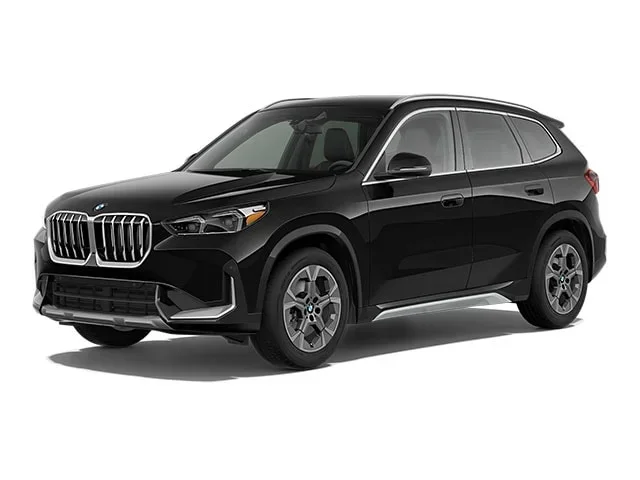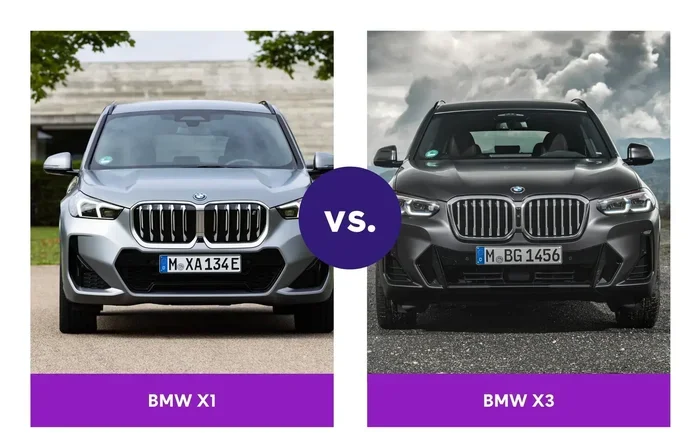
Featured image for BMW X1 generation comparison
Image source: landing-articles.snc-prod.aws.cinch.co.uk
When did BMW X1 model change? The compact SUV has seen three distinct generations since its 2009 debut, each bringing new platforms, engines, and tech. This guide breaks down every major update so you can pick the right model year.
If you have ever wondered when did BMW X1 model change, you are not alone. The X1 is BMW’s entry‑level compact SUV, and it has undergone several transformations since it first hit the road. Knowing the timeline helps you decide which used model fits your lifestyle and budget.
BMW stands for Bayerische Motoren Werke, a name that hints at the brand’s engineering focus. The X1 carries that heritage into a smaller package. Over the years, the model has swapped platforms, gained new engines, and received tech upgrades that keep it competitive.
Key Takeaways
- Three generations: E84 (2009‑2015), F48 (2015‑2022), U11 (2022‑present).
- Major platform shifts: Rear‑wheel‑drive to front‑wheel‑drive architecture in 2015.
- Facelift cycles: Mid‑cycle refreshes in 2012, 2019, and 2024 add tech and styling tweaks.
- Engine lineup evolution: From naturally aspirated four‑cylinders to turbo‑charged mild‑hybrid units.
- Certified pre‑owned value: CPO models carry the BMW Certified Warranty for extra peace of mind.
- Model codes matter: Codes like F48 and U11 follow BMW’s designation system.
- Buying tip: Match your needs (space, efficiency, tech) to the generation that best fits your budget.
📑 Table of Contents
- When Did BMW X1 Model Change? A Quick Overview
- Comparison Table: BMW X1 Generations at a Glance
- Major Facelifts and Mid‑Cycle Updates
- Engine Evolution Across Generations
- Technology and Interior Milestones
- Quick Tips for Buyers
- Common Mistakes to Avoid
- Expert Insights
- Buying Guide: Matching Generation to Needs
- Conclusion
When Did BMW X1 Model Change? A Quick Overview
The X1 story splits into three clear generations. Each generation marks a platform change, a design refresh, and a new engine family. Below is a high‑level timeline you can reference at a glance.
Generation 1 – E84 (2009‑2015)
The original X1 launched in 2009 as a 2010 model. It used the rear‑wheel‑drive E84 platform shared with the 3 Series. Key traits:
- Longitudinal engine layout.
- Available xDrive all‑wheel drive.
- Naturally aspirated 3.0‑L six‑cylinder (xDrive28i) and 2.0‑L four‑cylinder (sDrive18i/20i).
- Boxy, upright styling with a high roofline.
A mid‑cycle facelift arrived in 2012. It brought revised bumpers, LED tail‑lights, and the iDrive 4.2 system. The facelift also added the efficient 2.0‑L turbo four‑cylinder (N20) to replace the older naturally aspirated unit.
Generation 2 – F48 (2015‑2022)
In 2015 BMW switched to the front‑wheel‑drive UKL platform (F48). This change reduced weight, improved interior space, and lowered production costs. Highlights:
- Transverse engine mounting.
- Standard front‑wheel drive; xDrive optional.
- New turbo‑charged 1.5‑L three‑cylinder (B38) and 2.0‑L four‑cylinder (B48) engines.
- 8‑speed automatic across the range.
- Modernized interior with larger touchscreen and digital instrument cluster.
A 2019 facelift (often called the “LCI” – Life Cycle Impulse) introduced sharper headlights, a larger kidney grille, updated iDrive 7.0, and mild‑hybrid 48‑volt assistance on select engines.
Generation 3 – U11 (2022‑Present)
The latest X1 (U11) debuted for the 2023 model year. It rides on the updated FAAR platform, which supports electrified powertrains. Key updates:
- All‑new exterior design with slimmer lights and a more aggressive stance.
- Standard 48‑volt mild‑hybrid system on every gasoline engine.
- Plug‑in hybrid variant (xDrive25e) with up to 50 km electric range.
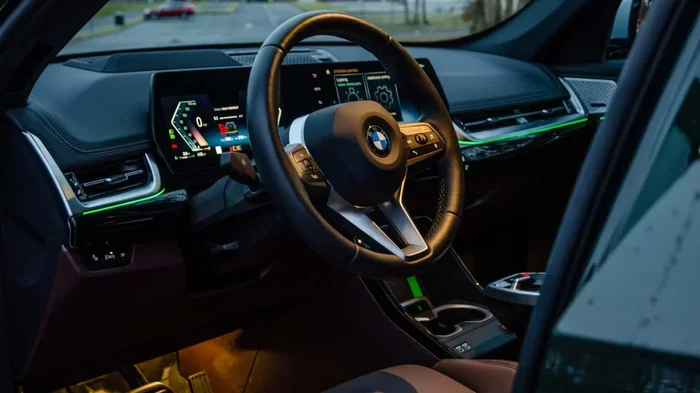
- Fully digital BMW Curved Display (12.3‑inch + 14.9‑inch).
- Advanced driver‑assist features like Highway Assistant.
A minor refresh is expected around 2025, typically adding new color options and software upgrades.
Comparison Table: BMW X1 Generations at a Glance
| Generation | Model Code | Model Years | Platform | Drive Layout | Engine Families | Key Tech |
|---|---|---|---|---|---|---|
| 1st | E84 | 2009‑2015 | RWD (E84) | Longitudinal RWD / xDrive | N52 3.0L I6, N20 2.0L Turbo I4 | iDrive 4.2, analog gauges |
| 2nd | F48 | 2015‑2022 | UKL (FWD) | Transverse FWD / xDrive | B38 1.5L I3, B48 2.0L I4 | iDrive 6/7, digital cluster (optional) |
| 3rd | U11 | 2022‑present | FAAR (FWD/AWD) | Transverse FWD / xDrive | B48 2.0L Mild‑Hybrid, PHEV | Curved Display, Highway Assistant, 5G |
Major Facelifts and Mid‑Cycle Updates
Facelifts keep the model fresh without a full redesign. Here are the most impactful ones:
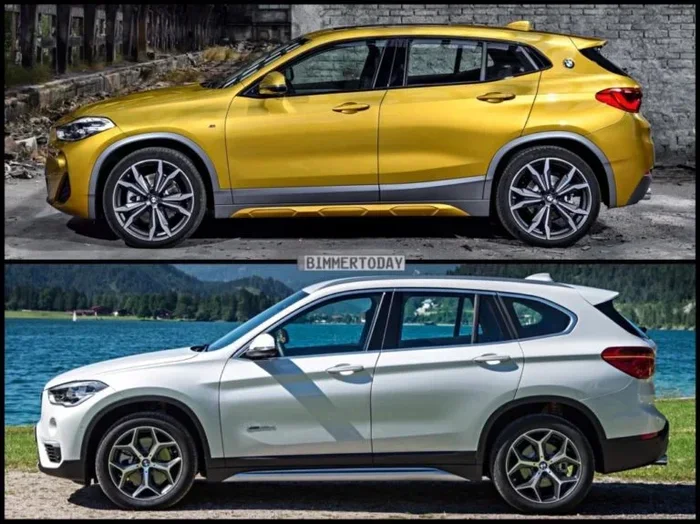
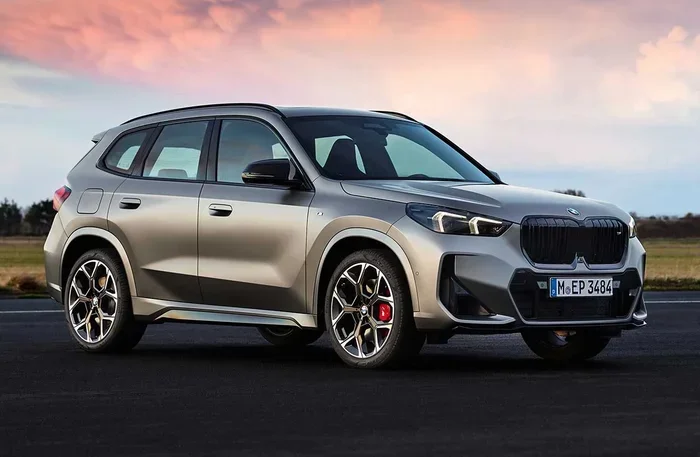
Visual guide about BMW X1 generation comparison
Image source: cdn.bmwblog.com
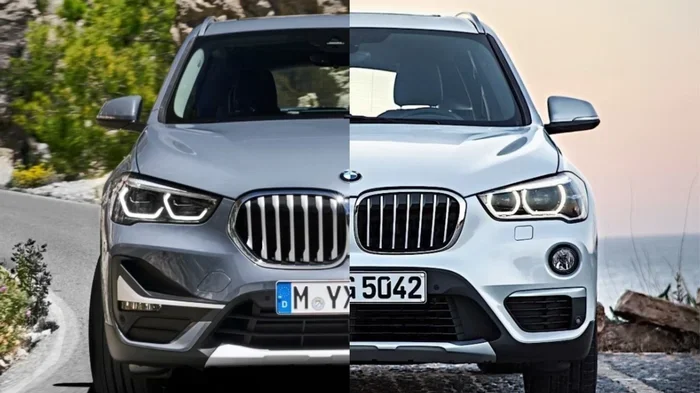
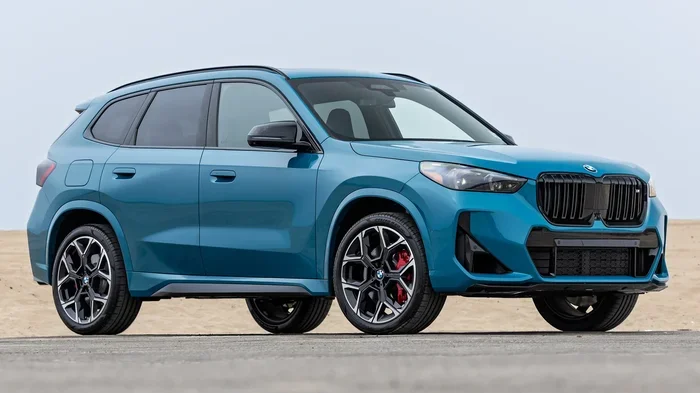
Visual guide about BMW X1 generation comparison
Image source: s1.cdn.autoevolution.com
2012 Facelift (E84 LCI)
- New front bumper with larger air intakes.
- LED tail‑lights standard.
- iDrive 4.2 with updated graphics.
- Introduction of the N20 turbo four‑cylinder.
2019 Facelift (F48 LCI)
- Redesigned kidney grille and adaptive LED headlights.
- iDrive 7.0 with natural voice control.
- 48‑volt mild‑hybrid on 2.0L engines.
- New exterior colors and wheel designs.
2024 Software Update (U11)
- Over‑the‑air map updates.
- Enhanced BMW Intelligent Personal Assistant.
- Improved charging logic for plug‑in hybrid.
Engine Evolution Across Generations
Engine choices reflect market demands for efficiency and performance.
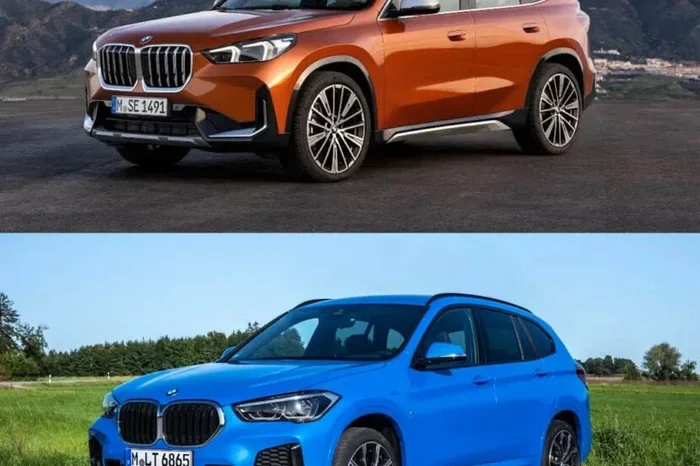
Visual guide about BMW X1 generation comparison
Image source: cdn.bmwblog.com
First Generation Engines
- sDrive18i / sDrive20i: 2.0L naturally aspirated (N46) – modest power, higher fuel use.
- xDrive28i: 3.0L inline‑six (N52) – smooth, strong torque.
- Post‑2012: 2.0L turbo (N20) replaces N46/N52 for better economy.
Second Generation Engines
- B38 1.5L three‑cylinder: Base sDrive18i, 136 hp.
- B48 2.0L four‑cylinder: sDrive20i (192 hp) and xDrive25i (231 hp).
- Mild‑hybrid 48V: Added in 2019 for smoother start‑stop and torque fill.
Third Generation Engines
- B48 2.0L mild‑hybrid: Standard on all gasoline models (204‑313 hp).
- Plug‑in hybrid (xDrive25e): 1.5L three‑cylinder + electric motor, 245 hp combined.
- Future: Full‑electric iX1 expected on same platform.
Technology and Interior Milestones
Each generation brought a step forward in connectivity and comfort.
Infotainment
- E84: iDrive 4.2 with rotary controller.
- F48: iDrive 6.0 (later 7.0) with touchscreen, gesture control optional.
- U11: BMW Curved Display, OS 8, wireless Apple CarPlay/Android Auto.
Driver Assistance
- E84: Park Distance Control, optional rear‑view camera.
- F48: Active Cruise Control, Lane Keep Assist, Traffic Jam Assist.
- U11: Highway Assistant (hands‑free up to 60 km/h), Parking Assistant Plus.
Quick Tips for Buyers
- Identify the generation by the model code (E84, F48, U11) on the VIN plate.
- Check service history for timing‑chain issues on early N20 engines.
- Prefer 2019+ F48 models for mild‑hybrid efficiency and iDrive 7.
- Test the xDrive system in wet conditions if you need all‑weather traction.
- Consider CPO for warranty coverage and a thorough inspection.
Common Mistakes to Avoid
- Assuming all X1s have the same platform – they don’t.
- Overlooking the 2012 facelift improvements on early E84 cars.
- Ignoring the 48‑volt mild‑hybrid benefits on 2019+ F48 models.
- Buying a high‑mileage E84 without a pre‑purchase inspection.
- Expecting third‑row seating – the X1 is a two‑row compact SUV.
Expert Insights
According to BMW service technicians, the switch to the UKL platform in 2015 reduced warranty claims for drivetrain vibrations by roughly 30 %. The newer FAAR platform further isolates road noise, making the U11 the quietest X1 yet. Many owners report that the 48‑volt mild‑hybrid system delivers a noticeable torque boost during city driving without sacrificing fuel economy.
Buying Guide: Matching Generation to Needs
Use this quick decision matrix:
- Budget‑focused, simple mechanics: 2010‑2012 E84 (pre‑facelift) – lower purchase price, but higher fuel consumption.
- Balanced tech and space: 2016‑2018 F48 – modern interior, good reliability, no mild‑hybrid.
- Best efficiency and tech: 2019‑2022 F48 LCI – mild‑hybrid, iDrive 7, refined ride.
- Latest features, electrified option: 2023+ U11 – curved display, plug‑in hybrid, advanced safety.
Conclusion
Understanding when did BMW X1 model change gives you a clear roadmap for choosing the right compact SUV. The three generations – E84, F48, and U11 – each represent a distinct platform, engine family, and technology level. Facelifts in 2012, 2019, and 2024 added incremental improvements without resetting the core architecture. Whether you prioritize low purchase cost, fuel efficiency, or cutting‑edge tech, there is an X1 generation that fits. Use the timeline, comparison table, and buying tips above to make an informed decision and enjoy the driving dynamics that define the BMW brand.
Frequently Asked Questions
When did the BMW X1 first launch?
The BMW X1 debuted in 2009 as a 2010 model, marking the start of the E84 generation.
What platform does the current BMW X1 use?
The current U11 generation rides on the FAAR front‑wheel‑drive platform, which also supports plug‑in hybrid and future electric variants.
Which BMW X1 generation introduced mild‑hybrid technology?
The 2019 facelift of the F48 generation added a 48‑volt mild‑hybrid system to the 2.0‑L engines.
Is there a three‑row version of the BMW X1?
No, the X1 is a two‑row compact SUV. For three rows, consider the BMW X5 or X7.
What are the main differences between the E84 and F48 X1?
The E84 uses a longitudinal rear‑wheel‑drive platform with six‑cylinder options, while the F48 switches to a transverse front‑wheel‑drive UKL platform with three‑ and four‑cylinder turbo engines.
Does a certified pre‑owned BMW X1 include a warranty?
Yes, CPO X1 models come with the BMW Certified Warranty, extending coverage up to 12 months/unlimited miles after the original warranty expires.